
Have you ever stared at an unsightly tree stump in your yard, wondering how to reclaim that space? Falling Leaf Stump Remover could be the solution you need. This product is designed to speed up the natural decomposition process of tree stumps, making removal not only quicker but also more environmentally friendly. By using this solution, you can efficiently transform your landscape, opening up options for new plants or outdoor activities. In this guide, we’ll explore how to use Falling Leaf Stump Remover for the best results, ensuring you achieve a cleaner, more appealing yard while addressing any concerns about safety and efficiency. Let’s dive into the steps that will make your stump-removal journey a breeze!
Choosing the Right Falling Leaf Stump Remover for Your Needs
Choosing the right stump remover can significantly impact the efficiency of your stump-clearing project. Falling Leaf Stump Remover is an excellent option, particularly for those who want to accelerate the natural decomposition of tree stumps in their garden. Depending on the size of the stump and the timeframe you have in mind for its removal, the product you choose should align with your specific needs. Most formulations, such as the Falling Leaf option, come in granular form, making them easy to apply and effective at penetrating the wood.
When selecting a stump remover, consider the size of the stubborn stump you are dealing with. Smaller stumps may require less product and can decompose faster compared to larger ones, which might need a more robust application. Moreover, if you’re particularly concerned about the surrounding vegetation, Falling Leaf Stump Remover is designed to avoid harming nearby plants, allowing you to focus on the stump without damaging your garden’s landscape.
In addition, think about your expectations regarding the timeframe for results. Some products state that they effectively promote decomposition within four to six weeks after application, which may influence your choice if you need a more immediate solution. By assessing your individual landscaping goals and the conditions surrounding the stump, such as soil composition and moisture level, you can make a well-informed decision that will maximize the effectiveness of your stump removal efforts.
Understanding How Falling Leaf Stump Remover Works
The process of decomposition is a natural part of an ecosystem, and Falling Leaf Stump Remover actively enhances this process to help you reclaim your yard efficiently. This granular product contains ingredients that stimulate the breakdown of wood fibers, enabling the remaining stump to decompose faster than it would under normal circumstances. By applying the remover, you’re essentially introducing microorganisms that thrive on the dead wood, hastening its decay.
To effectively use Falling Leaf Stump Remover, it’s essential to understand the steps involved. First, you should thoroughly drill multiple holes-typically around 12 inches deep-into the stump. This allows the granules to penetrate deep into the wood, ensuring that the active ingredients can reach the heart of the stump quickly. After applying the remover, it’s recommended to keep the area moist to create optimal conditions for microorganisms to thrive, facilitating a quicker breakdown of the stump.
When you apply this product, it’s not only vital to follow the recommended use but also to monitor the stump’s condition over time. Factors such as weather, soil moisture, and stump size can all affect the speed of decomposition. Generally, many users can expect to see visible signs of decay within four to six weeks, although larger stumps may take longer. For best results, consider the surrounding environment and your maintenance of the area during the decomposition period. Keep in mind that while Falling Leaf Stump Remover is designed to minimize harm to nearby vegetation, it’s wise to monitor for any unexpected impacts to ensure the health of your garden is preserved.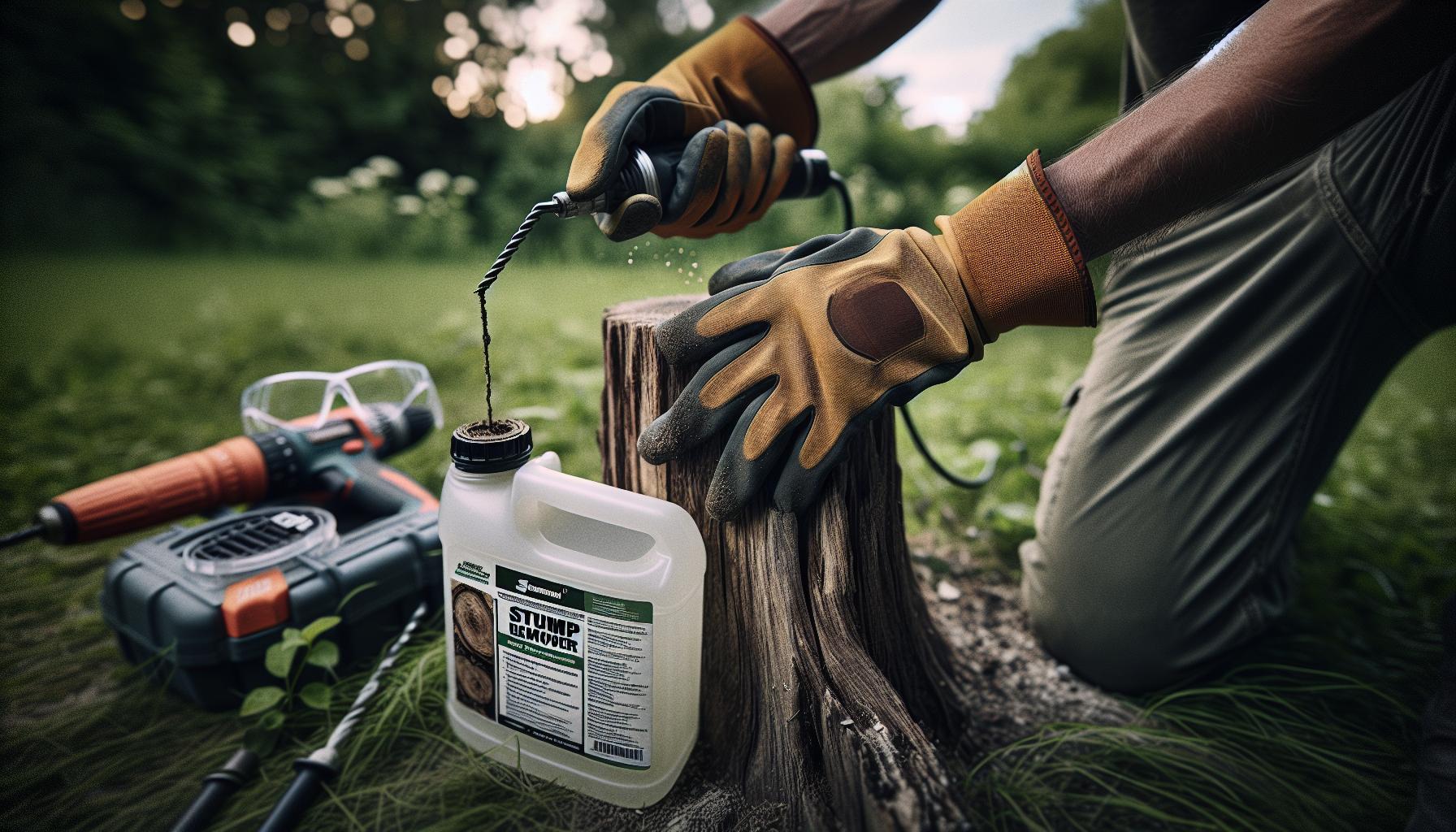
Step-by-Step Guide to Applying Stump Remover
Applying Falling Leaf Stump Remover can turn the daunting task of stump removal into a manageable project. Knowing how to use this product effectively can not only speed up the decomposition process but also minimize potential damage to your garden. To achieve the best results, follow this straightforward step-by-step guide.
Begin by preparing your stump. This step is crucial as it sets the stage for effective treatment. Start with a drill and a drill bit suitable for wood, typically around 1/2 inch in diameter. Drill multiple holes-aim for at least 10 to 12 holes-into the stump, making them about 10-12 inches deep and spaced at about 3-4 inches apart. This process allows the granules of the stump remover to penetrate deeply into the wood fibers, where they can work their magic.
Next, carefully read and follow the manufacturer’s instructions for the amount of Falling Leaf Stump Remover to use. Once you have measured the appropriate amount, pour the granules into each drilled hole. After this, fill the holes with hot water; this helps dissolve the granules and starts the process of decomposition. Ensure that you maintain a consistent moisture level around the stump-this can be achieved by regularly adding water as needed. Keeping the area moist facilitates the growth of microorganisms that are essential for effective decomposition.
After applying the stump remover, cover the stump with a tarp or a mound of organic material like mulch or leaves, particularly if you’re working in dry conditions. This covering helps retain moisture and creates a warm environment that is conducive for the microorganisms to thrive. Remember to check the moisture level frequently, especially during dry spells, to ensure optimal conditions for effective stump breakdown. With these steps, you’ll set the stage for a more efficient and quicker stump removal process.
Tips for Maximizing Effectiveness of Stump Remover
To achieve the best results with your Falling Leaf Stump Remover, there are several strategies you can employ to enhance its effectiveness. Understanding that stump decomposition is a biological process, you can take measures to create an ideal environment for microorganisms, which are crucial for breaking down the wood. One effective approach is to ensure optimal moisture levels throughout the process. A consistently moist environment not only activates the fungi and bacteria that aid in decomposition but also speeds up the result significantly. Regularly monitor and water the stump as necessary, especially in dry conditions, to maintain this moisture.
Another key aspect is the careful application of the stump remover. Follow the manufacturer’s guidelines for dosage, as too little may not yield visible effects, while too much could be wasteful. After pouring the granules into the drilled holes, use hot water, as this not only helps dissolve the granules but also promotes an accelerated chemical reaction. Consider applying a biodegradable mulch on top after treatment; this helps retain moisture while providing organic material that further encourages microbial activity.
For a well-rounded approach, it’s beneficial to perform stump removal during the right season. Spring and early summer are ideal times due to the increased microbial activity in warmer temperatures and higher moisture levels in the soil. Additionally, be patient; while some stumps may show signs of decay within weeks, others may take several months. Regular maintenance during this period-such as checking the moisture and keeping the area clear of debris-will support your efforts and ensure optimal results.
Lastly, keep an eye on any visible changes. It’s not uncommon for stumps to appear unchanged for a while before dramatically breaking down. If after a reasonable time you notice no change, you may need to reassess your procedure or consider alternative methods. By following these tips, you’ll maximize the effectiveness of your stump remover and simplify the removal process.
Common Mistakes to Avoid When Using Stump Remover
Using a stump remover can significantly ease the process of decomposing and removing stubborn tree stumps, but many users unknowingly make mistakes that hinder their success. One common pitfall is neglecting to read the manufacturer’s instructions thoroughly. Different products may have specific requirements for application and dosage. Using too little of the product may result in a lengthy decomposition process, while applying too much can be wasteful and environmentally harmful. Always adhere to the recommendations outlined on the packaging to ensure optimal results.
Another frequent error is failing to prepare the stump adequately before treatment. For maximum effectiveness, the stump should be drilled thoroughly to create sufficient holes for the remover to penetrate. If you overlook this step, the chemical may not reach all areas of the stump, leading to uneven decay. It’s advisable to drill holes that are deep and wide enough-approximately 1-3 inches apart, penetrating around 6 inches deep, ensuring that the product can work efficiently on the internal wood structure.
Maintaining proper moisture levels throughout the decomposition process is crucial yet often overlooked. A common mistake is allowing the stump to dry out, which can drastically slow the effectiveness of the stump remover. Water the stump regularly to keep it moist; this creates a conducive environment for the microorganisms and the chemical to work together in breaking down the wood. Additionally, many users may not realize the importance of the seasonal context-conducting stump removal in the fall or winter may delay results due to lower microbial activity compared to spring or early summer.
Lastly, impatience can lead to frustration. It’s essential to remember that effective decomposition can take time, sometimes several months. Regularly check on the stump and maintain a positive outlook, as it may appear unchanged for extended periods before showing signs of decay. If substantial time passes without improvement, assess your approach, adjust your methods if necessary, and consider whether alternative removal solutions are warranted. Taking these precautions can lead to more efficient use of your Falling Leaf Stump Remover and ultimately a more successful outcome.
Safety Precautions When Handling Chemical Removers
Using chemical stump removers can be an effective way to accelerate the decomposition process of stubborn tree stumps, but it’s essential to prioritize safety when handling these substances. Chemical removers often contain potent ingredients that can pose risks if not handled properly. Understanding and implementing safety precautions will not only protect you but also ensure effective application of the product.
First and foremost, always wear the appropriate personal protective equipment (PPE) before starting the stump removal process. This should include gloves, safety glasses, and protective clothing to minimize exposure to the chemicals. Additionally, it’s advisable to use respirators or masks if the product’s instructions indicate that it may produce harmful fumes or dust during application. Exposure to these chemicals can lead to skin irritations, respiratory issues, or more severe health problems, so ensuring you’re adequately protected is crucial.
Proper storage and handling of chemical stump removers are also vital to safety. Keep these products in their original containers with clear labels, and store them in a cool, dry place away from children and pets. If you’re mixing or applying the remover, ensure you are in a well-ventilated area to avoid inhaling any toxic substances. Always consult the product’s Safety Data Sheet (SDS) for detailed instructions on how to handle the specific chemicals safely, including information on first aid measures in case of accidental exposure.
While using the stump remover, take extra care not to spill the product on surrounding plants or soil as it can harm the environment. If a spill occurs, follow the manufacturer’s clean-up procedures diligently. Remember, having a clear understanding of the chemical you are working with and the potential hazards can make a significant difference in ensuring a safe and efficient stump removal process. By adhering to these precautions, you can confidently use your Falling Leaf Stump Remover, minimizing risks while maximizing results.
Comparing Falling Leaf Stump Remover with Other Brands
When it comes to stump removal, not all products are created equal, and choosing the right stump remover can significantly impact your results. Falling Leaf Stump Remover has garnered attention for its effective formulation, but how does it measure up against other prominent brands in the market? Understanding the differences can help guide your decision for a more efficient removal process.
One of the key advantages of Falling Leaf Stump Remover is its environmentally friendly approach. Unlike some chemical-based competitors that may contain harsh substances, Falling Leaf utilizes a formulation designed to accelerate decomposition naturally. This means less harm to surrounding vegetation and soil health. Additionally, the ease of application with Falling Leaf is often highlighted in user reviews, which commend the product’s straightforward instructions and effective results within a few weeks.
Features Comparison
To make an informed choice, consider comparing specific features such as *application methods*, *active ingredients*, and *time to efficacy*. Here’s a simplified comparison:
| Brand | Application Method | Main Active Ingredient | Time to Efficacy | Environmental Impact |
|---|---|---|---|---|
| Falling Leaf | Powder | Potassium Nitrate | 4-6 Weeks | Low |
| Brand A | Liquid | Sodium Nitrate | 2-4 Weeks | Medium |
| Brand B | Granules | Calcium Carbonate | 6-8 Weeks | High |
Another essential aspect is *customer feedback*. Users often report that Falling Leaf not only works effectively but is also easy to use without requiring specialized tools. This makes it particularly appealing for DIY enthusiasts looking for a hassle-free stump removal solution. On the other hand, some competitors may provide faster results but could also result in more significant environmental repercussions or require additional steps in application.
By weighing the various attributes of Falling Leaf against other options, you can determine which product will best meet your needs while being conscious of the environmental impact and ease of use in your stump removal project. Ultimately, choosing a product that balances effectiveness with safety and ecological responsibility can lead to a more satisfying and successful outcome.
Post-Application Care: Ensuring Optimal Results
After applying Falling Leaf Stump Remover, proper care of the treated stump can significantly enhance its effectiveness and speed up the decomposition process. The decomposition of the wood is a waiting game, but there are steps you can take to ensure the best results. Keeping the stump moist is crucial; dry conditions can slow down the breakdown of the organic material. Regularly check the moisture level and water the area around the stump if rainfall is insufficient. This will help the active ingredients work more effectively.
In addition to moisture, it’s beneficial to cover the stump with a tarp or plastic sheet after applying the remover. This creates a warm, humid environment that promotes faster decomposition. The cover not only retains moisture but also shields the stump from extreme temperature changes, which can inhibit the effectiveness of the remover. If you notice any signs of growth, such as mushrooms or sprouting roots, it’s a good indicator that the decomposition process is underway, and you’re on the right path.
Finally, patience is key. While Falling Leaf Stump Remover is designed to work within 4 to 6 weeks, factors like stump size, environmental conditions, and moisture levels can affect the timeline. Be sure to check back regularly and resist the urge to dig up the stump too early. If the stump still appears healthy after the expected time frame, you might consider reapplying the remover or switching to another removal method.
By maintaining the right conditions and being patient, you can maximize the effectiveness of Falling Leaf Stump Remover, ensuring that the stump breaks down efficiently and allowing you to reclaim your space in no time.
When to Expect Results from Stump Removal
One of the most common questions homeowners have when using Falling Leaf Stump Remover is how long they should expect to wait before seeing results. This product is specifically designed to accelerate the decomposition of tree stumps, typically yielding results within a family-friendly timeframe of 4 to 6 weeks. However, several factors can influence this timeline, making it important to manage expectations while employing the remover.
Factors Influencing Decomposition Time
The rate at which a stump decomposes can vary based on several factors:
- Stump Size: Larger tree stumps often take longer to break down than smaller ones, as there is more material for the remover to work through.
- Wood Density: Hardwoods, such as oak and maple, may decompose at a slower rate compared to softwoods like pine.
- Environmental Conditions: Adequate moisture, temperature, and weather play critical roles. A warm and humid climate will facilitate quicker decomposition, while extreme heat or dryness can slow it down significantly.
- Application Method: Properly drilling holes into the stump, as directed in the product instructions, ensures better absorption of the remover and can enhance its effectiveness.
While Falling Leaf Stump Remover is efficient, it’s essential to check the stump regularly. Look for signs of change such as the appearance of mold, wood softening, or even the emergence of mushrooms, which indicate decomposition is taking place. If the stump still seems intact after 6 weeks, consider reapplying the product or re-evaluating your stump removal strategy.
Patience and Monitoring
By maintaining consistent moisture and creating a suitable environment for the stump, you can help ensure that the Falling Leaf Stump Remover works effectively. Keep in mind that while waiting can feel tedious, staying patient and monitoring the stump is key to a successful removal process. Patience allows for a truly natural decomposition, paving the way for potential planting or landscaping opportunities in the future.
Environmental Considerations When Using Stump Removers
When considering stump removal, it’s essential to weigh not only the effectiveness of the product you choose but also its environmental impact. Falling Leaf Stump Remover is designed to accelerate decomposition without resorting to harsh chemicals, making it a more sustainable option compared to some traditional methods. Chemical-free removers often use natural ingredients that help break down the stump without introducing toxic substances into the soil, promoting a healthier ecosystem.
Eco-conscious homeowners should also consider the broader implications of stump removal methods, such as the disturbance of soil and habitats. For example, processes like stump grinding can disrupt the surrounding area and lead to soil erosion if not managed carefully. Additionally, burning stumps, while immediate, releases carbon dioxide and other pollutants, contributing to climate change and impacting air quality [1]. In contrast, using a product like Falling Leaf Stump Remover encourages a natural breakdown, which can return nutrients to the soil and support local flora and fauna.
To maximize the environmental benefits of your stump removal efforts, ensure that you follow the manufacturer’s application guidelines accurately. This not only enhances the product’s effectiveness but also minimizes any potential negative consequences on the surrounding environment. Maintaining consistent moisture around the stump can help facilitate decomposition and support the thriving of beneficial microbes. Moreover, monitoring the stump for signs of decomposition, such as mold or fungi, can give you insight into how well the process is progressing and whether any adjustments are needed.
In summary, opting for a natural stump remover like Falling Leaf not only helps efficiently eliminate unsightly stumps but also aligns with a more environmentally friendly approach. By prioritizing methods that promote sustainability and reduce ecological disruption, homeowners can play a crucial role in preserving the health of their gardens and the surrounding environment.
Troubleshooting: What to Do If It Doesn’t Work
Despite your best efforts, you may find that the Falling Leaf Stump Remover isn’t performing as expected. This can happen for a variety of reasons, but understanding the factors that influence the removal process can help you troubleshoot effectively. Firstly, it’s important to assess the application technique; did you thoroughly drill deep holes into the stump? Drilling not only enables the product to penetrate the stump better but also aids in water absorption, which is crucial for activating the decomposition process.
Another critical factor is moisture levels. The stump requires consistent moisture to maximize the effects of the remover. If the surrounding soil is too dry, the decomposition process will slow down significantly. Ensure that you keep the area around the stump adequately watered-not excessively, but enough to maintain a moist environment. You might consider covering the stump with plastic to retain moisture while still allowing for airflow.
Additionally, review the age and type of wood of the stump. Hardwoods like oak or maple can be more resistant to decay than softer woods, which could prolong the decomposition time. If you have a particularly stubborn stump, patience may be necessary; it can sometimes take several weeks or even months for the product to fully break down tougher stumps. If an extended period has passed and you notice little to no change, it may be beneficial to apply another dose of the remover or consider combining it with other methods, such as manual chip removal, to expedite the process.
Lastly, you may want to check the product’s expiration or effectiveness. Some chemical removers may lose potency over time if not stored properly. If you suspect the quality of your stump remover is compromised, it’s worth consulting the manufacturer for guidance or considering a fresh purchase to ensure maximum efficacy. Remember, troubleshooting is often about combining knowledge with observations, so keep an eye on progress and adjust your approach as necessary.
Customer Reviews: Real-Life Experiences with Stump Remover
Many homeowners looking to clear their yards of stubborn tree stumps often turn to Falling Leaf Stump Remover for its effectiveness. Customer feedback reveals a range of experiences that can guide new users in optimizing their results. One common theme among reviews is the importance of patience; several users noted that while the product doesn’t yield instantaneous results, it effectively accelerated decomposition when applied correctly. Customers often emphasized the significance of drilling deep holes into the stump and ensuring proper moisture levels to enhance the product’s effectiveness.
Feedback also highlights some practical tips based on real-life experiences. For instance, one user shared that adding water periodically kept the stump moist, which significantly supported the decomposition process. Additionally, a few reviewers recommended covering the stump with plastic to help retain moisture while allowing airflow to penetrate, enhancing the product’s action. This approach seemed particularly beneficial for harder stumps, such as oak and maple, as many reported that these types required more time and moisture to break down effectively.
However, not all reviews were solely positive. Some users expressed frustration when they noticed minimal progress after several weeks. In these cases, reapplication or combining the stump remover with manual techniques, such as chiseling away at the stump, was suggested. This blended approach seemed to yield better results, transforming what might feel like a long wait into a more productive endeavor.
When utilizing any stump remover, including Falling Leaf, it’s essential to keep in mind the advice and experiences shared by other users. Learning from their successes and obstacles can equip you with the insights needed to navigate your stump removal journey efficiently and achieve the best possible outcome.
Frequently asked questions
Q: How do I prepare the stump before using Falling Leaf Stump Remover?
A: To prepare the stump, drill several holes up to 12 inches deep and slant holes from the sides to connect with the vertical ones. This will allow the remover to penetrate deeply and work effectively to decompose the wood [[3]].
Q: Can I use Falling Leaf Stump Remover on any type of tree stump?
A: Yes, Falling Leaf Stump Remover is designed to work on a variety of tree stumps. However, effectiveness may vary based on the size and type of wood. For best results, follow the application guidelines and ensure sufficient drilling of holes [[2]].
Q: When is the best time to apply Falling Leaf Stump Remover?
A: The ideal time to apply Falling Leaf Stump Remover is during late spring or early summer when tree sap is actively flowing. This enhances the chemical’s effectiveness as it penetrates the wood more easily [[2]].
Q: How long does it take to see results after using Falling Leaf Stump Remover?
A: Typically, it takes 4 to 6 weeks to see significant results after applying Falling Leaf Stump Remover. The decomposition process will depend on environmental conditions like temperature and moisture [[2]].
Q: What should I do if Falling Leaf Stump Remover does not work?
A: If the product does not yield results, ensure that the stump was properly prepared with adequate holes. Consider reapplying the remover and check for proper environmental conditions like moisture [[3]].
Q: Is it safe to use Falling Leaf Stump Remover near other plants?
A: Yes, Falling Leaf Stump Remover is formulated not to harm surrounding vegetation when used as directed. However, take care to prevent any spillage onto nearby plants for optimal safety [[2]].
Q: Can I speed up the decomposition process after using Falling Leaf Stump Remover?
A: You can accelerate the decomposition by keeping the stump moist and covering it with mulch or compost. This creates a conducive environment for bacteria and fungi that aid in breaking down the wood [[3]].
Q: How do environmental conditions affect the use of Falling Leaf Stump Remover?
A: Environmental factors such as humidity and temperature play a crucial role in the effectiveness of the remover. Warmer, moist conditions can enhance its efficiency, while dry or cold weather may slow the decomposition process [[2]].
Closing Remarks
Congratulations on taking the first step toward effective stump removal with Falling Leaf Stump Remover! By following our guidelines, you’ve set yourself up for success, ensuring that your outdoor space remains beautiful and functional. Remember, for the best results, timing and technique are key-don’t wait to tackle those pesky stumps!
If you’re eager to dive deeper into lawn care, explore our articles on effective yard maintenance tips and DIY landscaping ideas. Whether you’re interested in optimizing your garden aesthetics or learning about additional products to complement your stump removal efforts, there’s plenty more to discover.
Join our community-sign up for our newsletter for exclusive tips, tricks, and special offers, and don’t hesitate to share your stump removal success stories in the comments below! Your feedback helps us grow, and we can’t wait to see you back for more engaging content that transforms your yard!