Did you know that nearly 30% of what we throw away is organic waste, much of which could be transformed into nutrient-rich compost? As more homeowners embrace eco-friendly practices, using compost made from lawn waste has become increasingly popular. However, you might wonder: Is it truly safe? Understanding the implications and benefits of incorporating compost from lawn waste is essential for maintaining a healthy garden and protecting local ecosystems.
Composting not only reduces landfill waste but also enriches your soil, boosts plant health, and promotes biodiversity. Yet, the risks of contaminants or pathogens can make gardeners hesitant. Are you concerned about what you’re putting back into the earth? In this article, we’ll delve into the safety of composting lawn waste, helping you make informed decisions that align with your goals for a thriving, sustainable garden. Join us as we uncover what you need to know before you start composting and how to do it safely.
Understanding the Safety of Composting Lawn Waste
Composting lawn waste presents a sustainable approach to managing yard debris while enriching soil health. However, is crucial for both gardeners and the environment. Lawn waste, such as grass clippings, leaves, and plant trimmings, can transform into nutrient-rich compost if handled correctly. Yet, it’s essential to be aware of potential hazards that can arise, particularly when dealing with chemical treatments, pathogens, or invasive species.
One of the primary concerns related to composting lawn waste is the possible presence of chemicals, such as herbicides and pesticides, which may linger on grass clippings and other plant materials. These chemicals can leach into the compost and subsequently affect the quality of the soil and plants that utilize this compost. Additionally, lawn waste from diseased plants can harbor pathogens, which might not break down during the composting process, posing a risk of spreading diseases to healthy plants.
To ensure the safety of your compost, it’s important to monitor the types of materials being added. Items like treated wood, invasive weeds, and diseased plants should be avoided, as they can introduce unwanted variables into your composting system. Creating a well-balanced compost pile that achieves high temperatures helps to accelerate decomposition and can eliminate some pathogens, making compost safer to use in your garden. Educating oneself on the specific needs and risks associated with various types of lawn waste will ultimately lead to a healthier composting process and a thriving garden ecosystem.
Common Risks of Composting Lawn Waste
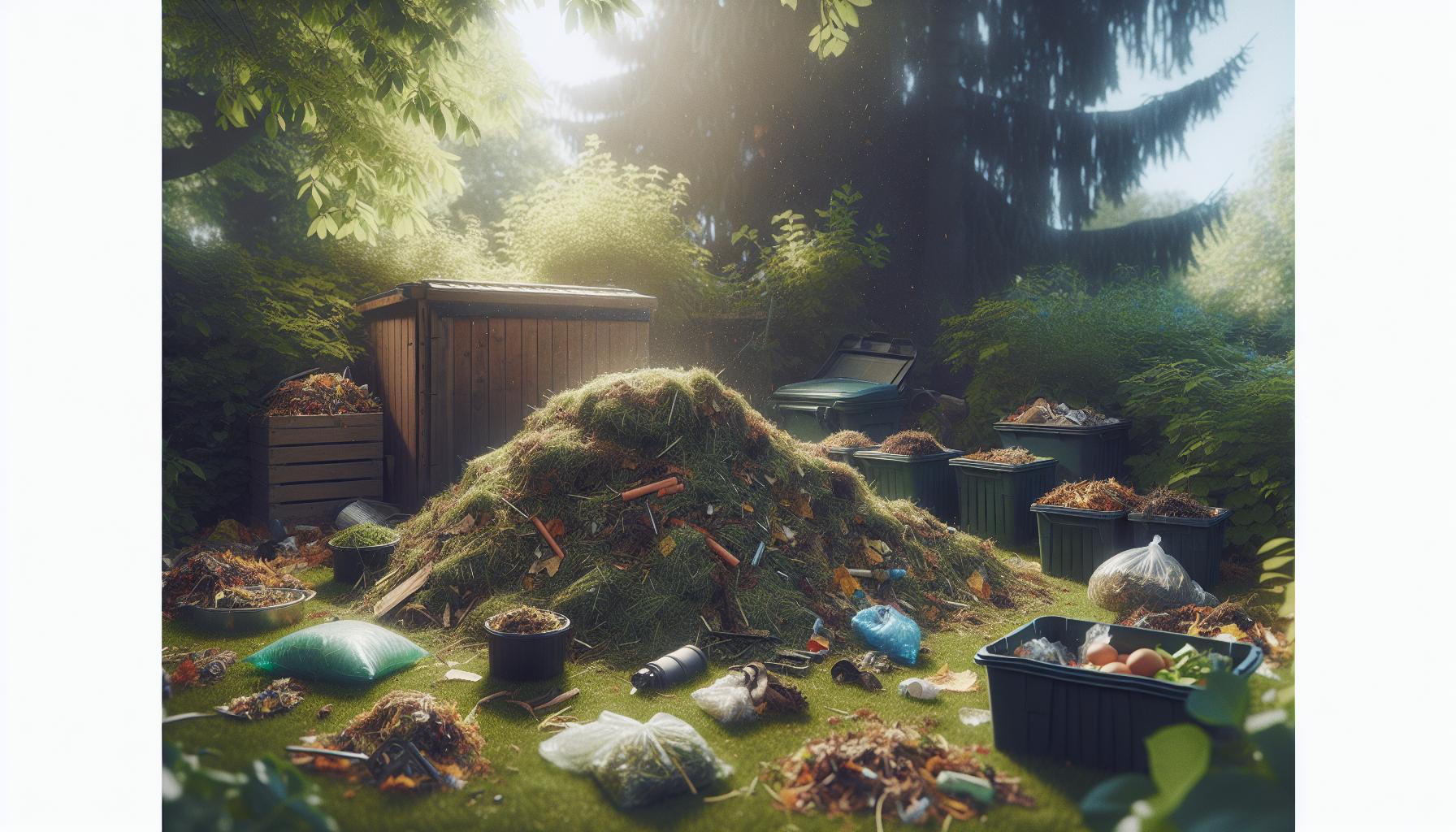
Composting lawn waste is a fantastic way to recycle organic materials and enrich your garden, but it comes with its own set of risks that every gardener should be aware of. One significant concern is the potential presence of chemicals commonly found in lawn care products. Herbicides and pesticides may linger on grass clippings and leaves, leading to contamination that can harm soil health and affect plant growth. These chemical residues can leach into the composting process and, ultimately, into the plants that thrive on the compost, posing long-term risks to garden ecosystems.
Moreover, pathogens from diseased plants are another threat that cannot be overlooked. When plant material infected with diseases is added to the compost heap, there’s a chance that those pathogens won’t fully break down. This can lead to the spread of diseases to otherwise healthy plants once the compost is used. Even composting materials that seem harmless, like kitchen scraps from diseased garden produce, can introduce harmful pathogens if not carefully monitored.
To mitigate these risks, it’s crucial to employ selective composting practices. You should avoid materials like treated wood and invasive weeds, both of which can compromise the integrity of your compost. Instead, focus on creating a well-balanced pile that includes high-nitrogen materials (like grass clippings) and carbon-rich items (like dry leaves or paper). Achieving the right balance promotes higher composting temperatures, which can help kill off many pathogens and pests.
Understanding these common risks and appropriately managing the materials you add to your compost pile will not only lead to a safer composting experience but also foster a healthier garden environment. Always be vigilant and perform regular checks to ensure the safety and quality of your compost, as this diligence will pay off in the long run.
Essential Guidelines for Safe Composting

To ensure a safe and effective composting experience, it’s important to follow some key guidelines that help mitigate the risks associated with using lawn waste. One of the foundational practices is to thoroughly understand the materials you are composting. Not all organic matter is created equal; some items can introduce pathogens or harmful chemicals into your compost. Therefore, it is essential to educate yourself about which materials are safe to add to your compost pile.
When preparing your compost, start by establishing a balanced mix of greens (high-nitrogen materials) and browns (carbon-rich materials). The typical ratio is about 1 part greens to 3 parts browns. This combination not only helps to achieve the right temperature for composting but also promotes optimal aerobic conditions that enhance decomposition. Consider using lawn clippings, kitchen scraps, and dry leaves as your primary ingredients, while avoiding harmful materials such as diseased plants, treated wood, and invasive weeds that can proliferate in your compost.
Regular monitoring of your compost pile is crucial for maintaining its safety and effectiveness. Check the temperature regularly to ensure it reaches and sustains a heat level of at least 140°F (60°C) for several days. This heat is vital for killing off any harmful pathogens or weed seeds. Additionally, turning your compost pile every few weeks helps aerate the mixture, speeding up the breakdown process and minimizing odors.
Lastly, patience and observation are key to safe composting. Be cautious when introducing new materials into the mix, and always conduct a visual and olfactory inspection of your compost to catch any signs of contamination or undesired odors. By adhering to these essential guidelines, you can create rich, healthy compost from lawn waste while safeguarding your garden against potential hazards.
How to Identify Unsafe Lawn Waste Materials

To successfully manage a compost pile, understanding which lawn waste materials are unsafe is essential for avoiding potential hazards. Many gardeners are surprised to learn that not all organic materials are appropriate for composting. Some items can introduce pathogens, toxins, or undesirable traits into the compost, which can negatively influence plant health or even soil integrity. Identifying these unsafe materials is a critical step in ensuring a thriving compost ecosystem and ultimately a healthy garden.
Among the most concerning materials to avoid are those that come from diseased plants. If you compost leaves or clippings from plants affected by disease, you risk not only preserving pathogens but also allowing them to spread to healthy plants when the compost is applied. Additionally, materials that have been treated with pesticides, herbicides, or chemical fertilizers should be excluded from your compost pile. The residual chemicals can remain harmful even after the composting process is complete, posing risks to both plants and beneficial soil microbes.
Invasive species, such as certain weeds or ornamental plants, also pose a significant threat. These can become established in your garden if their seeds survive the composting process. To manage this, it’s crucial to recognize the local invasive species in your area and steer clear of composting any parts of these plants. Furthermore, avoid composting materials like meat, fish, dairy products, and oils, as these can attract pests and create odors that may lead to an unmanageable compost situation.
To effectively evaluate potential lawn waste for composting, it can be beneficial to implement a simple checklist:
- Diseased plants: Any parts of plants that exhibit signs of disease should be discarded, not composted.
- Treated wood: Avoid wood or yard waste that has been chemically treated as it can leach toxins into the compost.
- Pesticide and herbicide contamination: Ensure any commercial products have been free of chemicals before composting.
- Invasive plant species: Familiarize yourself with local invasive species and exclude them from your compost.
- Animal products: Refrain from including meat, dairy, or oils in your compost pile due to their potential to attract pests.
By being vigilant about the materials you add to your compost, you can protect your plants from harmful pathogens and chemicals while creating rich, safe compost for your garden.
Benefits of Composting Lawn Waste Properly

Composting lawn waste properly offers a multitude of benefits that extend beyond simply recycling organic material; it transforms yard clippings and leaves into a vital resource for your garden’s health. When lawn waste is composted correctly, it enriches the soil, improves its structure, and enhances its nutrient content. This process not only aids in plant growth but also fosters a thriving ecosystem by supporting beneficial microorganisms and earthworms, which aerate the soil and help it retain moisture.
Utilizing compost made from lawn waste can significantly reduce the need for chemical fertilizers. Rich in nutrients like nitrogen, phosphorus, and potassium, well-compacted compost acts as a natural fertilizer that nourishes plants and promotes healthy root development. For example, applying homemade compost to vegetable gardens can lead to more robust and productive crops, creating a cycle of fertility that boosts yields while reducing reliance on synthetic inputs.
Environmental Impact
Beyond garden benefits, composting lawn waste is an environmentally sound practice. It reduces the volume of organic waste sent to landfills, where it would otherwise decompose anaerobically and produce methane, a potent greenhouse gas. Composting minimizes these emissions while transforming waste into a valuable resource. Additionally, using compost conserves water by improving soil structure, allowing it to retain moisture better and reducing the need for irrigation, which is particularly advantageous in drought-prone areas.
Cost-Effectiveness
Another compelling advantage of proper lawn waste composting is its cost-effectiveness. By creating your own compost, you can cut down on the expenses associated with buying commercial fertilizers and soil amendments. Furthermore, the nutrients recycled from lawn waste means less money spent on improving your garden’s fertility, making gardening more sustainable and economically feasible. Plus, it can inspire a sense of accomplishment and connection with nature, as you witness the transformation of waste into a resource that benefits your garden and the environment.
By understanding and utilizing the benefits of proper lawn waste composting, gardeners can contribute to healthier ecosystems, reduce waste, and create flourishing gardens, all while saving money and resources.
Mitigating Contaminants in Your Compost
Composting lawn waste can be an excellent way to enrich your garden, but it’s crucial to ensure that contaminants do not compromise your compost’s safety and quality. Understanding how to mitigate potential risks is key to harnessing the full benefits of this sustainable practice. The first step involves vigilance in selecting materials for composting. Organic materials that are free from pesticides, herbicides, and chemical fertilizers significantly reduce contamination risks. When lawn clippings come from treated areas, consider using them in a separate pile or exploring alternative uses, such as mulching, before adding them to your compost.
Next, maintaining the right balance of “green” and “brown” materials in your compost heap plays a vital role in promoting healthy decomposition and minimizing pathogens. Green materials, such as fresh grass clippings and kitchen scraps, provide nitrogen, while brown materials like dried leaves and cardboard add carbon. A well-aerated compost pile, which typically consists of a ratio of about 3:1 browns to greens, can generate sufficient heat to kill off harmful organisms. Regularly turning your compost not only helps with aeration but also ensures even heat distribution, further enhancing the breakdown of contaminants.
Additionally, monitoring the moisture levels in your compost is essential. Too much moisture can create an anaerobic environment, leading to odors and the proliferation of harmful bacteria, while too little can slow down decomposition. Aim for a moisture content that feels like a damp sponge. Using a compost thermometer can help gauge internal temperatures; a pile that reaches at least 130°F for several days is effective in killing off weed seeds and pathogens.
Lastly, consider how and when you apply your finished compost. Allowing compost to mature and cure for several weeks ensures it stabilizes and that any remaining pathogens are diminished. Before using compost around edible plants, it’s advisable to wait until it has fully decomposed, further reducing any contamination risks. By following these guidelines, you can significantly mitigate contaminants in your compost, ensuring a healthy addition to your garden ecosystem.
Best Practices for Managing Lawn Waste
Managing lawn waste effectively is not just about reducing clutter; it’s an opportunity to enrich your garden and contribute to a sustainable ecosystem. In fact, composting lawn waste can significantly enhance soil health, providing vital nutrients to your plants. However, to reap the benefits while ensuring safety, it’s essential to adopt best practices that safeguard your compost from potential contaminants and promote efficient decomposition.
To start, it’s crucial to understand the types of materials you are adding to your compost pile. Select only untreated lawn clippings, which are organic and free from pesticides or herbicides. If your lawn has been chemically treated, it’s wise to keep those clippings separate or designate them for alternative uses, such as mulching, where they won’t come into direct contact with your compost. Incorporating a diversified range of organic materials is also beneficial; consider adding kitchen scraps, dried leaves, and shredded newspaper to create a balanced composition of green and brown materials. This diversity not only enhances decomposition but also helps in building a rich nutrient profile for your compost.
Maintaining the right moisture levels is equally important in the management of lawn waste composting. The ideal moisture content should resemble a damp sponge – not too wet to invite anaerobic bacteria, which can lead to foul odors, and not too dry to hinder decomposition. Regularly turning your compost pile aerates the materials, facilitating the breakdown process and promoting even heating, which is vital for killing off harmful pathogens and seeds. Aim to turn your compost at least once a week to maintain an optimal environment for decomposition.
Lastly, patience is a key component of managing lawn waste through composting. Allow your compost to mature for several weeks before application. This curing period not only stabilizes the compost but also diminishes any remaining pathogens, ensuring that it is safe for use around edible plants. Utilizing a compost thermometer can help you monitor internal temperatures, confirming that it reaches at least 130°F for effective sterilization. By following these practices, you can transform your lawn waste into a valuable resource, enriching your garden while practicing environmentally responsible gardening.
Comparing Composting Methods: Which is Best?
When it comes to composting lawn waste, the method you choose can significantly influence the safety and quality of the final product. Each composting technique has its unique advantages and challenges, making it essential to understand which method aligns best with your gardening goals and local conditions. The primary composting methods include traditional pile composting, bin composting, and vermicomposting (worm composting), each suited for different types of organic materials and composters.
Traditional Pile Composting
This age-old method involves creating a large heap of organic materials, typically containing a mix of green materials (like fresh lawn clippings) and brown materials (such as dried leaves). The main advantage of this method is its capacity to handle large quantities of waste. However, it requires more space and regular maintenance, including turning the pile to aerate the materials and monitor moisture levels. Traditional composting can effectively reach high temperatures, essential for killing pathogens and seeds, but it may not be suitable for urban gardens with space constraints.
Bin Composting
Bin composting typically uses a contained space, such as a commercially available compost bin or a DIY wooden structure. This method limits the volume of compost but provides better control over moisture and aeration. It tends to be neater and more visually appealing, making it suitable for smaller yards or landscaped areas. Though it may take longer than traditional pile composting, bin composting is excellent for managing lawn waste and offers an accessible, organized way to compost kitchen scraps alongside lawn clippings.
Vermicomposting
For those with limited outdoor space, vermicomposting offers a fascinating and efficient solution. This method uses specific types of worms, such as red wigglers, to break down organic waste into nutrient-rich compost called worm castings. Worm composting is particularly effective for kitchen scraps, but maintaining the right conditions for the worms can be more demanding than traditional composting. It provides a faster composting process while also enriching your garden with beneficial microorganisms.
In conclusion, the best composting method for lawn waste depends on your specific situation, including space, willingness to engage in maintenance, and the types of materials you wish to compost. By assessing these factors and potentially combining methods, such as using both a traditional pile for large volumes of grass clippings and vermicomposting for kitchen scraps, you can ensure a safe and productive composting experience. Each method has the potential to transform lawn waste into valuable organic matter, provided that you adhere to safety guidelines and monitor the composting process closely.
Signs Your Compost is Unsafe for Use
Recognizing when your compost is unsafe for use is crucial for maintaining a healthy garden ecosystem. Composting, while beneficial, can lead to undesirable outcomes if not monitored. Issues such as unpleasant odors, pests, or visible signs of contamination can indicate that your compost is not ready for application. Understanding these warning signs will help you make informed decisions about the safety and usability of your compost.
One of the first indicators of unsafe compost is a strong, foul odor. A healthy compost pile should have an earthy smell; if you detect a sour or rotten scent, this could mean that your pile is anaerobic (lacking oxygen) or has an excessive amount of green materials. To remedy this, turn the pile to introduce more air and balance the carbon-to-nitrogen ratio. Also, be cautious of any liquid pooling at the bottom of your compost container, known as leachate; this can harbor pathogens if not managed correctly.
Another red flag is the presence of pests and insects like flies, rodents, or raccoons. While some insects are beneficial for decomposition, an influx of unwanted pests might suggest that your compost pile is attracting them due to overripe materials or improper layering. Ensure that you’re not adding meat, dairy, or oily foods, as these can entice rodents and flies. Instead, maintain a consistent blend of green and brown materials, and cover the pile to deter pests.
Additionally, if you find materials that haven’t decomposed after a significant amount of time, such as identifiable food scraps or large plant pieces, this could indicate a problem. Compost should ideally break down within a few months to a year, depending on the method used. If you see recognizable waste, it’s best to continue composting it separately until it breaks down properly. By keeping a close eye on your compost and understanding these signs, you can ensure a safer and healthier gardening experience.
Expert Tips for Testing Compost Safety
Testing the safety of your compost is essential, especially when it’s derived from lawn waste. Healthy compost not only enriches the soil but also promotes a thriving garden ecosystem. However, without the right practices, compost can harbor pathogens or contaminants that could harm your plants and soil. To ensure your compost is safe and effective, follow these expert tips to evaluate its quality.
Start by assessing the temperature of your compost pile. A properly functioning compost heap should reach temperatures between 130°F and 160°F (54°C to 71°C) during the decomposition process. This heat indicates microbial activity, which is crucial for breaking down organic matter and killing off weed seeds and pathogens. You can check the temperature with a compost thermometer, inserting it into the center of the pile. If the temperature is consistently low, it may need more green materials or frequent turning to aerate and reinvigorate the pile.
Next, focus on the smell of your compost. A healthy compost pile should emit an earthy, pleasant scent. If you notice a strong, rotten smell, that’s a warning sign that your compost is not breaking down properly, likely due to an imbalance in green (nitrogen) and brown (carbon) materials. Adjust the composition by adding more dry leaves or straw (browns) to counteract the moisture from grass clippings or kitchen scraps (greens).
You should also visually inspect your compost for moisture content and decomposition. The compost should feel moist but not soggy; if it appears dry, consider adding water or more green materials. Furthermore, the compost should have a crumbly texture without identifiable scraps. If large chunks of yard waste remain, it might need more time or further chopping of the ingredients to facilitate faster decomposition.
Lastly, consider conducting a “seed test” before applying your compost to plants. Mix a small amount of compost with potting soil and plant a few seeds (such as radishes or beans). Monitor the germination and growth over a couple of weeks. If the seeds sprout healthily, your compost is likely safe. However, if the seeds fail to grow or exhibit signs of disease, it may indicate the presence of harmful pathogens or contaminants in the compost.
By following these methods, you can ensure that your compost is safe and beneficial for your garden, thus promoting a more sustainable and thriving outdoor space.
Success Stories: Transforming Lawn Waste Successfully
Many gardeners have transformed their lawn waste into rich compost, showcasing that with proper techniques, what once seemed like trash can become a valuable resource for the garden. For example, a suburban family began composting their grass clippings, leaves, and small branches, initially viewing them as yard waste. They invested in a simple compost bin and followed best practices by balancing green and brown materials to ensure a healthy decomposition process. Within a few months, they transformed their lawn waste into nutrient-dense compost, which significantly improved their soil quality, leading to a more vibrant vegetable garden.
Community Success: Local Initiatives
Across various communities, local initiatives have sprung up encouraging residents to compost their lawn waste. In one notable project, a community garden partnered with residents to collect grass clippings and other organic matter. They set up educational workshops to help citizens understand the safety of composting. By the end of the year, excess yard waste was reduced by 40%, and the shared compost heap not only nourished the garden beds but also fostered a sense of community among neighbors who came together to learn and grow.
Real-World Examples: Homeowners Making a Difference
Consider the story of a gardener in a temperate zone who embraced composting after discovering the potential pitfalls of chemical fertilizers. By regularly adding lawn clippings, kitchen scraps, and autumn leaves to her compost pile, she noted a remarkable improvement in her garden’s health. The resulting compost not only enriched her soil but also reduced her reliance on store-bought fertilizers, allowing her to cultivate a flourishing vegetable plot while minimizing environmental impact. Her experience emphasizes that with a proactive approach to composting, both lawn waste and garden health can thrive hand in hand.
Utilizing lawn waste, when done correctly, can lead to flourishing gardens and a healthier local ecosystem. From community-wide initiatives to personal gardening success stories, the potential of composting lawn waste is limitless, proving that this practice is both beneficial and transformative.
Local Regulations on Composting Lawn Waste
Laws and regulations regarding composting lawn waste can significantly impact how individuals and communities approach waste management and soil enrichment. While composting is generally viewed as an environmentally beneficial practice, understanding the rules that govern composting activities is essential to ensure safety, compliance, and community welfare. Many areas have specific guidelines that dictate not only what materials can be composted but also how compost heaps should be managed, especially to mitigate any potential nuisances or hazards.
Local regulations often address issues related to space, size, and type of composting systems allowed. For instance, urban areas might enforce restrictions on the size of backyard compost bins to prevent excessive odors or pest attraction. Homeowners may need to keep their compost piles below a certain height or distance from property lines. Additionally, some municipalities offer instructions on creating vermicomposting systems, which can be a space-saving alternative for city dwellers. Understanding these regulations can help prevent fines and encourage responsible composting practices.
Furthermore, communities may implement rules concerning the collection and disposal of yard waste. In many regions, yard waste must be separated from regular garbage and can be collected for municipal composting facilities. This is a boon for reducing waste sent to landfills and may also include services that provide residents with finished compost for their gardens. Engaging with local recycling and waste management departments can yield valuable knowledge about what is permitted and may offer incentives for participation in community composting programs.
To make the most of these regulations, individuals should consider connecting with local gardening clubs or community organizations that promote composting education. Such groups often provide resources and workshops to help residents comply with local laws while maximizing the benefits of composting lawn waste. By actively participating and staying informed, homeowners not only enhance their gardening efforts but also contribute to healthier and more sustainable communities.
FAQ
Here is an SEO-optimized FAQ section related to “Is Compost Lawn Waste Safe? What You Need to Know Before Using” that targets user queries and is designed for featured snippets.
Q: What types of lawn waste should never be composted?
A: Certain lawn waste materials should be avoided in composting, including diseased plants, invasive weeds, and raccoon or dog feces. For more information on identifying unsafe materials, refer to our section on “How to Identify Unsafe Lawn Waste Materials.”
Q: How long does it take for lawn waste to compost?
A: Typically, lawn waste can take anywhere from 3 months to a year to decompose fully, depending on factors like the type of materials used and the composting method. For faster results, consider following best practices outlined in the “Best Practices for Managing Lawn Waste.”
Q: Can I compost grass clippings from a treated lawn?
A: Composting grass clippings from treated lawns can be risky due to potential herbicide residues. It’s essential to allow the clippings to break down and age before adding them to your compost. Learn more about mitigating contaminants in our section on “Mitigating Contaminants in Your Compost.”
Q: What is the safest way to compost lawn waste?
A: The safest way to compost lawn waste involves separating materials into functional categories, ensuring proper aeration, and maintaining adequate moisture. Following essential guidelines from “Essential Guidelines for Safe Composting” can help achieve optimal safety.
Q: How do I know when my compost is ready for use?
A: Your compost is ready for use when it has a dark, crumbly texture, earthy smell, and no visible signs of unprocessed materials. Check our section on “Signs Your Compost is Unsafe for Use” to ensure you’re meeting all safety standards.
Q: What to do if my compost smells bad?
A: If your compost emits an unpleasant odor, it may be too wet or contain too many nitrogen-rich materials. Adjusting the balance of brown and green materials typically resolves this issue. You can find practical tips in “Expert Tips for Testing Compost Safety.”
Q: Is it safe to use compost made from lawn waste on vegetable gardens?
A: Yes, it is generally safe to use compost made from lawn waste in vegetable gardens, provided the composting process has been thorough, eliminating harmful pathogens. For further insights, see “Benefits of Composting Lawn Waste Properly” for safe practices.
Q: How can I speed up the composting process for lawn waste?
A: To speed up the composting process, you can chop or shred lawn waste, maintain proper moisture levels, and regularly aerate the pile. Explore our “Comparing Composting Methods” section to learn more about efficient composting techniques.
This FAQ section is designed to provide comprehensive answers that cater to common user inquiries while linking relevant sections of the main article for further engagement.
Concluding Remarks
As you consider incorporating compost lawn waste into your gardening practices, remember that safe composting can enrich your soil and promote a thriving ecosystem. By understanding the nuances of lawn waste composting, you’re not just enhancing your garden’s health but also making a positive environmental impact. Don’t wait-start creating your compost pile today!
If you’re looking for more in-depth information, check out our articles on “The Benefits of Composting” and “How to Start a Compost Bin for Beginners.” For personalized advice, consider signing up for our newsletter to stay updated with expert tips, tools, and resources tailored to your gardening needs.
Feel free to share your thoughts or questions in the comments below-we love hearing from our community! Explore our site further to unlock a wealth of gardening knowledge, and remember, a healthy garden begins with informed choices. Together, let’s cultivate a greener future!