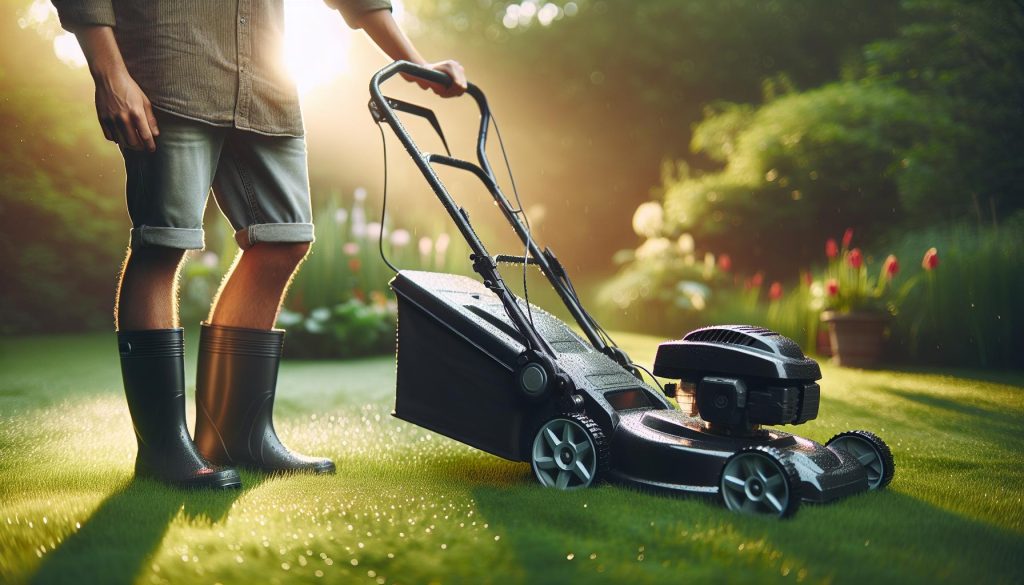
Whether you’re a dedicated gardener or a casual homeowner maintaining your lawn, the question often arises: Is it okay to mow a wet lawn? With grass growing lush and green, the temptation to cut it-even after a rain-can be strong. However, mowing under wet conditions can lead to several issues, including clumping, uneven cuts, and even potential mower damage.
Understanding the science behind mowing wet grass is crucial for preserving your lawn’s health and your equipment’s longevity. In this article, we’ll explore the impacts of wet mowing, provide expert tips for when it’s necessary to take the plunge, and highlight best practices to ensure your lawn remains vibrant and healthy. Join us as we delve into the key considerations that will help you decide when it’s time to mow, even if the grass is a little damp. Your lawn’s health depends on it!
Is Mowing a Wet Lawn Harmful to Your Grass?
Mowing a wet lawn may seem like a time-saving solution, especially after a rain shower when grass grows tall and unruly. However, it poses significant risks not only to your lawn mower but also to the health of your grass. Wet grass creates a host of problems that can lead to long-term damage. For instance, cutting wet grass can result in uneven cuts, where blades may tear rather than slice cleanly, leading to increased stress on the grass and a higher susceptibility to disease.
Additionally, mowing when the grass is wet can lead to the formation of clumps. These clumped grass clippings can obstruct the mower’s blades, reducing the effectiveness of the cut, and can also smother the grass beneath them. This not only makes for an unsightly lawn but can promote the growth of fungi and other undesirable pathogens that thrive in damp environments. Furthermore, wet grass increases the likelihood of damaging the soil beneath due to the creation of ruts from mower tires, which can disrupt root systems and degrade soil structure.
In summary, while it might be tempting to mow a wet lawn, doing so can harm both your equipment and the grass itself. If you can wait until the grass dries, you will ensure a healthier lawn and a better mowing experience overall.
Understanding the Risks of Lawn Mowing When Wet
Mowing a lawn that is wet can be tempting, especially when dense grass seems to tower after a rain. However, the hazards are often underestimated and can yield detrimental effects for both your lawn and your mower. One of the primary concerns is that mowing wet grass can lead to uneven cuts. When blades encounter moisture, they tend to tear rather than slice cleanly. This not only leaves an unsightly appearance but also increases stress on the grass, making it more vulnerable to diseases and pests.
Moreover, cutting wet grass can cause clumping, where clumps of wet grass collect under the mower deck or on the lawn itself. These clumps can obstruct the mower’s blades, leading to inefficient cutting and possible engine strain. In addition, if these clippings accumulate on the lawn, they can smother the grass beneath, creating an environment conducive to mold and mildew, which thrive in damp conditions. This is particularly problematic as such conditions can foster the growth of fungi and other pathogens that can jeopardize the health of your lawn.
Beyond the immediate impact on your grass, mowing on wet soil can create ruts and compact the earth beneath, negatively affecting root systems. This soil damage can disrupt aeration and drainage, leading to poor nutrient uptake for the grass. The weight of the mower on wet ground can compact the soil, making it dense and less capable of holding water, thus increasing runoff instead of allowing moisture to penetrate where it’s needed most. Therefore, understanding these risks is crucial for maintaining a healthy lawn. Waiting for the grass to dry before mowing not only ensures a cleaner cut but also promotes the overall vitality of your turf.
The Science Behind Grass Growth and Moisture
Mowing wet grass is not just a matter of convenience; it significantly impacts the underlying biology of the grass and its ecosystem. When grass blades are wet, they hold more moisture than when they are dry. This moisture content can affect how grass grows and recovers post-mowing. Grass, like many plants, thrives when it’s given the right conditions, which include adequate sunlight, nutrients, and proper moisture levels. Mowing when the grass is wet can lead to uneven cuts, hindering its ability to photosynthesize effectively.
In healthy grass growth, the ideal moisture balance is crucial. The moisture helps grass cells maintain turgidity, but excess moisture can lead to stress. When wet grass is cut, the mowing blades typically tear the blades rather than providing a clean slice. This tearing can leave the grass more susceptible to diseases, as the jagged edges create openings where pathogens can enter. Additionally, wet grass clippings can clump together, which further exacerbates moisture retention and can hinder air circulation, creating a perfect storm for mold and mildew development.
Moisture and Soil Dynamics
Understanding the interaction between moisture and soil is equally important. Wet soil underfoot is generally softer and more prone to compaction when heavy mowers traverse it. This compaction can disrupt the soil structure, reducing aeration and impeding water drainage. With compromised soil, grass roots struggle to access the oxygen and nutrients they need to thrive. Furthermore, compacted soil doesn’t absorb water well, leading to issues like runoff that deprive the lawn of moisture when it is desperately needed.
While some moisture is beneficial to grass health, timing and conditions for mowing should always be considered. Ideally, waiting until grass is dry allows for cleaner cuts and helps the lawn recover more quickly. Understanding can empower homeowners and lawn care enthusiasts to make informed choices, ultimately leading to healthier, more vibrant lawns.
Best Practices for Mowing Wet Turf Safely
Mowing wet grass can often lead to more than just messy clumps; it can also increase the risk of damage to your lawn. However, if you find yourself needing to tackle a wet lawn, following specific best practices can help mitigate potential harm and ensure a healthier outcome for your turf. It’s essential to approach mowing with caution, as the conditions can significantly impact both the grass and the mower.
To begin with, always assess the soil conditions. If the ground is squishy or muddy, it’s best to delay mowing. Heavy mowers can compact wet soil, disrupting its structure and preventing healthy water drainage and aeration for the grass roots. If you decide to proceed, be sure to adjust your mower settings; a higher cutting height is advisable to prevent scalp damage to the grass. Aim to keep the blades set higher than your normal mowing height to allow the grass to recover more quickly and maintain healthy growth.
When mowing wet turf, proceed at a reduced speed. This slower pace not only helps minimize the risk of clumping but also allows the mower blades to make cleaner cuts, reducing the likelihood of tearing the grass blades. If the grass clippings start to accumulate and clump, it may be a sign that conditions are too wet; in this case, stop mowing and wait for drier weather. Keeping your mower blades sharp is another crucial aspect; sharp blades cut more cleanly, which is especially important when dealing with wet grass to prevent tearing.
Lastly, be conscious of the weather. If rain is forecast shortly after mowing, it’s prudent to postpone your mowing session. Wet conditions can enhance the likelihood of disease development in grass due to lingering moisture and poor air circulation caused by clumped clippings. By incorporating these practices, you can safely manage wet turf without compromising the health of your lawn. Making informed decisions about when and how to mow wet grass will ultimately contribute to a lush, vibrant lawn that thrives even in challenging conditions.
Signs That Indicate It’s Too Wet to Mow
When considering whether to mow your lawn, observing the condition of the grass and soil after rainfall is critical. Knowing the can save you time, effort, and potential damage to your lawn. An essential first step is evaluating the soil underfoot; if it feels squishy or muddy, it’s wise to hold off on mowing. Wet soil is more susceptible to compaction, which can hinder the grass’s growth by disrupting its root structure and impairing water drainage.
Another clear indication that it’s too moist is the grass’s appearance. If the blades look matted down or muddy, they may not stand up well for mowing, leading to poor cuts. Also, wet grass tends to stick together more, forming clumps that can pile up under the mower deck. If you start seeing these clumps accumulating, it’s a strong sign to stop mowing and wait for drier conditions, as they not only make it challenging to achieve an even cut but can also smother the grass and promote disease.
Additionally, check if there is a recent forecast of rain or high humidity. If moisture is expected shortly after your mowing session, postponing is a smart choice. Mowing wet grass can leave clippings on the lawn that won’t dry properly. This can lead to their decomposition, which promotes diseases like mold that can harm the grass’s overall health.
By staying alert to these signs, you’ll be better equipped to maintain your lawn’s health and vibrancy, ensuring that every mowing session contributes positively to your turf’s appearance and resilience.
How to Properly Care for Your Lawn After Mowing Wet
Proper care after mowing wet grass is essential to safeguard your lawn’s health and appearance. Mowing wet grass can stress the blades and expose them to increased risk of disease and pest infestations, so post-mowing attention is crucial. The first step is to assess your mower’s performance after cutting wet grass; ensure it’s clean and free from buildup, as wet clippings can create clogs that may hinder functionality and lead to uneven cuts in future mowings.
After mowing, you should promptly address the clippings left on the lawn. If they are clumped and thick, consider collecting them to prevent any potential smothering of the grass underneath. Leaving damp, piled clippings can promote mold growth and diseases. However, if the clippings are light and evenly distributed, you might let them decompose naturally, as they can provide beneficial nutrients back to the soil.
It’s vital to monitor the lawn’s health in the days following a wet mowing session. Look out for signs of stress such as discoloration or visible disease signs. To aid recovery, consider giving the lawn a light watering if it seems too dry, but avoid overwatering to prevent further stress on the roots. This light moisture helps support the grass as it recovers from the cutting.
Incorporating a balanced fertilizer after mowing wet grass can also be beneficial. Choose a slow-release formula that will provide essential nutrients without overwhelming the grass roots, which may be more sensitive after being mowed wet. Lastly, refrain from mowing again too soon; allow adequate recovery time for the grass to stand tall and healthy before the next cut. By following these steps, you’ll ensure that your lawn remains vibrant and resilient, reflecting all your hard work.
Alternatives to Mowing a Wet Lawn: What to Consider
Mowing a wet lawn is often a tempting task, especially when the grass seems to be growing at an alarming rate after a rain shower. However, there are several compelling reasons to consider alternatives to mowing right after the rain. Not only can wet grass clippings clump and clog your mower, but they can also lead to significant lawn damage if the ground is too soft. Instead, it’s worth exploring a few practical alternatives that will keep both your mower and lawn healthy.
One effective approach is to wait it out. Giving your lawn time to dry will ensure that the soil is firm and the grass is more resilient. If you prefer not to leave the lawn unattended, consider using a string trimmer or weed whacker for overgrown edges or areas that need immediate attention. This allows you to maintain the appearance of your yard without causing damage commonly associated with mowing wet grass. Another alternative is to use a mulching mower when the ground conditions are slightly damp but manageable. These mowers are designed to chop clippings into fine pieces, allowing them to decompose rapidly and reduce the risk of clumping.
Additionally, if you’re looking for a long-term strategy, consider improving lawn drainage. By aerating your lawn or installing a drainage system, you can help minimize pooling areas and mud patches, making it easier to mow when needed. This could involve adding perforated pipes or gravel trenches that allow excess water to flow away from the lawn. Not only will this improve mowing conditions, but your grass will also benefit from better-rooted growth as it receives the appropriate amounts of water.
Lastly, keep in mind the importance of timing. The best times to mow are usually late afternoon or early evening when the sun begins to dry the grass. Mornings tend to be damp due to morning dew, while midday can stress the grass due to potential heat exposure. By strategically planning when you mow, you can avoid the pitfalls of wet conditions, leading to a healthier lawn overall.
When Is the Best Time to Mow Your Lawn?
Mowing your lawn at the right time can make all the difference in maintaining a healthy, lush yard. Interestingly, while it may seem trivial, the timing of your mowing session can significantly impact both the health of your grass and the efficiency of your mowing. Ideally, planning to mow during specific times of the day can minimize stress on your grass and improve your mowing experience.
Late afternoon or early evening is often considered the best time to mow. During these hours, the heat of the day has passed, and the grass is generally drier, having had ample exposure to the sun. This timing not only reduces the risk of damaging wet grass but also allows for a cleaner cut, as the mower blades are less likely to tug or tear the grass. Moreover, mowing during this window can encourage quicker recovery from the stress of cutting, allowing your lawn to thrive post-mow.
Conversely, mowing in the early morning can present challenges due to the presence of dew. Wet grass can clump and bog down your mower, leading to uneven cuts and potential damage to the lawn. Mowing midday can also be problematic; the heat can stress the grass, leading to brown patches or a weakened lawn structure. Therefore, understanding the moisture levels and temperature can help you choose the optimal time to mow, ensuring your grass remains healthy while getting the clean, sharp cut it deserves.
To sum up, being mindful of when you mow can help maintain the health of your lawn and reduce wear on your mowing equipment. The simple strategy of choosing late afternoon or early evening can transform mowing from a chore into an effective lawn care practice, allowing your grass to flourish in a well-timed routine.
Determining the Right Mowing Height for Wet Conditions
Mowing grass at the correct height is essential for maintaining a healthy lawn, but this becomes even more critical when faced with wet conditions. Cutting grass too short can lead to serious long-term consequences, particularly when the ground is saturated. A good rule of thumb is to adhere to the “one-third rule”: never remove more than one-third of the grass blade’s height in a single mow. This principle is especially relevant when the turf is wet, as a lower cut not only stresses the grass but also promotes root damage and invites weeds.
When mowing wet grass, aim to raise your mower’s cutting height. Taller grass provides several benefits, including improved moisture retention and better resistance against diseases that thrive in damp conditions. For common turf grasses, the ideal height typically ranges from 2.5 to 4 inches, depending on the species. For instance, Kentucky bluegrass should be maintained at about 3 to 4 inches, while fescue can stay slightly shorter, around 2.5 to 3.5 inches. Keeping the grass taller during wet periods allows for stronger root systems, which can prevent the grass from being pulled out by wet soil conditions.
Understanding the unique growth patterns of your lawn’s grass type can inform your mowing strategy. Grass grows more vigorously in wet conditions, which can sometimes lead to uneven growth and longer blades in certain areas. Adjustments may be necessary for different parts of your lawn. In wet areas, consider using a higher setting on the mower to avoid scalping, which can lead to brown patches and increased vulnerability to pests and diseases.
Finally, take into account the soil type and drainage capabilities of your lawn. Heavier, clay soils retain water more than sandy soils, so mowing height adjustments may vary. For heavy soils, it’s wise to maintain a higher cut to prevent the mower from damaging the turf and soil structure. Not only does a suitable mowing height promote a healthier lawn, but it also reduces the frequency of mowing sessions needed, making lawn maintenance easier. By paying attention to these factors, you can enhance your lawn’s health and resilience, even when faced with challenging wet conditions.
Debunking Common Myths About Mowing Wet Grass
Mowing a wet lawn often comes shrouded in misconceptions that lead homeowners to believe it’s either completely harmless or exceptionally detrimental to grass health. One common myth is that wet grass doesn’t sustain any damage during mowing. In reality, mowing while the ground is saturated can cause significant issues. The soil is softer and more prone to ruts, and the mower’s wheels can compact the soil, harming the grass roots and leading to long-term lawn problems. Furthermore, wet clippings tend to clump together, risking blockages in the mower that can create uneven cutting and stress the engine, resulting in potential mechanical issues.
Another prevalent belief is that mowing wet grass can help with cutting height, as the moisture causes the blades to remain upright. While it might seem logical to think this facilitates a cleaner cut, it often backfires. Wet grass blades can bend rather than cut, leading to jagged edges that make the lawn appear unkempt and more susceptible to disease. To combat this, homeowners are encouraged to maintain a higher cutting height during wet spells, allowing for better resilience and encouraging healthy grass regrowth.
Many also assume that mowing wet grass is acceptable if it’s been a few days since the last rainfall. However, it’s essential to assess not just how long it’s been since rain but also the specific conditions of your lawn. Grass remains saturated much longer in dense clay soil compared to sandy soil, and microclimates in your yard may retain moisture more than you realize. Before mowing, check for surface dampness and gauge soil compaction by pressing your foot into the grass-if it sticks, it’s still too wet to mow.
In summary, dispelling these myths can help homeowners make informed decisions about their lawn care. By recognizing the risks and adapting mowing practices accordingly, you can promote a healthier, more resilient lawn even in challenging wet conditions.
Tips for Maintaining Lawn Health in Wet Conditions
Maintaining a healthy lawn in wet conditions can pose unique challenges, but knowing how to manage these situations can make all the difference. One vital practice is ensuring proper drainage. Invest in ensuring your lawn has adequate drainage systems, such as French drains or strategically placed swales, to prevent water from pooling. Poor drainage can lead to water-saturated soil, which not only hampers grass growth but also fosters the development of harmful fungi and diseases.
To further promote lawn health during wet periods, consider adjusting your mowing schedule. Instead of adhering strictly to a weekly mowing routine, monitor growth closely and give your grass a bit more time to dry out before cutting. If conditions remain muddy and wet, delay mowing to avoid compressing the soil, which can damage roots. Instead, focus on lighter lawn care tasks such as aeration and dethatching when applicable; both can enhance soil porosity and promote airflow, ultimately benefiting grass health when the sun returns.
Moreover, be mindful of the type of fertilizers you apply during wetter months. Slow-release formulations are typically better choices, as they minimize nutrient runoff and can enhance the grass’s resilience without overwhelming the soil. Additionally, consider adding organic matter like compost, which can improve soil structure and water retention while encouraging beneficial microorganisms in the soil.
Lastly, keeping an eye on the weather forecast is essential. If heavy rains are anticipated, avoid mowing or doing heavy lawn work beforehand. Monitor your lawn for any signs of fungal growth or diseases, which can be more prevalent during damp conditions. Early detection allows for timely intervention, preserving the overall health of your lawn. Emphasizing these practices can help mitigate the challenges posed by wet conditions and facilitate a lush, thriving yard.
Faq
Q: Can mowing a wet lawn damage the mower?
A: Yes, mowing a wet lawn can damage the mower. Wet grass can clog the blades and undercarriage, leading to potential overheating and blade dulling. It’s best to avoid mowing until the grass has dried sufficiently. For more maintenance tips, see our section on ‘Best Practices for Mowing Wet Turf Safely.’
Q: What happens to grass if you mow it while wet?
A: Mowing wet grass can result in uneven cuts and may tear the grass blades instead of providing a clean cut. This can lead to stress on the grass, making it more susceptible to disease. For healthier cutting, refer to ‘Determining the Right Mowing Height for Wet Conditions.’
Q: When is the best time of day to mow a wet lawn?
A: The best time to mow a wet lawn is late in the morning after the dew has evaporated, typically between 10 AM and 2 PM. This timing helps ensure that the grass is dry enough for a cleaner cut. For scheduling tips, check our section on ‘When Is the Best Time to Mow Your Lawn?.’
Q: How much grass is too long to mow when it’s wet?
A: If the grass is over one-third longer than the recommended height, it’s best to wait until it dries. Cutting too much off wet grass can stress your lawn, leading to damage. For guidelines on mowing height, see ‘Determining the Right Mowing Height for Wet Conditions.’
Q: What tools should I use for mowing wet grass?
A: Use a mower equipped with sharp, sturdy blades to handle wet grass effectively. Consider using a mulching mower, which can better handle clumping. For further insights, visit our ‘Best Practices for Mowing Wet Turf Safely’ section.
Q: Is there a difference in grass type for mowing wet conditions?
A: Yes, some grass types, like Bermuda and Zoysia, are more resilient in wet conditions compared to Kentucky bluegrass. Knowing your grass type can inform your approach. For more on grass care, check ‘Tips for Maintaining Lawn Health in Wet Conditions.’
Q: Should I mow if it rained the night before?
A: It depends on how wet the lawn is. If the ground is soggy or water pools on the surface, it’s best to wait. Mowing should be done only if the grass is damp but not saturated. For signs to look out for, refer to ‘Signs That Indicate It’s Too Wet to Mow.’
Wrapping Up
As we’ve explored in “Is it OK to Mow a Wet Lawn? What the Science Says,” understanding the implications of mowing wet grass is crucial for maintaining a healthy lawn. If you’re still unsure about the best practices, don’t hesitate to check out our guides on lawn care maintenance and seasonal mowing tips to bolster your knowledge.
Now is the perfect time to put this knowledge into action! Remember, a well-cared-for lawn not only enhances your property’s appeal but also contributes to its overall health. For more insights on lawn care and gardening strategies, subscribe to our newsletter or explore our resource hub.
Have questions or want to share your experiences? Leave a comment below-we’d love to hear from you and help you on your lawn care journey! Your feedback is invaluable, and together, we can cultivate greener, healthier spaces.