As many homeowners strive for lush, beautiful lawns, the question of whether lawn services qualify as essential businesses becomes increasingly relevant. Not only do well-maintained lawns enhance curb appeal, but they also contribute to property value and community pride. In light of various economic circumstances and evolving public health guidelines, understanding the status of lawn services can help you make informed decisions about maintenance needs while balancing convenience and cost. This guide will delve into the classification of lawn services, exploring their significance and the potential impacts on your property and community. Are you curious about how these services fit into your life and what that means for your greenspace? Read on to uncover insights and practical considerations that could help you maintain your lawn’s vitality.
Is Lawn Service Considered Essential? Understanding the Criteria
In times of crisis, the classification of service industries often comes into sharp focus, with many individuals questioning which services are deemed essential. Lawn care services, while seemingly non-essential at first glance, can fall into essential categories under certain circumstances. For example, maintaining the health and safety of residential landscapes can prevent issues such as flooding caused by overgrown vegetation or pest infestations that threaten public health. Moreover, landscaping plays a significant role in property values and community aesthetics, especially during times when people are spending more time at home.
The criteria for determining whether lawn service is essential typically hinge on local laws and regulations established during emergencies, like the COVID-19 pandemic. Many jurisdictions opted to allow outdoor maintenance services to operate, recognizing the mental health benefits associated with outdoor activities. Services directly tied to food production, such as landscaping for community gardens or agricultural spaces, also maintained their essential status, emphasizing the importance of food security and self-sustainability.
Understanding specific criteria involves evaluating factors such as whether the service contributes to public health and safety, supports essential infrastructure, or enhances the quality of life for individuals during challenging times. For homeowners and service providers alike, staying informed about local mandates can help navigate the uncertain landscape. These distinctions underscore the need for clarity in communication and the importance of adapting business practices to align with evolving regulations and community expectations.
In sum, while lawn service may not seem critical compared to healthcare or public safety, it can fulfill essential functions that contribute significantly to community well-being, safety, and environmental health.
The Impact of COVID-19 on Lawn Care Services
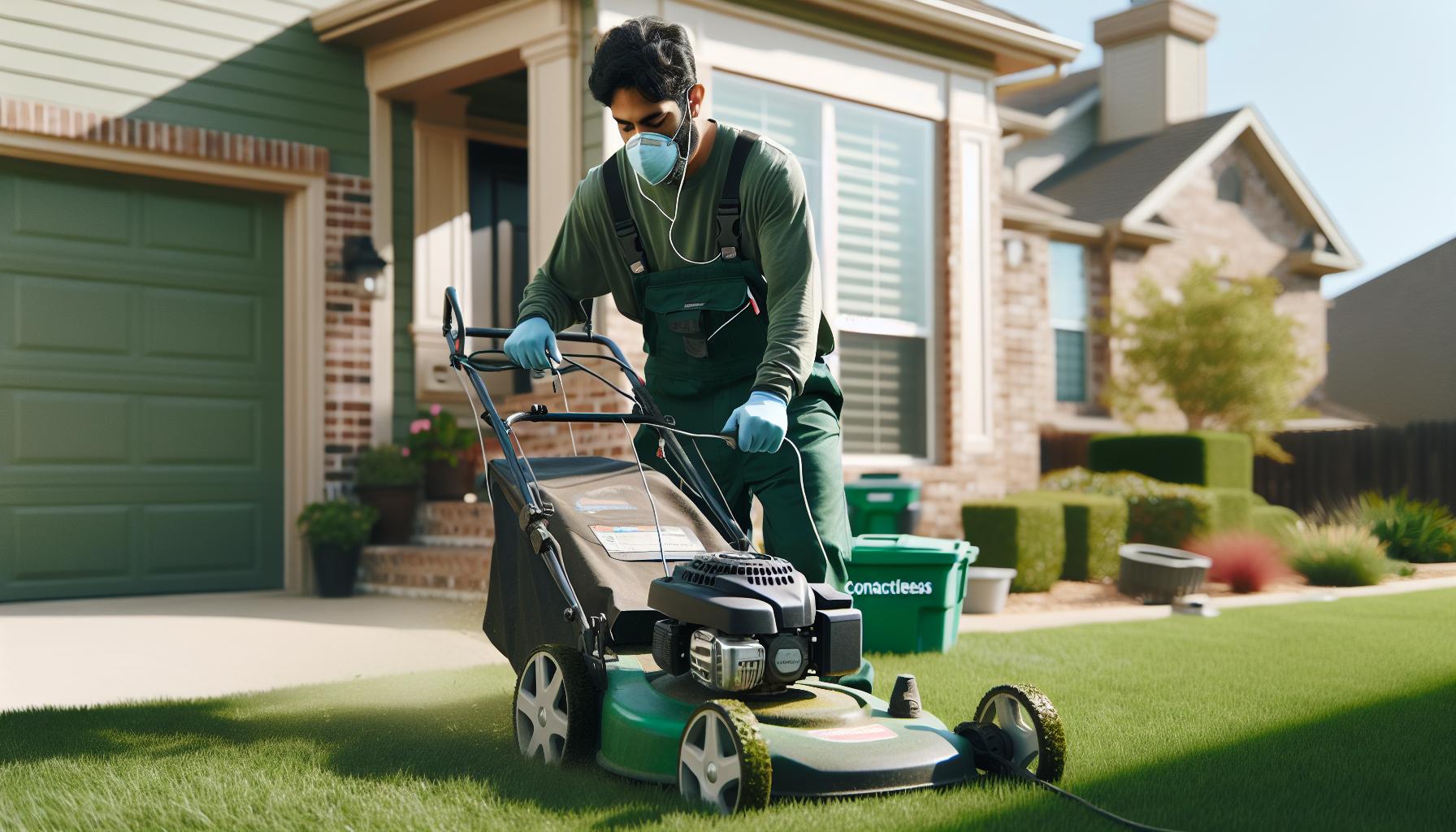
Amidst the unprecedented challenges of the COVID-19 pandemic, the lawn care industry experienced both upheaval and transformation, ultimately reshaping its role in our lives. With many families confined to their homes, outdoor spaces became essential for recreation, relaxation, and mental well-being. This surge in homebound activity meant that maintaining a healthy and aesthetically pleasing lawn was not just a luxury but a vital component of home life during lockdowns.
The Shift in Demand for Lawn Care Services
As people sought refuge in their gardens and backyards, the demand for lawn care services skyrocketed. Homeowners prioritized their outdoor spaces, often investing in landscaping, regular lawn maintenance, and even DIY projects to enhance curb appeal. This increased focus led many lawn care businesses to adapt swiftly, providing services that aligned with health guidelines while meeting consumer needs for maintenance. For example, services restructured schedules to allow for social distancing or shifted to contactless payments and consultations.
- Safeguarding Health: Lawn services aided in preserving the health of ecosystems by addressing issues like overgrown areas that could harbor pests.
- Mental Wellness: The act of gardening or simply maintaining a yard contributed positively to mental health, providing therapeutic benefits during times of uncertainty.
- Enhancing Property Value: With increased time at home, homeowners recognized the importance of landscaping in boosting property values.
Changing Regulations and Guidelines
Throughout the pandemic, governmental authorities across various states implemented fluctuating regulations that directly impacted lawn care services. While many businesses faced temporary closures, essential services-including landscaping-were permitted to operate under certain conditions. This distinction often depended on state-specific guidelines that took into account the public health implications of outdoor maintenance, as well as its role in sustaining local economies. Understanding these regulations became crucial for lawn care providers to navigate effectively while ensuring the safety of their clients and employees.
Moreover, the pandemic prompted many service providers to enhance their online presence, offering virtual consultations and effective communication about safety measures. This pivot not only catered to immediate health concerns but also laid the foundation for lasting changes in how services are delivered.
As lawn care continues to evolve in response to these challenges, the industry’s ability to adapt not only reassured consumers but also highlighted the critical role that outdoor spaces play in overall health and community resilience during emergencies.
State-by-State Analysis of Lawn Service Status
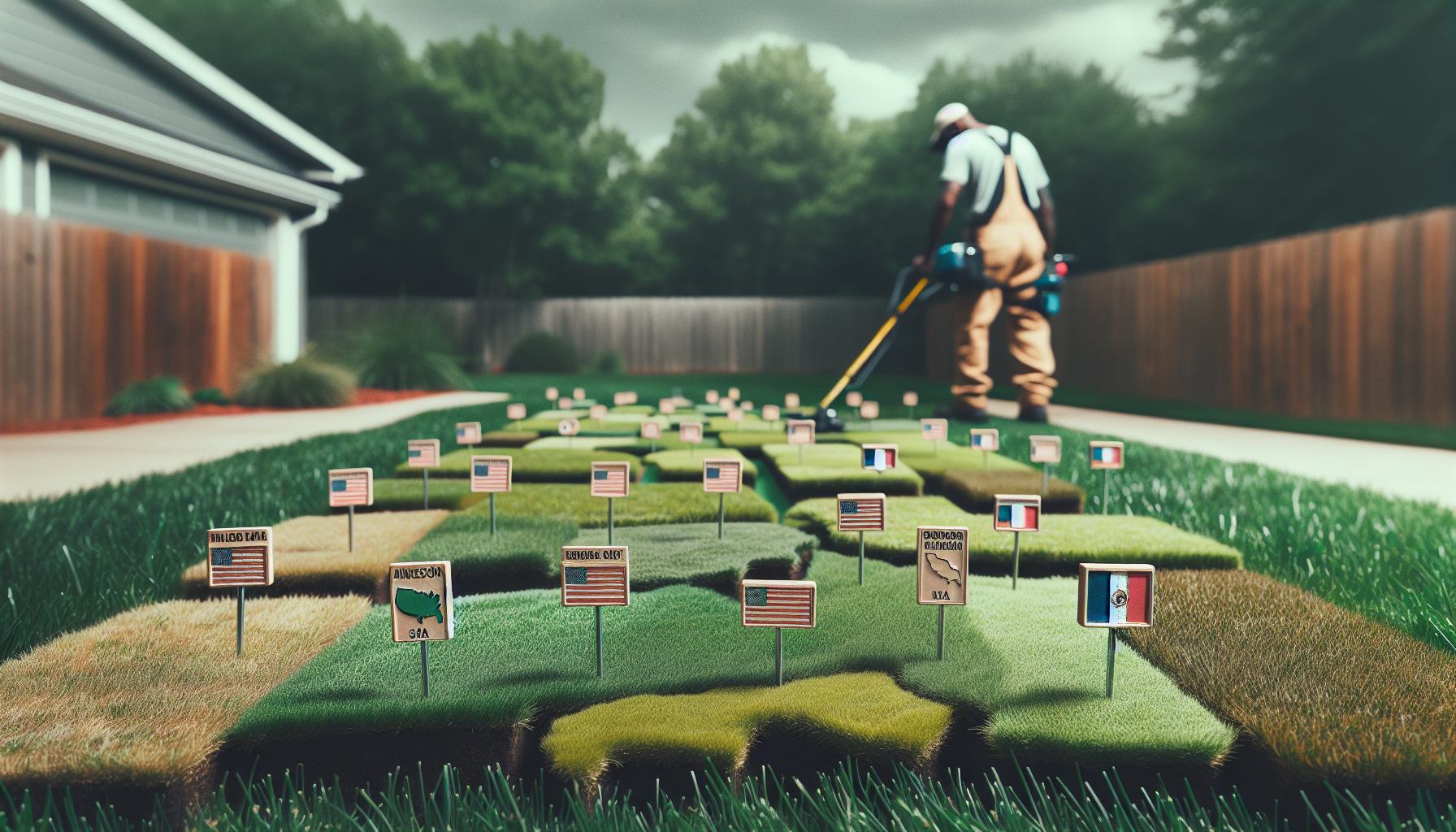
As the COVID-19 pandemic unfolded, the classification of lawn services as essential businesses varied significantly across the United States, largely depending on local regulations and public health assessments. Understanding these differences is crucial for homeowners and service providers alike, especially when considering the impact on personal and community well-being.
In general, states with a high emphasis on public health often categorized lawn care services as essential. For example, in states like Florida and Texas, where outdoor maintenance plays a significant role in property upkeep and pest control, lawn services continued to operate with strict adherence to safety protocols. This allowed residents to maintain their outdoor spaces, which became increasingly important as people spent more time at home. Conversely, states with more stringent measures, such as California during the early months of the pandemic, imposed temporary halt on non-essential services, including lawn care, leading to heightened anxiety among homeowners concerned about overgrown yards and potential pest problems.
This state-by-state analysis revealed several key factors influencing the status of lawn services. Areas with milder climates and longer growing seasons, like the Southeast, often prioritized landscaping as a vital economic driver. In contrast, northern states with harsher winter conditions experienced a different impact, with lawn care services temporarily transitioning to snow removal or other seasonal tasks.
Moreover, the evolving nature of local governance also played a role in shifting classifications. For instance, as communities adapted to new norms, many states relaxed restrictions, allowing lawn care businesses to resume operations, albeit under modified guidelines such as limited crew sizes and enhanced sanitation practices. Homeowners were encouraged to remain informed about their specific state regulations via official state websites and local news channels to ensure compliance and safety.
In summary, the classification of lawn services during the pandemic revealed a complex tapestry of governmental response, economic necessity, and public health considerations. For both consumers and providers, staying updated on state-specific guidelines was critical in navigating the ever-changing landscape of essential services during a global health crisis.
Essential vs. Non-Essential: Key Differences Explained

In uncertain times, distinguishing between essential and non-essential services becomes critical for both businesses and consumers. Lawn services often find themselves navigating the blurred lines of necessity, especially in contexts like the COVID-19 pandemic. Understanding the fundamental differences between these classifications helps homeowners make informed decisions about hiring lawn care providers and enables service operators to adapt their strategies accordingly.
Essential services are typically defined as those that support the health, safety, and welfare of the public. Lawn maintenance can fit into this category for several reasons, including pest control, disease management, and supporting mental well-being through the upkeep of green spaces. Keeping lawns healthy can prevent infestations that may lead to larger ecological and health issues. In areas where lawn care is viewed as critical, such as regions prone to pests or diseases, it continues to be classified as essential, thus allowing residents to maintain their properties safely.
Non-essential services, by contrast, may be deemed less critical to public health during emergencies or in contexts requiring strict social distancing. Lawn services that provide aesthetic improvements, like landscaping or decorative features, often fall under this category. These tasks, while valuable, do not address immediate health or safety concerns, leading to restrictions during critical periods. For instance, during early pandemic lockdowns, many states halted these types of services, focusing regulations on sectors that directly impacted public health.
To navigate the confusion around what constitutes essential versus non-essential services, residents can take practical steps:
- Review Local Guidelines: Regularly check state and local government announcements for updates on service classifications.
- Communicate with Service Providers: Reach out to lawn care companies to understand what services they are allowed to provide and how they are ensuring safety.
- Assess Personal Needs: Consider the specific conditions of your lawn and how their maintenance factors into your household’s health and safety, especially during emergencies.
By understanding these distinctions, consumers can make informed decisions about when and how to engage lawn service providers, ensuring they maintain not only the aesthetics of their properties but also the health and safety of their environments.
How to Determine if Your Lawn Service is Essential
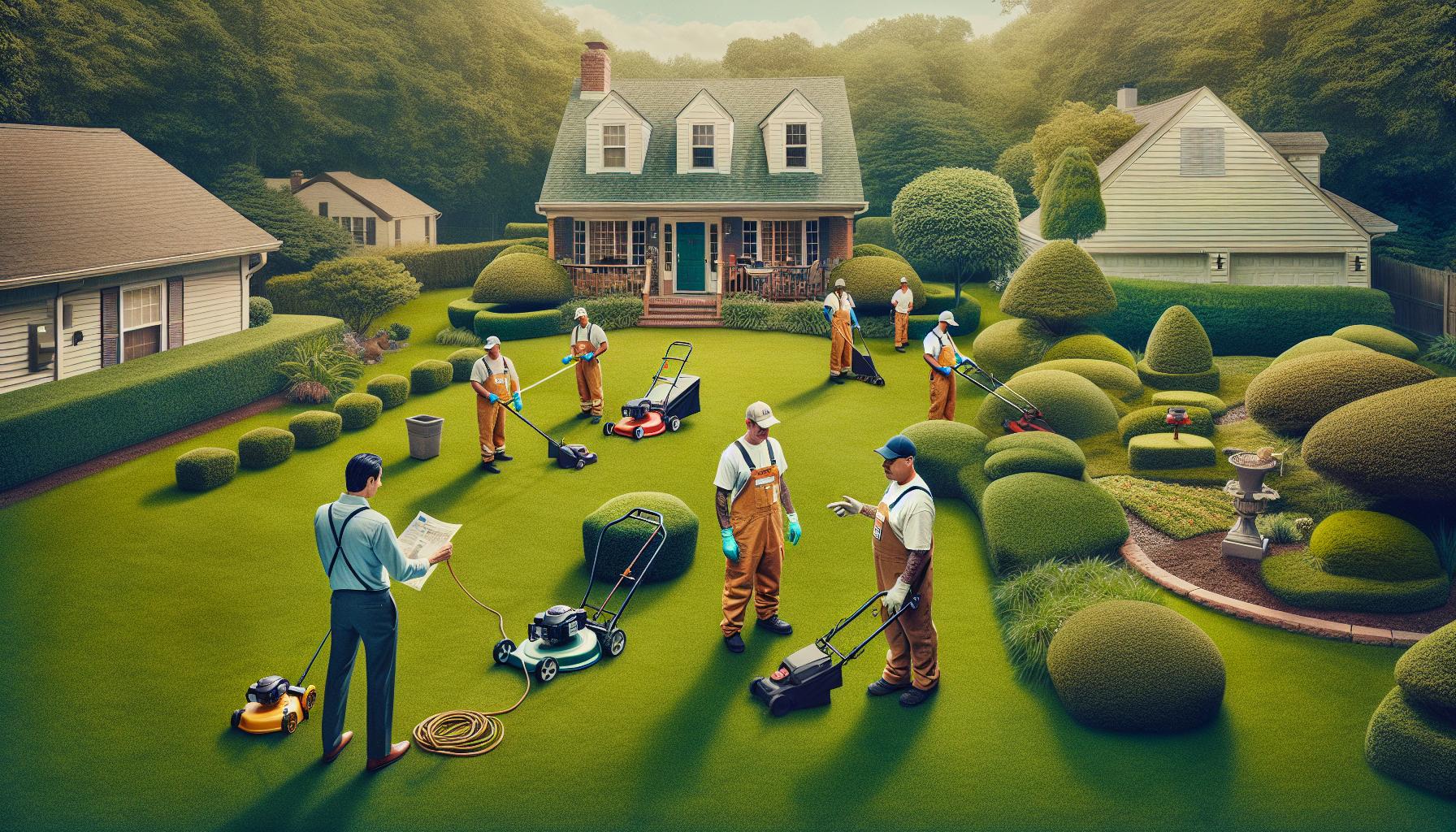
Determining whether your lawn service is essential can be crucial, especially during emergencies like health crises or natural disasters. Essential services are those that directly support public safety and well-being, which typically includes those that manage pests, maintain the health of green spaces, and prevent infestations that could lead to broader ecological issues. To evaluate the necessity of your lawn service, consider the types of tasks they perform and how they align with public health priorities.
Analyzing your lawn care needs entails looking at two key factors: the specific services provided and the existing condition of your lawn. For example, if you require pest control to prevent infestations from spreading to your home or community, this service could be viewed as essential. Conversely, if the service focuses solely on aesthetic improvements, such as landscaping or ornamental gardening, it may not be classified as essential during a state of emergency.
Communication plays a pivotal role in understanding the status of your lawn service. Engaging directly with your service provider can clarify what services they are permitted to offer during different circumstances. They can inform you about their safety protocols and any adjustments in services due to regulatory changes. This proactive dialogue not only helps you stay informed but also aids in making decisions that prioritize both your lawn’s health and your personal safety.
Furthermore, regularly checking local and state guidelines will equip you with the most current information regarding what constitutes essential services in your area. As rules may vary significantly based on geographical location and the current public health situation, staying updated will help you determine when and how to utilize lawn care services legally and safely. Understanding these dynamics ensures you make informed choices that balance the maintenance of your property with the overarching goal of public health and safety.
Navigating Legal Guidelines for Lawn Services
Understanding the legal guidelines surrounding lawn services is crucial, particularly during times when definitions of essential businesses may shift, such as during health crises or emergencies. Regulations can differ significantly at the local and state levels, and it is essential for both consumers and service providers to stay informed. Laws often dictate what activities can continue during emergencies, impacting how lawn care companies operate. For instance, services deemed essential typically include those related to pest control, which are vital for maintaining public health and safety by preventing infestations that could spread disease.
To navigate these guidelines effectively, lawn service providers should regularly consult their local government’s websites or public health departments. Many cities and states release detailed classifications of essential services, which can help providers ascertain if their services fall under this category. Additionally, keeping abreast of any executive orders or emergency declarations can provide clarity on temporary regulations that may affect service availability. It’s beneficial for lawn care professionals to establish clear communication channels with regulators to confirm their operational status and follow any required protocols, such as adhering to social distancing measures or utilizing personal protective equipment.
For customers seeking lawn services, understanding the legal framework will allow better decision-making. If you are unsure whether your lawn care company qualifies as essential, consider asking them directly about the specific services they can legally provide at any given time. Moreover, communities can advocate for the inclusion of certain lawn care services in essential business listings, emphasizing the public health benefits associated with maintaining green spaces.
In regions where lawn services are not classified as essential, homeowners can explore alternative options. For example, they might turn to DIY lawn care methods, engaging in tasks such as basic landscaping maintenance or pest control using safe, over-the-counter products. Being proactive and resourceful during emergencies ensures that home lawns remain healthy while adhering to legal constraints, all while balancing public health considerations.
Tips for Lawn Service Providers During Emergencies
During emergencies, particularly health crises like COVID-19, lawn service providers face unique challenges that require adaptability and strategic decision-making. Understanding how to navigate these circumstances not only helps maintain operations but also ensures safety for both employees and clients. One pivotal aspect is keeping abreast of local regulations, which can change rapidly and significantly affect what services are deemed essential. Providers must regularly check their state and local government updates to know if they can legally operate and under what conditions.
Effective communication is crucial during these times. Lawn service providers should proactively inform their clients about the measures they are implementing to prioritize safety, such as adopting contactless service models or providing virtual consultations for landscaping design. Establishing clear, transparent communication lines helps in building trust with clients, who might be anxious about safety protocols. Utilize platforms like social media, emails, or newsletters to keep customers informed about the latest updates regarding service availability and safety practices.
Furthermore, to remain agile, lawn care businesses can diversify their service offerings. For example, while routine maintenance might be less essential during lockdowns, focus on services that can enhance outdoor spaces, such as garden clean-ups or minor landscaping that could promote mental well-being during isolation. This adaptability not only aligns with consumer needs but also allows for better business resilience.
Lastly, consider leveraging technology to improve efficiency. Scheduling software, customer relationship management tools, and digital payment systems can streamline operations and foster a convenient experience for both providers and customers. By proactively seeking innovative solutions and maintaining a flexible approach, lawn service providers can navigate emergencies more effectively while sustaining their business model.
Alternatives to Professional Lawn Care During Lockdowns
Maintaining a vibrant lawn can be a delightful aspect of homeownership, but during lockdowns or emergencies, access to professional lawn care may be restricted. Rather than letting the grass grow wild, homeowners can adopt several practical strategies to manage their outdoor spaces effectively. DIY lawn care not only saves money but can also become a rewarding activity that offers a sense of accomplishment and enhances well-being during uncertain times.
Simple Lawn Care Techniques
For homeowners looking to take charge of their lawns, familiarizing themselves with basic lawn care techniques is crucial. Here are some essential tasks that can be easily managed:
- Mowing: Regular mowing is vital to maintain a neat appearance and promote healthier grass growth. Set a schedule that adheres to local regulations on noise and outdoor activities.
- Weeding: Spend some time pulling weeds either by hand or using a hoe to keep your lawn healthy. This prevents weeds from competing with desired grass for nutrients and sunlight.
- Watering: Proper watering is crucial yet often misunderstood. A deep watering once or twice a week is typically better than daily shallow watering. Utilize a rain gauge to measure how much water your lawn is receiving.
- Fertilizing: Consider using organic fertilizers to improve soil health. Look for products that encourage sustainable growth and are safe for the environment.
Creative Landscaping Solutions
Another avenue to explore is creatively landscaping your outdoor space. With time on hand, homeowners might consider projects that enhance the beauty and functionality of their yards. Here are some ideas to stimulate your green thumb:
- Garden Beds: Start a vegetable or flower garden. This not only beautifies your yard but also provides homegrown produce, fostering both sustainability and a sense of accomplishment.
- Mulching: Applying mulch can improve soil moisture retention, suppress weeds, and contribute to the overall health of your garden beds.
- Outdoor Spaces: Create areas for relaxation using furniture crafted from affordable materials. Add lights or decorations to establish a welcoming atmosphere for family gatherings.
Utilizing Online Resources
In today’s digital age, a wealth of resources is available to assist homeowners. Video tutorials, gardening forums, and apps dedicated to lawn care can offer guidance tailored to individual needs. Engaging with online communities can provide motivation, tips, and shared experiences from others navigating their own lawn care challenges. By utilizing these resources, homeowners can gain confidence in their ability to maintain their outdoor spaces even without professional help.
By adopting these alternatives, individuals not only keep their lawns in shape during lockdowns but also cultivate a deeper connection to their environments. Embracing lawn care as a do-it-yourself venture can transform the challenge into a rewarding and engaging experience, equipping homeowners with skills that last long after the restrictions are lifted.
Consumer Perspectives on Lawn Care Essentials
Consumer attitudes toward lawn care services have evolved significantly, especially during the recent challenges presented by the COVID-19 pandemic. For many homeowners, the lawn is not just an aesthetic element but an extension of their living space, serving as a safe oasis during times of restricted mobility. As a result, the importance of maintaining a healthy, green lawn has been underscored, with many consumers viewing lawn care as essential, both for curb appeal and for personal well-being.
While some homeowners have embraced DIY techniques, surveys indicate that a substantial number still prefer professional services for their expertise and convenience. In states where lawn care services were deemed non-essential during lockdowns, many consumers expressed frustration. They recognized that lawn maintenance not only impacts property value but also contributes to mental health by providing a pleasant environment for stress relief and relaxation. These perspectives have spurred discussions around redefining what counts as “essential” services in residential care.
Moreover, the pandemic has led many to reconsider their reliance on professional lawn care. Some have turned to online resources, seeking workshops and tutorials to equip themselves with the knowledge needed to manage their lawns effectively. As a result, there has been a notable increase in community engagement through online forums, where homeowners share tips, successes, and DIY project ideas. This shift highlights a growing trend toward self-sufficiency in lawn care, balancing the desire for professional-quality results with the rewards of personal involvement.
Ultimately, consumer perspectives are shaping the future of lawn care services. As homeowners prioritize their outdoor spaces, the industry may see a bifurcation of services-where essential maintenance remains a priority for professionals, while more creative, personalized projects attract DIY enthusiasts. As the landscape of lawn care continues to evolve, understanding consumer needs will help shape the industry’s responses, creating a more integrated approach that benefits both service providers and homeowners alike.
The Future of Lawn Services Post-Pandemic
As homeowners continue to cherish their green spaces, the future of lawn services is poised for evolution in a post-pandemic world. The insights gained during the pandemic have led to a renewed understanding of the role that outdoor environments play in enhancing mental well-being, community interaction, and overall property value. With many consumers now viewing lawn care as a vital aspect of maintaining and enhancing their living space, the demand for both professional and DIY lawn care solutions is expected to flourish.
Lawn care companies may consider adopting more flexible service models. This could include offering subscription-based services, which allow homeowners to customize their lawn care packages according to seasonal needs and preferences. Homeowners increasingly appreciate transparency and engagement with their service providers. Companies can foster this connection by providing regular updates, educational resources, and community workshops. Such initiatives not only build customer loyalty but also empower consumers with the knowledge to understand their lawn’s specific needs.
Enhancing Service Offerings
To adapt to changing consumer sentiments, lawn service providers should focus on a broader range of services that go beyond traditional mowing and fertilization. This could involve:
- Eco-Friendly Solutions: With growing environmental awareness, services that utilize organic products or sustainable practices will appeal to a conscious consumer base.
- Smart Lawn Care: Integrating technology such as soil moisture sensors and app-based management tools can help clients manage their lawns more efficiently and reduce water waste.
- Landscaping and Outdoor Living Spaces: As consumers focus on enhancing their outdoor environments, services that support landscape design, garden installation, and creation of outdoor entertainment areas are likely to see increased interest.
Paving the Way for DIY Collaboration
The increase in DIY engagement provides lawn care professionals with the opportunity to collaborate rather than compete. Offering online classes, informative blogs, or webinars can fulfill the educational demand while simultaneously promoting professional services for tasks that may be too complex for homeowners. By positioning themselves as partners in lawn care, providers can secure a solid customer base that values guidance and expertise.
In summary, the landscape of lawn services post-pandemic suggests a transformative approach, blending traditional care with innovative customer engagement and education. Through adaptation to consumer trends and the integration of technology and sustainable practices, lawn care providers can thrive in this evolving market. Understanding and responding to the diverse needs of homeowners will not only enhance client satisfaction but will also contribute to a more holistic approach to lawn maintenance and care in a rapidly changing world.
Frequently Asked Questions about Lawn Service Status
As communities navigate the complexities of essential services, many homeowners find themselves asking critical questions about the status of lawn care services. The classification of these services varies widely based on local regulations and the specific circumstances of the ongoing environment. For instance, while some states designated lawn care as essential during lockdowns to support mental well-being, others imposed restrictions that limited such services to maintain social distancing protocols. Recognizing the nuances can be vital for both consumers and providers as they adapt to shifting guidelines.
Common Questions Regarding Lawn Service Status
- What defines an essential lawn service?
Generally, essential lawn services include maintenance that supports health, safety, and welfare. This can encompass basic mowing, pest control, and fertilization, especially if left unattended could lead to property damage or pest infestations. - How can I find out if my state considers lawn care services essential?
It’s important to check local government websites or contact your local chamber of commerce. This information can often be found in public health orders or emergency declarations, which clarify what is classified as essential. - Are there alternative options if my local lawn service is not operating?
During periods when professional service is limited, homeowners can consider DIY lawn care options or reaching out to neighbors for joint maintenance efforts. There are also numerous online resources, including instructional videos and gardening blogs, that can guide you in basic lawn care. - What precautions should lawn care providers take during emergencies?
For service providers, following health guidelines, such as wearing masks, maintaining social distance, and sanitizing equipment, is crucial. Keeping clients informed of any changes to service schedules and procedures can also help build trust and transparency.
These inquiries reflect the broader concerns of consumers who are striving to balance community health with their desire to maintain outdoor spaces. As protocols continue to evolve, staying informed will empower homeowners to make educated choices about their lawn care needs.
FAQ
Q: What criteria determine whether lawn services are essential businesses?
A: Lawn services are considered essential based on state guidelines, often requiring them to support public health, safety, and welfare. Key criteria include whether services help maintain utilities, manage pests, or prevent environmental hazards. Check your local regulations for specific details.
Q: How can lawn service providers adapt their business during emergencies?
A: Lawn service providers can adapt by implementing safety precautions, such as contactless services and enhanced sanitation. They should also stay informed on legal guidelines and communicate with customers about available services during emergencies, as discussed in the article’s “Tips for Lawn Service Providers During Emergencies.”
Q: Are landscaping and lawn care services viewed differently under essential business status?
A: Yes, landscaping and lawn care can be viewed differently. Lawn care, essential for maintaining public health and safety, may remain operational, while non-essential landscaping services might be restricted. Understanding these distinctions is crucial for service providers.
Q: What should customers consider before hiring a lawn service during a pandemic?
A: Customers should consider the service’s compliance with health guidelines, their unwillingness to engage in contact, and essential service status in their area. Additionally, check for the company’s safety measures and online service offerings for convenience and safety.
Q: How has COVID-19 influenced the future of lawn services?
A: COVID-19 has accelerated demand for lawn services, making them more essential as people focus on outdoor spaces for isolation. Companies may adopt technology-based solutions and contactless services permanently, reshaping how lawn care is delivered in the future.
Q: Where can I find information on the lawn service status specific to my state?
A: You can find state-specific lawn service status by visiting local government websites or resources dedicated to essential business guidelines. Please refer to the “State-by-State Analysis of Lawn Service Status” section for comprehensive details.
Q: What are alternatives to professional lawn care during a lockdown?
A: Alternatives include DIY lawn care using available online resources, such as detailed guides and videos. Another option is to hire local contractors for minimal contact services or consider virtual consultations for lawn maintenance advice.
Q: When should consumers reassess their lawn care needs during public health crises?
A: Consumers should reassess their lawn care needs when local regulations change, based on their personal health situation, or when they desire to maintain a suitable outdoor environment during times of heightened restrictions.
In Retrospect
As we conclude our exploration of “Is Lawn Service an Essential Business: Status Guide,” it’s clear that maintaining a healthy lawn goes beyond aesthetics-it’s about enhancing your property’s value and ensuring community standards are met. If you’re still unsure whether to invest in lawn care services, consider the immediate benefits: improved curb appeal, increased property value, and a greener environment. Don’t wait until your lawn becomes a patchy problem; take action today!
For further insights, check out our comprehensive guides on effective lawn care techniques and seasonal maintenance tips. If you’re looking to keep your lawn thriving, explore our recommended lawn products or subscribe to our newsletter for expert advice delivered straight to your inbox. Join the conversation-share your thoughts in the comments, and let us know your lawn care experiences. Together, we can cultivate a community of thriving green spaces!