
Navigating the world of lawn care can often feel overwhelming, especially when deciding between hiring a professional service or tackling the task yourself. Did you know that a well-maintained lawn can increase your home’s value by up to 15%? However, achieving and maintaining that lush green aesthetic demands time, effort, and the right techniques. For many homeowners, juggling the responsibilities of work and family life leaves little room for the meticulous care a lawn deserves. This article delves into whether a lawn service is worth the investment by exploring its benefits compared to the DIY approach. As you consider the options, you’ll discover valuable insights that not only address your concerns about costs and time but also guide you towards making an informed decision that suits your lifestyle.
Understanding Lawn Service: What to Expect
Understanding lawn service can transform your weekly chores into a hassle-free experience, allowing you to enjoy a vibrant landscape without the hard work. For many homeowners, the question isn’t simply whether to hire a lawn service, but what to expect from these professionals. Typically, a lawn service will include a variety of maintenance tasks tailored to your lawn’s specific needs. From regular mowing and fertilization to aeration and pest management, these services are designed to enhance the health of your lawn while saving you time and effort.
When engaging a lawn care service, expect a consultation where the technician assesses your lawn’s condition and discusses a tailored care plan. Most companies will provide a schedule for services, which might range from weekly mowing during peak growth periods to seasonal treatments like fertilization and weed control. Many services also offer specialized treatments for specific issues, such as grub control or soil amendment, ensuring a comprehensive approach to lawn health. Communication is key; reliable lawn service providers will keep you informed about what treatments are being applied and how they benefit your lawn.
Additionally, be prepared for an upfront discussion about costs, which can vary based on the size of your lawn, the range of services selected, and the level of customization required. Some companies offer bundled packages that may reduce costs for regular maintenance, allowing you to budget effectively. Always inquire about their experience, equipment, and whether they use eco-friendly products, which is becoming increasingly important for homeowners concerned about environmental sustainability.
By understanding these aspects of lawn service, you can make a more informed decision about whether professional care is right for your landscaping needs, effectively comparing it with your own DIY efforts.
The Cost of Lawn Service: Is It Worth the Investment?
Investing in lawn care can feel daunting, especially when comparing the costs associated with hiring professionals versus managing the upkeep yourself. While it might be tempting to opt for DIY maintenance to save money, the true value of professional lawn care often lies in the expertise, time savings, and health benefits it provides for your outdoor space. Consider that a professionally maintained lawn can enhance the aesthetic appeal of your home, increase property value, and even improve curb appeal when selling your property.
When evaluating the costs of lawn service, it’s essential to look at what you actually receive. A standard lawn care package typically includes services such as mowing, weed control, fertilization, aeration, and pest management. Professionals come equipped with specialized tools and knowledge that can lead to better results than you might achieve on your own. For instance, a lawn care service can precisely calculate the right type and amount of fertilizer based on a soil analysis, which many homeowners might not know how to do or might overlook.
To help clarify potential costs, here’s a basic breakdown of what to expect when hiring a lawn care service:
| Service | Average Cost |
|---|---|
| Mowing (per visit) | $30 – $80 |
| Fertilization (per treatment) | $50 – $100 |
| Aeration (per treatment) | $75 – $200 |
| Pest Control (per treatment) | $75 – $150 |
These costs can accumulate, but many companies offer bundled packages that can be more economical if you require ongoing services. Additionally, consider the long-term benefits of investing in professional care. With expert maintenance, your lawn may not only look better but can also be healthier, which ultimately requires less remedial action down the line.
Also, think about the value of your personal time. For many homeowners, spending weekends mowing the lawn, battling weeds, or trying to diagnose lawn diseases takes away from family activities or relaxation. By hiring a professional, you free up that time, providing you with more opportunities to enjoy your yard rather than work on it. Ultimately, while the upfront cost of professional lawn care may be higher than DIY methods, the savings in time, effort, and potential lawn damage can make it a worthwhile investment for many homeowners.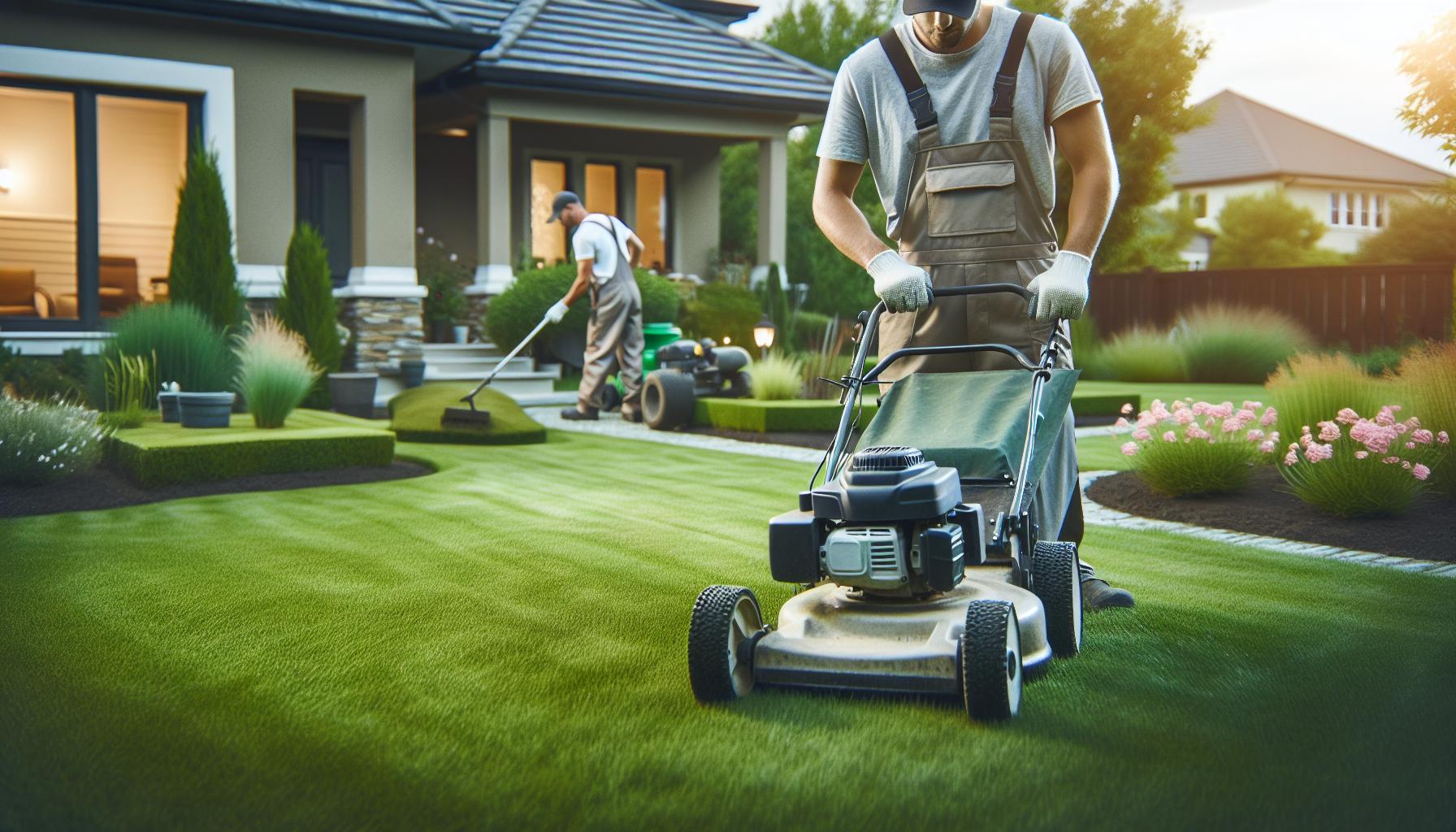
DIY Lawn Care: Tips and Tricks for Success
Achieving a lush, green lawn isn’t just about regular mowing; it involves understanding the broader aspects of lawn care, from soil health to proper watering techniques. One crucial factor in successful DIY lawn care is having a plan tailored to your specific lawn’s needs. For example, different grass types require varying levels of moisture, sunlight, and nutrients. Therefore, starting with a soil test can provide insights into pH levels and nutrient deficiencies, helping you make informed decisions on amendments and fertilizers.
### Essentials of Lawn Care
To effectively manage your lawn, consider implementing the following practices:
- Mowing: Keep your mower blades sharp and follow the one-third rule-never remove more than one-third of the grass height at a time to avoid stressing the grass.
- Watering: Water deeply but infrequently. A good rule of thumb is to aim for about an inch of water per week, depending on your climate.
- Fertilizing: Use slow-release fertilizers based on your soil test results. This ensures nutrients are available when the grass needs them most.
- Weed Management: Recognize that prevention is key. Regularly overseed and maintain dense grass to outcompete weeds, and consider applying pre-emergent herbicides in early spring.
- Aeration: Aerate your lawn in the fall to alleviate soil compaction, allowing air, water, and nutrients to penetrate deeper.
### Common DIY Challenges
While DIY lawn care can be rewarding, many challenges can arise. For instance, pests and diseases can quickly turn a healthy lawn into a patchy mess if not addressed promptly. Recognizing signs of trouble is crucial; yellowing grass may indicate nutrient issues, while brown patches could be a sign of grubs or fungal infections. Keeping a close eye on your lawn and being proactive about treatments can save you time and effort in the long run.
Implementing these strategies can help you cultivate a healthy lawn while enjoying the satisfaction that comes with maintaining it yourself. However, if you find the tasks overwhelming or the results not aligning with your efforts, it may be worthwhile to reevaluate the potential benefits of hiring professional services to complement your DIY approach. Remember, a thriving lawn is not just an aesthetic choice; it contributes significantly to your home’s value and your family’s enjoyment of the outdoor space.
Comparing Results: Lawn Service vs. DIY
When considering the effectiveness of lawn care, many homeowners find themselves weighing the pros and cons of professional services against the DIY approach. The differences in results can be striking, often hinging on factors such as expertise, time commitment, and the scale of lawn maintenance required. Engaging a professional lawn service typically results in a greener, healthier lawn due to their specialized knowledge and equipment that most homeowners simply don’t have access to. On the other hand, DIY lawn care can be both rewarding and cost-effective, allowing homeowners to actively engage with their outdoor spaces.
Expertise and Results
Professional lawn care services provide a level of expertise that comes from years of training and practical experience. These teams understand the specific needs of different grass types, seasonal considerations, and the most effective treatment strategies for pest control and fertilization. Comparatively, DIY enthusiasts may face steep learning curves, particularly if they attempt intricate treatments without thorough knowledge. A professional service often utilizes advanced technology, such as soil testing and specialized mowing equipment to achieve consistent results that are difficult to replicate with basic tools.
Cost Considerations
While hiring a lawn care service might seem expensive upfront, the investment often pays off in the long run. A professional team can tailor services to your lawn’s specific needs, which may prevent costly mistakes that can occur with DIY efforts. For example, improper fertilization or pest treatment can lead to further damage that may eat into savings. In contrast, DIY lawn care often comes with ongoing expenses, such as the purchase of tools, seeds, fertilizers, and potentially wasted materials if the wrong products are selected.
Time and Effort
Time is another significant factor in this comparison. For busy homeowners, the time spent on lawn care might overshadow the cost of a professional service. Lawn care requires consistent attention-mowing, watering, and applying treatments on a schedule to maintain optimal health. If you find yourself struggling to keep up with these demands, it could be more efficient to outsource this work, allowing you to enjoy your lawn without sacrificing your weekend plans. Alternatively, those who have the time and enjoy gardening may find satisfaction in seeing their efforts yield results.
Making the Right Choice
Ultimately, the decision between lawn service and DIY will depend on personal preference, budget, and lifestyle. If you prefer a hands-off approach and want a guaranteed green lawn, professional services may be worthwhile. However, if you enjoy spending time outdoors and have the knowledge or willingness to learn, DIY maintenance can cultivate not only a beautiful yard but also fulfillment in caring for your space. Assessing your unique situation and weighing the pros and cons can lead to a solution that best fits your needs, ensuring your lawn remains a source of pride and enjoyment.
Time vs. Money: Which Option Saves More?
For many homeowners, the choice between engaging a professional lawn service and tackling the upkeep on their own often boils down to a fundamental question: what truly saves more in terms of time and money? It’s easy to assume that a DIY approach is always the more economical option, especially for those who take pride in their ability to maintain their yards. However, this perspective overlooks the substantial investment of time and potential costs associated with missteps.
When considering the time factor, maintaining a beautiful lawn isn’t just a matter of mowing once a week. It encompasses a range of tasks, including fertilization, aeration, pest control, and seasonal cleanup, all of which demand regular attention and expertise. For busy individuals or families, these demands can quickly pile up, leading to stress and inconsistent care. In contrast, hiring professionals allows homeowners to reclaim their weekends and leisure time while ensuring their lawn receives comprehensive care tailored to its specific needs.
In terms of monetary investment, while DIY lawn care may initially appear cheaper, the hidden costs can accumulate. Incorrect application of fertilizers, choosing inappropriate grass types for your environment, or neglecting pest control can lead to higher expenses down the line. A single error could necessitate expensive fixes, contrasting sharply with the predictable service fees of a lawn care company. Moreover, professional services often use high-quality products and advanced techniques that can yield far superior results, making it a smart investment in the long run.
Ultimately, the determination of whether you save more time or money comes down to lifestyle and preferences. Those who enjoy gardening, have a flexible schedule, and possess the willingness to learn might find profound satisfaction in DIY lawn care. However, for busy homeowners who want beautiful results without the hassle, professional lawn services present a compelling alternative. Balancing these factors-time, effort required, and knowledge-will be key in making an informed choice that aligns with your home’s needs and your personal priorities.
Expert Insights: When to Hire Professionals
When contemplating the complexities of lawn care, many homeowners find themselves at a crossroads: to hire professionals or take the DIY route. This decision often hinges on several pivotal factors that can influence the overall aesthetic and health of your lawn. Engaging a professional lawn service can be especially beneficial when certain red flags appear, indicating that your lawn might not be thriving under your care.
One crucial moment to consider hiring experts is when you notice persistent issues that routine mowing and watering can’t address. If your lawn exhibits signs of pests, diseases, or nutrient deficiencies, such as yellow patches or unusual growth patterns, it may require specialized treatments that only well-trained professionals can provide. With their access to advanced equipment and high-quality products, these experts can effectively diagnose problems and implement solutions, saving you the frustration and potential costs of trial-and-error attempts.
Moreover, the time commitment associated with maintaining a healthy lawn shouldn’t be underestimated. If your schedule is packed with work, family obligations, or other interests, carving out time for regular maintenance might be unrealistic. Professionals offer not just expertise but also a convenience factor, allowing you to reclaim your weekends while ensuring your lawn remains in its best condition. By delegating these responsibilities, you can focus on enjoying your outdoor space rather than stressing over its upkeep.
Other considerations include seasonal changes and climate variations. Each season brings specific lawn care needs, from thawing and fertilizing in spring to aeration and prepping for winter dormancy. If you’re unsure about the timing or methods required to care for your lawn properly through the seasons, professional services can provide tailored advice and ensure that your lawn remains resilient year-round.
Ultimately, while DIY lawn care can be rewarding, understanding when to bring in professionals can make a significant difference in achieving long-lasting beauty and sustainability for your outdoor oasis. When in doubt, investing in expert help may just be the smartest choice for your lawn’s health and your peace of mind.
The Environmental Impact of Lawn Services
Maintaining a lawn isn’t just about aesthetics; it also has a significant environmental impact that warrants consideration when deciding between professional lawn care services and DIY maintenance. The methods used in lawn care can either help or hinder local ecosystems, contributing to issues such as water runoff, chemical pollution, and habitat degradation. Understanding this impact is crucial for making informed decisions that align with both your landscaping desires and ecological responsibility.
Impacts of Chemical Use
Professional lawn services often apply fertilizers, herbicides, and pesticides to promote healthy grass growth and combat pests. While these chemicals can be effective, their use comes with environmental risks. For instance, when rain or irrigation occurs, excess chemicals can wash into nearby water bodies, leading to nutrient pollution, algal blooms, and disturbances in aquatic ecosystems. Homeowners who opt for a professional service should inquire about the types and quantities of chemicals used, as well as the implementation of integrated pest management practices that minimize negative environmental effects.
Water Conservation
In regions where water conservation is critical, the irrigation practices by professional services can make a positive difference. Trained experts often utilize advanced technologies such as soil moisture sensors, drip irrigation, and efficient scheduling to optimize water usage. These methods reduce waste and ensure that plants receive the right amount of moisture without unnecessary runoff. DIY lawn care might not always achieve the same efficiency, potentially leading to overwatering and subsequent environmental harm.
Encouraging Biodiversity
Engaging professionals who use sustainable practices can enhance local biodiversity. This includes selecting native plants and grasses that require fewer resources and are more resilient to local pests and diseases. Such an approach not only supports local wildlife, including pollinators but also decreases the need for chemical interventions. In contrast, traditional DIY methods often favor more uniform, non-native grass species that might demand more intensive care and lead to reduced habitat for native fauna.
Conclusion
Choosing between DIY lawn maintenance and professional services extends beyond merely aesthetic preferences; it involves understanding each option’s broader environmental implications. By opting for professionals who prioritize sustainable practices, you can play a crucial role in promoting eco-friendly lawn care that benefits both your home and the planet. Whether you choose to DIY or hire out, considering the environmental impact can guide you toward choices that foster a healthier ecosystem.
Seasonal Considerations: Timing for Lawn Care
The health and appearance of your lawn can vary dramatically throughout the year, making timing one of the most critical factors in lawn care. Seasonal considerations are particularly important when determining whether to engage professional services or take the DIY route. By aligning your maintenance activities with the natural growth cycles of your grass type and local climate conditions, you can ensure the best results – a lush, vibrant lawn that enhances your property’s curb appeal.
To start, each season presents unique opportunities and challenges for lawn care. For instance, early spring is typically the ideal time to apply pre-emergent weed control, as these treatments prevent weeds from germinating. Additionally, this is when cool-season grasses, like Kentucky bluegrass, begin to green up and require their first round of fertilization. Professionals have the knowledge and tools to accurately assess the optimal timing for these applications, ensuring that your lawn gets the right care at the right moment, something that is crucial for effective pest management and nutrient delivery.
In contrast, summer demands a more cautious approach. While grass is actively growing, it’s also vulnerable to heat stress. Consequently, watering becomes paramount, but the risk of overwatering and fungal diseases increases. Professionals often employ advanced technology, such as soil moisture sensors or irrigation scheduling, to maintain ideal moisture levels without waste. For the DIY enthusiast, navigating these summer challenges can be tricky, and improper care may lead to issues that could require professional intervention later on.
As the seasons shift to fall, this period is about recovery and preparation for winter. Aeration and overseeding are critical activities designed to rejuvenate compacted soil and ensure a thick stand of grass for the next year. Here, the expertise of lawn care professionals can greatly benefit homeowners, as timing and technique play essential roles in the success of these processes. Additionally, the fall is also when deep-root fertilization should occur, providing nourishment through the winter months, which is often best handled by experienced lawn care providers.
In summary, strategic timing aligned with seasonal changes is essential for maintaining a healthy lawn. Engaging professionals can significantly streamline this process, as they possess the expertise to address the complexities of each season effectively. Balancing DIY efforts with the strategic timing of services can help homeowners make the most informed decisions, whether to take on lawn management themselves or bring in professionals to ensure top-tier results.
Common Mistakes in DIY Lawn Maintenance
Maintaining a beautiful lawn can be a rewarding endeavor, yet many DIY enthusiasts find themselves making avoidable blunders that lead to lackluster results. Understanding the pitfalls of lawn maintenance can save time, effort, and frustration. Whether it’s misjudging watering needs or neglecting soil health, these common mistakes can undermine your gardening efforts.
One frequent misstep is over or under-watering. Many homeowners assume more is better and drown their lawns, leading to root rot and fungal diseases. Conversely, insufficient watering can leave grass thirsty and stressed. It’s essential to establish a consistent watering schedule based on your lawn’s specific needs, local climate, and soil type. Using a simple moisture meter can help determine when it’s time to water, ensuring you are meeting your lawn’s hydrating requirements without overdoing it.
Another area where DIY gardeners often falter is in fertilizing incorrectly. Applying too much fertilizer can result in chemical burns to the grass, while too little won’t provide the essential nutrients needed for growth. Additionally, timing is crucial; applying fertilizer during dormant periods can lead to wasted resources and a damaged lawn. Test your soil to understand its nutrient needs and follow a tailored fertilization schedule that aligns with your grass type.
Mowing techniques also contribute significantly to lawn health. Many DIYers mow too short, which can stress the grass and make it susceptible to pests and diseases. It’s best to follow the one-third rule: never remove more than one-third of the grass height in a single mowing. Keeping blades sharp also ensures a clean cut, which minimizes damage and promotes healthier growth.
Finally, neglecting seasonal lawn care tasks can lead to an unkempt appearance and a compromised lawn. Tasks such as aeration, overseeding, and seasonal weed control are often overlooked but are vital for a thriving lawn. Professionals typically have a strategic approach to these tasks, timing them perfectly for optimal results. For DIYers, planning a seasonal checklist can keep maintenance on track and help avoid oversight.
In summary, while taking the DIY route can be cost-effective and satisfying, it requires knowledge and attention to detail. By avoiding these common mistakes-ranging from irrigation mismanagement to improper mowing techniques-homeowners can foster a vibrant lawn that’s the envy of the neighborhood.
The Long-Term Benefits of Professional Lawn Care
Investing in professional lawn care services can transform not just the aesthetics of your property, but also its long-term health and sustainability. Many homeowners underestimate the comprehensive benefits that come with expertise in lawn maintenance, which far exceeds what an average DIYer might achieve. Professionals bring a wealth of knowledge about local climate conditions, soil types, and effective fertilization and irrigation strategies, ultimately leading to a greener, healthier, and more resilient lawn.
Consistency and Quality Results
One of the primary advantages of hiring a lawn care service is the consistency in quality. Professionals take the guesswork out of lawn maintenance, ensuring that essential tasks such as aeration, fertilization, and pest control are performed at the optimal time for your specific grass type. This level of care is particularly beneficial during critical growth phases or seasonal transitions, where timing can make a significant difference in health and appearance. Over the long term, this results in a lush lawn that not only looks good but also thrives sustainably, reducing the likelihood of pest infestations and diseases.
Time Savings and Convenience
For many homeowners, time is a precious commodity. The weekly task of mowing, fertilizing, and monitoring lawn health can quickly add up, often leading to stress and burnout. By outsourcing these responsibilities to professionals, you free up valuable hours to spend on other pursuits, whether that’s enjoying your outdoor space or focusing on personal or family activities. Consistent professional upkeep not only saves time but also alleviates the burden of remembering and adhering to complex maintenance schedules that can easily be overlooked in a busy lifestyle.
Long-Term Financial Benefits
While the upfront costs of hiring a lawn care service may seem daunting, the long-term financial benefits can outweigh these initial expenditures. A well-maintained lawn can enhance your property’s curb appeal, potentially increasing its market value. Additionally, professional services can prevent costly mistakes that result from DIY attempts-such as improper fertilization or pest control-that may require expensive corrective measures later. Regular upkeep and prompt attention to issues can lead to greater cost efficiency through the prevention of severe lawn damage and the need for more extensive treatments in the future.
In conclusion, choosing professional lawn care services not only enhances the beauty of your lawn but also fosters healthier grass, saves valuable time, and can lead to significant financial benefits over the long haul. Investing in expertise ensures your lawn remains a source of pride rather than a point of frustration.
Customer Testimonials: Real Lawn Service Experiences
It’s often said that seeing is believing, and when it comes to the benefits of professional lawn services, customer testimonials provide compelling evidence of their value. Homeowners frequently share transformative stories about how their outdoor spaces have flourished under professional care. From lush, green lawns to vibrant flower beds, the results speak volumes about the expertise and dedication that lawn care professionals bring to the table.
Many clients have experienced firsthand the peace of mind that comes with entrusting lawn maintenance to skilled experts. For instance, a couple from suburban Atlanta reported how their yard was once plagued with patchy grass and persistent weeds. After hiring a lawn care service, they noted a dramatic turnaround over just a few months. “We thought we could DIY our way through it, but the results were underwhelming. Now, our lawn is the envy of the neighborhood!” they remarked. This sentiment is echoed by numerous homeowners who appreciate not only the visual appeal of their lawns but also the time-saving aspect of freeing themselves from the weekly grind of maintenance.
Another common theme in these testimonials is the knowledge and proactive approach that professionals exemplify. An Ohio homeowner recounted their struggle with soil conditions that were less than ideal for grass growth. After consulting with a lawn service, they discovered tailored solutions that significantly improved their lawn’s health. “The recommendations were based on our specific soil type and climate. I never would have figured that out on my own,” they shared. Such insights underscore the educational component of hiring professionals, which empowers homeowners with better information and practices for sustainable lawn care.
Finally, many clients highlight unexpected financial benefits that arose from their decision to go with professional services. One homeowner in Texas articulated, “Initially, I was wary of the expense, but I saved more in the long run. They helped me avoid costly mistakes and even increased my property value.” This revelation is a crucial takeaway for anyone contemplating the cost of professional lawn services: investing in expertise can yield greater returns than attempting DIY solutions that might lead to expenses down the line.
In conclusion, the collective experiences of homeowners illustrate that professional lawn services are more than just a luxury-they are an investment in the beauty, health, and value of residential properties.
Final Thoughts: Making the Right Choice for Your Lawn
Deciding how to care for your lawn can feel overwhelming, especially with the myriad of options available. Homeowners often grapple with the choice between professional lawn services and the enticing appeal of DIY maintenance. Each approach has its unique benefits, and understanding these can greatly influence your decision-making process. For many, the desire for a lush, vibrant lawn can ultimately lead to questions about time, cost, and long-term satisfaction.
One of the most significant considerations is the amount of time you can realistically dedicate to lawn care. Professional services offer expert knowledge and equipment, which can lead to faster and often more effective results than a DIY approach. Additionally, many homeowners find that maintaining a lawn demands not just time but also a certain level of expertise in horticulture, pest management, and soil care. By hiring professionals, you can save hours that could be better spent on activities you enjoy, freeing yourself from the burdens of routine yard maintenance.
On the financial side, while professional lawn services do require an upfront investment, they can often save money in the long run by preventing potential costly mistakes that may arise from improper care. For instance, hiring a professional can help you avoid overspending on unsuitable fertilizers or treatments that fail to address the actual needs of your lawn. In contrast, the DIY route may initially appear economical but could lead to higher costs if unexpected issues arise that require professional intervention later on.
Moreover, the benefits of professional lawn care extend beyond mere aesthetics. With their insights into seasonal trends and environmental considerations, professionals can tailor care specific to your region’s climate and soil conditions. This personalized approach not only enhances the lawn’s health but can also contribute positively to local biodiversity and the environment as a whole. Many customers report not only immediate visual improvements but also increased property values and a more enjoyable outdoor space.
Ultimately, the decision comes down to your personal preferences and circumstances. Do you prioritize a weekend spent gardening, or would you rather enjoy your free time with family and friends? The answers to these questions can help you determine whether investing in professional lawn services is the right choice for you, ensuring that your lawn truly reflects your vision and care.
Frequently asked questions
Q: What are the benefits of hiring a professional lawn service?
A: Hiring a professional lawn service provides expertise in lawn care techniques, saving you time and effort. Professionals can also identify and treat pests and diseases effectively, ensuring a healthy lawn. Additionally, they often have access to advanced equipment and products that can enhance your lawn’s appearance. For more details, see “Understanding Lawn Service: What to Expect.”
Q: How much can I save by doing lawn care myself?
A: DIY lawn care can save you money on labor costs. However, expenses can add up through purchasing equipment and materials. Determine your savings by comparing the costs of necessary tools and services against professional lawn care. Explore more in “The Cost of Lawn Service: Is It Worth the Investment?”
Q: When is the best time to start a lawn care service?
A: The ideal time to engage a lawn care service is during the growth season, typically in spring or early fall. This allows your lawn to benefit from fertilization and maintenance when growth is optimal. Learn about timing in “Seasonal Considerations: Timing for Lawn Care.”
Q: Why might I choose lawn service over DIY?
A: Opting for lawn service over DIY is beneficial if you lack the time, experience, or equipment necessary for effective lawn care. Professionals ensure consistent maintenance and improved lawn health, leading to long-term advantages. See “Time vs. Money: Which Option Saves More?” for more insights.
Q: What common mistakes should I avoid in DIY lawn care?
A: Avoid overwatering, improper mowing heights, and neglecting soil health in DIY lawn care. These mistakes can lead to a weak lawn and increased costs for recovery. For a comprehensive list, check “Common Mistakes in DIY Lawn Maintenance.”
Q: How do I know if lawn care is a good investment for my home?
A: Lawn care is a worthwhile investment if you wish to enhance your home’s curb appeal and increase property value. A well-maintained lawn can make your home more attractive to potential buyers. Explore more in “The Long-Term Benefits of Professional Lawn Care.”
Q: Can professional lawn services help with pest control?
A: Yes, professional lawn services often include pest control as part of their offerings. They have the expertise and access to specialized products that can effectively manage pests, helping to maintain a healthy lawn. Refer to “Expert Insights: When to Hire Professionals” for more information.
Q: How do lawn care services impact the environment?
A: Lawn care services can promote sustainability through eco-friendly practices, such as responsible pesticide use and maintaining healthy soil. However, be aware of chemical application methods, as improper use can have negative environmental effects. For further details, read “The Environmental Impact of Lawn Services.”
In Conclusion
As we’ve explored in “Is Lawn Service Worth It: Benefits vs. DIY Comparison,” the choice between professional lawn care and DIY efforts hinges on factors like time, expertise, and resources. Whether you prioritize convenience and expert results or prefer a hands-on approach, understanding your options can lead to a greener, healthier lawn. Don’t wait to transform your outdoor space into the envy of the neighborhood-consider reaching out for professional assistance today.
For more insights, check out our guides on effective lawn care maintenance and sustainable gardening tips to enhance your knowledge. If you have questions or experiences to share, we’d love to hear from you in the comments below! Plus, don’t forget to subscribe to our newsletter for exclusive tips and updates on all things lawn and garden. Your perfect lawn awaits!