Did you know that dog waste can actually harm your lawn? Dog urine and feces can leave unsightly brown patches and create a nutrient imbalance in your yard. This issue is especially pertinent for pet owners who want a lush, green space. Understanding how dog waste affects your grass is crucial-not just for maintaining curb appeal, but also for the health of your outdoor environment. But don’t fret; there are effective strategies to prevent damage and keep your yard looking its best! In this article, we’ll explore how dog waste interacts with your lawn and share practical tips to protect your grassy oasis. Let’s dive in and discover how to ensure your yard remains a vibrant and inviting space for both you and your furry friend!
Understanding the Impact of Dog Waste on Lawns
Dog waste can significantly impact your lawn’s health, often causing unsightly patches and an unhealthy environment for both your grass and pets. When dogs relive themselves, the concentrated nitrogen and salts found in their urine can lead to a phenomenon known as “lawn burn.” This not only results in dead spots on your lawn but can also hinder the growth of new grass in those areas. Furthermore, dog feces can introduce harmful bacteria and parasites into the soil, affecting overall soil health and potentially posing a risk to local wildlife and pets.
To better understand the effects of dog waste, consider the composition of dog urine, which contains high levels of nitrogen, urea, and salts. While nitrogen is a vital nutrient for plant growth, excess amounts can overwhelm your grass, leading to its death. In addition to these chemical impacts, the physical act of dogs trampling specific areas during their bathroom breaks can compact the soil and hinder root growth. Therefore, recognizing the signs of lawn damage early, such as discolored patches or thinning grass, is crucial for maintaining a healthy yard.
Managing the impact of dog waste requires a proactive approach. Regularly cleaning up after your dog can significantly mitigate potential damage. Additionally, training your dog to use specific areas of the yard for bathroom breaks can help contain the effects, allowing for more manageable lawn care. Implementing simple strategies, such as watering the affected areas after your dog goes, can help dilute the urine’s concentration and reduce the risk of lawn burn.
Ultimately, understanding how dog waste affects your lawn can equip you with the knowledge to maintain a lush, healthy yard while ensuring your pet’s needs are met. By being aware of the potential damage and actively taking steps to manage it, you can enjoy a beautiful lawn and a happy pet in harmony.
The Science Behind Dog Waste and Soil Health
The impact of dog waste on soil health is a critical aspect that many pet owners overlook, yet it plays a significant role in determining the vitality of your lawn. When dogs urinate, the high nitrogen content in their urine can reach alarming levels, often exceeding what grass can sustain. While nitrogen is essential for plant growth, excessive amounts can lead to a chemical imbalance that damages turf, primarily manifesting as yellow or brown patches commonly referred to as “lawn burn.” Interestingly, the effect is not merely superficial; the concentrated salts and compounds in dog waste can penetrate the soil, altering its pH levels and disrupting microbial activity vital for nutrient cycling and overall soil health.
Moreover, dog feces contribute a mix of organic matter and bacteria to the soil. While decomposing, this waste can introduce pathogens, parasites, and unwanted nutrients into the ecosystem, potentially affecting not just your lawn but also local wildlife. The introduction of harmful bacteria can have broader environmental implications, contaminating nearby water sources if not properly managed. Thus, understanding the dual role of dog waste-as both a nutrient source and a potential contaminant-helps in grasping its complex interaction with soil health.
To mitigate these effects, proactive measures are vital. Regularly clearing away feces from your yard can prevent bacteria from leaching into the soil and the introduction of excess nutrients, which can further impact your lawn’s health. Additionally, encouraging your dog to eliminate waste in designated spots can confine the damage and allow for more targeted remediation efforts like seeding and aeration in those areas. Educating yourself on proper lawn care techniques, including how to dilute the effects of dog urine with water immediately following your dog’s bathroom breaks, can significantly reduce long-term damage to your lawn.
By understanding the science behind how dog waste interacts with soil health, pet owners can take informed action to maintain a lush, vibrant lawn while ensuring their pets have the essential freedom to play and roam. This knowledge empowers you not only to prevent damage but also to foster a healthier ecosystem in your backyard, where both your grass and pet can thrive.
Common Symptoms of Lawn Damage from Dog Waste
Damage caused by dog waste can manifest in various ways, often leaving homeowners puzzled over the health of their lawns. Recognizing the symptoms early can be crucial in reversing or mitigating damage, ensuring your yard remains lush and inviting. The first signs are often visible as yellow or brown patches where urine has concentrated. This is commonly referred to as “lawn burn,” a phenomenon triggered by the high nitrogen and salt content found in dog urine. While a certain amount of nitrogen can be beneficial for grass growth, excessive nitrogen can result in a toxic environment that the grass simply cannot sustain.
Another indicator of potential damage can be an increase in patches of dead grass or even bare spots, largely attributed to the acidic nature of dog urine altering pH levels in the soil. Grass may struggle to take root in these areas due to a hostile environment created by the imbalance of nutrients. Furthermore, the decomposition of dog feces can attract pests, which may contribute to poor lawn health and create additional problems beyond just the damage inflicted by the waste itself.
When assessing your lawn, keep an eye out for generalized symptoms like stunted growth or a dull appearance that contrasts sharply with the surrounding healthy grass. Over time, these symptoms can lead not only to visual degradation but also to significant soil health issues.
- Lawn Burn: Yellowing or browning patches due to high nitrogen levels.
- Dead Spots: Areas of grass that fail to thrive or grow, often surrounded by healthy patches.
- Soil pH Imbalance: Indicators of grass struggling due to acidification and nutrient disruption.
- Pest Infestation: Attraction of insects and other pests to decaying waste, affecting overall lawn health.
By being vigilant and promptly addressing these symptoms, you can take proactive steps to remedy lawn damage from dog waste, creating a more sustainable and healthy play environment for both your pets and your yard.
Preventing Lawn Damage: Effective Strategies
To keep your lawn thriving in the presence of your furry friends, proactive strategies are essential in managing the impact of dog waste. The good news is that with a few conscious habits and adjustments, you can prevent lawn damage and maintain a healthy, green yard. One of the most effective methods is to establish designated bathroom areas for your dog. By choosing a specific part of your yard or garden for potty use, you can minimize concentrated damage in other areas. Encourage your pet to use this area consistently, which helps not only protect your lawn but also provides a clear spot for clean-up.
Another practical approach is to dilute the effects of dog urine on your grass. After your dog has finished their business, simply watering the area can significantly reduce the concentration of nitrogen and salts, mitigating the risk of lawn burn. This simple act can be integrated into your routine, making it a seamless part of daily dog care. Additionally, training your dog to use this area and to urinate in different spots can further help distribute waste more evenly across the yard.
Providing regular lawn care can also counteract potential damage. Maintaining a robust lawn with proper aeration, nutrition, and mowing practices will make it more resilient against the stresses imposed by dog waste. Fertilizing your lawn with balanced nutrients can promote healthy grass growth, which in turn allows the grass to recover more quickly from any possible damage. Consider applying a dog-friendly lawn fertilizer that supports recovery after waste exposure.
Additional Strategies
- Soil Amendments: Regularly test your soil and adjust pH levels to ensure the best growth conditions for your grass.
- Choose Resistant Grass Varieties: Opting for more durable grass types, such as fescue or bluegrass, that naturally withstand pet activities can be beneficial.
- Hydration: Ensure your pet is drinking plenty of water to dilute their urine, which may help reduce the nitrogen concentration.
Creating a harmonious relationship between your dog’s needs and the health of your lawn is not just achievable but can also enhance your outdoor space. By implementing these preventative strategies, you can enjoy the companionship of your pet while preserving the beauty of your yard.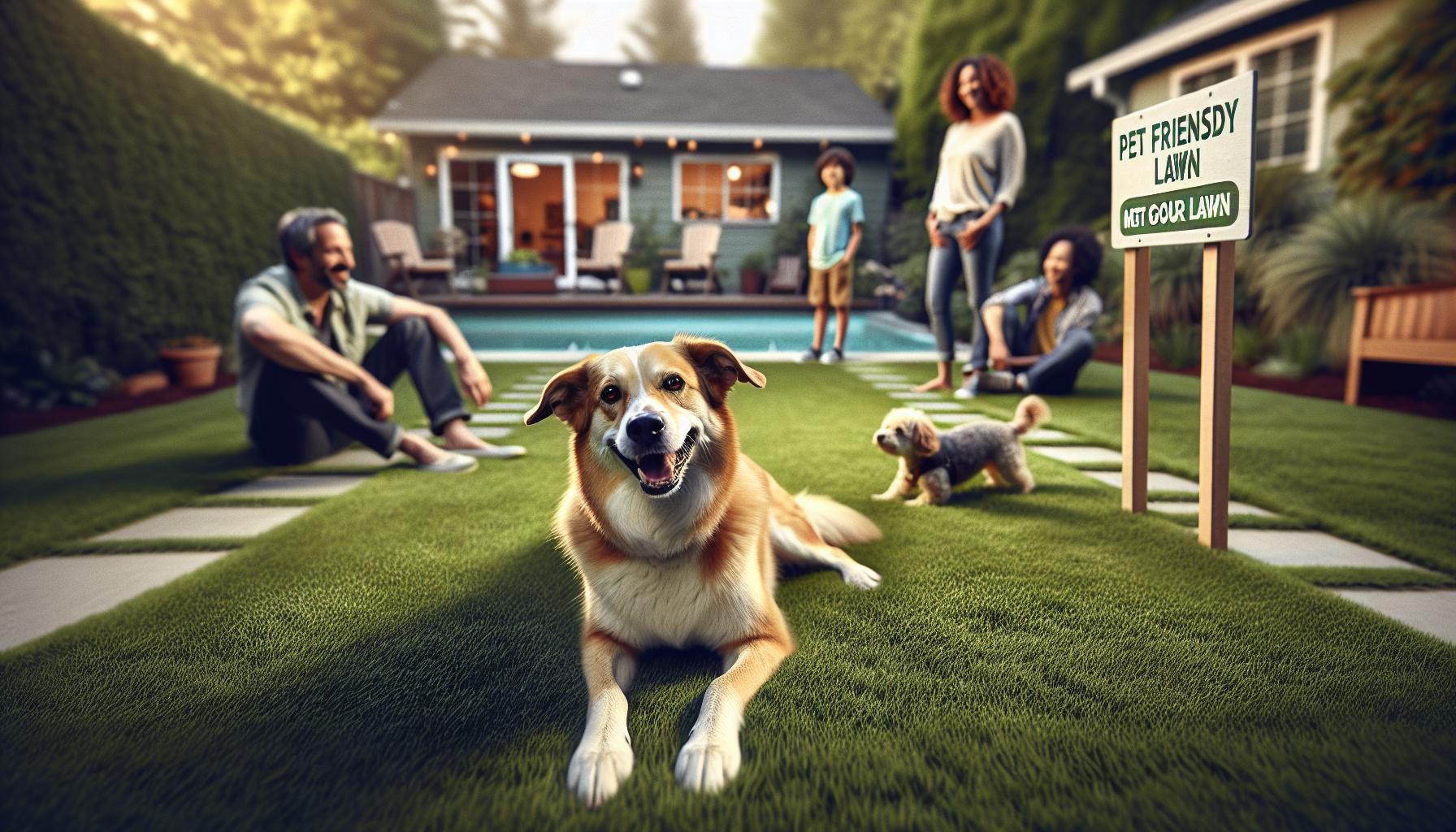
Choosing the Right Grass Types for Dog Owners
Selecting the appropriate grass type can significantly impact both the health of your lawn and your dog’s well-being. When considering your options, it’s vital to choose grasses that are resilient and capable of withstanding the wear and tear imposed by playful pups and the effects of dog waste. For instance, cool-season grasses such as Kentucky bluegrass and tall fescue are often recommended for their durability and ability to recuperate from damage. These grass varieties are known for their dense growth patterns, helping to minimize bare patches caused by urine burn or digging.
Conversely, warm-season grasses like Bermuda and Zoysia are also excellent choices for dog owners in warmer climates. Bermuda grass is particularly hardy, flourishing under high foot traffic and recovering quickly from stress. Zoysia, while slower to establish, forms a thick mat that can withstand a dog’s activity while maintaining its lush appearance. When selecting grass, consider the specific needs of your region and the lifestyle of your pets.
To further enhance your lawn’s resistance to damage, it is essential to focus on proper lawn care practices. Regularly aerating your lawn promotes healthy root growth and improves nutrient absorption, which can help your grass withstand the effects of urine and wear. Moreover, ensuring your grass receives adequate watering, particularly after a dog has relieved itself, can dilute any harmful substances.
Finally, consider the placement of your designated dog potty area. This simple strategy can mitigate concentrated damage while allowing other parts of your lawn to thrive. By pairing the right grass type with proactive lawn care and thoughtful management of your dog’s bathroom habits, you can cultivate a beautiful yard that coexists harmoniously with your furry companion.
Home Remedies for Dog Waste Neutralization
To keep your lawn looking vibrant and healthy, addressing the effects of dog waste promptly is key. Dog urine is known to cause “burn” spots on grass due to its high nitrogen content, while feces can lead to bacterial buildup and unsightly patches if not properly managed. Thankfully, several home remedies can help neutralize this damage and maintain a healthy lawn environment.
One of the simplest methods involves water dilution. After your dog urinates, immediately follow up with water to dilute the concentration of nitrogen. This can be done by watering the area or using a hose to spray down the spot. Over time, you can establish a routine of watering the yard after each bathroom trip, ensuring that nutrient levels remain balanced.
Another effective home remedy is utilizing baking soda. This common household ingredient can counteract the high acidity of dog urine. To use it, simply dissolve a few tablespoons of baking soda in a gallon of water and spray it on the affected areas. This will help to neutralize the pH levels in the soil and promote grass recovery.
You can also explore vinegar solutions. Mix equal parts of water and white vinegar, and spray the area where your dog frequently relieves itself. Vinegar is a natural deodorizer and can assist in breaking down any remaining residue, thus promoting the recovery of your lawn.
For a more holistic approach, consider planting clover or other drought-resistant plants alongside your grass. Clover not only adds aesthetic value but also improves soil health naturally. Its nitrogen-fixing properties can help balance out the excess nitrogen from dog urine, leading to a healthier ecosystem in your lawn.
By employing these home remedies diligently, you can significantly mitigate the negative effects of dog waste on your lawn and promote a lush, healthy green space for both you and your furry friend to enjoy.
Best Practices for Dog Waste Management in Yards
Managing dog waste effectively is crucial for maintaining a healthy and vibrant lawn, especially since many dog owners face the challenge of balancing pet care with landscaping. Did you know that a single dog’s waste can significantly alter soil health and grass vitality? By adopting proactive measures, owners can mitigate the negative impacts of dog waste while promoting an inviting outdoor space.
One of the primary best practices involves establishing a designated bathroom area for your dog. This not only contains the waste to a specific spot but also allows you to implement targeted care in that location, such as using grass types that are more resilient to dog waste or improving soil health with amendments. Encourage your dog to use this area through consistent training and rewarding positive bathroom habits.
Maintaining regular lawn care routines is equally important. This includes frequent mowing, watering, and aerating your lawn. During watering, make a habit of flushing areas where your dog typically relieves itself; this dilutes the nitrogen concentration and helps prevent burn spots. Additionally, consider integrating enzymatic cleaners specifically designed for pet waste. These products break down waste effectively and reduce odors, thus promoting healthier soil conditions.
Incorporating a routine waste collection system is also vital. Promptly picking up dog feces helps to minimize bacterial growth and prevents patchy grass. Use biodegradable bags for waste collection to align with eco-friendly practices. If feasible, composting dog waste is an option that can recycle nutrients back into your garden, provided it’s done correctly to avoid pathogens.
Lastly, engage in a dialogue with fellow pet owners and local experts to share tips and glean insights into successful management strategies tailored to your locality’s climate and grass types. Adopting these best practices not only ensures a lush and resilient lawn but also fosters a more responsible pet ownership culture in your community, benefiting both your yard and the environment as a whole.
How to Repair Lawn Damage Caused by Dogs
Repairing lawn damage caused by dog waste can be a straightforward endeavor if approached correctly. Dog urine, rich in nitrogen, can create brown patches on grass that resemble burn marks. Additionally, feces may introduce harmful bacteria and create unsightly messes, leading to both aesthetic and environmental concerns. Fortunately, with the right strategies, pet owners can restore their lawns and promote healthy growth.
To begin the repair process, assess the extent of the damage. For small patches, you can often simply reseed the area. Remove any dead or damaged grass by gently scratching the surface with a rake, which increases soil aeration. Afterward, sprinkle a mix of grass seed suitable for your lawn type and a thin layer of topsoil. Water these areas consistently, ensuring they remain moist but not overly saturated. Using a high-quality seed blend that matches your existing lawn will yield the best results.
Additional Restoration Techniques
In cases of extensive damage, consider the following steps:
- Soil Enrichment: Prepping the soil is essential. Apply compost or a fertilizer specifically designed to improve soil health, which can help rejuvenate the grassroots.
- Healthy Lawn Maintenance: Implement a robust lawn care routine that includes proper watering, mowing, and aeration to promote overall growth.
- Choosing the Right Grass: If your current grass type struggles with dog waste, researching and planting more resilient varieties can prevent future damage.
In situations where feces have caused damage, it’s vital to manage the source. Clean up promptly to minimize bacteria and disease spread. If the area remains discolored even after reseeding, a nitrogen balance may need to be restored. Using products that neutralize nitrogen levels can assist in healing those affected areas without harming your grass.
Taking these proactive measures not only repairs existing damage but also sets the stage for a flourishing lawn that can withstand the challenges of pet ownership. Ensuring your lawn remains vibrant despite pet habits ultimately enhances not just the beauty of your yard but also your enjoyment of outdoor spaces shared with your furry friends.
Environmental Considerations: Dog Waste and Ecosystems
The management of dog waste goes far beyond maintaining an attractive lawn; it plays a crucial role in the health of local ecosystems. Dog feces can introduce harmful pathogens and nutrients into the soil, affecting not only your yard but also the surrounding environment. When left untreated, waste can wash into waterways during rain, leading to nutrient overloads that cause algal blooms and harm aquatic life. These blooms decrease oxygen in the water and can produce toxins that pose risks to both wildlife and human health.
To mitigate these harmful effects, responsible waste management is essential. Pet owners should promptly clean up after their dogs, ideally using biodegradable bags that can help minimize the impact on the environment. Additionally, composting pet waste, when done correctly, can transform a potential pollutant into a valuable resource for soil enrichment, ensuring that harmful bacteria are neutralized through the composting process.
Another consideration is the choice of lawn care products. Many chemical fertilizers can exacerbate the negative effects of waste by contributing to runoff and pollution. Using organic or slow-release fertilizers not only supports your lawn but also aligns with sustainable practices that protect the ecosystem. Creating a diverse garden with native plants can also enhance soil health and biodiversity, making your yard a more resilient component of the local environment.
In summary, understanding the broader environmental implications of dog waste is vital for any pet owner. By implementing thoughtful waste management practices, you can foster not only a healthier lawn but also a more sustainable ecosystem that benefits both your pets and the natural world.
Dog Training Tips to Minimize Lawn Damage
Training your dog to minimize lawn damage starts with understanding their natural behaviors and how to redirect these instincts positively. Dogs often use the yard as their designated bathroom area simply because they can freely roam it. However, with effective training strategies, you can significantly reduce the risk of lawn damage.
One of the most effective techniques is to establish a designated bathroom area in your yard. This not only helps contain waste to a specific section but also teaches your dog that this area is the appropriate place to relieve themselves. To make this transition smoother, use positive reinforcement. Each time your dog uses the designated spot, reward them with treats or praise. Over time, your dog will associate this area with positive experiences, reinforcing the behavior.
Additionally, consider incorporating regular exercise and playtime to help your dog expel energy before heading outside. A tireless dog is often more likely to refrain from exploring your entire yard for bathroom opportunities. Activities might include structured walks, fetch games, or agility training, all of which will help mold your dog’s behavior while providing essential physical activity.
When training, consistency is crucial. Establish a routine for bathroom breaks and stick to it. Designate specific times for your dog to go outside, such as after meals and first thing in the morning. This predictability can help your dog anticipate these opportunities and lessen the likelihood of accidents elsewhere in the yard.
Lastly, always supervise your dog when they are in the garden, especially during the initial training phase. If they attempt to use the area outside of the designated spot, kindly redirect them to the proper location. With patience and commitment, these strategies can significantly mitigate lawn damage, ensuring both your dog and your yard thrive together.
Essential Lawn Care after Dog Waste Incidents
To maintain a flourishing lawn despite the inevitable occurrences of dog waste, immediate and effective response strategies are crucial. Dog urine can create nitrogen hotspots that lead to unsightly brown patches, while feces, if left untreated, can harbor harmful bacteria and pathogens. Therefore, understanding proper lawn care techniques post-incident can preserve not only the aesthetics but also the health of your yard.
One essential step is to promptly clean up waste as soon as possible. This limits the amount of time the lawn is affected by the acidic nature of dog urine and prevents fecal matter from decomposing in a way that harms the grass. Use a dedicated scooper for solid waste, and for urine spots, a good practice is to simply water the area well after clean-up. This dilution helps minimize the impact of concentrated nitrogen and reduces the chances of spotting or scorching.
Lawn Recovery Techniques
If your lawn shows symptoms after an accumulation of dog waste, consider these recovery techniques:
- Watering: Increase irrigation in areas affected by dog urine to help rebalance soil nutrient levels and dilute excess nitrogen.
- Fertilization: Applying a balanced fertilizer can promote even growth and revitalize any distressed sections of the lawn.
- Reseeding: For severely damaged patches, overseeding with hardy grass types can help restore coverage. Choose a grass variety suited to your climate that can withstand some wear and tear.
Additionally, regularly aerating your lawn can improve soil health and promote better drainage, which helps mitigate the effects of both pee and poop. Aeration allows for nutrients and water to reach the roots more effectively, fostering a robust lawn that is less susceptible to damage.
Monitoring and Maintenance
Lastly, ongoing monitoring of your lawn post-clean-up is vital. Watch for any changes in growth after implementing recovery techniques, and be prepared to adjust your watering and fertilization schedules accordingly. Regularly trimming your grass to the appropriate height can also help keep it healthy and resilient.
In essence, quick action and steady care are the keys to keeping your lawn lush and vibrant, turning potential dog waste disasters into manageable situations that won’t disrupt your green space. By cultivating a proactive approach, you can enjoy both your pet and a thriving yard simultaneously.
Long-Term Solutions for Sustainable Lawn Health
Maintaining a healthy and sustainable lawn in the presence of dog waste requires a multifaceted approach that not only addresses immediate damage but also incorporates long-term strategies to foster resilience. One of the most vital aspects of sustainable lawn care is understanding the intricate balance between your dogs’ needs and your lawn’s well-being. For instance, frequent training sessions can establish designated areas for bathroom breaks, minimizing the impact on treasured spots in your yard. This not only benefits your grass but also reinforces effective behavior in your pets.
Regular Lawn Maintenance
Integrating regular maintenance practices into your lawn care routine is crucial for recovery and sustainability. This includes:
- Optimizing Irrigation: Ensure consistent and deep watering practices, especially in areas impacted by dog urine. This can greatly help dilute harmful substances and promote a healthier lawn.
- Soil Testing: Periodically testing the soil can provide insights into nutrient imbalances caused by dog waste, allowing you to amend the soil appropriately and ensure a healthy growth environment.
- Fertilization Regimen: Use organic or slow-release fertilizers to provide your lawn with necessary nutrients without overwhelming the soil with excess nitrogen.
Additionally, consider incorporating composting into your lawn care strategy. Composting can recycle some of the nutrients found in dog waste when managed properly, providing your lawn with a rich organic matter that promotes healthy soil microbial activity.
Choosing the Right Grass Type
Selecting the appropriate grass type is essential for long-term lawn health, particularly for dog owners. Opt for hardy, drought-tolerant grass varieties that can withstand heavy foot traffic and the chemical impact of dog waste. Varieties such as:
- Kentucky Bluegrass: Known for its resilience, this grass type can recover well from wear and can handle pet interactions.
- Bermudagrass: Excellent for warmer climates, it withstands heavy use and has a strong ability to recover from damage.
- Zoysiagrass: A durable option that thrives in various conditions and is known for its tolerance to dog-related wear and tear.
Choosing a grass type suited to your local climate conditions can significantly boost your yard’s strength and ability to recover from incidents related to pet waste.
Incorporating these long-term strategies can transform your lawn into a robust ecosystem capable of withstanding the challenges posed by our furry friends. Prioritize proactive habits that not only protect your yard but also enhance the bond with your pets, ensuring that both the landscape and its inhabitants can thrive together harmoniously.
FAQ
Q: Can dog waste cause grass to turn brown?
A: Yes, dog waste can cause grass to turn brown due to the high nitrogen levels, especially when concentrated in one area. The excess nitrogen burns grass, leading to discoloration. To mitigate this, water the area immediately after your dog relieves itself to dilute the waste, as discussed in our article on preventing lawn damage.
Q: How often should I clean up dog waste to protect my lawn?
A: You should clean up dog waste daily to protect your lawn. Regular removal prevents waste buildup, which can lead to lawn discoloration and odors. Consistent maintenance is crucial for maintaining lawn health, as elaborated in our section on best practices for dog waste management.
Q: What type of grass is most resistant to dog urine damage?
A: Tall fescue and Kentucky bluegrass are known for their resilience against dog urine damage. These grass types can withstand higher nitrogen levels more effectively. Selecting the right grass is essential for dog owners, and you can find more information in the section of our article on choosing the right grass types.
Q: How can I neutralize dog urine effects on my lawn?
A: To neutralize dog urine effects, use diluted vinegar or baking soda solutions on affected areas. Additionally, planting special grass tolerant to dog urine can help restore lawn health. Refer to our home remedies section for further tips on neutralizing dog waste impact effectively.
Q: Is there a dog breed that causes less lawn damage?
A: Generally, smaller dog breeds tend to cause less lawn damage due to their smaller urine volume and lower food intake. However, any dog can harm the lawn without proper waste management and care. For tips on minimizing damage, check our dog training section.
Q: What should I do if my lawn is already damaged by dog waste?
A: If your lawn is damaged, first remove the waste and then reseed or patch the affected areas with new grass. Fertilize the area with a balanced fertilizer to promote recovery. You can learn more about repairing lawn damage in our comprehensive guide on this topic.
Q: Are there any plant options that can tolerate dog waste?
A: Yes, some plants like clover and certain ornamental grasses are more tolerant of dog waste due to their resilience to high nitrogen levels. Incorporating these can help maintain a healthy yard while accommodating your dog. Explore our environmental considerations section for more details.
Q: Does dog waste attract pests to my yard?
A: Yes, dog waste can attract pests such as flies, rodents, and parasites, creating health risks. Regular cleanup is vital to minimize these issues. For effective pest management strategies, refer to our article on best practices for dog waste management and its effect on the yard’s ecosystem.
The Conclusion
In conclusion, while dog waste can certainly pose challenges to lawn care, implementing simple prevention strategies can safeguard your yard and keep it looking its best. By addressing this concern proactively, you can enjoy a thriving outdoor space while ensuring your furry friend has a great time! If you’re looking for more tips on keeping your garden lush, check out our related articles on maintaining healthy lawns and pet-friendly gardening practices.
Don’t wait-take action today! Consider joining our newsletter for the latest insights on pet care and lawn maintenance. If you have any lingering questions or need expert advice, feel free to reach out in the comments below or explore our consultation services. Your lawn deserves the best, and we’re here to help you achieve it!