
Have you ever stared out at your soggy lawn after a rainstorm, wondering when it will be safe to mow? Understanding how soon you can mow your lawn after rain is crucial-not just for the health of your grass, but also for your safety and the efficiency of your mowing equipment. Wet grass can clump, leading to uneven cutting, and may cause slips or accidents. Moreover, mowing too soon can result in damage to your lawn, promoting disease and other issues. This guide will explore the optimal waiting time post-rain, along with tips for maintaining a healthy lawn and ensuring your mowing experience is both safe and productive. Dive in and learn how to navigate this essential aspect of lawn care with confidence!
How Rain Affects Lawn Health and Growth
Lawn health is intricately linked to rainfall, which can be both beneficial and detrimental to grass growth. Specifically, rain plays a vital role in hydrating the soil, allowing grass roots to absorb necessary nutrients. However, excessive rain can lead to challenges such as soil compaction and increased susceptibility to diseases. Healthy grass typically thrives with around one to two inches of water weekly, which can often be met through natural rainfall. This moisture facilitates deep root growth and promotes vibrant color.
Following rain, it’s crucial to monitor lawn conditions closely. The phenomenon of grass “laying down” after heavy rainfall can be observed, where blades become limp and lose their upright posture. This limpness can indicate that the grass is too saturated and may struggle to recover if mowed too soon. Additionally, lawns that receive consistent moisture during growth spurts often have longer, lush blades, making them more prone to stress if cut too low immediately after rain.
While rain can invigorate grass growth by activating various biochemical processes, a careful balance must be maintained. Soil erosion is a risk in overly wet conditions as runoff can wash away nutrients and foster unwanted weeds. Therefore, understanding the implications of rain on your lawn’s health can inform better mowing decisions, ensuring a beautiful and resilient landscape.
In conclusion, while rain nourishes and rejuvenates your lawn, timing your mowing schedule after rainfall is essential to prolonging lawn health. Keeping an eye on grass moisture levels and observing how it reacts to water will guide you in making the right mowing choices.
Optimal Conditions for Mowing After Rain
Waiting for the right moment to mow your lawn after rain can make a significant difference in the health and appearance of your grass. Mowing too soon can cause damage, while waiting for optimal conditions ensures that your mowing efforts promote the well-being of your lawn. One critical factor to consider is the soil’s saturation level after rainfall. Ideally, you want to wait until the soil has drained sufficiently so that the grass blades can stand upright again and are neither dripping wet nor muddy.
To determine when it’s the best time to mow, observe the grass closely. If the blades are still laying down or appear squishy underfoot, it’s a sign that they are too wet for cutting. In general, waiting at least 24 hours after a light rain and 48 hours after a heavy downpour is advisable. This timeframe allows the lawn to dry adequately; however, it can vary depending on soil type, temperature, and sunlight exposure.
Here are a few practical tips to identify optimal conditions for mowing:
- Touch Test: Use your hand to press down on a patch of grass. If the surface is soggy or leaves wetness on your hand, refrain from mowing.
- Foot Traffic: Walk across a section of your lawn. If your shoes sink into the ground or leave tracks, it’s too early to cut.
- Mowing Air Quality: Pay attention to the humidity level. If the air feels thick and heavy, the grass may also be overly moist.
By adopting these simple assessments, you can ensure that you’re mowing at the right moment to maintain the health of your lawn while achieving the best aesthetic results. Taking the time to gauge conditions after rain not only helps prevent stress on your grass but also leads to a more even cut and a healthier lawn overall.
Signs Your Lawn is Ready to Be Mowed
Determining when your lawn is ready for a trim after a rain shower can significantly impact both its appearance and health. Grass that has just soaked up rainfall can remain vulnerable if mowed too soon. To assess readiness, look for specific indicators indicating that the grass has dried adequately and is standing firm. A good guideline is to wait until the grass blades stand erect instead of drooping, which can indicate that they have absorbed moisture and are not overly saturated.
One effective method for checking if your lawn is ready for mowing is the “Bend Test.” Gently bend a few grass blades. If they flex easily without folding over, your lawn is likely ready for a cut. On the other hand, if they are pliable and remain bent, it’s a sign that the grass is still too moist and you should wait a bit longer.
It’s also essential to consider how the lawn feels underfoot. After a rain, the soil should ideally feel firm rather than mushy. Taking a stroll across your lawn can provide insight; if your footprints leave deep impressions or your shoes sink into the ground, it’s a clear indication that the conditions are still too soggy for mowing. Furthermore, observe any puddles or areas of standing water as these can reveal excessively saturated spots that need to dry out before cutting.
Lastly, be attentive to the overall air quality around your lawn. High humidity levels can often coincide with damp grass, making it tougher for the blades to dry out efficiently. If the air feels thick, similar to the feeling before another rain, it’s a good idea to postpone mowing. Waiting until these signs indicate readiness will not only promote a cleaner cut but also help maintain the vitality of your lawn, ensuring it remains green and healthy.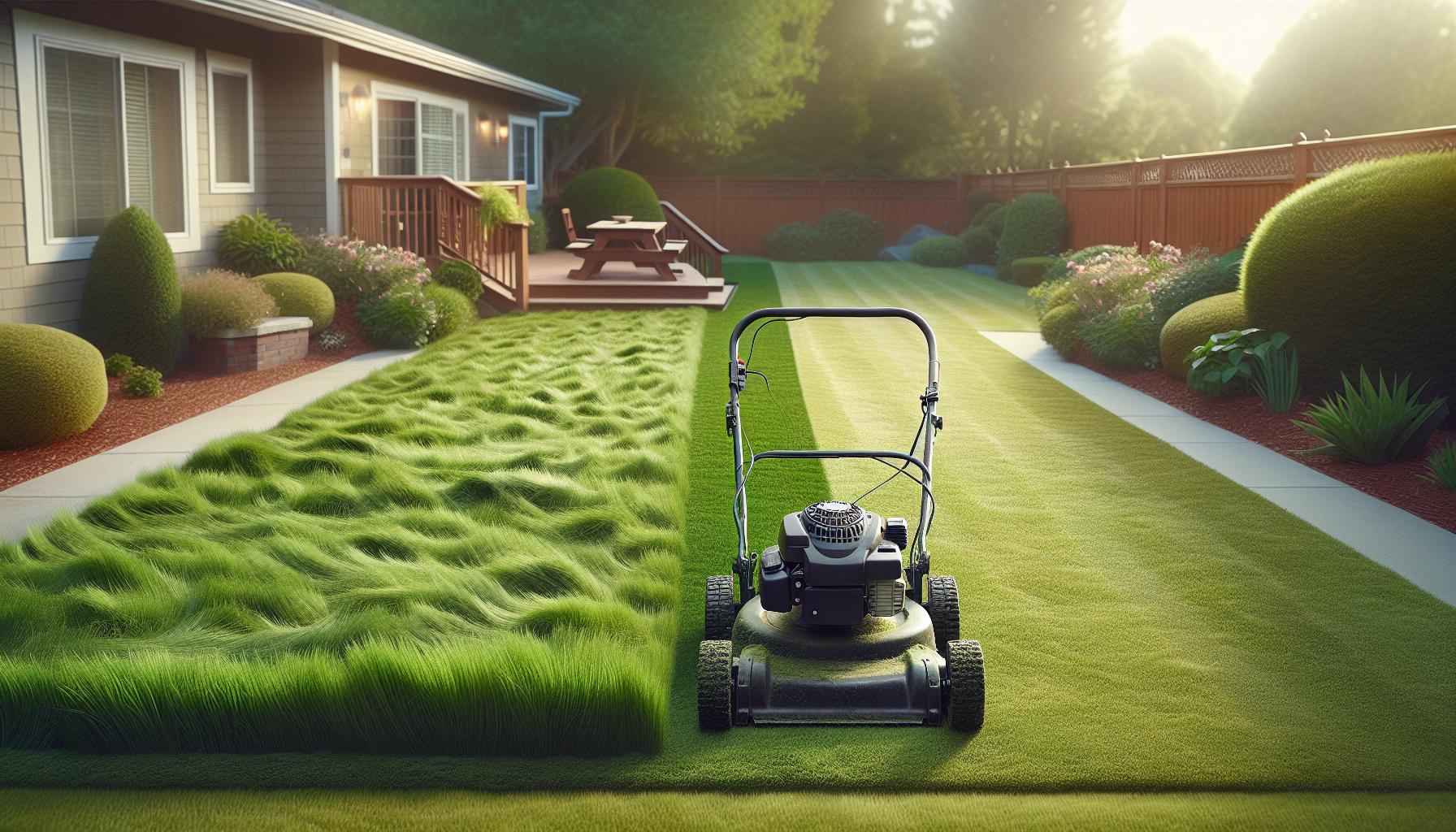
Risks of Mowing Wet Grass
Mowing wet grass may seem like a time-saving solution when you’re eager to maintain your lawn after rain, but this practice harbors several risks that can detrimentally impact both the grass and the equipment used. For starters, cutting wet grass can lead to uneven trimming. Moist blades tend to cling together, creating a clumpy appearance that disrupts the lawn’s uniformity. Instead of achieving a clean, manicured look, you might end up with patches that are either missed or unevenly cut, ultimately affecting the aesthetic appeal of your outdoor space.
Moreover, mowing grass that is still wet can increase the likelihood of spreading disease. Wet conditions create a breeding ground for fungal infections, and when you mow, the blades can transfer spores from one part of the lawn to another, exacerbating any existing issues. This can lead to larger patches of disease, diminishing your lawn’s overall health and vibrancy.
Another critical concern is the impact on your mowing equipment. Wet grass can clog the mower’s deck and blades, leading to overheating and potential damage. Over time, this can increase maintenance costs, shortening the lifespan of your mower. Additionally, you risk creating an unsightly mess where wet clippings accumulate rather than dispersing evenly, which may smother the grass underneath and hinder its growth.
In terms of safety, mowing on wet surfaces poses risks as well. Slippery conditions can lead to slips and falls, creating hazardous situations not just for the mower operator but also for anyone nearby. It’s crucial to consider these factors, as prioritizing a timely mow over safety can lead to accidents or injuries. Therefore, the wise approach is to be patient and allow your lawn to dry adequately before mowing, ensuring both its health and your safety.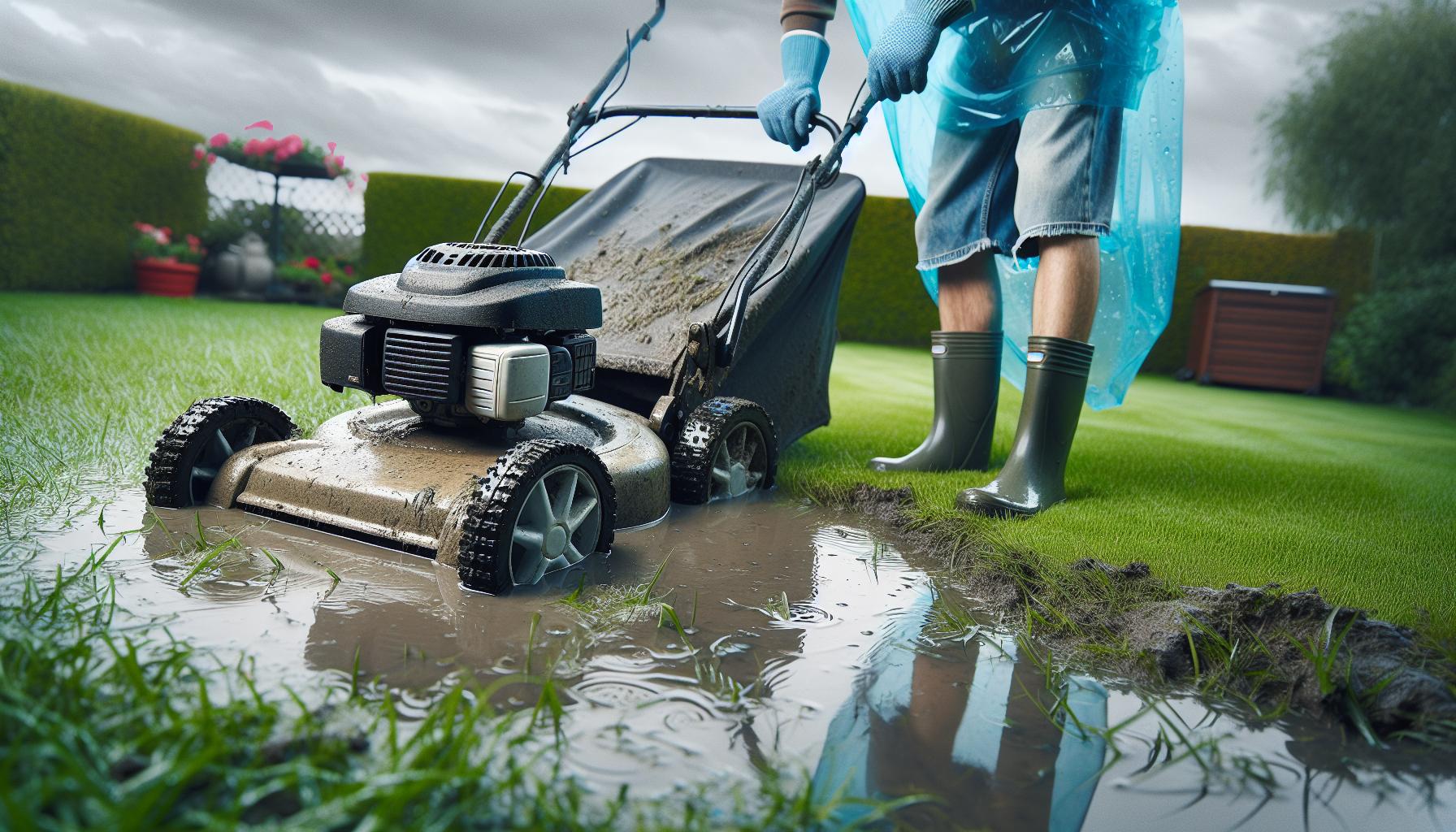
Best Practices for Mowing After Rain
Mowing your lawn after rain can be tempting when you’re eager to get back to your outdoor routine, but following best practices can ensure your efforts support a healthy lawn. First and foremost, the golden rule is to wait until your lawn has dried adequately. A general guideline is to wait at least 24 hours after a light rain, but additional drying time may be necessary after heavier downpours. This helps prevent damage to the grass blades and reduces the risk of compaction in the soil, which is critical for maintaining healthy grass roots.
Assessing Lawn Readiness
Before you even think about starting the mower, take a moment to evaluate your lawn’s condition. Check for the following signs that indicate your grass is ready for mowing:
- The surface appears dry, and standing water is no longer visible.
- The blades of grass feel firm to the touch rather than mushy or slimy.
- Soil moisture seems balanced, meaning it isn’t overly soaked or compacted.
Additionally, use a moisture meter if available, which can give you a precise reading of the soil’s moisture levels. Grass that is fully dry not only cuts better but also helps minimize the spread of disease.
Choose the Right Mowing Conditions
When it’s time to mow, aim for cooler parts of the day. Early morning or late afternoon are ideal, avoiding the hottest hours when grass may still be stressed from the heat and moisture. This will not only make mowing easier but also help reduce stress on your grass.
Ensure your mower blades are sharp; dull blades can tear the grass rather than cut it cleanly, leaving damaged edges that are more susceptible to disease. Adjust the cutting height to a higher setting if the grass is damp but not overly tall; this maintains healthier blade height and can promote better air circulation.
By adhering to these best practices, you’ll not only maintain your lawn’s appearance and health but also optimize the performance of your mowing equipment, ultimately saving you time and money in the long run.
Timing: When is Too Soon?
Mowing the lawn after rain can be a tricky endeavor, as timing plays a crucial role in maintaining both the health of your grass and the efficiency of your mowing process. Understanding when it’s too soon to mow is essential to avoid damaging your lawn. A key indicator is the moisture content of your grass and soil. After a rain, the moisture can lead to soft, spongy grass blades that are more prone to tearing rather than cutting cleanly. If you head out to mow too soon, not only can you leave behind a jagged cut that increases the risk of disease, but you might also cause soil compaction, which can suffocate the grassroots.
Aim to assess your lawn before starting the mower. Ideally, you should wait at least 24 hours after a light rain, but during heavier downpours, this time frame can extend to 48 hours or more. Pay attention to visual cues: when standing water has evaporated, and the grass feels firmer underfoot, you may be in the clear. Utilizing a moisture meter can provide a more accurate gauge of soil conditions, indicating whether it’s a good time to mow without further endangering your lawn’s health.
The temperature and humidity also greatly influence the timing of your mowing schedule. Higher humidity levels can prolong the drying time of both grass and soil, encouraging the growth of diseases. If the forecast predicts an impending rainstorm or high humidity, it may be prudent to postpone mowing until conditions are more favorable. In short, giving your lawn adequate time to dry not only promotes a healthier cut but also fosters a more resilient lawn in the long term.
Understanding Soil Moisture Levels
Understanding the moisture content in your lawn’s soil is crucial for maintaining a healthy, vibrant lawn. When rain saturates the ground, it affects not just the grass blades but also the health of the root system, which depends on the right moisture levels to thrive. Too much water can lead to issues such as soil compaction and root rot, while too little can stress the grass and make it vulnerable to diseases. To achieve the best results, it’s essential to check the soil moisture before deciding to mow.
A straightforward method to gauge soil moisture is to perform a simple test. Take a small handful of soil from about 2-3 inches deep and squeeze it in your palm. If it holds its shape and leaves moisture on your hand, the soil is still too wet for mowing. However, if it crumbles easily and feels dry to the touch, it’s a green light to proceed. Additionally, investing in a soil moisture meter can provide a more precise measurement, helping you determine when conditions are right for mowing without harming your lawn.
- Overly Wet Soil: If the soil remains soggy, it can lead to compaction as the mower’s weight compresses the ground, suffocating the roots.
- Ideal Moisture Level: A well-hydrated lawn retains some moisture but doesn’t feel spongy underfoot. This balance is critical for healthy grass growth.
- Drying Time: Depending on weather conditions, it may take longer for the lawn to dry after heavy rainfall. Be patient and allow ample time for evaporation.
These factors come into play when deciding your mowing schedule. The moisture content not only affects the cut quality but also influences the overall health of your lawn. Closely monitoring the soil moisture levels and understanding the implications of wet soil ensures that you mow at the right time, fostering a resilient and lush green space in your yard.
Tools and Equipment for Wet Mowing
When the rain falls, it may leave your lawn looking lush and green, but it also creates a unique set of challenges when it comes to mowing. To ensure that you maintain a healthy lawn, it’s crucial to have the right tools and equipment specifically designed for maneuvering through wet conditions. Using appropriate gear not only preserves grass health but also makes the mowing process more efficient and safe.
One of the fundamental tools to consider is a mower equipped with high-lift blades. These blades are designed to lift the grass as they cut, allowing for a cleaner cut even in damp conditions. This feature is particularly beneficial when dealing with wet grass, as traditional blades can struggle, resulting in clumping and uneven cuts. A mulching mower can also be advantageous; it finely chops grass clippings, allowing them to decompose on the lawn and provide nutrients, especially helpful when mowing after rain.
Investing in a good pair of waterproof boots can significantly improve your mowing experience. While it may seem minor, proper footwear can prevent slips and falls, ensuring you stay steady on your feet as you navigate soggy ground. Additionally, using a lawn mower with adjustable height settings can be beneficial; cutting grass slightly higher during wet conditions can help prevent root suffocation and allow the grass to recover more effectively.
For optimal efficiency, consider accessories such as a grass catcher. This tool collects clippings and debris, preventing them from forming clumps that can clog your mower or suffocate patches of grass. Moreover, maintaining your mower is crucial; keep the blades sharp and clean since dull blades can tear grass rather than cut it, leading to potential disease entry points.
By equipping yourself with the right tools and understanding their specific benefits, you can effectively manage your lawn care routine, even after the rain. Taking these precautions will help ensure that your mowing is both safe and beneficial for your grass’s health in the long run.
Techniques for Safe Mowing in Damp Conditions
Mowing a wet lawn might seem like a daunting task, but with the right approach and techniques, it can be done safely and effectively. When tackling this challenge, the first step is to assess the current conditions of your lawn. Look for areas that are particularly soggy or waterlogged, as these spots can create challenges for your mower and may lead to soil compaction. Aim to mow immediately after rain has ceased and the sun begins to peek out; this is usually when the soil is moist enough for good growth but not overly saturated, allowing for safer mowing practices.
To ensure safety and maintain a healthy lawn, equip yourself adequately. Using a mower with high-lift blades can make a significant difference, as they are designed to lift the grass for a clean cut even in damp conditions. In addition, consider wearing waterproof footwear to prevent slips and allow for better traction while walking on wet grass. It’s also advisable to mow when you can see the lawn drying slightly, as this ensures the mower wheels do not sink too deeply into the ground, which can lead to rutting.
Before you begin mowing, familiarize yourself with the layout of your lawn to avoid any slippery slopes or problematic patches that could pose a risk. When mowing, go slow and steady; this not only helps achieve a clean cut but also reduces the chances of the mower slipping or getting stuck. If your mower clogs due to wet clippings, it’s important to pause and clear the deck before continuing, as accumulation can lead to uneven cuts and lawn damage.
Finally, be prepared to adjust your mowing technique. Consider raising the mower height to allow slightly longer grass that can recover better after being cut in wet conditions. This small tweak can make a big impact on grass health and promote vigorous regrowth, ensuring your lawn remains lush and vibrant. By combining these techniques, you can approach mowing in damp conditions with confidence, maintaining both your safety and the health of your lawn.
What to Do If You Mow Too Soon
Mowing too soon after rain can have detrimental effects on both your lawn’s health and your mowing equipment. If you find yourself in this situation, the first course of action is to assess the damage. Take time to inspect the lawn-check for ruts and uneven patches that may have been caused by your mower sinking into the wet ground. Recognizing these issues early can help you take corrective measures promptly.
If you notice that your lawn has already suffered from mowing in wet conditions, it’s crucial to allow it to recover. This recovery process involves several key steps:
Allow the Lawn to Heal
- Keep Off the Grass: Aim to minimize foot traffic on the lawn for several days to prevent further compaction and damage.
- Monitor Conditions: Watch the weather forecast. If more rain is anticipated, delay any additional mowing to give the grass adequate time to bounce back.
- Water Wisely: If the ground has become particularly dry, a light watering can help the grass recover, promoting healthier growth.
Adjust Future Mowing Practices
Reschedule your next mowing session for when the grass is dry. Ideally, the lawn should be dry for at least three to four hours after rain before you consider mowing again. During this waiting period, keep an eye on the overall lawn health. Look for signs of recovery, such as upright grass blades that regain their color.
If you’ve mowed too soon and left behind wet clumps of grass, be sure to go back and rake these up. Leaving wet clippings on the lawn can smother the grass underneath, creating patches that may die off or develop fungal issues.
By taking these steps, you can mitigate the damage caused by mowing too soon. Remember, the health of your lawn depends on your attentiveness to its conditions. Regularly evaluating moisture levels and grass health will help you establish a more effective mowing schedule in the future, keeping your lawn vibrant and resilient.
Weather Factors to Consider Before Mowing
Before you decide to mow your lawn following a rainstorm, it’s essential to consider several weather-related factors that could influence both your lawn’s health and the effectiveness of your mowing efforts. One of the most critical aspects is the total amount of rainfall received. If your lawn experienced a light shower, waiting just a few hours may be sufficient for the surface to dry out. Conversely, following a heavy downpour, the ground could remain saturated for an extended period, necessitating a longer wait before mowing.
Temperature and humidity also play significant roles in determining when it’s safe to mow. Warmer temperatures can accelerate evaporation rates, reducing soil moisture more quickly. If the day after rain is sunny and warm, the grass may dry out sufficiently for mowing within a few hours. However, high humidity levels can inhibit drying, extending the time before mowing can resume. A practical tip is to feel the ground; if it’s still soggy when you walk on it, you likely need to postpone mowing.
Wind conditions are another vital factor. A breezy day can help speed up the drying process, allowing for more timely mowing after rainfall. Though gusty winds can dry the grass, they can also stir up debris, potentially clogging your mower. Therefore, assessing wind strength and direction is crucial. Additionally, check the forecast for any impending storms. If rain is expected again shortly after your last mowing, it might be wise to delay until the weather stabilizes to avoid unnecessary disruption to your lawn’s recovery and growth.
In summary, keeping an eye on rainfall amounts, temperatures, humidity, and wind conditions can significantly inform your mowing schedule after rain. Understanding these weather factors ensures that you not only maintain a healthy lawn but also extend the life of your mowing equipment by preventing unnecessary strain and damage.
Common Mistakes to Avoid When Mowing Wet Grass
Mowing wet grass can seem tempting when faced with an unkempt lawn, but several common missteps can lead to significant setbacks. One of the most prevalent mistakes is rushing to mow the grass too soon after rain. This can damage the turf and result in uneven cuts, as the mower tends to tear wet grass rather than shear it cleanly. Ideally, you should wait until the grass has dried sufficiently to avoid this issue. If the ground feels sponge-like when you walk on it, it’s a clear sign that you should hold off.
In addition to timing, neglecting to check mower blade sharpness is another frequent oversight. Dull blades can further exacerbate the tearing of wet grass, leading to a rugged appearance and increased susceptibility to diseases. Make it a habit to sharpen your mower blades regularly, ensuring a clean cut, especially when mowing under less-than-ideal conditions.
Moreover, operating the mower at the wrong speed can hinder performance significantly. Many people may be tempted to speed up to finish the job quickly, but this can lead to clumping and uneven mowing as grass clippings can stick together more easily when wet. Instead, consider reducing your speed to allow for a better cut and to promote healthier grass growth.
Lastly, be cautious of mowing too close to the ground. When grass is wet, it tends to bend and lay flat, making it difficult to gauge the correct mowing height. Cutting too short can damage the grass roots and promote the growth of weeds. Aiming for a higher cut during wet conditions will encourage stronger grass and help maintain its health in the long run.
By being mindful of these common mistakes, you can maintain a lush, healthy lawn while minimizing the risks associated with mowing wet grass.
Q&A
Q: How long should I wait after it rains before mowing the lawn?
A: It’s best to wait at least 24 to 48 hours after it rains before mowing your lawn. This allows the grass and soil moisture levels to stabilize, reducing the risks associated with mowing wet grass, such as clumping and uneven cuts.
Q: What conditions make it safe to mow after rain?
A: Safe mowing conditions after rain include dry grass and soil that isn’t soggy. Look for signs like grass blades standing upright and minimal soil imprint when stepping. These indicators suggest readiness for mowing [5].
Q: Can mowing wet grass damage my lawn?
A: Yes, mowing wet grass can damage your lawn. Cutting wet grass can tear the blades, leading to a frayed appearance and increased vulnerability to diseases. It can also compact the soil, causing long-term damage [5].
Q: What are the risks of mowing too soon after it rains?
A: Mowing too soon after it rains can lead to various issues, such as soil compaction, lawn damage, and the spread of diseases. Wet conditions can also clog your mower, making it more difficult to achieve a clean cut [5].
Q: Is it better to wait longer after heavy rain before mowing?
A: Yes, waiting longer after heavy rain is advisable, as soil saturation can be more pronounced. This may necessitate a waiting period of 48 hours or more, depending on the intensity of the rain and your lawn’s drainage capabilities.
Q: How can I tell if my lawn is ready to be mowed?
A: Check if the grass is dry to the touch and if stepping on the lawn doesn’t leave deep impressions. If it feels firm, it’s likely time to mow. Observing the grass height can also help; if it exceeds the ideal cutting height, consider mowing [6].
Q: What equipment is best for mowing wet grass?
A: While it’s generally advised to avoid mowing wet grass, if necessary, use a mower with a sharp blade and high-quality wheels to minimize turf damage. Ensure your mower is well-maintained for optimal performance under damp conditions [6].
Q: Can I mow my lawn if it’s slightly damp?
A: Mowing a slightly damp lawn can be acceptable, but proceed with caution. If the grass is only slightly wet and the soil isn’t overly saturated, consider mowing on a higher setting to reduce stress on the grass [6].
For further insights, check our sections on “Optimal Conditions for Mowing After Rain” and “Signs Your Lawn is Ready to Be Mowed.”
The Way Forward
Now that you’ve learned how soon after it rains you can safely mow your lawn, remember that proper timing ensures a healthier yard and a more efficient mowing experience. Don’t wait too long-check your grass for dryness and avoid mowing when it’s too wet to prevent damage to your lawn and mower. For more lawn care tips, including best practices for maintaining your lawn or what to do after mowing, explore our related articles on “Lawn Maintenance Tips” and “Best Lawn Care Tools.”
Ready to take your lawn care to the next level? Sign up for our newsletter to receive updates on the latest tips, tricks, and expert advice delivered straight to your inbox. Have any questions or tips of your own? Share your thoughts in the comments below! Engaging with our community not only enhances your own garden knowledge but also helps others – let’s grow together!