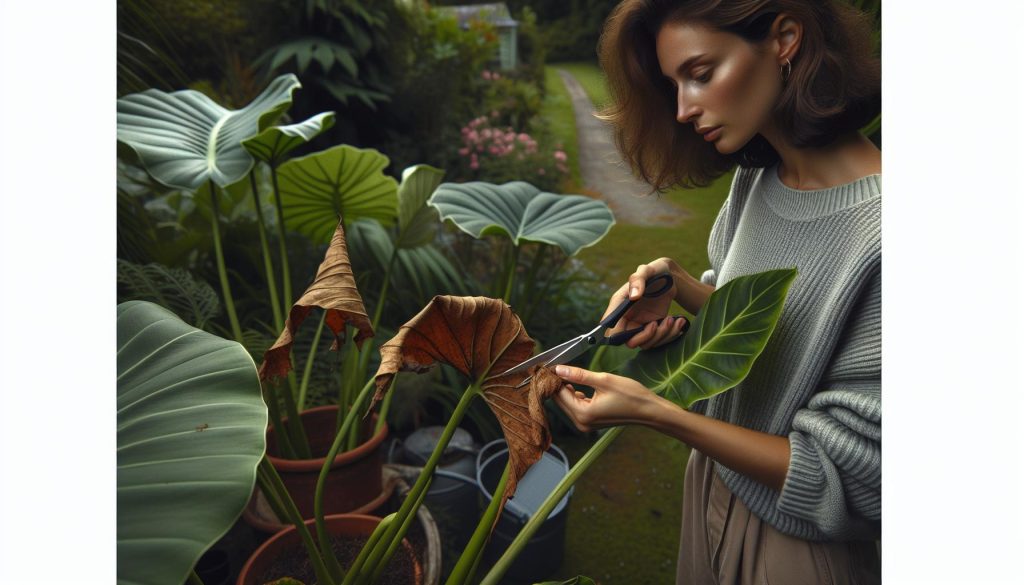
Did you know that properly caring for your elephant ear plants not only enhances their beauty but also promotes their overall health? One key aspect of maintenance is removing dead leaves, which can detract from the plant’s vibrant appearance and hinder its growth. This simple yet essential task helps prevent disease, gives your plant a cleaner look, and frees up energy for new growth. Whether you’re a seasoned gardener or just starting out, knowing how to identify and remove dead leaves is crucial for keeping your elephant ears thriving in their lush, tropical glory. Continue reading to discover the best techniques for this important part of plant care and ensure your garden flourishes beautifully.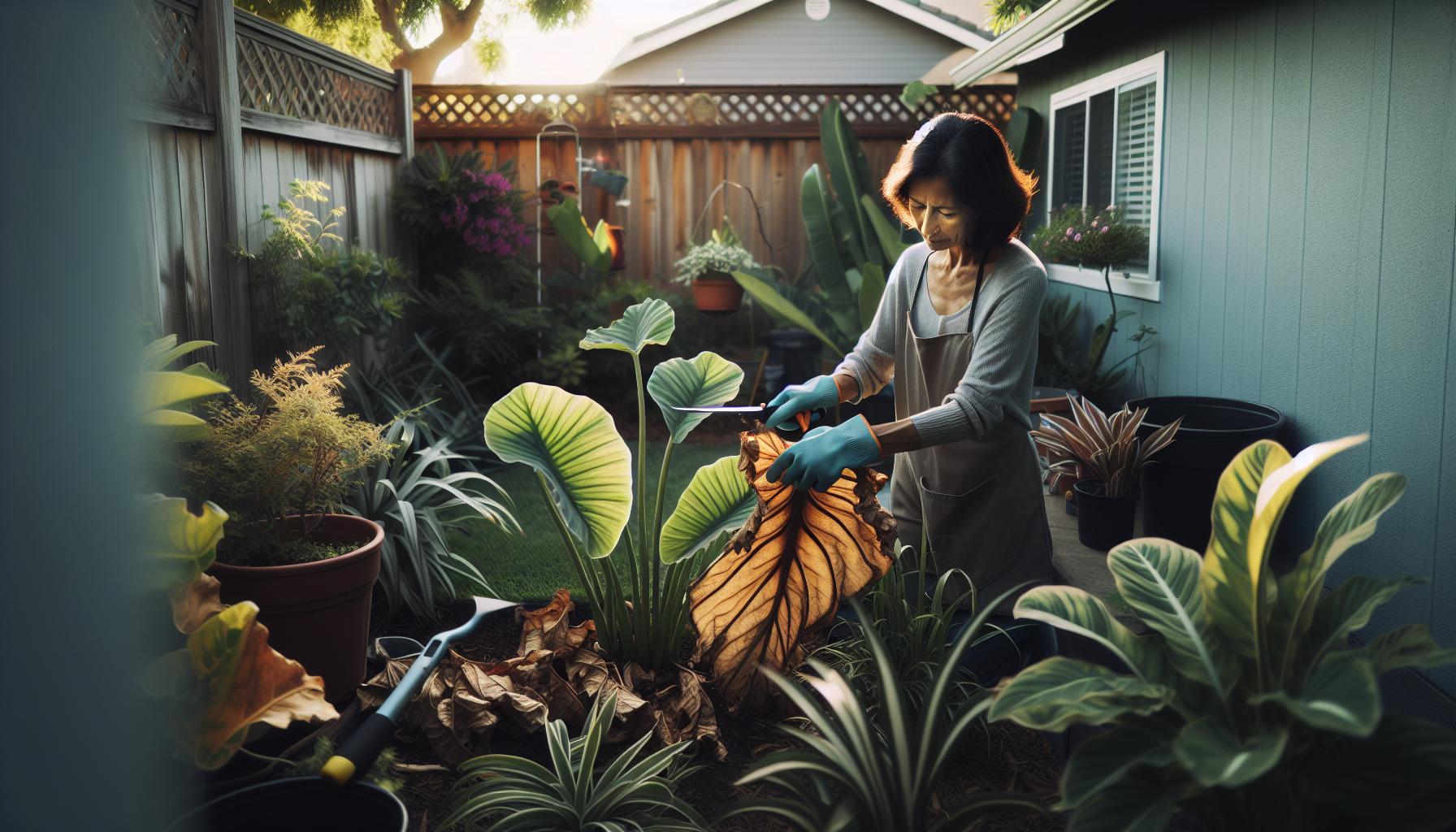
Understanding the Importance of Removing Dead Elephant Ear Leaves
Removing dead leaves from your elephant ear plant is a vital part of maintaining its health and vitality. A common misconception is that these leaves can simply be left to wither away, but neglecting to remove dead foliage can lead to a series of negative consequences for your plant. Not only do dead leaves detract from the aesthetic appeal of your plant, but they can also harbor pests and diseases that may spread to healthy parts of the plant.
When dead leaves remain on the plant, they divert essential energy and resources away from new growth. Elephant ear plants, known for their lush foliage, rely on healthy leaves to photosynthesize effectively. By removing the dead or dying leaves, you’re allowing the plant to redirect its energy towards producing new, vibrant growth and ensuring overall vigor. This practice also facilitates better air circulation around the plant, reducing the risk of mold and mildew, which thrive in stagnant, moist conditions often exacerbated by decaying leaves.
In an environment where humidity levels are high, like that favored by elephant ear plants, the moisture from decomposing leaves can create an ideal breeding ground for pests. Regular leaf removal mitigates this risk, thus safeguarding your plant from potential infestations. Also, it allows the plant to maintain its natural form and encourages a more robust and attractive appearance, making it a focal point in your indoor or outdoor garden.
In summary, prioritizing the removal of dead leaves is essential not only for the immediate health of your elephant ear plant but also for its long-term vitality and growth potential. Protecting your plant from disease, enhancing its aesthetic, and promoting new growth are all compelling reasons to address this task promptly.
Signs Your Elephant Ear Needs Leaf Removal
When tending to your elephant ear plant, being able to identify when leaf removal is necessary is crucial for maintaining its health and vibrancy. Certain visual cues can signal distress in the foliage, and recognizing these signs early can help prevent further issues. For instance, if you notice any yellowing leaves, it’s often an indicator that they are beyond saving and should be removed immediately. Yellowing can result from underwatering, overwatering, or nutrient deficiencies, which can compromise the overall health of the plant.
Another telltale sign is the presence of browning or black spots on the leaves. These spots often indicate disease or pest damage, and leaving affected leaves intact can lead to the spread of these problems to healthier parts of the plant. It’s important to act swiftly in these cases to minimize any potential harm. Additionally, if leaves become excessively droopy or curled, it often suggests environmental stressors such as insufficient light or imbalanced watering schedules. Pruning these struggling leaves not only improves the plant’s appearance but also allows it to redirect energy to healthier foliage.
Lastly, consider the overall aesthetic of your plant. If more than a few leaves are damaged or dead, it can detract from the lush look that elephant ear plants are known for. Aesthetic concerns are just as valid as health concerns; a clean, well-maintained plant is more inviting and showcases your gardening efforts. Regular monitoring helps ensure that you can catch these signs early, making it easier to keep your elephant ear thriving. By removing any dead or unhealthy leaves promptly, you allow your plant to focus on producing new, healthy growth and maintain its reputation as a stunning addition to any garden space.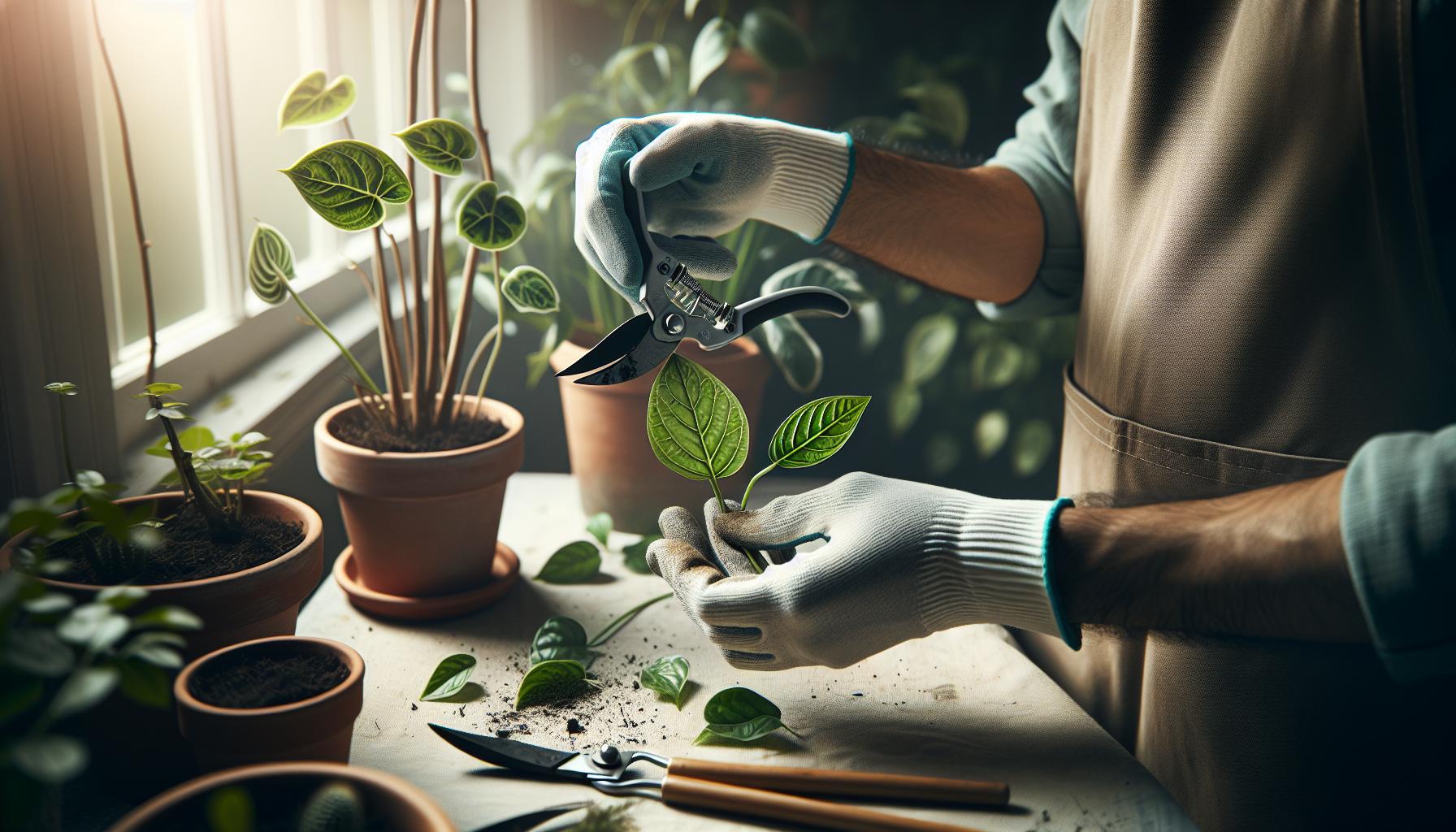
Step-by-Step Guide to Safely Remove Dead Leaves
When it comes to maintaining the health and beauty of your elephant ear plant, knowing how to properly remove dead leaves can make a significant difference. Not only does effective pruning enhance the plant’s appearance, but it also allows for better air circulation and energy redirection toward healthier foliage. Here’s a straightforward, step-by-step guide to ensure you perform this task safely and effectively.
Start by gathering your materials. You’ll need a clean pair of sharp pruning shears or scissors, gloves to protect your hands from any sap or potential irritants, and a container for collecting the cut leaves. It’s crucial to ensure your tools are disinfected to prevent any potential transfer of disease to the plant. You can use rubbing alcohol on the blades of your shears for this purpose.
Next, assess the plant. Look for leaves that show clear signs of distress such as yellowing, browning, or unusual spots, which indicate they need to be removed. It’s best to prune these leaves at the base where they meet the stem. Gently angle your shears to make a clean cut, minimizing any damage to the surrounding healthy foliage. If a leaf is particularly tough, ensure you apply steady pressure without forcing the cut to avoid breaking any other parts of the plant.
After you’ve removed the dead leaves, clean up the area to reduce the risk of any diseases spreading to the remaining healthy leaves. Dispose of the dead leaves appropriately, making sure not to add them to your compost if they display signs of disease. Instead, consider bagging them for trash disposal to keep your garden tidy and disease-free.
Lastly, once you’ve completed your pruning, provide a little extra care to your elephant ear. Water it adequately and consider adding a balanced fertilizer to encourage new growth. Regularly monitoring the plant after pruning is key to ensuring it bounces back stronger than before, helping maintain its lush and vibrant appearance. By incorporating these steps into your plant care routine, you can foster a healthier environment for your elephant ear and enjoy its stunning foliage year-round.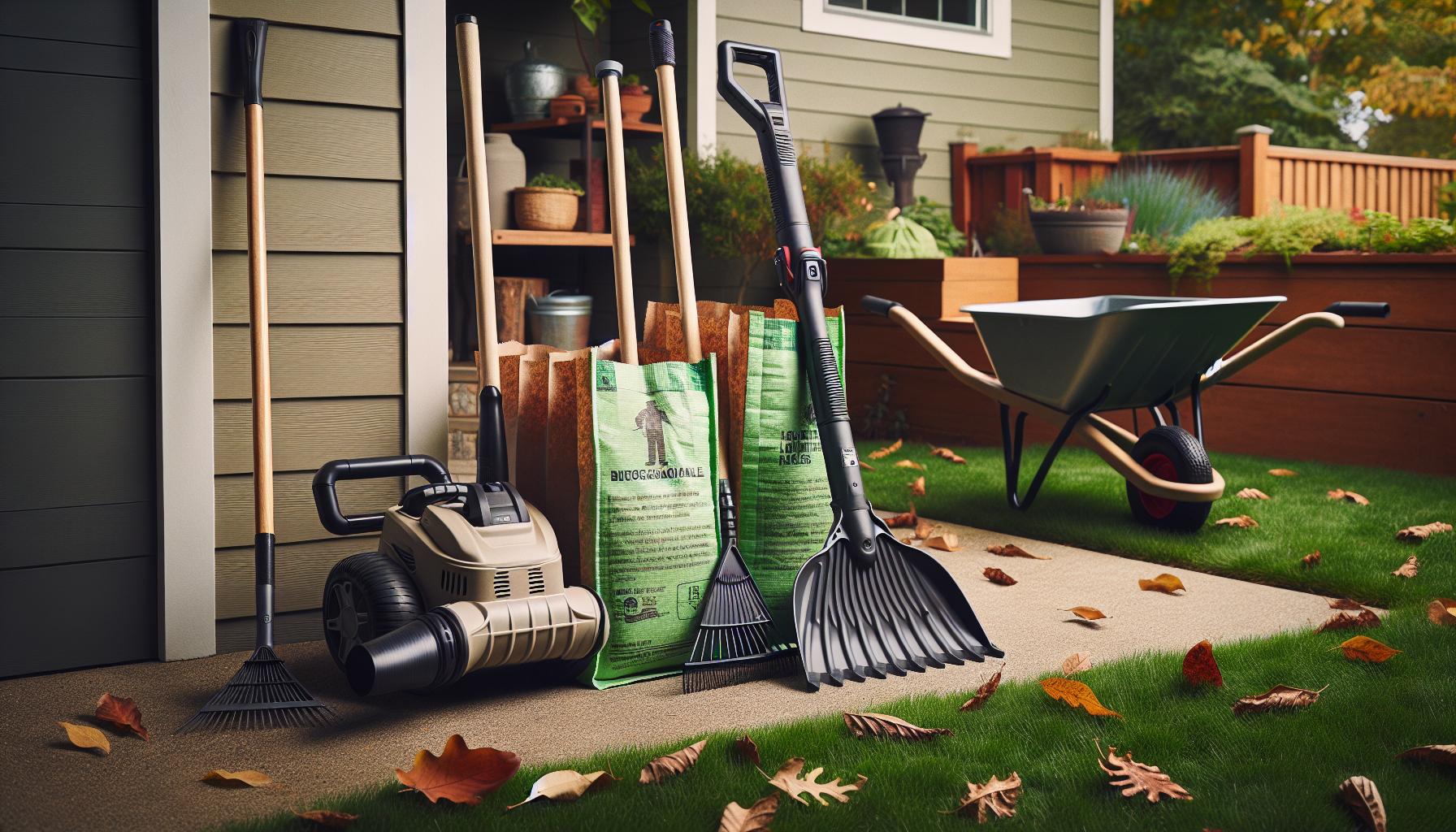
Tools You Need for Effective Leaf Removal
To effectively remove dead leaves from your elephant ear plant, having the right tools at your fingertips can make the process smoother and ensure that you don’t inadvertently damage the rest of the plant. Using proper equipment not only enhances your efficiency but also minimizes stress on the plant, promoting healthier recovery and new growth.
First and foremost, you will need a pair of sharp, clean pruning shears or scissors. These are essential for making clean cuts without tearing the leaves, which could lead to further damage and invite disease. Ensure that the blades are sterilized-using rubbing alcohol or a bleach solution is a good practice-to prevent the spread of any pathogens. Alternatively, a utility knife can also be suitable for tough cuts, giving you a clean edge especially when dealing with thicker stems.
Another important tool is gardening gloves. While elephant ear plants are generally safe to handle, some varieties may cause slight skin irritation due to their sap. Wearing gloves can protect you from this potential issue, as well as keep your hands clean during the process. Additionally, having a container or bucket for collecting the removed leaves can streamline your workflow, making it easier to gather debris and ensuring a tidy workspace.
Consider also keeping a small spray bottle filled with water nearby. After cutting off the dead leaves, a gentle mist can help keep the surrounding leaves moist and hydrated, which can be particularly beneficial in dry conditions. Lastly, having a garbage bag or compost bin on hand is crucial for responsible disposal, especially if the leaves are diseased. This ensures you don’t accidentally spread any potential pathogens back into your garden environment.
In summary, having the right tools enhances your ability to prune effectively and safely. Making clean cuts with sterilized equipment, protecting your skin, and managing the waste properly all play pivotal roles in maintaining a healthy and vibrant elephant ear plant.
Best Time of Year to Remove Elephant Ear Leaves
Understanding when to remove dead leaves from your elephant ear plants is crucial for maintaining their health and vibrancy. The ideal time for this task typically falls in late summer to early fall, just before the cooling temperatures set in. During this period, many gardeners notice that the lower leaves of the plant begin to yellow and wilt, signaling a natural end to their lifecycle. Removing these dead or dying leaves not only improves the plant’s aesthetic appeal but also helps redirect energy towards healthy leaves and new growth.
Additionally, spring can be an effective time to assess your elephant ear plants after winter dormancy. As new growth begins to emerge, taking a moment to remove any old, dead leaves left over from the previous season can be beneficial. You’ll want to avoid removing leaves too early in the spring, as the plant may still need them for energy during its initial growth stages. Therefore, it’s essential to monitor the developing foliage and time your leaf removal appropriately.
In preparing for leaf removal, being mindful of the plant’s overall health throughout the growing season will help you identify the best moments for upkeep. Both weather and watering conditions can affect how your plants respond to leaf removal, so consider doing it after a rain or thorough watering when the soil is moist, making it easier for the plants to recover. Ultimately, observing your elephant ear plants closely will provide the insights needed to determine when is the best time to remove dead leaves to encourage a healthy, thriving garden.
How to Dispose of Dead Leaves Responsibly
Disposing of dead elephant ear leaves can be more than just a chore; it’s an opportunity to enrich your garden and contribute to environmental sustainability. Rather than simply tossing the leaves in the trash, consider several responsible disposal methods that benefit both your garden and the broader ecosystem.
One effective way to dispose of dead leaves is by composting them. Elephant ear leaves break down well, adding valuable organic matter to your compost pile. Just be sure to chop the leaves into smaller pieces to accelerate the decomposition process. This not only reduces their volume but also helps create a nutrient-rich compost that enhances soil quality. If you have any noticeable signs of disease or pests on the leaves, however, it’s best to discard them in the trash to prevent potential spread.
Another sustainable option involves using dead leaves as mulch. Shredded leaves can provide excellent ground cover, helping to retain moisture in the soil, suppress weeds, and regulate soil temperature. Simply spread the shredded leaves around the base of your elephant ear plants or other garden beds. This practice not only utilizes the leaves but also enriches the soil as they decompose over time.
If composting or mulching aren’t feasible for you, consider checking with local yard waste collection services. Many municipalities have programs for picking up yard debris, ensuring that it is composted or repurposed correctly. Always remember to follow local guidelines regarding acceptable yard waste to ensure proper disposal.
By approaching the disposal of dead elephant ear leaves responsibly, you not only keep your garden looking tidy but also contribute to a healthier environment. Engaging in these sustainable practices not only reduces waste but also fosters a more thriving green space for your plants to flourish.
Common Mistakes to Avoid in Leaf Removal
When it comes to removing dead leaves from your elephant ear plants, small oversights can lead to big problems. It’s easy to underestimate the importance of this seemingly simple task, but making a few common mistakes could hinder your plant’s health and future growth. One frequent error is removing leaves without assessing the overall condition of the plant. It’s essential to ensure that you’re not cutting away healthy leaves in the process. As a rule of thumb, only prune leaves that are completely brown or dry, leaving healthy, vibrant foliage intact.
Another prevalent mistake is using dull tools during the removal process. Sharp, clean pruning shears not only provide a cleaner cut but also reduce the risk of infections that could stem from ragged, torn leaves. Always clean your tools before use to prevent the spread of any diseases between plants. Moreover, many gardeners tend to rush through the process; taking your time to inspect and determine which leaves should go will yield better results.
Additionally, failing to dispose of dead leaves properly can invite pests into your garden. If any of the removed leaves show signs of disease or infestation, discarding them in the compost bin can lead to further issues down the line. It’s best to bag and trash these leaves to prevent any potential spread. Lastly, many gardeners overlook the importance of post-removal care. Immediately after pruning, ensure your elephant ear plant receives appropriate light, water, and nutrients to bounce back and stimulate new growth. Proper attention during this phase can help the plant recover more efficiently and thrive in the long run.
Post-Removal Care for Your Elephant Ear Plant
After the removal of dead leaves, the care you provide to your elephant ear plants is crucial for their recovery and overall health. These tropical beauties thrive in lush environments, and your attention post-pruning can help stimulate fresh growth. Initially, ensure that your plant receives ample light-ideally, bright, indirect sunlight. However, avoid direct sunlight immediately after pruning, as this can stress the plant further. Gradually acclimatize it to brighter light levels.
Proper watering is another essential aspect of post-removal care. While the elephant ear enjoys moisture, it’s important not to overwater-especially after leaf removal when the plant may be temporarily less robust. Allow the soil to dry out slightly before the next watering, ensuring that it doesn’t sit in water, which can lead to rot. An effective way to determine moisture levels is by sticking your finger an inch into the soil; if it feels dry, it’s time to water.
Fertilization should also be considered following the leaf removal process. Use a balanced, water-soluble fertilizer to support new growth. Opt for a diluted solution, applying it every four to six weeks. This feeding will nourish your plant and encourage it to produce new, healthy foliage, rejuvenating its overall appearance.
Lastly, monitor the plant closely for any signs of stress or new issues. Any pest infestations or signs of disease should be addressed immediately to prevent further damage. By giving your elephant ear the right care after pruning, you’ll set it on a path to recovery and vibrant growth, allowing these stunning plants to flourish in your garden.
How to Encourage New Growth After Removal
After you’ve removed dead leaves from your elephant ear plant, your next goal is to foster vibrant new growth. It may surprise you to learn that these plants are incredibly resilient, but they require specific care to thrive following a trim. Implementing the right strategies will help redirect energy towards healthier leaves and overall plant vitality.
One of the most effective ways to encourage new foliage is through proper lighting. After pruning, place your plant in an area with bright, indirect sunlight. Too much direct sunlight can stress the plant, leading to further leaf damage. A well-lit location will help the remaining leaves photosynthesize more efficiently, promoting optimal growth. Additionally, if you notice your plant struggling to adapt, slowly acclimatize it to brighter conditions over time.
Another crucial aspect is watering technique. Elephant ears thrive in moist but well-draining soil. Post-removal, it’s important to ensure you’re not overwatering. Allow the top inch of soil to dry out before the next watering, ensuring it’s not sitting in water, which can lead to root rot. Consider using a moisture meter if you’re uncertain about soil moisture levels, giving you peace of mind that your plant is receiving the right amount of water.
Nourishing with Fertilization
To support new growth, integrating fertilization into your care routine is essential. Opt for a balanced, water-soluble fertilizer, applying it at half strength every four to six weeks. This will provide necessary nutrients that were lost during the leaf removal process and stimulate fresh growth. Particularly during the growing season, a nutrient boost can significantly impact the production of new, healthy leaves.
Additionally, keep an eye out for pests and diseases following your trimming. Healthy plants are more resilient, but stress can make them susceptible to issues. Check regularly for signs of trouble, such as discolored foliage or wilting, and address any infestations immediately with appropriate measures.
By focusing on these areas-light, watering, and fertilization-you set the stage for robust new growth and ensure that your elephant ear plant not only recovers but thrives after the removal of dead leaves. Taking these steps will lead to a lush, vibrant plant that adds beauty to your space.
Preventive Measures for Healthy Elephant Ear Leaves
To maintain the health of your elephant ear plants and prevent the need for frequent leaf removal, it’s essential to adopt proactive care strategies. Proper environmental conditions and consistent maintenance can make a significant difference in the vitality of your foliage. For instance, providing the right amount of moisture without causing soggy soil is crucial; these tropical plants enjoy a moist environment but are prone to root rot if their roots sit in water. A good rule of thumb is to allow the top inch of soil to dry out between waterings.
Another key factor in preventing damaged leaves is ensuring your elephant ear plants receive adequate lighting. They thrive in bright, indirect sunlight, which encourages healthy growth while avoiding the stress that direct sun can impose. If you notice your plant stretching towards the light or its leaves turning yellow, it might be time to reassess its placement. Rotating your plant occasionally can help it grow evenly and maintain balance in overall shape.
Regularly examining your elephant ear for pests or diseases is vital in preventive care. These plants can attract issues like spider mites or aphids, which can lead to leaf damage. A gentle wipe of the leaves with a damp cloth can remove dust and reduce the risk of pest infestations. Additionally, consider using neem oil as an organic preventative measure, applying it bi-weekly during the growing season to keep unwanted pests at bay.
Lastly, fertilization plays a major role in leaf health. Using a balanced, water-soluble fertilizer every four to six weeks during the growing season can provide necessary nutrients that promote robust leaf development. Specifically, nitrogen-rich fertilizers can enhance leaf growth and improve overall plant vigor. By incorporating these preventive measures into your care routine, you can foster a thriving environment that minimizes the occurrence of dead leaves and promotes the lush, vibrant growth of your elephant ear plants.
Faq
Q: How can I tell if my Elephant Ear plant is unhealthy?
A: Unhealthy Elephant Ear plants often display signs such as yellowing leaves, wilting, or brown spots. If the leaves are turning black or mushy, this indicates potential rot. Regularly inspect your plant for these symptoms to determine if leaf removal is necessary. You can find more on identifying these signs in the section on “Signs Your Elephant Ear Needs Leaf Removal.”
Q: When is the best time to prune my Elephant Ear leaves?
A: The best time to prune Elephant Ear plants is in early spring before new growth starts. This timing allows you to remove any dead leaves and encourages healthy growth as the plant comes out of dormancy. See the “Best Time of Year to Remove Elephant Ear Leaves” section for more details.
Q: What tools do I need to remove dead Elephant Ear leaves?
A: Essential tools for removing dead Elephant Ear leaves include sharp pruning shears or scissors and gloves to protect your hands. Ensure your tools are clean to prevent disease transmission. For a detailed list, refer to the “Tools You Need for Effective Leaf Removal” section of the article.
Q: Can I compost Elephant Ear leaves after removing them?
A: Yes, you can compost dead Elephant Ear leaves, but ensure they are healthy and free from disease to avoid spreading pathogens. Shredding the leaves can speed up decomposition. Learn more in the “How to Dispose of Dead Leaves Responsibly” section.
Q: How do I prevent dead leaves on my Elephant Ear plant?
A: Prevent dead leaves by ensuring your Elephant Ear receives proper watering and sunlight. Regularly check for pests and fungal infections, and provide adequate nutrients. For more preventive measures, refer to the “Preventive Measures for Healthy Elephant Ear Leaves” section.
Q: Is it okay to remove leaves in the fall?
A: Yes, removing dead leaves in the fall is advisable as it prepares the plant for winter dormancy. Make sure to wait until the leaves have completely died back. Check the “Best Time of Year to Remove Elephant Ear Leaves” section for more insights on timing.
Q: What happens if I don’t remove dead leaves from my Elephant Ear?
A: Not removing dead leaves can lead to pest infestations and diseases, as decaying leaves can attract unwanted organisms. This can hinder the overall health of your Elephant Ear plant. More on this topic is discussed in “Common Mistakes to Avoid in Leaf Removal.”
Q: How should I care for my Elephant Ear after removing leaves?
A: After removing dead leaves, care for your Elephant Ear by watering it adequately and adding a balanced fertilizer to support new growth. Ensure it continues to receive the right amount of sunlight. Refer to the “Post-Removal Care for Your Elephant Ear Plant” section for detailed advice.
Concluding Remarks
Now that you know how to effectively remove dead elephant ear leaves, it’s time to take action and rejuvenate your garden! Remember, maintaining your plants not only enhances their beauty but also promotes healthier growth. If you’re eager to dive deeper, check out our guides on plant care tips and pest management strategies.
Don’t forget to sign up for our newsletter for more helpful gardening insights and exclusive resources. If you have any questions or would like to share your gardening experiences, drop a comment below-we love hearing from you! Explore our site further for related articles that can make your gardening journey even more rewarding. Keep growing and we’ll see you next time!