
Did you know that the lush green leaves of your Areca palm can be susceptible to fungal infections, jeopardizing their health and beauty? If you’re a plant enthusiast or simply love having vibrant indoor greenery, learning how to remove fungus naturally from Areca leaves is essential. Fungal issues not only detract from the aesthetic appeal of your plants but can also lead to severe damage if left untreated. Embracing natural removal methods ensures a safe and effective approach, preserving both the plant’s integrity and your indoor environment. In this guide, we’ll explore practical and eco-friendly solutions to combat fungal growth, helping you maintain the vitality of your Areca palm. Keep reading to discover how you can restore and protect your beloved plant, ensuring it thrives for years to come.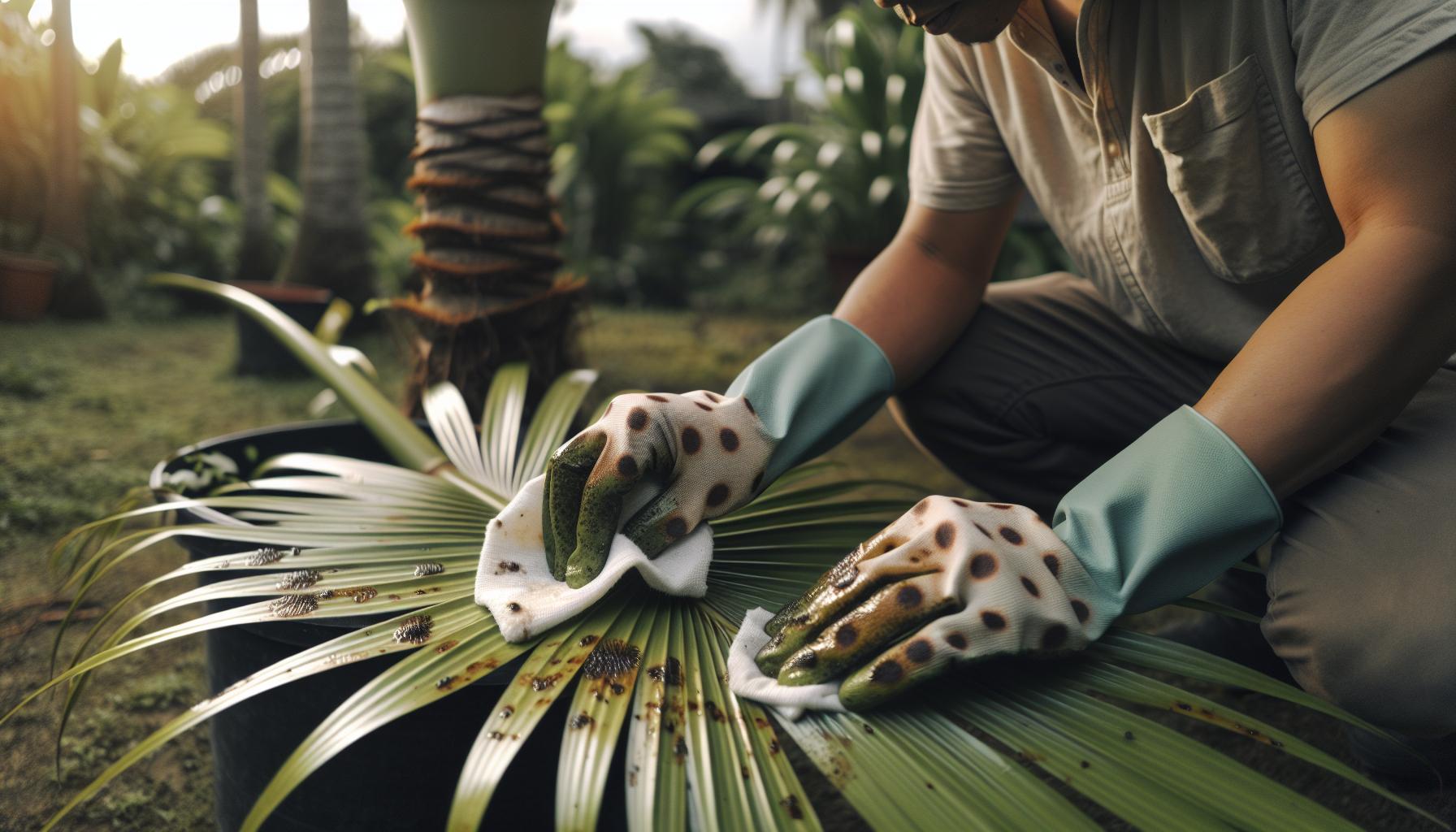
How Fungus Affects Areca Leaves: An Overview
Fungal infections are a common issue for Areca palms, often leading to significant damage if not promptly addressed. These pathogens thrive in warm, humid conditions and can manifest as unsightly spots, wilting, or discoloration on the leaves. The impact of fungus can be severe; it not only compromises the plant’s aesthetic appeal but can also hinder its overall health, making it more susceptible to stressors like drought or pests. Understanding how these fungi affect Areca leaves is crucial for effective management and treatment.
When fungi invade Areca leaves, they can disrupt the photosynthesis process by damaging leaf tissues. This not only affects the plant’s growth rate but also weakens its resilience against environmental stresses. Common symptoms include yellowing leaves, brown spots, and premature leaf drop. If left unchecked, these infections can spread rapidly, often requiring more drastic measures to restore the plant’s health. Regularly inspecting the leaves for early signs of fungal growth can help manage potential outbreaks before they escalate.
To combat these issues naturally, it’s recommended to maintain optimal growing conditions for Areca palms. Ensuring adequate airflow around the plants and avoiding overwatering can significantly reduce moisture levels that fungi thrive on. Additionally, using a compost tea or a basic neem oil solution can help protect the leaves from fungal infections. Both remedies are not only effective but also safe for the plant and the environment, providing a holistic approach to managing these common plant health issues.
By staying proactive and informed about the symptoms and management strategies for fungal infections, gardeners can help ensure their Areca palms remain healthy and vibrant. Regular care and timely intervention are key to keeping these beautiful plants free from the detrimental effects of fungi.
Natural Solutions for Detecting Fungus
Detecting fungus early in Areca palms can mean the difference between a thriving plant and one that suffers severe damage. One effective approach is to regularly examine your plants for symptoms that signal fungal infections, such as yellowing leaves, black spots, or any signs of wilting. These indicators can often be subtle at first, so close observation is key. Have a routine in place for checking the underside of leaves where fungi often thrive away from sunlight and direct inspection.
Another practical method for detecting fungal issues involves monitoring environmental conditions that promote fungal growth. Keeping a record of humidity levels, temperature fluctuations, and watering schedules can help you identify patterns that correlate with fungal outbreaks. For example, if you notice that after a particularly rainy period, your Areca plants show signs of distress, it may indicate excessive moisture is breeding fungal spores. Maintaining airflow around the foliage and ensuring that water does not accumulate in the pot will also help.
In addition to visual inspections and environmental monitoring, utilizing natural substances can aid in detecting fungus. For instance, baking soda solutions have been shown to change the pH of the leaf surface, making it less hospitable to fungal growth. Spraying a diluted solution regularly can not only help reduce existing fungal spores but also serve as a preventative measure by making early signs of infection easier to notice against a healthy background.
By implementing these detection strategies, you empower yourself to take timely action that can preserve the integrity and beauty of your Areca palms. Remember, the sooner you catch a fungal infection, the easier it will be to manage naturally, minimizing the need for more aggressive treatments later on. Regularly engaging in these practices creates a healthy balance in the plant’s ecosystem, promoting overall vitality and resilience.
Homemade Remedies to Eliminate Areca Leaf Fungus
An effective way to combat the nuisance of fungus on Areca leaves is by turning to natural homemade remedies that have proven successful for many plant enthusiasts. One of the simplest and most accessible solutions is a baking soda spray. Mixing one tablespoon of baking soda with a gallon of water creates an alkaline solution that can help alter the pH on the surface of the leaves, making it less hospitable for fungal growth. Regularly applying this mixture can not only reduce existing fungal spores but also help prevent future outbreaks. Additionally, incorporating a few drops of dish soap can enhance the adherence of the solution, allowing it to stay on the leaves longer.
Another potent homemade remedy involves using a blend of natural ingredients like vinegar and water. Apple cider vinegar, known for its antifungal properties, can be mixed at a ratio of one part vinegar to three parts water. Spray this solution onto the affected areas of the Areca palm. While this method can also deter fungus, it’s important to test the solution on a small section first, as some plants may react negatively to vinegar. Regular use can discourage fungi from taking hold while providing a gentle, natural alternative to harsh chemical treatments.
Coconut Oil for Fungal Injuries
Coconut oil is not just a culinary delight-it also serves as an antifungal agent. When diluted with water and sprayed on the leaves, it can help form a protective barrier against fungi. Combine two tablespoons of coconut oil with a quart of water and a few drops of mild soap for better emulsification. Apply this mixture to your Areca palms bi-weekly, focusing on areas where fungus is most prevalent.
In addition to sprays, focusing on preventative care through your regular plant maintenance routine can make a significant difference in inhibiting future fungal infections. Ensure the plants are positioned in well-ventilated areas to reduce humidity levels around them. Regularly removing any dead or yellowing leaves also minimizes the chances of fungal spores taking hold. By employing these homemade remedies and practices, you can enhance the health of your Areca palms, promoting resilience against fungal threats.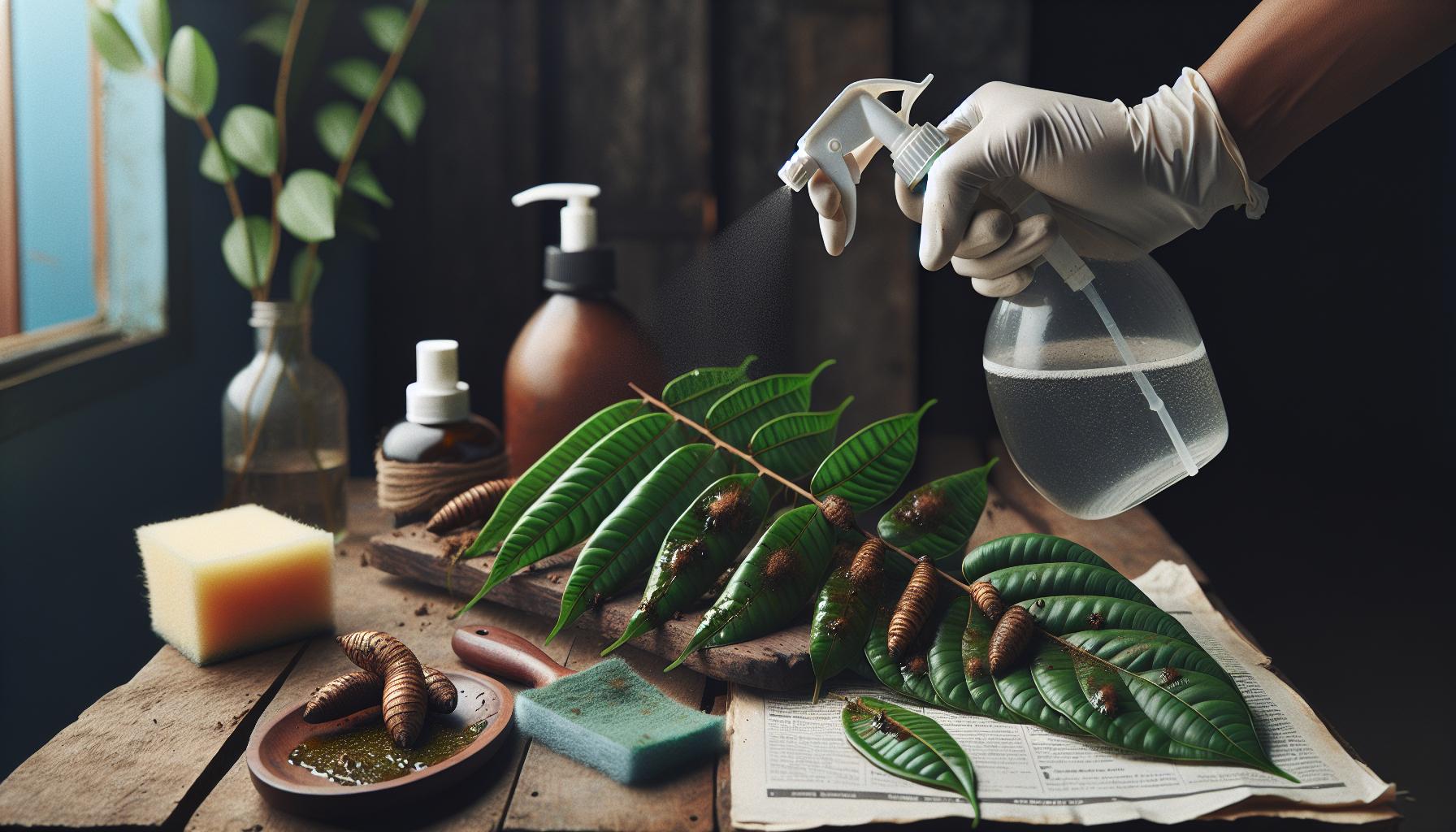
Using Essential Oils: Effective Treatments
Essential oils have emerged as a go-to solution for plant enthusiasts looking to tackle fungal infections on Areca leaves naturally. These concentrated plant extracts not only pack powerful antifungal properties but also bring a plethora of aromatic benefits, creating a more pleasant gardening experience. For instance, tea tree oil is renowned for its potent antifungal and antiseptic properties. When diluted in water and sprayed on affected areas of your Areca palms, it can effectively inhibit the growth of fungus while promoting the overall health of the plant.
To effectively utilize essential oils for fungus removal, consider creating a blend using the following ingredients:
- Tea Tree Oil: 10-15 drops
- Lavender Oil: 10-15 drops
- Water: 1 quart
- Mild Liquid Soap: a few drops to help emulsify
Mix these in a spray bottle and apply generously to the affected leaves, ensuring thorough coverage. This cocktail not only helps combat existing fungal infections but also serves as a preventive measure, creating an inhospitable environment for new spores. Lavender oil, in particular, is valued not just for its antifungal effects but also for its delightful scent, which can help alter the ambiance of your gardening space.
When using essential oils, it’s important to remember diluting them properly, as their concentrated nature can sometimes lead to phytotoxicity if applied directly. Start with a small patch test on your Areca leaves to ensure there are no adverse reactions. Additionally, combining these treatments with good cultural practices-such as providing proper air circulation and avoiding overhead watering-can enhance their effectiveness, allowing your Areca palms to thrive while repelling unwanted fungal invaders.
The Role of Soil and Water Management
Proper soil and water management are crucial elements in preventing and controlling fungal infections in Areca palms. A well-aerated and balanced soil not only supports healthy root growth but also minimizes the conditions that allow fungi to thrive. For instance, compacted soil can lead to poor drainage, resulting in standing water around the roots-a prime environment for fungal growth. To foster healthy soil, consider implementing a mixture of organic matter, such as compost or well-rotted manure, which enhances drainage and provides essential nutrients.
Watering practices also play a significant role in maintaining the health of Areca palms. It’s important to strike a balance; overwatering can lead to root rot and create a habitat for fungi, while underwatering can stress the plant, making it more susceptible to diseases. Aim for deep but infrequent watering, allowing the top inch of soil to dry out between sessions. This approach encourages deeper root development and helps prevent the damping-off disease, a common fungal infection in stressed plants. Using rainwater or distilled water can also reduce the risk of introducing harmful pathogens, as these forms avoid the chemical additives found in tap water.
Essential Practices for Soil and Water Management
- Test Soil Drainage: Ensure that the soil drains well by conducting a simple test. Dig a hole about 1 foot deep, fill it with water, and check how quickly it drains. Ideally, it should drain completely within a few hours.
- Mulching: Applying a layer of organic mulch can help retain moisture in the soil while also preventing the growth of weeds that harbor pests and fungi.
- Monitor Humidity Levels: Since Areca palms thrive in humid environments, using a hygrometer can help you maintain optimal humidity levels while ensuring that the plant does not sit in waterlogged soil.
- Choose Potted Plants Wisely: If you are growing Areca palms in pots, use containers with drainage holes and a well-draining potting mix. Consider upgrading pot size as the plant grows to prevent overcrowding.
Together, these practices create a barrier against fungal infections, thereby maintaining the overall vitality of your Areca palms. By carefully managing soil and water, you not only bolster plant health but also reduce the likelihood of fungal outbreaks, empowering your gardening efforts with the potential for lush, thriving palms.
Preventative Measures to Protect Areca Leaves
To maintain the health and vitality of Areca leaves and protect them from fungal infections, implementing a series of preventative measures is essential. One of the most effective strategies is to cultivate a healthy growing environment, focusing on aspects like light, humidity, and air circulation. Areca palms flourish in bright, indirect light, which not only supports their growth but also helps reduce dampness on the leaves. Ensuring good air circulation around the plants can further deter fungi, as stagnant air increases humidity levels that nurture fungal growth. Regularly pruning dead or yellowing leaves and avoiding overcrowding can create the necessary airflow.
Another critical aspect is the careful management of watering practices. Since overwatering is a leading cause of fungal diseases, it’s important to develop a consistent watering schedule that allows the soil to dry out partially between waterings. This prevents a soggy environment that fungi love. Using pots with adequate drainage can significantly help in achieving this balance. Additionally, applying a protective layer of mulch around the base of your Areca palms can help retain soil moisture while also suppressing weed growth and reducing soil splashing onto the leaves during rain or watering, which can introduce fungal spores.
Regular inspection of your plants allows for early detection of any fungal issues. Keeping an eye out for unusual spots or discoloration on the leaves can help catch a potential problem before it escalates. When identifying such issues, it’s vital to remove affected leaves immediately to prevent spreading. You may also consider introducing beneficial fungi or bacteria into the soil, such as mycorrhizal fungi, which can support plant health and resistance against pathogens.
Lastly, it’s essential to avoid chemical fertilizers that can stress the plants and potentially make them more susceptible to fungal infections. Instead, opt for organic fertilizers and soil amendments that improve plant health without harming beneficial organisms in the soil. By focusing on these multifaceted preventative measures, you can create a thriving environment for your Areca palms, significantly reducing the risk of fungal infections and ensuring their long-term vitality.
Identifying Common Fungal Diseases in Areca Palms
Identifying fungal diseases in Areca palms is crucial for maintaining their health and vitality. These beautiful plants can be afflicted by various fungal pathogens, which may present with distinct symptoms. By understanding the common diseases that can impact Areca palms, you can take proactive steps to manage and remediate any issues that arise.
One prevalent disease affecting Areca palms is leaf spot fungus, often caused by Helminthosporium species. This condition manifests as dark brown or black spots on the leaves, which may gradually expand, leading to yellowing and, ultimately, leaf drop. Another serious foe is powdery mildew, characterized by a white, powdery coating on the leaf surfaces. This fungal disease thrives in high humidity and poor air circulation. It not only affects the aesthetic appeal of your palms but can also weaken them over time by reducing photosynthesis.
The root rot caused by Phytophthora is another insidious issue that can severely damage Areca palms. Symptoms often appear as yellowing leaves and stunted growth, typically arising from overwatering or poorly drained soil. To confirm this, gently pull the plant from its pot and check the roots for a mushy texture or discoloration indicating decay. Regular inspection of both leaves and roots for signs of these diseases early on can help prevent widespread damage.
Managing these fungal diseases often involves cultural practices. Maintaining good air circulation by spacing out plants properly and ensuring that foliage does not touch can significantly reduce the chances of fungal proliferation. Additionally, always monitor watering habits to prevent over-saturation of the soil. Using organic fungicides or homemade remedies can also provide relief; for instance, a mixture of baking soda and water has been known to combat powdery mildew effectively. By equipping yourself with knowledge about these common diseases and implementing preventative measures, you can keep your Areca palms healthy and vibrant.
Safe Practices for Applying Natural Treatments
When addressing fungal infections in Areca leaves, applying natural treatments effectively is vital. These treatments can be powerful allies against fungal pathogens while keeping the environment safe and minimizing chemical exposure. However, it’s crucial to follow safe practices to maximize their efficacy and prevent any potential harm to the plants or surrounding ecosystem.
To begin with, always prepare your natural treatments in a clean and sanitized space. This minimizes the risk of introducing additional pathogens to your Areca palms. For instance, if you’re making a baking soda spray to combat powdery mildew, use distilled water and ensure that your mixing container is thoroughly cleaned. Mixing homemade solutions can also be done in small batches to ensure freshness and potency, as natural ingredients can lose efficacy over time.
When applying these treatments, time your applications wisely. Early mornings or late afternoons are ideal for spraying solutions, as the lower temperatures help prevent rapid evaporation and allow the treatment to adhere effectively to the plant leaves. Avoid applying during very humid conditions, as this can promote fungal growth instead of destroying it. Additionally, always conduct a patch test on a small area of the leaf to check for any adverse reactions before proceeding with full application.
Lastly, wear protective gear such as gloves and masks when handling natural treatments to safeguard your skin and respiratory system. Although these remedies are natural, direct contact or inhalation of concentrated oils and other substances can be irritating. After application, monitor your Areca palms for any signs of improvement or stress reactions, adjusting your approach as necessary. Following these safe practices not only ensures the health of your plants but also promotes a sustainable gardening approach that benefits the wider environment.
When to Seek Professional Help for Fungus Removal
Identifying when to call in professionals for fungus removal can significantly impact the health of your Areca palms. If you notice persistent fungal infections that resist your homemade remedies and seem to proliferate despite your best efforts, it may be time to consult an expert. A crucial sign is when the affected areas spread rapidly, indicating that the underlying causes might be deeper than surface-level treatment can address.
Professional help becomes increasingly important in cases where the structural integrity of the plant is compromised. For instance, if you observe significant discoloration, wilting leaves, or unusual growth patterns, these may be symptoms of severe infection or even other disease agents masquerading as fungal issues. Experts can conduct a thorough diagnosis, determining whether the problem is truly fungal or if another factor, such as pests or nutritional deficiencies, is at play.
When choosing to seek assistance, it’s wise to document the symptoms and the treatments you’ve already attempted. This information will help professionals assess the situation more efficiently. Additionally, they may recommend solutions that are not available to the general public, such as specific fungicides or specialized treatments designed for particular fungal pathogens affecting Areca palms.
Lastly, if the fungal issue has led to an extensive spread throughout your garden or if it poses a risk to other plants, immediate professional intervention is critical to prevent cross-contamination. By addressing the problem with expertise, you can ensure not only the health of your Areca palms but also the stability of your entire planting environment.
Understanding the Life Cycle of Fungal Infections
Fungal infections thrive in specific environmental conditions and can target vulnerable Areca palms, leading to unsightly and damaging symptoms. Understanding the life cycle of these fungi is pivotal for effectively combating infections and employing natural treatments. Fungi reproduce through spores, microscopic units capable of surviving in harsh conditions until they find a suitable environment to germinate. Warm temperatures, high humidity, and poor air circulation can create optimal conditions for these spores to grow, establishing an infection.
When the right conditions arise, spores land on the host plant, penetrate the leaf tissue, and begin to grow, feeding on the plant’s nutrients. This initial phase of development often goes unnoticed, but soon the fungus will start to manifest through visible symptoms, such as discoloration, leaf spots, or wilting. Monitoring your Areca palms for early signs of infection can help catch issues before they escalate. Once established, the fungi can reproduce rapidly, leading to further spread and potentially more severe damage.
To manage fungal infections naturally, understanding this cycle allows you to disrupt it effectively. For instance, enhancing air circulation around your plants and adjusting watering practices can make the environment less conducive to fungal growth. Implementing natural fungicides made from ingredients like baking soda or vinegar can be effective in targeting fungal spores during critical points in their life cycle. Regularly inspecting your palms and maintaining proper care can further reduce the chances of infection, ensuring that your Areca palms remain healthy and vibrant. By combining this knowledge with proactive maintenance strategies, you can protect your plants from the relentless cycle of fungal issues.
Enhancing Plant Health to Prevent Future Infections
Promoting the health of your Areca palms is essential in preventing future fungal infections, which can thrive in weakened plants. A robust plant is far less susceptible to disease, so focusing on holistic care practices can make a significant difference. For instance, ensuring that your palms receive adequate sunlight is vital for their overall resilience. Areca palms prefer bright, indirect light; too little light can stress the plant, making it more vulnerable to infections. Rotating your plants occasionally can also ensure that all leaves are exposed to light, encouraging uniform growth.
Soil health is equally crucial. Using well-draining, nutrient-rich soil helps maintain the right moisture balance. Overly wet conditions can foster fungal growth, so consider incorporating organic matter such as compost or well-rotted manure to improve soil structure and drainage. Regularly testing the soil pH and nutrient levels allows you to make necessary adjustments, ensuring an environment that’s conducive to healthy growth. Consider also the use of natural fertilizers that enhance the soil’s microbial activity, which can combat pathogenic fungi effectively.
Watering practices play a pivotal role in plant health. Implement deep watering techniques, allowing the water to penetrate deeper into the soil and encourage root development. Avoid overhead watering as this can lead to increased humidity around the leaves, creating perfect conditions for fungal spores to germinate. Instead, water the base of the plant directly, and always water in the morning to allow any excess moisture to evaporate throughout the day.
Lastly, regular pruning can enhance air circulation through the leaves, making your palms less hospitable to fungal pathogens. Remove any dead or yellowing leaves promptly, as they can harbor spores. Additionally, maintaining a clean garden environment by clearing away debris can also deter fungus from taking hold. By implementing these strategies, not only will you foster healthier Areca palms, but you will also vastly reduce the likelihood of fungal infections in your indoor or outdoor settings.
Success Stories: Natural Fungus Removal Techniques
In the journey to maintain healthy Areca palms, many plant enthusiasts have turned to natural solutions for combating fungus, achieving remarkable results along the way. A significant number of these success stories share common threads: the use of everyday ingredients, consistency in treatment, and a focus on plant health overall. Homeowners have reported eliminating unsightly fungal spots from their Areca leaves by using simple mixtures of baking soda and water, which create an alkaline environment that discourages fungal growth. Applying this mixture weekly not only treats existing infections but also fortifies the leaves against future attacks.
Another popular remedy that has emerged from home gardening circles is the use of garlic. Packed with antimicrobial properties, crushed garlic cloves can be steeped in water to create a potent spray. Gardeners have found that applying this solution directly to affected leaves helps eradicate stubborn fungal colonies, while also promoting overall plant vitality. Many have noted that garlic not only encourages healthier foliage but also acts as a deterrent against pests, creating a dual benefit for their palms.
Moreover, the use of essential oils has gained traction among those seeking holistic treatments. Oils like tea tree and eucalyptus have shown promising results when diluted and sprayed on the leaves. Plant parents have shared their videos and testimonials online, showcasing the impressive recovery of their Areca palms after just a few applications. This natural approach not only reduces the reliance on chemical fungicides but also aligns with sustainable gardening practices, fostering a healthier ecosystem.
Ultimately, the key takeaway from these success stories lies in the importance of proactive care. Regular monitoring, prompt removal of affected leaves, and the implementation of these natural remedies have empowered many to reclaim their Areca palms from the brink of fungal ailments. By cultivating an environment that emphasizes plant health through natural methods, enthusiasts have not only saved their plants but have also cultivated a sense of stewardship towards their green companions.
Frequently asked questions
Q: How can I naturally prevent fungus on Areca leaves?
A: To naturally prevent fungus on Areca leaves, ensure proper air circulation around the plant, avoid overwatering, and regularly check for standing water. Incorporate organic mulch and use neem oil or baking soda sprays as preventive treatments to maintain leaf health. This aligns with the preventative measures discussed in the article.
Q: What common household ingredients can remove fungus from Areca leaves?
A: Common household ingredients to remove fungus from Areca leaves include baking soda, vinegar, and dish soap. Mix one tablespoon of baking soda or vinegar in a gallon of water and spray it on the leaves to effectively combat fungal growth. Refer to the homemade remedies section for more details.
Q: When should I treat my Areca plant for fungus?
A: Treat your Areca plant for fungus as soon as you notice signs such as yellowing leaves or a powdery residue. Early intervention is crucial to prevent further damage. Consult the section on detecting fungus for effective early signs and treatment options.
Q: How does overwatering affect fungus growth on Areca leaves?
A: Overwatering creates a damp environment that encourages fungal growth on Areca leaves. It’s essential to let the soil dry out between waterings to maintain healthy plant conditions. For effective soil and water management strategies, check the article’s relevant section.
Q: What essential oils are most effective against fungus on Areca leaves?
A: Essential oils like tea tree, lavender, and oregano are effective against fungus on Areca leaves due to their antifungal properties. Mix a few drops with water and spray on affected areas. Visit the article’s section on essential oils for detailed application methods.
Q: How can I enhance the health of my Areca palm to prevent fungus?
A: Enhancing the health of your Areca palm includes providing adequate sunlight, proper fertilization, and maintaining optimal humidity levels. Healthy plants are less susceptible to fungal infections. Explore tips on enhancing plant health in the dedicated section of the article.
Q: Are there any natural fungicides I can make at home for Areca leaves?
A: Yes, a natural fungicide can be made by mixing one tablespoon of baking soda with a teaspoon of liquid soap in a gallon of water. Spray this solution on the affected Areca leaves for effective results. Check out the homemade remedies section for more DIY solutions.
Q: How can I identify specific fungal diseases affecting Areca palms?
A: Specific fungal diseases can be identified by examining leaf spots, discoloration, and mold-like growth. Noting the symptoms can help in determining the disease type. For identification guidelines and symptoms, refer to the section on identifying common fungal diseases in Areca palms.
To Wrap It Up
Now that you’ve discovered effective, natural methods to remove fungus in your Areca leaves, it’s time to take action! Remember, regular maintenance is key to keeping your plants healthy and vibrant. For more insights on plant care, check out our articles on “Essential Tips for Indoor Plant Health” and “Natural Pest Control Solutions for Home Gardens.”
Don’t let pesky fungi hold you back from enjoying the beauty of your plants. Start implementing these strategies today, and witness the transformation in your garden. If you have any questions or want to share your progress, drop a comment below-we’d love to hear from you!
For continued support and exclusive content, be sure to subscribe to our newsletter. Your journey to a flourishing plant collection begins now-let’s thrive together!