If you’ve ever admired the beauty of your flagstone walkway, only to be dismayed by unsightly leaf stains, you’re not alone. These stubborn marks can detract from the overall charm of your outdoor space, making maintenance a priority for homeowners. Understanding how to effectively remove leaf stains is essential not just for aesthetic reasons, but also to maintain the integrity of your stone surfaces over time. By addressing these stains promptly, you can ensure that your walkways remain inviting and well-kept, enhancing the overall appeal of your property. In this guide, we’ll explore effective techniques and tips to help you restore your flagstone to its former glory, allowing you to enjoy your outdoor areas without the worry of unsightly blemishes. Let’s delve into the best practices for tackling those pesky leaf stains!
Understanding Leaf Stains on Flagstone
Leaf stains on flagstone walkways are not merely aesthetic nuisances; they can indicate broader issues related to maintenance and care of your outdoor spaces. These unsightly blemishes primarily result from the tannins and pigments in fallen leaves, especially from trees like oaks and maples. When leaves decompose, these substances can seep into the porous surface of the flagstone, leading to stubborn stains that, if neglected, may set in over time.
Understanding the chemical composition of these leaf stains is crucial for effective treatment. Tannins, which are organic compounds found in many plants, can create dark discolorations when they interact with moisture and the stone’s minerals. This process is exacerbated during wet weather, allowing the pigments more opportunity to penetrate the flagstone. Additionally, seasonal changes can affect how these stains form and linger, shifting from vibrant greens and yellows in the spring and summer to more muted browns and blacks in fall and winter. Regular assessments of your walkways after leaf falls can help catch stains before they become problematic.
Taking a proactive approach to maintenance starts with recognizing how environmental conditions contribute to the appearance of these stains. Factors like humidity, rainfall, and the acidity of the soil can influence the severity and persistence of leaf stains. For instance, areas with heavy rainfall may see more pronounced staining due to moisture’s role in drawing out tannins. Thus, understanding your local climate can help you implement strategies that mitigate stain development, ensuring your flagstone retains its natural beauty throughout the year.
Ultimately, knowledge is power when it comes to preventing and treating leaf stains. By incorporating this understanding into your regular maintenance routine, you can maintain clean and appealing walkways that enhance your outdoor living space.
Effective Preventative Measures for Leaf Stains
When it comes to preserving the beauty of flagstone walkways, taking steps to prevent leaf stains is essential. It’s not just about aesthetics; proactive maintenance can save time and effort in the long run. One of the most effective strategies is to establish a regular cleaning routine, especially during peak leaf-falling seasons. Raking up leaves promptly prevents the decomposition process that releases tannins into the stone. However, simple removal isn’t enough; implementing a systematic approach enhances overall maintenance.
A critical aspect of preventive care is applying a high-quality stone sealer. These sealers create a protective barrier that prevents moisture and discoloration agents from penetrating the stone. When choosing a sealer, opt for one that is breathable and specifically designed for porous materials like flagstone. Reapplication is necessary every couple of years or after heavy rain, as the sealer’s efficacy diminishes over time.
Environmental awareness also plays a role in prevention. Planting deciduous trees away from walkways can minimize leaf litter accumulation. For existing trees, consider regular trimming to reduce overhanging branches. Furthermore, adding gravel or mulched gardens near flagstone paths can enhance drainage and absorb excess moisture. This not only helps reduce staining but also improves the overall aesthetic of the landscape.
Lastly, educating family members or anyone responsible for garden upkeep can significantly enhance routine care. Sharing the importance of surveillance for early staining signs fosters a collaborative effort in maintenance. Regular, small actions often make a considerable impact, ensuring your flagstone walkways remain pristine, inviting, and stain-free throughout the seasons.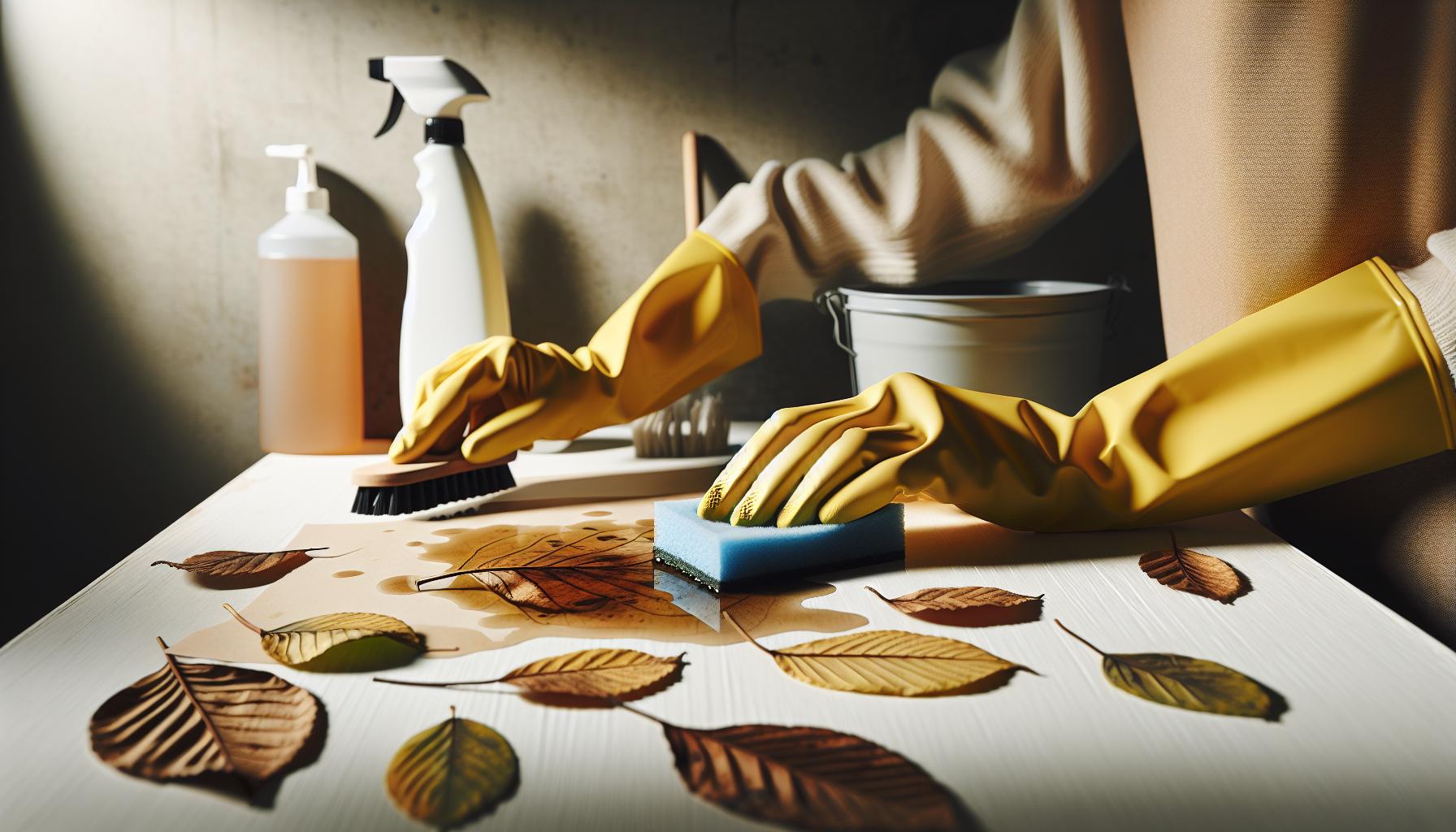
Step-by-Step Guide to Cleaning Leaf Stains
When dealing with the unsightly leaf stains that can mar the beauty of your flagstone walkways, understanding the right cleaning techniques can make all the difference. A well-executed cleaning process not only restores the stone’s appearance but also helps to protect it from future damage. Here’s a practical, step-by-step guide to effectively removing leaf stains from flagstone surfaces.
Start by gathering the necessary supplies to ensure you are well-prepared for the task:
- Soft-bristle broom or brush
- Garden hose with a spray nozzle
- Bucket
- White vinegar or baking soda (for natural cleaning solutions)
- Commercial pH-neutral stone cleaner (optional)
- Protective gloves
- Stiff scrub brush or sponge
- Clean cloths or towels
Begin by removing any loose debris and leaves with the broom, ensuring you sweep the area thoroughly to prevent further staining from decaying materials. Next, rinse the flagstone with a garden hose to dampen the surface and help loosen any buildup.
For the cleaning solution, if you prefer a natural method, mix equal parts of white vinegar and water in a bucket or create a paste with baking soda and water. If you choose to use a commercial stone cleaner, follow the manufacturer’s instructions for the best results. Apply your chosen cleaner to the stains, allowing it to sit for 5-10 minutes to penetrate the affected area.
Using your stiff scrub brush or sponge, scrub the stained areas in a circular motion. Pay special attention to any crevices or textured surfaces that may harbor stains. Rinse the area thoroughly with clean water to remove all cleaning agents, which can leave residues if not fully rinsed away. Finally, dry the flagstone with clean cloths to prevent water spots and restore the surface’s natural shine.
For exceptionally stubborn stains, repeating the process may be necessary, or you might consider using a pressure washer on a low setting, ensuring not to damage the stone. By following these steps, you can effectively restore your flagstone walkways, keeping them clean and attractive throughout the seasons.
Best Natural Remedies for Leaf Stains
There’s something undeniably unsightly about leaf stains on flagstone, but the good news is that many effective natural remedies can restore your path to its original beauty without resorting to harsh chemicals. These remedies are not only gentle on the environment but also safe for your stone surfaces, making them a smart choice for conscientious homeowners.
One of the simplest and most effective natural solutions is baking soda. This common household item is mildly abrasive, making it ideal for gently scrubbing away stains while also neutralizing odors. To use it, create a paste by mixing baking soda with a small amount of water until it achieves a thick consistency. Apply the paste directly to the stained area and let it sit for approximately 15 minutes before scrubbing with a stiff brush. Rinse thoroughly with water to reveal your refreshed flagstone.
Another powerful natural cleaner is white vinegar, known for its acidity that can cut through organic stains. For a cleaning solution, mix equal parts vinegar and water in a spray bottle and generously spray the affected areas. Let it soak for 10-15 minutes to penetrate the stain, then scrub using a brush. Be sure to rinse well, as vinegar can also leave a residue if not properly washed away. This method not only tackles the stains but also helps sanitize the surface.
Hydrogen peroxide is also a remarkable alternative for treating stubborn stains, especially when combined with baking soda. This method can enhance the cleaning power of baking soda. Simply sprinkle baking soda over the stain, then apply hydrogen peroxide directly on top. The combination will fizz and bubble, working to lift the stain from the flagstone. After about 30 minutes, scrub the area as needed, then rinse thoroughly.
When using any natural remedy, always test a small, inconspicuous area of your flagstone first. This precaution helps ensure that the material remains undamaged and the solution works effectively without causing discoloration. With these natural remedies at your disposal, keeping your flagstone free of unsightly leaf stains can be both effective and environmentally friendly.
Choosing the Right Cleaning Products
for tackling leaf stains on flagstone is crucial for achieving the best results without damaging your beautiful stone surfaces. With a plethora of options on the market, it’s important to understand the characteristics of various cleaners and how they interact with flagstone. Ingredients matter; some commercial cleaners contain acids or strong chemicals that can etch or discolor flagstone, leading to more problems than solutions.
When selecting products, prioritize those specifically formulated for natural stone. Look for biodegradable and non-toxic options that are gentle yet effective. Many brands offer eco-friendly cleaners that use enzymes or natural surfactants to break down organic stains without harming the stone. Here are some key features to consider when choosing a cleaner:
- pH Neutrality: Opt for pH-neutral cleaners, as they maintain the integrity of flagstone.
- Biodegradable Ingredients: Choose products that are environmentally friendly and do not contain harsh chemicals.
- Stain-Specific Formulas: Some products are designed specifically for organic stains, making them more effective against leaf stains.
Many homeowners find success in using a combination of natural and commercial products. For instance, using a natural cleaner like white vinegar or baking soda as a pre-treatment can enhance the effectiveness of specialized stone cleaners. To further customize your care routine, it’s helpful to read user reviews and consult product labeling for compatibility with porous stone surfaces.
Always remember to perform a patch test, regardless of the product chosen, as flagstone can vary significantly in composition and finish. By taking the time to select the right cleaning products, you can protect your investment and maintain the visual appeal of your flagstone walkways for years to come.
Deep Cleaning Techniques for Stubborn Stains
When leaf stains become a stubborn issue on your flagstone walkways, tackling them requires a strategic approach that combines effective methods and suitable products. One noteworthy fact is that many leaf stains, especially those from tannin-rich leaves, can seep deep into the porous surface of flagstone, making them harder to remove than surface-level stains. Fortunately, with the right techniques, you can restore the beauty of your stone surfaces.
Start by removing any loose debris from the affected area using a broom or leaf blower. This step is essential for preventing further staining and allowing for a more thorough cleaning process. Next, create a paste combining baking soda and water for a natural yet effective cleaning solution. Apply this paste directly to the leaf stains, ensuring it covers the stained area generously. Let the paste sit for at least 20 to 30 minutes; this allows the baking soda to absorb and break down the stain-laden oils.
For deeper stains, consider using a commercial stone cleaner specifically designed to target organic stains. Dilute the cleaner per the manufacturer’s instructions and apply it using a soft-bristle brush, scrubbing gently in a circular motion. This method helps to lift the stains without damaging the flagstone. After scrubbing, rinse the area thoroughly with water to remove any residual cleaner and loosened debris.
If stains persist despite these efforts, a more robust solution may involve using oxygen bleach or hydrogen peroxide. These substances are less harsh than chlorine bleach and safe for most stone types when used correctly. Mix the bleach with water as directed, apply it to the stained areas, and allow it to sit for a few hours. Finally, scrub the area again before rinsing thoroughly. Remember, it’s crucial to test any new cleaning solution on a small, inconspicuous section of the stone first to ensure compatibility.
Regular maintenance and immediate attention to stains can help prevent the need for intense cleaning sessions in the future. By employing these deep cleaning techniques and being proactive about your flagstone care, you can keep your walkways looking pristine and inviting year-round.
Maintaining Your Flagstone After Cleaning
After dedicating time and effort to remove leaf stains from your flagstone walkways, maintaining their appearance is essential to ensure they remain a stunning feature of your outdoor space. Regular maintenance not only prolongs the life of your flagstone but also keeps it looking its best through changing seasons. One effective strategy is to establish a consistent cleaning routine, tailored to your local climate and the types of foliage surrounding your property.
One approach to ongoing maintenance is to inspect your flagstone surfaces at regular intervals. This proactive step helps identify any emerging stains or signs of wear before they escalate into tougher problems. Use a soft broom to sweep away leaves, dirt, and debris that can trap moisture and lead to staining. If weather conditions are damp, consider using a squeegee to push water away from the surface. Additionally, you can apply a natural stone sealer after your cleaning session, which provides an added layer of protection against stains and makes future clean-ups more manageable. Sealing typically enhances the natural color of the flagstone, making it look vibrant while preventing moisture absorption.
Seasonal Considerations
During the fall season, when leaves tend to fall more frequently, increase your cleaning frequency. Implement a schedule to sweep your walkways at least once a week to prevent leaves from settling and causing stains. In winter, if snow or ice is prevalent, be cautious with rock salt and chemical de-icers, as these can damage flagstone. Instead, use sand or kitty litter for traction and be sure to remove ice promptly to prevent moisture damage.
Natural Products for Regular Care
For regular cleaning, simple solutions can be just as effective as commercial cleaners. Consider using a mix of water and a few drops of mild dish soap for light cleaning. This gentle solution can be used with a stiff-bristled brush to remove surface dirt without harming the stone’s finish. Performing this routine not only addresses immediate grime but also reinforces your flagstone’s resilience against longer-lasting stains.
is not merely an additional task; it’s a vital part of preserving the beauty and functionality of your outdoor spaces. By adopting these straightforward maintenance strategies and being vigilant about your flagstone’s care, you can ensure it remains an attractive complement to your home for years to come.
Seasonal Care Tips to Prevent Future Stains
Maintaining the beauty and integrity of your flagstone walkways throughout the changing seasons not only enhances your outdoor aesthetic but also prevents the unsightly leaf stains that can mar its surface. As the seasons shift, so do the challenges that leaf stains present. By understanding seasonal dynamics and implementing practical care strategies, you can shield your flagstone from potential staining and preserve its natural allure.
Regular inspections are crucial, particularly in the fall, when leaves are abundant. During this time, consider increasing your cleaning frequency to twice a week. This can include using a soft broom to clear fallen leaves and debris, which can trap moisture and accelerate staining. It’s also beneficial to plan your sweeping sessions after rain or heavy winds, as this prevents leaves from settling on the surface longer than necessary. After sweeping, run a squeegee over the stone to eliminate any standing water, which can seep into porous materials and lead to stains.
As winter approaches, it’s wise to reconsider your approach to ice and snow management. Instead of traditional rock salt, which can be harsh on flagstone surfaces, opt for gentler alternatives such as sand or kitty litter to aid traction. Additionally, promptly removing ice can help prevent damage caused by moisture freezing and expanding within the stone. Maintaining a clear path during snowy conditions allows for better drainage and reduces the chances of residual stains once temperatures rise.
Spring and summer introduce their own set of challenges, primarily from organic debris like pollen and flower petals. During these warmer months, stick to a routine of light cleaning with natural soap solutions to fend off both stains and growth from mold or algae, which thrive in moist conditions. This preventative measure not only keeps your flagstone looking pristine but also enhances its life span.
Incorporating these tailored seasonal care tips into your maintenance routine allows you to keep your flagstone free from leaf stains and extends its elegance throughout the year. By proactively managing debris and moisture, you’ll safeguard your outdoor beauty, ensuring it remains a stunning feature of your home.
Expert Tips for Flagstone Restoration
Restoring flagstone surfaces that have become marred by leaf stains can seem daunting, but with the right techniques and materials, it’s very achievable. One of the most effective strategies involves understanding the composition of the stone itself. Flagstone can vary significantly in texture, porosity, and color, necessitating a tailored approach for each type. Notably, restoring your flagstone not only emphasizes its appearance but also enhances its longevity and resistance to future staining.
To begin, a thorough cleaning of the affected area is crucial. Utilize a mixture of warm water and a few drops of mild detergent to scrub the stained surfaces gently. Avoid harsher chemicals, as they can damage the natural texture and finish of the stone. After cleaning, rinse thoroughly with clean water to remove any soap residue. For more stubborn stains, a paste made from baking soda and water can be applied directly to the stain and left to sit for 15-20 minutes before scrubbing. Always conduct a small patch test in an inconspicuous area before applying any cleaning solution.
Sealing for Protection
Once your flagstone has been cleaned and allowed to dry completely, consider sealing the surface. A high-quality penetrating sealant will guard against future stains. This step is particularly important for porous stones, as it creates a barrier that prevents leaf tannins and moisture from penetrating the stone. When sealing, ensure an even application with a brush or a roller, and allow it to cure as per the manufacturer’s instructions.
Regular Maintenance is Key
Post-restoration, maintain your flagstone with regular inspections and cleaning ceremonies. Sweep away leaves promptly, and rinse the surface occasionally with water to prevent buildup. Implementing seasonal maintenance-such as increased cleaning frequency during fall-will mitigate the chances of staining. Additionally, consider using mats or barriers in high-traffic areas to reduce dirt and debris transfer.
These expert tips can make a significant difference in restoring and maintaining the beauty of your flagstone walkways. By combining effective cleaning methods with preventative measures like sealing and regular maintenance, you’ll protect your investment and enjoy gorgeous outdoor spaces for years to come.
Handling Different Types of Leaf Stains
When it comes to managing leaf stains on flagstone walkways, understanding the nuances of different types of stains can make all the difference in successful removal and prevention. Leaf stains can vary based on the type of leaf, the time it has spent on the surface, and environmental factors like moisture and temperature. For example, oak leaves are notorious for leaving behind darker tannin stains, while maple leaves might create lighter, more easily removable marks. Recognizing these differences helps tailor your cleaning approach for the best results.
To tackle specific stains effectively, start by identifying the source. For instance, fresh stains from recently fallen leaves are often easier to clean than those that have set in over weeks or months. If the stain is relatively new, a gentle wash with warm water and a mild detergent may suffice. For older, more stubborn stains, particularly those caused by tannins, consider creating a paste from baking soda and water. Apply this mixture directly onto the stained area, allowing it to sit for 15-20 minutes before scrubbing gently with a soft brush. This method can lift the stain without damaging the flagstone’s surface.
Another critical factor is the presence of mold or mildew, which can accompany leaf stains, especially in damp conditions. If you notice a greenish tint along with the leaf stains, a mixture of vinegar and water can help eliminate mold while also acting as a stain remover. Apply the solution to the area, let it sit briefly, and then scrub with a brush, followed by a thorough rinse with clean water. Always remember to conduct a patch test before applying any cleaner to ensure compatibility with your specific type of flagstone.
Maintaining the beauty of your flagstone doesn’t end with cleaning; preventive measures are essential. Regularly sweeping away debris and leaves prevents stains from forming in the first place. Additionally, applying a high-quality sealant after cleaning can protect against future stains, creating a barrier that repels leaves’ natural oils and tannins. By understanding the different types of leaf stains and employing tailored cleaning strategies, you’ll not only restore your flagstone’s appearance but also extend its life, enhancing the beauty of your outdoor spaces.
DIY Solutions vs. Professional Services
When faced with unsightly leaf stains on your flagstone walkway, the choice between DIY solutions and hiring professional services can significantly impact both the outcome and your wallet. Many homeowners treasure the thought of tackling these stains themselves, drawn to the appeal of cost savings and the satisfaction that comes from a job well done. However, it’s essential to weigh the benefits and drawbacks of each approach to determine the best course of action for your specific situation.
DIY solutions typically involve the use of household items and simple cleaning techniques that you can execute with minimal investment. Common methods include creating a paste out of baking soda and water or using a solution of vinegar and water to lift stains. This approach offers flexibility, allowing you to customize your cleaning techniques based on the stain’s severity and the type of flagstone. Moreover, the joy of completing a home project can’t be understated-there’s a unique fulfillment that comes from restoring your stone surfaces on your own. However, DIY methods may require time and physical effort, and there is a risk of damaging the stone if chemicals are misused or if abrasive scrubbing is applied too vigorously.
On the other hand, hiring professional services can alleviate the stress of dealing with tough stains, particularly when they are deeply set or when there is potential for damage to the flagstone. Professionals not only bring specialized equipment and expertise but also have access to effective cleaning products that are not available to the average homeowner. This means they can often achieve results that DIY methods may not, particularly for stubborn stains or extensive restorations. It’s worthwhile to consider that engaging a professional typically comes with a price tag, but this might be an investment worth making, especially if your flagstone is extensive or if you are wary about potential damage from DIY attempts.
Ultimately, the decision rests on your individual needs, the severity of the stains, and your comfort level with DIY projects. For light, fresh stains, a home remedy may do the trick. However, for older, more persistent stains or if you’re unsure about your cleaning methods, enlisting professional help can ensure both safety and effectiveness in restoring the beauty of your walkway. Always keep in mind the long-term health of your flagstone-whether you’re going the DIY route or hiring experts, regular maintenance will help avoid the recurrence of those troublesome stains.
The Importance of Regular Maintenance
Maintaining the aesthetic appeal and longevity of your flagstone walkway requires ongoing attention, particularly regarding the unsightly leaf stains that can mar its surface. Regular maintenance isn’t just a matter of visual appeal; it’s essential for preserving the integrity of the stone itself. When leaves fall and decay, they release tannins that can seep into the porous surfaces of flagstone, leading to persistent stains. By implementing a proactive maintenance routine, you can significantly reduce the chances of these stains becoming a problem.
One of the most effective strategies for deterring leaf stains is the routine cleaning of your flagstone. Sweeping away fallen leaves and debris not only enhances curb appeal but also minimizes the organic matter that can harbor moisture and promote stains. Consider setting a seasonal schedule for thorough cleaning sessions:
- In spring and fall, focus on leaf removal.
- After heavy rain or wind, inspect and clean the path to prevent leaf debris from settling.
In addition to regular cleaning, applying a sealant every few years can provide a protective barrier against stains. Sealants can help repel water and organic material, making it more difficult for tannins to penetrate the stone. It’s important to choose a high-quality sealant specifically designed for natural stone, as this will ensure optimal protection without compromising the flagstone’s natural appearance.
Moreover, seasonal care is crucial in anticipating and preventing future staining issues. During autumn, when leaves are most likely to fall, you might want to increase the frequency of your maintenance efforts. Keeping a close eye on the condition of your flagstone can help you identify early signs of staining. If you spot any discoloration, address it immediately with appropriate cleaning techniques to ensure it doesn’t set in.
By committing to a regular maintenance schedule and incorporating protective measures, you enhance not only the beauty of your flagstone walkway but also its durability. In the long run, this preventative approach can save you time and money by reducing the need for intensive cleaning or professional restoration services. Maintaining your flagstone ensures it remains a stunning feature of your home, free from the distractions of unsightly stains.
FAQ
Q: How can I prevent leaf stains on my flagstone walkways?
A: To prevent leaf stains, regularly sweep your flagstone walkways to remove fallen leaves and debris. Additionally, consider applying a protective sealant, which can create a barrier against stains and make cleaning easier. Refer to the section on effective preventative measures for more tips.
Q: What household items can I use to remove leaf stains from flagstone?
A: Common household items like baking soda, vinegar, and dish soap can effectively remove leaf stains from flagstone. Mix a solution of warm water with these ingredients and scrub the stained area gently. For more natural remedies, check the section on best natural remedies for leaf stains.
Q: Is pressure washing safe for cleaning leaf stains from flagstone?
A: Pressure washing can be effective for removing stubborn leaf stains from flagstone, but it should be done carefully. Use a low-pressure setting to avoid damaging the stone. For deeper cleaning techniques, refer to the section on deep cleaning techniques for stubborn stains.
Q: When is the best time to clean leaf stains from flagstone walkways?
A: The best time to clean leaf stains is in the spring or fall when leaves are most likely to accumulate. Regular maintenance during these seasons can help prevent difficult stains from developing. See the seasonal care tips for more insights on timing.
Q: Can I use bleach to clean leaf stains from flagstone?
A: While bleach can whiten surfaces, it is not recommended for cleaning flagstone as it can cause damage and discoloration. Instead, opt for milder cleaning solutions mentioned in your article. Look into the section on choosing the right cleaning products for safe alternatives.
Q: What are the most effective commercial products for removing leaf stains from flagstone?
A: Effective commercial products include stone cleaners and degreasers specifically formulated for natural stone. These can penetrate and lift stains without harming the flagstone. For a detailed list, see the section on choosing the right cleaning products.
Q: How do I know if a leaf stain is serious enough to require professional cleaning?
A: If leaf stains remain after multiple cleaning attempts, or if they have caused discoloration or deterioration, it may be time to consult a professional. Assess the extent of the stain and consider the advice in the DIY solutions vs. professional services section for guidance.
Q: What is the importance of regular maintenance for flagstone walkways?
A: Regular maintenance prevents the buildup of organic matter that can lead to leaf stains and other damage. Routine cleaning and sealing will extend the lifespan of your flagstone. For detailed strategies, refer to the importance of regular maintenance section in the article.
The Conclusion
Now that you know how to effectively remove leaf stains from your flagstone walkways, it’s time to take action! Implement these strategies to revive your outdoor space and keep it looking pristine for years to come. For further tips on outdoor maintenance, check out our guides on “Choosing the Right Sealant for Flagstone” and “Best Practices for Flagstone Care.”
Don’t let leaf stains ruin your hard work-start transforming your walkways today! If you have any lingering questions or need personalized advice, feel free to reach out or leave a comment below; we love hearing from our readers. Also, consider signing up for our newsletter to receive the latest tips and exclusive content directly to your inbox. Your beautiful, stain-free flagstone awaits!