
As summer approaches, your backyard oasis deserves to look its best. However, if you’ve noticed unsightly leaf stains marring your vinyl pool liner, you’re not alone. These stains, often caused by tannins from decomposing leaves, can be a frustrating eyesore and may even lead to potential liner degradation if left unaddressed. In this guide, we will explore effective and speedy methods to tackle those pesky leaf stains, helping you restore the sparkling clean appearance of your pool. With just a few simple techniques and tips, you’ll be able to reclaim the aesthetic appeal of your swimming area, ensuring it remains inviting for family and friends. Keep reading to discover how to make your pool liner shine again!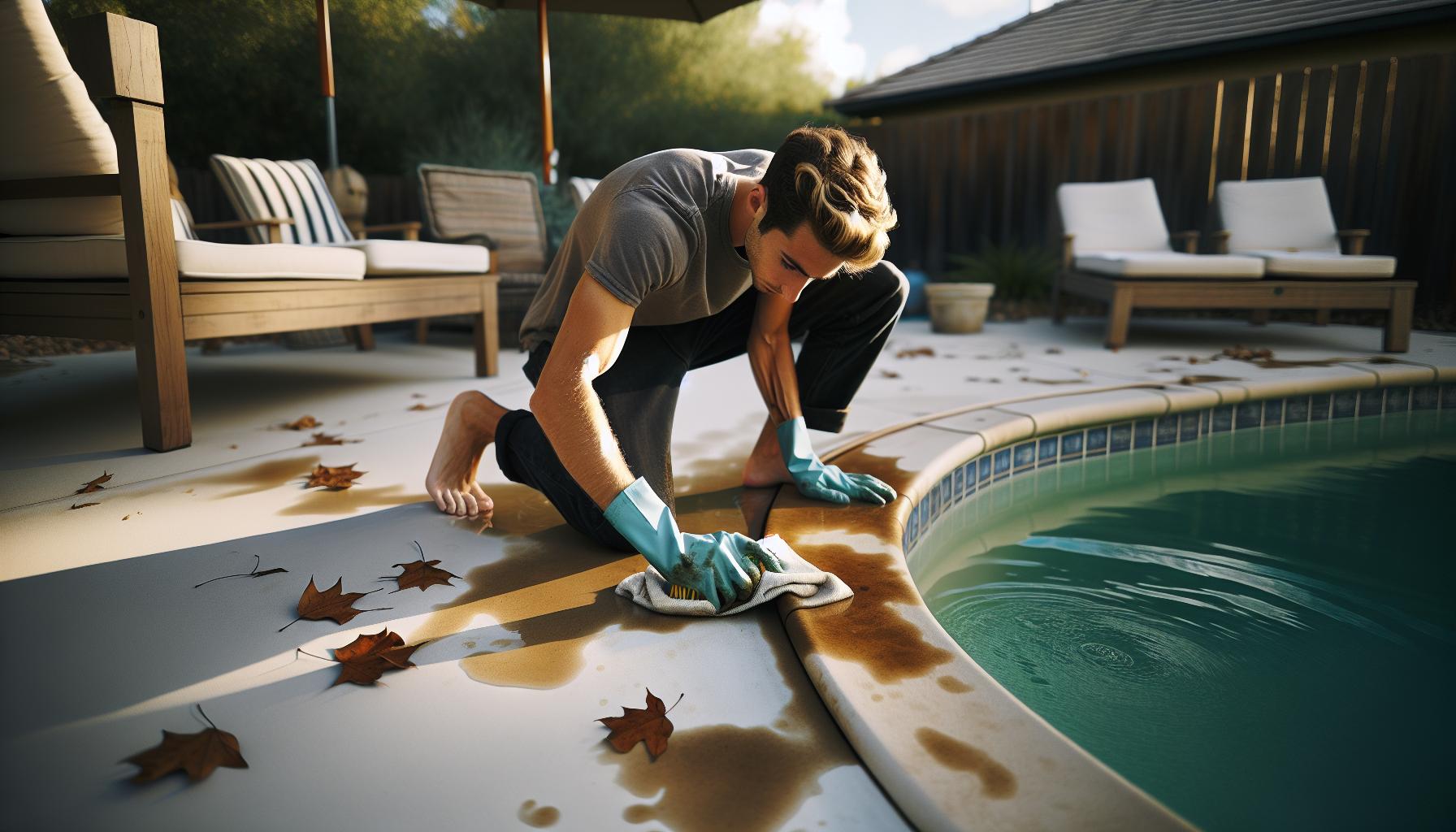
Effective Techniques for Leaf Stain Prevention on Vinyl Pool Liners
To keep your vinyl pool liner looking pristine and free from the unsightly stains caused by leaves, proactive prevention is essential. Understanding that leaf stains can weaken the integrity of the vinyl if left untreated, here are some effective techniques to safeguard your pool.
One of the most critical preventative measures is regular maintenance, which includes cleaning your pool frequently to remove any organic debris. During fall, especially, ensure that you regularly skim the surface of the water to catch fallen leaves before they sink. If leaves do settle on the liner, they should be removed promptly; prolonged exposure can lead to staining, which is not only visually unappealing but can also compromise the material over time.
Another key technique is to consider using a pool cover. A quality cover can effectively block falling leaves and other organic materials from entering the pool, significantly reducing the occurrence of stains. If acquiring a cover isn’t feasible, deploying a fine mesh net or leaf net can provide similar protection, allowing you to cover the pool during peak leaf drop periods.
Additionally, treating your pool liner with protective coatings designed for vinyl can enhance its resilience to stains. These coatings form a barrier against penetrating substances, making it easier to clean up any stains that do occur. Furthermore, maintaining balanced water chemistry can prevent the development of scale and algae, which can exacerbate staining issues.
Finally, educating yourself on the proper techniques for pH balance and chlorine levels can lead to a healthier pool environment that is less likely to harbor stains. Regular water testing and adjusting chemicals as necessary will help maintain the clarity and quality of your pool water, further protecting your vinyl liner.
By integrating these strategies into your pool care routine, you can help ensure that your vinyl liner remains clean and vibrant, enhancing both the aesthetic and longevity of your pool.
The Best Tools for Fast Leaf Stain Removal
When it comes to restoring the pristine look of your vinyl pool liner and tackling unsightly leaf stains, having the right tools at your disposal can make all the difference. Quick and effective stain removal relies not only on accurate techniques but also on a well-chosen toolkit. Investing time to gather the best equipment will save you time and effort, ensuring your pool always looks inviting.
Essential tools for removing leaf stains include:
- Stain Removal Kits: Specialized kits are available that target leaf stains specifically. These often include products formulated to lift and dissolve tough stains without damaging the vinyl. Brands like Pool Stain Removers offer effective solutions that have been proven in practice.
- Soft-Bristle Brushes: A gentle brush is crucial for scrubbing away stains without scratching or damaging the liner. Look for brushes designed for use on vinyl that allow you to apply pressure without risking harm.
- Baking Soda and Vinegar: This combination is not just a kitchen staple; it makes for a powerful, natural stain remover when mixed. Sprinkling baking soda on the stained area followed by a spray of vinegar (and water) can help lift stains almost immediately, leveraging the chemical reaction to break down organic matter.
- Pool Vacuum: A quality pool vacuum can help remove leaves and debris before they have a chance to stain. Many vacuums come with specialized attachments for tackling dirt that settles along the liner.
- Protective Gloves: Always wear gloves to protect your hands from harsh chemicals found in commercial stain removers, and to maintain hygiene, especially when dealing with organic materials.
Utilizing these tools efficiently not only expedites the stain removal process but also enhances the overall care of your pool liner, helping to maintain its appearance and integrity over time. Whether you’re dealing with a few minor stains or significant discoloration, having the right tools ensures that you can act quickly and effectively, preserving your pool’s beauty for many seasons to come.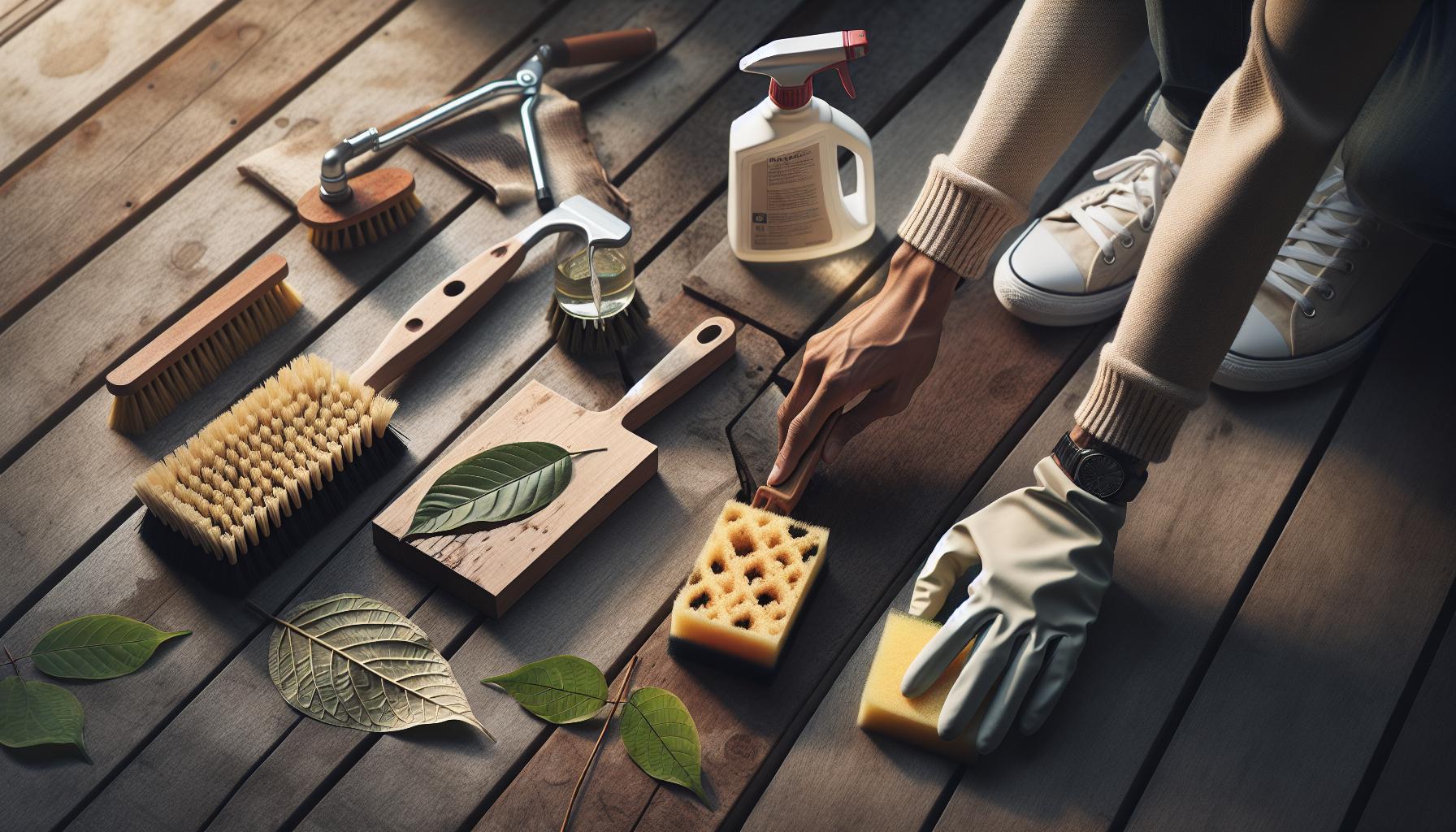
Step-by-Step Guide to Remove Leaf Stains
To effectively eliminate stubborn leaf stains from your vinyl pool liner, a well-organized approach can yield impressive results. Understanding that the combination of the right techniques and tools can make this process simpler is essential. Follow these methodical steps to restore your liner’s appearance and maintain its integrity.
Begin by gathering your tools: a soft-bristle brush, a baking soda-vinegar solution (mix equal parts of vinegar and water in a spray bottle), and a pool vacuum. If needed, have some pool stain remover on hand for tougher stains. Start the cleaning process by removing any loose leaves and debris from the pool surface using the vacuum. This initial step not only clears the pool but also prevents additional staining while you clean.
Once the debris is removed, focus on the stained areas. Sprinkle baking soda generously over the stains. This natural abrasive acts as a mild scrubber, while also helping to neutralize any acids from the leaf stains. Next, spray the baking soda with your vinegar solution. The reaction between these two ingredients will create bubbles that can help lift the stains from the vinyl surface. Allow this mixture to sit for about 10-15 minutes to let it penetrate and work on the stains.
After the solution has set, gently scrub the stained areas with your soft-bristle brush. Use circular motions to ensure that you aren’t damaging the vinyl while applying enough pressure to lift the stains. Rinse the area with clean water afterward to wash away any residue. For any remaining marks, repeat the process as necessary, or apply a commercial stain remover if the stains persist. Conclude by vacuuming any debris stirred up during scrubbing and enjoy your revitalized pool liner. By following these steps, you can maintain a beautiful and clean pool area all season long.
Natural Remedies for Leaf Stain Removal
Removing leaf stains from your vinyl pool liner doesn’t have to mean resorting to harsh chemicals; nature has provided some effective remedies that can tackle these pesky marks while being gentle on your pool’s material. Many pool owners are often surprised to discover that common household items can be powerful allies in stain removal.
One popular natural remedy involves using baking soda, known for its mild abrasiveness and stain-neutralizing properties. To initiate this method, simply sprinkle a generous amount of baking soda onto the stained areas of the liner. Next, mix equal parts of white vinegar and water in a spray bottle and generously apply it over the baking soda. The resulting fizzy reaction not only helps lift the stain but can also eliminate any undesirable odors, making it a win-win for your pool.
Another effective remedy is using a mixture of lemon juice and water. The acidic nature of lemon juice helps break down organic matter and can be safely applied to stained areas. Create a solution of one part lemon juice to three parts water, then apply it directly to the stain. Allow it to rest for 10-15 minutes, then scrub gently with a soft brush before rinsing with clean water. This method not only aids in stain removal but also leaves a fresh scent behind.
In addition to these remedies, maintaining a regular cleaning schedule can assist in preventing future staining. Frequent removal of leaves and debris from the pool surface during peak fall months and ensuring proper water chemistry can specifically reduce the likelihood of prolonged contact between leaves and the liner, minimizing the occurrence of stains.
With these natural solutions, maintaining the beauty of your vinyl pool liner is achievable while also being eco-friendly. Incorporating these simple yet effective techniques into your pool care routine can significantly enhance your overall pool experience.
How to Maintain Your Vinyl Pool Liner
Keeping a vinyl pool liner in pristine condition requires consistent maintenance, particularly to prevent stubborn leaf stains from spoiling its beauty. Regular care not only enhances the appearance of your pool but also extends the life of your liner by preventing chemical degradation and physical wear. A proactive approach can significantly reduce the time and energy spent on stain removal later.
To maintain your vinyl pool liner effectively, establish a weekly cleaning routine. Begin by skimming the surface to remove leaves and debris. Use a fine mesh net for this task to ensure even the smallest particles are caught. Following this, employ a soft pool brush to gently scrub the liner, focusing on any areas where stains might develop. This action not only keeps your pool clean but also prevents organic material from settling and causing discoloration.
Equally important is monitoring your pool’s water chemistry. Keep a regular check on pH levels, alkalinity, and sanitizer levels to ensure they remain balanced. A well-maintained water chemistry not only enhances comfort for swimmers but also protects the vinyl material from harsh chemical interactions that can lead to discoloration and weakening over time. Make adjustments as necessary, using appropriate chemical treatments to keep the water clear and safe.
Additionally, consider using a pool cover during off-seasons or when the pool is not in use. This not only minimizes debris accumulation but also protects the liner from UV exposure, which can lead to fading. Investing in a quality cover will pay dividends in the long run by reducing cleaning efforts and maintaining the aesthetic quality of your pool liner.
Remember, neglecting these routine maintenance tasks can lead to more significant issues down the line, including difficult-to-remove stains and potential damage to the liner. By incorporating these practices into your pool care regimen, you’ll find it easier to manage and enjoy your pool throughout the year.
Troubleshooting Tough Leaf Stains on Your Pool Liner
Tough leaf stains can be one of the most frustrating challenges for pool owners, as they mar the appearance of your beloved swimming space. It’s important to act promptly before these stains set in, but if you find yourself facing particularly stubborn marks, don’t despair-there are effective strategies to help you reclaim the beauty of your vinyl pool liner.
Start by assessing the type of stain you are dealing with. If the stains are fresh, using a simple solution of 1 part white vinegar to 1 part water can often lift the discoloration. Spray this mixture onto the affected area and let it sit for several minutes before gently scrubbing with a soft-bristle brush. If the stains have set in longer, consider utilizing baking soda for its mild abrasiveness and deodorizing properties. Sprinkle baking soda generously over the stain, then follow up with your vinegar solution. The combination will create a fizzing reaction that can help break down stubborn residues.
Additional Techniques for Stubborn Stains
For particularly persistent stains that resist these initial treatments, you might explore the use of pool-safe stain removers specifically designed for vinyl liners. Always check the manufacturer’s guidelines to ensure compatibility. Apply these products according to the instructions, typically allowing them to sit for a specified amount of time before scrubbing or rinsing away.
In some cases, the stains might be more entrenched due to neglect or prolonged exposure. If you’ve noticed that homemade remedies and chemical treatments aren’t delivering results, it may be time to temporarily drain the pool to evaluate deeper issues. Once drained, inspect the liner closely for any damage, deterioration, or embedded debris. Depending on the severity of the stains, you might need to consider resurfacing or even replacing sections of the liner.
Remember that proactive maintenance plays a crucial role in preventing tough stains from forming in the first place. Regular cleaning and chemical balancing not only protect your pool liner’s integrity but also simplify the process of keeping your pool inviting and beautiful. Staying on top of debris removal and chemical checks will minimize the risk of setting stains, leaving you to enjoy your oasis with less effort and worry.
Understanding the Science of Leaf Stains
Understanding the impact of leaf stains on vinyl pool liners involves a closer look at both the chemical composition of these stains and the material of the liners themselves. Leaves, particularly during seasonal changes, can release pigments and tannins, which, when combined with moisture from pool water, create organic stains that can be deceptively difficult to remove. These pigments can bond with the soft vinyl surface of the liner, making them susceptible to setting in if not addressed promptly.
When leaves or other organic matter fall into the pool, they often begin to decompose, releasing substances that cling to the vinyl. This process is accelerated in warm water, where microbial activity is heightened. As the leaves break down, they can leave behind dark, unsightly stains, especially where the pool gets less circulation or sunlight. Understanding this mechanism is vital for effective prevention and removal; it emphasizes the importance of keeping leaves out of your pool through regular cleaning and maintenance.
Moreover, the interaction between pool chemicals and these organic stains is crucial. For example, chlorine levels that are too low can lead to algae growth, which can compound the staining issue, while excessively high levels can damage the vinyl. Regular monitoring of water chemistry not only helps maintain cleanliness but also shields your liner from degradation and stains. Using pH-balancing agents and algaecides can help mitigate staining by breaking down the organic material before it adheres to the liner.
In terms of practical response, utilizing household items like vinegar or baking soda to counteract the acidic properties of leaf stains can be effective. These substances work by neutralizing the decomposing organic acids, making it easier to lift the stains without harming the vinyl. By understanding these scientific principles, pool owners can develop more effective strategies for keeping their pool liners pristine and extending their lifespan.
Expert Tips for Pool Liner Longevity
Maintaining the integrity of your vinyl pool liner is essential for both aesthetic appeal and longevity. One common issue that many pool owners face is the staining caused by leaves, which can be challenging to deal with if left unchecked. To ensure that your pool liner lasts as long as possible, consider these expert tips that focus not only on stain removal but on prevention and care.
Regular Cleaning and Maintenance
Keeping your pool clean is the first step in preventing stains. Regular skimming removes leaves and debris before they have a chance to break down and stain the liner. Invest in a quality pool skimmer and create a routine for daily or weekly cleaning. Additionally, consider using a pool cover during off-seasons or windy days to significantly reduce the amount of organic debris that enters your pool.
Water Chemistry Monitoring
Maintaining proper water chemistry is crucial in minimizing the risk of staining and extending the life of your pool liner. Regularly test your pool’s water pH and chlorine levels, ensuring that they remain within the recommended ranges. A pH level between 7.2 and 7.6 and appropriate chlorine levels help prevent algae growth, which can further contribute to staining. Employing a routine schedule for water testing can mitigate future staining issues.
Prompt Stain Treatment
When stains do occur, address them immediately. Use natural remedies, like a mixture of baking soda and vinegar, to treat minor stains without damaging the liner. Apply the mixture to stained areas, let it sit for several minutes, and scrub gently with a soft brush. This prevents stains from bonding with the vinyl and becoming permanent. If you encounter persistent stains, a specialized stain removal kit may be necessary; these kits are designed to target tougher stains without compromising the material’s integrity.
Avoiding Harsh Chemicals
While it might be tempting to use strong chemical cleaners for immediate results, xharsh substances can damage your vinyl liner over time. Instead, choose milder cleaning solutions specifically formulated for vinyl pools. Always check product labels before use, and when in doubt, consult with a pool maintenance professional.
By incorporating these strategies into your pool maintenance routine, you not only prevent leaf stains but also extend the lifespan of your vinyl liner, ensuring your pool remains an inviting oasis for years to come.
Seasonal Pool Maintenance to Avoid Leaf Stains
To keep your vinyl pool liner pristine and free from the unsightly marks left by leaves, a proactive seasonal maintenance routine is essential. Preparing your pool for each change of season can drastically reduce the risk of leaf stains and ensure your pool remains a sparkling oasis all year round. As the leaves fall and the seasons shift, your approach to pool care should also evolve.
Start your seasonal maintenance by clearing out debris before it has a chance to settle in your pool. Regular skimming is a must, particularly during the fall when leaves are most likely to accumulate. Investing in a high-quality pool skimmer can make this process efficient, allowing you to remove leaves and organic matter routinely. For added protection, consider investing in a durable pool cover for the off-seasons. Using a cover during windy days or heavy foliage seasons can significantly limit the amount of leaves and branches that find their way into your water.
In addition to skimming and covering your pool, water chemistry plays a crucial role in stain prevention. Ensure that your pool water is balanced by regularly testing the pH and chlorine levels. During the fall, as temperatures drop, your pool will require less chlorine to maintain its clarity, but it’s still vital to monitor these levels consistently. A well-maintained chemical balance helps deter algae growth, which can exacerbate staining issues from falling leaves. Aim for a pH level between 7.2 and 7.6 to keep your vinyl liner in optimal condition.
Lastly, adapt your cleaning strategies based on the season; this includes not just skimming and chemical balancing but also carrying out deeper cleanings in preparation for harsher weather. After removing leaves, use a soft brush to gently scrub the vinyl liner, especially in spots where stains may form. Addressing stains promptly will prevent them from becoming embedded in the liner, offering a cleaner look and enhancing the longevity of your pool’s interior.
By implementing these seasonal maintenance steps, pool owners can minimize the chances of leaf stains while maximizing the aesthetic appeal and longevity of their vinyl pool liners.
Frequently Overlooked Leaf Stain Removal Tricks
Many pool owners underestimate the effectiveness of simple household items when tackling stubborn leaf stains on vinyl liners. While commercial cleaning products can be powerful, some lesser-known tricks can yield impressive results without the harsh chemicals. For example, a paste made from baking soda and water can serve as an excellent abrasive that gently removes stains when applied with a soft cloth or sponge, making it both effective and safe for your pool liner.
Another often overlooked method involves the use of chlorine tablets. Instead of dumping them directly into the pool, try placing a tablet in a sock, tying it off, and using it as a stain remover. By rubbing the sock over the stained areas, the chlorine will help break down the stain while minimizing damage to the vinyl. Just be cautious to not let the sock sit in one spot for too long to avoid bleach spots on your liner.
Keep in mind that timing can be crucial for successful stain removal. If you notice leaf stains forming, take action immediately. Wiping the stained area with a cloth moistened with a diluted vinegar solution can help lift the stain before it settles in, thanks to vinegar’s natural acidity. This method not only cleans but also helps maintain the balance of your pool’s chemicals.
In addition to these techniques, employing a soft-bristled brush when cleaning can be vital. It’s easy to overlook the tools used, but a brush designed specifically for vinyl can effectively scrub away stains without scratching the surface. Regular brushing can help prevent the buildup of dirt and stains, keeping your pool looking pristine throughout the year. By integrating these frequently overlooked tricks, you can ensure your vinyl pool liner remains in great condition, free from the unsightly marks of fallen leaves.
When to Seek Professional Help for Stains
It’s not uncommon for pool owners to encounter stubborn leaf stains that defy regular cleaning efforts, raising a critical question: when should you call in the professionals? Understanding when to seek expert help can save you time, frustration, and potentially prevent further damage to your vinyl pool liner.
In cases where stains are deeply embedded and resistant to commonly used methods, a professional may have access to specialized stain removal techniques and equipment that can effectively tackle the problem without risking harm to the vinyl. For instance, if you’ve tried multiple cleaning solutions-such as vinegar, baking soda, or chlorine tablets-and the stains remain undeterred, it’s a strong indication that it’s time to consult with an expert. Furthermore, persistent discoloration might signal underlying issues with your pool chemistry, which professionals can diagnose and resolve.
Additionally, if the leaf stains are accompanied by other problems, such as discoloration of the water or significant algae buildup, seeking help early can prevent a small issue from escalating into a much larger, costlier problem. Many pool maintenance professionals offer free consultations or assessments, so don’t hesitate to reach out if you’re uncertain about the severity of the situation or the best course of action.
Lastly, understanding the limitations of DIY methods is essential. If you notice any signs of wear or damage to your vinyl liner-such as cracking or tearing-this requires immediate attention from a professional. Attempting to remove stains in these scenarios could exacerbate the damage. Trusting a skilled technician can ensure that your pool is appropriately cared for, preserving both its cleanliness and integrity for years to come.
Frequently Asked Questions
Q: How do I quickly remove stubborn leaf stains from my vinyl pool liner?
A: To quickly remove stubborn leaf stains from your vinyl pool liner, use a solution of warm water and mild detergent. Gently scrub the affected areas with a soft brush or sponge to avoid damaging the vinyl. Rinse thoroughly with clean water afterward to prevent residue buildup.
Q: What household items can I use to remove leaf stains from a vinyl pool liner?
A: Effective household items for removing leaf stains include white vinegar and baking soda. Create a paste with baking soda and water, apply it to the stains, and scrub gently. Alternatively, spray diluted vinegar on the stains, let it sit, and rinse off for better results.
Q: Can I use bleach to remove leaf stains from my vinyl pool liner?
A: It’s not recommended to use bleach directly on vinyl pool liners, as it can damage the material. Instead, opt for a mild detergent or specialized vinyl cleaner to effectively lift the stains without causing discoloration or wear.
Q: How often should I clean my vinyl pool liner to prevent leaf stains?
A: Clean your vinyl pool liner at least once a week during the fall when leaves are most prevalent. Regular skimming and brushing help prevent stains from setting in. Frequent maintenance is key to keeping your liner looking new.
Q: What preventative measures can I take to avoid leaf stains on my pool liner?
A: To prevent leaf stains, install a pool cover during fall, trim overhanging trees, and regularly skim leaves from the water surface. Additionally, maintaining balanced water chemistry can help protect your liner from long-term staining.
Q: Are there specific cleaners designed for vinyl pool liners?
A: Yes, there are many pool-safe cleaners specifically designed for vinyl liners. Look for products labeled as gentle or safe for vinyl, and always follow the manufacturer’s instructions for optimal results. Check the “The Best Tools for Fast Leaf Stain Removal” section for recommendations.
Q: What steps should I take if the leaf stains persist despite cleaning?
A: If stains persist, consider using a specialized vinyl stain remover. Follow the instructions carefully and apply the product directly to the stain. If you’re unable to remove the stains, you might want to consult a professional for further assistance, as outlined in the “When to Seek Professional Help for Stains” section.
To Conclude
Now that you know how to remove leaf stains from your vinyl pool liner quickly and effectively, don’t let lingering stains ruin your summer fun! By following the tips outlined, you can keep your pool looking pristine and inviting. For more related insights, check out our guides on maintaining pool water balance and fighting algae growth.
Take action today-your pool deserves the best care possible! If you found this information helpful, consider signing up for our newsletter for exclusive tips and resources. Have questions or tips of your own? We encourage you to share them in the comments below. Explore our website for more valuable content that can enhance your pool experience and ensure it stays in top condition.