If you’ve noticed unsightly leaf curl on your plants, you may be wondering whether to remove those affected leaves. This common issue can signal stress, pest infestations, or disease, posing significant risks to your plant’s health and your gardening success. Understanding the implications of leaf curl is essential for all plant enthusiasts, from casual hobbyists to dedicated gardeners, as it not only affects the aesthetics of your garden but also the vitality of your plants. By addressing this concern, you can take proactive measures to restore your plants to their healthy state. Stick with us as we uncover expert insights into whether removing curled leaves is the right choice, and how it can impact the overall health of your garden. Your plants deserve the best care, and knowledge is the first step!
Understanding Leaf Curl: Causes and Effects
Leaf curl can be a concerning sight for any plant enthusiast, as it often signals an underlying issue that could lead to more severe problems if not addressed. The phenomenon occurs when leaves exhibit abnormal twisting or curling, which can be caused by a variety of factors ranging from environmental stress to pest infestations. Understanding both the causes and effects of leaf curl is essential for maintaining healthy plants and preventing further damage.
One common cause of leaf curl is inadequate watering, where either too much or too little moisture disrupts a plant’s nutrient uptake. This situation can prompt defensive responses such as curling, as leaves attempt to reduce their surface area to minimize water loss. Nutrient deficiencies, particularly of essential elements like nitrogen and potassium, can also lead to curling as plants struggle to grow in optimal conditions. Additionally, pest issues, such as aphids or spider mites, can sap the plant’s vitality, resulting in curled and deformed leaves.
Recognizing the effects of leaf curl is crucial for timely action. Affected leaves may not only fail to photosynthesize effectively, hindering the plant’s overall growth, but they can also become more prone to disease due to reduced vigor. In severe cases, chronic leaf curl can lead to defoliation, where the plant sheds its leaves prematurely, potentially resulting in stunted growth or even plant death. Therefore, early identification and understanding of leaf curl’s underlying causes are vital steps toward effective treatment and recovery.
By addressing the environmental factors and providing appropriate care, such as adjusting watering practices, enriching the soil with necessary nutrients, and employing pest management strategies, you can improve plant health and mitigate the risk of recurring leaf curl issues.
Should You Remove Affected Leaves? Pros and Cons
When faced with the troublesome sight of curled leaves, the instinct to prune away the affected foliage can be strong. Removing these leaves might seem like a straightforward way to address the problem, but it’s crucial to weigh the pros and cons before taking action. Leaves that are curling can be a result of various issues, including pests, environmental stress, or nutrient deficiencies, and understanding how removal impacts your plant’s health and recovery is essential.
Benefits of Removing Affected Leaves
One significant advantage of cutting off curled leaves is improved airflow and light exposure for the rest of the plant. Overly crowded and damaged leaves can obstruct light absorption, making it harder for healthy parts to photosynthesize effectively. Additionally, by removing these leaves, you may help prevent the spread of pests or diseases, especially in cases where infestation is localized. This proactive approach can also encourage the plant to redirect its energy towards new growth rather than maintaining damaged leaves, fostering faster recovery.
Potential Drawbacks
Conversely, removing leaves can have its downsides. For starters, if a significant number of leaves are trimmed away, the plant may experience a temporary setback in its growth due to a reduced photosynthetic capacity. In some instances, leaves that are curling might still be functional-albeit not ideal-and could contribute to the overall energy production of the plant. Another consideration is that premature removal of leaves may not address the underlying issues causing the curling; hence, the problem could resurface even after pruning.
Ultimately, the decision to remove affected leaves should be based on a careful assessment of the overall health of the plant and the extent of the curling. If the leaves are severely damaged and the plant appears stressed, it may be beneficial to prune. However, for minor curling, giving the plant time to recover through improved care-such as adjusting watering practices, enriching nutrient levels, or targeting pest control-might be a more effective strategy. By weighing these factors, you can make informed choices that promote the health and vitality of your plants.
Best Practices for Treating Leaf Curl
The sight of curling leaves can be disheartening for any plant enthusiast, signaling distress that requires prompt and effective treatment. Addressing leaf curl involves a careful sequence of actions and interventions tailored to the underlying causes of the condition, which range from pest infestations to environmental stressors or nutrient deficiencies. By implementing best practices, you can optimize your plant’s health and restore its vitality.
One of the first steps in treating leaf curl is to thoroughly inspect the affected plant. Check for pests such as aphids, spider mites, or whiteflies, which are common culprits behind leaf curl. Treat infestations early with methods like insecticidal soap or neem oil, which are less harmful to beneficial insects and the environment. In addition, consider the environmental conditions of the plant; sometimes, leaf curl can occur due to inadequate light or extreme temperatures. Ensure your plant is positioned in a way that fits its light requirements while protecting it from direct harsh sunlight or abrupt temperature changes.
Watering practices also play a critical role in preventing and treating leaf curl. Overwatering can lead to root rot, causing stress that manifests as curled leaves. Conversely, insufficient watering can lead to dehydration. Establish a consistent watering schedule, allowing the top inch of soil to dry out between waterings, and monitor indicators such as wilting or soil moisture levels closely. Enriching your potting mix with organic matter or slow-release fertilizers can help address nutrient deficiencies that might be affecting your plant’s health. A balanced approach to fertilization will ensure your plant receives adequate macro and micronutrients.
Finally, the recovery process for a plant suffering from leaf curl involves giving it time and providing appropriate care. Once treatments have been applied, observe the plant for signs of improvement, such as new growth and flattened leaves. Support recovery by maintaining optimal conditions-adequate light, water, and nutrients-while resisting the temptation to prune prematurely. Only after you’ve determined the plant is truly suffering and not just in a state of adjustment should you consider removing severely affected leaves. This holistic approach not only treats the symptoms but tackles the root causes of leaf curl, promoting the overall health and longevity of your plants.
When to Seek Professional Help for Leaf Curl
Determining when it’s time to call in a professional for plant care can be critical for keeping your greenery healthy and thriving. While many minor issues like leaf curl can often be addressed with DIY methods, there are instances where a more experienced hand is necessary. If your plant is exhibiting severe leaf curl that persists despite your best efforts-such as consistent watering and pest management-it may indicate deeper problems that require specialized knowledge.
An ideal time to seek professional help is when the leaf curl is accompanied by other alarming symptoms that suggest a significant health issue, such as excessive wilting, discoloration, or fungal growth. These signs might point to complex issues like root rot or systemic diseases that aren’t easily treated with home remedies. Consulting with a professional can provide insight into diagnosis and treatment options that could be outside your knowledge base.
Additionally, if your plant is a high-value specimen or part of your landscaping investment, it’s prudent to err on the side of caution. A professional plant care service can offer tailored solutions and a fresh perspective on your plant care strategies. They may employ diagnostic tools and techniques that can uncover hidden pests or diseases, saving you time and potentially rescuing your plant from irreversible damage.
For those who have tried multiple troubleshooting methods with little success, reaching out for professional assistance can save your plant, and in many cases, your peace of mind. Ultimately, knowing when to seek help is part of being a responsible plant caretaker, ensuring you can enjoy the beauty of your plants without the stress of ongoing problems.
Preventing Leaf Curl: Tips for Healthy Plants
To maintain a flourishing garden and prevent the distressing phenomenon of leaf curl, it is crucial to adopt proactive strategies that promote plant health. Focus on creating an optimal environment that can help ward off the factors that lead to this issue. Understanding the interplay of environmental conditions, pest management, and plant care practices can significantly enhance your plants’ resilience against leaf curl.
One of the primary preventive measures is to ensure that plants are not exposed to extreme temperature fluctuations or harsh sunlight. For indoor plants, consider placing them near a window that receives indirect light. Outdoor plants should ideally be planted in a location that offers some shade during the hottest parts of the day, particularly in warmer months. Additionally, maintaining consistent watering practices is vital; both overwatering and underwatering can stress plants and lead to leaf curl. Always check the moisture levels of the soil before watering.
Another key factor is the regular observation of your plants for signs of pests or diseases, which can exacerbate leaf curl. Implementing an integrated pest management strategy-using traps, natural predators, or organic pesticides-can mitigate infestations without harming your plants. Lastly, using mulch can help maintain soil moisture, regulate temperature, and prevent weeds that compete for nutrients, further safeguarding your plants.
In summary, ensuring that your plants thrive through vigilant care and management can significantly reduce the risk of leaf curl. By optimizing their growing conditions, monitoring for pests, and adopting good watering practices, you can foster a garden that not only looks vibrant but also stands resilient against common issues like leaf curl.
Identifying Different Types of Leaf Curl
Understanding the various forms of leaf curl is vital for effective management and treatment. Leaf curl is not a singular issue; it can manifest differently depending on the underlying causes, environmental conditions, and specific plant species involved. Recognizing these variations can guide you in making informed decisions about care and the necessity of removing affected leaves.
One common type of leaf curl is upward curling, which often indicates environmental stress such as extreme heat or light exposure. This type can be seen in plants like tomatoes and peppers, where leaves bend upwards and may become crisp. In contrast, downward curling may signal overwatering or root problems, leading to nutrient deficiencies. Such symptoms are frequently observed in houseplants, where excess moisture can suffocate roots.
Another significant form is the cupping of leaves, which often appears due to pest infestations, particularly from aphids or thrips. These pests tend to feed on the sap, causing the leaves to twist or cup inward. On the other hand, viral leaf curl results in a mottled appearance and is usually linked to aphid activity. This type not only affects aesthetics but also hinders the plant’s overall health, requiring immediate attention.
To effectively identify the type of leaf curl present, consider the following steps:
- Examine the leaf shape and orientation-are they curling upward, downward, or cupping?
- Inspect the underside of leaves for pests such as aphids or spider mites.
- Assess the soil moisture and drainage to determine if over or underwatering is the issue.
- Look for additional symptoms, including discoloration or stunted growth, which can help pinpoint specific diseases.
By carefully observing these characteristics, you can better understand the reasons behind leaf curl and decide whether leaf removal is necessary as part of your treatment strategy. Correctly diagnosing the type of leaf curl will empower you to take effective action, ensuring your plants remain healthy and thriving.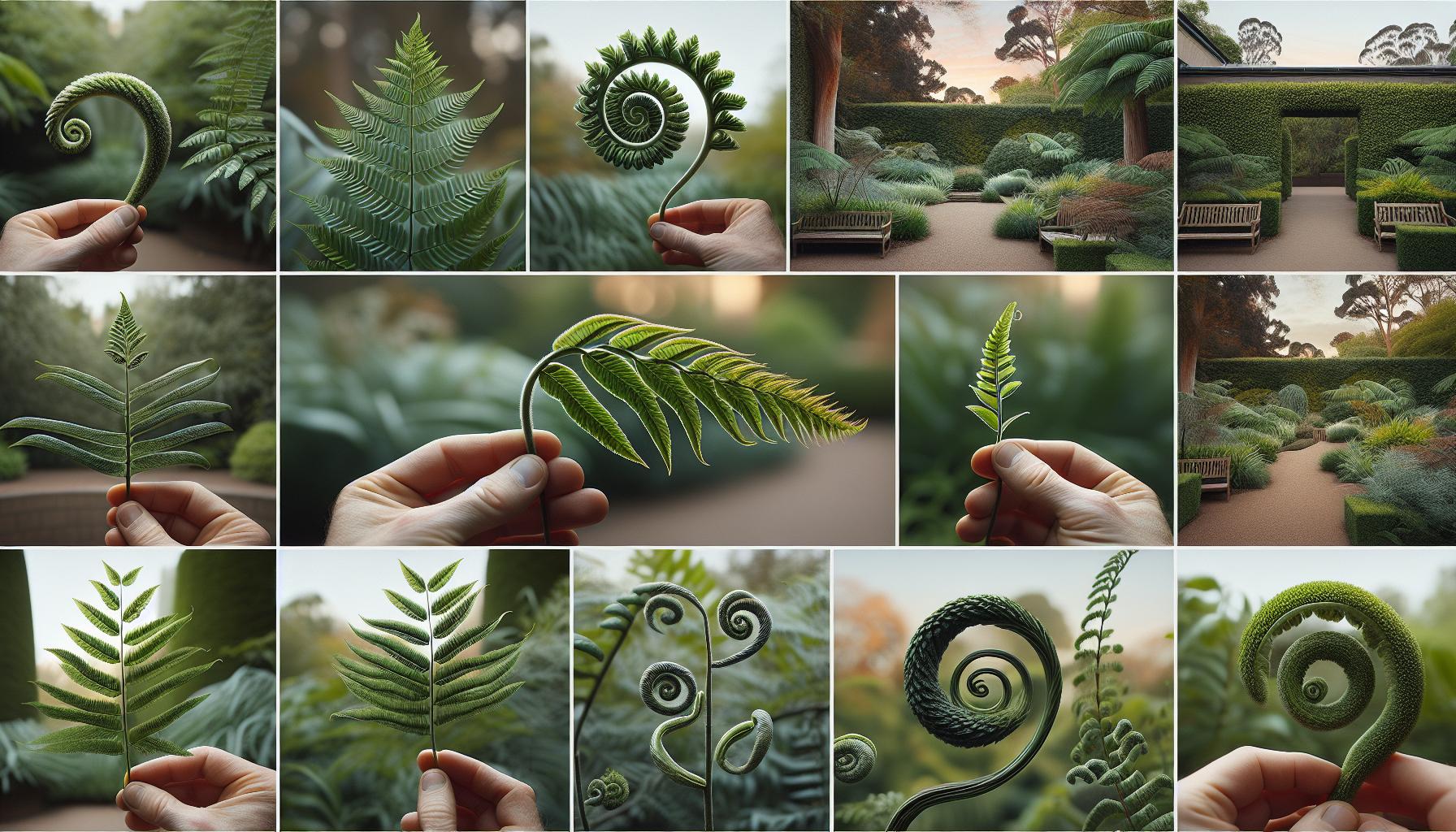
Common Plants Affected by Leaf Curl
Many gardeners may be surprised to learn that leaf curl can affect a diverse array of plants, each displaying its unique symptoms based on varying causes. Not only ornamental plants, but also a wide variety of food crops can be vulnerable to leaf curl, making awareness and identification crucial for effective management. For instance, tomatoes, one of the most commonly cultivated vegetables, frequently exhibit upward leaf curling due to environmental stress like excess heat or infrequent watering. This kind of stress can detract from fruit production, prompting gardeners to assess not just the affected leaves, but the overall health of the plant.
In addition to tomatoes, peppers often suffer from similar upward curling, which signifies potential stressors that could impact yield. Recognizing that pepper plants can also exhibit downward curling helps gardeners refine their diagnostics-downward curling often indicates under-watering or root rot issues, especially in potted or container plants where drainage may be inadequate. Both types of curling necessitate different management strategies, illustrating the importance of species-specific knowledge.
Among houseplants, pothos and spider plants are frequently affected by leaf curl as well. These plants may experience leaf curling due to pest infestations, such as aphids or spider mites, leading to the cupping of leaves. Regular inspections of the undersides of leaves can help catch these pests early and prevent further damage. Similarly, fruit trees, such as peaches or citrus varieties, often face viral leaf curl, which requires immediate intervention to avoid widespread plant health decline.
Understanding which plants are most susceptible to leaf curl allows gardeners to take a proactive approach. They can implement better care practices tailored to the needs and vulnerabilities of each species, whether that means adjusting watering schedules, ensuring adequate sunlight exposure, or maintaining pest management routines. This targeted care not only helps mitigate the effects of leaf curl but ultimately fosters stronger, healthier plants.
Natural Remedies for Leaf Curl Treatment
It’s not uncommon for gardeners to encounter distressed plants, particularly those showing leaf curl, which can be disheartening. However, before resorting to drastic measures like removing affected leaves, there are several natural remedies that can encourage recovery and restore plant health. Understanding these options provides a sensible approach, allowing you to nurture your plants back to vitality.
One of the most effective natural strategies involves adjusting environmental conditions. Start by ensuring your plants receive adequate water, as both under- and over-watering can lead to leaf curl. For instance, if your plants are in containers, check for proper drainage and consider implementing a consistent watering schedule. Additionally, placing your plants in a location where they can receive sufficient sunlight can help alleviate stress and discourage pest infestations that often exacerbate leaf curling.
Organic options like neem oil or insecticidal soap can also be useful in managing leaf curl, especially when pest-related issues are suspected. Neem oil serves as a natural pesticide that disrupts the lifecycle of common pests such as aphids and spider mites, helping mitigate the damage they cause. Simply dilute the neem oil according to the manufacturer’s instructions and spray it on the affected areas, focusing on the undersides of leaves where pests tend to hide. Similarly, insecticidal soap can kill pests on contact, providing a less toxic alternative to conventional chemical treatments.
Finally, boosting the soil’s nutrient content can improve your plants’ resilience against leaf curl. A simple compost tea made from steeping compost in water can enrich the soil, providing essential nutrients and promoting healthy root development. Regular feeding with organic fertilizers rich in nitrogen and potassium can enhance overall plant vigor.
Incorporating these natural remedies not only addresses the symptoms of leaf curl but can also foster deeper-rooted health for your plants, promoting long-term growth and sustainability in your garden efforts. Always monitor your plants for signs of improvement, as a well-timed intervention can lead to a remarkable turnaround.
Chemical Treatments for Leaf Curl: What to Know
Addressing leaf curl with chemical treatments can be an effective strategy when natural remedies fall short. While these treatments may appear daunting due to their synthetic nature, understanding how to use them effectively can significantly improve the health of your plants. It’s essential to recognize that not all chemical solutions are equal; some target pests causing the curl, while others address the physiological issues leading to your plants’ distress.
Before resorting to chemical treatments, consider the type of leaf curl your plants are experiencing. Pest-related leaf curl often arises from infestations, where insects like aphids and thrips feed on the sap of the leaves, causing damage that leads to curling. In such cases, a systemic insecticide may be appropriate. These chemicals are absorbed by the plant, rendering it toxic to pests. However, it’s crucial to select products that are specifically labeled for the pests affecting your plants and to follow the manufacturer’s instructions carefully to avoid any damage to beneficial insects.
For non-pest-related leaf curl, such as that resulting from environmental stress or disease, fungicides may be advisable if a fungal infection is suspected. These treatments can help combat the underlying issue, allowing new growth to emerge healthier and more robust. Understanding the symptoms of diseases that lead to leaf curl can guide your choice of treatment. Always apply fungicides in adherence to recommended safety guidelines, including proper timing and dosage, to minimize potential harm to the surrounding ecosystem.
While chemical treatments can offer rapid relief from leaf curl, it’s vital to integrate them into a holistic plant care strategy. This means coupling them with best practices such as regular watering, adequate sunlight, and nutrient-rich soil to foster overall plant resilience. After treatment, keep an eye on your plants for improvement, as well as signs of any adverse reactions. Remember, a well-timed task like applying the right chemical treatment can give your plants a fighting chance against leaf curl and encourage thriving growth.
Monitoring Plant Health: Signs of Recovery
When dealing with leaf curl, recognizing the signs of recovery is crucial for the long-term health of your plants. After implementing treatment-whether through natural remedies, chemical treatments, or both-monitoring your plants for improvement can provide valuable insights into their healing process. One of the first signs to look for is the emergence of new growth. As the plant begins to recover, you may notice fresh leaves developing, typically smaller and less curled than their damaged predecessors. This indicates that the plant is reallocating its energy towards regeneration and indicates a positive response to treatment.
Additionally, observing changes in the existing foliage can be an essential part of monitoring plant health. Healthy leaves may start to show signs of returning to their original shape-straightening out as the underlying causes of leaf curl are addressed. If you see the color start to brighten or the texture becoming more robust, these can be encouraging signs that your plants are regaining vitality. Keep an eye out for any pests that may linger on or near your plants; an increase in beneficial insects can also indicate an improving environment, suggesting that your treatment is working.
It’s important to maintain a holistic approach during this recovery phase. Ensure your plants receive adequate light and water, and maintain nutrient-rich soil to support their rejuvenation. Regular check-ins can help you adjust care practices based on growth observations. If you notice some leaves still exhibiting curl, it might be worth considering whether they are reflecting a more complex issue, like soil health or continued pest presence. Each plant is unique, and careful observation allows for tailored care, enhancing overall resilience.
Engaging with your plants during this recovery phase not only fosters healthier growth but also strengthens your gardening intuition. As you learn to recognize signs of recovery, you’ll feel more equipped to handle future challenges. Celebrate the small victories-the unfurling of a new leaf, the vibrant hue returning to foliage-as these are all milestones in the journey back to health for your plants.
Post-Treatment Care for Your Plants
Understanding how to care for your plants after they’ve experienced leaf curl can be the difference between flourishing greenery and ongoing distress. After treatment, whether through natural methods or chemicals, your plants require a nurturing environment to recover and thrive. Engaging in post-treatment care not only supports healing but also fortifies your plants against future issues.
To facilitate recovery, focus on creating the optimal conditions for your plants. Light and water are critical; ensure your plants receive adequate sunlight without being scorched by direct rays. It may be beneficial to adjust their location temporarily to protect new growth. Watering practices also play a significant role; maintain consistent moisture in the soil but avoid waterlogging, which can lead to further complications. If you’re fertilizing, choose a balanced or organic fertilizer to provide essential nutrients without overwhelming the plant during its recovery period.
Monitoring Progress
Keep a vigilant eye on the plants as they begin to show signs of recovery. Indicators such as the appearance of new, healthier growth and the return of vibrant colors are promising. Regularly check existing leaves for improvements; a gradual return to their normal shape and texture is a sign that your ongoing care is beneficial. However, if you observe some leaves remaining curled or showing signs of decay, evaluate the possibility of underlying issues such as pests or soil health that may need further attention.
Involve yourself in your plants’ recovery by understanding their specific needs. Each plant species has different requirements, so tailor your care approach accordingly. For added support, consider creating a routine schedule for monitoring conditions such as humidity, light exposure, and soil moisture. This proactive approach not only ensures your plants have the best chance at recovery but also enhances your gardening skills, allowing you to respond adeptly to any future challenges they may face.
Exploring Long-Term Solutions for Leaf Curl Issues
Addressing leaf curl may feel daunting, especially when considering the long-term health of your plants. It’s essential to understand that leaf curl can result from various factors, including pests, diseases, nutrient imbalances, or environmental stressors. To tackle these issues comprehensively, adopting a range of long-term strategies is critical to ensuring your plants not only recover but thrive in the future.
A holistic approach to managing leaf curl involves a combination of prevention, observation, and adaptive care. Start by choosing resilient varieties of plants that are less susceptible to leaf curl, particularly in your specific climate. Incorporate robust garden practices such as crop rotation and diversifying plant species to reduce the spread of pests and diseases. Regularly inspecting your plants for early signs of distress can make a significant difference in outcome; early intervention is key to preventing more severe cases of leaf curl.
Furthermore, embracing integrated pest management (IPM) can provide a sustainable way to control pests that often lead to leaf curling. This may involve using beneficial insects that prey on pests, coupled with organic treatments when necessary. Additionally, maintaining proper watering and feeding schedules tailored to the specific needs of each plant species can help in mitigating stress-induced leaf curl. If you observe certain plants consistently experience leaf curl, consider their placement within your garden to ensure they receive appropriate light and airflow.
Ultimately, educating yourself continuously about your plants-through resources, community gardening groups, or horticultural classes-can empower you to devise effective long-term strategies against leaf curl. By becoming proactive rather than reactive, you not only enhance your skills as a gardener but also foster a flourishing ecosystem in your garden. A commitment to ongoing observation, learning, and flexibility in your gardening practices will serve you well in overcoming the challenges of leaf curl and maintaining the vibrant health of your plants.
Faq
Q: What are the causes of leaf curl in plants?
A: Leaf curl can be caused by a variety of factors, including environmental stress, pest infestations, and diseases. Common issues include nutrient deficiencies, improper watering, and exposure to extreme temperatures. Understanding these causes is essential for effective treatment and prevention. For more details, see our section on Understanding Leaf Curl: Causes and Effects.
Q: How can I prevent leaf curl in my plants?
A: Preventing leaf curl involves providing proper care, such as ensuring adequate watering, fertilizing, and maintaining optimal light conditions. Regularly inspecting plants for pests and diseases is also crucial. For additional tips, refer to our Preventing Leaf Curl: Tips for Healthy Plants section.
Q: What should I do if my plant shows signs of recovery from leaf curl?
A: If your plant shows signs of recovery, continue monitoring its health. Ensure it receives proper care, including appropriate water and nutrients, and watch for any potential recurrence of leaf curl. For guidance on what to watch for, check out Monitoring Plant Health: Signs of Recovery.
Q: Can leaf curl affect fruit production?
A: Yes, leaf curl can negatively impact fruit production as it affects the plant’s overall health and ability to photosynthesize. Affected leaves may hinder fruit development and quality. For more information on plant health, explore our article on Common Plants Affected by Leaf Curl.
Q: When should I consider using chemical treatments for leaf curl?
A: Chemical treatments should be considered when natural remedies fail to improve the condition. It’s essential to identify the specific cause of leaf curl before applying chemicals. Always follow product instructions and consider consulting a professional. For further insights, see our section on Chemical Treatments for Leaf Curl: What to Know.
Q: Are there any natural remedies that work effectively against leaf curl?
A: Yes, natural remedies such as neem oil, insecticidal soap, and diluted vinegar can be effective against pests causing leaf curl. Regular use may help mitigate issues if applied correctly. For specific recipes and applications, check out our Natural Remedies for Leaf Curl Treatment section.
Q: What types of plants are most commonly affected by leaf curl?
A: Leaf curl is commonly seen in a range of plants, including tomatoes, peppers, and various ornamental plants. Understanding which plants are affected can help in monitoring and implementing appropriate treatments. For more details, consult our Identifying Different Types of Leaf Curl section.
Q: How do I identify if my plant is suffering from leaf curl or another issue?
A: Identify leaf curl by checking for distorted, curled, or yellowing leaves. Compare these symptoms with signs of other issues like nutrient deficiencies or pest problems. It’s crucial to differentiate to provide the correct treatment. For more information, visit our article on Understanding Leaf Curl: Causes and Effects.
To Conclude
Understanding whether to remove leaves with leaf curl is crucial for maintaining the health of your plants. Remember, timely action can prevent further damage and promote vigorous growth. If you’re still uncertain about how to proceed, don’t hesitate to explore our detailed guides on addressing plant diseases and best practices in garden care.
For more expert tips on keeping your garden thriving, consider subscribing to our newsletter for weekly insights or check out our dedicated section on plant care. Join the conversation in the comments below-share your experiences with leaf curl and learn from fellow gardening enthusiasts. Your next steps are just a click away-let’s cultivate a vibrant garden together!