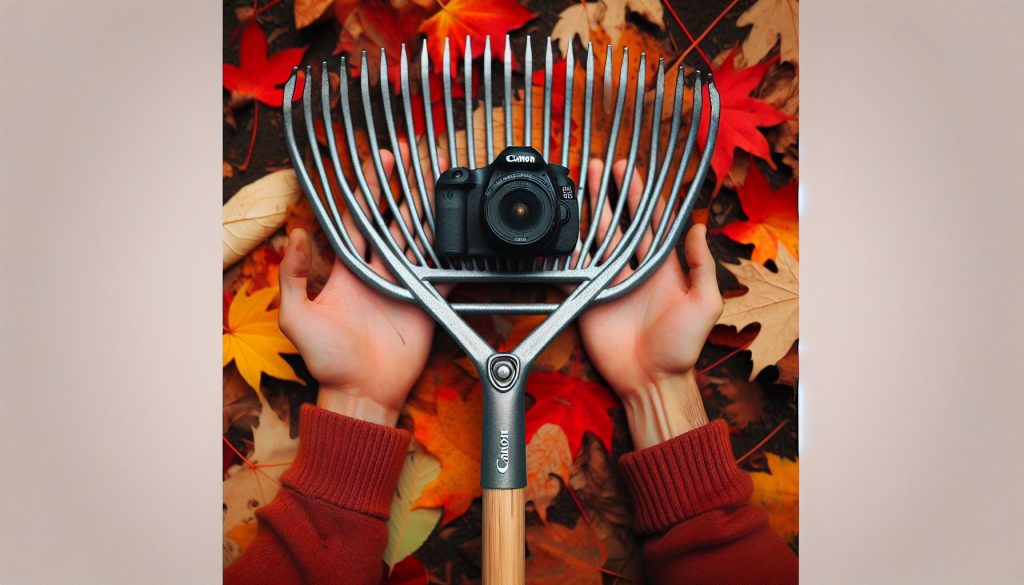
Raking leaves can feel like a daunting task, especially when autumn blankets your yard in colorful debris. However, understanding the various parts of a leaf rake, particularly the raking section, can transform this chore into a more manageable and even enjoyable experience. The raking part, often referred to as the “tines,” plays a crucial role in gathering leaves efficiently, ensuring you can maintain a clean and beautiful landscape. By familiarizing yourself with essential terms related to leaf rakes, you’ll not only enhance your gardening toolkit but also improve your overall yard care strategy. Dive deeper into this topic to discover how the right knowledge can streamline your leaf management process and reduce the time spent on this seasonal necessity.
What Is the Raking Component of Leaf Rakes?
The raking component of leaf rakes, often referred to as the “head” or “tines,” plays a crucial role in the effectiveness of these tools. The design and material of the raking part can significantly influence its performance when it comes to gathering leaves and debris. Most leaf rakes feature long, thin tines that can flex and bend, allowing them to glide easily over grass and uneven surfaces. This flexibility is essential for efficiently capturing leaf matter without causing damage to the lawn beneath.
Leaf rake heads come in various widths, typically ranging from 20 to 30 inches. Wider heads cover more ground, making them suitable for larger areas, while narrower options provide greater maneuverability in tight spaces or gardens with delicate plants. The spacing of the tines is also important; closer tines allow for finer debris collection but may struggle with larger leaves. Conversely, wider-spaced tines will scoop up larger leaves more effectively but could miss smaller twigs or acorns.
Another key aspect to consider is the material of the tines. Metal tines, such as those made of steel or aluminum, offer durability and are generally better for heavy-duty tasks, while plastic tines are often lighter and gentler on the lawn, making them ideal for regular lawn maintenance. Knowing the characteristics of the raking component can help users select the best leaf rake for their specific needs, enhancing efficiency and effectiveness during yard cleanup.
Terminology Breakdown: Key Terms You Should Know
Understanding the terminology associated with leaf rakes can greatly enhance your yard cleanup experience. Familiarizing yourself with key terms will not only help you choose the right tool for the job but also optimize your raking technique. One essential term is “tines,” which are the long, flexible prongs of the rake that gather leaves and debris. The design and spacing of these tines can vary significantly, affecting how the rake performs on different surfaces.
Another important aspect is the “head” of the rake. This is the leading part that contains the tines and can come in various widths. Wider heads are efficient for covering large areas quickly, while narrower heads allow for precision in tight spaces, such as around flower beds. The term “flexibility” is also crucial; tines that bend slightly are less likely to damage your lawn compared to rigid options. Understanding these distinctions can help you select a rake that aligns with your specific needs, whether you’re dealing with a thick layer of autumn leaves or lighter debris.
You might also come across terms like “grip” or “handle” when discussing rakes. The handle’s length and ergonomics can significantly affect your comfort and efficiency while raking. Longer handles allow for a standing position that can minimize back strain, while shorter handles might offer more control in detailed areas of your yard. By grasping these key terms and their implications, you can make informed decisions that lead to a more effective and enjoyable leaf-raking experience.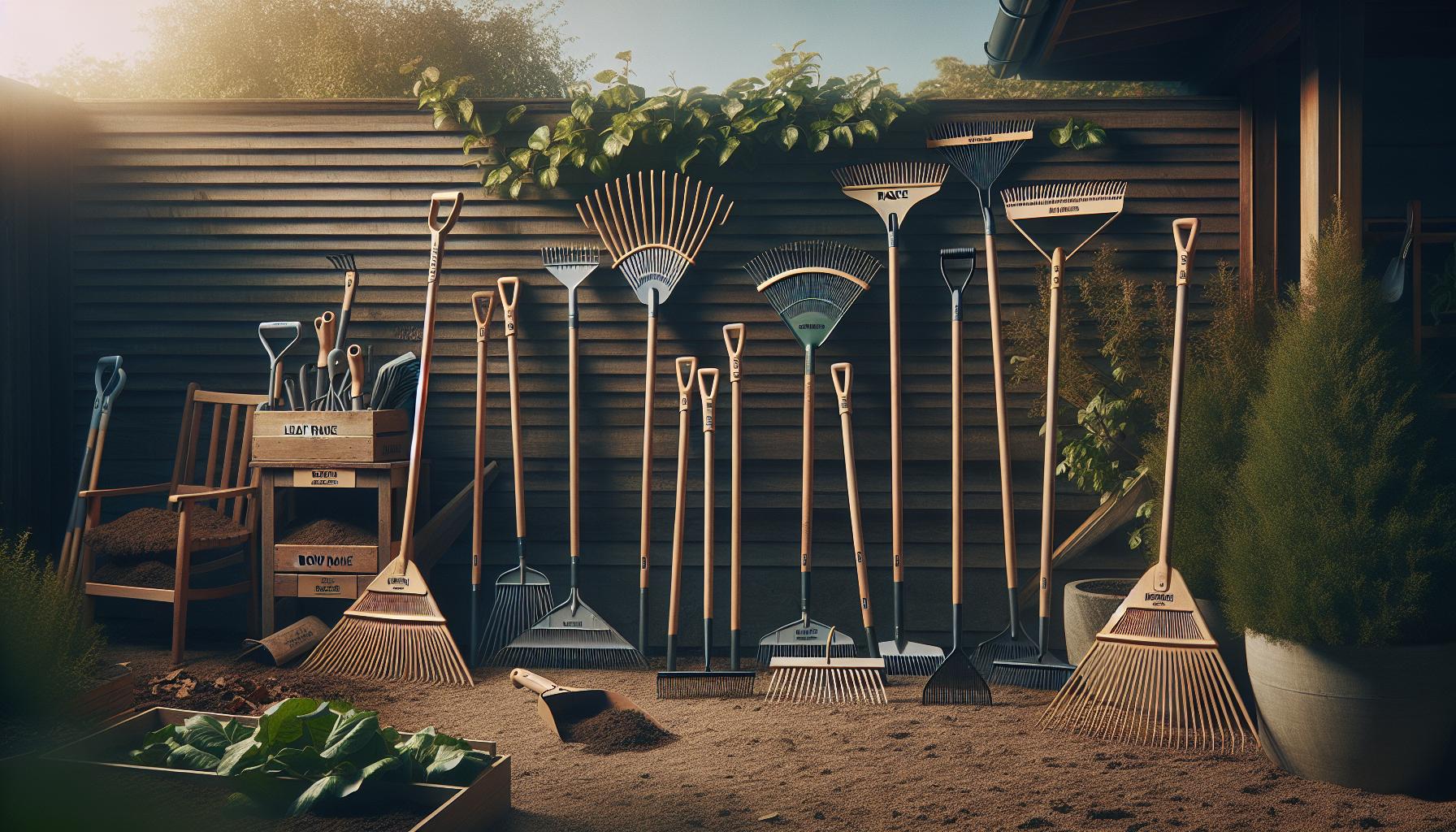
Types of Rakes: Which One is Best for You?
Choosing the right rake can significantly enhance your leaf cleanup experience, and understanding the various types available is essential for maximizing efficiency and effectiveness. Each type of rake has distinct features tailored to different tasks, so it’s crucial to align your choice with your specific needs.
One of the most common types is the classic leaf rake with flexible tines. This traditional rake is excellent for gathering leaves quickly and efficiently, especially in large, open areas. The design promotes airflow, allowing leaves to be collected without the risk of damaging your grass. However, if you’re working around delicate gardens or flower beds, consider a narrow rake, which offers more precision and control in tight spaces.
For those tackling heavy-duty jobs, a garden rake is an excellent choice. With sturdier tines and a broader head, it can manage heavier debris, such as twigs and small branches. Meanwhile, the plastic or poly rakes are gaining popularity for their lightweight design and durability. They are particularly useful on gravel or pavement, where metal rakes might scrape surfaces or bend.
In addition, consider your own comfort and ergonomics when making a choice. Ergonomic rakes are designed with handle angles that reduce the stress on your back and arms during prolonged use. Some models even feature adjustable handles to cater to users of different heights.
Ultimately, understanding the specific requirements of your yard work and matching them with the right rake type will lead to a more enjoyable and productive raking experience, ensuring that your outdoor space remains clean and beautiful throughout the leaf-filled seasons.
Understanding Rake Parts: A Detailed Overview
Rakes might seem straightforward tools, but a closer look reveals a nuanced structure designed for efficiency. The raking component, particularly the head, is critical in every rake’s performance. The head typically consists of several tines, or prongs, which are either made of metal, plastic, or composite materials. These tines serve crucial functions, from gathering leaves to moving soil, making their design and material choice essential for specific tasks.
Key Components of Rake Parts
A typical rake comprises a few essential parts, each contributing to its overall efficacy:
- Tine Head: This is the front part of the rake that contacts the ground. It can vary in design-flexible tines are suitable for leaf gathering, while rigid tines are better for heavy debris.
- Tines: The prongs themselves come in various shapes and materials, affecting how well they can collect leaves, twigs, and other debris. Wide, flat tines may be ideal for grabbing large quantities of light leaves, whereas sharper, narrower tines can penetrate more compacted debris.
- Handle: Often made from wood, aluminum, or fiberglass, the handle’s length and design contribute greatly to user comfort and leverage. Handles can come in ergonomic designs to reduce strain during extended use.
- Connection Point: This is the area where the handle meets the head. A sturdy connection prevents wobbling and ensures that the rake efficiently transfers force from the user to the working end.
Understanding these components can help you select the right rake for your yard work. For example, if you primarily work on grassy areas, opting for a rake with flexible tines can help avoid damaging the turf while still effectively gathering leaves. If your yard often deals with heavier debris, choosing a rake with heavier-duty tines designed for strength will make your work easier and more effective.
Investing time in knowing each part of your rake empowers you to use it more effectively and choose replacements that cater to your yard’s specific needs, enhancing both efficiency and comfort in your outdoor chores.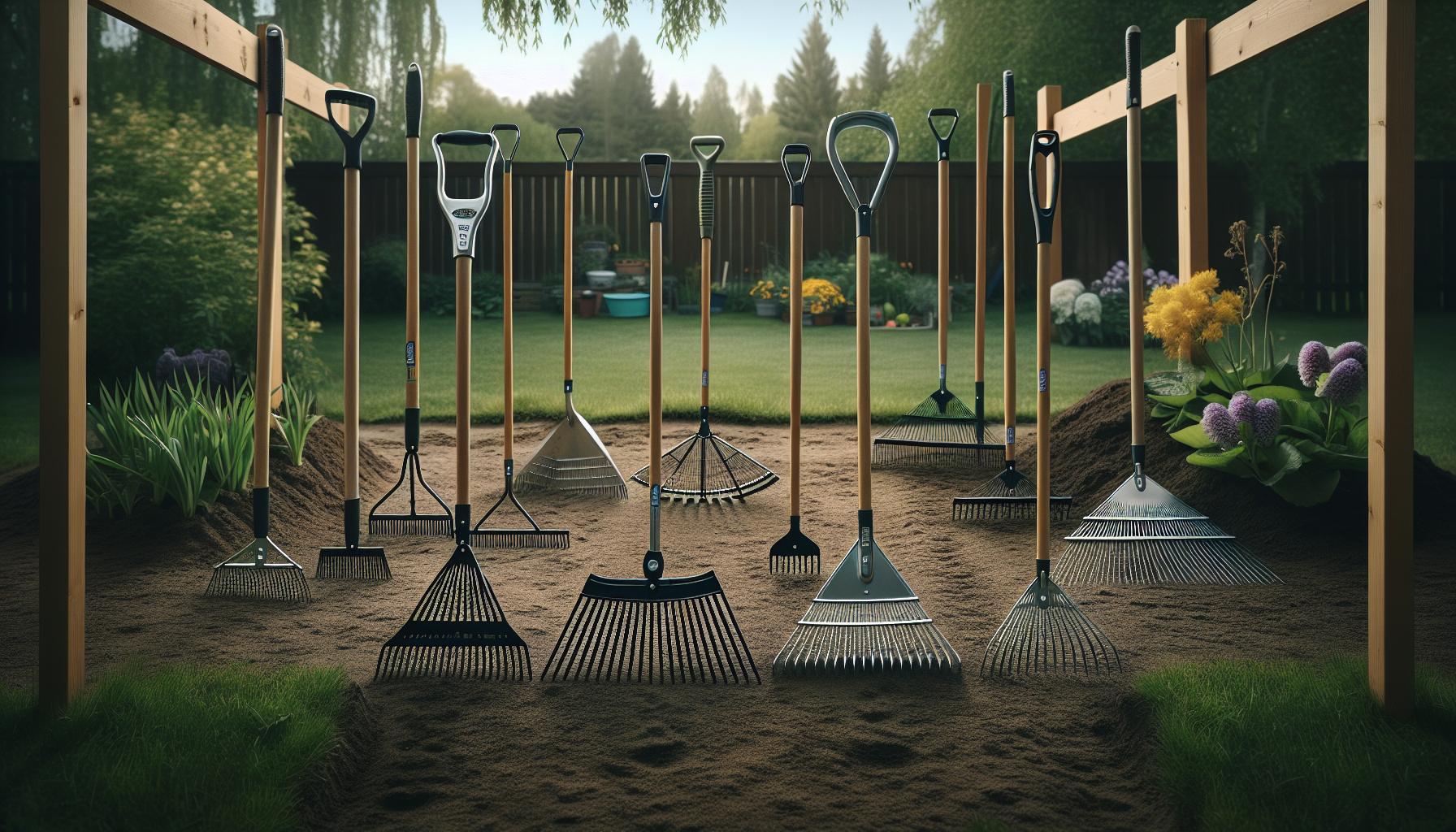
Choosing the Right Rake for Your Needs
When it comes to selecting the ideal rake for your needs, understanding the various types available and how they correlate with specific tasks in your yard is essential. An effective rake not only simplifies the leaf-gathering process but also prevents strain during prolonged use. With varying designs catering to different purposes-from gathering leaves to leveling soil-choosing wisely can make all the difference.
Firstly, consider the material of the tines. Flexible tines are excellent for lighter tasks, such as gathering leaves from grass, as they glide along the turf without causing damage. On the other hand, rigid tines are better suited for heavier debris like branches or compacted soil. Additionally, the width of the tines plays a crucial role; wider tines can cover more ground quickly but may not reach deep into tougher areas, while narrower ones can penetrate harder surfaces more effectively.
Next, evaluate the handle of the rake. A lightweight yet sturdy handle, preferably with ergonomic design features, can significantly increase your comfort during use. If you have a large area to cover, consider longer handles that allow for greater reach without bending over. For smaller tasks, a compact rake may suffice, making it easier to navigate tight spaces.
Lastly, pay attention to your landscape’s unique needs. For instance, if your yard features a mix of grass and flower beds, a versatile rake that can handle both will save you time and effort. Investing in a quality rake tailored to your specific yard work will not only enhance your efficiency but also promote longevity in your tools. Ultimately, the right rake should feel comfortable in your hands and be effective for the tasks at hand, allowing you to tackle your gardening chores with ease and satisfaction.
Comparing Traditional vs. Modern Leaf Rakes
When it comes to raking leaves, the evolution of rakes reflects profound changes in gardening tools and techniques over the years. Traditional leaf rakes, typically made of wood and featuring metal or wooden tines, have been a staple in many households. These rakes are appreciated for their simplicity and effectiveness, making them easy to use for collecting leaves and other debris. The rigid tines can break up compacted soil, while their broad width allows for larger sweeps, optimizing the raking process. However, one notable drawback is that they can be cumbersome and may require more physical effort, leading to fatigue during longer raking sessions.
In contrast, modern leaf rakes have seen significant innovations aimed at enhancing comfort and efficiency. Many of today’s rakes are designed with ergonomic features such as padded handles and lightweight materials like fiberglass or reinforced plastics. This reduces strain on the wrists and back, making raking much easier. Additionally, features like flexible or adjustable tines can maneuver more effectively over varied terrain, adapting to different surfaces without damaging the grass or ground beneath. Some modern rakes even include specialized designs that promote air flow, allowing for easier collection and movement of leaves.
Ultimately, the choice between traditional and modern leaf rakes depends on individual needs and preferences. For instance, a gardener who enjoys the tactile connection of traditional tools might prefer the classic wooden rake, while someone looking for efficiency and comfort over longer periods may gravitate towards a modern design with innovative features. Regardless of choice, understanding the differences can help optimize leaf-raking efforts and improve yard maintenance.
Maintenance Tips for Prolonging Rake Lifespan
To ensure that your leaf rake lasts for many seasons, proper maintenance is essential. A well-cared-for rake not only enhances gardening efficiency but also saves money on replacements over time. Here are some key tips to help prolong the lifespan of your raking tool.
Regular Inspection
Start by regularly inspecting your rake for any signs of wear and tear. Look for bent or broken tines, loose connections between the head and handle, or a deteriorating handle. Addressing these issues early-such as by replacing a damaged head or reinforcing loose connections-can prevent further deterioration during use.
Cleaning After Use
After each use, it’s crucial to clean your rake. Leaves, dirt, and debris can accumulate on the tines, leading to rust or damage if left unattended. Use a garden hose or a soft brush to remove clippings and dirt. For metal tines, consider applying a thin coat of oil to prevent rust, especially before storing the rake for the winter.
Proper Storage
Storing your rake correctly is vital for preserving its integrity. Avoid leaning it against a wall, as this can cause the tines to become bent. Instead, hang it on a pegboard, or store it in a designated rack. For wooden handles, keeping them in a dry location will prevent warping or cracking due to moisture.
Mindful Usage
When raking, be mindful of how you use your tool. Avoid excessive force when using the rake on hard surfaces, which can bend tines. Instead, opt for smooth, sweeping motions to collect leaves without straining the rake. This technique not only improves efficiency but also reduces wear on the tool.
By implementing these maintenance strategies, you’ll not only enhance the durability of your rake but also make your leaf-raking tasks more enjoyable and effective. Regular care can transform a simple rake into a trusted gardening companion for years to come.
Expert Tips for Efficient Leaf Raking
Raking leaves efficiently goes beyond merely gathering debris; it’s about mastering technique and strategy to minimize effort and maximize results. One of the most valuable aspects of using a leaf rake is understanding the function and design of its raking component, commonly referred to as the tines. These flexible extensions play a crucial role in gathering leaves, as their spacing and material directly influence effectiveness.
To make your raking experience more productive, consider the following tips:
- Choose the Right Time: Rake on a dry, sunny day when leaves are brittle and less likely to cling to grass. This makes them easier to lift and collect, significantly speeding up the process.
- Use Helper Tools: A tarpaulin or large plastic sheet can be a raker’s best friend. Instead of piling leaves on the ground, rake directly onto the tarp to easily transport them to your compost or disposal area.
- Adopt a Comfortable Stance: Maintain a good posture and avoid bending too much. This helps prevent back strain and allows for more effective raking motions. Stand with your feet shoulder-width apart and use your legs to support your movements.
- Raking Technique: Use a sweeping motion rather than aggressive force. Gentle pushes can prevent tines from bending and help to gather more leaves without scattering them.
- Work with the Wind: If possible, position yourself so that you rake against the wind. This prevents leaves from blowing away and helps in gathering them more effectively.
- Alternate Rakes: For areas with larger debris, like twigs or branches, switching between a leaf rake and a sturdier garden rake can save time and energy.
Combining these techniques will not only streamline the raking process but also enhance the overall effectiveness of your leaf collection efforts. Investing time in the right practices can transform raking from a chore into a more enjoyable and efficient task, allowing you to enjoy your outdoor spaces year-round.
The Science Behind Effective Leaf Raking
Understanding the mechanics behind effective leaf raking is essential for any gardener or homeowner looking to maintain a tidy outdoor space. At the heart of this process lies the design of the rake, particularly the raking component known as tines. The effectiveness of leaf rakes is significantly influenced by the material, spacing, and flexibility of these tines, which are the prongs that do the heavy lifting in gathering leaves.
Research in ergonomics suggests that tines that are both long and flexible can capture more debris without damaging the grass below. For example, wider-spaced tines allow for greater airflow, letting more leaves be gathered with less resistance, while too narrow spacing can lead to clogging with debris. The material of the tines also plays a role; plastic tines are generally lighter and easier on delicate turf, while metal tines provide a sturdier option for tougher conditions.
To harness the full potential of your leaf rake, consider the angle at which you use it. Maintaining a slight tilt while raking can maximize the rake’s ability to gather leaves, allowing the tines to glide smoothly across the surface. Furthermore, the speed of your raking motion is critical; a methodical and controlled approach helps reduce scattering and ensures more leaves are collected in each sweep. Incorporating these scientific principles into your raking technique not only enhances efficiency but also transforms leaf collection into a more manageable task.
By understanding the practical applications of the tines’ design and operation, you can elevate your leaf raking experience, turning a once-dreaded chore into a streamlined, effective garden maintenance task.
Common Mistakes to Avoid While Raking
One of the greatest hurdles in maintaining a clean yard during autumn is navigating the myriad of mistakes that can turn a straightforward task, like raking leaves, into a frustrating ordeal. Understanding common pitfalls not only enhances your efficiency but also makes the process less labor-intensive and more enjoyable.
One frequent misstep is using the wrong type of rake for your specific needs. For instance, a metal rake may be well-suited for tougher debris but can be damaging to delicate grass. Conversely, a plastic rake is gentler on turf but may struggle with thicker layers of leaves. It’s essential to choose a rake that matches the condition of your yard and the type of leaves you’re working with.
Another common error is failing to adjust the angle of the rake. Holding the rake flat against the ground might seem intuitive, but a slight tilt can lead to better airflow and allow the tines to glide over the surface, effectively capturing more leaves. Additionally, rushing through the raking process can lead to missed spots and scattered leaves. Instead, aim for a controlled, methodical pace, ensuring that you’re collecting leaves effectively with each stroke.
Lastly, neglecting to take breaks can impact your focus and technique. Raking leaves is a physically demanding task, so stepping back to rest can help maintain your energy levels and improve your performance. By being mindful of these common mistakes, you can transform raking into a more productive and satisfying endeavor.
How to Store Rakes for Longevity and Efficiency
Storing your rakes properly can significantly extend their lifespan and ensure they remain effective tools in your gardening arsenal. A well-maintained rake not only saves money but also enhances your efficiency when tackling leaves or garden debris. Improper storage can lead to rust, damaged tines, and a reduced lifespan of your tools. Here’s how to ensure your rakes are stored in ways that facilitate their longevity and efficiency.
Cleaning Before Storage
Prior to storage, it’s crucial to clean your rake thoroughly. Removing dirt, leaves, and debris from the tines prevents corrosion and buildup, which can affect performance. Simply use a garden hose or a stiff brush to dislodge any stuck material. For metal rakes, drying them promptly after cleaning is essential to ward off rust. If you notice any rust spots, using sandpaper or a wire brush can help restore the metal’s integrity.
Proper Storage Solutions
Where and how you store your rakes plays a vital role in their condition. Here are a few recommended storage methods:
- Vertical Storage: If you have space, hang your rakes vertically on a wall. This keeps them organized and avoids mishaps that can occur when tools are piled.
- Tool Racks: Investing in a tool rack can be a smart move. These racks often have slots for each tool, which prevents tines from bending or being damaged.
- Sheath the Tines: For additional protection, consider using a sheath or cover for the tines when storing. This prevents accidents when reaching for tools.
- Indoor vs. Outdoor Storage: If possible, store your rakes indoors, especially in climates that experience severe weather. Exposure to the elements can accelerate wear and tear.
Regular Maintenance
In addition to proper storage, routine checks and maintenance can further enhance rake efficiency. Periodically inspect the rake for any signs of damage, such as loose handles or bent tines. Tightening screws or replacing damaged parts promptly can avoid more significant repairs later on.
By integrating these practices into your routine, you will ensure that your rakes remain sharp and effective, ready for action whenever you need them. This not only saves you time and money but also enhances your gardening experience, turning leaf raking from a chore into a breeze.
Innovative Raking Techniques: Getting the Job Done Faster
Using innovative techniques can drastically improve the efficiency of your leaf raking, transforming what often feels like a daunting task into a more manageable activity. One such technique involves using the rake’s design to your advantage. For example, leveraging the sharpness of the tines can create a better grip on leaves. Hold the rake at an angle rather than straight up, allowing the tines to dig slightly into the leaf pile rather than merely skimming the surface. This motion encourages more leaves to be picked up in a single sweep, reducing the number of passes needed across your yard.
Timing also plays a crucial role in effective raking. After a rain, leaves become heavier and harder to collect, making dry days optimal for raking. Early mornings can be particularly advantageous, as dew settles on the leaves, allowing them to clump together. This natural adhesion aids in gathering more leaves in one go. Additionally, consider using a lightweight, ergonomic rake that allows for quick and comfortable movements, minimizing fatigue and speeding up the process.
To maintain momentum, employ a systematic approach: start raking in one section and methodically move across the yard. Use the edges of your lawn as guides to create neat piles, which can then be easily collected. Grouping leaves in this manner not only keeps your yard looking tidy but also maximizes efficiency as you can then dispose of them in larger batches.
Lastly, never underestimate the power of teamwork-inviting friends or family for a communal raking session can turn a mundane chore into a fun gathering. Equip each participant with rakes and bags, allowing everyone to tackle different sections, which significantly improves productivity. By utilizing these innovative techniques, you can not only save time but also enjoy the process of raking leaves a bit more.
Frequently Asked Questions
Q: What is the raking part of a leaf rake called?
A: The raking part of a leaf rake is commonly referred to as the “tines.” These flexible prongs are designed to collect leaves and debris efficiently while allowing for easy maneuverability.
Q: How do rake tines differ in design?
A: Rake tines can vary in design based on purpose; for instance, plastic tines are lightweight and gentle on grass, while metal tines are more durable and suitable for tougher debris. Consider your yard’s needs when selecting tines.
Q: Why are rake tines important for leaf collection?
A: Rake tines are crucial for leaf collection as they determine the rake’s effectiveness and ease of use. Well-designed tines can quickly gather more leaves with less effort, making your raking task faster and simpler.
Q: What types of rakes have different tine configurations?
A: Leaf rakes come in various types, such as fan rakes and thatch rakes, each with unique tine configurations. Fan rakes have wider tines for leaf collection, while thatch rakes have closer tines for removing moss and thatch from lawns.
Q: What materials are commonly used for rake tines?
A: Rake tines are typically made from materials like plastic, metal, or bamboo. Each material offers different benefits; for example, plastic tines are rust-resistant, while metal tines provide durability for heavy-duty use.
Q: How should I maintain my rake tines for longevity?
A: To maintain your rake tines, regularly inspect them for damage and clean off any debris after use. Store the rake in a dry place to prevent rust on metal tines, which extends their lifespan significantly.
Q: What features should I look for in rakes with adjustable tines?
A: When choosing rakes with adjustable tines, look for features like ease of adjustment, sturdy locking mechanisms, and materials that balance weight and durability. This flexibility can enhance your efficiency in various raking tasks.
Q: Can the design of rake tines affect my raking technique?
A: Yes, the design of rake tines can greatly influence your raking technique. Tines that are too stiff can make it hard to gather leaves, while overly flexible tines may not pick up as much. Choose a design that suits your raking style and the debris type.
The Conclusion
Understanding the raking part of leaf rakes is essential for effective yard maintenance. By mastering these key terms, you can enhance your gardening skills and ensure your tools work optimally. If you’re eager to dive deeper into handy gardening tips or discover the best types of leaf rakes for your needs, check out our articles on Best Leaf Rake Features and Choosing the Right Gardening Tools.
Don’t forget to subscribe to our newsletter for expert advice delivered straight to your inbox! Your journey doesn’t have to end here-explore our comprehensive guides on lawn care and seasonal gardening strategies to become the ultimate landscape expert. Engaging with our content not only enriches your knowledge but also empowers you to tackle any landscaping project with confidence. Share your thoughts in the comments or let us know what other topics intrigue you!