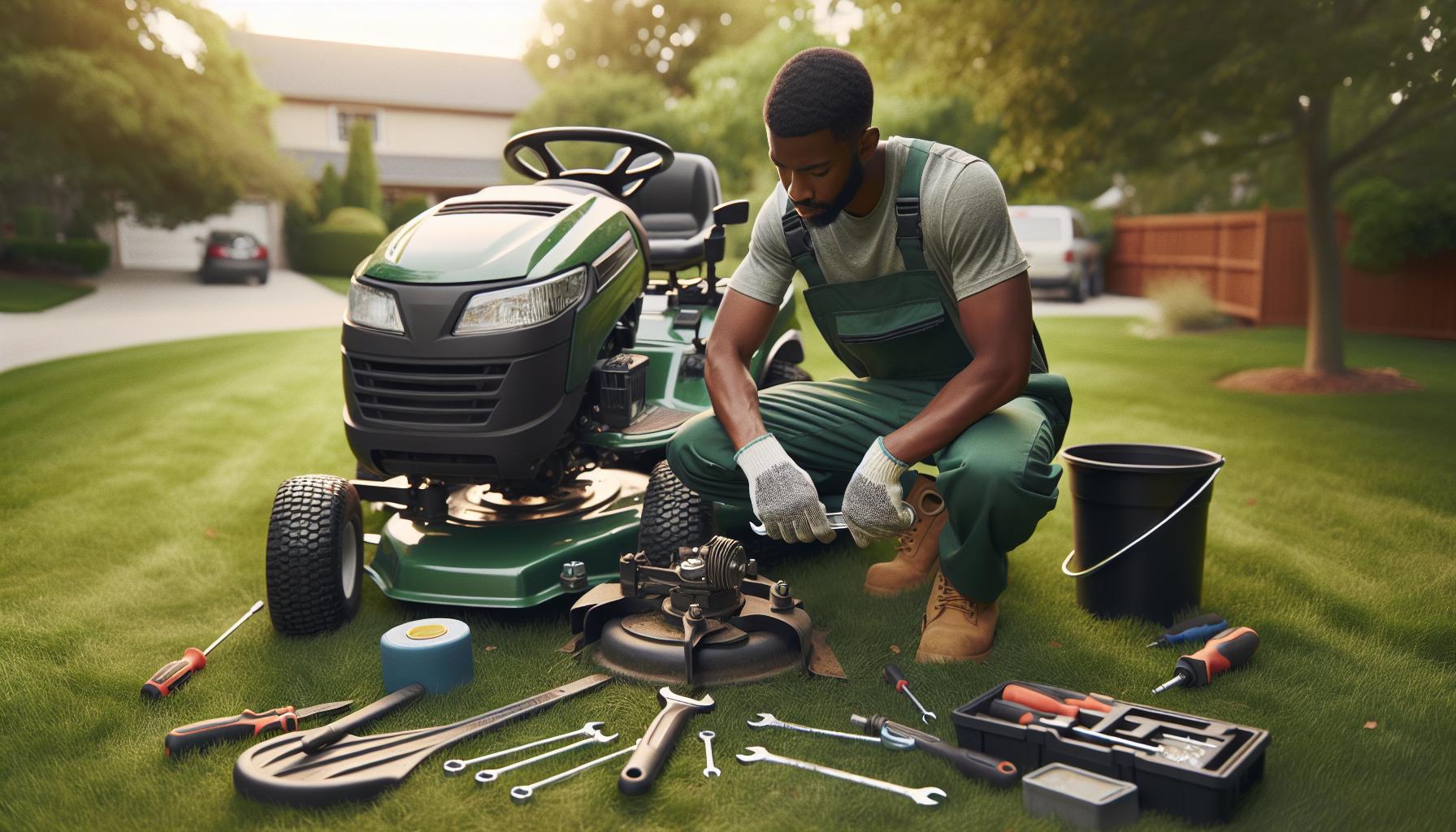
Changing the blades on your riding lawn mower might seem daunting, but it’s not as tricky as it sounds. Did you know that dull blades can lead to a patchy lawn and potential lawn diseases? Keeping your mower in top shape reduces strain on the engine and promotes a healthier lawn while saving you money on professional services. Whether you’re looking to enhance your lawn’s appearance or simply want to take matters into your own hands, mastering this skill is essential. In this guide, we’ll walk you through the step-by-step process of changing your mower blades without needing any assistance. Get ready to tackle this DIY project with confidence!
Essential Tools for Changing Lawn Mower Blades
Changing the blades on your riding lawn mower is a task that can enhance both the performance of your mower and the health of your lawn. Before diving into the actual process, it’s crucial to gather the right tools to ensure a smooth and efficient blade replacement. Having everything you need at your fingertips will not only save you time but also enhance your safety during the task.
To begin with, you’ll need a sturdy set of tools, including a socket or wrench set to loosen and remove the blades. These tools differ in size depending on the mower’s make and model, so it’s wise to check your owner’s manual for the specific requirements. Additionally, a screw gun or ratchet can facilitate the removal process if your mower has retained blades with bolts. A pair of pliers may come in handy for gripping stubborn components.
Don’t overlook safety equipment. Professional practices suggest using heavy-duty gloves to protect your hands from sharp edges and potential debris. Safety goggles are also recommended to shield your eyes from dust and small particles that can fly up during the blade change. Moreover, a floor jack or mower lift can make the job significantly easier, especially when it comes to accessing the blades underneath your mower.
Finally, while not a tool, having a clean, flat workspace is essential. This will allow you to keep all your tools organized, avoid losing any bolts or washers, and provide ample room to maneuver your mower. By preparing appropriately with the right tools and safety equipment, you set the stage for an effective and hazard-free blade changing experience.
Step-by-Step Guide to Blade Removal

Changing the blades on your riding lawn mower can seem like a daunting task, but with a clear step-by-step approach, you’ll have them swapped out in no time. The first crucial step is to ensure the mower is safely positioned on a flat surface. This not only provides stability but also makes it easier to work on. Engaging the parking brake and removing the key from the ignition are essential safety precautions to prevent any accidental starts while you’re working.
To begin the blade removal process, lift the mower deck. If you have a mower lift or a floor jack, this is the time to use it for better access. If your mower doesn’t have a lift, make sure you are on a sturdy and flat ground and carefully position yourself to reach under the deck. After elevating the deck, locate the blade attachment points, which typically consist of bolts securing each blade. Using the correct size socket or wrench from your toolkit, carefully loosen and remove these bolts in a counterclockwise direction. Keep each bolt and washer together to avoid losing any parts.
Once the bolts are removed, gently pull the blades off the spindle. It’s important to note that blades may be heavy and sharp, so handling them with care is vital. To prevent injury, consider using a cloth or rag to grip the blade when pulling it off. After successfully removing the old blades, take a moment to clean the spindle and the area around it, removing any grass clippings or debris that may have accumulated.
Finally, with the old blades removed, you’re ready to inspect for any signs of wear on the spindle itself, ensuring that this essential part of your mower is in good condition before you proceed to install the new blades. This thorough approach not only makes the process smoother but also extends the longevity of your lawn mower.
Inspecting and Preparing New Blades
Inspecting your new lawn mower blades before installation is a crucial step that can greatly enhance your mowing performance and ensure safety. Did you know that the sharpness and condition of your blades can significantly affect not just the appearance of your lawn but also its health? Dull or damaged blades can tear grass rather than cut it, leading to brown edges and increased vulnerability to diseases. Therefore, a thorough inspection of new blades should be part of your blade replacement routine.
Begin by examining the new blades for any physical damage that may have occurred during manufacturing or shipping. Look for defects like dents, bends, or rust spots, as these can compromise the blade’s effectiveness. A quality new blade should feel sturdy and balanced, with sharp edges that reflect light. To further ensure their readiness for installation, check the packaging for any specific installation instructions or warnings provided by the manufacturer.
It’s also essential to prepare the blades before attaching them to your mower. Use a wire brush to clean off any debris or protective coatings that could interfere with installation or the blade’s performance. If needed, sharpen the edges with a file or grinder, especially if the new blades are not as sharp as you would prefer. A sharp edge will enhance cutting efficiency and reduce strain on your mower’s engine.
Lastly, don’t forget to check compatibility with your lawn mower model. Refer to the mower’s manual or the manufacturer’s specifications online to confirm that the blades you’ve purchased match the required size and style. This ensures optimal performance and safety while mowing, preventing potential damage to your mower or harming the grass. With blades properly inspected and prepared, you’re ready for a seamless installation that provides a lush, healthy lawn.
Safe Disposal of Old Lawn Mower Blades
When it comes to replacing your lawn mower blades, it’s essential to consider not just the installation of the new blades but also the responsible disposal of the old ones. Old lawn mower blades can pose safety risks and environmental concerns if not disposed of properly. Historically, a significant portion of lawn care waste ends up in landfills, contributing to pollution and waste management issues. Therefore, understanding how to dispose of these blades safely can have a positive impact not only on your own safety but also on the community and environment.
The first step is to check with your local waste management facilities for specific disposal guidelines. Many municipalities have designated drop-off sites for metal recycling that accept items like lawn mower blades. This not only ensures that the old blades are recycled properly but can also keep them out of landfills where they can take years to decompose. If your area doesn’t have such provisions, you might consider contacting local metal recycling businesses. They often accept scrap metal and can guide you on how to bring your blades in for recycling.
It’s also vital to handle the blades with care during removal and disposal. The edges of used blades can be extremely sharp, presenting a risk of cuts or injuries. To minimize these risks, wrap the old blades in heavy-duty cardboard or a thick cloth to protect your hands and other people from accidental cuts during transport. Additionally, using duct tape to secure the wrapping can provide extra safety, ensuring that the blades do not cut through the material.
In cases where recycling options are limited and you must resort to throwing the blades away, make sure to place them in a sturdy trash bag and clearly label the bag as containing sharp objects. This precaution helps waste management workers be aware of potential hazards. By taking these thoughtful steps, not only do you ensure your own safety, but you also contribute to a more sustainable approach to lawn care maintenance, setting an example for responsible gardening practices in your community.
Techniques for Proper Blade Installation
To achieve a clean and effective blade installation on your riding lawn mower, precision is essential. The performance of your mower largely hinges on how well the blades are affixed. Incorrect installation can lead to uneven cutting and increased wear on both the blades and the mower itself.
Begin by ensuring that you have the right blades for your specific mower model, as discrepancies can not only affect performance but also safety. Once you’ve gathered the necessary equipment-such as a socket wrench, safety gloves, and possibly a wooden block to stabilize the blade-you’re ready to get started.
Position the blade correctly on the spindle of the mower deck. Make sure that the blade’s cutting edge is facing the correct direction; typically, this means the blade’s sharp side should face toward the ground when it’s in the operating position. For extra security, some blades come with a directional arrow to help guide your installation. Place the blade onto the spindle and align the holes.
After that, insert the bolt through the blade and tighten it securely using the socket wrench. It’s advisable to reference your mower’s manual for the correct torque specifications, as overtightening can strip the threads, while under-tightening can cause the blade to loosen during operation.
Ultimately, a thorough inspection after installation is crucial. Spin the blades by hand to ensure they rotate freely without obstruction. This simple troubleshooting step can prevent issues while mowing and prolong the life and effectiveness of your mower’s blades. By adhering to these installation techniques, you not only enhance your mower’s performance but also enjoy a consistently manicured lawn.
Adjusting Blade Height for Optimal Cutting
Adjusting the height of your lawn mower blades is a critical step in achieving the best results during mowing. Many homeowners overlook this simple adjustment, which can significantly impact the health and appearance of their lawn. Proper blade height not only helps to avoid scalping the grass but also ensures an even cut, which encourages thick, healthy grass growth. Generally, taller grass plants can better compete with weeds while also providing shade to the soil, reducing moisture loss.
To adjust the blade height, start by familiarizing yourself with your mower’s user manual. Most mowers come equipped with a lever or dial that allows you to easily change the height settings. It’s also wise to assess the type of grass you have, as different varieties may require different cutting heights. For example, cool-season grasses, such as Kentucky bluegrass, typically thrive when cut to about 2.5 to 4 inches, while warm-season grasses, like Bermuda, prefer a height of 1 to 3 inches.
When making the adjustment, ensure that the mower is on a flat surface to avoid any discrepancies. Use a tape measure to verify that both blades are set to the same height; this ensures an even cut across the lawn. After adjusting, conduct a quick test by running the mower over a small section of grass. Check the cut afterward to see if there are any noticeable discrepancies. If you notice areas being scalped or left too high, tweak the settings accordingly.
Lastly, adjusting your blades to the appropriate height is not just a one-time task. Regular changes may be necessary as seasons affect grass growth rates. Keeping an eye on your lawn’s health and adjusting accordingly will result in a manicured appearance and promote robust growth throughout the seasons. By taking the time to adjust the blade height properly, you’re investing in the long-term vitality of your lawn.
Maintaining Blades for Longevity and Performance
Maintaining the blades of your riding lawn mower is crucial for ensuring optimal performance and a healthy lawn. Sharp, well-maintained blades cut grass cleanly, promoting healthier growth and minimizing disease susceptibility. Proper blade care not only enhances the mower’s efficiency but also extends the lifespan of the blades themselves, which can save you time and money over the long haul.
To achieve this, make it a routine practice to inspect your blades after each mowing session. Look for signs of wear, such as nicks or dullness, which can hinder cutting performance. A quick sharpening session with a file or bench grinder can often restore an edge to your blades, making a significant difference in their effectiveness. Additionally, it’s advisable to clean blades thoroughly after each use to remove any grass clippings, dirt, or debris that can cause rust and corrosion. Using a putty knife or a specialized scraper can help dislodge stuck material.
Regularly check your blade bolts and other fastening components, too. These can loosen over time, which jeopardizes blade stability and effectiveness. If blades feel loose or wobbly during operation, immediately halt use and tighten them according to your mower’s specifications. This simple precaution can prevent further damage to the mower and promote effective cutting.
Storing your mower in a dry, sheltered area can also play a significant role in blade maintenance. Exposure to the elements may lead to rust and degradation. If conditions allow, consider applying a light coat of oil to the blades before storage. This creates a protective barrier against moisture and can help maintain their sharpness through seasons of non-use. Following these maintenance practices can ensure that your blades remain effective and your lawn stays vibrant and healthy.
Common Mistakes to Avoid When Changing Blades
Changing the blades on your riding lawn mower is a straightforward task that can significantly enhance your mower’s performance, but it’s crucial to avoid common pitfalls that can lead to frustration or even safety hazards. One frequent mistake is neglecting to read the owner’s manual prior to starting the process. Each mower model may have specific instructions regarding blade removal and installation, so overlooking these details can lead to improper techniques or potential damage to the mower.
Another prevalent error is failing to secure the mower before commencing blade changes. Always engage the parking brake and remove the key to ensure the mower cannot be accidentally started during maintenance. Additionally, using incorrect tools or rushing through the process can result in stripped bolts or misaligned blades. Always ensure you have the proper tools at hand and take your time to avoid these costly mistakes.
It’s equally important to overlook safety gear. Failing to use protective gloves and eyewear can expose you to sharp edges and flying debris, particularly when freeing stubborn blades or when cleaning after installation. Furthermore, not properly disposing of old blades can lead to injury or environmental harm. Always ensure that blades are recycled or disposed of in accordance with local regulations.
Lastly, when installing new blades, a major misstep is not checking blade orientation. Installing blades in the wrong direction can hinder cutting performance and potentially damage your mower. Always double-check that you’re following the manufacturer’s guidelines regarding the correct blade position. By being mindful of these common mistakes, you can ensure a smoother, more efficient blade-changing process and maintain the longevity of your riding lawn mower.
Troubleshooting: How to Fix Mower Blade Issues

When you’re maintaining your riding lawn mower, dealing with blade issues can often be a frustrating experience, especially when they compromise your mower’s performance. Knowing how to troubleshoot common blade problems can save you time and ensure a healthier lawn. Recognizing early signs, such as uneven cuts or excessive vibration, will help you rectify issues before they escalate.
One common issue is dull blades. Not only do dull blades tear grass rather than cut it cleanly, but they can also strain your mower’s engine, leading to more significant problems. To troubleshoot this, check blade sharpness by examining the cutting edges. If they appear rounded or nicked, it’s time to sharpen them or consider replacing them. For long-term performance, it’s beneficial to establish a routine sharpening schedule based on how often you mow-typically every 20-25 hours of mowing time.
Another issue may arise from improper blade installation or misalignment. If your mower is vibrating excessively or making weird noises, inspect the blades to ensure they are securely attached, oriented correctly, and evenly spaced. A simple method is to lift the mower and visually confirm that blades are parallel to the ground. If they are not, adjust the mounting brackets according to your mower’s manual. This step is crucial because misaligned blades can lead not only to poor cutting performance but also to increased wear on the mower’s drive components.
Lastly, if you notice that your mower is leaving uncut sections or struggling to cut through thick grass, it could be due to blade height settings. Each type of grass has specific cutting height requirements. Consult your mower’s manual for optimal settings; adjusting the height can make a significant difference in cutting efficiency. By addressing these common issues promptly, you can keep your blades sharp, aligned, and set for success, ultimately leading to a pristine lawn without the hassle of recurring problems.
Enhancing Mower Performance with Sharp Blades
Maintaining sharp blades on your riding lawn mower is one of the simplest yet most effective ways to enhance its performance. Dull blades can cause significant damage to your lawn; they tear grass rather than cut it cleanly, leading to brown tips and uneven growth. On the other hand, sharp blades slice through grass effortlessly, resulting in a healthier lawn and a more aesthetically pleasing cut.
To maximize mower efficiency, regularly check and sharpen your blades. Aim to sharpen them at least every 20-25 hours of use, or whenever you notice that the grass isn’t being cut uniformly. A sharp blade reduces strain on the engine and improves fuel efficiency, which can save you money in the long run. When you set out to sharpen your blades, consider these methods:
- Whetstone or File: Manual sharpening requires a steady hand but can be effective for minor nicks and dullness.
- Bench Grinder: This method is faster and produces a sharper edge but requires some skill to avoid overheating the metal.
- Professional Services: If you’re unsure about sharpening yourself or have extensive damage, consider taking your blades to a professional.
Proper blade maintenance doesn’t just stop at sharpening; balance is also key. An unbalanced blade can lead to vibrations and uneven cuts, compounding wear on your mower. To check blade balance, hang the blade from a nail or a similar fixture. If it tilts to one side, it needs to be adjusted or ground down on the heavier side.
Finally, don’t overlook the importance of a cleaning regimen. Grass clippings, dirt, and debris can accumulate on the blades and under the deck, impacting performance. Regular cleaning after each mowing session can ensure your mower runs smoothly and efficiently. By prioritizing blade sharpness, balance, and cleanliness, you can significantly elevate your mower’s performance, ensuring a lush, healthy lawn with less effort.
Seasonal Maintenance Tips for Lawn Mower Blades
Maintaining the blades of your riding lawn mower through the changing seasons is essential for ensuring optimal performance and extending the life of your equipment. As the seasons shift, so too do the conditions and types of grass you’re cutting, which can affect the sharpness and overall condition of your mower blades. By implementing seasonal maintenance practices, you can keep your blades in top shape and improve the health of your lawn.
Begin with a spring inspection. After a long winter, check the blades for any signs of rust or damage. Before the first mow, sharpen the blades to ensure they cut cleanly. This prevents tearing and browning of grass tips, which is particularly important as new growth begins. It’s also a good practice to clean the underside of the mower deck, where grass clippings and debris can accumulate. Regular cleaning prevents clippings from sticking and potentially damaging the blades.
During the summer months, when grass typically grows rapidly, it’s crucial to monitor blade performance more frequently. Depending on usage, consider sharpening the blades every 20-25 hours of mowing. Dull blades in hot weather can lead to increased strain on the engine and poor cutting results. Additionally, adjust the blade height to prevent scalping the lawn, which can stress grass plants and lead to bare patches.
As autumn arrives, blades will need another thorough check. The fall often brings different types of debris, such as leaves, that can dull blades more quickly. After the last mow, clean and sharpen the blades again to prepare for winter storage. Coating them lightly with oil can also prevent rust during the off-season. Lastly, consider using a blade balancer to ensure that your blades are equally weighted, which is vital for a smooth operation.
When spring rolls back around, stepping into this maintenance loop ensures a cycle of care that keeps your mower blades efficient and your lawn looking its best. Regular attention to your mower blades adapts your equipment to seasonal challenges, ultimately leading to a healthier, more vibrant lawn.
Frequently asked questions
Q: How often should I change the blades on my riding lawn mower?
A: You should change the blades on your riding lawn mower every 20-25 hours of use. Regularly sharpening blades is also essential for optimal performance, as dull blades can damage your grass and decrease cutting efficiency. Check the condition before mowing every season.
Q: What tools do I need to change riding lawn mower blades?
A: To change riding lawn mower blades, you typically need a wrench or socket set, a blade removal tool, and a safety jack or stand for elevation. For safety, make sure to wear gloves and goggles when handling the blades. Refer to the “Essential Tools for Changing Lawn Mower Blades” section for specifics.
Q: Can I change the blades without lifting the mower?
A: It is highly recommended to lift the mower to access the blades safely. Using a safety jack or mower lift allows you to remove the blades securely and helps prevent injury while ensuring proper technique, as detailed in the “Step-by-Step Guide to Blade Removal.”
Q: What should I consider when purchasing replacement mower blades?
A: When purchasing replacement mower blades, consider the size, type (standard or mulching blades), and compatibility with your mower model. Consult your mower’s manual for specifications and check out the “Inspecting and Preparing New Blades” section for more tips.
Q: How do I know if my mower blades are dull?
A: You can tell your mower blades are dull if you see a jagged cut on the grass, uneven cutting, or clumping of clippings. Inspecting blades regularly and maintaining sharpness ensures healthy lawn upkeep. For blade maintenance tips, refer to the “Maintaining Blades for Longevity and Performance.”
Q: What safety precautions should I take when changing mower blades?
A: Always disconnect the spark plug to prevent accidental starts. Wear gloves and goggles for protection against metal shards and debris. Ensure the mower is on a flat surface and use a secure jack or stand as outlined in the “Safe Disposal of Old Lawn Mower Blades” section.
Q: How can I recycle old lawn mower blades?
A: Many local scrap metal yards accept old lawn mower blades for recycling. You can also check with local waste management or gardening centers for disposal options. This ensures safe environmental practices when dealing with worn-out blades, as mentioned in the “Safe Disposal of Old Lawn Mower Blades” section.
Q: What are the signs that mower blades need to be replaced?
A: Signs that mower blades need replacing include severe rust, cracks, or bending. Additionally, if you notice a decline in cutting performance even after sharpening, it’s time for a new set. Understanding these indicators is crucial for effective lawn maintenance.
Key Takeaways
Now that you know how to change riding lawn mower blades without help, it’s time to put your newfound skills into action. Remember, maintaining sharp blades not only boosts your mower’s performance but also keeps your lawn healthy and vibrant. Don’t wait too long-your grass will thank you for it!
If you found this guide helpful, explore our related articles on lawn care tips and optimal mower maintenance for even more valuable insights. For the best tools and resources to streamline your lawn care regime, check out our recommended products that make upkeep a breeze. We invite you to share your experiences or questions in the comments below, and don’t forget to sign up for our newsletter for exclusive tips and deals! Your beautifully maintained lawn is just a blade change away-get started today!