
Did you know that a clean carburetor can significantly improve your lawn mower’s performance? If you’ve ever struggled with a mower that won’t start or runs unevenly, you know how frustrating it can be. Cleaning your lawn mower’s carburetor not only helps maintain its efficiency but can also prolong its lifespan. The good news is that you don’t need to be a mechanic to tackle this task-cleaning the carburetor without removing it is not only manageable but can also save you time and hassle. By the end of this guide, you’ll feel empowered to give your mower the care it needs, ensuring a lush lawn and a smooth mowing experience from start to finish. Let’s dive in and discover how to keep your mower running at its best!
Understanding the Lawn Mower Carburetor Basics
The carburetor is a critical component of your lawn mower that plays an essential role in mixing air and fuel for effective combustion. Understanding how this small but mighty device functions can significantly impact your mower’s performance. At its core, the carburetor regulates the flow of fuel into the engine, ensuring that the correct mixture is delivered based on the mower’s operational needs. A well-functioning carburetor allows your mower to start easily and run smoothly, while a clogged or dirty carburetor can result in poor performance, stalling, or failure to start.
Carburetors generally consist of several key parts, including the float chamber, needle valve, and jets, which must all work harmoniously. When the mower operates, fuel from the tank flows into the carburetor, where it is mixed with air that enters through the intake port. This mixture then travels into the engine cylinders for combustion. However, over time, debris and deposits can accumulate within the carburetor, leading to clogs that hinder this process. Understanding these mechanics not only helps in troubleshooting issues but also emphasizes the importance of routine care, such as cleaning, to maintain optimal performance.
Another aspect to consider is that carburetors can vary significantly in design among different mower models. Some may have adjustable components, while others feature fixed jets that require less frequent maintenance. Being aware of your specific mower’s carburetor type can help tailor your cleaning approach and ensure that you are using the right techniques and tools. By familiarizing yourself with these fundamental characteristics, you can become more adept at recognizing when your carburetor needs attention and how best to approach cleaning it without the need for removal, ultimately prolonging the life of your lawn mower.
Essential Tools for Cleaning Your Carburetor
To keep your lawn mower running smoothly, understanding the tools needed for effective carburetor cleaning is essential. A clean carburetor can significantly enhance your mower’s performance, and preparing the right tools ahead of time can streamline the process. Below are some essential items to have on hand when you set out to clean the carburetor without removing it.
- Screwdrivers: Both flathead and Phillips screwdrivers are vital for removing access covers and adjusting components within the carburetor.
- Socket Set: A basic socket set allows you to undo any bolts that may be holding the carburetor assembly in place, though you won’t need to remove the entire unit for cleaning.
- Wire Brush or Brush Set: A small wire brush or a set of fine brushes can help dislodge any stubborn debris or deposits inside the carburetor components.
- Compressed Air Canister: Using compressed air can help blow out any dirt or residue from the carburetor passages, ensuring that the airflow remains unobstructed.
- Cleaning Solution: A carburetor cleaning spray or a solution specifically designed for this purpose can dissolve gummy substances and carbon deposits effectively.
- Protective Gear: Don’t forget to wear gloves and safety goggles to protect your hands and eyes from chemical splashes or debris during the cleaning process.
Having these tools readily available not only prepares you for the task but ensures that you can tackle various challenges that may arise during the cleaning process. For instance, if you come across gaskets or seals that appear damaged, having extra gasket material or sealant on hand can save you from unnecessary delays. Remember, the goal is to achieve a thorough cleaning without needing to remove the carburetor, making these tools indispensable for maintaining optimal mower performance.
Step-by-Step Guide to Cleaning Your Carburetor
Cleaning the carburetor of your lawn mower without removing it is a task many find daunting, yet it is essential for maintaining optimal performance. A well-maintained carburetor ensures your mower runs smoothly, efficiently, and with fewer hiccups during operation. Even minor clogs can lead to poor fuel flow and subsequent engine troubles, so taking the time to clean can significantly enhance performance and longevity. Follow these steps to tackle the cleaning process effectively.
Begin by ensuring your mower is on a stable surface and that the engine is cool. Safety should always be your priority. First, remove the air filter cover and the air filter itself. This allows for better access to the carburetor and will help you see where cleaning is necessary. Next, apply compressed air carefully to blow out any loose debris from the carburetor’s exterior and the air intake. This step helps prevent larger particles from entering during the cleaning process.
Once the loose debris is cleared, spray the carburetor cleaner directly into the openings of the carburetor while letting it soak. This will help dissolve any built-up deposits effectively. Allow it to sit for a few minutes to maximize its efficacy. After soaking, use a wire brush or your fine brushes to gently scrub the accessible passages. Be cautious not to use excessive force, as you can damage delicate components. Follow up this step by reapplying compressed air to blow out any remaining cleaner and loosened debris.
Finally, reassemble the air filter and cover, ensuring everything is securely fastened. Start your mower to ensure it runs smoothly and check for any irregular sounds or issues. It may take a bit of time for the mower to stabilize as the cleaner residue clears out, but a well-cleaned carburetor can lead to improved fuel efficiency and overall performance.
This hands-on cleaning approach not only saves time and resources but helps you develop a deeper understanding of your mower’s mechanics. Regular maintenance of the carburetor, along with other routine care practices, will keep your lawn mower operating at its best.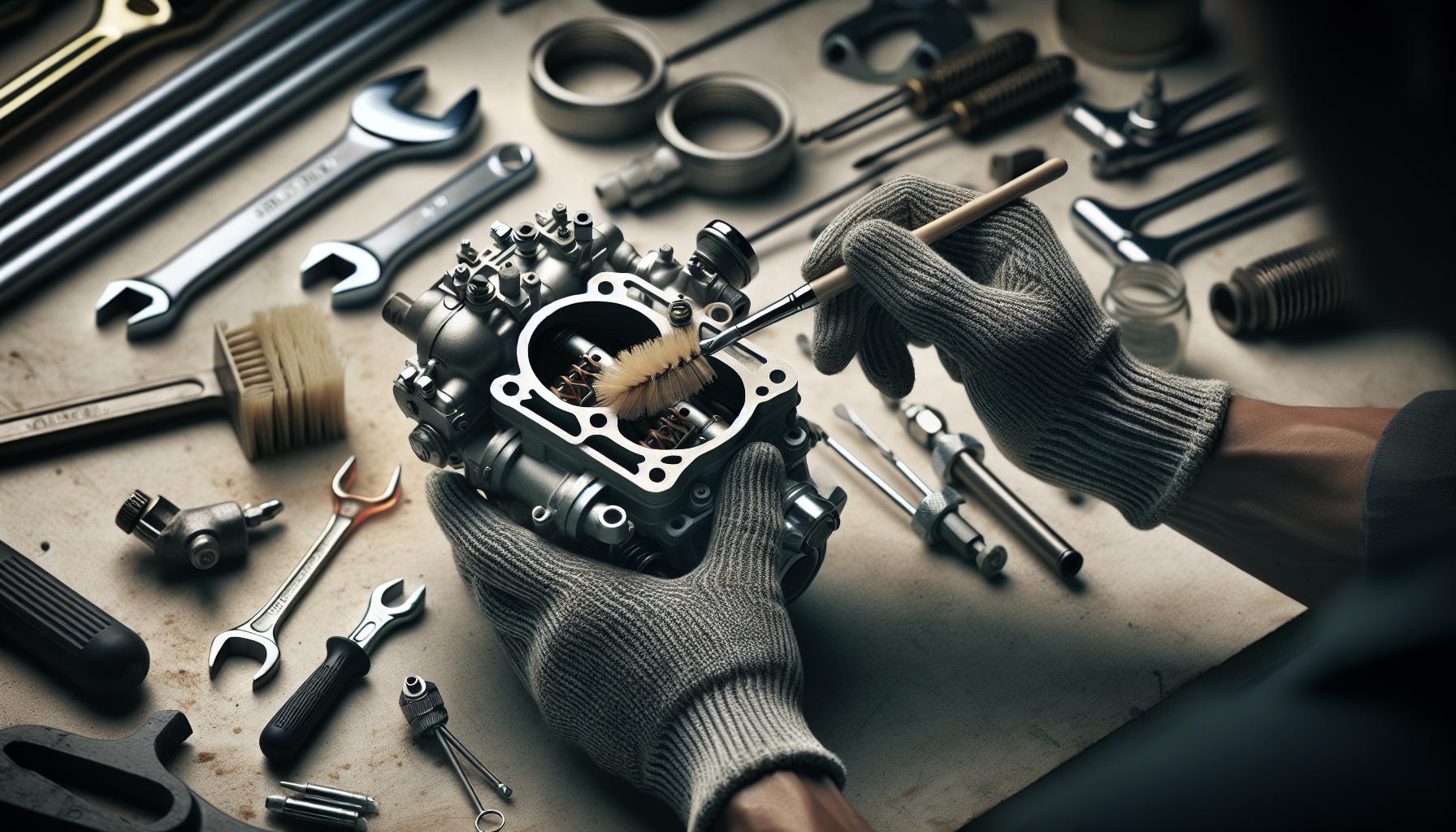
Identifying Common Carburetor Issues
Understanding what’s going on inside your lawn mower’s carburetor is crucial for effective maintenance. Carburetors can present various issues that may hinder your mower’s performance, and recognizing these problems early helps you address them before they turn into costly repairs. A few telltale signs indicate your carburetor may be struggling. For instance, if your mower starts but then stalls, it could signify insufficient fuel delivery due to a clogged passage or float issues.
Another common issue is difficulty starting the mower. If you find yourself pulling the starter cord multiple times with no luck, inspect the carburetor. Old, stale fuel can cause deposits buildup, leading to blockages that restrict fuel flow. Additionally, look out for erratic engine performance; if the mower runs unevenly or exhibits lack of power, this could be a symptom of a faulty carburetor that needs cleaning.
Keep an eye on fuel leaks around the carburetor area. Fuel oozing from the carburetor indicates that the gaskets may be worn or that the carburetor itself is defective. Lastly, check for black smoke coming from the exhaust, suggesting that the mower is running too rich (too much fuel and not enough air). This situation often stems from gunk within the carburetor impeding air intake, making cleaning a top priority.
By developing a keen eye for these common symptoms, you can effectively maintain your lawn mower and ensure it operates at peak performance. Addressing carburetor-related issues early not only helps save time and money but also enhances your lawn mowing experience, keeping your lawn looking its best.
Tips for Preventing Carburetor Clogs
Preventing carburetor clogs is an essential routine for every lawn mower owner, as it helps ensure smooth operation and prolongs the life of your machine. One effective strategy is to use only fresh, high-quality fuel. Stale fuel can lead to the buildup of deposits and varnish inside the carburetor, which can restrict fuel flow. For optimal performance, try to use fuel that has been treated with a fuel stabilizer, especially if your mower will sit unused for an extended period.
Regularly cleaning your mower is another key prevention method. Grass clippings and dirt can accumulate around the carburetor and fuel lines, contributing to clogs. After each use, take a moment to clear away debris that may have settled on the mower. Additionally, inspect and replace the air filter as needed, since a clean air filter ensures that the mower gets the appropriate air-to-fuel ratio, reducing the chance of gunk buildup inside the carburetor.
It’s also vital to maintain a clean fuel system. Before refueling, inspect the gas can and the nozzle for any signs of dirt or debris. Using a funnel with a filter can prevent impurities from entering the tank. Moreover, consider using a fuel additive designed to keep the carburetor clean; these products can help dissolve any existing buildup and keep your fuel system running smoothly.
Lastly, establishing a regular maintenance schedule can go a long way in preventing carburetor issues. Aim for seasonal checks where you assess the entire mower, focusing on the carburetor, its components, and the fuel system. This proactive approach helps you catch small problems before they escalate into more significant issues, ensuring a reliable and efficient mowing experience.
Safe Cleaning Solutions for Your Lawn Mower
Using the right cleaning solutions can make a significant difference in maintaining the efficiency and longevity of your lawn mower carburetor. It’s essential to choose products that effectively dissolve gunk and prevent damage to sensitive components. Many commercial carburetor cleaners are available, but opting for safe, homemade solutions can be just as effective and gentler on your equipment.
Start with a mixture of white vinegar and water. This natural solution can help break down carbon deposits without the harsh chemicals found in some commercial products. Simply mix equal parts of vinegar and water in a spray bottle, then lightly spray the carburetor components, allowing the solution to sit for a few minutes before wiping clean. For more stubborn buildup, consider using isopropyl alcohol (rubbing alcohol). Its strong solvent properties can dissolve greasy residues effectively; apply it with a soft cloth or a toothbrush to scrub delicate areas without risking damage.
For a more thorough clean, carburetor cleaner specifically designed for small engine maintenance can work wonders. These products are formulated to tackle tough grime and varnish, making them ideal for deeper cleaning without disassembly. Ensure that whatever cleaner you choose is safe for use on plastic and rubber components, as some formulations can cause damage. Always follow the manufacturer’s instructions regarding application and safety precautions.
It’s crucial to avoid using harsh solvents, such as bleach or ammonia, as these can corrode metal parts and degrade rubber seals over time. Keeping your cleaning solutions safe and effective not only protects your mower but also enhances its performance, ensuring a smooth mowing experience. Regular maintenance with the right products can help you avoid the frustration of a clogged carburetor and extend the life of your equipment.
Maintaining Your Lawn Mower Post-Cleaning
To ensure your lawn mower continues to perform at its best after cleaning the carburetor, it’s important to carry out a series of maintenance steps that not only preserve the cleanliness of the carburetor but also enhance the overall efficiency of your mower. Regular upkeep minimizes the likelihood of debris buildup and keeps the engine running smoothly.
Inspect Components: After cleaning, take a moment to visually inspect the carburetor and surrounding components. Look for any signs of wear or damage that may have been previously hidden by grime. Pay special attention to the air filter, fuel lines, and gaskets, ensuring they are in good shape. Replacing a clogged air filter or damaged fuel line now can save time and costs later.
Recheck Fuel Quality: Always use fresh, clean fuel in your lawn mower. Stale fuel can lead to poor engine performance and may contribute to carburetor clogs. If you suspect that your fuel has been sitting for too long, it’s wise to drain the old fuel and replace it with fresh gasoline. Adding a fuel stabilizer can also help if you plan to store the mower for a certain period.
Regular Operation: One of the best ways to maintain your mower after a cleaning is by using it consistently. Regular mowing sessions not only keep the lawn neat but also keep the engine parts lubricated and functioning properly. If possible, avoid mowing when the grass is wet, as this can introduce clumps of debris that might clog the carburetor again.
Scheduled Maintenance: Finally, establish a routine maintenance schedule that includes periodic cleaning of the carburetor along with other essential checks. A good rule of thumb is to clean the carburetor every season or after every 25 hours of use, adapting this frequency based on your mowing conditions. Incorporating this into your regular lawn maintenance will help ensure your mower remains reliable during those crucial mowing seasons.
By regularly inspecting and maintaining your lawn mower after a carburetor cleaning, you not only extend the life of your equipment but also enhance its operational efficiency. A little proactive care goes a long way in preventing future problems, ensuring that your lawn mower is always ready to tackle your lawn care needs.
Signs It’s Time for a Professional Carburetor Cleaning
When it comes to ensuring your lawn mower operates smoothly, recognizing when to seek professional carburetor cleaning is crucial. The carburetor plays a vital role in mixing air and fuel for combustion, and when it malfunctions, the effects can range from minor inconveniences to serious operational issues. One of the first signs that your mower might need professional help is persistent difficulty starting the engine. If your mower struggles to start or requires repeated attempts to ignite, it may indicate a blockage or buildup within the carburetor that regular cleaning cannot resolve.
Another telling sign is irregular engine performance. If you notice that your mower is sputtering, losing power, or stalling unexpectedly while in operation, this erratic behavior could signal that the carburetor is clogged or damaged. These performance issues often arise due to accumulated debris or fuel varnish that impedes airflow and fuel delivery. In such cases, a professional cleaning may be necessary to restore optimal functionality.
Additionally, fluctuations in engine speed while mowing can be a red flag. If your lawn mower fails to maintain a consistent RPM or sounds like it is laboring through simple tasks, it may be time to consult a professional. This condition usually occurs when the mixture of air and fuel is not balanced correctly, often due to blockage in the carburetor passages. It’s essential to address this promptly to avoid further complications that could lead to costly repairs.
Lastly, if you have attempted to clean the carburetor yourself without success, it may be better to seek professional assistance. Often, DIY methods may overlook deep-seated clogs or require specialized tools for proper maintenance. By engaging a professional, not only do you ensure your lawn mower is effectively serviced, but you also gain peace of mind knowing that the job is done correctly and safely. Recognizing these signs early can save time, effort, and money, keeping your lawn mower in peak condition for those crucial mowing days.
Troubleshooting After Cleaning the Carburetor
Cleaning your lawn mower’s carburetor can significantly improve its performance, but what happens after you’ve taken the time to do it without removing it? It’s crucial to ensure that everything is functioning correctly post-cleaning, as even minor oversights can lead to ongoing engine issues. Whether you’re dealing with residual debris or adjusting settings, effective troubleshooting can mean the difference between a smoothly running mower and continued frustration.
First, if you notice that the mower still struggles to start or runs inconsistently, check the fuel system. Ensure that clean, fresh gas is being used, as old or contaminated fuel can wreak havoc on performance. Additionally, inspect the fuel lines for cracks or clogs which could impinge on the flow of fuel to the carburetor. Another common cause of issues is improper air-fuel mixture settings; after cleaning, make sure the carburetor’s needle and seat are functioning correctly to avoid flooding.
If the engine seems to sputter or stall after you’ve cleaned the carburetor, it may indicate that some cleaning agents or debris are still lodged within the unit. To rectify this, consider running the mower at a slightly elevated speed for a short duration. This can help flush out any remaining obstructions. It’s also advisable to check the air filter; a clogged filter can lead to restricted airflow, compounding any existing carburetor issues. Regularly inspecting and replacing the air filter ensures that your engine runs with the optimal air-fuel mixture.
In addition, pay attention to the mower’s response during operation. If you experience sudden changes in speed or power, re-examine the carburetor’s adjustment settings. Sometimes, cleaning can inadvertently alter these settings; ensure they are aligned according to the manufacturer’s specifications.
Following these troubleshooting steps can help identify lingering issues after you’ve cleaned your lawn mower’s carburetor. By being proactive and methodical, you can maximize your lawn mower’s efficiency and enjoy a well-maintained lawn without interruption.
Maximizing Lawn Mower Performance After Cleaning
Cleaning your lawn mower’s carburetor can significantly enhance its performance, but proper care and adjustments post-cleaning are essential to truly maximize its efficiency. Even after a thorough cleaning, you might encounter subtle issues that could hinder your mower’s operation. To achieve optimal performance, it’s crucial to focus on specific areas following your cleaning routine.
Start by ensuring that you’re using the right fuel type. As simple as it sounds, the quality of the gasoline used can greatly affect engine performance. Always opt for fresh, high-octane gasoline, free from water and sediment. Additionally, check the fuel lines for signs of wear or blockage, as these can disrupt your mower’s fuel delivery system. It’s also wise to inspect the fuel filter regularly, replacing it if necessary, to guard against clogs that impede fuel flow to the carburetor.
Another vital component is the air filter, which often gets overlooked. A clean air filter allows for adequate airflow, which is essential for maintaining the proper air-fuel mixture. If your mower is stalling or lacks power, it might be time to replace the filter. Regular maintenance of the air filter can prevent many common carburetor issues from developing. When in doubt, consult your mower’s owner’s manual for guidance on maintenance schedules and specific part replacements.
Finally, fine-tuning the carburetor’s settings after cleaning is a crucial step. Ensure that the idle speed is appropriately set and that the air-fuel mixture isn’t too rich or lean. Inaccurate settings can lead to poor engine performance or stalling. A small adjustment can make a big difference-often representing the difference between a well-performing mower and one that struggles. Following these steps not only revitalizes your lawn mower’s operation but also ensures a beautifully manicured lawn year after year.
Lawn Mower Maintenance: Cleaning the Entire Machine
Keeping your lawn mower in top shape requires more than just a clean carburetor; it’s about maintaining the entire machine for optimal performance. Regular cleaning not only extends the life of your lawn mower but also enhances its efficiency, allowing you to achieve a well-manicured lawn effortlessly. Think of your mower as an investment: by treating it with the care it deserves, you can ensure it continues to perform at its best season after season.
Start your comprehensive cleaning routine by removing any grass clippings and debris from the mower’s deck. Over time, buildup can lead to corrosion and affect the mower’s performance. Use a stiff brush or a putty knife to scrape off stubborn buildup from hard-to-reach areas. Be sure to pay attention to the underside of the deck, as clippings and dirt here can impede the mower’s cutting ability. After scraping, rinse off the deck with a hose to wash away remaining particles. Make sure to let it dry completely before proceeding to the next steps.
Next, consider the wheels and the blades-these components face the most strain during operation. For the blades, sharpen them regularly to ensure they cut efficiently. Dull blades can tear grass rather than cutting it cleanly, which can lead to an unhealthy lawn. After sharpening, balance the blades to avoid vibration while mowing. As for the wheels, check for any debris wrapped around the axles and clear it away. Lubricate the wheels as needed to ensure they turn smoothly and check the tire pressure to maintain traction.
Finally, don’t overlook other components like the air filter and spark plug. A clean air filter allows your engine to breathe, improving fuel efficiency and performance. Inspect and clean or replace the filter as necessary. Similarly, a well-maintained spark plug ensures a reliable start and smooth engine operation. If you notice any signs of wear, replace it to avoid performance issues. By regularly attending to these various maintenance tasks, you’ll keep your lawn mower running efficiently and effectively, ready for every mowing session.
Frequently Asked Questions
Q: How can I tell if my lawn mower carburetor needs cleaning without removing it?
A: You can identify the need for carburetor cleaning if your mower starts sputtering, has difficulty idling, or shows reduced power. Additionally, if you’ve noticed gas leaking from the carburetor, these are signs indicating that it may need a thorough clean. For detailed symptoms and solutions, see the section on identifying common carburetor issues.
Q: What are the safest cleaning solutions for a lawn mower carburetor?
A: The safest cleaning solutions include carburetor cleaner sprays, which are specifically formulated for this purpose, and a mixture of water with mild dish soap. Avoid harsh chemicals that could damage plastic or rubber parts. For more options, refer to the section on safe cleaning solutions.
Q: Can I use vinegar to clean my lawn mower carburetor?
A: Yes, vinegar can be used to clean the carburetor due to its acidity, which helps dissolve deposits. Mix equal parts of vinegar and water, apply it, let it soak, and wipe clean. Ensure that vinegar does not sit too long to avoid corrosion of metal components. For additional tips, see the article on safe cleaning solutions.
Q: How often should I clean my lawn mower carburetor?
A: It’s advisable to clean your lawn mower carburetor at least once a season or if you experience performance issues. Regular maintenance can prevent dirt buildup and ensure optimal performance. For maintaining your lawn mower effectively, consult the maintenance section of the article.
Q: What tools do I need to clean a lawn mower carburetor without removing it?
A: Essential tools include a spray carburetor cleaner, a soft brush, a cloth, and possibly a small funnel and container for catching excess cleaner. For a complete list of tools, check the section on essential tools for cleaning your carburetor.
Q: How do I prevent my lawn mower carburetor from clogging in the future?
A: To prevent clogs, use high-quality fuel, keep your mower clean, and consider adding a fuel stabilizer during long-term storage. Regularly inspect and clean the air filter and fuel lines as well. For more preventative measures, see the tips for preventing carburetor clogs.
Q: What are the signs that indicate a professional should clean my lawn mower carburetor?
A: Signs that indicate the need for a professional cleaning include persistent starting issues, excessive fuel consumption, or if the mower still performs poorly after your attempts to clean it. For more details on assessing when to seek professional help, check the signs it’s time for a professional carburetor cleaning section.
Q: Will cleaning the carburetor improve my lawn mower’s performance?
A: Yes, cleaning the carburetor can significantly enhance your lawn mower’s performance, leading to better fuel efficiency, smoother operation, and more reliable starts. For maximizing performance post-cleaning, see the relevant section in the article.
Final Thoughts
Thank you for watching our guide on how to clean a lawn mower carburetor without removing it. By following these steps, you can keep your mower running smoothly and improve its performance. Don’t forget, regular maintenance is crucial-consider checking out our article on “Essential Lawn Mower Maintenance Tips” and explore our “Lawn Care Basics” guide for more insights.
We encourage you to subscribe to our newsletter for the latest tips and tricks to keep your lawn care tools in top shape. If you have any questions or need further clarification, please leave a comment below; we’d love to help! Remember, a clean carburetor means a happy lawn mower-take action today to ensure a lush, green yard tomorrow.