
Did you know that a well-maintained lawn mower can enhance your home’s curb appeal while saving you time and money in the long run? Cleaning your lawn mower is crucial for optimal performance and longevity, ensuring that it operates efficiently and cuts grass evenly. Neglecting this vital maintenance step can lead to unnecessary wear and tear, decreased functionality, and even costly repairs. By dedicating a little effort to keep your mower clean, you’ll not only prolong its life but also create a lush, healthy lawn that turns heads in the neighborhood. Curious about how to get started? Read on for expert tips that will transform your mowing experience and keep your yard in pristine condition.
How Cleaning Your Lawn Mower Boosts Performance
Cleaning your lawn mower is not merely a chore; it’s a vital step in ensuring its peak performance and longevity. A remarkably tidy mower operates more efficiently, allowing you to achieve a healthier and more aesthetically pleasing lawn. When grass clippings, dirt, and debris build up on the mower’s deck and blades, they can impede its cutting ability, leading to uneven grass and increased strain on the engine. In contrast, regular cleaning enhances airflow to the engine, lowers the risk of overheating, and maintains the sharpness of the blades, contributing significantly to a smooth mowing experience.
Moreover, a clean mower operates quieter and consumes fuel more efficiently. Grass clippings can create a layer of dampness that prevents proper air circulation, fostering rust and corrosion, which ultimately impacts the mower’s overall efficiency. By making cleaning a routine part of your lawn care, you’ll not only prolong the life of your mower but also improve its cutting performance. In fact, many professional landscapers recommend a thorough clean after every use during the mowing season to keep machines running optimally.
Regular maintenance, including cleaning, cultivates a deeper connection with your equipment, allowing you to notice minor issues before they escalate into costly repairs. It’s also worth noting that a clean mower is safer; debris can potentially be ejected during mowing, posing risks to the operator and surrounding areas. Thus, investing time in keeping your mower clean rewards you with a more efficient machine, safer operation, and better overall results in your lawn care endeavors.
Essential Tools for a Successful Mower Cleaning
Cleaning your lawn mower is a task that can significantly enhance its performance and longevity, but achieving a thorough clean requires the right tools. Utilizing the correct equipment not only streamlines the process but also ensures that every corner of your mower is properly maintained. A well-equipped cleaning arsenal can help you tackle tough spots and keep your mower in optimal condition, ultimately contributing to a healthier lawn.
To start, gather a sturdy pair of gloves and safety goggles. These items are essential for protecting your hands and eyes from sharp blades and debris. Next, a plastic scraper or putty knife is invaluable for removing stubborn grass clippings and dirt buildup from the mower’s deck. For more challenging spots, a stiff-bristled brush can effectively dislodge any remaining debris, ensuring that your mower remains free from buildup that can impair its functionality.
In addition to these, a garden hose or pressure washer can be extremely helpful for rinsing off loose grass and dirt. If you’re using a pressure washer, be cautious-maintain a safe distance to avoid damaging the mower’s components. For a detailed clean, consider using a degreaser or specialized mower cleaner, as these products can cut through grease and grime more effectively than water alone. Lastly, a clean cloth or towel should be on hand to dry and wipe down the mower after cleaning, preventing moisture accumulation and reducing the risk of rust.
By equipping yourself with these essential tools, you’ll be prepared to keep your lawn mower in pristine condition. Not only does this contribute to better performance during mowing sessions, but it also extends the life of your equipment, making your investment in lawn care smarter and more efficient.
Step-by-Step Guide to Cleaning Your Lawn Mower
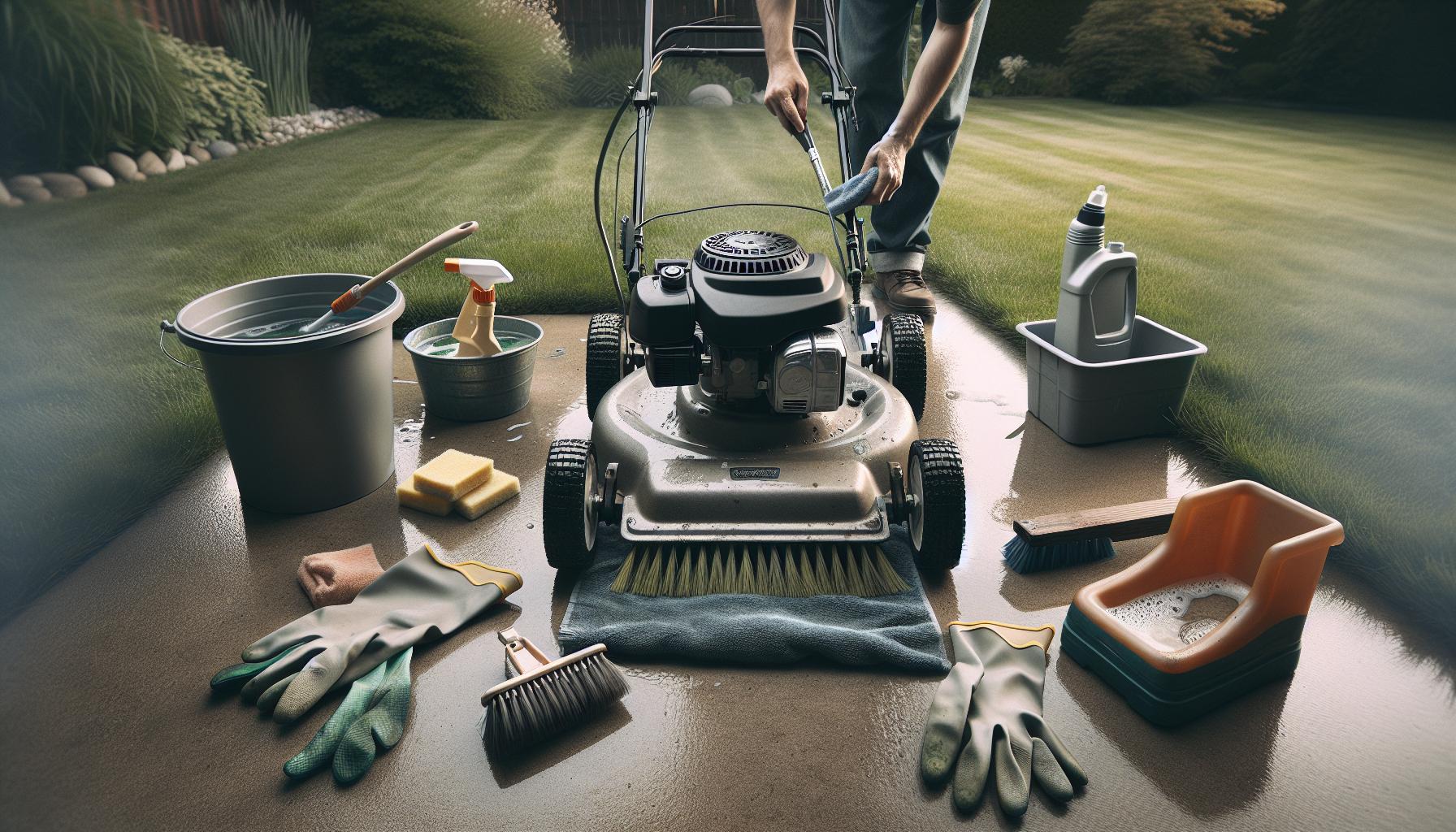
Cleaning your lawn mower regularly can drastically improve its efficiency and extend its lifespan. Neglecting this simple task can lead to accumulated debris that hinders performance, reduces fuel efficiency, and may even invite rust. To tackle the cleaning process effectively, follow this step-by-step guide to ensure every part of your mower is properly maintained.
First, safety is paramount. Before you begin, make sure your mower is turned off and unplugged, if applicable. It’s advisable to wear gloves and goggles to protect yourself from sharp blades and debris. Once you’re ready, start by removing any large clumps of grass and debris that may have lodged around the cutting deck and wheels. Use a scraper or putty knife to dislodge stubborn clippings and dirt.
Next, wash the deck. If your mower has a wash port, connect a garden hose to it according to the manufacturer’s instructions. This feature allows for easy cleaning of the cutting deck and can be used after every mowing session. If a wash port isn’t available, carefully flip the mower (making sure the air filter side is facing up) and scrub the deck with a stiff brush under running water. This will help eliminate the residual grass that can rot and cause rust.
Once the deck is clean, turn your attention to the blades. Worn or dull blades can tear grass rather than cut it cleanly. Inspect the blades for damage and sharpen or replace them as necessary. Use a wrench to loosen the blade assembly and carefully remove the blades for sharpening. Make sure to follow all safety precautions to avoid injury.
Finally, dry your mower thoroughly to prevent rust. Wipe down the exterior with a cloth, ensuring all moisture is removed from the deck and other components. After everything is clean and dry, consider applying a light coat of oil to the blades and moving parts to further protect against corrosion during storage.
By following these steps, you’ll not only enhance your mower’s performance but also ensure it remains a reliable ally in your lawn care routine. Regular cleaning will help you avoid potential issues and keep your mower running smoothly for many seasons to come.
The Importance of Cleaning the Blades and Deck

To maintain a healthy lawn, the condition of your mower’s blades and deck is paramount. Clean blades cut grass more efficiently, ensuring a pristine lawn and healthy growth, while a clean deck prevents the buildup of clippings and debris that can lead to rust and corrosion. Neglecting these components can not only compromise your mower’s performance but could also lead to an untidy lawn, which may detract from the overall curb appeal of your home.
When the blades are clean and sharp, they make a precise cut, which minimizes the risk of damaging grass. This allows your lawn to recover quickly after mowing and promotes a thicker, more vibrant turf. In contrast, dull blades create ragged cuts that weaken your grass, making it more susceptible to disease and pests. Therefore, regularly cleaning and sharpening your mower’s blades is essential. This simple practice can enhance the health of your lawn significantly.
The deck of the mower plays a crucial role in its efficiency. If left uncleaned, it becomes a breeding ground for grass clippings and muck, obstructing airflow and reducing cutting performance. Furthermore, the wet, decayed clippings can rust the metal parts of the mower, ultimately shortening its lifespan. A quick wash after each mow, especially if your mower is equipped with a wash port, can go a long way in preserving the integrity of its components. For those without a wash port, simply flipping the mower and scrubbing off debris can be effective.
In summary, maintaining clean blades and a tidy deck is not merely a cosmetic concern; it is vital for your mower’s functionality and longevity. By investing a little time in this maintenance task regularly, you’ll ensure smoother operation, prolong the life of your mower, and contribute to a healthier lawn that stands out beautifully in every season.
Understanding the Impact of Regular Maintenance

Regular maintenance of your lawn mower is not just a chore-it’s a crucial investment in the performance and longevity of your equipment. Did you know that a well-maintained mower can enhance your lawn’s health and appearance while saving you time and money in the long run? By keeping your mower clean and functioning at its best, you ensure not only a higher quality cut but also a reduced risk of mechanical failure.
A consistent maintenance routine allows you to catch potential issues before they escalate into more significant problems, which can be costly and time-consuming. For example, regularly checking and cleaning the air filter can prevent the engine from overworking due to restricted airflow. Similarly, sharpening the blades regularly not only helps produce cleaner cuts but significantly reduces the effort required from the engine, which leads to better fuel efficiency.
Moreover, extends to the aesthetics and health of your lawn. A clean deck and sharp blades contribute to smoother operation, preventing damage to your grass while also minimizing the chances of disease and pest infestation. This proactive approach translates into a lush, vibrant lawn that enhances your home’s curb appeal.
In addition to improving performance, maintaining your mower creates a safer working environment. A well-kept mower is less likely to malfunction or become a fire hazard, particularly if you take steps to clear clippings and debris from the engine and deck after each use. All these factors combine to illustrate that a dedicated routine of mower maintenance is essential-not just for extending the life of your machine but for achieving a beautiful, healthy lawn that you can enjoy throughout the seasons.
How Often Should You Clean Your Lawn Mower?
To keep your lawn mower performing at its peak, understanding how often to clean it is essential. Regular cleaning not only enhances the machine’s efficiency but also extends its lifespan significantly. For most homeowners, a thorough clean should be done after each mowing session during the active growing season. This is crucial because grass clippings and debris can accumulate, potentially hindering performance and leading to rust and corrosion.
Furthermore, there are specific schedules to consider depending on usage conditions. If you’re mowing a small, well-maintained lawn, a light clean after each use might suffice, with a deeper clean every few weeks. However, for those mowing larger or more rugged areas-or if your mower deals with wet grass-a more rigorous cleaning routine should be followed. Ideally, you should aim to perform a deep clean at least once per month, especially during peak growing months.
Aside from routine maintenance, it’s also advisable to clean your mower before long-term storage, like at the end of the mowing season. This helps prevent any buildup of organic material that could harbor pests or create rust over time. By making cleaning a regular part of your mowing routine, you not only enhance performance but also safeguard your investment, ensuring that your lawn mower is always ready to tackle the next round of mowing.
Tips for Preventing Rust and Corrosion
Rust and corrosion are the silent enemies of your lawn mower, and ignoring them can lead to costly repairs or a complete replacement of your equipment. To ensure your mower remains in top condition, adopting preventive measures is essential. A key practice is to keep your mower dry and clean after each use. Removing grass clippings and any residual debris will help minimize moisture retention, which can accelerate rust formation.
Consider applying a protective coating to your mower’s metal surfaces. This can be as simple as using automotive wax or a specialized mower spray. Occasional application of these products can create a barrier against moisture and environmental elements. Additionally, checking and replacing any damaged seals or gaskets will prevent water from penetrating vital parts of the mower.
Regular lubrication is another effective rust prevention strategy. Ensure that all moving parts are well-lubricated, using appropriate oils specifically designed for lawn mowers. This not only reduces friction and wear but also shields against rust by displacing moisture.
If you live in a particularly humid region, consider storing your mower in a sheltered area. Using a tarp or a mower cover can further protect it from the elements. Even during the off-season, be vigilant; a thorough cleaning and oiling of the mower before storing it can make a big difference, keeping it rust-free and ready for action when mowing season returns. These simple yet effective practices will not only extend the life of your lawn mower but also enhance its performance, ensuring you get the best results from your efforts on the lawn.
Common Mistakes to Avoid When Cleaning
When it comes to cleaning your lawn mower, even seasoned users can fall into common traps that not only hamper the cleaning process but can also cause damage to the mower itself. One of the most frequent mistakes is neglecting to disconnect the spark plug before performing any cleaning. This simple step can prevent accidental starts, which could lead to injuries or damage to the mower. Always ensure that it is safe to work on your mower by completing this precautionary measure first.
Another pitfall involves using high-pressure water sprays indiscriminately on the mower. While it might seem efficient for removing clippings and debris, this method can force water into electrical connections or bearings, risking rust and electrical failures. Instead, opt for a gentle rinse with a garden hose and focus on areas that hold debris, ensuring that water does not pool in vulnerable spots. Use a brush or cloth for stubborn patches rather than abrasive tools that could scratch or damage the surface.
It’s also crucial to avoid overlooking the underside of the mower deck. Grass buildup can impede performance, so when cleaning, make this area a priority. Many people clean the exterior but neglect what lies beneath, leading to clumping and uneven grass cutting. Regularly checking and removing this buildup will not only enhance cutting efficiency but also extend the life of your mower.
Lastly, failing to properly dry your mower after washing it can lead to rust formation. Moisture left on metal parts creates an environment for rust and corrosion to thrive. To combat this, dry the mower thoroughly with a soft cloth or leave it in a well-ventilated area to air dry completely before storage. By avoiding these common mistakes, you can maintain your mower’s performance and ensure it serves you effectively for many seasons to come.
Seasonal Cleaning Checklist for Lawn Mowers
Cleaning your lawn mower is not just about aesthetics; it’s an essential practice that ensures optimal performance and longevity of the machine. Seasonal maintenance provides an opportunity to assess and care for your mower thoroughly, leading to better cutting efficiency and improved durability over time. By being proactive with your cleaning routine, you can significantly enhance your mowing experience and prevent costly repairs.
To help you get started, here’s a checklist to guide you through the seasonal cleaning of your lawn mower:
Seasonal Cleaning Checklist
- Disconnect the Spark Plug: Always start by ensuring safety. Disconnecting the spark plug prevents accidental starts while you clean.
- Remove Debris: Use a brush or a cloth to clean off grass clippings, dirt, and leaves from the mower’s exterior. Pay special attention to air vents to improve airflow.
- Clean the Mower Deck: Scrape off any grass buildup from the underside of the mower deck using a plastic or wooden scraper to avoid damaging the metal.
- Inspect the Blades: Remove the blades to clean and sharpen them. Dull blades can tear grass rather than cut it cleanly, which affects lawn health.
- Change the Oil: If applicable, drain old oil and replace it with fresh oil for a more efficient engine performance.
- Replace Filters and Spark Plugs: Change the air filter and spark plugs as needed to ensure proper engine function.
- Check Fuel System: Inspect the fuel line for cracks, and use fresh fuel. Old fuel can cause starting issues.
- Clean the Wheels and Axles: Remove dirt and debris from the wheels to ensure smooth mobility.
- Dry the Mower: After cleaning, make sure to dry the mower thoroughly to prevent rust formation.
- Inspect for Wear and Tear: Look for any signs of wear on belts, cables, and other parts; replace them if necessary.
By following this checklist, you can extend the life of your mower and maintain optimal cutting performance throughout the mowing season. Regular care not only keeps your mower running efficiently but also enhances the quality of your lawn, making it a worthwhile investment of your time.
How to Store Your Mower for Longevity
Proper storage of your lawn mower is a crucial step in ensuring its longevity and optimal performance, especially during the off-season. Just as regular cleaning enhances the mower’s function, appropriate storage practices help prevent deterioration caused by environmental factors. Ideally, a well-stored mower will provide dependable service for years, sparing you the costs and hassles of premature repairs or replacement.
When preparing your mower for storage, consider the following essential steps to maximize its lifespan:
- Thorough Cleaning: Before storing, give your mower a thorough clean. Remove all grass clippings, dirt, and debris, particularly from the deck and underside, as leftover material can promote rust and corrosion over time.
- Dry It Completely: Ensure the mower is fully dry to prevent moisture buildup, which can lead to rust. Wipe down metallic surfaces and allow any wet areas to air dry before putting it away.
- Fuel Considerations: If you use gasoline, either drain the tank completely or add a fuel stabilizer to prevent gumming and disruption to the engine’s fuel system. Running the engine for a few minutes after adding the stabilizer ensures it circulates through the entire system.
- Lubrication: Apply a light coating of oil to the mower’s metal parts to protect against rust and keep the moving components functioning smoothly.
- Safe and Stable Location: Store the mower in a dry, cool place away from direct sunlight. Choosing a stable surface prevents tipping or accidents that might damage the mower.
- Cover It Up: Consider using a protective cover to shield the mower from dust, moisture, and pest infestations, but ensure that the cover is breathable to prevent condensation.
Investing time in these storage practices can dramatically enhance your mower’s durability, ensuring that it is ready to deliver optimal performance when the mowing season returns. Whether you’re tucking it away for the winter or simply for a short break, the right preparation can make all the difference.
Eco-Friendly Products for Lawn Mower Care
Using not only benefits the environment but also enhances the performance and longevity of your equipment. With traditional cleaning agents often containing harsh chemicals, opting for greener alternatives helps reduce your ecological footprint while protecting the delicate balance of your garden. For instance, natural degreasers like vinegar and baking soda can effectively break down grime and rust without introducing toxic substances into your lawn or surrounding ecosystem.
When it comes to lubricants, consider using biodegradable oils derived from plant sources. These products not only minimize environmental impact but also provide excellent performance in reducing friction between moving parts. Products labeled as “eco-friendly” often undergo rigorous testing to ensure they meet environmental standards, offering peace of mind while maintaining mower efficiency.
Additionally, look for ecological mower care products specifically designed for mulching mowers. These not only clean but also enhance the soil quality as you mow, returning nutrients to the earth. Products that promote mulching or composting tend to support a healthier lawn while ensuring that clippings do not clog the mower’s mechanisms.
Beyond cleaning, consider exploring sustainable tools for maintenance tasks. Eco-conscious manufacturers produce brushes and scrapers made from recycled materials, making them a perfect choice for those looking to reduce plastic waste while effectively cleaning their mowers. By integrating these eco-friendly products into your lawn care routine, you will contribute to a healthier yard and a more sustainable future.
Signs Your Lawn Mower Needs Professional Help
A well-maintained lawn mower can make the difference between a beautifully manicured yard and a frustrating mowing experience. However, there are times when a mower’s performance can dip due to underlying issues that cleaning alone cannot address. Recognizing these signs can help you determine when it’s time to seek professional assistance, ensuring your mower operates at its best.
One of the most obvious indicators is persistent poor performance. If your mower struggles to start, or if it starts stuttering or stalling while in use, these issues may point to deeper mechanical problems such as a failing spark plug, fuel line obstructions, or issues within the carburetor. Regular cleaning may not rectify these problems, as they often require specialized tools and knowledge to fix.
Additionally, keep an eye out for unusual noises. If your mower begins to make loud clanking or grinding sounds, it could indicate worn or damaged internal components. Such sounds can signal issues ranging from loose parts to severely degraded bearings. Attempting to diagnose these problems without expert assistance might lead to further damage, resulting in costly repairs down the line.
Another red flag is excessive vibration during operation. If your mower shakes more than usual, it could mean that the blades are misaligned, or there are imbalances in other parts of the mower. A professional can help recalibrate the components to restore balance, which is crucial for effective mowing and minimizes the risk of injury.
Lastly, be vigilant about visible signs of wear or damage. Frayed cables, leaking oil, and rust spots might indicate that parts need replacement or repair. While routine cleaning is essential for maintenance, neglecting these signs can lead to more severe mechanical failures. It’s best to consult with a professional technician who can conduct a thorough inspection and provide a solution tailored to your mower’s condition.
In summary, maintaining a lawn mower is about more than just cleaning; it requires being attuned to its operational performance. Regular checks coupled with professional help when needed can significantly extend the life of your mower and enhance its performance, allowing you to achieve that perfect lawn with minimal hassle.
Frequently Asked Questions
Q: How often should I clean my lawn mower?
A: You should clean your lawn mower after each use, especially if you’re mowing in wet or muddy conditions. Regular cleaning helps maintain performance and prevents rust. For optimal performance, consider deep cleaning at the beginning and end of each mowing season, as detailed in our article section on “How Often Should You Clean Your Lawn Mower?”
Q: What parts of my lawn mower should I focus on when cleaning?
A: Focus on the blades, deck, air filter, and housing. Cleaning the blades and deck ensures a clean cut, while the air filter prevents engine strain. For a thorough guide, see our section on “The Importance of Cleaning the Blades and Deck.”
Q: Can I use a pressure washer to clean my mower?
A: It’s generally not recommended to use a pressure washer, as it can force water into sensitive components. Instead, use a hose with a spray nozzle and a brush for effective cleaning without damage. Find more tips in our section on “Common Mistakes to Avoid When Cleaning.”
Q: What type of cleaning products are best for lawn mowers?
A: Use non-toxic soap or specialized mower cleaners that won’t corrode the metal parts. Avoid harsh chemicals that could harm the engine. For eco-friendly options, check our article on “Eco-Friendly Products for Lawn Mower Care.”
Q: How do I remove rust from my lawn mower?
A: To remove rust, lightly sand the affected area and apply a rust-inhibiting primer followed by paint. Keep your mower clean and dry to prevent future rust, as discussed in “Tips for Preventing Rust and Corrosion.”
Q: Why is regular mowing machine cleaning important?
A: Regular cleaning enhances performance, extends the life of your mower, and improves the quality of your cut. Dirt and grass can lead to mechanical issues if not addressed, explained in our section “Understanding the Impact of Regular Maintenance.”
Q: How do I know if my lawn mower needs professional help?
A: If you experience consistent difficulty starting the mower, unusual noises, or reduced cutting performance despite proper maintenance, it may require professional servicing. For more signs to watch for, see “Signs Your Lawn Mower Needs Professional Help.”
Q: What should I do before storing my lawn mower for the winter?
A: Before storage, clean the mower, change the oil, check and replace the spark plug, and store it in a dry place. For a comprehensive checklist, refer to our “Seasonal Cleaning Checklist for Lawn Mowers.”
To Wrap It Up
By keeping your lawn mower clean, you not only enhance its performance but also extend its lifespan-ensuring a well-groomed lawn all season long. Take action today: incorporate these cleaning tips regularly to maximize efficiency and reduce the need for costly repairs. For deeper insights, explore our guides on “Lawn Mower Maintenance Tips” and “Best Lawn Care Practices” to elevate your lawn care routine further.
Have questions or need clarification? Feel free to leave a comment below-we’d love to hear from you! And don’t forget to sign up for our newsletter to receive the latest expert advice directly in your inbox. Together, we can keep your lawn care journey thriving!