
Did you know that a well-maintained push reel lawn mower can offer a cleaner cut and be more environmentally friendly than gas-powered alternatives? Sharpening your mower the old-school way not only enhances its efficiency but also gives you a deeper connection to the art of lawn care. This traditional method can seem daunting, yet it’s an essential skill that empowers you to maintain a lush, healthy lawn while minimizing noise and chemical use. As you delve into this guide, you’ll discover step-by-step techniques that demystify the sharpening process, ensuring your mower performs at its best. Get ready to take your lawn maintenance to the next level and embrace a satisfying, hands-on approach that honors classic gardening practices.
Choosing the Right Tools for Mower Sharpening
When it comes to sharpening a push reel lawn mower, having the right tools can make all the difference in achieving a clean and precise cut. A well-maintained mower not only enhances the health of your lawn but also makes the mowing experience smoother and more enjoyable. To begin with, you will need a basic sharpening kit comprising a few essential items that are both effective and easily accessible.
Sharpening Tools You Will Need:
- File or Sharpening Stone: A flat file or a sharpening stone designed for blade sharpening is crucial for honing the edges of the mower blades. A fine-toothed file is preferred for quick and efficient sharpening.
- Block of Wood: To maintain the correct angle while sharpening, a sturdy block of wood serves as a reliable guide. This will help ensure that you sharpen evenly without unintentionally altering the blade geometry.
- Wrenches or Socket Set: Depending on your reel mower model, you may require wrenches or a socket set to remove the blade assembly. This will allow you to access the blades for sharpening.
- Cleaning Brush: It’s important to clean the blades of any grass clippings or debris before starting the sharpening process. A stiff-bristled brush can help clear away any buildup that might interfere with sharpening.
- Protective Gloves: Always wear protective gloves to safeguard your hands from sharp blades during the sharpening process.
Once you have gathered your tools, it’s important to familiarize yourself with the mower’s mechanics to understand where to focus your sharpening efforts. Knowledge of how the blades interact with the reel will help you avoid common pitfalls and ensure effective maintenance. Regular sharpening, performed with the right tools, will enhance the cutting performance of your mower, leading to a healthier and more vibrant lawn.
Understanding Push Reel Mower Mechanics
A well-understood reel mower operates on a fundamental principle that sets it apart from rotary mowers: the relationship between the cutting blades and the reel itself. In a push reel mower, multiple blades rotate against a fixed blade, creating a scissor-like action that cuts grass cleanly rather than tearing it, which is often the case with other types of mowers. This design not only provides a finer cut but also promotes healthier grass growth, as clean cuts minimize stress on the blades.
An essential aspect to appreciate is the geometry of the blades and their orientation. The blades are set at a slight angle to the reel, allowing them to slice through the grass as they rotate. This interaction is finely tuned; if the blades are dull, the efficiency of this action diminishes, leading to ragged cuts and increased stress on the mower. Regular sharpening ensures that this scissor action remains effective, which is crucial for maintaining an attractive lawn.
Moreover, understanding the mower’s mechanics helps inform the best practices for maintenance. Regular checks of the blade alignment and the adjustment of the screws that hold the blades are necessary to ensure optimal performance. For example, if the blades are too far apart, they won’t cut effectively, even if they are sharp. Conversely, if they are too close, they may bind or wear down quicker. Thus, keeping an eye on these small but significant details will greatly improve the mower’s overall function and longevity.
When sharpening the blades, consider the reel’s rotation direction. Sharpening the edges at the right angle enhances the cutting performance, promoting that proper scissor-like action. With each sharpening session, remember to clean debris that may accumulate between the blades and the reel, as this buildup can hinder movement and cutting effectiveness. Understanding these mechanics ensures that you can maintain your push reel mower in peak condition, ultimately resulting in a beautiful, healthy lawn.
Step-by-Step Guide to Sharpening Blades
To achieve the best results with your push reel mower, sharpening the blades is essential to maintain their cutting efficiency. This process, often overlooked, can significantly enhance your mowing experience and the health of your lawn. By following these straightforward steps, you can ensure that your mower blades are sharpened effectively, allowing for clean, precise cuts that nurture rather than damage your grass.
Begin by gathering your tools, which typically include a file or sharpening stone, a wrench to loosen the blades, and a cleaning brush. Wear gloves for safety and to maintain grip. Start by removing any debris from the mower to get a clear view of the blades. Then, using the wrench, carefully loosen the screws that secure the reel to the frame, ensuring the blades can be accessed easily without detaching the entire unit.
Once exposed, inspect the blades for nicks, dullness, or signs of wear. This inspection will guide your sharpening efforts. Using your file or sharpening stone, work at a consistent angle to grind the blade edges, typically around 30 degrees. Make sure to go from the inside of the blade outward, maintaining even pressure. A steady hand is crucial here; aim for a clean, smooth edge, reminiscent of a knife’s sharpness. It’s beneficial to check your progress regularly to prevent over-sharpening.
After you’ve sharpened the blades, reattach them securely, ensuring they are properly aligned. Clean any residual metal shavings and lubricate the mower to keep it in good working condition. Finally, conduct a test cut on a patch of grass. The mower should move smoothly and the grass should be cut cleanly. If the mower is still struggling or producing a ragged cut, you may need to repeat parts of the sharpening process or check for other mechanical issues. With these steps, you’ll not only extend the life of your mower but also enhance your lawn care routine.
Maintenance Tips for Long-Lasting Sharpness
To keep your push reel mower performing at its best, maintaining the sharpness of the blades is vital. Regular upkeep not only prolongs the effectiveness of your lawn care tool but also enhances your mowing experience. A well-maintained mower glides through grass with ease, resulting in a healthier lawn due to cleaner cuts that do not tear or damage the blades of grass.
One effective way to ensure long-lasting sharpness is to clean the blades after each use. Grass clippings, mud, and moisture can cause corrosion and dullness. Utilize a stiff brush or a small putty knife to remove any debris stuck to the blades. Additionally, applying a light layer of oil to the blades can create a barrier against rust and moisture. This simple practice can significantly extend the life of the sharp edge you’ve worked hard to establish.
Storage conditions play a crucial role in maintaining sharpness. When not in use, store your mower in a dry, cool environment, away from moisture and elements that can cause oxidation. If possible, elevate it to prevent contact with damp ground. Contemplating end-of-season storage? Consider applying a protective coating to the blades to prevent rust during winter months.
Regular inspections of the mower are also beneficial. Look for any signs of wear, such as chips or cracks in the blades, that could compromise their cutting ability. If you notice any issues, address them promptly-don’t wait until it’s time to mow again. Incorporating these maintenance tips will help you enjoy a more effective and efficient mowing experience, while also nurturing the health of your lawn.
Common Mistakes When Sharpening Blades
Sharpening the blades of a push reel mower is essential to achieving a clean and efficient cut, yet many owners stumble into common pitfalls that detract from this important task. One frequent mistake is overlooking the alignment of the blades before sharpening. A misaligned set of blades can lead to uneven cuts and increased wear. Ensuring that the cutting blades are properly aligned against the bedknife not only enhances cutting efficiency but also extends the lifespan of your mower by preventing unnecessary friction.
Another prevalent error is using the wrong sharpening tool. For push reel mowers, a specialized sharpening file or sharpening kit designed for reel mowers is ideal. Standard rotary tools or overly aggressive sharpening methods can damage the blades or alter their angle, which defeats the purpose of sharpening. Instead, using a gentle touch with the appropriate tools ensures that the blades maintain their proper shape and cutting edge.
Additionally, enthusiasts often neglect to clean the blades before sharpening. Grass clippings, dirt, and moisture can hinder the sharpening process and lead to rust if not removed. Taking a few moments to clear away debris with a stiff brush or a putty knife will not only ensure a better sharpening job but also protect the blades from corrosion.
Finally, failing to test the cutting performance afterward is a critical oversight. After sharpening, conduct a simple test by mowing a patch of grass. If the mower doesn’t perform as expected or still tears the grass, further adjustments may be necessary. Regular testing ensures that your efforts on the sharpening bench translate into a healthier lawn. Avoiding these common miscues will make the sharpening process more effective and enhance the longevity of your push reel mower, transforming it into a tool that provides a satisfying, clean cut season after season.
How to Test Cutting Performance After Sharpening
To ensure that your push reel mower is functioning at its best after sharpening, you must conduct a thorough test of its cutting performance. A well-sharpened mower should provide a clean, even cut without tearing the grass, which is essential for the overall health of your lawn. Start by selecting a small, manageable patch of grass. Ideally, choose areas with uniform growth and no excessive moisture, as wet grass can skew your results and lead to inaccurate assessments.
When you begin mowing, pay close attention to how the mower handles. A properly sharpened mower should glide smoothly through the grass with minimal effort. If you notice any resistance or difficulty, it could indicate that the blades are not aligned correctly or that further sharpening may be necessary. For an optimal test, consider mowing using different speeds and patterns. This helps gauge how well the mower adapts to various cutting conditions.
After mowing, inspect the grass blades closely. Healthy grass should appear neatly cut at the tips, rather than ragged or torn. This is a sign of effective cutting performance. If the blades show signs of shredding or tearing, it may mean that the sharpening wasn’t effective, or the mower’s blade alignment needs adjustment. Additionally, clipping behavior can provide insights. If the mower clumps up grass rather than dispersing it evenly, this can also indicate issues with the blade sharpness or mower settings.
Finally, running a simple test in different grass types can also provide helpful insights. If your lawn features mixed grass varieties, taking notes on how the mower performs across these can help refine adjustments for future sharpening. By taking these steps, you can confidently ensure that your push reel mower not only cuts effectively but contributes to a lush and healthy lawn.
The Importance of Regular Mower Maintenance
Maintaining the health and efficiency of your push reel mower is not just a chore; it is essential to achieve a perfectly manicured lawn. The effectiveness of your mower relies heavily on regular maintenance practices, which can dramatically extend its lifespan and ensure optimal cutting performance. Did you know that a well-maintained mower can save you time, reduce physical strain, and produce a healthier lawn?
Regular maintenance routines, such as sharpening the blades, can drastically improve cutting efficiency. Dull blades not only make mowing more labor-intensive but can also lead to uneven cuts that stress your grass, potentially inviting diseases and pests. By honing the blades regularly, you ensure that they can slice through grass cleanly, creating a neat appearance that promotes healthy growth. It’s recommended to inspect the blades for nicks or signs of wear and to sharpen them every few months, especially during the growing season.
Key Maintenance Practices
To keep your push reel mower in top condition, consider the following practices:
- Blade Sharpness: Sharpen blades regularly to maintain cutting efficiency.
- Cleaning: Clean the mower after each use to prevent grass buildup, which can lead to rust and hinder performance.
- Adjustments: Ensure that the blade settings are correctly aligned for optimal cutting height.
- Storage: Store the mower in a dry location to avoid weather-related damage.
Moreover, regular maintenance fosters a more environmentally friendly approach to lawn care, which aligns perfectly with the principles of using a push reel mower. Unlike gas-powered options, a push mower runs on human power, producing zero emissions and fostering a more sustainable gardening experience. By keeping your mower well-maintained, you not only enhance its performance but also contribute positively to your outdoor ecosystem.
In essence, the act of regular mower maintenance transforms it from a simple tool into a reliable partner in your lawn care efforts. A proactive approach not only optimizes the mower’s performance but also enhances your connection to the garden, leading to a more rewarding and enjoyable mowing experience.
DIY vs. Professional Mower Sharpening Services
When it comes to maintaining the sharpness of your push reel mower blades, the choice between tackling the task yourself or hiring a professional service can significantly influence both the quality of your cutting performance and the overall health of your lawn. For many enthusiasts of old-school lawn care, DIY sharpening can be a rewarding endeavor-offering not just a chance to save money but also the satisfaction of taking care of your own equipment. However, it’s essential to recognize that professional services come with their own advantages.
Opting for a do-it-yourself approach provides numerous benefits. For starters, it allows you to sharpen your blades on your schedule, which can be especially handy during the busy mowing season. DIY sharpening equips you with a deeper understanding of your mower’s mechanics and blade alignment. You’ll likely feel empowered each time you confidently handle the sharpening process. With proper tools like a sharpening stone or file, you can achieve a precise edge that suits your unique mowing style. Additionally, engaging in this maintenance task can become a meditative ritual, further connecting you to your yard’s vitality.
On the flip side, professional mower sharpening services can save you time and potentially enhance the quality of the sharpening. Technicians often use specialized tools and equipment that can achieve results difficult to replicate with standard home tools. Moreover, they can quickly inspect your mower for other issues, such as misalignments or wear on components, which you might overlook. This preventive maintenance can extend the life of your mower and ensure optimal performance. If you lack the tools or confidence to sharpen effectively, or if you simply prefer not to spend your weekends maintaining lawn equipment, paying for a professional service might be worth the investment.
Both paths offer merits, depending on your personal circumstances, skills, and how much time you can commit. By weighing the benefits of DIY sharpening against the convenience and expertise of a professional, you can make an informed choice that fits your needs and supports your commitment to maintaining a beautiful, healthy lawn.
Eco-Friendly Practices for Lawn Care
Maintaining a lush and green lawn can come at a significant environmental cost, especially when it involves the use of gas-powered equipment and chemical fertilizers. However, adopting eco-friendly practices in your lawn care routine not only benefits the planet but can also enhance the health of your garden. One of the simplest yet most effective ways to embrace sustainability is by using a push reel mower, a tool that enables you to cultivate your yard without the noise and emissions associated with gas mowers.
Switching to a push reel mower contributes to a healthier lawn by promoting the natural decomposition of grass clippings. When mowing without a bag, the clippings can act as a natural fertilizer, returning vital nutrients back to the soil. This practice reduces the need for chemical fertilizers, which can harm beneficial insects and pollinators, thereby supporting local ecosystems. Moreover, sharpening your push reel mower blades at home ensures that you’re using a tool that performs efficiently and with minimal energy consumption, aligning with your eco-friendly goals.
To further enhance your commitment to the environment, consider the following practices:
- Compost Organic Waste: Instead of disposing of grass clippings and leaves, compost them to create rich soil that can be used in your garden.
- Practice Mulching: Utilize a mulching attachment on your mower, or simply let clippings fall back onto the lawn for a natural nutrient boost.
- Choose Native Plants: Plant native flora that requires less water and natural pest resistance, reducing lawn maintenance and fostering biodiversity.
- Water Wisely: Implement a drip irrigation system or water during the early morning to minimize evaporation and water waste.
By integrating these eco-friendly strategies into your lawn care routine, you are not just preserving your garden, but also setting an example for your community. The beauty of using a push reel mower lies in its simplicity and efficiency. With regular sharpening and proper maintenance, it becomes a reliable ally in your quest for a greener, healthier lawn, all while nurturing a sustainable relationship with nature.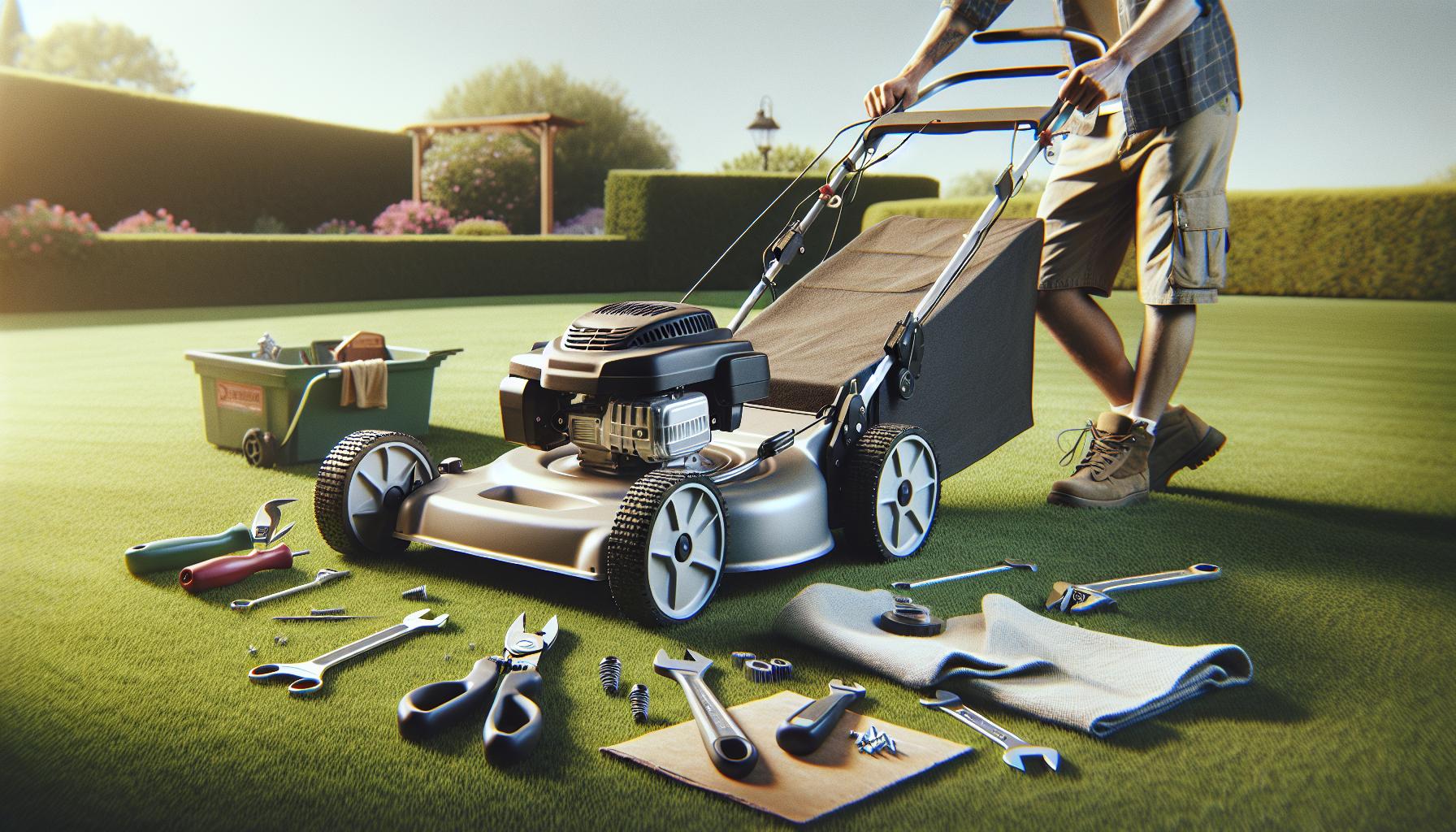
Troubleshooting Mower Issues After Sharpening
After sharpening a push reel mower, you may encounter some unexpected issues that can hinder its performance, despite the initial effort and care put into the blade sharpening process. Understanding these potential problems is crucial for maintaining smooth mowing and ensuring that your mower operates at its best.
One common issue is poor cutting performance, which can arise if the blades are not properly aligned. After sharpening, it’s essential to check that the blades are parallel to the bed knife (the stationary blade). If they aren’t, you might experience uneven cutting. To resolve this, adjust the blade alignment as needed, referring to your mower’s manual for specific instructions on alignment procedures.
Another frequent problem is a sticking or binding sensation when pushing the mower. This can occur if debris has accumulated within the mower or if the blade is set too low, causing it to drag against the ground. To troubleshoot this, first, clear any debris from the mower’s underside and the wheels. Then, check the height of the blade and adjust it to a more suitable level that allows it to glide smoothly across the lawn without excessive resistance.
Additionally, excessive vibration or noise can be indicative of issues such as loose bolts or incorrectly sharpened blades. If the blades are sharpened unevenly or not at the proper angle, they can cause the mower to shake during operation. To fix this, reassess the sharpness and angle of the blades, and tighten any loose bolts or components to secure them properly.
Lastly, be mindful of mower handling techniques after sharpening. Using a push reel mower requires an understanding of the pressure and angle at which you’re cutting. If the mower pulls to one side while mowing, this can indicate an imbalance that could stem from blade wear or incorrect sharpening angles. Maintain a steady pace and consistently apply even pressure while mowing to achieve a clean cut and prevent further issues.
By actively troubleshooting these problems, you can ensure that your push reel mower remains an effective tool in your eco-friendly lawn care arsenal. Regular maintenance checks and adjustments can significantly enhance its performance and lifespan.
Ancient Techniques: Lessons from Old-School Lawn Care
In the age of electric and gas-powered tools, the charm of an old-school push reel mower often gets overlooked. However, techniques used by our ancestors in lawn care hold valuable lessons for maintaining this eco-friendly instrument. Traditionally, meticulous craftsmanship and attention to detail defined how these manual mowers were sharpened and maintained. These techniques not only extend the life of the mower but also ensure a smoother cutting experience and a healthier lawn.
One notable practice from the past is the use of sharpening stones, which were often employed to refine the blades. The angle at which the blade is sharpened is critical; old-school mowers typically utilized a 30-degree angle to ensure precision cutting. This contrasts with the modern trend that sometimes ignores these details. Additionally, a simple yet effective method involved the use of a honing guide, which ensures that the sharpening angle remains consistent, providing a quality edge that modern methods may not replicate. Implementing this technique can result in cleaner cuts and a more efficient mowing process.
Furthermore, ancient lawn care practitioners often emphasized routine maintenance as part of their gardening rituals. For them, a well-maintained mower was synonymous with care for the surrounding environment. Regularly cleaning the blades and ensuring that the mower was properly lubricated were practices that not only enhanced performance but also reflected a broader ethos of sustainability in gardening. Engaging in these time-honored practices fosters a deeper connection to the environment and encourages greater mindfulness in lawn care.
Incorporating these old-school techniques into contemporary lawn care can yield excellent results. For instance, combining sharpening methods with a consistent maintenance schedule can lead to a mower that not only performs optimally but also contributes to a healthier lawn ecosystem. As you strive to keep your push reel mower in top shape, remember that the wisdom of the past offers invaluable insights into creating a lush, vibrant landscape today.
Extending the Life of Your Push Reel Mower
Maintaining your push reel mower not only preserves its functionality but also enhances the quality of your lawn care experience. Understanding that these mowers rely on precision mechanics reinforces the importance of regular upkeep. A well-maintained reel mower can last for decades, making it a smart investment for any eco-conscious gardener. To ensure your mower remains efficient, implement a schedule of routine maintenance.
One key practice is to keep the mower clean after each use. Grass clippings can build up and impede performance, so clear debris from the blades and underside of the mower. Additionally, ensure that the wheels and rollers are free from dirt. Regularly inspecting and tightening any loose screws or bolts can prevent wear and tear that may lead to costly repairs down the line.
Lubrication is another essential aspect of prolonging your mower’s life. Using a light oil on the moving parts, such as the axles and wheels, can minimize friction and help the mower operate smoothly. A small amount of oil applied judiciously can prevent rust and keep the mower in working order.
Finally, consider seasonal sharpening of your mower blades. Keeping the blades sharp is vital for a clean cut, which in turn promotes healthier grass growth. When you sharpen the blades using traditional methods, be mindful of the angle and consistency to ensure optimal edge retention. Taking these preventative steps allows your push reel mower to serve you effectively while fostering a sustainable approach to lawn maintenance.
Faq
Q: How do I know when it’s time to sharpen my push reel lawn mower?
A: You should sharpen your push reel lawn mower when you notice the blades tearing grass rather than cutting it cleanly. If your lawn appears uneven after mowing or you see brown edges on the grass, it’s an indicator that the blades require sharpening.
Q: What tools do I need to sharpen a push reel lawn mower?
A: To sharpen a push reel lawn mower, you’ll typically need a sharpening stone or file, a wrench to adjust the blades, and possibly a bench or vice to secure the mower. For an optimal sharpening process, refer to the “Choosing the Right Tools for Mower Sharpening” section of your guide.
Q: Can I sharpen my push reel mower at home?
A: Yes, you can sharpen your push reel mower at home using manual tools such as a file or sharpening stone. Ensure you follow proper techniques to achieve a sharp edge, similar to methods discussed in the “Step-by-Step Guide to Sharpening Blades.”
Q: Why is the old-school method of sharpening a mower preferred by some?
A: The old-school method is often preferred for its simplicity and effectiveness, requiring minimal equipment. It allows for greater control over the sharpening angle, promoting better blade performance, as mentioned in the “Ancient Techniques: Lessons from Old-School Lawn Care” section.
Q: How often should I sharpen my push reel lawn mower?
A: You should sharpen your push reel lawn mower blades at least once a season or every 5-10 mowing sessions, depending on how frequently you use it and the conditions of your lawn. Regular maintenance is crucial for optimal performance.
Q: What is the best angle to sharpen push reel mower blades?
A: The best angle to sharpen push reel mower blades is around 30 degrees. This angle provides an effective cutting edge without compromising the blade’s integrity. For precise techniques, see the “Step-by-Step Guide to Sharpening Blades” in your materials.
Q: Should I remove the blades to sharpen them?
A: While it’s not necessary to remove the blades, doing so can make the sharpening process easier and more thorough. If you’re uncertain, consult the “Step-by-Step Guide to Sharpening Blades” for detailed instructions on removal and sharpening.
Q: How do I maintain my push reel mower after sharpening?
A: To maintain your push reel mower after sharpening, clean the blades to remove grass clippings and debris, lubricate moving parts, and check for any loose bolts or adjustments. This ensures longevity and performance, covered in your guide under “Maintenance Tips for Long-Lasting Sharpness.”
In Conclusion
Now that you’ve learned how to sharpen a push reel lawn mower the old-school way, it’s time to put your skills into practice and achieve that clean cut in your yard. Remember, regular maintenance not only enhances the life of your mower but also keeps your lawn looking pristine. If you have any questions or would like to share your experience, drop a comment below-your thoughts matter!
For more tips on lawn care and maintenance, check out our articles on “The Best Lawn Care Tools for Every Homeowner” and “Seasonal Lawn Care Checklist.” Don’t forget to subscribe to our newsletter for exclusive insights and offers that will keep your garden thriving all year round. Stay tuned for our next post, where we’ll explore innovative techniques to enhance your lawn’s health. Happy mowing!