Maintaining a lush, healthy lawn requires more than just regular mowing; it hinges on the sharpness and condition of your lawn mower blades. Did you know that worn-out blades can lead to uneven cuts, fostering weeds and pests? Recognizing the signs of blade wear is crucial for achieving that pristine look you desire. As blades age, they may produce jagged cuts or require increased effort to mow your grass, ultimately affecting the aesthetics and health of your lawn. By understanding when it’s time to replace your blades, you can ensure your mower performs optimally, promoting a thriving green space. Let’s explore the key indicators that signal your blades are due for replacement, so you can keep your lawn in top shape and avoid costly repairs down the line.
Signs Your Lawn Mower Blades Are Dull

Dull lawn mower blades can dramatically affect the quality of your cut and the health of your lawn. If you’re noticing jagged edges on your grass or a generally uneven appearance, these are clear indications that your blades may need sharpening or replacement. Additionally, a clean, sharp blade slices through grass effortlessly, while a dull blade tears it, which can lead to brown tips and increased vulnerability to disease.
Another telltale sign of dull blades is if you experience reduced mower performance. If your mower is struggling to cut through even small patches of grass or requiring more power than usual, it may be time to take a closer look at the blades. Furthermore, excessive vibration while mowing can also point to worn-out blades. This can not only diminish the mowing experience but may also cause damage to your mower over time.
It’s worthwhile to conduct a visual inspection of your blades periodically. A quick look under the mower can reveal nicks and chips along the blade edge. If you spot any significant damage or if the blades have developed a rounded edge rather than a sharp one, consider that a sign they are past their prime. Maintaining optimal blade performance is essential not just for the aesthetics of your lawn, but for its overall health as well. By addressing dull blades promptly, you can ensure a cleaner cut and a more vibrant lawn.
How Often Should You Replace Lawn Mower Blades?
Regular maintenance of your lawn mower blades is vital for ensuring a healthy and aesthetically pleasing lawn. But how often should you actually replace them? A general rule of thumb is to consider replacing your lawn mower blades every one to two years, depending on how frequently you mow and the conditions in which you operate the mower. For instance, if you mow weekly during the growing season or frequently chop through tough, thick grass, you might find that you need to replace the blades closer to that one-year mark.
Additional factors that can influence the replacement schedule include the type of blades you use and the nature of your mowing terrain. If you’re using standard steel blades, you may find they become dull more quickly when facing rocky or uneven ground. In contrast, high-quality mulching blades designed for durability may last longer. Ultimately, frequent inspections of your blades can provide valuable insights; if you start to notice that the blades are chipped, rusted, or have developed a rounded edge, it’s a strong signal that replacement is due.
Another consideration is the quality of the cut. If the mower struggles to slice through grass cleanly, or if you’re seeing more brown tips or ragged edges on the lawn, it’s time to evaluate whether a blade replacement is warranted. Engaging in proactive blade maintenance not only enhances the mower’s performance but also helps preserve your lawn’s health by allowing for a cleaner cut that minimizes stress on the grass. Always remember that investing in your mower’s blades translates directly into better lawn care results and a healthier outdoor space.
The Impact of Dull Blades on Grass Health

Using dull lawn mower blades can significantly compromise the health of your grass, turning what should be a straightforward maintenance task into a detrimental experience for your lawn. When blades become worn, they struggle to cut grass cleanly. Instead of making a sharp incision, they rip and tear at the grass, leading to a host of problems that can jeopardize the overall health of your lawn.
The impact of uneven cuts is immediate; your lawn may start to appear ragged and brown at the tips. This ragged appearance is more than just an aesthetic issue-it’s a signal of stress for the grass. When grass is torn rather than cut, it exposes the inner tissues, making them vulnerable to disease, pests, and environmental stressors. Furthermore, the jagged edges can slow down the grass’s natural healing process, which not only detracts from its appearance but also diminishes its vitality.
Regularly mowing with dull blades can also lead to a less robust root system. Healthy grass relies on its leaf blades to support growth and nutrient absorption. When the cutting is poor, grass plants may not photosynthesize effectively, stunting their growth and leading to uneven patches forming over time. This can create an invitation for weeds, which thrive in stressed conditions, further complicating lawn maintenance.
To maintain a healthy lawn, it’s crucial to keep your mower blades sharp. Not only does this ensure a clean cut, which helps the grass recover quickly and minimizes disease susceptibility, but it also encourages a lush, vibrant lawn. Adopting a practice of regular inspection and sharpening or replacing your blades can make a world of difference, promoting both the beauty and health of your outdoor space.
Comparing Different Types of Lawn Mower Blades
Lawn mower blades come in various designs, each suited for different mowing conditions and grass types. Understanding these types can significantly influence the efficiency and effectiveness of your mowing experience.
Some common blade types include:
- Standard Flat Blades: These are the most basic type, typically found on residential mowers. They provide good cutting efficiency for general lawn care.
- Mulching Blades: These have curved edges and specialized designs to chop grass finely, allowing for better nutrient recycling back to the soil. They are excellent for maintaining a healthy lawn by keeping clippings in place.
- High-Lift Blades: Designed to lift the grass clippings higher as they cut, these blades are perfect for bagging. They work well in thicker grasses and provide a cleaner cut.
- Low-Lift Blades: Ideal for sandy or dry conditions, these blades prevent excessive lifting of the grass and are less likely to bog the mower down.
Considering the right blade type plays a critical role in determining how effectively your mower performs. For instance, using mulching blades on a lawn that requires regular bagging can lead to clumping and uneven cuts, whereas high-lift blades may not be the best choice for wet or dense grass conditions, as they might struggle with the heavy load and leave behind more debris.
Ultimately, selecting the appropriate blade type based on your specific lawn conditions and maintenance goals can enhance your mower’s performance, keep your lawn healthy, and reduce the frequency of wear and tear on your blades.
How to Inspect Your Lawn Mower Blades
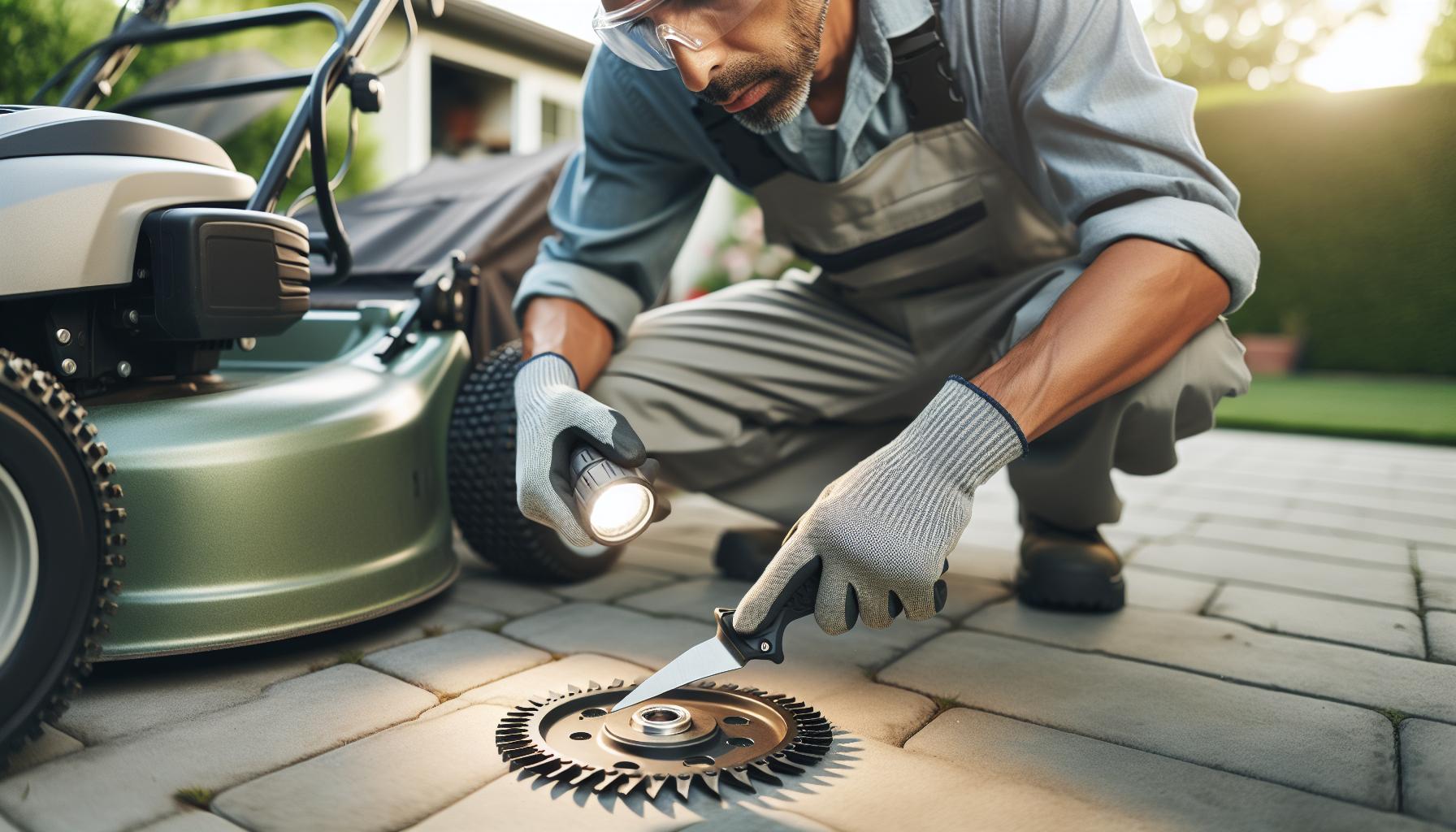
To keep your lawn mower in top shape, it’s vital to regularly inspect the blades. Not only do sharp blades ensure a clean cut, but they also promote healthier lawn growth. A few simple checks can help you determine if your mower blades are due for maintenance or replacement.
Start by safely disconnecting the spark plug to eliminate the risk of accidental start-ups. Once you have access to the blades, look for visible signs of wear. Take note of any chips, cracks, or nicks in the metal. Even minor imperfections can lead to uneven cuts and stress on the mower’s motor. If you spot rust or significant corrosion, it’s time for blade replacement to ensure efficient mowing performance.
Another practice is to perform a height check. The mower’s cutting height should match the manufacturer’s recommendations; excessive wear can raise or lower this height unintentionally. For a practical assessment, run your mower in a small trial area and observe the cut quality. If the grass appears torn or frayed instead of cleanly sheared, the blades may be dull. In contrast, a clean cut signifies that the blades are functioning well.
Lastly, don’t overlook the frequency of maintenance. A good rule of thumb is to inspect and sharpen or replace the blades every 20-25 hours of mowing usage, especially during the heavy growth months. Incorporating these inspection practices will ensure your lawn mower remains effective, prolonging its life while keeping your lawn looking its best.
Symptoms of Worn-Out Lawn Mower Blades
The effectiveness of your lawn mower largely depends on the condition of its blades, and understanding the symptoms of worn-out blades is crucial for maintaining a healthy lawn. One of the first signs that your mower blades are becoming ineffective is the quality of the cut. If you notice that grass blades appear ragged or frayed instead of neatly sheared, it’s a clear indicator that your blades are dull. This not only compromises the aesthetic of your lawn but can also lead to potential health issues for the grass, making it more susceptible to disease.
Another telltale sign of worn-out blades is the presence of physical damage. Inspect your blades for chips, cracks, or bends; these imperfections can cause uneven cutting and increased strain on the mower’s motor. Additionally, if you observe that your mower is producing an unusual amount of noise or vibration during operation, it may be struggling to function properly due to compromised blade integrity. Dents and rust on the blades are other critical signs that a replacement might be necessary, as they can severely impair performance.
It’s also essential to pay attention to the overall mowing experience. If you find that the mower is requiring more effort to push or that it’s leaving behind uncut patches, it may be struggling due to worn-out blades. Regularly monitoring these symptoms can save you from long-term damage to both your mower and your lawn.
Finally, don’t forget about the frequency of your mowing tasks. If you’re mowing often during the growing season, the blades can dull faster. A good rule of thumb is to inspect your blades every 20-25 hours of use, which will help ensure optimal performance and a well-kept lawn. Taking proactive steps to assess and maintain the condition of your mower blades will ensure they remain an effective tool in your lawn care arsenal.
DIY vs. Professional Blade Replacement: Which is Better?

When it comes to maintaining your lawn mower, deciding between a DIY approach and hiring a professional for blade replacement can seem daunting. Many homeowners enjoy the satisfaction of hands-on projects, while others prefer the peace of mind that comes with professional help. Understanding the pros and cons of each option can help you make an informed decision that best suits your needs.
Choosing to replace lawn mower blades yourself can be cost-effective and straightforward, particularly if you are comfortable with basic tools. DIY enthusiasts often appreciate the control they have over the process; they can select high-quality replacement blades that meet their specific needs and avoid labor costs. The process typically involves removing the mower deck, unscrewing the old blades, and installing the new ones. However, it does require some mechanical knowledge and attention to safety precautions, such as disconnecting the spark plug and wearing protective gear.
On the other hand, opting for professional blade replacement can save you time and ensure that the job is done correctly. This might be particularly appealing for those who lack the expertise or tools necessary for a DIY project. Professionals have experience assessing the condition of blades and can identify other potential issues with the mower that an untrained eye might miss. Additionally, if you’re dealing with specific brands or models, professionals may have easier access to the right parts and knowledge of proper installation techniques.
Ultimately, your choice will depend on your confidence level with DIY tasks, the state of your blades, and how much time you’re willing to invest. By weighing the benefits of both approaches, you can determine the best course of action for maintaining your lawn mower’s performance while ensuring a healthy lawn.
Essential Tools for Lawn Mower Blade Replacement
To effectively replace your lawn mower blades, having the right tools on hand is crucial to ensure a smooth and safe process. Imagine trying to cook a gourmet meal without the proper utensils; similarly, without the necessary equipment, changing mower blades can become a frustrating task. Here’s a list of essential tools that will help you tackle this job with confidence.
- Socket Wrench Set: A reliable socket wrench set is essential for loosening and tightening the bolts that hold the blades in place. Ensure you have a range of socket sizes to accommodate different models.
- Breaker Bar: For stubborn bolts that refuse to budge, a breaker bar provides extra leverage, making it easier to remove them without stripping.
- Torque Wrench: After replacing the blades, a torque wrench allows you to tighten bolts to the manufacturer’s specified tension, which is critical for safety and efficiency.
- Work Gloves: Protect your hands from sharp edges and dirt by wearing a good pair of work gloves. This simple item enhances safety during the handling of blades.
- Safety Goggles: To safeguard your eyes from potential debris, especially during inspections or sharpening, wear safety goggles. They are a vital addition to your safety gear.
- Blade Sharpener: If your blades still have some life left, a blade sharpener can help you maintain their cutting performance. Avoiding replacement can be a cost-effective option within the season.
- Floor Jack or Jack Stands: If your mower is heavy or hard to reach, using a floor jack can ease access to the undercarriage where blades are located. Ensure to use jack stands for safety during maintenance.
By equipping yourself with these tools, you’ll not only expedite the blade replacement process but also enhance the overall safety of your lawn care routine. Each tool plays a distinct role in ensuring a seamless workflow, allowing you to focus on the task of maintaining your lawn mower efficiently.
Best Practices for Maintaining Lawn Mower Blades
Maintaining your lawn mower blades is essential not only for the longevity of your mower but also for the health of your lawn. Dull blades can lead to ragged cuts that damage grass, making it more susceptible to pests and disease. Regular maintenance ensures optimal cutting performance, which in turn promotes a lush, green lawn. Here are some best practices to adopt for keeping your mower blades in top condition.
Firstly, frequent inspections are vital. After every few uses, take the time to check the blades for wear, damage, or dullness. Look for signs of chipping or bending, which can indicate that it’s time for sharpening or replacement. If you’re staying on top of these inspections, you’ll prevent small issues from turning into larger, more costly problems.
Next, sharpen your blades regularly, usually after every 20-25 hours of mowing or at least a few times during the mowing season, depending on how often you use your mower. A sharp blade will cut cleanly and smoothly, resulting in healthier grass. You can use a blade sharpener or file, but ensure that you maintain the original angle of the blade to avoid uneven cuts.
Furthermore, focus on cleaning the blades after each use. Grass clippings and dirt can build up, affecting not just the sharpness but also the efficiency of the mower. Use a putty knife or a wire brush to remove any residue, and check for rust, which can weaken the blades over time. In addition to cleaning, storing your mower in a dry place can prevent rust and corrosion.
Lastly, consider investing in quality replacement blades that suit your mower’s specifications. Using the right type of blade designed for your grass type can significantly enhance your mower’s efficiency and cutting performance. Keeping a set of backup blades allows for quick replacements, minimizing downtime during your maintenance routine.
By incorporating these practices into your lawn care regimen, not only will you extend the life of your mower blades but also ensure a healthier, more vibrant lawn.
When to Sharpen vs. Replace Lawn Mower Blades
When it comes to maintaining your lawn mower, knowing whether to sharpen or replace your blades can make a significant difference in both mower performance and lawn health. A common guideline is to sharpen your blades regularly-typically every 20-25 hours of mowing or at least a few times each season. However, there are critical points at which replacement becomes necessary.
Sharp blades are essential for a clean cut, and you should always prioritize sharpening if the damage is minor. Recognizing when a blade is too far gone for sharpening typically involves looking for visible signs of wear or damage. If the edges are chipped, dented, or significantly warped, replacement is the more effective solution. In addition, if you notice increased vibrations during mowing, it could indicate that the blades are not only dull but also compromised-prompting a replacement rather than sharpening.
As you make your decision, consider the long-term costs. Blade sharpening requires tools and time, but if blades have reached a point where they cannot be effectively sharpened, investing in new blades is often the most economical choice in the long run. Plus, the right replacement blades can enhance your mower’s efficiency and improve the overall health of your lawn by providing clean cuts that minimize damage to grass blades.
In some cases, you might also want to think about upgrading your blades to better quality or different types depending on your specific lawn care needs. Higher-quality blades can last longer, ultimately saving you money and time. Always remember that maintaining sharp and effective blades is crucial for promoting a vibrant, healthy lawn that thrives through each mowing season.
Lawn Mower Blade Replacement Costs and Tips
Replacing your lawn mower blades is not just about keeping your mower running smoothly; it’s also essential for the health of your lawn. Dull blades can tear rather than cut grass, leading to a ragged appearance and increasing susceptibility to disease. On average, the cost of replacement blades can range from $20 to $50 per set, depending on the type and brand, making it a relatively affordable maintenance task considering the overall benefits to your lawn.
Cost-Effective Replacement Tips:
To ensure that you get the most out of your replacement blades, consider these practical tips:
- Compatibility: Always check the compatibility of blades with your mower’s model before purchasing. Many retailers offer online guides for this.
- Quality Over Cost: Investing in higher-quality or specialized blades might cost more upfront but can provide a cleaner cut and last longer, saving you money on replacements in the long run.
- Shop Sales: Keep an eye out for seasonal sales at local hardware stores or online retailers. Purchasing multiple sets during these sales can lessen the overall cost.
- Consider Universal Blades: Some brands sell universal lawn mower blades that fit multiple models. This option can be convenient and often more affordable.
Additionally, engaging a professional for installation might be beneficial if you’re unsure about replacing the blades yourself. The labor cost typically ranges from $20 to $40 but can save you time and reduce the risk of improper installation.
Ultimately, frequent inspections of your blades can help you determine the best time for replacement, and keeping an eye on signs of wear can help maintain peak mower performance, leading to a healthier lawn with each mow.
Enhancing Mower Efficiency with Proper Blade Care
Proper care and maintenance of your lawn mower blades can significantly enhance your mowing efficiency, leading to a healthier lawn and a more effective mowing experience. One of the primary factors that contribute to this efficiency is ensuring that blades are sharp, clean, and in good condition. A well-maintained blade not only cuts grass cleanly but also requires less effort from the mower, leading to prolonged engine life and reduced fuel consumption.
To optimize your mower’s performance, it’s essential to adopt a routine cleaning schedule. Grass clippings, dirt, and debris can accumulate on the blades over time, impairing their cutting ability and leading to rust. After each use, take a moment to clean the blades with a scraper or a brush, making sure to remove any buildup that could affect their performance. Regular cleaning can also prevent the corrosion that occurs when moisture is trapped under the grass clippings.
Another crucial aspect is inspecting the blades for damage or wear. Look for nicks, dents, or signs of dullness. If you notice any imperfections, timely sharpening or replacement is key to maintaining your mower’s effectiveness. Keeping an eye on the blades can also help you gauge when they might need sharpening or replacing based on your mowing frequency and the type of grass in your lawn. Generally, blades should be sharpened after every 20 to 25 hours of use or at least once per mowing season for optimal performance.
Lastly, consider the benefits of using high-quality blades designed specifically for your mower model. Investing in good-quality blades might involve slightly higher upfront costs, but they typically provide cleaner cuts, enhanced durability, and better performance overall. This strategic approach not only improves your mowing efficiency but also promotes the health of your lawn, as a clean cut is essential for preventing disease and encouraging growth.
Incorporating these practices into your lawn care routine will not only enhance your mower’s efficiency but also ensure that your lawn looks its best throughout the mowing season.
Frequently asked questions
Q: What are the common signs that indicate lawn mower blades need to be replaced?
A: Common signs that indicate lawn mower blades need replacement include jagged grass edges, excessive vibrations during operation, and the mower struggling to cut through grass. If you notice these issues, it’s a good indication that your blades are worn out and should be replaced to ensure a clean cut.
Q: How can I tell if my lawn mower blades are damaged or dull?
A: You can check for damaged or dull blades by conducting a visual inspection and feeling for sharpness. If you see dents, bends, or rust, or if the blades feel blunt, it’s time to sharpen or replace them to maintain mowing efficiency.
Q: Why is it important to replace worn-out lawn mower blades?
A: Replacing worn-out lawn mower blades is crucial as dull blades can tear rather than cut grass, leading to a brown, unhealthy lawn. Keeping your blades sharp promotes better lawn health, enhances cutting efficiency, and reduces strain on the mower’s engine.
Q: When is the best time to check my lawn mower blades for wear?
A: The best time to check your lawn mower blades is before the mowing season begins and after every 10-20 hours of use during the growing season. Regular checks help ensure your blades are in optimal condition for effective cutting.
Q: How does cutting height affect the wear on lawn mower blades?
A: Cutting grass at a lower height can lead to increased blade wear since it exerts more stress on the blades, causing them to dull faster. Adjusting the cutting height to a moderate level can help prolong blade life and maintain a healthier lawn.
Q: Can I sharpen lawn mower blades instead of replacing them?
A: Yes, you can sharpen lawn mower blades as a cost-effective alternative to replacement. However, if the blades are excessively worn, damaged, or over-sharpened, replacement might be necessary. Regular sharpening can extend the life of the blades significantly.
Q: What tools do I need to replace lawn mower blades?
A: To replace lawn mower blades, you’ll need basic tools like a socket wrench or ratchet, safety gloves, and possibly a blade balancer. Having these tools on hand ensures a smooth and efficient blade replacement process.
Q: How much do new lawn mower blades typically cost?
A: The cost of new lawn mower blades varies depending on the type and brand but typically ranges from $10 to $50 per blade. Investing in quality replacement blades can enhance your mower’s performance and extend its lifespan.
These FAQs not only provide useful information about when to replace lawn mower blades but also encourage further engagement with related topics on optimal lawn care practices.
The Way Forward
Knowing when to replace worn-out lawn mower blades is crucial for maintaining a healthy lawn and ensuring peak performance. If you’ve noticed signs like uneven cuts or excessive grass clumping, it’s time to take action. Don’t wait until your mower struggles to keep up with your yard’s needs. For a sharper edge and cleaner cuts, consider replacing your mower blades today!
Ready to dive deeper? Explore our articles on maintaining lawn care equipment and maximizing mower efficiency. If you have any questions or need expert advice, feel free to reach out for a consultation or sign up for our newsletter for regular tips and updates. Join our community in the comments below-let us know your mower maintenance stories! Your lawn deserves the best, and we’re here to help you achieve it.