
If you’ve ever faced the frustration of a lawn mower that won’t start, you’re not alone. A malfunctioning starter can turn your routine lawn care into a time-consuming hassle. Understanding how to effectively test your mower’s starter is crucial for maintaining not only the mower but also the health of your lawn. In this guide, you’ll learn step-by-step methods to diagnose starter issues quickly and efficiently, saving you time and potential repair costs. Whether you’re an experienced gardener or a weekend warrior, knowing how to troubleshoot this common problem empowers you to keep your equipment in top shape. Keep reading to uncover practical tips and expert insights that will have your mower running smoothly in no time.
Understanding Lawn Mower Starter Failures
Understanding the nuances of lawn mower starter failures can make the difference between a simple fix and a more challenging repair. Many lawn mower owners encounter starting problems, often without a clear understanding of what might be wrong. The starter system is critical, involving several components that work in unison to get your mower up and running. When issues arise, it’s generally due to a failure in one of these components such as the ignition switch, starter solenoid, or the starter itself.
A key factor to consider is the age and condition of your lawn mower. Over time, wear and tear can take a toll, particularly in outdoor equipment exposed to elements like moisture and dirt, which can corrode connections and hinder functionality. Moreover, electrical connections must be clean and securely fastened; any loose wiring or corrosion can disrupt the current flow crucial for starting the engine. Regular inspections and maintenance can prevent these issues from developing into more significant problems.
Another common reason for starting failures is battery health. A weak or dead battery often leads to frustrating no-start situations. Testing the battery for charge and ensuring it holds power can eliminate uncertainty. It may be beneficial to invest in a multimeter, enabling you to measure voltage and find out whether the battery is the culprit before delving deeper into starter mechanisms.
In summary, thoroughly understanding these factors can save you time and effort when diagnosing lawn mower starter failures. By familiarizing yourself with the components, conducting regular maintenance checks, and making use of diagnostic tools, you can enhance your chances of swiftly resolving any starting issues that may arise.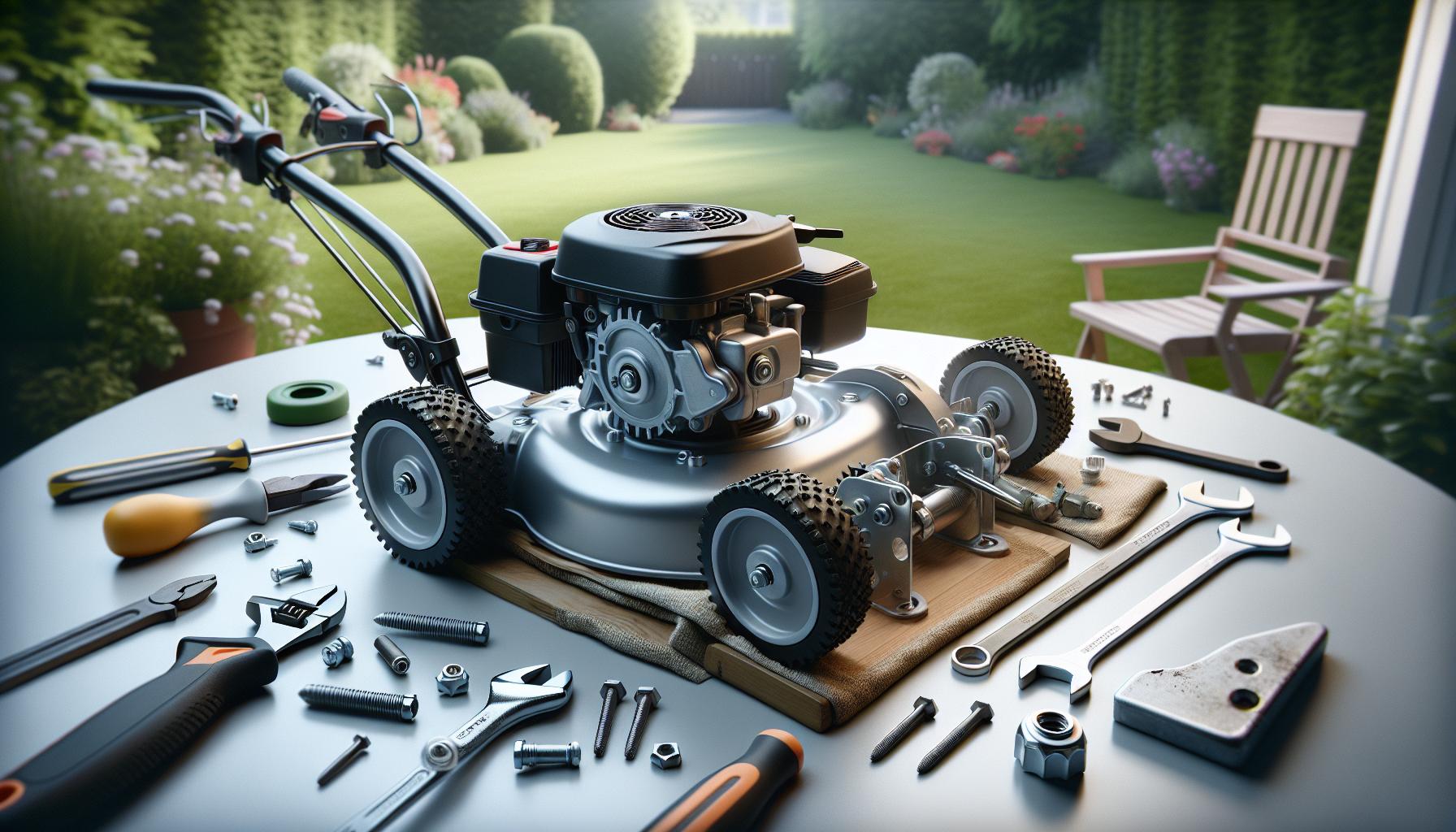
Essential Tools for Lawn Mower Diagnosis
Having the right tools at your disposal can significantly streamline the process of diagnosing a lawn mower starter. When faced with starting issues, it’s essential to be equipped with the proper equipment that not only helps identify the problem but also aids in making quick repairs. An organized toolkit enhances your efficiency, enabling you to tackle issues with confidence.
One of the most crucial tools for diagnosing a lawn mower starter is a multimeter. This device measures voltage, resistance, and current, providing insight into whether the electrical components are functioning correctly. For instance, if your battery is weak, a multimeter will help you verify its charge level and determine if it needs replacement. Additionally, checking the continuity of wires with a multimeter can reveal hidden breaks or shorts in the wiring system.
Another vital tool is a battery charger or jump starter. If your mower won’t start, ensuring that there is sufficient battery power is the first step. Sometimes, a simple charge can breathe new life into your mower and eliminate concerns about other components failing. Coupling this with a tow behind jumper cable kit can also help if you’re working in areas that are less accessible.
Furthermore, keeping a screwdriver set, wrench set, and wire brush handy is essential for performing necessary repairs and maintenance. A screwdriver set helps you access and replace faulty connections, while a wrench set is indispensable for loosening or tightening bolts and nuts around the starter system. A wire brush is useful for cleaning corroded terminals or connections, ensuring that they provide a solid link for electrical flow.
To summarize, an effective lawn mower diagnosis hinges on having the right tools available. A multimeter can pinpoint electrical issues, while a dependable battery charger can address power concerns. Plus, basic hand tools allow for hands-on repairs, keeping your mower in top working condition. By investing in these essential diagnostic tools, you position yourself to resolve lawn mower starter problems swiftly and efficiently.
Step-by-Step Testing Procedures for Starters
In the world of lawn mower maintenance, understanding how to test your starter can save you time, money, and frustration. A starter that won’t engage can leave your mower sitting idle, but with a systematic approach, you can quickly identify and resolve the issue. Below are step-by-step procedures that guide you through testing your lawn mower’s starter effectively.
Begin by ensuring safety precautions are in place. Remove the key from the ignition and disconnect the spark plug to prevent accidental start-ups. Next, verify that the battery is charged. Use a multimeter to test the voltage of the battery. A healthy battery should read between 12.4 to 12.7 volts. If the reading is below this threshold, charge the battery fully or replace it if it does not hold a charge.
Once you confirm the battery’s integrity, check the connections for signs of corrosion or loose wires. Ensure that the battery terminals are clean and securely attached. If everything appears in order, connect the battery again and use the multimeter to check for voltage at the starter solenoid. This component should receive around 12 volts when the ignition switch is turned on. If there’s no reading, the ignition switch or the wiring could be faulty.
If the solenoid is receiving power yet the starter is still unresponsive, it’s time to further investigate the starter motor itself. Manually bypass the solenoid by connecting a jumper cable directly from the battery to the starter terminal. If the starter engages and the engine turns over, then the solenoid is likely the culprit and needs replacement. However, if the starter does not respond, it may be defective and require service or replacement.
Testing your mower’s starter doesn’t have to be an arduous task. With these straightforward steps, you can confidently diagnose and fix starter issues, ensuring your lawn mower is ready for action. Keeping this knowledge in mind can help maintain your equipment and extend its lifespan, allowing you to focus more on your lawn care and less on troubleshooting.
Common Signs of a Failing Lawn Mower Starter
When your lawn mower fails to start, the culprit could very well be a failing starter. Recognizing the signs of starter issues can be crucial to troubleshooting and ensuring that your mower is back in working order quickly. One of the most common indicators is a clicking sound when you turn the ignition. If you hear a rapid clicking without the engine engaging, this suggests that the starter solenoid may not be able to draw enough power from the battery, which could indicate battery issues or a faulty solenoid.
Another telltale sign is when the engine cranks slowly or not at all despite a fully charged battery. A healthy starter should spin the engine at a robust speed, so if you notice sluggish cranking progress, this could signal internal wear or damage in the starter motor. Similarly, if the mower starts inconsistently, cranking reliably one time and failing to start the next, it’s time to investigate the starter system more closely. Intermittent behavior can often point to electrical connection issues, a failing ignition switch, or even the starter itself being on the verge of failure.
Worn-out components in the starter motor often lead to more specific symptoms. For example, if you detect unusual grinding or whirring noises as you attempt to start the mower, this may indicate that the gear mechanism of the starter is damaged or misaligned. This can lead to further complications if left unaddressed. Additionally, any signs of smoke or burning smells during an attempted start are serious and should not be ignored, as they indicate overheating and potential component failure.
By staying alert to these common signs, you can address starter problems proactively, saving yourself time and ensuring your mower remains in peak operating condition. Prompt diagnosis based on these symptoms not only improves performance but also enhances the longevity of your lawn mower. Regular maintenance checks and being attentive to these telltale signs can greatly reduce the likelihood of unexpected breakdowns in your lawn care routine.
Interpreting Diagnostic Results Effectively
Interpreting the results of your lawn mower starter diagnostics can make the difference between a minor repair and a costly replacement. When you’re faced with starter problems, it’s essential to be methodical and organized in your assessment to pinpoint the exact issue. Start by carefully observing the symptoms when trying to start the mower. If you hear a clicking noise but the engine doesn’t crank, it often indicates that the starter solenoid isn’t getting enough power. This could be due to a drained battery or a weak connection in the starting circuit.
A vital part of interpreting your diagnostic results involves understanding what the readings from your multimeter or test light indicate. For instance, you should get a voltage reading of around 12.6 volts at the battery when it’s fully charged. When testing at the starter, anything below this could suggest either a cabling issue or a malfunctioning solenoid. If the voltage drops significantly when turning the ignition, the starter itself may be drawing too much current due to internal wear or damage.
To streamline your interpretation, it can be beneficial to create a checklist of results:
- Voltage at the Battery: 12.6 volts or higher (fully charged)
- Voltage at the Starter during Crank: Should be within 9-10 volts.
- Clicking with No Crank: Typically indicates an issue with battery charge or solenoid.
- Slow/Weak Cranking: Suggestive of worn starter or battery issues.
By accurately documenting these findings, you can establish a clear picture of what the starter is doing and what might be at fault.
Once you have gathered your diagnostic results, correlate them with common problems identified in a starter repair handbook or online resource. For instance, if your starter tests show the proper voltage at the battery but not at the starter, the issue likely lies in the connections or wiring. On the other hand, if everything seems fine but you still encounter slow cranking, the starter motor may be the culprit.
Ultimately, the key to effectively interpreting diagnostic results is to maintain a logical approach and not rush to conclusions. Sometimes, issues can compound, and what looks like a starter failure might actually relate to a failing battery or failing connections. Taking the time to analyze each aspect thoroughly ensures you can resolve the problem efficiently, saving both time and frustration during your lawn care activities.
Troubleshooting Starter Problems Quickly
When lawn mowers refuse to start, the culprit is often a malfunctioning starter. Troubleshooting these starter problems doesn’t need to be a daunting task; a systematic approach paired with some essential knowledge can help you diagnose issues quickly and efficiently. First, ensure your battery is fully charged; a weak battery can cause the starter to underperform or fail entirely. Measuring the battery voltage with a multimeter should ideally show around 12.6 volts. If it falls below this threshold, recharging or replacing the battery should be your first step.
Once the battery is confirmed to be in good condition, check the connections and wiring. A loose connection can prevent the starter from receiving adequate power. Inspect the terminals for corrosion, and tighten any loose connections. Additionally, look for frayed or damaged wires that might interrupt the current flow. If you’ve ensured all connections are solid but the problem persists, focus on the starter solenoid, which is often located near the battery or the starter itself. A faulty solenoid may click without engaging the starter motor, indicative of internal failure.
To dive deeper into diagnosing the starter itself, engage a multimeter again. Start by testing the voltage at the starter once you turn the ignition key. It should register within 9-10 volts during cranking. If the voltage is appropriate but you hear clicking noises without the engine cranking, the starter motor may be faulty. In some cases, tapping the starter lightly with a hammer can free up a stick or jam inside, temporarily reviving functionality. However, if these quick fix attempts don’t yield results, consider dismantling the starter for a thorough inspection or consulting professional repair services.
Lastly, preventative measures play a key role in maintaining starter health. Regularly inspect the battery and starter connections, clean terminals to prevent corrosion, and keep your mower stored in a dry location. If environmental factors like extreme cold or wet conditions are common in your area, be mindful of their impact; a battery can lose charge significantly in lower temperatures. Keeping tabs on these aspects will not only aid in swift troubleshooting but help you prolong the life of your lawn mower starter.
Repair vs. Replace: Making the Right Choice
Determining whether to repair or replace a lawn mower starter can be a challenging decision, particularly when the cost of repairs starts to approach that of a new unit. This choice is not only influenced by the severity of the malfunction but also by the age and overall condition of the mower itself. A good practice is to evaluate both the functional state of the starter and the long-term prospects of the mower before making a financial commitment.
Consider the following criteria when deciding on the path forward:
- Age of the Mower: If your lawn mower is nearing the end of its expected lifespan, which is typically around 8-10 years, investing in a new starter may not be wise. In such cases, allocating your budget toward a new mower could provide better value in the long run.
- Cost of Repair vs. Replacement: Gather estimates for both repair and replacement costs. If repairs exceed 50% of the cost of a new starter (or mower), replacement may be the more sensible option.
- Extent of Damage: Assess whether the malfunction is isolated to the starter or part of larger issues affecting the mower’s performance. If the starter failure is due to broader mechanical problems, this might warrant a complete replacement.
- Availability of Parts: For older models, finding compatible replacement parts can be a challenge. If parts are scarce, that might necessitate replacement rather than repair.
Throughout the diagnostic process, you may uncover signs that clarify your decision. For instance, if tests show that the starter is intermittently functional but often fails, it might suggest that the unit is on its last legs. Conversely, if only minor wiring issues are present, a straightforward repair could restore functionality effectively. Additionally, when considering warranties, new starters often come with extended coverage, adding another layer of security in making your decision.
In the end, weighing the costs, potential longevity of the mower, and personal comfort with undertaking repairs should guide you toward a choice that best fits your circumstances. Whether you choose to repair or replace, being proactive and informed will ensure that your lawn care equipment remains reliable for seasons to come.
Preventative Maintenance to Avoid Issues
To keep your lawn mower starter functioning smoothly, regular preventative maintenance is essential. Just like any other mechanical component, lawn mower starters can benefit significantly from a little proactive care. A well-maintained starter not only enhances your mower’s performance but also extends its lifespan, saving you money on repairs and replacements in the long run.
One key aspect of preventative maintenance is routine cleaning. Grass clippings, dirt, and debris can accumulate around the starter over time. It’s vital to clean these areas to prevent blockages and ensure optimal performance. Use compressed air or a soft brush to remove debris from the starter and surrounding areas. This simple task can make a big difference in how efficiently your mower operates. Additionally, check the electrical connections for corrosion or loose wires; tight connections are crucial for the starter to receive adequate power.
Another important practice is to perform regular lubrication. The starter mechanism relies on lubrication to minimize friction and wear, ensuring smooth operation. Consult your mower’s manual for specific lubrication points and use a suitable lubricant. Implementing this step as part of your seasonal maintenance routine can significantly enhance the durability of the starter and other moving parts of your mower.
Lastly, be vigilant about monitoring the mower’s overall behavior. If you notice signs such as slow cranking or unusual sounds when starting, it may indicate that the starter is struggling. Addressing these issues early on helps prevent more significant failures down the line. Keeping a maintenance log can help track any changes and remind you of when the last service was performed, further aiding in timely intervention and maintenance. By following these preventative steps, you can ensure a reliable and efficient mowing experience, making your lawn care routines more enjoyable and effective.
Advanced Testing Techniques for Experienced Users
To fully diagnose advanced issues with a lawn mower starter, experienced users need to employ a variety of techniques that go beyond basic checks. Understanding the underlying technology and recognizing what can go wrong help in pinpointing the exact source of failure. By utilizing both analytical methods and advanced tools, you can quickly determine whether the starter is the culprit behind your mower’s starting troubles.
Utilizing Multimeter Testing
One of the most effective methods for diagnosing starter issues is the use of a multimeter. By measuring voltage, current, and resistance within the starter circuit, you can identify problems such as a failing battery, poor connections, and non-functioning components. To start, set your multimeter to measure DC voltage and connect it across the battery terminals. A reading of 12.6 volts or more indicates a healthy battery. Next, move on to checking the voltage at the starter itself when the ignition is engaged. Ideally, you want to see a voltage close to that of the battery. If it’s significantly lower, there may be an issue with wiring or connections.
For more intricate testing, you can measure the starter draw by loosening the power cable, placing the multimeter in series, and engaging the starter. This will determine the current being drawn from the battery. If the measurement is outside the manufacturer’s specifications, it indicates that the starter may be shorted or in distress, requiring a closer examination.
Testing Starter Relays and Solenoids
Another crucial aspect is the assessment of the starter relay and solenoid, which can often be overlooked. A faulty solenoid can prevent the starter from receiving adequate power. Test the solenoid by connecting a wire directly from the battery to the starter terminal. If the starter engages, the solenoid or relay is likely defective. Additionally, check for corrosion or loose connections in these components, as this can impede electrical flow.
It’s essential to listen for clicks when trying to start the mower. A click usually indicates that the solenoid is trying to engage, yet the starter isn’t functioning. In cases where there are multiple clicks, it might indicate a low battery or a poor connection, suggesting further investigation into cable integrity and battery health.
Conducting Physical Inspection of Starter Components
Visual inspections play a critical role in advanced diagnostics. Look for signs of wear, damage, or corrosion on both the starter and its related components, such as the flywheel and mounting brackets. Pay close attention to the drive gear; if it shows signs of wear or doesn’t engage properly with the flywheel, that could be a direct cause of starter failure.
Performing a physical inspection also includes cleaning any corroded terminals and ensuring all connections are tight. Sometimes, the solution can be as simple as cleaning battery terminals or retightening loose connections. Lastly, verify the functionality of safety switches – a common issue that can disable the starting process unknowingly.
Documenting Findings and Observations
After performing these advanced tests, documenting your findings is crucial. Create a table or log with the results of your tests, noting any anomalies or behavior changes observed during the process. This could serve as a reference for future issues, helping you to quickly identify trends or recurring problems.
By embracing these advanced techniques, seasoned users can effectively troubleshoot and address starter issues, ensuring that every mowing session is smooth and trouble-free.
How Weather Affects Lawn Mower Starters
Weather plays a crucial role in the functioning of lawn mower starters, impacting their reliability and performance in significant ways. Extreme temperatures, whether hot or cold, can affect the electrical components and battery performance of your mower. For instance, frigid temperatures can cause batteries to lose their charge more quickly, diminishing their ability to provide the necessary power to the starter motor. Conversely, high temperatures can lead to overheating, particularly if the mower operates for extended periods without adequate cooling, which can lead to accelerated wear on starter components.
Humidity and moisture are also important factors to consider. High levels of humidity can cause corrosion on electrical connections and terminals, which creates resistance and can lead to failure during startup attempts. It’s also worth noting that rainy seasons can introduce water into the starter area, which can cause short circuits or rust on components. Thus, ensuring the mower is properly stored in a dry, sheltered location can help mitigate these issues.
Seasonal Maintenance Tips
To minimize the effects of weather on your lawn mower starter:
- Battery Care: In colder months, keep the battery charged and consider using a battery maintainer for prolonged storage. In summer, ensure the battery is clean and terminals are corrosion-free.
- Moisture Control: Protect your mower from the elements using a waterproof cover or storing it indoors. Regularly inspect for rust or corrosion, especially after rainy periods.
- Inspection: Conduct routine checks of electrical connections and components, cleaning any that show signs of corrosion. This simple maintenance can prevent potential failures when you need to start your mower.
By understanding how weather conditions influence lawn mower performance, owners can take proactive steps to ensure their starters function effectively, reducing downtime and ensuring a smoother mowing experience.
User Reviews: Best Starters for Lawn Mowers
When choosing the best starter for your lawn mower, user reviews can provide invaluable insights into reliability, durability, and performance. Many users emphasize the importance of selecting a starter that not only fits their specific mower model but also stands up to various weather conditions. Some popular choices among hobbyist gardeners and professionals alike include brands like Stens, Ariens, and Briggs & Stratton.
Users frequently highlight that high-quality starters tend to last longer, with many reporting successful starts even after prolonged periods of inactivity. A common sentiment is that a robust starter can make all the difference on a busy mowing day. For instance, one user noted that switching from a generic starter to a Briggs & Stratton OEM part dramatically improved their mower’s reliability, saying, “I no longer worry about my mower not starting after it sits for a while.”
Another recurring theme in reviews is ease of installation. Many users appreciate starters that come with clear instructions and fit their mowers well, reducing the time spent on repairs. Products that include all necessary hardware for installation, like the Ariens Starter, are often preferred. Users mention the joy of simply following the guide and having their mowers up and running in no time.
To help you narrow down your choices, here are some factors consistently pointed out by users when evaluating lawn mower starters:
- Durability: Look for starters that can withstand frequent use and tough weather conditions.
- Power Output: Higher torque ratings can enhance starting efficiency, especially in cold weather.
- Compatibility: Ensure the starter is specifically designed for your mower model to avoid fitting issues.
- Warranty: A good warranty reflects the manufacturer’s confidence in their product quality.
By considering these aspects and learning from fellow users’ experiences, you’ll be better equipped to choose a starter that meets your needs and keeps your lawn mower in prime condition.
Expert Tips for Quick Diagnosis and Repair
Diagnosing lawn mower starter issues can be a straightforward process if you approach it with the right mindset and tools. Having a systematic strategy not only saves you time but also minimizes the chances of making unnecessary repairs. Start by gathering essential tools, such as a multimeter for electrical testing, a socket set for removing the starter, and something as simple as a screwdriver. Their availability at hand can make an immediate difference in how quickly you determine the root cause of the problem.
One of the first steps is to check the battery’s voltage. A weak battery can trick you into thinking the starter is at fault. Use your multimeter to ensure that the battery is delivering at least 12.6 volts. If the battery is insufficiently charged, it should be your first focus. Beyond that, inspect for loose or corroded connections at both the battery and starter terminals. Clean any corrosion with a wire brush, and ensure connections are tight; poor contacts are a leading cause of starting issues.
If the battery tests fine and connections are clean, listen for a clicking noise when you attempt to start the mower. This indicates that the starter solenoid is receiving power but is unable to send it to the starter. At this point, you can bypass the solenoid with a jumper wire to see if the starter engages. If the mower starts, the problem lies within the solenoid or its connections. If the starter does not engage, it may be time to inspect or replace the starter itself.
As for reassembly after testing, always ensure components are correctly positioned and secured. Regularly reviewing and cleaning your lawn mower’s components can help you avoid larger repair costs down the line. Even simple maintenance tasks-like lubricating the starter and ensuring all connections are in good condition-can extend the life of your starter and other essential parts. Following these expert tips can lead you to a faster diagnosis and repair process, ensuring your mower is always ready for action.
FAQ
Q: How do I know if my lawn mower starter is bad?
A: Signs of a failing lawn mower starter include the engine not turning over, unusual noises during attempts to start, or intermittent starting problems. If you experience these symptoms, refer to the “Common Signs of a Failing Lawn Mower Starter” section in your article for more detailed diagnostics.
Q: What tools do I need to test my lawn mower starter?
A: Essential tools for testing a lawn mower starter include a multimeter, screwdriver set, and possibly a wrench for battery connections. For detailed tool recommendations, check the “Essential Tools for Lawn Mower Diagnosis” section of your article.
Q: Can I fix my lawn mower starter myself?
A: Yes, many minor starter issues can be fixed by DIYers. Consult the “Troubleshooting Starter Problems Quickly” section for step-by-step guidance on common problems and repairs you can tackle yourself.
Q: How do I perform a voltage test on my lawn mower starter?
A: To perform a voltage test, use a multimeter to check for voltage at the starter when the key is turned. If there is a significant voltage drop, it may indicate a bad starter or battery issue. Detailed procedures can be found in the “Step-by-Step Testing Procedures for Starters” section.
Q: What causes lawn mower starters to fail?
A: Common causes of starter failure include battery issues, wiring problems, and wear from usage. For more in-depth insights, see the “Understanding Lawn Mower Starter Failures” section to explore specific causes and solutions.
Q: When should I replace my lawn mower starter?
A: You should consider replacing your lawn mower starter if it consistently fails to start the engine after troubleshooting efforts. Refer to the “Repair vs. Replace: Making the Right Choice” section for guidance on making this decision.
Q: How does weather affect lawn mower starters?
A: Cold weather can impact starter performance by causing battery issues and thickening engine oil, making it harder for the starter to function. For tips on how to mitigate these challenges, check the “How Weather Affects Lawn Mower Starters” section.
Q: Why is my lawn mower starter clicking but not engaging?
A: A clicking sound often indicates a weak battery or a faulty starter. This issue is commonly addressed in the “Troubleshooting Starter Problems Quickly” section of your article for actionable solutions.
To Wrap It Up
Now that you’ve learned how to test your lawn mower starter and diagnose any potential issues quickly, it’s time to take action and ensure your mower is ready for the next cut! Regular maintenance not only keeps your equipment running smoothly but also enhances the life of your mower. If you’re eager to dive deeper, check out our guide on essential lawn mower maintenance tips or explore troubleshooting common problems for more comprehensive insights.
Don’t forget to share your thoughts or experiences in the comments below! Your feedback could help fellow lawn enthusiasts. For more expert tips on lawn care and machinery, consider subscribing to our newsletter, where we provide exclusive insights and promotions. By staying informed, you’ll keep your mower-and your lawn-in the best shape possible!