When it comes to lawn care, efficiency and precision are key-and that’s where zero-turn lawn mowers shine. These innovative machines are designed for superior maneuverability, making them ideal for navigating around obstacles in your yard. However, understanding how much a zero-turn lawn mower costs is crucial for making a smart investment. Prices can vary widely based on features, size, and brand, leaving many potential buyers wondering how to choose the right mower without breaking the bank. In this guide, we’ll break down the pricing landscape, addressing common concerns and offering insights that will help you make an informed decision. Whether you’re a weekend warrior tackling your lawn or a professional landscaper seeking the best equipment, knowing what to expect in terms of cost is essential to achieving a beautifully maintained yard. Keep reading to discover how much you can expect to spend on a zero-turn lawn mower and what factors influence these prices.
Understanding Zero Turn Lawn Mowers: What Sets Them Apart?
When it comes to lawn care, a zero-turn mower stands out for its unique design and unparalleled maneuverability. Unlike traditional riding mowers, zero-turn mowers feature a dual-arm steering system that allows them to pivot 180 degrees, enabling you to turn on a dime. This design not only makes it easier to navigate around trees, flower beds, and other obstacles but also significantly reduces mowing time, ultimately giving your lawn a professionally manicured look without the hassle.
One of the key features that sets zero-turn mowers apart is their high speed and agility. These machines can travel at speeds of up to 10 miles per hour, making it possible to cover large areas efficiently. Additionally, the shorter wheelbase and the ability to turn sharply enhance their performance on uneven terrain and in tight spaces. As a result, homeowners with sprawling lawns or complex landscaping often find that investing in a zero-turn mower equates to saving time and effort during their mowing sessions.
Another distinct advantage of zero-turn mowers is their cutting precision. The mower blades are positioned in front of the operator rather than beneath the mower, allowing for a clearer line of sight and more accurate cutting. This feature not only improves the overall aesthetics of your lawn but also minimizes the chances of missing patches or damaging garden features. If you prioritize a neat and tidy yard, this precision makes zero-turn mowers a compelling choice.
In conclusion, choosing a zero-turn mower means opting for speed, efficiency, and superior maneuverability. Whether you’re dealing with a large expanse of turf or intricate garden layouts, the unique attributes of zero-turn mowers make them indispensable tools for homeowners who value both their time and the quality of their lawn.
Factors Influencing Zero Turn Lawn Mower Prices
When considering the purchase of a zero-turn lawn mower, one of the most significant factors that will ultimately shape your experience is its price. The cost of these mowers can vary widely, influenced by a range of factors that are important to understand before making a decision. Key elements that impact pricing include brand reputation, mower specifications, cutting deck size, engine power, and additional features that enhance performance and convenience.
Brand Reputation and Quality
The manufacturer’s reputation plays a vital role in the pricing of zero-turn mowers. Established brands known for quality and longevity, such as John Deere and Cub Cadet, often command higher prices than lesser-known or generic brands. While this can mean a higher upfront cost, it can translate to better durability and reliability over the mower’s lifespan. Buyers should consider whether the higher price is justified based on previous experiences or reputable user reviews.
Specifications and Features
Specifications such as the engine type, horsepower, and cutting deck size significantly affect prices. For example, a mower with a larger cutting deck will typically be costlier due to its enhanced capability to handle larger areas more efficiently. Additionally, features like hydrostatic transmissions, advanced steering systems, or mulching capabilities can also add to the overall price. Understanding your specific mowing needs will help you prioritize which specifications are worth investing in.
Warranty and After-Sales Support
Another aspect influencing the price of zero-turn mowers is the warranty period and the quality of after-sales support. Mowers that come with extended warranties or offers of reliable customer service may initially be more expensive. However, they provide peace of mind and reduce potential future costs related to repairs and maintenance. When evaluating prices, consider the total cost of ownership, including expected maintenance and servicing over the years.
By keeping these factors in mind, buyers can better navigate the diverse market of zero-turn mowers and make an informed choice that aligns with their budget and mowing requirements. Ensure that you assess the features that matter most to you, and weigh them against your budget to find the best value for your investment.
Average Price Range for Zero Turn Lawn Mowers
When it comes to selecting a zero-turn lawn mower, understanding the average price range is crucial for making an informed decision. Zero-turn mowers can significantly vary in cost depending on their features, specifications, and brand. Typically, you can expect to pay anywhere from $2,500 to over $10,000. This wide price range reflects the varying levels of quality, power, and advanced capabilities designed to meet different mowing needs.
In the lower end of the spectrum, budget-friendly models are available, starting around $2,500 to $4,000. These mowers are generally suitable for residential use and come with essential features that get the job done. However, for more extensive yards or commercial landscaping tasks, mid-range models priced between $4,000 and $7,000 often offer better durability, larger cutting decks, and additional functionality. These units are equipped with more powerful engines and advanced technologies that enhance user experience and efficiency.
At the premium end of the scale, prices can soar beyond $8,000 to $10,000 for high-end models designed for professional use. These machines offer outstanding performance with advanced amenities like commercial-grade engines, superior cutting systems, and ergonomic designs tailored for prolonged use. Investing in a premium zero-turn mower can yield significant time savings and a more polished lawn finish, particularly in large, complex yards or commercial landscapes.
While the initial cost can be a deciding factor, it’s essential to consider the long-term value these mowers bring, such as reduced maintenance needs and extended lifespan. Comparing features and performance across brands will help you find a model that suits your budget while meeting your mowing requirements efficiently.
Comparing Budget vs. Premium Models
When it comes to selecting a zero-turn lawn mower, understanding the distinctions between budget and premium models can greatly impact your mowing experience and financial investment. A budget mower, typically priced between $2,500 and $4,000, generally suffices for homeowners with smaller plots or basic landscaping needs. These models usually come equipped with standard features that accomplish straightforward mowing tasks effectively. However, while they may seem cost-effective upfront, they often lack the durability and advanced functionalities that can enhance efficiency and performance. Users of these models may find themselves replacing components sooner, which can lead to higher costs over time.
On the flip side, premium zero-turn mowers, starting from around $8,000, are designed for serious landscapers and homeowners with large, complex lawns. These mowers often boast robust, commercial-grade engines that provide superior power and longevity. Features such as enhanced cutting systems, larger decks, and ergonomic controls cater to those who need professional-level performance. For instance, many premium models offer advanced suspension systems and high-speed mowing capabilities, which not only improve the quality of the cut but also reduce the time spent mowing the lawn. Additionally, their construction typically includes higher-quality materials, contributing to lower maintenance needs and a longer lifespan.
When considering which option to pursue, it’s crucial to evaluate your specific needs against your budget. Investing in a premium mower might seem like a significant expenditure at first, but if you maintain a large property or run a landscaping business, the efficiency and quality might justify the higher price tag.
Key Differences:
- Price Range: Budget models ($2,500-$4,000) vs. Premium models (>$8,000)
- Engine Type: Standard engines in budget models vs. commercial-grade engines in premium models
- Features: Basic functionality vs. advanced cutting technologies and ergonomic designs
- Longevity: Shorter lifespan for budget mowers vs. extended lifespan and durability for premium options
Ultimately, your choice will depend on how you weigh the initial savings against the potential long-term benefits. If you invest wisely in a premium model, it could save you both time and money down the line, making it a smart choice for those with substantial mowing needs.
Essential Features that Affect Pricing

When choosing a zero-turn lawn mower, understanding the features that influence pricing can help ensure that you make a knowledgeable investment. These mowers are designed to optimize efficiency and deliver superior performance, which typically correlates with the features they offer. From engine power to build quality, these elements play a pivotal role in determining the cost of a mower.
Engine Power
One of the most significant determinants of a zero-turn mower’s price is the engine type and power. Premium models often feature larger, commercial-grade engines that provide greater horsepower, allowing for faster mowing speeds and the ability to tackle tougher terrain. For instance, mowers equipped with engines exceeding 25 horsepower will typically fall into a higher price bracket, compared to those with standard engines around 18-20 horsepower. This increased capability results in improved efficiency and lower operational time, which can save both time and fuel in the long run.
Cutting Deck Size and Quality
The cutting deck is another critical aspect that affects pricing. Models with larger decks (54 inches to 72 inches) allow you to mow more grass in a single pass, significantly reducing the time required to complete the job. However, larger decks require robust construction to withstand the associated wear and tear. Premium mowers often feature high-quality, reinforced steel decks designed for durability and superior cutting performance, whereas budget models might offer thinner, stamped decks that can bend or dent more easily. Therefore, investing in a mower with a larger, sturdier deck can enhance performance and reduce potential maintenance costs over time.
Comfort and Technology Features
Modern zero-turn mowers often come with ergonomic designs and technologically advanced features that can greatly enhance user experience. Comfort elements such as high-back seats, adjustable armrests, and superior suspension systems not only make mowing more pleasant but can also reduce fatigue during extended use. Moreover, many premium models are equipped with technology features like onboard diagnostics, intuitive control panels, and GPS navigation systems for precision mowing. While these add-ons can increase the price, they often justify the cost by promoting ease of use and efficiency.
Maintenance Accessibility and Durability
Finally, the ease of maintenance and overall durability of a zero-turn mower can influence its pricing. More expensive models generally incorporate accessible designs, allowing for easier maintenance tasks such as oil changes or blade sharpening. Features like a removable engine cover or an easily accessible air filter can save time and effort. Additionally, higher-quality materials used in premium mowers contribute to longevity, reducing the need for replacements and repairs, which can be significant long-term savings compared to budget options that may require more frequent servicing.
Understanding these essential features will guide you in selecting the right zero-turn mower for your needs while ensuring that you make a sound financial decision. Balancing your desired features with your expected workload will allow you to maximize both your investment and mowing efficiency.
Where to Buy Zero Turn Lawn Mowers: Top Retailers
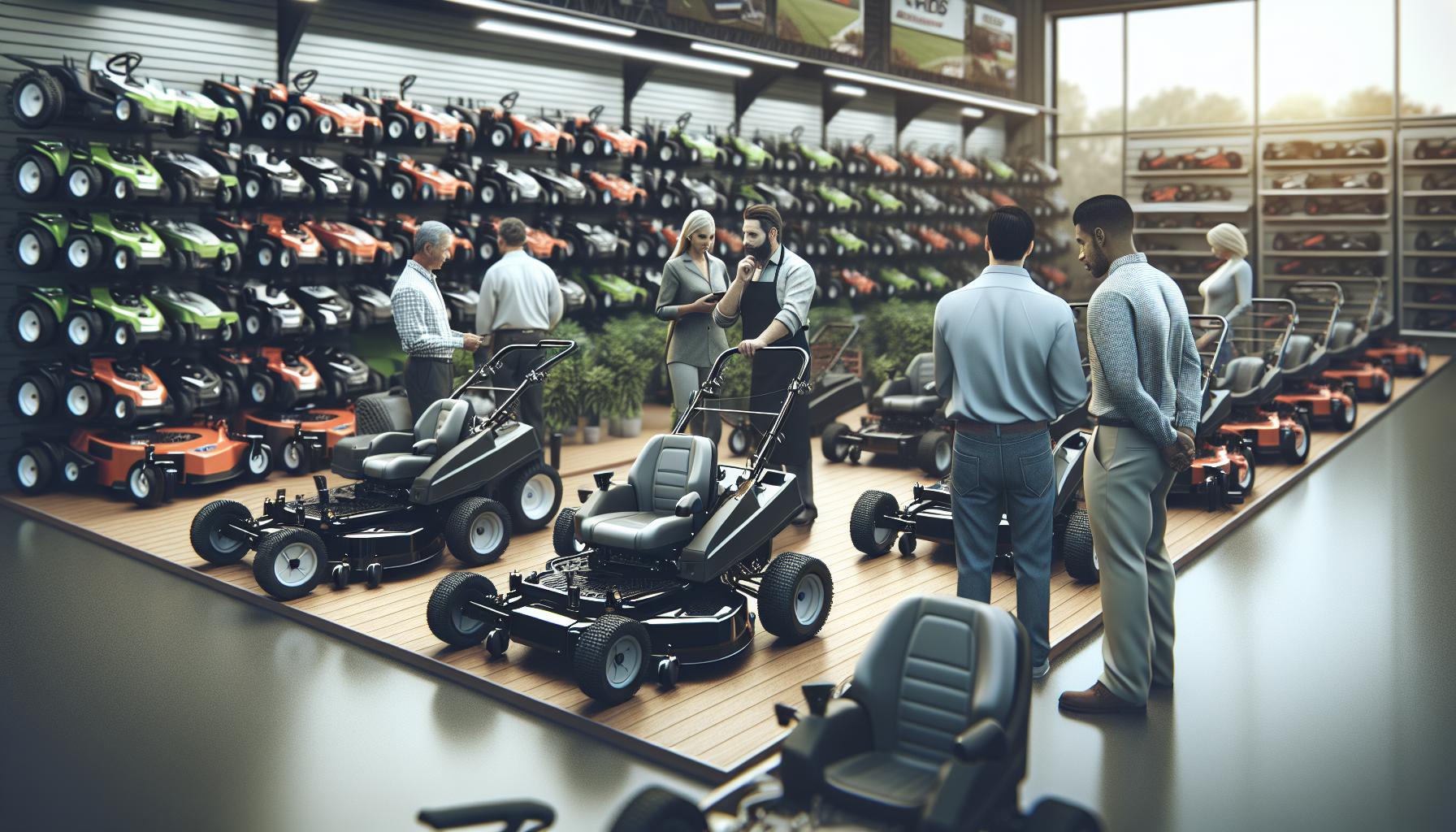
Finding the right place to purchase a zero-turn lawn mower can significantly impact your buying experience and financial investment. With a range of retailers offering these specialized pieces of equipment, it’s essential to consider both pricing and service quality. Recognizing where to shop not only helps you find a competitive price but also ensures you have access to knowledgeable support and after-sale services, which are critical for maintenance and durability.
Top Retailers for Zero Turn Lawn Mowers
When searching for the ideal zero-turn lawn mower, various retail options can enhance your shopping experience:
- Local Dealers: Many manufacturers, like John Deere, Cub Cadet, and Ferris, have authorized dealers that offer zero-turn mowers. These dealers often provide expert knowledge and personalized service, allowing you to test the mower before purchasing. Furthermore, they can offer financing options and maintenance packages that are beneficial in the long run.
- Home Improvement Stores: Major retailers such as Home Depot and Lowe’s typically carry a selection of zero-turn mowers from reputable brands. These stores often run seasonal promotions that can lead to significant savings. Additionally, the convenience of in-store pickup or home delivery offers flexibility in purchasing.
- Online Retailers: Websites like Amazon and specialized lawn equipment e-commerce sites allow you to compare prices and read customer reviews easily. While buying online may save you money, consider shipping costs and ensure there’s a robust customer return policy in case of dissatisfaction.
- Warehouse Clubs: Membership-based retailers like Costco sometimes feature competitive pricing on lawn equipment, including zero-turn mowers. These clubs can provide great deals, though availability may vary and selection can be limited.
Beyond finding the mower that fits your needs, consider the level of customer service and support each retailer offers. Post-purchase assistance can range from helping with initial setup to providing warranty service and parts. Always ask about maintenance services available through the retailer, as establishing a relationship can help you maintain your mower’s performance over time.
No matter the retailer you choose, be sure to do your research, compare models and prices, and leverage customer service capabilities available to you. This approach will ensure that you not only find the mower that suits your lawn care needs but also get the best value for your investment.
Maintenance Costs: What You Need to Budget
Maintaining a zero-turn lawn mower is essential not just for ensuring a clean and efficient cut, but also for prolonging the life of this investment. While the initial purchase price of a zero-turn mower can be significant, it’s crucial to factor in ongoing maintenance costs to budget effectively. A well-maintained mower can last several years and often performs better, ultimately saving you time and money in the long run.
Routine maintenance typically includes engine oil changes, air filter replacements, and blade sharpening. On average, you may spend about $100 to $300 annually, depending on the model and usage frequency. Here’s a breakdown of common maintenance tasks and their associated costs:
- Oil Changes: Every 50 hours of use or at least once per season, which can cost between $40 and $100.
- Air Filters: Replacing air filters yearly may cost around $15 to $30, depending on the brand.
- Blade Sharpening/Replacement: Regular sharpening or yearly blade replacement costs can range from $10 to $50.
- Spark Plug Replacement: Every couple of seasons can cost about $5 to $15.
- Battery Maintenance: If your mower has a battery, replacing it every 3-5 years can cost between $40 and $120.
Another cost to consider is seasonal preparation. Before winter or after the mowing season ends, you may want to take your mower in for a comprehensive service, which can run between $75 and $150. This service might include winterizing the fuel system, checking the battery, and getting the mower ready for storage.
Overall, budgeting for maintenance should be a fundamental part of your ownership experience. Keeping these costs in mind will help ensure you’re prepared not only for the purchase of your zero-turn lawn mower but for its long-term performance.
Financing Options for Zero Turn Lawn Mowers
Acquiring a zero-turn lawn mower can significantly enhance your lawn care routine, but the upfront costs can be daunting for many buyers. Fortunately, various financing options have emerged to make ownership more accessible. Whether you’re looking at residential or commercial models, understanding these financing solutions can simplify your purchase decisions and make it easier to manage your budget.
One common route for financing zero-turn mowers is through manufacturer financing programs, such as those offered by well-known brands like John Deere and Husqvarna. These programs often feature low interest rates, promotional terms, or even seasonal discounts that can help reduce the overall cost of ownership. For instance, John Deere provides flexible financing choices that allow you to bundle your mower with necessary attachments and accessories, consolidating your payments into one manageable monthly amount [[1]]. Similarly, Husqvarna offers tailored financing solutions for both residential and commercial equipment, making it easy for customers to find a plan suited to their needs [[2]].
Another important option is to explore financing through third-party lenders, particularly for buyers who may have less-than-perfect credit. Companies like American First Finance specialize in providing financing solutions based on individual needs rather than credit scores. This can be especially beneficial for buyers looking to invest in a zero-turn mower but worried about their credit history [[3]]. This option offers a pathway to ownership without the immediate pressure of full cash payment, especially during peak seasons when timely mowing equipment is crucial.
Additionally, consider checking with local dealers or financial institutions that might provide promotional financing options or special loan programs. These arrangements may include payments that defer interest for the initial months or offer cashback incentives for early repayment. By carefully exploring these financing avenues, you can find a solution that aligns with your financial situation, allowing you to invest in a quality zero-turn mower without undue stress on your budget.
Seasonal Deals and Discounts on Lawn Equipment
When it comes to purchasing a zero turn lawn mower, timing can significantly influence your budget. Many retailers offer seasonal deals and discounts that can substantially lower the price of these high-performance machines. Typically, the best times to seek out these savings are during the off-season-late fall and winter-when demand is lower. Retailers often run clearance sales to make room for new inventory, providing an excellent opportunity for buyers to snag a great deal.
In addition to seasonal clearances, keeping an eye on holiday sales can also pay off. Major holidays like Memorial Day, Labor Day, and even Independence Day often bring promotional events where retailers slash prices on outdoor equipment, including zero turn mowers. Signing up for newsletters from local dealers or national home improvement stores can keep you informed about these special offers. They frequently highlight deals that may not be widely advertised, giving you an edge in finding competitive prices.
Another way to maximize savings is to consider purchasing during events like Black Friday or Cyber Monday, when many retailers broaden their range of discounts to attract buyers. It’s a strategy that not only allows you to access lower prices but might also include bundled offers, such as discounts on mower accessories or services like maintenance. To ensure you’re making the best decision, it can be valuable to compare prices across various retailers during these key sale periods, ensuring you identify where the best savings lie.
Ultimately, being strategic about your timing can lead to significant savings on your zero turn lawn mower purchase. By leveraging seasonal sales, holiday promotions, and keeping tabs on clearance events, you can invest in a high-quality mower and enhance your lawn care routine without overspending.
User Reviews: What Buyers Are Saying
When considering the purchase of a zero turn lawn mower, potential buyers often turn to user reviews to gather insights on performance, reliability, and overall satisfaction. These firsthand accounts can serve as a guiding light for those navigating the sea of options available. Many users rave about the exceptional maneuverability of zero turn mowers, which allow them to navigate tight corners and obstacles effortlessly. For instance, one reviewer noted that their mower reduced mowing time by nearly half, allowing them to enjoy more leisure time in their garden.
However, not all experiences are glowing. Some users emphasize the importance of understanding the learning curve associated with operating a zero turn mower. Those new to this type of equipment may find it challenging to control at first, especially if they’ve previously used traditional riding mowers. Investing time in practice is often recommended, and many veterans of zero turns advise watching instructional videos to get familiar with the machine’s controls before tackling larger lawns.
Positive Feedback
- Efficiency: Many buyers highlight the speed and efficiency of zero turn mowers, praising their ability to cover large areas quickly and effectively.
- Cut Quality: Users frequently mention the superior cut quality, noting that their lawns look professionally manicured.
Areas of Concern
- Cost: A common concern is the initial investment. Buyers often discuss the sticker shock associated with some premium models and the necessity of balancing budget constraints with desired features.
- Maintenance: Some users also mention that while the mowers are efficient, they require regular maintenance, which can add to the overall cost of ownership.
What to Take Away
Arming yourself with specific user experiences not only helps gauge the value of different models but can also inform your decision-making process regarding features and pricing. Exploring various reviews and user forums can provide clarity on what to expect and where to allocate your budget effectively to meet your lawn care needs. Ultimately, whether users experience joy or frustration, their insights create a richer understanding of what a zero turn mower can offer-helping prospective buyers make informed choices that best suit their lawn care requirements.
Cost-Effective Alternatives to Zero Turn Mowers
While zero turn lawn mowers are lauded for their efficiency and maneuverability, they often come with a hefty price tag that can deter budget-conscious buyers. Fortunately, there are several cost-effective alternatives that can meet your lawn care needs without breaking the bank. Exploring these options can help you maintain a beautiful yard while keeping your expenses in check.
Push mowers are a classic solution that offers affordability and simplicity. For smaller lawns, a reliable push mower can deliver a clean cut without the complications of powered machinery. Modern push mowers come in various designs, including reel mowers that provide an environmentally friendly option, requiring no gas or electricity. From an economic standpoint, these mowers are significantly cheaper than their zero-turn counterparts, with prices typically ranging from $150 to $500.
Garden Tractors
For larger spaces that still require nimble maneuverability, consider garden tractors. They offer more cutting power than traditional riding mowers and can handle various attachments for tasks beyond mowing-such as tilling or hauling. While generally priced between $1,500 and $2,500, they can be an excellent investment for those with modest budgets who need versatile lawn care solutions.
Overseeders and Walk-Behind Mowers
Another economical choice is the walk-behind mower, which can effectively work in tight spaces where zero turn mowers excel. They are straightforward to use and maintain, often available in the $300 to $800 price range. Additionally, some users opt for overseeders to complement their mowing strategy, promoting lawn health without the need for high-maintenance equipment.
When shopping for lawn care solutions, it’s essential to weigh the features you need against the costs. Used equipment marketplaces can also provide access to second-hand models at a fraction of the original price, allowing you to explore various mowers without exceeding your budget. By evaluating your expectations and considering these alternatives, you can find an option that balances efficiency with affordability, ensuring you achieve a well-kept lawn without the investment associated with zero turn mowers.
Maximizing Value: Tips for Negotiating Prices
When it comes to purchasing a zero turn lawn mower, negotiating the price can significantly impact your overall expenditure. With the right strategies, you can secure a better deal that respects your budget while ensuring you get the mower that fits your needs. Buyers often discover that starting the conversation armed with knowledge about market prices and mower features is a powerful position to negotiate from.
One effective tactic is to research the average market price for the specific model you’re interested in. Utilize online resources and local dealer listings to gather comparable pricing information. Armed with this data, approach the seller with a clear understanding of what’s reasonable. If you notice discrepancies between their asking price and your research, don’t hesitate to mention this to negotiate a lower price. Additionally, consider the time of year; many retailers are eager to clear out inventory at the end of the mowing season, making late summer or early fall a prime time to strike a deal.
Another angle is to inquire about financing options and promotions that might be available. Many dealers offer special financing plans or seasonal discounts which can ease the upfront financial burden. If financing isn’t preferable, try asking if they can bundle accessories or extended warranties into the deal at no extra cost. Emphasizing your interest in a long-term purchase can often motivate sellers to accommodate additional benefits.
Lastly, building rapport with the seller can also aid in the negotiation process. Politeness and enthusiasm about the product can create a positive atmosphere, making the salesperson more inclined to work with you. Approach the conversation as a partnership rather than a confrontation; this can lead to better outcomes for both parties. In the end, a little patience and strategic inquiry can translate into considerable savings on your zero turn lawn mower purchase.
Frequently asked questions
Q: What is the average price of a zero-turn lawn mower?
A: The average price of a zero-turn lawn mower typically ranges from $2,500 to $5,000, depending on the brand, size, and features. Budget models start around $2,000, while premium models can exceed $7,000. Be sure to check out the “Average Price Range for Zero Turn Lawn Mowers” section of our article for detailed comparisons.
Q: How do I choose the right zero-turn lawn mower for my yard?
A: Choosing the right zero-turn mower depends on your yard size and terrain. For smaller yards, a model with a smaller deck (42-48 inches) suffices, while larger properties may benefit from wider decks (60 inches or more). Review our “Essential Features that Affect Pricing” section for tips on selecting features that match your needs.
Q: Are zero-turn lawn mowers worth the investment?
A: Yes, zero-turn lawn mowers are worth the investment for those with large lawns. They offer superior maneuverability and speed, making mowing faster and more efficient. Consider the potential time savings and high-quality cuts to determine if they fit your mowing needs.
Q: What maintenance costs should I expect with a zero-turn lawn mower?
A: Maintenance costs for a zero-turn mower can range from $200 to $500 annually, covering oil changes, blade sharpening, and parts replacement. Regular upkeep helps ensure longevity and optimal performance. Refer to our “Maintenance Costs: What You Need to Budget” section for more insights.
Q: When is the best time to buy a zero-turn lawn mower?
A: The best time to buy a zero-turn lawn mower is during the fall or early spring when retailers often offer discounted prices on equipment. Look for seasonal deals in the “Seasonal Deals and Discounts on Lawn Equipment” section of our article for potential savings.
Q: What financing options are available for purchasing a zero-turn lawn mower?
A: Many retailers offer financing options for zero-turn lawn mowers, including installment plans and deferred payment schemes. Some even partner with financing companies to provide promotional rates. Check out the “Financing Options for Zero Turn Lawn Mowers” section for specific offers and tips.
Q: Can I find used zero-turn lawn mowers for sale?
A: Yes, used zero-turn lawn mowers are available for sale through various platforms, including local classifieds, online marketplaces, and dealerships. However, always inspect the mower condition and ask for maintenance records before purchasing.
Q: What should I look for to ensure a zero-turn mower is a good deal?
A: To ensure a zero-turn mower is a good deal, consider its age, maintenance history, features, and warranty. Test drive the mower if possible and compare prices across different retailers to find the best offer. Our section on “Maximizing Value: Tips for Negotiating Prices” contains additional strategies.
In Conclusion
As you navigate the world of zero turn lawn mowers, remember that understanding price ranges is just the beginning. With models varying in features and functionalities, identifying the right mower for your needs can save you time and energy on your lawn care. Don’t miss out on our in-depth comparisons of popular models and maintenance tips to ensure you’re maximizing your investment.
Now is the perfect time to explore our related articles on the benefits of zero turn mowers and financing options that can make your purchase easier. If you found this guide helpful, subscribe to our newsletter for the latest insights and updates in lawn care. Your dream mower is just a click away-take the next step in enhancing your lawn experience today! Have questions? Leave a comment below; we’re here to help!