
A lush, green lawn can be the crown jewel of your home, but achieving and maintaining that beauty often comes down to one crucial decision: whether to hire a lawn fertilizer service. With the average homeowner investing considerable time and money into their lawns, understanding the value of professional fertilizer applications becomes essential. While DIY methods can seem cost-effective, juggling your busy schedule and ensuring optimal results can be challenging. In this article, we will explore the pros and cons of lawn fertilizer services, helping you weigh the potential benefits against the costs. By the end, you’ll be equipped to make an informed decision about whether investing in a professional service is worth it for the vibrant lawn you desire.
Evaluating the Costs of Lawn Fertilizer Services
To make an informed decision about whether lawn fertilizer services are worth the investment, it is essential to carefully evaluate the costs associated with these services. Many homeowners find that professional lawn care can yield substantial benefits, but the financial implications can vary significantly based on several factors including the size of your lawn, the frequency of treatments, and the type of fertilizer used. For instance, while the upfront costs may seem daunting-typically ranging from $50 to $150 per treatment depending on the region and service provider-considering long-term benefits like improved lawn health and property value can change your perspective on these expenses.
### Factors Influencing Cost
- Size of the Lawn: Larger lawns will naturally incur higher costs, and prices are often calculated per square foot.
- Type of Service: Basic fertilization might be less expensive than comprehensive packages that include aeration, pest control, or seeding.
- Frequency of Treatments: Many companies offer seasonal packages that can reduce per-application costs, while one-time services may not provide the same value.
- Local Climate: Different regions require varying types of fertilizers, impacting overall costs based on local availability and specialty products.
### Comparing DIY vs. Professional Costs
When evaluating the costs, it’s also crucial to compare professional services against the DIY approach. While DIY fertilization may seem like a cost-effective solution, including the purchasing of materials and tools, the added time, effort, and potential for misapplication (which could damage your lawn) can lead to hidden costs. Moreover, professionals bring expertise in selecting the right products, timing applications, and using proper techniques that can ultimately enhance the health and appearance of your lawn, arguably providing a better return on investment.
In summary, involves more than just looking at the price per treatment; it requires considering the potential long-term benefits, frequency of care, and the risk associated with DIY methods. Taking these factors into account will help you make a more informed decision about whether these services are aligned with your lawn care goals and budget.
Benefits of Professional Lawn Fertilization
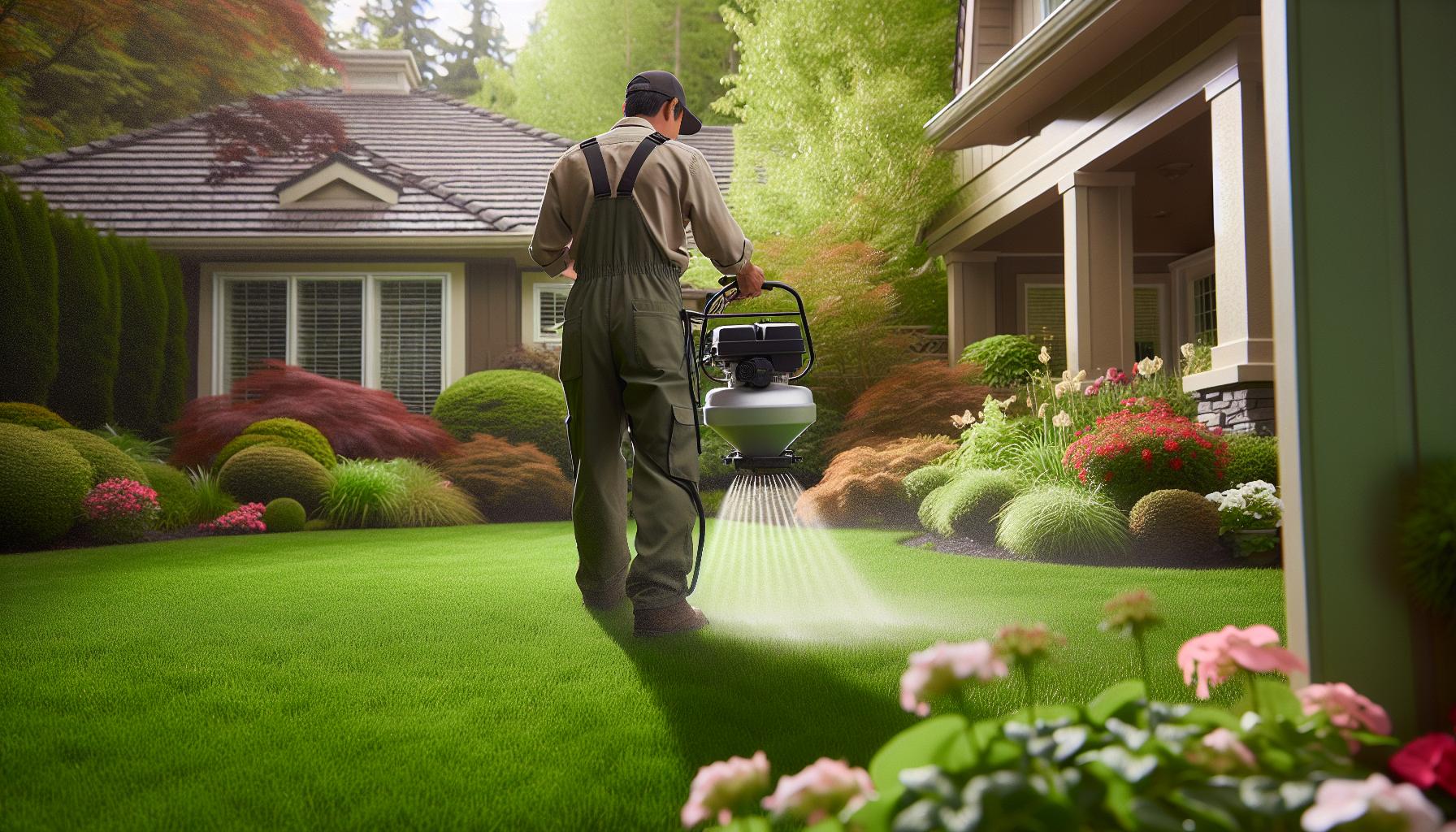
Professional lawn fertilization services offer a compelling edge in maintaining lush, healthy grass that not only enhances curb appeal but also contributes to the overall value of your property. One of the most significant benefits of hiring professionals is their ability to customize fertilization plans tailored to your lawn’s specific needs. This individualized approach, often based on soil testing and regional climate analysis, ensures that your grass receives the right nutrients at the right time, preventing issues like nutrient runoff and promoting optimal growth.
Moreover, experienced lawn care professionals bring a wealth of knowledge about the latest fertilization techniques and products. They understand the science behind fertilization, including when to apply fertilizers for maximum effectiveness and how to select products that align with environmental sustainability goals. Their expertise often translates into healthier lawns, which are less prone to diseases and pests, reducing the long-term costs associated with lawn repair and maintenance.
Another significant advantage of professional services is the time-saving aspect. Fertilizing a lawn requires careful planning, scheduling, and execution-a process that can be labor-intensive for homeowners with busy schedules. By outsourcing this task, homeowners can focus on other priorities, knowing that their lawn is in capable hands. Furthermore, many professional services offer additional treatments like aeration, overseeding, and pest control, creating a comprehensive lawn care plan that enhances efficiency and reduces the need for multiple service providers.
In the long run, the investment in professional lawn fertilization often pays off. A well-maintained lawn can increase property value by up to 15%, according to various real estate studies. This enhances not just the aesthetic appeal but also the marketability of your home should you decide to sell. By considering the expertise, time savings, and potential increase in property value, it’s clear that professional fertilization services deliver substantial benefits that go beyond just a green lawn.
Common Lawn Fertilization Approaches Explained
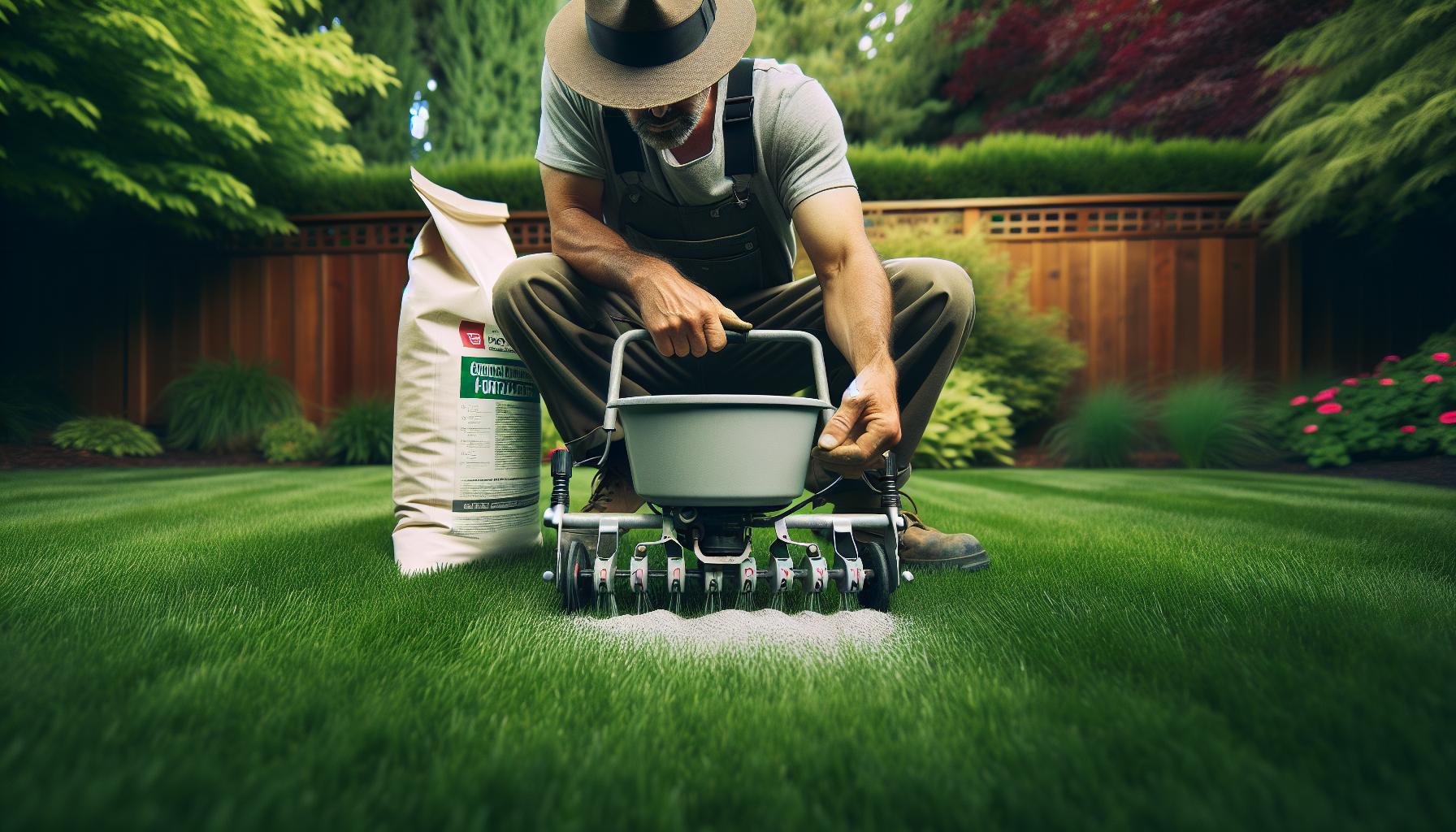
To achieve a vibrant and healthy lawn, understanding the common fertilization approaches is essential. Homeowners often face the challenge of sifting through various methods, each with its own set of advantages. By familiarizing yourself with these techniques, you can make informed choices about the best fertilization strategy for your lawn.
One of the most prevalent approaches is granular fertilization. This method involves spreading solid fertilizers across the lawn, which can be further categorized into slow-release and quick-release options. Slow-release fertilizers gradually provide nutrients over time, ensuring a consistent supply that fosters steady growth. Quick-release fertilizers, on the other hand, deliver an immediate nutrient boost, ideal for addressing specific deficiencies or giving your lawn a quick pick-me-up during the growing season.
Another popular technique is liquid fertilization, where nutrients are dissolved in water and applied as a spray. This method allows for more precise delivery of nutrients and can be easily absorbed by grass roots. Liquid fertilizers are particularly beneficial for homeowners who prefer a more immediate impact or need to address specific nutrient shortcomings quickly. Additionally, they can be combined with pesticides or herbicides for comprehensive lawn care in a single application.
For those focusing on sustainability, organic fertilization is an increasingly favored option. Organic fertilizers, derived from natural sources such as compost, manure, or plant meals, not only enhance soil fertility but also contribute to improving soil structure and microbial activity. This method promotes a healthier ecosystem within your lawn, which can lead to more resilient grass in the long term. Homeowners who opt for organic means often find their lawns become less reliant on synthetic chemicals, aligning with a growing trend towards environmentally friendly gardening practices.
Lastly, fertilizer blends are tailored combinations designed to address specific lawn needs based on soil tests and regional conditions. These custom mixes can optimize nutrient delivery for your grass type and local climate, ensuring that your lawn receives a balanced diet tailored to its unique requirements. By understanding and applying these various fertilization approaches, homeowners can cultivate a flourishing lawn that enhances their property’s beauty and value.
How to Choose the Right Service Provider

Choosing the right lawn fertilizer service provider can make all the difference in achieving a lush, healthy lawn. With a multitude of companies vying for your business, it’s essential to approach your choice with both diligence and knowledge. A good starting point is to look for providers with a solid reputation in your area. Consider asking for recommendations from neighbors or friends who have had positive experiences. Checking online reviews and testimonials can also provide insight into the reliability and effectiveness of a service. Sites like Yelp or Google Reviews often feature honest assessments that can guide your decision.
When evaluating potential service providers, it’s crucial to inquire about their qualifications and experience. Many reputable companies will have certified agronomists or horticulturists on staff who understand the specific needs of your lawn type and local soil conditions. Ask about their fertilization methods and whether they use organic options if that aligns with your preferences. A company that tailors its approach based on your lawn’s unique characteristics, such as soil composition and grass types, is more likely to deliver effective results.
Another important consideration is the transparency of their pricing structure. Be wary of companies that offer unusually low prices, as this can often indicate subpar service or hidden costs. A trustworthy provider should be willing to discuss the specific treatments included in their packages and any potential additional fees. Requesting a detailed estimate can help clarify what you will receive, ensuring you get value for your investment.
Additionally, assess their customer service. A provider that communicates clearly and promptly can significantly enhance your experience. Evaluate how they handle your initial inquiries and whether they are willing to address any concerns you might have. This level of responsiveness often reflects their overall commitment to customer satisfaction. Ultimately, the right service provider should not only meet your expectations in terms of lawn care but also provide peace of mind through professionalism and expertise.
DIY Lawn Fertilization vs. Professional Services

When it comes to lawn fertilization, homeowners often find themselves weighing the pros and cons of doing it themselves versus hiring a professional service. It’s a decision that can significantly impact the health, appearance, and sustainability of your lawn. An estimated 30% of homeowners attempt DIY lawn care, largely driven by the desire to save money and gain hands-on experience. However, this path comes with its own set of challenges and potential pitfalls.
One of the primary advantages of DIY lawn fertilization is cost savings. By purchasing your own fertilizers and equipment, you can often spend less than hiring a service. Additionally, the process can be rewarding. Many homeowners find satisfaction in seeing the results of their labor, such as vibrant green grass and improved curb appeal. However, effective fertilization requires a good understanding of soil health, nutrient requirements, and the timing of applications, which can be overwhelming for beginners. Without proper knowledge, it’s easy to over-fertilize, leading to burnt patches and even nutrient runoff, which is harmful to local waterways.
On the other hand, professional lawn fertilization services provide expertise and tailored solutions. These providers typically employ knowledgeable staff who understand local soil conditions and grass types, enabling them to apply the right fertilizers at the right times. Furthermore, professionals often have access to high-quality products and specialized equipment that can enhance the effectiveness of fertilization. Many services also offer additional benefits such as soil testing and ongoing maintenance programs, ensuring a holistic approach to lawn care.
Key Considerations When Choosing Between DIY and Professional Services
To help you make an informed decision, consider these factors:
- Expertise: Do you have a solid understanding of your lawn’s specific needs, including soil type and nutrient requirements?
- Cost vs. Time: Are you willing to invest the time required for research, purchasing supplies, and actually applying the fertilizers, or would you prefer to leave it to the experts?
- Long-Term Health: Are you thinking about the long-term health of your lawn, which may benefit from professional monitoring and adjustments over time?
- Environmental Impact: Are you informed about sustainable practices in fertilization, and can you implement them effectively?
Ultimately, your choice will depend on your personal preferences, lawn care knowledge, and budget. Whether you decide to go the DIY route or enlist professional help, understanding the tradeoffs is crucial for achieving and maintaining a lush, healthy lawn.
Assessing Long-Term Value of Lawn Care
Investing in lawn care, particularly through professional fertilization services, can yield significant long-term benefits that extend beyond the immediate aesthetic improvements. Healthy lawns contribute to the overall environmental wellness of a community by improving air quality, enhancing water absorption, and supporting biodiversity. When evaluating the long-term value of these services, homeowners should consider not just the visual appeal but also the impact on property value, environmental health, and personal enjoyment.
One of the most persuasive arguments for professional fertilization is the potential increase in property value. A well-maintained lawn can enhance curb appeal, which is often a deciding factor for prospective buyers. According to studies, homes with attractive landscaping, including vibrant lawns, can sell for up to 10-20% more compared to similar homes with less appealing outdoor spaces. Furthermore, professional services often include soil testing and tailored treatments that address specific lawn needs, ensuring that the grass remains healthy and visually appealing year-round.
Another crucial aspect is the environmental impact of lawn care practices. Professionals are typically educated on sustainable practices that minimize runoff, reduce chemical usage, and properly manage resources. This not only helps maintain the health of local ecosystems but also protects water quality in nearby streams and lakes. When homeowners prioritize environmentally friendly fertilization, they contribute to a healthier community, promoting practices that many residents value today.
In addition to property and environmental benefits, investing in professional lawn care can free up time for homeowners. The DIY route can be time-consuming and often results in trial and error, which can lead to frustration and wasted resources. By outsourcing this responsibility, homeowners can focus their energy on other priorities while ensuring their lawn receives expert care, ultimately allowing them to enjoy their outdoor spaces without the hassle of constant upkeep.
In conclusion, the long-term value of lawn fertilization services stretches beyond the immediate results; it encompasses increased property value, environmental stewardship, and personal convenience. By weighing these factors, homeowners can make more informed decisions that align with their financial and ecological goals.
Frequently Asked Questions About Fertilizer Services
Understanding lawn fertilization services can raise numerous questions for homeowners considering whether to invest in professional care. The complexities of lawn care often leave people wondering about what to expect, which factors impact pricing, and how to assess whether it’s a worthwhile investment for their specific needs. Below are answers to some common inquiries to help clarify these aspects.
One frequently asked question is, What are the typical costs associated with lawn fertilization services? The cost can vary widely based on several factors, including lawn size, service frequency, and the specific fertilization program chosen. On average, homeowners can expect to pay from $50 to $150 per treatment. Many companies offer package deals or seasonal contracts that can reduce the price per visit. It’s essential to get quotes from multiple providers and compare what services are included to ensure you’re receiving fair value.
Another common concern is How can I determine if I need professional fertilization services? Signs that your lawn may benefit from professional care include inconsistent growth, discoloration, or persistent weeds. If you find that DIY approaches have produced lackluster results, it may be time to consult a professional. Lawn care experts often conduct soil tests to identify specific nutrient deficiencies and recommend tailored fertilization strategies that could lead to more vibrant and healthier grass.
Homeowners also often ask, What should I expect from a professional service? A reputable lawn care service typically begins with an evaluation of your lawn’s current condition. This may involve soil testing, assessment of plant health, and an evaluation of existing weed problems. Following this analysis, they will likely develop a customized fertilization plan that includes the type and frequency of applications, addressing the unique needs of your grass type and local climate.
In light of sustainability concerns, many are curious about the environmental implications of lawn fertilization services. Professionals are increasingly knowledgeable about eco-friendly practices, using organic fertilizers and precision techniques to minimize environmental impact. By choosing a service that prioritizes sustainable methods, homeowners not only support their lawn’s health but contribute to broader community efforts in maintaining ecological balance. It’s worth asking potential providers about their practices and certifications regarding sustainable lawn care.
Ultimately, seeking professional lawn fertilization services is a decision that should be informed by understanding your specific lawn care needs, the value offered by professionals, and the potential long-term benefits to both your property and the environment.
Sustainable Practices in Lawn Fertilization
Sustainable lawn fertilization practices are becoming increasingly relevant as homeowners seek to balance lawn care with environmental responsibility. One compelling approach involves utilizing organic fertilizers, which not only nourish the soil but also reduce harmful runoff into local waterways. Many professionals now offer eco-friendly alternatives that are derived from natural materials, minimizing the use of synthetic chemicals that can negatively impact ecosystems.
Precision Fertilization
Another sustainable method gaining traction in the lawn care industry is precision fertilization. This approach entails conducting soil tests to determine the specific nutrient needs of your lawn, allowing for more tailored applications. By applying only the necessary amount of fertilizer at the right times, lawn care companies can enhance lawn health while decreasing excess nutrient application, which is a common driver of pollution. For instance, using a soil test can help identify deficiencies in nitrogen or phosphorus, ensuring that the right products are applied in optimal quantities.
Integrated Pest Management (IPM)
Furthermore, many lawn care providers are adopting Integrated Pest Management (IPM) practices that emphasize the use of cultural, biological, and mechanical control methods. These strategies lower the reliance on chemical pesticides, fostering a healthier lawn environment. For example, encouraging beneficial insects or employing techniques such as aeration can improve soil health and reduce pest issues naturally.
In conclusion, investing in professional fertilization services that prioritize sustainable practices can yield long-term benefits for your lawn and the environment, ensuring not only a lush landscape but also a commitment to ecological stewardship. Homeowners should inquire about specific practices, whether a company uses organic materials, and how they approach nutrient management to make informed decisions about soil health and environmental impact.
User Reviews and Experiences with Services
User reviews and experiences with lawn fertilization services can provide invaluable insights into their true value. Many homeowners find themselves pondering whether investing in professional services will yield the lush, green lawn they desire, or if they might achieve similar results through DIY methods. According to various online testimonials, satisfaction with these services often hinges on clear communication and realistic expectations from the service provider.
Many customers report that professional fertilization services not only enhance the aesthetics of their lawns but also contribute to healthier soil and improved nutrient absorption. Users frequently highlight the effectiveness of tailored treatments that take into account the specific needs of their grass types and soil conditions. For example, one homeowner expressed satisfaction after seeing a depleted area of their yard transformed with a personalized nutrient plan conducted through a thorough soil test. Professionals were able to identify deficiencies and make adjustments that significantly boosted the overall health of the lawn within weeks.
Another aspect frequently noted in reviews is the convenience factor that comes with hiring experts. Homeowners appreciate the time savings and the expertise that professionals bring, which can often make up for the upfront investment. Many reviews emphasize the peace of mind that accompanies knowing that knowledgeable individuals are treating their lawns, as opposed to the trial-and-error approach that DIY methods can entail. This sentiment resonates particularly with busy homeowners who prefer to spend their time on other activities rather than lawn maintenance.
However, not all experiences are universally positive. Some customers have voiced their concerns regarding fluctuations in service quality, noting that while initial applications yielded promising results, subsequent treatments did not maintain the same level of care or effectiveness. It’s not uncommon for reviews to point out that some providers may be more focused on upselling their products than genuinely addressing the customers’ needs. This inconsistency underscores the importance of researching and selecting a reputable service provider who prioritizes customer satisfaction and transparency over aggressive sales tactics.
In conclusion, user experiences with lawn fertilization services suggest that while many homeowners find value in professional applications, achieving the best results heavily relies on selecting the right provider who communicates well and tailors services to specific lawn conditions. Engaging with reviews and feedback from previous clients can be a powerful tool for consumers looking to make informed decisions about investing in lawn care services.
Seasonal Timing for Lawn Fertilization
Timing is crucial when it comes to lawn fertilization, as applying nutrients at the right moment can significantly impact the health and appearance of your lawn. Fertilizers can enhance growth, encourage deep root systems, and help your lawn withstand stress from environmental factors. However, to reap these benefits, it’s essential to understand the seasonal factors that influence fertilizer application.
The most effective times to fertilize your lawn typically align with the growing cycles of grass types. For cool-season grasses, which thrive in the northern regions, the best months for fertilizer application are early spring and fall. Spring applications help kickstart growth after winter dormancy, while fall fertilization prepares the grass for winter and promotes root development when temperatures begin to cool. Conversely, warm-season grasses, common in southern areas, benefit from fertilization in late spring through summer, when they are actively growing and can use the nutrients most effectively.
Key Tips for Seasonal Fertilization
To maximize the effectiveness of your fertilization efforts, consider a few vital strategies:
- Soil Testing: Conduct a soil test to understand nutrient deficiencies and pH levels. This insight helps you choose the right fertilizer blend and avoid over-fertilization, which can be harmful.
- Weather Monitoring: Apply fertilizer during dry weather to prevent washout and ensure that nutrients remain in the soil where roots can absorb them.
- Application Techniques: Use even spreading patterns, and consider using a calibrated spreader for consistent application, especially during the critical spring and fall periods.
Knowing the specific needs of your lawn based on its grass type and local climate conditions enables you to plan your fertilization schedule effectively. Additionally, being aware of factors such as rainfall and temperature can optimize nutrient uptake and promote a vibrant, healthy lawn. As evidenced by many users’ reviews, those who engage professional services often find that experts help tailor the timing and type of fertilizer to their specific lawn needs, ultimately providing greater value and results over time.
Understanding Local Regulations and Options
for lawn fertilization is essential for homeowners looking to maintain a beautiful and healthy yard while adhering to environmental standards. Many regions have specific laws governing the use of fertilizers to protect local water sources from runoff contamination. For instance, several municipalities require residents to follow seasonal application windows or restrict certain chemicals that can harm aquatic ecosystems and soil health. It’s advisable to familiarize yourself with these regulations, as non-compliance could lead to fines or mandated remediation efforts.
Moreover, local ordinances may dictate the types of fertilizers you can use. Some areas promote environmentally friendly options, encouraging the use of slow-release or organic fertilizers that lessen the risk of nutrient leaching. Engaging with your local extension service or gardening club can provide valuable insights into the most suitable fertilizers for your region and the best practices for application. They often offer resources to help educate homeowners on the potential impacts of fertilizers on local flora and fauna, promoting sustainable lawn care practices.
For residents considering professional fertilization services, many companies now emphasize compliance with local regulations in their offerings. They typically have the expertise to navigate these rules and are equipped to use products that meet legal standards. This not only ensures a robust lawn but also aligns with eco-friendly practices that contribute to the overall well-being of the community. When evaluating service providers, inquire about their knowledge of local regulations and their commitment to sustainable practices.
In summary, understanding local lawn fertilization regulations and options empowers homeowners to make informed decisions. This awareness not only enhances the health and vibrancy of your lawn but also supports local ecological balance, ensuring that your yard remains a beautiful and compliant part of the community landscape.
Maximizing the Effectiveness of Fertilizer Services
To ensure that your investment in lawn fertilization services yields the best possible results, it’s essential to adopt strategies that maximize effectiveness. One often-overlooked aspect is timing. Recognizing the optimal seasons for fertilizer application can significantly enhance nutrient absorption and grass growth. Typically, early spring and fall are ideal for most grass types, as the temperatures and moisture levels create optimal conditions for root development and nutrient uptake.
Understand Your Lawn’s Specific Needs
Different types of grass and soil conditions present unique challenges and requirements. Before engaging a service, consider conducting a soil test. This will provide crucial information about nutrient levels and pH, allowing the fertilization service to tailor their applications effectively. Understanding whether your lawn needs a nitrogen boost or requires more balanced nutrients can lead to healthier grass and a more vibrant appearance.
Communication with Your Service Provider
A clear line of communication with your fertilization provider is essential. Inform them of any previous lawn care treatments and specific problems you’ve noticed, such as bare patches or discoloration. This will help them apply the correct fertilizer blend and avoid strategies that may not align with your lawn’s health. Additionally, inquire about the products they use. Sustainable options that focus on slow-release fertilizers tend to have longer-lasting effects and are less likely to contribute to runoff, promoting a healthier ecosystem.
Follow Up and Monitor Progress
After the initial application, keep track of your lawn’s response. Monitor growth patterns, color, and overall health. Many service providers will offer follow-up assessments or services; take advantage of these opportunities to address any emerging issues promptly. Regular communication ensures that any necessary adjustments can be made to improve your lawn care regimen.
Engage in Sustainable Practices
To further enhance the effectiveness of fertilizer applications, incorporate sustainable practices. This not only supports the local ecosystem but can also improve your lawn’s resilience over time. Implementing practices such as mulching grass clippings back into the lawn, using organic fertilizers, and practicing proper mowing height can help create a thriving lawn while minimizing environmental impact.
By integrating these strategies into your lawn care approach, you’ll find that professional fertilization services can become a valuable asset in maintaining a healthy, lush landscape.
FAQ
Q: What are the advantages of hiring lawn fertilization services?
A: Hiring lawn fertilization services offers expertise in applying the right nutrients tailored to your lawn’s needs. Professionals use high-quality products and equipment that ensure even distribution, helping to improve lawn health and appearance significantly. Explore further benefits in the section on professional lawn fertilization.
Q: How can I assess the value of lawn fertilization services?
A: To assess the value of lawn fertilization services, consider the health and appearance improvements of your lawn versus the costs incurred. Also, evaluate time savings and the effectiveness of professional treatments compared to DIY efforts. Refer to the section on assessing long-term value of lawn care for more insights.
Q: Are there alternatives to professional lawn fertilization services?
A: Yes, alternatives include DIY fertilization using store-bought products or natural options like compost. While these methods can be cost-effective, they may require more time and knowledge to achieve optimal results. Compare these approaches in the DIY vs. professional services section of the article.
Q: When is the best time to schedule lawn fertilization?
A: The best time for lawn fertilization typically depends on your grass type and local climate, but early spring and fall are generally ideal for most regions. Seasonal timing ensures that nutrients are absorbed effectively. For specific recommendations, see the seasonal timing for lawn fertilization section.
Q: How do I choose a reliable lawn fertilization service?
A: To choose a reliable lawn fertilization service, research local providers, read reviews, and verify their certifications. Request quotes and ask about their methods to ensure they align with your lawn care goals. Details on how to choose a service provider are covered in the article.
Q: What should I expect from a professional lawn fertilization service?
A: Expect professionals to conduct a soil test, recommend a suitable fertilization plan, apply products safely, and provide follow-up care tips. The entire process should focus on enhancing your lawn’s health and vitality, detailed further in the benefits of professional lawn fertilization section.
Q: Are lawn fertilizers safe for children and pets?
A: Most modern lawn fertilizers are designed to be safe for children and pets when used correctly. However, it’s essential to follow label instructions and keep them off treated areas until the product has settled. Check local guidelines for specifics on safety in your region, as discussed in understanding local regulations.
Q: How can sustainable practices be integrated into lawn fertilization?
A: Sustainable practices in lawn fertilization include using organic fertilizers, implementing soil health improvements, and opting for proper watering techniques. These approaches reduce chemical use and support environmental health. Explore more about sustainable practices in the respective section of the article.
Closing Remarks
As we’ve explored in “Are Lawn Fertilizer Services Worth It: Value Analysis,” professional fertilization can significantly enhance the health and aesthetics of your lawn, leading to a lush and vibrant outdoor space. If you’re still unsure about taking the plunge, remember that investing in your lawn now can save you time and resources down the line. Don’t let concerns hold you back; act today to reclaim that green paradise you’ve always wanted.
For more insights, check out our resources on maintaining your lawn and lawn care tips. If you’re ready to take action but need guidance, consider signing up for our newsletter or exploring consultation services tailored to your lawn care needs. Share your thoughts in the comments below, and don’t forget to connect with us on social media for more lawn care tips and tricks! Your ideal lawn is just a decision away-let’s get started!