When considering hiring a lawn service, it’s crucial to understand that financial disputes may lead to significant consequences, including the potential for a lien on your property. A lien is a legal claim against your property, giving the service provider the right to seek payment by seizing your property if bills go unpaid. This can be a daunting prospect for homeowners who assume lawn care is a straightforward investment. It’s essential to recognize that not all lawn care services operate the same way, and knowing your rights and obligations can help you maintain control over your property and finances. As we delve deeper into this topic, we’ll explore how liens work in relation to lawn services and what you can do to protect yourself, ensuring your investment in your home remains secure. Stay tuned to uncover vital insights that could prevent a financial headache down the line.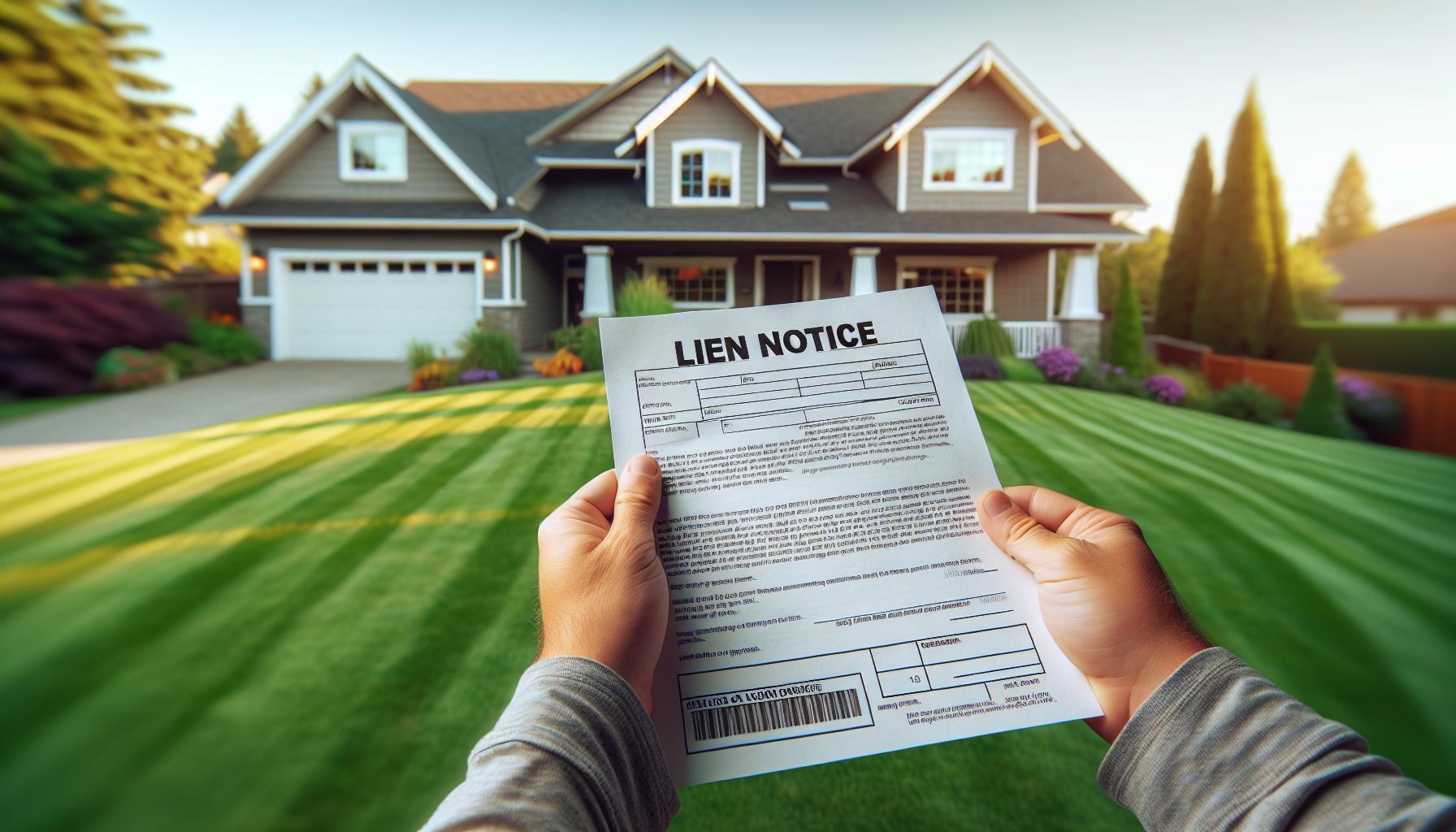
Understanding Liens: What You Need to Know
Understanding the nuances of liens is crucial for property owners, particularly when it comes to services like lawn care. A lien is a legal right or interest that a service provider, such as a lawn care company, can claim over a property until an obligation, typically payment for services rendered, is satisfied. For homeowners, this can mean that if a lawn service completes work and is not compensated, they have the power to file a lien against the property, potentially hindering the owner’s ability to sell or refinance.
When it comes to lawn services, understanding if and how they can place a lien on your property begins with the nature of the agreement you have with them. Most often, this relates to unpaid bills for services like mowing, fertilization, or landscaping. A service provider must typically inform you in writing of their intent to file a lien and allow for a certain period for payment before taking action. This provision safeguards homeowners, offering them time to settle disputes before formal proceedings.
It’s also essential to recognize that the rules surrounding liens can vary significantly by state. Some jurisdictions may require additional steps, such as notifying the homeowner of any outstanding issues before a lien can be filed, and others may have specific regulations outlining how and when liens must be established. Hence, staying informed about local laws and maintaining clear communication with your service provider can help prevent unwanted legal complications.
In summary, while lawn service companies can file liens to secure payment, being proactive about understanding your rights and obligations can help you navigate this process. Should you find yourself facing a lien, knowing the legal grounds and possible recourse available to you is vital for protecting your property rights.
How Lawn Services Can File a Lien
Lawn care services play a vital role in maintaining the aesthetic appeal and health of your property. However, when payments for these services are left outstanding, lawn service providers have the legal right to file a lien against your property. This process typically involves several steps, which are crucial for both the service provider and the property owner to understand.
First, a lawn service company must have a legal basis for filing a lien, usually stemming from an unpaid invoice or an agreement for services performed. Once a debt has been established, the provider generally must send a written notice to the homeowner to inform them of the outstanding balance and their intent to file a lien. This notification often includes details about the services rendered and a specific timeline within which the homeowner can remedy the situation, typically offering them a chance to pay the debt before further action is taken.
If the payments are still not received after this notice, the lawn service may proceed to file the lien in the appropriate local or state jurisdiction. This filing is usually documented in a public record, which formally notifies other potential creditors and can hinder the property owner’s ability to sell or refinance the property until the debt is addressed. The filing process can differ by state, so it’s important for the lawn service provider to adhere to local regulations and requirements to ensure that their lien is enforceable.
Overall, property owners should be proactive about resolving any outstanding debts related to lawn care services to prevent liens from being filed. Maintaining open communication with service providers can often prevent misunderstandings and foster a healthier business relationship.
Legal Grounds for Lawn Service Liens
The ability for lawn services to file a lien against your property is rooted in the fundamental principle of securing payment for services rendered. When a lawn service provider has fulfilled their contractual obligations-whether through mowing, fertilizing, or landscaping-and payment for these services is not made, they may have the legal grounds to pursue a lien. This legal instrument enables service providers to assert their rights, ensuring they receive compensation for their work.
To initiate the process, the lawn service must meet certain criteria. This typically starts with an established agreement or contract, either written or verbal, that clearly delineates the services to be performed and the fees involved. If payment remains outstanding beyond a specified period, providers often send a notice to the homeowner, detailing the service performed and the amount due. This serves not only to remind the property owner but also to inform them of the potential repercussions-namely, the filing of a lien-for failing to fulfill their payment obligations.
Legal frameworks regarding lawn service liens can vary widely based on location, so understanding your local laws is essential. For instance, some states may require specific documentation to be submitted when filing a lien, while others may have a more straightforward process. Typically, once a lawn service decides to proceed with filing, they will submit the necessary paperwork to a local or state office, where it is recorded as a public document. This aspect is critical: once a lien is filed, it becomes a matter of public record, which can impact the property owner’s credit and complicate future real estate transactions. Therefore, it’s crucial for homeowners to remain informed and proactive in handling financial obligations related to lawn care services to avoid escalating complications.
This understanding not only empowers property owners to safeguard their rights but also highlights the importance of maintaining clear communication with service providers. Establishing a reliable line of communication regarding services and payments can potentially prevent misunderstandings that lead to legal actions, ultimately fostering a better working relationship.
Your Rights as a Property Owner
Property owners have a set of rights designed to protect them from any unjust claims or actions, including the potential filing of a lien by a lawn service provider. Understanding these rights is crucial in navigating the complexities of home maintenance and service contracts. Whenever you engage a lawn service, it is essential to have a clear contract that outlines not just the services to be rendered, but also the payment terms, timelines, and what constitutes satisfactory completion of the work. This contract acts as your first line of defense and clarifies your obligations as well as those of the service provider.
Rights to Notice and Opportunity to Remedy
One critical right that property owners possess is the right to be notified before any lien is filed. Typically, most jurisdictions require that the lawn service provider must send a formal notice to inform you of the unpaid services and give you a chance to rectify the situation. This notice should include details about the services rendered, the amount owed, and any deadlines for payment. Understanding that you have the right to receive such notice ensures that you are not caught off guard by sudden legal actions.
Disputing a Lien
If a lien is filed against your property, you have the right to contest it. There are formal procedures in place in most states for disputing a lien, which usually involve filing a response with the appropriate local agency or court. You can argue that the lien is invalid due to lack of proper notice, improper filing, or any discrepancies in the service provided versus what was agreed upon. The burden of proof typically falls on the service provider to demonstrate the validity of the lien, providing you with an avenue to protect your property rights.
Access to Legal Recourse
Should you find yourself in a situation where a lien has been improperly placed on your property, you have the right to seek legal counsel. Consulting an attorney who specializes in property or contract law can provide you with tailored guidance based on your specific circumstances and local laws. Engaging legal services to address unnecessary liens can alleviate the stress associated with potential impacts on your credit and property transactions.
Empower yourself by understanding ; this knowledge not only enables you to safeguard your financial interests but also fosters better communication and clearer expectations with service providers. Taking proactive measures-like keeping accurate documentation of all communications and payments-can significantly enhance your standing should any disputes arise.
The Process of Disputing a Lien
Disputing a lien can feel daunting, especially when you’re facing legal claims related to unpaid services from a lawn care provider. However, understanding the process and knowing your rights can significantly empower you. The initial step is to gather all relevant documents, including contracts, invoices, and any communication you’ve had with the service provider. Clear documentation is your best ally in proving your case and demonstrating any potential errors or misunderstandings that may have led to the lien.
Once you’ve collected your evidence, you should formally contest the lien by filing a dispute with the appropriate agency or court in your jurisdiction. This procedure typically involves submitting a written response that outlines your argument against the lien. Important reasons for disputing could include lack of notification, discrepancies in the service versus the contract, or a claim that the amount owed is incorrect. Be prepared to articulate these points clearly and concisely, as the burden of proof often lies with the creditor to justify the lien’s validity.
Navigating this process may also require adherence to specific timelines. Many states have statutes that dictate the time frame in which you can file a dispute, and missing these deadlines could leave you without the opportunity to contest the lien. Therefore, it’s essential to act promptly once you’re aware of the lien. If you find the formal process overwhelming or complex, it may be wise to consult with a legal professional who specializes in property law. They can offer guidance tailored to your situation, ensuring that your rights are protected throughout the dispute process, and providing peace of mind as you handle this potentially stress-inducing issue.
Overall, being proactive and informed about the steps you can take to dispute a lien not only safeguards your property but also helps maintain your financial stability. By understanding your rights and preparing your case meticulously, you can effectively counter any improper claims from lawn service providers.
Preventing Lawn Service Liens: Best Practices
It’s essential to recognize that a lien can significantly affect your property’s title and marketability, particularly if it stems from unpaid lawn services. Fortunately, there are several practical steps homeowners can take to prevent these situations from arising. Solid communication and proper documentation are fundamental in establishing a strong relationship with your lawn service provider.
Regularly reviewing the terms of your agreement is crucial. Ensure that both parties clearly understand the scope of work, payment schedules, and circumstances that could lead to disputes. Here are some best practices to keep your property free from liens:
- Document Everything: Keep a record of all communications, quotes, invoices, and payments. Digital platforms can help store and organize these documents for easy access if issues arise.
- Set Payment Schedules: Agree on a clear payment plan and adhere to it. Whether it’s upon completion of work or on a monthly basis, consistency helps establish trust.
- Quality Control: Regularly inspect the services provided to ensure they meet the agreed standards. If any issues arise, address them immediately before payments are made.
- Open Communication: Maintain an open line of communication with your lawn service provider. If there are any delays or problems with payments, discuss them promptly to prevent escalation.
Additionally, consider implementing contractual clauses that specify the protocol for disputes, including mediation or arbitration, as these can serve as alternative routes to resolve issues before they escalate to a lien. Educating yourself on your local laws regarding property liens and lawn services can also empower you to take preventive measures effectively. Always remember that by being proactive and engaged, you can significantly reduce the risk of facing a lien on your property, safeguarding both your home and financial well-being.
Implications of a Lien on Your Property
The presence of a lien on your property can have far-reaching implications that go beyond a simple acknowledgement of debt. When a lawn service files a lien due to unpaid bills, it can lead to complications when you attempt to sell or refinance your property. A lien acts as a legal claim against your home, which means that any potential buyer or lender will see it as a red flag. This could impact your ability to obtain financing or secure the best sale price for your property, and in some cases, it may even deter buyers entirely.
In addition to affecting marketability, having a lien can result in the property being classified as “under encumbrance,” which complicates legal ownership. This means that until the lien is resolved-either through payment or legal negotiation-your property is effectively tied up in a form of legal limbo. Consequently, the homeowner might lose out on favorable market conditions to sell their home or may find it challenging to get approval for home improvement loans, as lenders hesitate to finance properties with outstanding liens.
Moreover, liens on properties can accumulate further financial obligations, as they may accrue interest over time, increasing the total amount owed to the service provider. This additional financial burden can strain personal finances, potentially leading to further credit issues if payments are not made. For homeowners looking to protect their investments, understanding the implications of a lien highlights the importance of maintaining open communication with service providers and adhering to agreed-upon payment terms.
Ultimately, the best strategy for a homeowner is to act proactively. By establishing clear terms with lawn service providers and monitoring the quality of services rendered, homeowners can prevent disputes that may lead to liens. Addressing any concerns about payments or services quickly can make a significant difference in avoiding the legal and financial repercussions tied to property liens.
Alternatives to Liens for Lawn Services
Maintaining a positive relationship with your lawn service provider is essential not only for the care of your yard but also for avoiding legal complications associated with liens. Fortunately, there are several alternatives to liens that both homeowners and lawn service companies can explore if payment disputes arise.
One key strategy is installment payment plans. These arrangements allow homeowners to pay their bills in manageable chunks instead of a lump sum, making it easier to fulfill financial obligations without incurring the stress of potential liens. Lawn service providers may be willing to negotiate payment schedules that align with the homeowner’s cash flow, thereby fostering goodwill and reducing financial strain on both sides.
Another alternative worth considering is a mediation process. This approach involves a neutral third party who can facilitate discussions between the homeowner and the lawn service provider. Mediation can provide a platform for both parties to express their concerns and work towards a mutually acceptable solution without escalating matters to the point of legal action. This not only helps in resolving disputes amicably but also preserves the working relationship, which is beneficial for ongoing lawn care needs.
Homeowners can also protect themselves by implementing a pre-service agreement. This contract outlines the scope of services, payment terms, and a clear protocol for addressing grievances. By establishing these expectations upfront, both parties can minimize misunderstandings that may lead to disputes. In addition, it can be advantageous for homeowners to conduct due diligence when selecting a lawn service provider, checking for reviews, recommendations, and their history of customer satisfaction to ensure they are working with a reliable company.
Ultimately, communicating openly and honestly about expectations and issues can prevent the legal and financial repercussions associated with property liens. By exploring these alternatives, homeowners can foster a collaborative relationship with their lawn service providers while safeguarding their assets.
State Regulations Affecting Lawn Liens
State laws significantly influence how and when a lawn service can file a lien against a property for unpaid services. Understanding these regulations is crucial not just for service providers but also for homeowners who wish to protect their interests. For instance, some states allow lawn care providers to file a lien only if they have a valid written contract that specifies the services rendered and the rates agreed upon. This can be particularly important because it underscores the necessity of maintaining clear communication and documentation throughout the service relationship.
Many jurisdictions also have specific notice requirements that must be fulfilled before a lien can be filed. This often involves notifying the homeowner of the outstanding debt and providing them with a reasonable opportunity to address the payment issues. Failure to comply with these requirements can result in the dismissal of the lien, highlighting the importance for lawn care providers to understand their local laws intricately. For homeowners, being aware of these regulations can empower them to contest an invalid lien more effectively.
Additionally, some states offer protections for homeowners against excessive liens. For example, laws may restrict the amounts that can be claimed or require that liens only cover costs directly related to services performed. This ensures that lawn service providers cannot exploit the lien process as a threat but must act within the legal parameters set forth by the state. Homeowners should always review their local statutes and may consider consulting an attorney when navigating disputes involving liens, ensuring they fully understand their rights and responsibilities.
Overall, awareness of state-specific regulations governing lawn service liens equips both homeowners and service providers with the knowledge needed to foster a fair and transparent service relationship. By understanding these laws, parties can mitigate conflict and maintain healthy communication, ultimately preserving the integrity of their agreements.
Common Myths About Lawn Service Liens
Lawn service liens are often surrounded by misconceptions that can leave property owners feeling vulnerable or confused. An unsettling myth is that any unpaid lawn care bill automatically results in a lien against a homeowner’s property. In reality, the process is not that straightforward. A lawn service must typically adhere to specific legal requirements, including providing prior notice and possessing a valid contract detailing the services rendered. This means homeowners have more protection than they may assume, allowing them room to address payment concerns before a lien is filed.
Another common belief is that lawn care providers can place a lien on a property at any time, regardless of the circumstances. This is far from accurate. Many states impose strict timelines and regulations governing when and how liens can be placed. For example, homeowners might be relieved to learn that they may have a grace period after receiving an invoice to settle their account before any legal actions like liens come into play. Understanding these limitations can serve as a strong defense against unnecessary anxiety about potential liens.
Additionally, some homeowners fear that if a lien is placed, they will lose their property immediately. However, this is misleading; a lien does not equate to ownership loss. It serves primarily as a claim to the property if debts remain unpaid, ultimately leading to a court process for resolution. Homebuyers should recognize that a lien can be challenged and resolved, often allowing them to negotiate or settle debts before any drastic legal action occurs.
Finally, many homeowners mistakenly believe that paying off a portion of the debt will automatically remove an existing lien. While paying down the debt is certainly a positive step, it does not eliminate the lien on its own. Property owners must typically follow specific legal procedures to have a lien formally released. This underscores the importance of proactive communication with service providers to avoid the complications that liens may bring. By dispelling these myths and understanding the realities surrounding lawn service liens, homeowners can better navigate their rights and responsibilities.
When to Seek Legal Advice Regarding Liens
When faced with the possibility of a lien being placed on your property due to unpaid lawn services, knowing when to seek legal advice can be crucial. The complexities of lien laws can vary significantly depending on your state’s regulations and your specific situation. If you have received notice from a lawn service provider indicating an intention to file a lien, or if you’ve already been served with a lien notice, engaging a legal professional promptly is essential. They can help clarify your rights and the potential consequences of the lien, enabling you to take informed action.
It’s also important to consult with a lawyer if you feel that a lien has been unjustly filed against your property. For instance, if you have been diligent in payment but still receive a lien threat, your lawyer can assist in disputing the lien and may help you gather evidence such as payment receipts, contracts, or previous correspondence that can support your case. This is particularly critical if you suspect that a lien was filed without complying with local notice requirements or if the service was unsatisfactory, impacting the validity of the lien.
Signs You Should Seek Legal Help
- Unclear Communication: If communication with the lawn service is confusing or one-sided, legal advice may help clarify your standing.
- Failure to Resolve Disputes: If you have attempted to negotiate a payment plan or settle a dispute and have been unsuccessful, it may be time to enlist legal support.
- Litigation Threats: If you receive any indication from the lawn service suggesting they will take further legal steps, consult a lawyer immediately.
By addressing these concerns early on, you can potentially resolve issues before they escalate, saving time, stress, and even financial burden. Achieving a clear understanding of your situation enables you to respond appropriately, whether that involves negotiating with the service provider or preparing for a legal dispute.
Faq
Q: Can a lawn service legally place a lien on my property?
A: Yes, a lawn service can legally place a lien on your property if you fail to pay for services rendered. This process typically involves filing appropriate documentation to establish the lien, which may vary by state. Understanding your rights is essential, as outlined in our article on liens.
Q: What steps do lawn services take to file a lien?
A: To file a lien, a lawn service must follow legal procedures that usually include notifying the property owner and submitting paperwork to the county recorder’s office. It is critical to understand these steps to avoid disputes, as explained in our section on how lawn services can file a lien.
Q: How can I dispute a lien from a lawn service?
A: To dispute a lien, you should gather relevant documents showing that payments were made or services were not provided as agreed. You may need to file a formal dispute with local authorities or seek legal assistance, as detailed in our article on the process of disputing a lien.
Q: What are my rights as a homeowner regarding lawn service liens?
A: As a homeowner, you have the right to receive a detailed invoice and dispute any charges you believe are unjustified. Familiarizing yourself with local lien laws can protect your rights. More information is available in our section on your rights as a property owner.
Q: Can I prevent a lawn service from placing a lien on my property?
A: You can prevent a lien by ensuring all invoices are paid promptly and maintaining clear communication with your lawn service provider. Following best practices and understanding your obligations is crucial, as outlined in our article on preventing lawn service liens.
Q: What impact does a lien have on my property?
A: A lien can affect your property by restricting your ability to sell or refinance until the debt is settled. It’s essential to resolve any liens promptly to avoid further complications, as detailed in our section on the implications of a lien on your property.
Q: Are there alternatives for lawn services instead of filing liens?
A: Yes, lawn services can opt for alternative collections methods, such as payment plans or mediation before resorting to liens. Understanding these alternatives can be beneficial for both parties, as discussed in our article on alternatives to liens for lawn services.
Q: Is there a time limit for a lawn service to file a lien?
A: Yes, there is typically a time limit, often referred to as a statute of limitations, which varies by state. This timeframe generally starts from the date services were last performed or payment was due. Check our section on state regulations affecting lawn liens for specific details.
Feel free to explore our article further for in-depth insights into lawn service liens and how they can affect you.
Key Takeaways
Understanding whether a lawn service can put a lien on your property is crucial for protecting your financial interests. Remember, timely payments and clear contracts can help you avoid unwelcome legal complications. If you still have questions or concerns about your lawn care agreements, don’t hesitate to reach out to a legal expert for clarity.
For further insights, explore our comprehensive guides on understanding lawn service agreements and best practices for dealing with service providers. Don’t miss out-sign up for our newsletter for tips and resources that empower you to manage your property with confidence. Let’s keep the conversation going; we invite your thoughts and experiences in the comments below! Your satisfaction and knowledge are our top priorities!