
Did you know that a well-maintained lawn can increase your property value significantly? Many homeowners grapple with the question of whether lawn care services are essential. In this guide, we’ll explore the classification of lawn care as an essential service, shedding light on its importance not just for aesthetics but also for environmental health and community well-being. Whether you’re thinking about hiring a professional service or tackling lawn maintenance yourself, understanding the nuances of lawn care can help you make informed decisions. By diving into this topic, you’ll discover how proper lawn management can enhance your outdoor space, provide ecological benefits, and even foster a sense of pride in your home. Keep reading to find out how you can transform your lawn into a thriving green oasis.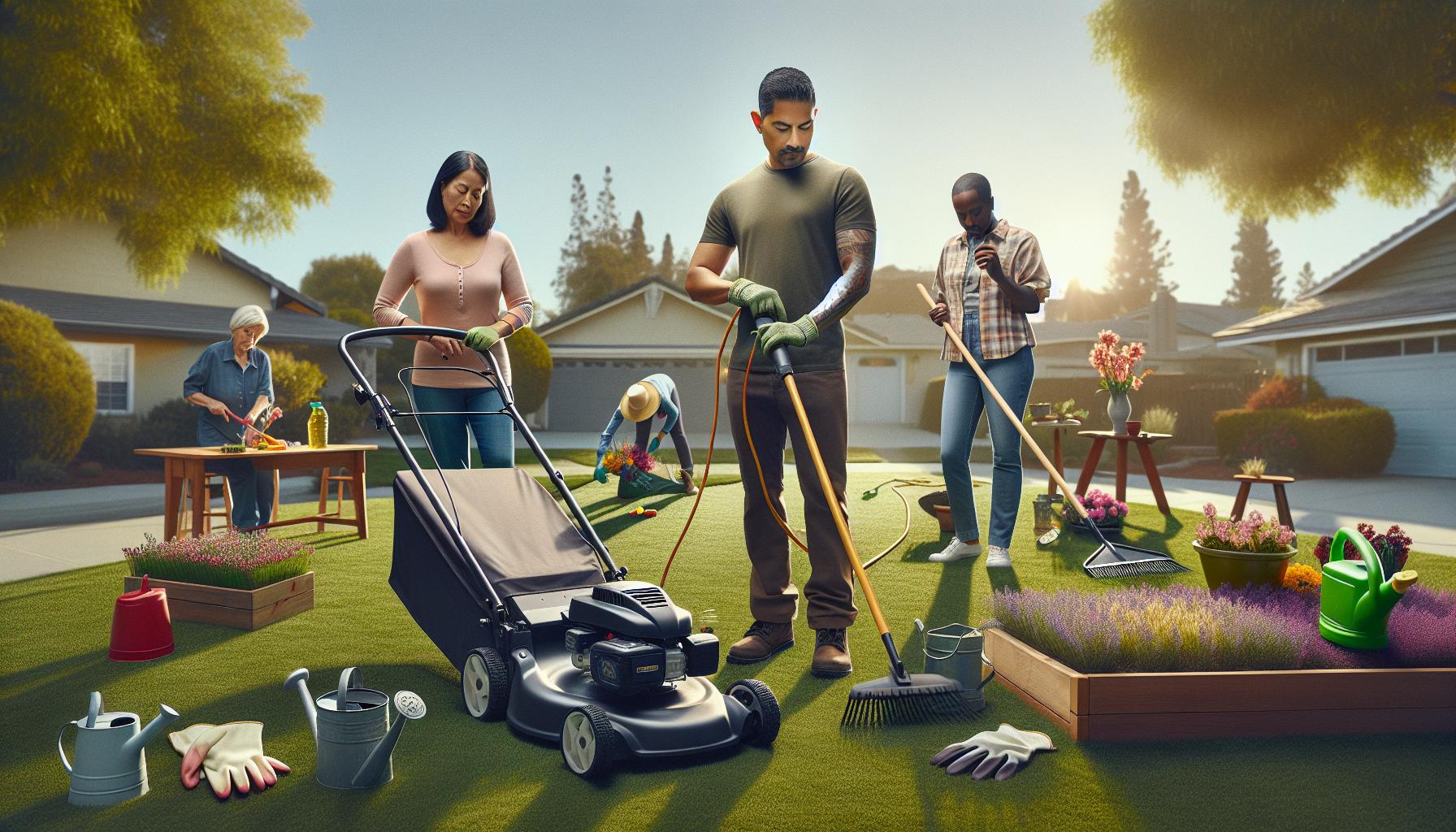
Is Lawn Care Truly Essential? Understanding the Basics
Maintaining a healthy and vibrant lawn goes beyond aesthetics; it plays a crucial role in the overall health of the environment and the community. A well-cared-for lawn not only enhances property value but also contributes to biodiversity by providing habitats for various species. Moreover, healthy grass can improve air quality, reduce soil erosion, and help manage stormwater runoff. In understanding the essentials of lawn care, it’s vital to recognize that its practices can significantly affect the ecological balance of the surrounding area.
Lawn care encompasses a myriad of tasks that include mowing, watering, fertilizing, aerating, and pest control. Each of these elements serves a purpose in maintaining the integrity and health of grass. For instance, proper fertilization ensures that the soil has the necessary nutrients for grass growth, while regular mowing promotes strong roots and a lush appearance. However, these tasks require knowledgeable execution to yield the desired results. As such, individuals might find it beneficial to consider professional services that understand local soil types, plant species, and weather conditions-factors that play a critical role in successful lawn maintenance.
In addition to practical management, understanding the cultural significance of lawn care as an essential service is vital. Lawns serve as communal spaces for gatherings, children’s play, and outdoor activities, contributing to a neighborhood’s social fabric. They provide cool spaces for relaxation and play while also presenting visual interest that enhances the overall curb appeal of homes. This multifaceted value underscores the need to view lawn care not merely as a chore, but as an integral component of home and community life. By investing in proper lawn maintenance, homeowners can foster environments that flourish with both beauty and ecological health, underscoring the essential nature of these services.
Key Factors in Classifying Lawn Care Services
To understand lawn care services, it’s essential to recognize that not all offerings are created equal. The classification of these services can be influenced by several key factors, including the scope of work, level of expertise, equipment used, and the specific needs of the lawn. By comprehensively assessing these elements, homeowners can make informed decisions about the services that align best with their lawn care requirements.
Scope of Services
When evaluating lawn care services, the variety of tasks they include is a primary factor. While some companies offer basic services like mowing and seasonal cleanup, others may provide a full suite of care that encompasses fertilization, aeration, pest control, and landscaping design. Homeowners should identify whether they need comprehensive management of their green spaces or if they simply require assistance with specific tasks. Creating a checklist of desired services can help streamline this process.
- Basic Maintenance: Regular mowing, weed control, and leaf removal.
- Intermediate Care: Fertilization, aeration, and pest management.
- Advanced Services: Lawn redesign, installation of irrigation systems, and specialist treatments.
Expertise and Certification
Lawn care services can vary significantly in terms of expertise. Professional companies often employ certified technicians who have training in horticulture, pest management, and soil science. Such qualifications can impact the quality of care provided. For instance, a service with certified professionals is likely to better understand the specific needs of different grass types and local environmental conditions. Homeowners are encouraged to inquire about certifications and training to ensure they are hiring knowledgeable providers.
Equipment and Technology
The tools and technology employed by lawn care services play a crucial role in effective lawn maintenance. Companies that invest in modern equipment can achieve better results in less time. For example, high-quality mowers and eco-friendly pest control solutions can enhance the service experience while also benefiting the environment. When selecting a service, consider asking about the types of products and equipment they use, as this can translate into healthier lawns and improved efficiency in service delivery.
In essence, classifying lawn care services involves a careful consideration of the services offered, the qualifications of the personnel, and the technology utilized. By focusing on these key areas, homeowners can ensure they choose a provider that not only meets their immediate lawn care needs but also contributes positively to the long-term health and aesthetics of their outdoor spaces.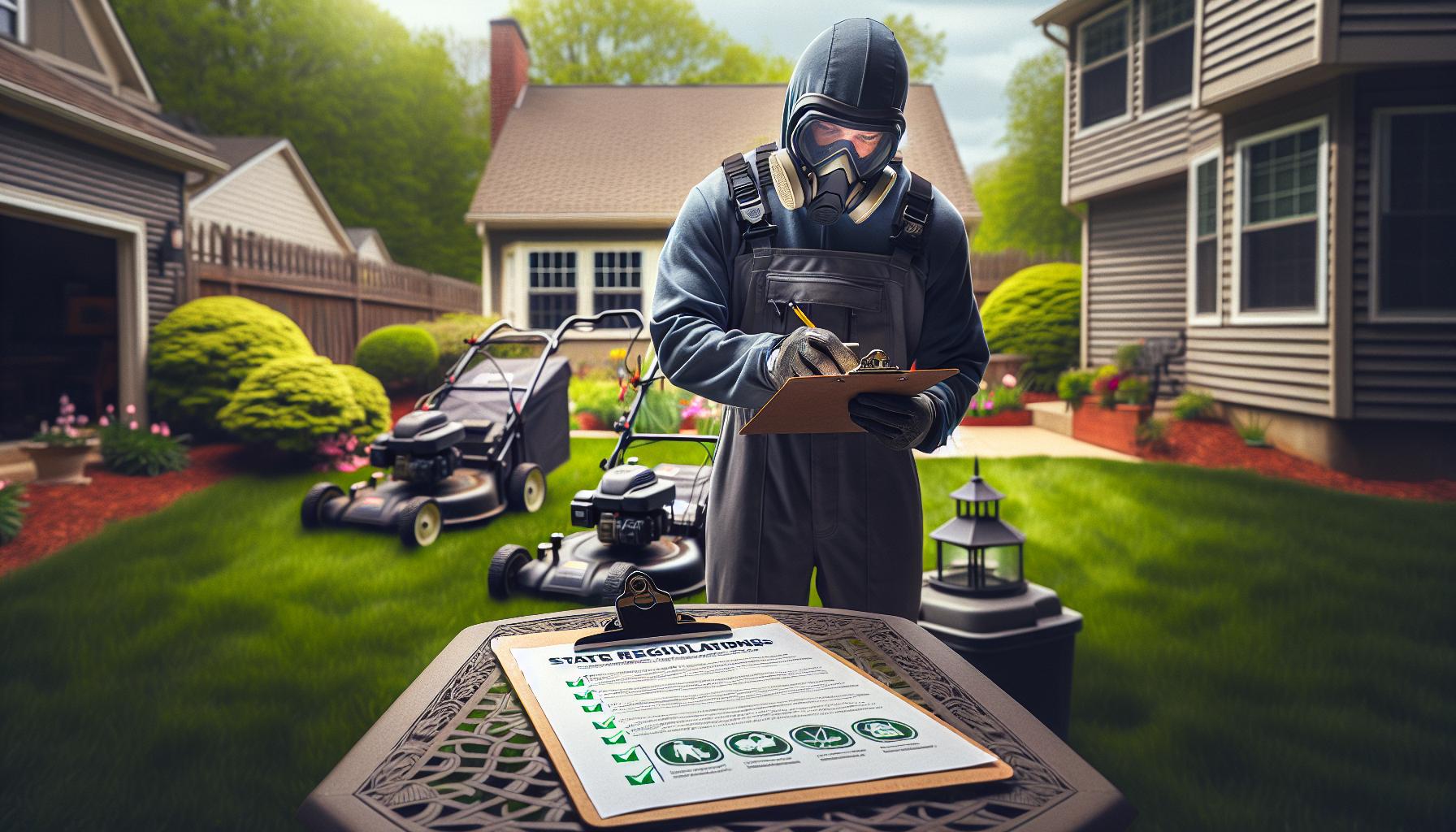
State Regulations on Lawn Care Services
When navigating the world of lawn care services, understanding the regulatory landscape is crucial for both service providers and consumers. State regulations play a pivotal role in shaping how lawn care businesses operate, ensuring they comply with safety and environmental standards that protect both the clientele and the community. For instance, many states require lawn care services to obtain licenses that demonstrate compliance with local laws governing pesticide application, fertilizer use, and water management. This licensing often involves passing specific examinations that test knowledge of applicable laws and safe practices.
Moreover, regulations can mandate the proper handling and disposal of chemicals used in lawn care, which is essential to prevent environmental contamination. For instance, in states like California, businesses are required to follow strict guidelines regarding the application of herbicides and insecticides, including the types of chemicals that can be applied and the conditions under which treatments can occur. Consumers should feel empowered to ask service providers about their adherence to these regulations, which can be an indicator of the quality and responsibility of the service being offered.
Consumer Protection and Advocacy
Consumers also benefit from regulations in the lawn care sector, as these laws often establish rights and protections. For example, many states have provisions that require lawn care companies to provide written contracts detailing the services to be rendered, applicable fees, and the responsibilities of both parties. This transparency helps eliminate misunderstandings and fosters trust between homeowners and service providers. It’s recommended that consumers familiarize themselves with their local regulations, as these can vary significantly between states and municipalities.
In addition to compliance with safety and environmental regulations, responsible lawn care businesses often engage in ongoing education about state laws and best practices. Many trade associations provide resources to help companies stay updated on changing regulations, which can greatly enhance the quality of services offered to customers. By understanding the regulatory framework surrounding lawn care, consumers can make more informed decisions when selecting a service provider, ensuring they choose a company that prioritizes safety, legality, and environmental responsibility.
Differentiating Lawn Care from Other Services
Lawn care is often misunderstood, leading many homeowners to conflate it with other landscaping or maintenance services. However, distinguishing lawn care from these other offerings is essential for making informed decisions about home upkeep. While landscaping encompasses a broader range of services, including garden design, planting, and hardscaping, lawn care specifically focuses on maintaining the health and appearance of grassy areas through practices like mowing, fertilization, aeration, and pest control.
When examining the differences, it’s crucial to understand the specific objectives of lawn care. The primary goal is to foster a lush, healthy lawn that enhances the overall aesthetics of a property and contributes to valuable curb appeal. In contrast, other landscaping services may prioritize ornamental features or overall outdoor design rather than turf health. For example, while a landscape designer might plan flower beds and pathways, a lawn care professional will focus on achieving the right mowing height, managing soil health, and addressing any threats from pests or diseases.
Additionally, lawn care services often require specialized knowledge and equipment to effectively treat and maintain grass, which may not apply to broader landscaping tasks. For instance, the application of fertilizers and herbicides requires a solid understanding of local regulations and the behavior of various grass types. This expertise sets lawn care apart from general gardening or landscaping services, where the requirements may vary significantly.
To support homeowners in understanding these distinctions, it’s beneficial to consider specific tasks associated with each service. Here’s a brief overview:
- Lawn Care: Mowing, aerating, fertilizing, pest management, and irrigation practices.
- Landscaping: Designing plant layouts, installing hardscapes, seasonal planting, and maintenance of flower beds.
- General Maintenance: Leaf removal, snow shoveling, and upkeep of outdoor furniture or fixtures.
Recognizing these differences allows homeowners to approach their outdoor maintenance with clarity, enabling them to select the right professionals for their specific needs. Whether it’s obtaining a dedicated lawn care service or hiring a landscaper for a new garden design, understanding the unique aspects of each service type can lead to more satisfying results and a healthier, more appealing outdoor space.
Benefits of Lawn Care as an Essential Service
The vibrancy of a lawn does more than just appeal to the eyes; it serves as the foundation for a healthy and inviting outdoor environment. Maintaining a well-tended lawn is not merely a matter of aesthetics-it’s a critical aspect of residential and community health. Communities benefit from a robust green space that can improve air quality, reduce noise pollution, and even provide a habitat for wildlife. Furthermore, studies have shown that neighborhoods with well-kept lawns experience an increase in property values, as prospective buyers view lush green lawns as a sign of careful ownership and maintenance.
One significant advantage of regular lawn care is its contribution to soil health. Proper practices like aeration, fertilization, and weed management encourage deeper root systems, promoting drought resistance and reducing the need for excessive watering. This not only leads to a greener lawn but also conserves water, which is an increasingly valuable resource. By mitigating pests and diseases through attentive care, homeowners can prevent costly damages that might arise from neglect. An essential service like lawn care addresses potential issues before they escalate, reducing long-term costs and ensuring a healthier ground game.
Additionally, engaging in professional lawn care services fosters community involvement. Local lawn care businesses often know their clients personally and understand their specific needs and preferences, building trust and a sense of community. Such services offer homeowners the chance to focus on their cherished outdoor activities-be it family gatherings, gardening, or simply enjoying the outdoors-without the burden of maintenance tasks.
In summary, lawn care is integral not only to enhancing personal property but also to shaping better living spaces and fostering community pride. Whether you choose to manage your lawn yourself or hire a professional service, embracing a dedicated approach to lawn care can yield significant benefits that extend far beyond a mere green appearance.
Environmental Impact of Lawn Care Practices
The way we care for our lawns can have profound implications on the environment. While the desire for a manicured landscape is understandable, it’s crucial to balance aesthetic goals with ecological responsibility. Lawns can serve as vital green spaces that enhance air quality, mitigate stormwater runoff, and support biodiversity, but improper maintenance practices can lead to negative environmental impacts.
One significant factor is the use of fertilizers and pesticides, which, when applied excessively, can lead to nutrient runoff into local waterways. This runoff can cause algal blooms, which deplete oxygen in water bodies and harm aquatic life. Therefore, employing organic and sustainable lawn care practices, such as using natural fertilizers or integrated pest management (IPM), can minimize ecological disruption. Homeowners can significantly enhance environmental health by opting for native plants, which require less water and fewer chemicals, thus creating a more self-sustaining landscape.
Another crucial aspect is water management. Traditional lawn care often involves high irrigation rates, which can strain local water resources, especially in arid regions. Opting for deep-rooted grass varieties and utilizing smart irrigation techniques-like drip irrigation systems or rain sensors-can reduce overall water consumption. Additionally, encouraging practices such as xeriscaping-designing landscapes to reduce or eliminate the need for irrigation-can further mitigate water usage while still providing a visually appealing space.
Moreover, proper lawn management contributes to carbon sequestration. Healthy grass captures carbon dioxide from the atmosphere, playing a role in mitigating climate change. Regular mowing at appropriate heights, coupled with aeration and overseeding, can enhance root growth, thus increasing the lawn’s ability to absorb carbon. In this way, maintaining a lawn isn’t merely an aesthetic pursuit; it can also be part of the broader solution to environmental challenges.
In conclusion, responsible lawn care practices can effectively support environmental health while achieving desired visual outcomes. By integrating sustainable techniques and understanding the ecological connections within their landscapes, homeowners can make informed decisions that benefit both their lawns and the wider environment.
Seasonal Considerations for Lawn Care Needs
Understanding seasonal variations in lawn care is crucial for maintaining a healthy, vibrant lawn throughout the year. Each season brings unique challenges and opportunities that can significantly influence the growth, appearance, and overall health of your lawn. By aligning your lawn care practices with the rhythm of the seasons, you can ensure a lush and vibrant landscape that not only looks great but also supports the environment.
Spring is a critical time for lawn rejuvenation. As temperatures rise and the snow melts, grass begins to emerge from dormancy. This season is ideal for aerating the soil to relieve compaction, which improves root growth and allows for better nutrient absorption. Additionally, applying a balanced fertilizer can provide essential nutrients as the grass begins to grow actively. Keep an eye out for weeds, which also flourish in spring; early intervention through manual removal or appropriate herbicides can prevent them from taking hold.
Summer presents unique challenges, such as heat and drought. It’s essential to adjust your mowing height to keep grass longer, which helps it retain moisture better and develop deeper roots. Implementing smart irrigation practices, like watering early in the morning or late in the evening, can reduce evaporation loss and conserve water. During this time, consider applying a slow-release fertilizer to sustain grass health, especially in high-temperature areas where growth may slow.
As fall approaches, it’s time to prepare your lawn for the winter months. Aerating the soil again can help prepare the lawn for any damage it may incur during winter. Applying a nitrogen-rich fertilizer in late fall promotes root development, which is critical for winter survival. This is also an excellent time to overseed any thin areas; establishing new grass before the cold sets in will give it a head start in the spring.
In winter, while many lawns enter a dormant phase, there are still important considerations. Avoid heavy foot traffic on frozen lawns, as this can lead to compaction and damage. If conditions allow, a light topdressing of compost can provide nutrients and protect against the elements. Understanding these seasonal nuances can transform lawn care from a simple chore into a holistic practice that supports environmental sustainability and enhances the aesthetic appeal of your home. By being responsive to seasonal needs, homeowners can cultivate gardens that thrive year-round and contribute positively to their local ecosystems.
Cost Analysis: Lawn Care vs. Other Essential Services
The financial implications of maintaining a healthy lawn often raise questions about its value compared to other essential services. Homeowners can find themselves weighing the costs of lawn care against those of necessities like plumbing, electrical repairs, or healthcare, questioning whether investing in lawn maintenance is justifiable. However, a well-kept lawn can significantly enhance a property’s curb appeal, which not only boosts aesthetic value but can also increase property values, making this investment worthwhile in the long run.
When assessing the cost of lawn care, it’s vital to consider both direct expenses and the long-term benefits of having a vibrant outdoor space. Costs typically include services such as mowing, fertilization, pest control, and aeration. For example, hiring a professional service can range from $50 to $150 per visit depending on the size of the property and the services provided. In contrast, essential services like plumbing can cost much more-an emergency plumbing call can easily exceed $200, emphasizing that lawn care services are relatively affordable.
Moreover, investing in lawn care can prevent larger costs down the road. A neglected lawn may lead to problems such as soil erosion, weed infestations, and decreased water retention, which can necessitate expensive landscape restoration work or increased water usage. Additionally, beyond property value, a well-maintained lawn provides social and psychological benefits, creating recreational spaces for families and improving mental well-being, factors that are increasingly recognized as essential.
Ultimately, while direct comparisons may be challenging due to the varied nature of essential services, lawn care presents a unique case where affordability, home value enhancement, and community aesthetics justify the expense. Homeowners should weigh the recurring costs against the tangible and intangible benefits lawn care provides, recognizing that investing in one’s yard can yield substantial returns.
Consumer Perspectives on Lawn Care Essentials
The perception of lawn care as an essential service varies significantly among consumers, often influenced by personal values and lifestyle choices. For many homeowners, a well-maintained lawn is not just about curb appeal or property value; it also embodies a commitment to their living environment. When asked about the importance of lawn care, numerous consumers highlight the aesthetic and recreational benefits it provides. A lush green lawn can serve as a gathering place for families, offering space for children to play and adults to relax-which underscores its role as an extension of the home itself.
From a consumer perspective, the practicality of hiring lawn care services is often weighed against the demands of a busy lifestyle. For those juggling work, family, and other responsibilities, outsourcing lawn maintenance becomes not only a convenience but a means of ensuring that their outdoor spaces remain inviting and well-kept. As mowing, fertilization, and landscaping require regular attention and expertise, the option to hire professionals allows homeowners to enjoy their yards without the burden of extensive labor. Many consumers report that investing in these services not only saves time but also enhances their satisfaction with their property, leading to a more rewarding outdoor experience.
Additionally, trends in consumer preferences indicate a growing awareness of environmental considerations in lawn care. Many homeowners are now prioritizing sustainable practices, such as organic fertilizers and water-efficient irrigation systems, as part of their lawn maintenance routines. This shift reflects broader societal trends toward eco-conscious living, where consumers actively seek out services that align with their values. They appreciate companies that are transparent about their practices and committed to sustainable landscaping, indicating that environmental impact plays a crucial role in the decision-making process regarding lawn care.
Moreover, the importance placed on lawn care can also stem from local climate conditions and community standards. In regions with stringent homeowners’ association (HOA) rules, maintaining a pristine lawn is often seen as a necessity to comply with community aesthetics and regulations. Thus, the perception of lawn care as an essential service is shaped by a mosaic of personal values, practical needs, and social expectations, all of which highlight the multifaceted role that lawn care plays in modern living.
Emergency Situations: When Lawn Care Becomes Essential
In unexpected situations, lawn care can swiftly transition from a routine maintenance task to an essential service. Factors such as weather-related emergencies, pest invasions, or unforeseen damage can all necessitate immediate action to protect your property and overall landscaping investment. For instance, a sudden storm may result in fallen branches or flooding, creating safety hazards that need to be addressed promptly. In these scenarios, having a professional lawn care service on speed dial can make the difference between a manageable clean-up and a prolonged recovery process.
One major emergency that often requires professional intervention is a pest outbreak. Insects like grubs or beetles can wreak havoc on a lawn, leading to extensive damage if not treated swiftly. Recognizing the signs of an infestation-such as brown patches or unusual spots-allows homeowners to act quickly, calling in specialists who can apply targeted treatments and prevent long-term implications for their grass.
Additionally, severe drought conditions can lead lawns to turn brown and patchy, potentially escalating into a situation where lawn care becomes critical. Homeowners may find themselves needing to implement water restrictions or adjust their irrigation systems to preserve the health of their grass. In such cases, consulting with lawn care professionals who understand local regulations and best practices for water-efficient landscaping can be invaluable.
In summary, whether facing severe weather, pest infestations, or environmental challenges, the need for immediate lawn care becomes clear. Ignoring these situations can result in not just unsightly aspects of your property but also expensive repairs. Using professional services not only ensures quick recovery but also provides peace of mind, knowing that your outdoor space will be restored effectively and efficiently.
Trends in Lawn Care: What You Need to Know
In today’s ever-evolving landscape, lawn care is embracing innovative practices that reflect changing consumer preferences, technological advancements, and environmental consciousness. Homeowners are increasingly moving away from conventional lawn maintenance toward more sustainable and efficient methods. This transition is not just about aesthetics; it’s about creating healthier ecosystems and reducing resource consumption.
One significant trend is the rise of organic lawn care. As awareness about chemical fertilizers and pesticides grows, many are opting for organic solutions that are safer for families, pets, and the environment. Organic methods include the use of natural fertilizers, compost, and biological pest control methods, which support soil health and promote biodiversity. Homeowners are recognizing that a healthy lawn can thrive without synthetic chemicals, aligning with an eco-friendly ethos.
Technology is also reshaping lawn care. With the advent of smart irrigation systems, homeowners can now optimize water usage, ensuring that gardens receive just the right amount of moisture without waste. These systems can be programmed to react to weather conditions, adjusting watering schedules based on rainfall and temperature. Moreover, robotic lawn mowers are gaining popularity, making it easier for homeowners to maintain manicured lawns without the physical labor traditionally required. These devices not only save time but also reduce carbon footprints.
Another emerging trend is the concept of no-mow lawns, which promotes the use of natural ground covers instead of traditional grass. This approach not only minimizes maintenance but also encourages biodiversity, attracting beneficial pollinators and wildlife. This can significantly lower the demand for water, fertilizers, and mowing, appealing especially to eco-conscious consumers.
As the industry responds to these shifts, lawn care professionals are adapting their services to meet the demands of informed consumers. They are focusing on education and offering sustainable solutions that resonate with the values of their clients. This evolving relationship between homeowners and lawn care providers highlights a broader movement toward sustainability, efficiency, and ecological responsibility in lawn maintenance practices.
Tips for Choosing a Reliable Lawn Care Service
Finding a trustworthy lawn care service can be daunting, especially when considering the importance of maintaining a healthy and aesthetically pleasing yard. The right provider not only enhances your lawn’s beauty but can also significantly contribute to its long-term health and sustainability. To make an informed choice, it’s essential to evaluate various factors that set the best services apart from the rest.
Start by checking credentials and experience. A reliable lawn care service should be licensed and insured, which not only protects you but also shows professionalism. Look for companies with established reputations and experience in your specific area. Local knowledge is crucial as it enables them to provide tailored services that consider your region’s climate and soil conditions. Reading online reviews and asking for personal recommendations can provide useful insights into the company’s performance and customer satisfaction.
Next, evaluate the range of services offered. A comprehensive lawn care provider should offer a variety of services including fertilization, weed control, aeration, and pest management. This versatility allows them to create a customized care plan that meets your lawn’s particular needs throughout different seasons. Furthermore, inquire about their practices regarding eco-friendly options. As more homeowners lean towards sustainable practices, companies that offer organic treatments or advanced technologies for efficiency will likely be more aligned with modern consumer values.
Finally, discuss pricing and contracts openly. A trustworthy service will provide transparent pricing structures without hidden fees. Be cautious of extremely low quotes, as they might indicate subpar service or the use of inferior products. Look for a service that offers flexible options, such as pay-as-you-go or customizable contracts, which allow for adjustments based on changing lawn needs. By taking the time to ask questions and gather information, you can confidently select a lawn care service that not only beautifies your home but also supports a healthy ecosystem.
Q&A
Q: What are the benefits of considering lawn care as an essential service?
A: Lawn care is essential for maintaining property value, enhancing curb appeal, and promoting community aesthetics. It also contributes to environmental health by supporting biodiversity and improving air quality. Additionally, regular maintenance can prevent more costly repairs in landscaping.
Q: How do state regulations classify lawn care services as essential?
A: State regulations vary, but many classify lawn care services as essential when they support public health and safety, such as pest control or maintaining safe playing areas. It’s important to check local guidelines during emergencies to understand specific classifications.
Q: When is lawn care considered an emergency service?
A: Lawn care is deemed an emergency service during situations like severe weather damage, pest infestations, or hazardous lawn conditions that pose risks to public safety or health. Immediate intervention can prevent further issues and protect property values.
Q: What differentiates lawn care services from general landscaping?
A: Lawn care focuses on maintaining turf health, including mowing, fertilizing, and weed control, while landscaping encompasses broader activities such as designing gardens, planting trees, and hardscaping. Understanding this distinction helps in selecting the right service based on needs.
Q: Why is seasonal timing important for lawn care?
A: Seasonal timing is crucial as different lawn care practices are effective at various times of the year. For instance, aeration is best done in the fall or spring, while fertilization may vary by season. Tailoring care to the season ensures optimal grass health and growth.
Q: How can homeowners choose a reliable lawn care service?
A: To choose a reliable lawn care service, homeowners should seek recommendations, check reviews, and verify licenses and insurance. Asking for consultations to discuss specific needs can also help ensure the chosen service aligns with yard requirements and budget.
Q: What should consumers consider regarding lawn care costs?
A: Consumers should factor in the variety of services offered, the frequency of maintenance, and any seasonal needs when evaluating lawn care costs. Comparing quotes from multiple providers and understanding what’s included in each plan can lead to smarter financial decisions.
Q: Can lawn care practices negatively impact the environment?
A: Yes, improper lawn care practices can harm the environment through excessive chemical use, which can lead to soil and water contamination. To mitigate this, homeowners should adopt eco-friendly care options, such as organic fertilizers and sustainable landscaping practices.
To Conclude
As we’ve explored in our guide, understanding whether lawn care qualifies as an essential service is crucial for homeowners and service providers alike. Timely maintenance not only enhances your property’s aesthetic but can also contribute to neighborhood standards and community pride. If you’re ready to elevate your lawn care routine, we invite you to dive deeper into our resources on effective lawn maintenance tips [[1]] and essential care practices [[3]].
Don’t miss out on the opportunity to keep your lawn healthy and vibrant. Consider signing up for our newsletter for the latest updates on lawn care best practices and exclusive offers. We want to hear from you-share your thoughts in the comments below or connect with us on social media. Your lawn’s future depends on the actions you take today, so let’s create that beautiful green space together!