As the vibrant colors of autumn take center stage, it’s the perfect time to give your lawn the care it needs to thrive through the changing seasons. Many homeowners overlook fall lawn maintenance, yet this crucial period sets the foundation for a lush, healthy yard come spring. With cooler temperatures and ample moisture, fall presents unique opportunities for revitalizing not just the grass, but also the entire ecosystem of your lawn. By properly tending to your yard this autumn, you can prevent common issues like weeds, bare spots, and disease, ultimately saving you time and effort in the months ahead. Dive into our guide to discover effective strategies that will ensure your lawn emerges rejuvenated and ready to shine when warmer weather returns. What you do now matters significantly-let’s explore your path to autumn success!
Understanding the Importance of Fall Lawn Care
As the days grow shorter and the air turns crisp, many homeowners may overlook the critical role that fall plays in lawn care. Contrary to popular belief, autumn is not merely a time to rake leaves; it’s a pivotal season for preparing your lawn for the winter months ahead and ensuring its health for the spring. The primary reason fall lawn care is essential lies in the soil temperature and the environmental factors that create an optimal situation for grass recovery and growth. During this time, the soil retains warmth while the air cools, encouraging root development, which is vital for a robust lawn.
Key Benefits of Fall Lawn Care:
- Strengthened Roots: Fall is the perfect time for grass to establish deep roots. Unlike during the heat of summer, when grass can become stressed, cooler temperatures help prevent further strain.
- Enhanced Nutrient Absorption: With the proper fertilization and care, grass can absorb nutrients more efficiently in the fall, setting the groundwork for a more vigorous lawn in the spring.
- Weed and Pest Control: Managing weeds and pests in the fall not only reduces problems during the winter but also limits their presence in spring. This preventative approach is crucial for maintaining lawn health.
- Moisture Retention: Autumn typically brings more rainfall, which, paired with adequate care, can help maintain optimal moisture levels in the soil.
By , homeowners can take actionable steps to prepare their lawns for the winter, ultimately saving time and money in the long run. Additionally, the proactive care taken in autumn can contribute significantly to the overall aesthetics of the property when the lush greenery returns in spring, providing a vibrant canvas for outdoor enjoyment. Investing time in fall maintenance is not just about the immediate appearance; it’s about nurturing your lawn for a healthier, more resilient future.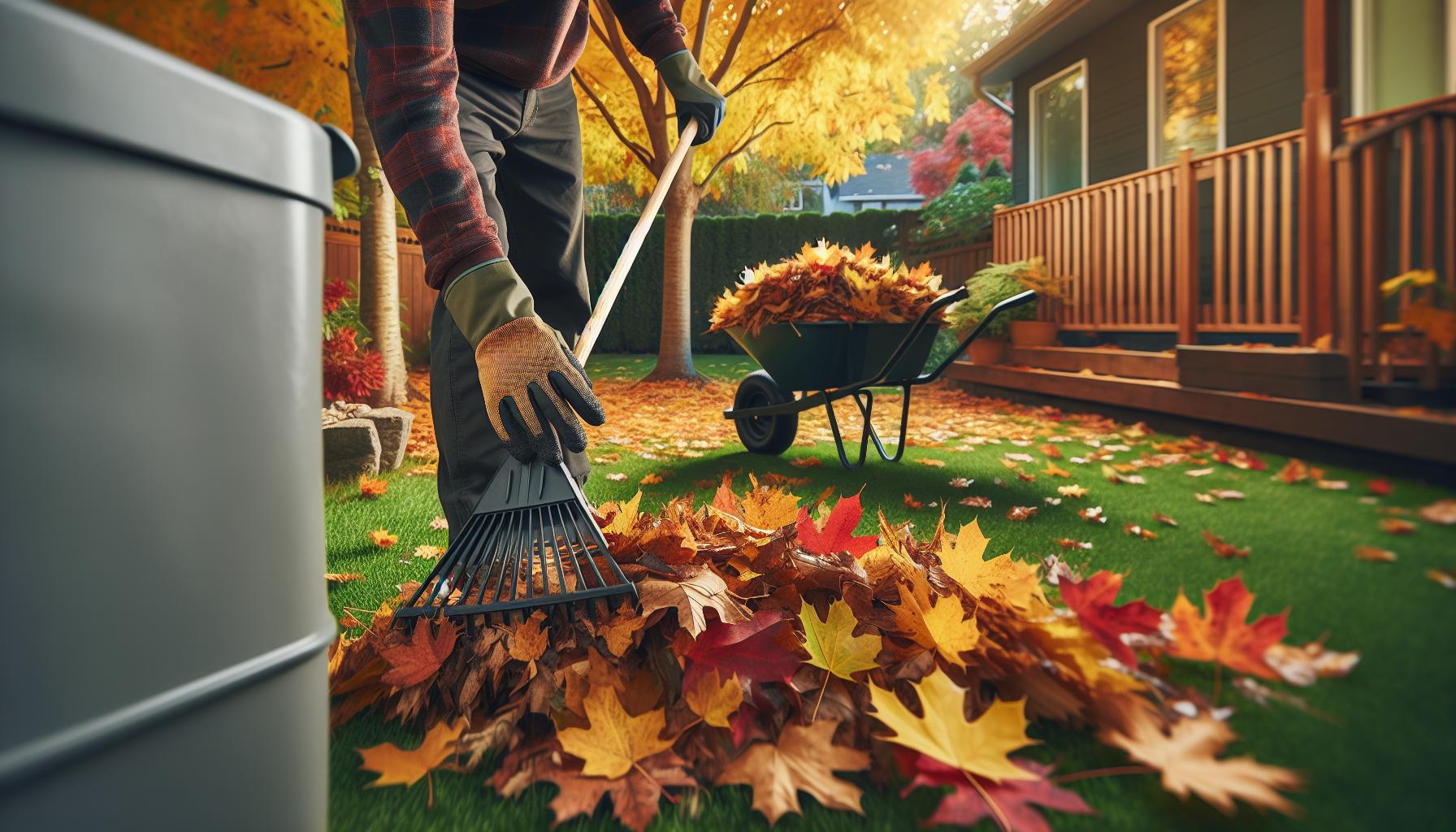
Essential Tools for Autumn Lawn Maintenance
To achieve an impressive lawn every fall, having the right tools is essential. Just as a chef needs the proper utensils to create a gourmet meal, homeowners need specific equipment to effectively maintain their lawns during this critical season. With the right tools at your disposal, you can streamline tasks such as aeration, overseeding, fertilization, and weed control, ensuring that your lawn remains healthy and ready to thrive come spring.
A basic yet powerful toolkit should include:
Essential Lawn Care Tools
- Lawn Mower: A reliable mower equipped for the season will help keep grass at an optimal length. In fall, the goal is to maintain a height that encourages growth while minimizing stress on the roots.
- Aerator: Aeration is a critical fall task, as it allows water, air, and nutrients to penetrate the soil more effectively. You can choose between a manual spike aerator or a more advanced core aerator, which removes small plugs of soil.
- Seed Spreader: When overseeding, a seed spreader can ensure even distribution of grass seeds, promoting a uniform and lush lawn. Consider using a broadcast spreader for larger areas and a handheld version for smaller patches.
- Rake: A sturdy rake is necessary for gathering leaves, and essential for dethatching if you find excessive thatch buildup. Look for one with a comfortable grip to ease the task.
- Fertilizer Spreader: Proper fertilization is crucial in fall. A spreader can help evenly apply fall fertilizers, which are rich in potassium and phosphorus to bolster root health and prepare the lawn for winter.
- Weed Control Tools: A weeding tool or herbicide applicator is necessary for tackling stubborn weeds that may try to compete with your grass for nutrients and water. Early fall is an excellent time for preventative weed management.
- Watering Equipment: Whether it’s a hose, sprinkler system, or soaker hoses, proper irrigation tools are essential for keeping your lawn hydrated as temperatures drop.
Investing in quality lawn care tools doesn’t just facilitate the maintenance process; it also enhances the efficacy of your efforts, which ultimately leads to a healthier, more resilient lawn. By accomplishing these tasks efficiently, you set the stage for a vibrant lawn that will be the envy of the neighborhood when spring arrives.
Best Grass Types for Fall Lawn Resilience
Selecting the right grass type for your lawn can have a significant impact on its resilience through the fall season and beyond. As temperatures begin to drop, it’s essential to choose grasses that can handle cooler conditions and still thrive. Cool-season grasses generally perform better in fall, as they grow vigorously during the cooler months and enter a period of dormancy during the heat of summer. Below are some top grass types that can enhance your lawn’s resilience this autumn.
Top Grass Types for Fall
- Perennial Ryegrass: Known for its quick germination and establishment, perennial ryegrass is ideal for early fall sowing. Its fine texture and rich green color make it exceptionally attractive, and it provides excellent wear tolerance, making it suitable for high-traffic areas.
- Tall Fescue: This versatile grass type is characterized by its deep root system, allowing it to endure drought and heat while providing a robust lawn in cooler weather. Tall fescue is particularly favored in transitional zones due to its adaptability and ability to stay green later into the fall.
- Kentucky Bluegrass: If you’re looking for a lush, dense lawn, Kentucky bluegrass might be your best choice. It forms a thick sod that is generally pest-resistant and drought tolerant. However, it requires more maintenance and is slower to germinate than other options, making it best suited for established lawns in softer climates.
- Fine Fescue: Comprising several species, including creeping red fescue, chewings fescue, and hard fescue, this grass is perfect for shaded areas. Fine fescues thrive in cooler temperatures and can develop a lush carpet-like lawn, ideal for cooler climates or areas with less sunlight.
When planning your lawn renovation or overseeding in the fall, considering the local climate and microenvironments of your property is crucial. Mixing different grass types can enhance overall resilience and ensure a lush lawn from fall through winter and into spring. For instance, blending perennial ryegrass with Kentucky bluegrass can yield a robust and attractive lawn while taking advantage of each type’s strengths. By selecting the right grass varieties, you equip your lawn to face seasonal challenges and emerge healthy and vibrant.
Nutrient Needs: Fertilizing in the Fall
To ensure your lawn remains healthy and vibrant, understanding the nutrient needs for fall fertilization is crucial. Fertilizing in the autumn is not just about preparing for winter; it involves setting the stage for a greener and more resilient lawn come spring. During fall, grass plants are in a growth phase where they absorb nutrients more efficiently, and a well-timed application can enhance root development and overall health.
When considering fertilization, focus on the three primary nutrients: nitrogen, phosphorus, and potassium (N-P-K). Each plays a specific role in lawn health. Nitrogen promotes vigorous growth and greening, making it essential for leaf development. Phosphorus aids in root establishment, which is particularly important for young or overseeded lawns, while potassium strengthens the grass against stress, including cold temperatures and drought. A balanced fall fertilizer typically has a higher nitrogen content to support the grass’s growth before the frost sets in.
Timing and Application
The ideal window for fertilizing your lawn in the fall is typically between late summer and early autumn, just before the first hard frost. This timeframe allows your grass to absorb the nutrients and build reserves for the winter. If you’re unsure about how much to apply, a soil test can provide valuable insight into existing nutrient levels and help tailor your fertilizer choice appropriately.
When applying fertilizer, opt for a slow-release formula to ensure that nutrients are steadily available to your grass. This method minimizes the risk of nutrient runoff and promotes a healthier lawn. Spread the fertilizer evenly using a broadcast spreader; this ensures that all areas receive adequate nutrients.
Additionally, consider the unique needs of your lawn based on its type, age, and the local climate. For example, if your lawn is composed of cool-season grasses such as Kentucky bluegrass or tall fescue, prioritizing nitrogen in your fall fertilization program will yield the best results. With proper fertilization and care, your lawn can thrive through the winter and spring back lush and green when warmer weather returns.
Effective Strategies for Aerating Your Lawn
Aeration is a vital step in fall lawn care that can dramatically enhance the overall health of your grass. Many homeowners overlook this process, yet it’s one of the most effective ways to prepare your lawn for winter and ensure it thrives in the spring. Aerating your lawn involves creating small holes in the soil to allow air, water, and nutrients to penetrate down to the grassroots. This process alleviates soil compaction-a common issue that can hinder healthy grass growth and lead to uneven patches.
The best time to aerate your lawn is during the fall when the grass is actively growing and can recover quickly from the disturbance. For those who have cool-season grasses, aeration not only helps improve absorption of fall fertilizers but also promotes root development, which is crucial as temperatures drop. A popular method of aeration is core aeration, where a machine removes plugs of soil from the lawn-this method is particularly effective as it directly addresses compacted areas by allowing air pockets to form.
When planning to aerate, consider the specific needs of your lawn. Assess the level of compaction by walking over your grass; if you can see visible dents or areas that bounce back less readily, that’s a sign your lawn could benefit from aeration. For medium to high-traffic areas or clay-heavy soils, aerating is especially advantageous. You may also want to aerate more frequently in these spots-ideally once a year, or even twice if conditions warrant it.
To maximize the benefits of aeration, follow it up with overseeding and proper fertilization. After aerating, spreading grass seed can help fill bare patches and improve lawn density. The newly exposed soil provides an ideal environment for seed germination and rooting. Additionally, after the aeration process, apply a slow-release fertilizer to supply nutrients where they are most needed. With these effective strategies, you’ll make significant strides toward achieving a healthy, lush lawn that can withstand the cold months ahead.
How to Overseed for a Thicker Lawn in Fall
Overseeding is a crucial technique for enhancing the thickness and overall health of your lawn, especially as fall approaches. By introducing new grass seed into your existing turf, you can improve lawn density, fill bare patches, and revitalize tired-looking areas, all while ensuring that your grass is better equipped to handle the stress of winter. This process not only supports a lush appearance in spring but also helps in the prevention of weeds, as thicker grass can outcompete them for resources.
Before embarking on your overseeding journey, the timing and preparation are essential. Early fall is the optimal time to overseed, as cool-season grasses thrive during this period. Begin by mowing your lawn lower than usual to minimize competition for the newly sown seeds. This also allows better sunlight to reach the soil surface. Following this, perform core aeration to create small holes in the soil, which will help the new seeds make good contact with the earth and improve water and nutrient absorption.
Once your lawn is prepared, spread the seed evenly using a broadcast spreader to ensure consistent coverage. Selecting the right type of grass seed is critical; consider using a seed blend that matches your existing lawn type as well as your local climate conditions. After seeding, lightly rake the area to cover the seeds, and then apply a thin layer of compost or topsoil to help retain moisture and protect the seeds from birds.
It’s also vital to establish a proper watering schedule following overseeding. Keep the soil consistently moist, watering lightly and frequently until the new grass is established. This typically requires watering once or twice daily for about two weeks, gradually reducing the frequency as the new grass grows. With these steps, your overseeding efforts will cultivate a thicker, greener lawn that can withstand the seasonal transitions and flourish in the following spring.
Irrigation Tips: Keeping Your Lawn Hydrated
Maintaining proper hydration for your lawn during the fall months is crucial for ensuring a lush, resilient landscape come spring. As temperatures drop, many people make the mistake of thinking that their lawns need less water, but the truth is that fall is a vital time for root development and overall plant health. Adequate moisture levels can help your grass recover from summer stresses and prepare for the cold winter ahead.
To begin, it’s important to recognize that different grass types have varying water needs. Cool-season grasses, which thrive in the fall, generally require about 1 to 1.5 inches of water per week. This can include rainfall; however, if the natural precipitation is insufficient, you may need to supplement. A simple way to measure your water distribution is to place a few straight-sided containers-like tuna cans-around your lawn during irrigation. When these containers reach about an inch of water, you can be confident that your grass has received a sufficient soaking.
During the initial growth period post-overseeding, keeping the soil consistently moist is vital. Aim to water lightly but frequently, ideally once or twice daily, for the first two weeks after seeding. As the new grass matures, gradually reduce the frequency of watering but increase the depth of each watering session. This encourages deeper root growth, giving your lawn the resilience to withstand drought conditions better in the future.
Another critical aspect of effective irrigation during fall is timing. Watering early in the morning is ideal, as it reduces evaporation and fungal disease risk. If evening watering is necessary, ensure that it is done early enough to allow the grass blades to dry before nightfall. In addition, consider installing a smart irrigation system that can adjust watering schedules based on weather conditions, thus optimizing water usage while maintaining a healthy lawn.
To conclude, an attentive approach to your fall irrigation practices not only nourishes your lawn but sets the stage for a vibrant and robust landscape throughout the colder months. Paying attention to your grass types and employing timed watering strategies will ensure your lawn remains healthy, hydrated, and ready to thrive with the arrival of spring.
Controlling Weeds: Fall Prevention Tactics
Weeds can be one of the most persistent adversaries in the pursuit of a lush and healthy lawn, especially during the fall months when many people are engrossed in seasonal preparations. With the right approach, you can effectively control and prevent weeds from establishing themselves in your lawn as temperatures drop and the growing season winds down. One of the essential tactics for weed control is understanding the characteristics of common fall weeds, such as chickweed and clover, which thrive in cooler temperatures. These weeds can quickly spread and compete with your grass for nutrients and water, making it critical to address them proactively.
To combat weeds effectively, a combination of cultural practices and preventative measures is key. Start by maintaining a healthy lawn, as vigorous grass can outcompete many weeds for resources. Regular mowing at the right height-generally around 2.5 to 3.5 inches for most cool-season grasses-ensures that grass can shade the soil and reduce opportunities for weed seed germination. Additionally, fall is an ideal time to overseed your lawn, filling in bare patches that can become potential weed hotspots. This not only improves the density of your lawn but also helps in better soil coverage.
Another effective strategy is to apply a pre-emergent herbicide in early fall. This type of herbicide works by preventing weed seeds from germinating, thus controlling their population before they can establish roots. However, it’s essential to be aware of timing; applying it too late in the season may not yield the desired results. For those who prefer a non-chemical approach, hand-pulling weeds regularly before they can seed is a simple yet effective method. Be sure to remove the entire root to prevent regrowth.
To further enhance your weed prevention efforts, consider mulching around your garden beds and lawn edges. Mulch can block sunlight, thus suppressing weed growth while retaining soil moisture. Finally, keeping an eye on your lawn for any signs of weed re-emergence will allow you to take immediate action, ensuring that your lawn remains healthy and weed-free as you transition into winter. By implementing these practical strategies, you can create a resilient lawn that not only survives the fall but thrives into the next growing season.
Preparing Your Lawn for Winter: What to Do
As the days grow shorter and temperatures begin to drop, preparing your lawn for winter is crucial for ensuring its health come springtime. The transition into winter doesn’t merely mean cutting your grass one last time and shutting the door; it’s a strategic series of steps that can make a profound difference in the resilience of your lawn against harsh conditions. Proper winter preparation can stave off damage from frost and freezing, laying the groundwork for vibrant growth as the weather warms.
Key Steps for Winter Preparation
One of the first tasks is to reduce the height of your grass. Mowing your lawn to about 2.5 to 3 inches encourages healthy growth while preventing issues such as matting under snow, which can lead to mold and disease. Additionally, it’s advisable to clear your lawn of any debris, such as fallen leaves and branches, as these can create environments for pests and diseases over the dormant season. When the last remnants of autumn foliage are removed, your lawn has a better chance of thriving unimpeded.
The final fertilization in the fall is crucial. Applying a slow-release fertilizer designed for winter readiness can provide essential nutrients that will support your lawn during dormancy. This will not only fortify root systems but can also provide energy sources that become available as temperatures fluctuate. Aim to fertilize your lawn about six weeks before the first expected freeze to give roots adequate time to absorb nutrients before going dormant.
Additional Considerations
Another vital aspect of winter preparation is ensuring your irrigation system is winterized. This often involves draining hoses and sprinkler systems to prevent any freezing or expansion damage. For those with in-ground irrigation, be sure to blow out the lines to avoid costly repairs in the spring.
Lastly, consider a final overseeding in late fall. This may seem counterintuitive given the season’s chill, but targeting cool-season grass types can help fill in bare patches while allowing seeds to establish themselves before winter. Just ensure the seeds you choose are suitable for your region’s climate, as this practice can expedite a lush green recovery when spring arrives.
By following these essential steps, you can create a robust foundation for your lawn, helping it survive the chilling months ahead and ensuring it thrives when the warm weather returns. The secret to a vibrant landscape begins in the care you provide during the fall, setting the stage for flourishing growth in the seasons to come.
Common Fall Lawn Care Mistakes to Avoid
Autumn can be a double-edged sword for lawn care enthusiasts-while it’s a perfect time to prepare your lawn for winter and promote healthy growth, many homeowners inadvertently make mistakes that can set them back for spring. One common issue is neglecting to properly mulch or remove fallen leaves. Leaves left on the lawn can suffocate grass, leading to dead patches and increased disease risk. Ensuring a clean lawn not only prevents these problems but also allows sunlight and moisture to penetrate the grass better.
Another frequent misstep is skipping fall fertilization. Many believe that grass doesn’t need nutrients as it goes dormant; however, a final application of a slow-release fertilizer helps fortify the root system and keeps it healthy through the winter months. Fertilizing too late can also lead to nutrient loss due to frost, meaning it won’t benefit your grass at all. Aim for applications about six weeks before the first frost to ensure the roots can uptake the nutrients.
Watering is another area where mistakes often occur. People tend to assume that autumn rains will suffice and neglect proper hydration. However, dry spells can occur, and lawns still need moisture to prepare for winter. Focus on deep and infrequent watering to encourage deeper root growth. Keep an eye on the weather; if rainfall is sparse, providing supplemental irrigation is crucial for maintaining lawn health.
Finally, not aerating your lawn in the fall can lead to compaction and poor root development. Aeration allows air, nutrients, and water to reach the root zone more effectively, establishing a healthier lawn for the next season. Incorporating these essential practices while avoiding common pitfalls will set your lawn up for success, ensuring it comes back lush and vibrant when spring returns.
Signs Your Lawn Needs Fall Care Attention
Recognizing when your lawn needs attention in the fall is critical to ensuring it survives the winter and thrives come spring. One of the most noticeable signs is the color of your grass. If grass begins to turn brown, patchy, or straw-like, this is a clear indication that it’s time to intervene. Areas that are thinning can often be traced back to issues like poor soil health, lack of nutrients, or insufficient watering practices. These symptoms should prompt immediate action to rejuvenate the lawn and prepare it for cold weather.
Another vital sign is the presence of weeds, which often become more apparent in the fall as many desirable grass types slow their growth. Dandelions, chickweed, and clover are common culprits that can take hold of your lawn if left untreated. Not only do they compete with your grass for water and nutrients, but they can also make your yard look unkempt. Swiftly addressing weeds in the fall through appropriate herbicides or manual removal is essential to prevent them from establishing deeper roots and becoming more challenging to control in the spring.
Moreover, foot traffic and usage can also affect your lawn’s appearance as autumn progresses. If you notice high-traffic areas become compacted or bare, it’s a strong indicator that aeration may be required. Aeration helps alleviate compaction, allowing vital nutrients, air, and water to penetrate deeper into the soil. Recognizing spots of enduring wear can help dictate which areas may require special attention for aeration and overseeding.
Lastly, the texture of your lawn can signal whether it needs care. A lawn that feels spongy or excessively soft may indicate shallow roots due to excessive moisture or compaction. In contrast, a lawn that feels hard or scratchy may be too dry and in need of watering or aeration. Regularly assessing your lawn’s texture, color, and weed presence will equip you with the knowledge needed to take proactive steps in your fall lawn care routine, ensuring it remains healthy and robust through winter and into the spring season.
Post-Fall Care: Transitioning into Winter
As the leaves drift to the ground and temperatures begin to fall, your lawn requires a thoughtful approach to ensure it transitions smoothly into winter. Proper post-fall care is essential for safeguarding your grass against frost and ensuring it emerges strong and healthy in the spring. Many homeowners overlook the importance of this phase, assuming that fall maintenance alone suffices. However, a few simple steps can make all the difference, setting the stage for a vibrant lawn when milder weather returns.
First and foremost, it’s essential to provide your lawn with adequate protection against harsh winter elements. Applying a final round of fertilizer in late fall can supply your grass with the nutrients necessary for winter resilience. A winter fertilizer, rich in potassium, helps strengthen cell walls, which aids in disease resistance and overall health during dormancy. This nutrient boost ensures that when warmer temperatures arrive, your lawn will have a jumpstart on growth.
Proper Winterization Techniques
In addition to fertilization, consider providing a layer of mulch or a winter cover if you live in an area prone to extreme conditions. Mulching around trees and flower beds not only protects these areas but also helps regulate soil temperature and moisture levels. This technique is particularly effective in areas that experience significant freeze-thaw cycles, as it minimizes disruptions in the soil that can damage root systems.
Another fundamental aspect of preparing your lawn for winter is ensuring it remains clear of debris. Fallen leaves, branches, and other organic material can smother grass and promote fungal growth if left unchecked. Regularly raking or using a mulching mower to chop the leaves can help maintain a healthy surface layer, allowing sunlight and moisture to penetrate the soil.
Watering Considerations in Late Fall
While winter usually means less watering, it’s crucial to hydrate your lawn before the ground freezes. If the fall season is particularly dry, ensure your grass receives adequate watering before winter sets in, ideally a deep soak before the first frost. This approach ensures your grass roots are well-hydrated going into the colder months, which is vital for maintaining their health and vigor.
By taking these simple yet effective steps, you can help your lawn withstand the winter months and thrive when spring arrives. Transitioning into winter doesn’t have to be daunting; with the right care, your lawn can emerge from its dormant phase ready to flourish once more.
Frequently Asked Questions
Q: What is the best time to fertilize my lawn in the fall?
A: The best time to fertilize your lawn in the fall is between mid-September and early November. This timing allows your grass to absorb nutrients before winter, promoting healthier growth in spring. For specific fertilization tips, check the section on Nutrient Needs in your guide.
Q: How can I prevent lawn diseases in the fall?
A: To prevent lawn diseases in the fall, ensure proper aeration and avoid overwatering. Additionally, applying a fungicide early in the season can help. Regularly inspect your lawn for signs of disease and refer to your article’s section on signs your lawn needs care for further details.
Q: Should I rake leaves off my lawn in the fall?
A: Yes, you should rake leaves off your lawn in the fall. Leaving them can block sunlight and create a moist environment, which promotes diseases. Aim to remove leaves regularly to maintain healthy grass and refer to your article for effective lawn maintenance tools.
Q: What type of grass should I plant in the fall?
A: Cool-season grasses, such as fescue and bluegrass, are ideal for fall planting. These grasses thrive in cooler temperatures and establish roots before winter. For specifics on best grass types, consult the corresponding section in your Autumn Success Guide.
Q: How often should I water my lawn in the fall?
A: During the fall, water your lawn approximately once a week. It’s crucial to keep the soil moist, especially after aerating or overseeding. Adjust your watering schedule based on rainfall and temperatures to avoid overwatering. Check your guide’s irrigation tips for more insights.
Q: Can I use a regular mower to cut tall grass in the fall?
A: While you can use a regular mower, it’s best to adjust the cutting height to avoid stressing the grass. Keep it at 2.5 to 3 inches for the best results and consider referring to your article’s section on how to maintain grass height during fall care.
Q: Why is overseeding important in the fall?
A: Overseeding in the fall is important because it enhances turf density, helps repair bare patches, and improves overall lawn resilience. The cooler temperatures and rich moisture support seed germination; learn more about overseeding strategies in your comprehensive guide.
Q: How do I know if my lawn needs autumn care?
A: Signs that your lawn needs autumn care include thinning grass, bare spots, and persistent weed growth. If you notice these issues, it’s time to implement fall care strategies as outlined in your guide. Regular inspection will help maintain a healthy lawn through the seasons.
In Conclusion
As you wrap up your autumn lawn care journey, remember that the right steps now will set you up for a lush, healthy lawn come spring. Regularly aerate, overseed, and fertilize your lawn this fall to combat winter stress and promote growth. Are you ready to take your lawn to the next level? Explore our other guides, such as How to Choose the Right Fertilizer and Watering Techniques for Optimal Growth, for more expert tips.
Don’t forget to sign up for our newsletter to stay informed about seasonal lawn care strategies and exclusive offers on lawn maintenance products. Join our community of passionate gardeners and share your experiences in the comments below! Your dream lawn is just a few steps away-take action today and prepare for the vibrant greens of tomorrow!