
Did you know that well-maintained lawns can increase property value by up to 15%? If you’re looking to enhance your outdoor space, understanding lawn care services is essential. These services go beyond mere mowing; they encompass a range of activities that promote a lush, healthy lawn. From fertilization and aeration to pest control and seasonal cleanup, professional lawn care can help you achieve the landscape of your dreams while saving you time and effort. Whether you’re a busy homeowner or an avid gardener, knowing how lawn care services can support your goals is crucial. This overview will guide you through what these services entail and how they can transform your outdoor environment into a thriving retreat.
What Services Do Lawn Care Companies Offer?
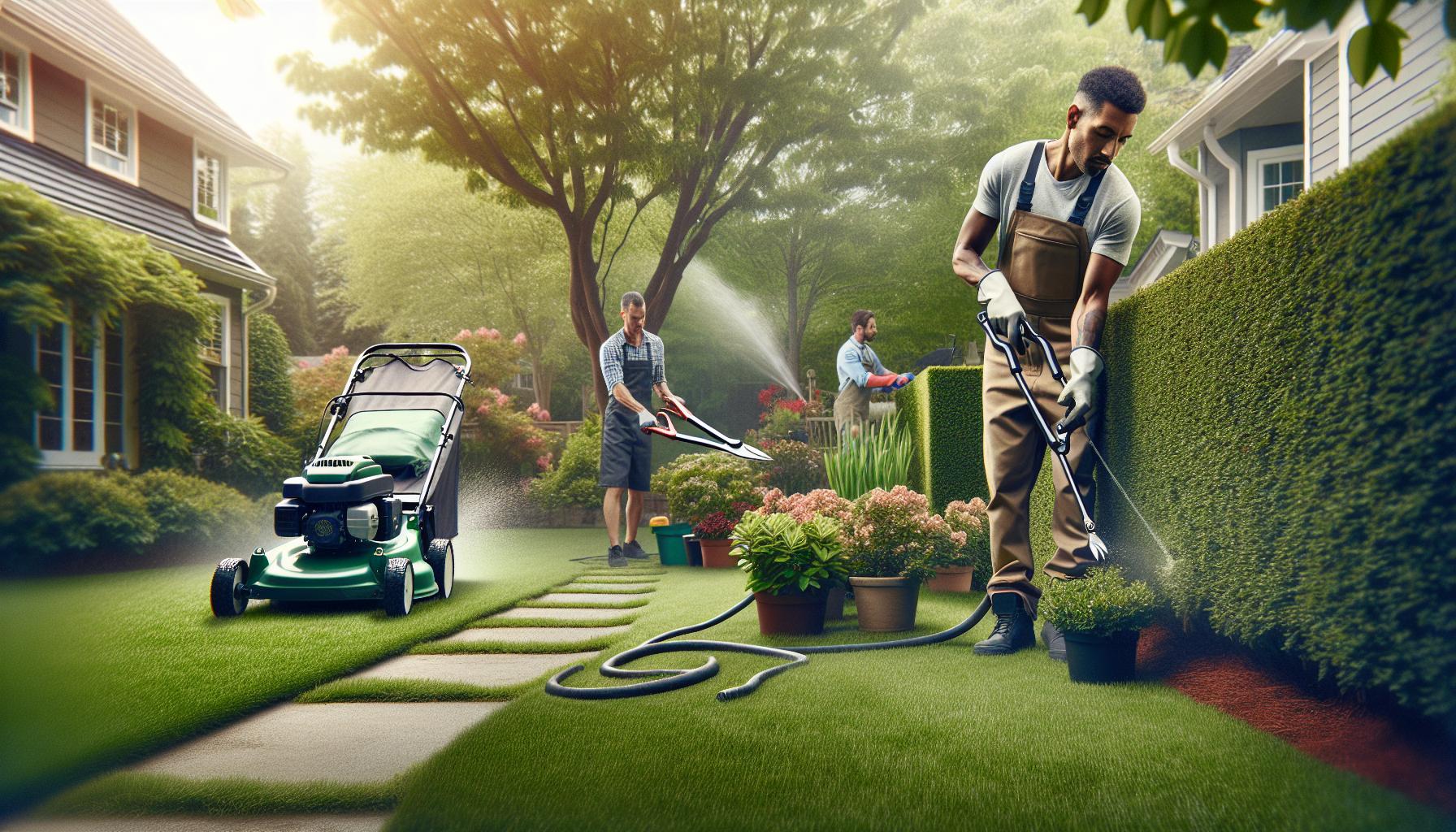
Lawn care companies provide a plethora of services to help homeowners maintain lush and healthy yards. From basic mowing to advanced fertilization techniques, these services are tailored to meet the unique needs of each lawn, ensuring that it not only looks good but is also resilient against pests and diseases. Many homeowners underestimate the complexity of lawn care, but professionals are equipped with the knowledge to manage all aspects of lawn maintenance effectively.
One of the core services offered is routine mowing, where professionals trim grass to an appropriate height. This includes edging and blowing to remove clippings, which enhances the aesthetic appeal. Other essential services encompass fertilization, tailored to the specific needs of grass types and local soil conditions. This application of nutrients can drastically improve lawn health and appearance. Additionally, professionals often provide weed control to eliminate unwanted plants that compete for resources, ensuring that grass thrives.
Furthermore, many companies offer pest management, targeting insects that can damage lawns and plants. This may include treatments for grubs and other invasive species. Lawn aeration is another critical service provided, which involves perforating the soil with holes to allow air, water, and nutrients to penetrate. This process is particularly vital for compacted soils and heavy-foot traffic areas, promoting healthier root systems. In certain regions, irrigation services are also offered to ensure that lawns receive adequate water without overaging, utilizing efficient systems that conserve water.
Whether you are looking for a comprehensive maintenance package or individual services tailored to your lawn’s specific needs, lawn care companies can provide the expertise required to cultivate and enhance your outdoor space.
Essential Lawn Care Packages You Should Know
To create and maintain a vibrant lawn, homeowners often find it beneficial to enlist the help of lawn care companies that offer a variety of essential packages. These packages are designed not just to keep your yard looking tidy, but to sustain its health year-round. Choosing the right package can make a significant difference, addressing everything from nutrient needs to pest control, which ultimately leads to a robust and lush green space.
Many lawn care services provide tiered packages that cater to different levels of maintenance and specific seasonal needs. A common offering includes basic lawn care, which typically encompasses regular mowing, edging, and trimming. This foundational service ensures that your lawn is well-kept without requiring a significant time investment from homeowners. More advanced packages may introduce fertilization schedules, applying tailored nutrients at optimal times based on seasonal changes, helping your grass thrive in varying weather conditions.
Additionally, subscription-style packages are gaining popularity, where homeowners pay a monthly fee for an array of services including aeration, overseeding, and weed control. This approach can be particularly effective because it allows for ongoing care throughout the year, adjusting treatments based on weather patterns and lawn conditions. For instance, during the spring, a service might focus on pre-emergent weed treatments, while summer may emphasize pest control and irrigation solutions.
Ultimately, investing in a comprehensive lawn care package not only beautifies your outdoor space but also promotes environmental health. By working with professionals who understand local soil types and grass varieties, homeowners can ensure that their lawns receive the precise care they need, tailored to specific conditions. This expert approach leads to stronger grass, healthier soil, and a more enjoyable outdoor experience for everyone.
Seasonal Lawn Maintenance: Best Practices

Maintaining a healthy and vibrant lawn throughout the seasons requires strategic planning and dedicated care. An astounding fact is that lawns can enhance property value by up to 14%, making seasonal maintenance essential for homeowners looking to increase curb appeal and foster a desirable outdoor space. Proper seasonal care not only keeps your lawn lush and attractive but also encourages robust growth, weed suppression, and soil health.
One of the best practices in seasonal lawn maintenance is to adapt your care routine according to seasonal demands. In spring, focus on rejuvenating your lawn from winter dormancy. Aerating the soil allows for better nutrient absorption, while overseeding can help fill in bare patches and introduce healthier grass varieties. During these months, it’s vital to implement a fertilization schedule to provide necessary nutrients as temperatures rise.
As summer arrives, adjust your strategy to manage heat stress on your grass. Watering early in the morning, when evaporation rates are lower, is crucial. Aim for deep watering sessions that encourage deep root growth rather than frequent shallow watering. Additionally, regular mowing helps prevent weeds from seeding and ensures your lawn remains tidy, but ensure your mower blade is set high to promote resilience during hot months.
When fall approaches, this is an opportune moment for fertilization again, as grass will benefit from a nutrient boost before going dormant in winter. Removing debris, such as fallen leaves, is also important to prevent smothering of the grass. Finally, consider applying a pre-emergent herbicide to curb spring weed growth before it starts.
By following these seasonal maintenance best practices, homeowners can cultivate a lush, healthy lawn that endures the changing seasons. A yearly plan that outlines these activities not only ensures consistent care but also sets the foundation for a thriving outdoor environment.
Understanding Lawn Fertilization Methods
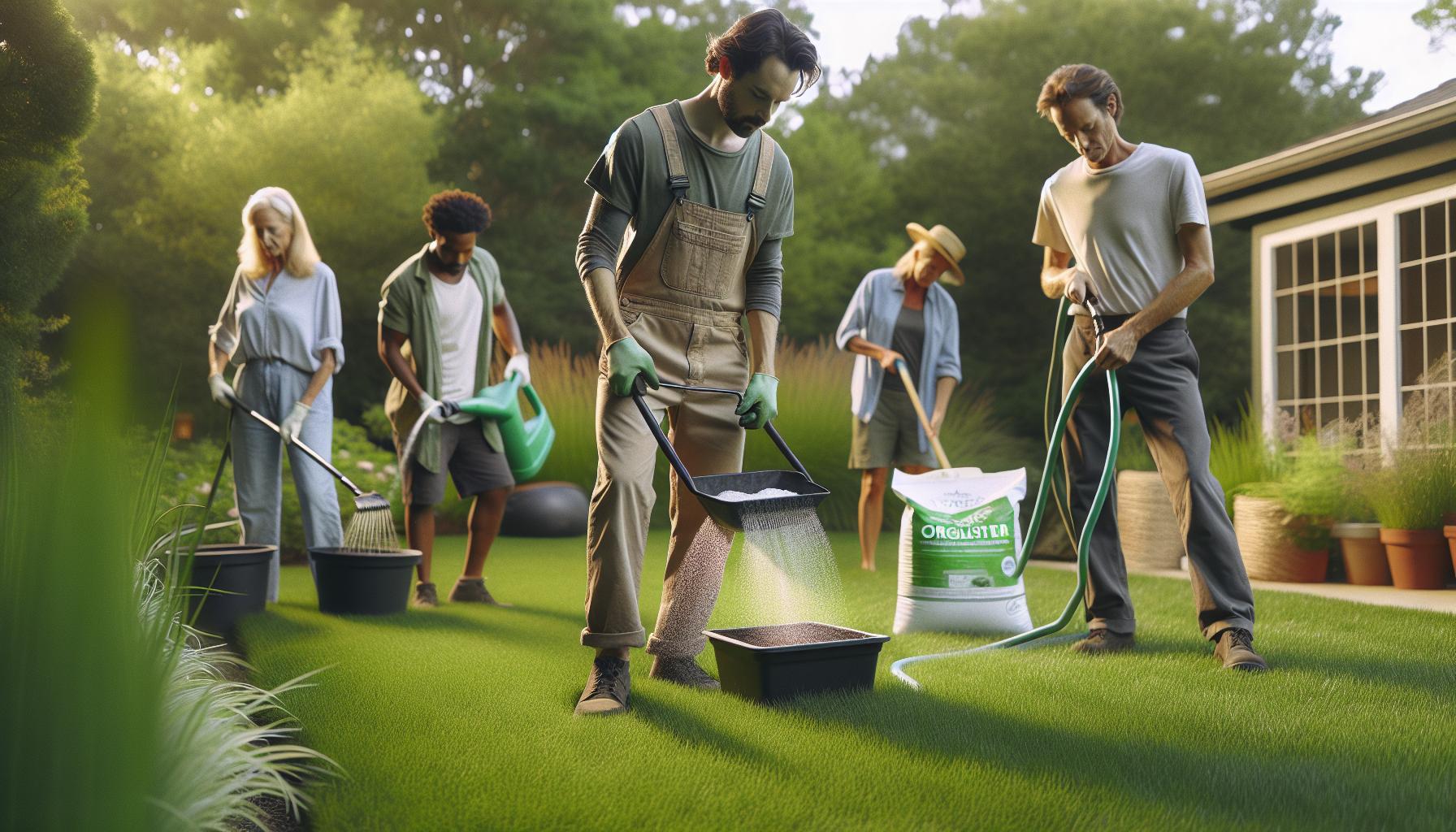
Understanding the right fertilization methods is crucial for maintaining a lush, green lawn that can withstand various stresses throughout the year. Fertilization not only supports grass health but also enhances its ability to resist pests and diseases. Typically, lawn care services employ a combination of both synthetic and organic fertilizers tailored to meet the specific nutrient needs of your lawn.
Lawn fertilizers come in several forms, with granular and liquid being the two most common. Granular fertilizers are usually slow-release, meaning they supply nutrients over an extended period, making them ideal for providing sustained nourishment. They are often applied in the spring and fall when grass is actively growing. Conversely, liquid fertilizers offer immediate nutrient absorption and are best used for quick fixes or in combination with regular mowing to enhance growth.
When discussing fertilization, understanding the N-P-K ratio is key. This ratio represents the levels of Nitrogen (N), Phosphorus (P), and Potassium (K) in the fertilizer. Each of these components plays a vital role:
- Nitrogen: Vital for leafy growth and a vibrant green color.
- Phosphorus: Important for root development and flowering.
- Potassium: Enhances overall health and drought resistance.
Selecting the right type and ratio of fertilizer can depend greatly on the specific needs of your lawn, which can be influenced by soil tests, grass type, and environmental conditions.
Another critical aspect of fertilization is timing. For warm-season grasses, spring and summer applications are ideal, while cool-season varieties benefit more from fertilization in the fall and early spring. Additionally, certain methods, such as soil testing, can help determine the existing nutrient levels and tailor the fertilization approach accordingly, ensuring an efficient and effective feeding schedule.
Incorporating these fertilization methods through professional lawn care services can lead to a healthier lawn that not only looks good but also thrives in its environment. Through strategic planning and execution, your lawn can become an enduring element of your property’s beauty and value.
Pest Control and Weed Management Strategies
To maintain a vibrant lawn, effective are essential. The presence of pests and weeds can undermine the health of your grass, leading to a dull, patchy appearance and a myriad of further problems. Understanding how to address these issues is crucial for any homeowner looking to enhance their outdoor space. Moreover, studies have shown that proper management can improve not only the aesthetic but also the ecological balance of your garden.
When discussing pest control, it’s important to adopt an integrated pest management (IPM) approach, which combines multiple strategies for optimal results. This may include cultural practices such as selecting pest-resistant grass varieties, maintaining healthy soil through regular aeration, and ensuring very little thatch buildup. Regular monitoring is also key; identifying pests at an early stage can prevent a full-blown infestation. Lawn care services often utilize a combination of natural and chemical treatments, catering their approach based on the specific pest problem and local environmental conditions. For example, beneficial insects like ladybugs or nematodes can be introduced to combat harmful pests without disrupting the ecosystem.
Weed management is equally vital for a lush lawn. It begins with understanding the types of weeds common to your area-knowing whether you’re dealing with annual or perennial varieties can influence how you manage them. Chemical herbicides are a common quick fix, but they can have detrimental effects on the surrounding environment if not used judiciously. An effective strategy includes preventive measures such as proper lawn maintenance practices. Mowing at the recommended height, ensuring the lawn is well-aerated, and utilizing mulch can discourage weed growth. Additionally, implementing a pre-emergent herbicide can prevent weed seeds from germinating, offering a proactive approach to weed control.
Incorporating these can significantly contribute to a healthier lawn ecosystem. Regularly engaging professional lawn care services can not only save you time but also optimize the health of your grass by utilizing customized treatment plans based on your lawn’s specific needs, ensuring that you enjoy a lush, weed-free outdoor space all year round.
The Importance of Aeration and Dethatching

To achieve a lush and thriving lawn, understanding the critical roles of aeration and dethatching is essential. Both processes are vital for maintaining healthy grass, as they significantly improve the overall condition of the soil and promote optimal growth. Aeration involves perforating the soil with holes to allow air, water, and nutrients to penetrate down to the roots, while dethatching removes the layer of dead grass and organic debris that can suffocate the soil underneath.
Aeration should be viewed as a preventative measure that promotes root growth and enhances the lawn’s resilience to stress, such as drought or heavy foot traffic. By eliminating soil compaction, aeration creates the space necessary for roots to spread and flourish. It is especially beneficial for lawns with heavy clay soil or those consistently subjected to high usage. Professional lawn care services often recommend aerating once or twice a year, ideally during the growing season, to maximize its benefits.
Dethatching, on the other hand, addresses the buildup of thatch-a layer of dead grass and other organic material that can prevent essential resources from reaching the soil. Too much thatch can lead to reduced water and nutrient retention, making lawns more susceptible to pests and disease. The key is knowing when to dethatch; it’s typically best done when the thatch layer exceeds half an inch. Lawn care specialists can assess your lawn’s condition and determine the appropriate techniques to remove thatch without damaging the grass roots.
Together, aeration and dethatching create an environment where grass can thrive, leading to a healthier and more resilient lawn. They are valuable services offered by many lawn care companies that understand the local soil conditions and grass types. Engaging a professional for these services not only saves time but also ensures that the procedures are performed correctly to achieve the best results, helping homeowners enjoy a vibrant outdoor space.
Irrigation Solutions for Healthy Lawns
A well-maintained lawn thrives on the right amount of water, making effective irrigation solutions vital for its health. Inconsistent watering can lead to patchy growth, increased pest problems, and a greater susceptibility to disease. As such, employing professional lawn care services for irrigation not only ensures a lush landscape but also promotes water conservation and efficiency.
One popular option is the installation of automated irrigation systems, which can be tailored to specific lawn needs. These systems often feature programmable timers, moisture sensors, and adjustable sprinkler heads that deliver precise amounts of water. This technological approach not only saves time for busy homeowners but also optimizes water usage, reducing waste and utility bills. Homeowners can choose from various systems, including drip irrigation for flower beds and shrubs or oscillating sprinklers for larger grass areas, ensuring that every corner of the yard receives adequate hydration.
Benefits of Professional Irrigation Solutions
Integrating professional irrigation solutions into your lawn care routine presents several advantages:
- Consistent Watering: Regular and adequate moisture levels help grass withstand heat and drought.
- Expert Installation: Professionals assess the landscape to determine the most efficient system layout for uniform watering.
- Customized Maintenance: Lawn care providers offer seasonal adjustments to irrigation schedules based on weather patterns, ensuring optimal performance.
- Water Conservation: Advanced systems are designed to minimize waste, making them eco-friendly alternatives.
In addition to automated systems, traditional methods such as soaker hoses and hand watering still play a crucial role for those who prefer more control. Awareness of local weather patterns and soil conditions can also inform watering techniques. Implementing a “deep and infrequent” watering approach encourages deeper root systems, making lawns more resilient. Coordinating irrigation with regular lawn care services allows for comprehensive lawn management, ensuring that both watering and routine care harmonize to enhance overall lawn health.
Landscaping Services: Enhancing Your Outdoor Space
Transforming your outdoor space into a beautiful, functional area can significantly enhance your home’s curb appeal and provide a peaceful retreat. Landscaping services go beyond basic lawn care, offering a broad range of options that cater to your specific aesthetic and practical needs. From garden design to installation, professional landscapers bring expertise and creativity, ensuring that each project resonates with your personal style while fulfilling environmental considerations.
One essential aspect of landscaping is design and planning. This process involves assessing the specific characteristics of your property, such as soil type, climate, and existing vegetation, to create a sustainable and attractive design. Many companies utilize landscape design software to visualize the finished product, which can include elements like patios, walkways, and flower beds. This technology helps homeowners understand the potential of their spaces, making it easier to choose plants and materials that will thrive in their unique environments.
In addition to design, installation and maintenance are critical components of landscaping services. Professionals can manage everything from planting trees and shrubs to creating irrigation systems that promote healthy growth. Regular maintenance packages often include seasonal clean-up, pruning, and mulching, ensuring that your landscape remains vibrant throughout the year. For those who enjoy the aesthetics of an organized yard but lack the time or expertise, outsourcing these tasks leads to a stunning outdoor experience with minimal effort on their part.
Integrating hardscaping features-like stone walls, decks, or outdoor kitchens-can further enhance your landscape by adding functionality and style. These elements not only provide structure and visual interest but can also create defined areas for relaxation and entertainment. Furthermore, incorporating eco-friendly practices, such as xeriscaping or using native plants, can reduce water usage while promoting biodiversity, aligning your landscape with sustainable goals.
Ultimately, investing in professional landscaping services can wealthily enhance not just the beauty but the overall enjoyment of your outdoor space. This investment pays off in the form of increased property value and a serene environment that invites relaxation and connection with nature. Whether you envision a vibrant garden, an inviting outdoor living area, or a stylish combination of both, professional landscapers have the tools and knowledge to make your vision a reality.
Custom Lawn Care Plans for Unique Needs
Crafting a lawn that reflects personal vision and suits unique environmental conditions often requires a tailored approach. Custom lawn care plans are designed to meet individual needs, taking into consideration factors like soil quality, local climate, and the specific requirements of different grass types. By collaborating with lawn care professionals, homeowners can formulate strategies that enhance the health and appearance of their green spaces, ensuring their lawns thrive year-round.
When developing a custom plan, professionals typically begin with a thorough assessment of the property. This includes soil testing to determine pH levels and nutrient availability, as well as evaluating sun exposure patterns and drainage issues. Knowing these details helps in selecting appropriate grass species and cultivating methods. For instance, shade-tolerant varieties may be recommended for areas that receive limited sunlight, while drought-resistant types may be suitable for regions prone to dry spells.
Once the assessment is complete, the plan will encompass essential services tailored to the specific conditions identified. This can range from fertilization schedules optimized for the grass type, to aeration practices designed to improve soil structure and water absorption. Furthermore, pest management strategies can be integrated based on regional pest pressures, ensuring a proactive and environmentally sustainable approach to lawn health.
Additionally, a vital aspect of these custom plans is ongoing monitoring and adjustment. As seasons change and the lawn matures, the needs may evolve. Regular check-ins allow for modifications based on observed performance, ensuring that the lawn remains healthy and aesthetically pleasing without unnecessary treatments. Homeowners can expect to see a vibrant, lush lawn that not only elevates their outdoor space but also increases property value, all while adhering to sustainable practices that benefit both the environment and the local ecosystem.
Eco-Friendly Lawn Care Techniques to Consider
Innovative lawn care techniques that prioritize environmental health are becoming increasingly popular among homeowners looking to maintain their outdoor spaces sustainably. Employing eco-friendly methods not only contributes to a healthier planet but can also enhance the beauty and vitality of your lawn while potentially reducing maintenance costs.
One of the most effective practices is implementing natural fertilization strategies. Instead of conventional synthetic fertilizers, consider using organic options such as compost or natural fertilizers derived from plant or animal sources. This not only enriches the soil over time-enhancing its structure and microbial activity-but also minimizes chemical runoff, protecting local waterways. Additionally, practicing lawn mowing at higher cut settings can promote deeper root growth and encourage drought resistance, reducing the need for frequent watering during dry spells.
Water Conservation Techniques
Water conservation is another vital aspect of eco-friendly lawn care. Installing a rainwater capture system or utilizing drip irrigation can significantly reduce water usage. Moreover, mulching grass clippings back into the lawn allows for nutrient recycling and moisture retention, creating a self-sustaining environment. Adaptive watering schedules, informed by weather forecasts and soil moisture levels, can further ensure efficiency, only applying water when necessary.
Integrated Pest Management (IPM)
A comprehensive Integrated Pest Management (IPM) approach is also beneficial. This method emphasizes preventing pest problems before they occur, using natural predators such as ladybugs and lacewings, and ensuring biodiversity in your garden. When pesticide application is necessary, opt for organic or less harmful compounds, applied as a targeted solution rather than a blanket approach. Ultimately, these strategies not only control pests but also promote a balanced ecosystem around your lawn.
By embracing these eco-friendly techniques, homeowners can create a thriving outdoor space that reflects a commitment to sustainability. Adopting such practices not only promotes healthier lawns but also fosters a cultural shift towards environmental responsibility within the community.
Evaluating Lawn Care Service Costs and Budgeting
Evaluating the costs associated with lawn care services can be a daunting task, especially for homeowners who want to maintain an inviting outdoor space while staying within budget. Understanding the range of services provided and their respective pricing can greatly aid in making informed decisions. For instance, basic lawn maintenance services such as mowing, edging, and trimming can vary significantly in cost depending on the size of the lawn and the frequency of the services. Generally, a small lawn may cost $40 to $60 per visit, while larger properties can fall in the range of $100 to $200 for comprehensive care.
When considering lawn care options, it’s important to recognize that price does not always equate to quality. Many companies offer packages that can provide better value for your investment. For example, bundled services-such as regular mowing combined with fertilization and pest control-can be more cost-effective than purchasing each service separately. Homeowners should inquire about these packages and ask for quotes from multiple providers to compare not only the costs but also the included services.
Budgeting Tips for Lawn Care
To create an effective budget for lawn care, it’s essential to factor in all possible costs over the course of the year. Seasonal changes often necessitate additional services, such as aeration in the spring or leaf removal in the fall. Here’s a simple approach to budgeting for lawn care:
- Assess Your Lawn: Determine the size and type of your lawn which influences the maintenance required.
- List Required Services: Identify essential services based on your lawn’s condition and your aesthetic goals.
- Get Multiple Quotes: Utilize resources like local service directories to gather different estimates.
- Plan for Emergencies: Set aside a small portion of your budget for unforeseen circumstances, such as extreme weather damage or pest invasions.
In addition, consider whether DIY options for certain tasks are feasible. For example, many homeowners successfully manage their fertilization and weeding efforts, which can significantly reduce long-term costs. However, specialized treatments or equipment often require professional assistance, so weigh your skills against the potential savings.
By adopting a strategic approach to , homeowners can more effectively maintain their lawns while optimizing their spending. It’s about finding the right balance between quality care and budget-friendly options that suit individual needs.
Choosing the Right Lawn Care Provider for You
Finding the right lawn care provider is crucial for achieving the outdoor space you envision while ensuring your investment remains worthwhile. With so many options available, it’s essential to make an informed choice that aligns with both your lawn’s needs and your budget. One critical step in this process is researching local companies to understand the variety of services they offer and their expertise in dealing with specific lawn issues. For instance, some providers may excel in fertilization and pest control, while others may specialize in irrigation solutions or landscaping enhancements.
When evaluating potential lawn care providers, consider the following factors:
- Services Offered: Ensure the company provides a comprehensive range of services that suit your lawn’s needs, including fertilization, aeration, pest management, and seasonal maintenance.
- Experience and Reputation: Look for reviews and testimonials from past clients. A provider with a solid reputation is likely to deliver quality service consistently.
- Custom Plans: Check if they offer tailored lawn care plans that take into account your unique environmental conditions and aesthetic preferences.
- Eco-Friendly Practices: If sustainability is important to you, seek out companies that utilize environmentally friendly techniques and products.
Additionally, don’t hesitate to ask for quotes from multiple companies. This not only gives you a clearer picture of market rates but also allows you to compare what each service includes. A thorough selection process might lead you to discover a provider that offers packaged services, such as combining mowing with fertilization, which could save you money while simplifying your lawn care plan.
Ultimately, selecting the right lawn care provider requires balancing service quality, affordability, and professionalism to ensure your lawn thrives year-round. With the right partner, you can enjoy a lush, healthy lawn that enhances your home’s curb appeal and fosters a welcoming outdoor environment.
Q&A
Q: What are the main benefits of hiring lawn care services?
A: Hiring lawn care services provides professional expertise, saves time, and ensures high-quality treatments. Services often include specialized fertilization, pest management, and seasonal cleaning, leading to healthier lawns. For more on service offerings, see the section on What Services Do Lawn Care Companies Offer?.
Q: How often should lawn care services be scheduled?
A: Lawn care services should typically be scheduled every 4-6 weeks, depending on the season and specific needs. Seasonal treatments, like fertilization or aeration, may require additional visits. Check the section on Seasonal Lawn Maintenance: Best Practices for detailed guidance.
Q: What should I look for in a lawn care contract?
A: A good lawn care contract should outline the services provided, pricing, frequency of visits, and cancellation policies. Ensure it includes details on specific treatments and warranty terms. For tips on choosing a provider, refer to Choosing the Right Lawn Care Provider for You.
Q: Are lawn care services worth the investment?
A: Yes, lawn care services can be worth the investment as they enhance your property’s aesthetic appeal and overall value. Professionals utilize techniques that are often more effective than DIY methods. Learn more about cost considerations in Evaluating Lawn Care Service Costs and Budgeting.
Q: What is the best time of year for lawn care services?
A: The best times for lawn care services generally include spring and fall, as these seasons are crucial for fertilizing, aeration, and weed control. This schedule maximizes grass health and growth. For seasonal strategies, see Seasonal Lawn Maintenance: Best Practices.
Q: How can I maintain my lawn between professional services?
A: To maintain your lawn between professional visits, regularly mow, water deeply but infrequently, and remove weeds promptly. Composting clippings can also enrich the soil. For additional tips, explore the Essential Lawn Care Packages You Should Know.
Q: What eco-friendly lawn care practices should I consider?
A: Eco-friendly lawn care practices include using organic fertilizers, implementing integrated pest management, and conserving water through efficient irrigation methods. For detailed strategies, check out Eco-Friendly Lawn Care Techniques to Consider.
Q: Can lawn care services help with landscaping?
A: Yes, many lawn care services also offer landscaping, which includes installation of plants, mulch, and other features to enhance your outdoor space. For more on how they can enhance your yard, see Landscaping Services: Enhancing Your Outdoor Space.
Final Thoughts
As we’ve explored, lawn care services deliver a wealth of benefits, from enhancing your lawn’s aesthetic appeal to promoting its health and sustainability. If you’re eager to elevate your outdoor space, don’t wait-contact a local lawn care professional today to transform your yard into a vibrant retreat. Consider checking out resources on lawn maintenance tips or pest management strategies to further empower your gardening journey.
Feeling unsure? Remember, the right lawn care service can address common concerns and tailor their approach to your specific needs, ensuring a lush landscape that thrives throughout the seasons. For more insights, explore our guides on choosing the best lawn care services or understanding fertilization techniques. Join our community for ongoing tips and updates-your perfect lawn awaits!