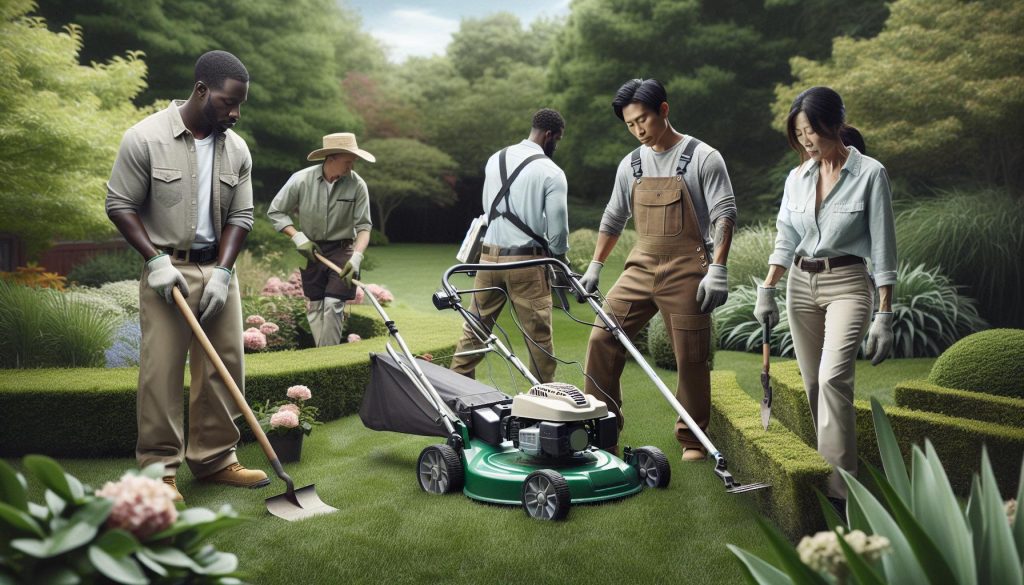
A lush, well-maintained lawn is not just a visual asset; it’s a reflection of the care and attention devoted to it. Full-service lawn care encompasses a comprehensive suite of services designed to enhance the beauty and health of your yard, from routine mowing to seasonal cleanup and specialized treatments. For busy homeowners, this approach not only saves time but also alleviates the stress of managing multiple service providers. Imagine transforming your backyard into a vibrant oasis without lifting a finger! In this guide, we’ll dive into the full-service lawn care package, exploring its benefits, key services, and how it can meet your landscaping goals. Get ready to discover how this hassle-free solution can elevate your outdoor space and allow you to enjoy a thriving lawn year-round.
What Is Full Service Lawn Care?

When it comes to maintaining a healthy and attractive lawn, many homeowners find themselves overwhelmed by the tasks involved. Full service lawn care offers a comprehensive solution that not only simplifies the process but also ensures that your green space thrives year-round. This approach encompasses a wide array of services tailored to meet the specific needs of your lawn, from routine maintenance to specialized treatments. By relying on seasoned professionals, you can expect expert care and attention that leads to a vibrant, lush landscape.
At its core, full service lawn care includes a variety of essential offerings designed to cover all aspects of lawn maintenance. Services typically range from regular mowing and edging to fertilization and pest control. Additionally, seasonal tasks such as aeration, overseeding, and mulching are incorporated to promote optimal health for your grass and plants. By engaging a full service provider, homeowners can rest assured that every aspect of lawn care is being addressed by skilled technicians who understand the local climate and specific grass types.
Moreover, the convenience factor cannot be overlooked. Full service lawn care allows homeowners to free up valuable time in their busy schedules. Instead of spending weekends pushing a mower or worrying about weeds, you can enjoy your outdoor space without the hassle of constant upkeep. With a dedicated team of professionals managing the intricacies of lawn care, you not only achieve a beautiful yard but also reclaim your time for relaxation and enjoyment.
In summary, choosing full service lawn care enables homeowners to benefit from professional, all-encompassing maintenance. This not only enhances the aesthetic appeal of the property but also fosters a healthier environment for enjoyment and leisure. By entrusting your lawn to experts, you can achieve the lush landscape of your dreams without the stress and labor of doing it yourself.
Key Benefits of Full Service Lawn Care
Choosing full service lawn care can transform a dull and neglected yard into a vibrant outdoor oasis without the stress and labor typically involved in maintaining a lawn. One of the standout benefits of this approach is the expert knowledge and experience that professionals bring to the table. These specialists understand the specific needs of your lawn, including soil conditions, grass types, and local climate factors, enabling them to apply the best practices for health and growth. This tailored care dramatically increases the likelihood of achieving a lush, green lawn that enhances your property’s curb appeal.
Another significant advantage is the comprehensive nature of full service offerings. Clients enjoy a range of services, from routine tasks such as mowing and weeding to more complex treatments like aeration and fertilization. This holistic approach not only promotes healthier grass but also fosters stronger roots, making the lawn more resilient to diseases, pests, and drought conditions. Furthermore, regular professional maintenance helps prevent common issues before they escalate, saving homeowners from expensive repairs or replacements later on.
Time savings also play a crucial role in the appeal of full service lawn care. For many homeowners, balancing work, family, and personal commitments leaves little time for yard work. By delegating lawn maintenance to professionals, one can reclaim weekends and free time, turning the lawn into a space for relaxation and recreation rather than a chore. This ease of access can be particularly appealing in areas where outdoor living is a significant aspect of the lifestyle.
In addition to convenience and expertise, full service lawn care offers a valuable peace of mind. Homeowners can trust that their outdoor spaces are being tended by knowledgeable professionals who are committed to quality results. This relational aspect of service adds an extra layer of trust, knowing that your lawn is in good hands, which is often worth the investment alone.
Services Included in a Full Service Package

Envision a lush, vibrant lawn that not only enhances your home’s aesthetic but also offers a welcoming space for family and friends to gather. A full service lawn care package is designed to make this dream a reality by encompassing a wide range of services tailored to meet the unique needs of your landscape. These comprehensive packages typically go beyond the basic mowing and weeding; they provide a holistic approach to lawn maintenance that ensures every aspect of your yard is tended to with expertise.
Among the core offerings included in these packages are regular mowing and edging, which keep your lawn looking neat and tidy. Additionally, many providers include aeration services, which relieve soil compaction and promote better nutrient and water penetration. Fertilization is another essential service, where tailored treatments are applied based on soil testing to foster healthy growth. Weed and pest control is often integrated into the package as well, utilizing environmentally friendly methods when possible to protect your lawn from invasive species and diseases.
A well-rounded full service package may also incorporate seasonal services such as leaf removal, mulching, and the application of seasonal herbicides and fungicides. Advanced care might include specialized treatments for soil health or even landscape design consultations, which can help homeowners who want to incorporate native plants or improve the overall layout of their outdoor spaces.
Furthermore, many full service lawn care providers emphasize education and communication, offering homeowners essential tips on maintaining their lawns in between service visits. This not only provides value but fosters a sense of partnership between the client and the service provider, ensuring that your lawn receives tailored attention year-round. By choosing a comprehensive package, you secure a vibrant outdoor environment without the stress of routine maintenance chores.
Understanding Lawn Maintenance Frequency
Maintaining a vibrant and healthy lawn requires a thoughtful approach to maintenance frequency. Did you know that the key to a thriving lawn often lies in how often you care for it? Each type of grass has its own growing season and health requirements, meaning that the frequency of lawn care tasks can significantly impact its overall health and appearance. By understanding the specific needs of your lawn, you can create a tailored maintenance schedule that enhances its resilience against pests and environmental stresses.
Most full service lawn care providers will develop a customized maintenance plan based on your lawn’s type, local climate, and current health. Typically, essential services like mowing should occur every 1-2 weeks during the growing season. Mowing at the correct height encourages deeper root growth and slows down weed development. However, during the cooler months or in periods of drought, mowing frequency may be reduced to allow the grass to grow undisturbed.
Fertilization and weed control treatments are also crucial aspects of lawn maintenance. Generally, fertilization should happen every 6-8 weeks, depending on the season and the type of fertilizer used. For instance, slow-release fertilizers can often be applied less frequently, while quick-release options might need to be reapplied more often. Likewise, the timing of weed and pest control efforts is essential; it’s best to target weeds when they are actively growing, which can vary by species.
Moreover, aeration, a service that effectively relieves soil compaction, should typically be done once or twice a year, depending on your soil type and lawn traffic. It allows air, water, and nutrients to penetrate deeper into the soil, leading to healthier grass growth. Customizing the frequency of these services not only promotes optimal grass health but also reduces the risk of pest infestations and disease, ultimately ensuring a lush and well-maintained lawn year-round.
How Full Service Lawn Care Saves You Time
For homeowners juggling busy schedules, maintaining a beautiful lawn can often feel like an overwhelming task. However, full service lawn care offers a solution that not only enhances your yard’s aesthetic appeal but also saves you significant time. By outsourcing these essential services to professionals, you free up your weekends and evenings, allowing you to focus on what truly matters-whether that’s spending quality time with family, pursuing hobbies, or simply relaxing after a long week.
Engaging a full service lawn care provider means that the heavy lifting, quite literally, is taken off your hands. Professionals bring specialized equipment and expertise that can handle tasks ranging from regular mowing to fertilization, weed control, and seasonal clean-up. Instead of dedicating hours to research proper techniques or breaking a sweat pushing a mower, you can trust that a team will ensure that each task is performed efficiently and effectively. This not only guarantees a healthier lawn but also maximizes your time for other activities.
Moreover, full service lawn care providers typically develop customized maintenance schedules tailored to your lawn’s specific needs. This tailored approach ensures that your lawn receives care at the right times, preventing problems before they arise. By eliminating the guesswork and timing issues often associated with DIY lawn care, homeowners can avoid those frantic weekends of rushed maintenance, ultimately leading to a more vibrant lawn with less effort.
Additionally, these service packages often include seasonal tasks that are less enjoyable for many homeowners, such as aeration, mulching, and leaf removal. By delegating these tasks, you’re not just saving time; you’re also ensuring that each aspect of lawn care is addressed consistently and professionally. This holistic approach to lawn maintenance means you can enjoy the beauty of your yard without the associated stress and time commitment, making full service lawn care a convenient and time-saving option for busy individuals and families.
Cost Factors to Consider for Lawn Care Services
When considering full service lawn care, understanding the cost implications is critical for homeowners looking to make the best financial decision. Pricing can vary significantly based on several factors, leading to some common questions about what to expect. For instance, the size of your yard, the specific services required, and your geographic location all play essential roles in determining the overall cost. Homeowners should be prepared for an investment that’s not just about immediate cash flow but also reflects the value of a well-maintained lawn over time.
One of the primary cost variances in lawn care services stems from the size of the property. Larger lawns require more time, materials, and equipment, influencing the overall cost. To give you a clear perspective, here are typical factors that influence pricing:
- Services Included: Basic services like mowing may come at a lower price point than comprehensive packages that include aeration, fertilization, and pest control.
- Frequency of Service: Weekly maintenance will generally cost more over time than monthly or seasonal care. However, the frequency can affect the quality and appearance of your lawn.
- Location: Urban areas may have higher labor costs and service charges compared to suburban or rural settings.
- Seasonal Demand: Services may be priced differently based on the season; peak seasons for lawn care can see increased rates due to higher demand.
In addition to these factors, homeowners should also be aware of potential add-ons or extras that can elevate the total cost. For example, specialized treatments for pest control or drought-resistant lawn care may not be included in standard packages but could be necessary for optimal lawn health.
Lastly, when evaluating costs, consider the long-term benefits of professionally-care for your lawn, which can lead to increased property value and curb appeal. Investing in regular maintenance can also save money in the long run by preventing costly repairs or severe lawn issues that arise from neglect. It’s often beneficial to compare quotes from different providers, ask for itemized breakdowns of services, and inquire about any available discounts for bundled services or seasonal promotions.
Choosing the Right Full Service Lawn Care Provider
Choosing the right provider for full service lawn care can significantly enhance the health and appearance of your yard while saving you time and effort. With numerous options available, it’s essential to pinpoint a lawn care service that aligns with your needs and expectations. Start by researching providers in your area, looking for companies with positive customer reviews and a track record of reliability. Websites like Yelp or local service listings can provide insights into customer experiences and the quality of services offered.
When assessing potential providers, consider their range of services. A comprehensive lawn care company should offer everything from routine mowing and fertilization to more specialized services such as weed control, aeration, and seasonal clean-up. Verify that they customize their offerings based on your lawn’s specific requirements. A good provider will perform an initial evaluation of your lawn to identify its condition and discuss your goals, ensuring a tailored approach to maintenance.
Communicating with prospective companies is vital. Don’t hesitate to ask questions about their methods, equipment, and staff qualifications. Understanding their approach to pest management and fertilization is particularly important, as these practices can impact both your lawn’s health and the surrounding environment. Many reputable lawn care providers will have licensed professionals on staff, ensuring compliant and safe lawn treatment methods.
Lastly, it’s wise to obtain quotes from several providers to compare pricing, but remember that the cheapest option might not always deliver the best results. Look for providers that offer value through flexibility in scheduling, transparency in pricing, and various service packages-potentially including discounts for bundled services. Investing time in selecting the right lawn care provider can lead to a thriving, beautiful lawn that enhances your property’s curb appeal and your enjoyment of outdoor spaces.
DIY vs. Professional Lawn Care: A Comparison
Considering whether to handle lawn care yourself or hire a professional can be a significant decision for homeowners. When weighing these options, many find that professional lawn care offers benefits that DIY efforts may struggle to match. For instance, professional lawn care providers bring expertise, experience, and specialized equipment, which can lead to better results. Research shows that lawns maintained by professionals often exhibit healthier growth, vibrant colors, and improved resilience to pests and diseases.
One of the primary advantages of hiring professionals is access to custom-tailored care plans. Professional services typically conduct a thorough assessment of your lawn, identifying specific needs and issues that may not be visible to the untrained eye. This tailored approach ensures that treatments like fertilization, aeration, and weed control are applied precisely when they are needed. On the other hand, DIY enthusiasts may lack the knowledge necessary to recognize early signs of disease or pest infestations, which can lead to costly mistakes down the line.
While DIY lawn care can be fulfilling and cost-saving, it usually requires time, effort, and a commitment to learning proper techniques. For instance, if you choose to mow your lawn, it’s essential to understand the correct height settings and patterns to promote healthy growth. The time invested in research, equipment maintenance, and actual physical labor can be significant, often detracting from time that could be spent on leisure or other priorities. In contrast, professional lawn care services often come with guarantees of satisfaction, allowing homeowners to enjoy their outdoor spaces without the stress of upkeep.
Another aspect to consider is the long-term cost implications. While DIY mowing, weeding, and fertilizing may seem cheaper initially, mistakes can lead to costly consequences such as the need for lawn restoration or pest control treatments. Hiring professionals may incur upfront costs, but the return on investment is often evident in the form of a lush, attractive lawn that requires less frequent remedial care. Ultimately, understanding the dynamics between DIY and professional lawn care will help you make an informed choice that suits your lifestyle and goals.
Seasonal Lawn Care Tasks You Should Know
Seasonal changes can dramatically impact the health and appearance of your lawn, making it essential to understand the key tasks associated with each season. Proper seasonal maintenance not only enhances the aesthetic appeal of your outdoor space but also fosters long-term health for your grass and soil. By adhering to a seasonal lawn care checklist, homeowners can ensure their lawns are primed for growth and resilience, capable of withstanding the rigors of varying weather conditions.
In spring, as the weather warms up and grass begins to grow actively, it’s vital to perform several key tasks. Start with a thorough inspection of your lawn, looking for any winter damage or signs of pests. Aeration is often recommended to relieve soil compaction, allowing air, water, and nutrients to penetrate the root zone effectively. Follow this with fertilization, using a spring fertilizer formulated to jumpstart growth. Additionally, seed any bare spots to ensure a dense and lush lawn throughout the growing season.
As summer approaches, attention shifts to maintenance tasks that help the lawn withstand heat and drought. Regular mowing is crucial, with the height set appropriately to encourage deeper root growth and shade the soil, preventing moisture loss. It’s also the perfect time to adjust your watering schedule. Deep, infrequent watering encourages strong root development, making your lawn more drought-resistant. If necessary, apply a summer fertilizer designed to support ongoing growth during the hotter months while controlling weeds.
Autumn is perhaps the most critical season for lawn care. This is the optimal time for overseeding, which rejuvenates the lawn and helps repair any damage incurred during the summer. Aerate once more to prepare the ground for new grass seeds. Fertilization in fall is equally important; using a winterizing fertilizer helps your grass store energy for the cold months ahead. Additionally, ensure that fallen leaves are cleared regularly, as they can smother grass and promote disease if left unattended.
Finally, winter care involves preparing your lawn for dormancy while protecting it against harsh conditions. Avoid heavy foot traffic on the lawn when it’s frosty, as this can harm the grass. You might consider applying a winter fertilizer to give the soil nutrients that support root health during dormancy. Planning your ornamental plant arrangements and hardscaping is also essential, ensuring your lawn remains visually appealing even when the grass is not in full growth.
In summary, understanding and implementing seasonal lawn care tasks is fundamental to achieving a vibrant and lush lawn. By being proactive and informed, homeowners can effectively navigate the challenges brought by each season, ensuring their outdoor environment remains healthy and attractive throughout the year.
Common Mistakes to Avoid with Lawn Care
Managing a beautiful lawn isn’t just about the basics; it often involves avoiding common pitfalls that could undo all your hard work. Surprisingly, many homeowners believe that once grass is planted, it will thrive without ongoing attention. This misconception can lead to a range of issues that affect both the health of the lawn and the overall aesthetic of the property. Recognizing and steering clear of these mistakes can save time, effort, and expenses in the long run.
One of the biggest blunders is improper watering. Overwatering can suffocate roots and promote fungal diseases, while underwatering can lead to drought stress, brown patches, and even weed invasions. To strike the right balance, aim for deep watering sessions that soak the soil about 6-8 inches deep, and try to water early in the morning to minimize evaporation. This practice allows the grass to develop deeper roots and enhances its resilience.
Another common error is mowing incorrectly. Cutting grass too short can stress the plants, expose soil to sunlight, and encourage weed growth. It’s advisable to follow the “one-third rule” – never remove more than one-third of the grass height in a single mowing session. Maintaining the correct height based on the grass type, typically 2.5 to 4 inches, ensures healthier grass that shades the soil and conserves moisture.
Failure to test soil quality is another frequent mistake that can thwart lawn care efforts. Without knowing the pH and nutrient levels of the soil, it’s challenging to determine the right amendments needed for optimal health. Regular soil testing helps identify deficiencies and allows for tailored fertilization, ensuring the grass receives all necessary nutrients for robust growth. Additionally, neglecting seasonal adjustments, such as timing for aeration, seeding, and fertilization, can hinder the lawn’s overall performance.
By being aware of these common mistakes and adopting best practices, homeowners can significantly improve the health and appearance of their lawns, maximizing the benefits of full-service lawn care packages. Implementing strategies such as appropriate watering, correct mowing, periodic soil testing, and timely seasonal tasks can lead to a lush, vibrant green space that is the envy of the neighborhood.
Trends in Full Service Lawn Care Solutions
The landscape of lawn care is continuously evolving, with emerging trends that reflect a growing emphasis on sustainability, technology, and personalized service. Homeowners are increasingly aware of the environmental impact of traditional lawn care practices, leading to a shift towards eco-friendly solutions. This transition not only benefits the planet but also enhances the overall health of lawns, making them more resilient and attractive.
One of the notable trends is the incorporation of organic fertilizers and pest control methods. Many full-service lawn care providers now offer packages that prioritize natural products, which help to reduce chemical runoff and promote biodiversity in the local ecosystem. This approach is particularly appealing to eco-conscious homeowners who wish to maintain a beautiful lawn without compromising their commitment to environmental stewardship. Additionally, the use of integrated pest management (IPM) techniques-focusing on prevention and natural solutions-has gained traction, ensuring that pest control is both effective and sustainable.
Smart Technology Integration
Technology is also playing a pivotal role in revolutionizing lawn care services. The rise of smart irrigation systems, which adjust watering schedules based on weather conditions, is one example of how innovation is being integrated into lawn maintenance routines. These systems can significantly reduce water consumption, making them an attractive option for homeowners looking to minimize their water bills while ensuring their lawns remain healthy. Furthermore, lawn care companies are leveraging software and apps to offer customers real-time updates, scheduling, and even remote monitoring of lawn conditions, making lawn care management more accessible than ever.
Personalization and Custom Packages
Another trend is the move towards more personalized services. Customers are increasingly seeking full-service lawn care providers that offer customized packages tailored to their specific needs and preferences. This can include everything from soil testing and analysis to seasonal color enhancements and specific grass type selections. Providers that embrace a consultative approach-working closely with clients to understand their goals and challenges-can differentiate themselves in a competitive market. Offering educational resources as part of the service can further enhance customer satisfaction and loyalty, allowing homeowners to feel empowered and informed about their lawn care choices.
As these trends continue to gain momentum, full-service lawn care is set to become not only a necessity but also a reflection of individual values and lifestyles. Embracing sustainability, leveraging technology, and prioritizing personalization will not only benefit the lawns themselves but also create a more fulfilling and responsible approach to outdoor living.
Faq
Q: What services are typically included in a full service lawn care package?
A: A full service lawn care package usually includes mowing, fertilization, weed control, pest management, and seasonal clean-up. Additional services like aeration, overseeding, and mulching may also be offered, ensuring that your lawn stays healthy and vibrant year-round. For a detailed breakdown, see the “Services Included in a Full Service Package” section.
Q: How often should I schedule my full service lawn care?
A: Scheduling for full service lawn care depends on the season and specific services. Generally, weekly mowing is recommended during peak growth months, while fertilization might be quarterly. Consistent service allows for optimal lawn health. More on maintenance frequency can be found in “Understanding Lawn Maintenance Frequency.”
Q: Can full service lawn care actually save money in the long run?
A: Yes, full service lawn care can save money by preventing costly damages, ensuring healthy grass, and minimizing the need for replacements. Investing in professional care reduces the chances of neglecting essential maintenance tasks. For more on cost benefits, refer to “Cost Factors to Consider for Lawn Care Services.”
Q: What should I consider when choosing a lawn care provider?
A: When selecting a lawn care provider, consider their experience, customer reviews, and range of services. Ensure they offer tailored plans that suit your lawn’s specific needs. A thorough guide can be found in “Choosing the Right Full Service Lawn Care Provider.”
Q: What common mistakes do homeowners make with lawn care?
A: Homeowners often over or under-water their lawns, neglect proper mowing heights, or misuse fertilizers. These mistakes can lead to a stressed lawn and increased pest issues. For further insights, check the “Common Mistakes to Avoid with Lawn Care” section.
Q: Are there eco-friendly options for full service lawn care?
A: Yes, many providers now offer eco-friendly options like organic fertilizers and environmentally safe pest control methods. These sustainable practices can enhance your lawn’s health while protecting the environment. Find more about trends in eco-friendly solutions in “Trends in Full Service Lawn Care Solutions.”
Q: What is the difference between full service lawn care and DIY lawn maintenance?
A: Full service lawn care provides professional expertise, time savings, and access to advanced tools. DIY maintenance may save money but requires time and knowledge about proper techniques. For a detailed comparison, see the “DIY vs. Professional Lawn Care: A Comparison” section.
Q: What seasonal tasks should I expect from full service lawn care?
A: Seasonal tasks can include spring clean-up, summer mowing, fall aeration, and winterization. Providers typically adjust services based on seasonal needs to maintain lawn health throughout the year. Explore seasonal duties in the “Seasonal Lawn Care Tasks You Should Know” segment.
The Way Forward
Ready to transform your lawn with full-service lawn care? This complete package not only simplifies your yard maintenance but also ensures your outdoor space remains healthy and vibrant year-round. Don’t wait-reach out today to discover how expert care can elevate your property’s curb appeal. If you’re curious about the benefits of regular lawn maintenance or want to delve deeper into seasonal lawn care tips, be sure to check our related articles!
Join our community by signing up for our newsletter, where you’ll receive exclusive tips and offers directly in your inbox. Have questions? We encourage you to leave a comment below or share this article with fellow homeowners eager to beautify their lawns. Explore our tools and resources for the next steps in your lawn care journey, and make your yard the envy of the neighborhood!