
Did you know that watering your lawn at the right time can save you money on your water bill and promote healthier grass? Many homeowners are unaware that the time of day can significantly impact the effectiveness of watering. If you want your lawn to thrive without breaking the bank, understanding when to water is crucial. By choosing the optimal time, you’ll not only minimize water waste but also ensure your grass receives the necessary moisture to grow lush and resilient. Curious about the best times to give your lawn a drink? Read on to discover the secrets to efficient lawn watering that can transform your outdoor space into the vibrant oasis you’ve always wanted.
Understanding the Best Time to Water Your Lawn
Watering your lawn effectively is crucial for maintaining its health and vitality. Many homeowners are unaware that the timing of watering can significantly affect the absorption and overall effectiveness of the water applied. Studies suggest that watering during the early morning hours-between 4 a.m. and 10 a.m.-is typically the best practice, as this timeframe allows grass to absorb moisture before the heat of the day causes evaporation. At this hour, the air is cooler, water can penetrate the soil more effectively, and the grass is better able to utilize the water before midday temperatures climb.
When considering when to hydrate your lawn, it’s also essential to think about the specific type of grass you have and your local climate. For instance, in cooler climates, watering later in the day can be effective, but in hotter areas, the risk of evaporation increases if you wait until the afternoon or evening. For those dealing with sandy soils, watering in smaller increments throughout the day can be beneficial, as this type of soil drains quickly. Ideal watering schedules can vary widely based on these factors, highlighting the importance of being adaptable.
Additionally, many lawn care experts recommend observing your grass for signs of dehydration, such as dull or bluish hues, or footprints that remain visible long after stepping on the grass. These indicators can provide immediate feedback on whether your watering schedule is appropriate or if adjustments are necessary. Regular monitoring of your lawn’s appearance, combined with a strategic watering plan, can lead to lush, green grass that enhances the beauty of your landscape while conserving water.
The Science Behind Lawn Watering
Understanding the intricate relationship between water, soil, and grass is essential for anyone looking to maintain a vibrant lawn. Watering may seem like a straightforward task, but the science behind it reveals that timing is critical for optimizing absorption and promoting healthy growth. Soil acts not only as a foundation for grass but also as a filtering system, which means that the right amount of water must reach the roots to ensure that moisture penetrates adequately.
When you water your lawn, a variety of factors come into play, including soil type, moisture retention capacity, and ambient temperature. For instance, clay soils retain water longer than sandy soils, which drain rapidly. As a result, these particular soil types require different watering frequencies and quantities. Understanding the composition of your soil can help you tailor your watering routine for maximum efficacy.
Moreover, the temperature and time of day significantly influence evaporation rates-watering during the hottest parts of the day can result in a substantial loss of moisture. The ideal time, as highlighted in previous sections, is early morning. This time frame minimizes evaporation and maximizes water absorption, allowing your grass to utilize moisture before the heat of the day causes it to evaporate from the soil. Factors such as wind can also affect evaporation; windy conditions can increase water loss, underscoring the importance of environmental considerations in your watering strategy.
Altogether, employing a science-based approach to watering can not only conserve water but also lead to a healthier lawn. By paying attention to the specific needs of your grass and local conditions, you can develop an efficient watering schedule that promotes lush growth while minimizing waste. Engage with this knowledge to transform your lawn care practices, ensuring that every drop counts.
How Morning, Afternoon, and Evening Affect Water Absorption
Watering your lawn at the right time can make a significant difference in its health and appearance. Many homeowners may not realize that the time of day you choose to water affects how effectively your grass absorbs moisture. In the morning, especially between 5 AM and 10 AM, is widely regarded as the most effective time to water. During this period, temperatures are cooler, which reduces evaporation, allowing water to penetrate the soil more effectively. Moreover, watering early gives the grass blades time to dry out before evening, which helps prevent disease caused by prolonged moisture.
In contrast, watering during the afternoon can be less efficient due to higher temperatures and increased evaporation rates. Water applied when the sun is at its peak may evaporate before it ever reaches the roots, leaving your lawn thirstier than before. Additionally, this practice can contribute to thermal shock, where grass experiences stress from extreme temperature changes between wet and dry conditions, ultimately harming its vitality.
Watering in the evening, while better than not watering at all, also poses risks. The cool temperatures of night can improve absorption; however, leaving grass damp overnight increases the risk of fungal diseases. The lawn remains wet for longer periods, creating an environment conducive to various pathogens that thrive in moisture. Consequently, if you choose the evening option, aim to complete watering early enough to allow for some drying before darkness falls.
In summary, the time you water your lawn is crucial for maximizing water absorption and supporting grass health. Early morning watering stands out as the best practice, while afternoon watering should be avoided to minimize evaporation loss. Evening watering, though not ideal, can be acceptable if managed carefully to prevent disease. Adjusting your watering schedule to align with these insights will foster a more vibrant and lush lawn while conserving water.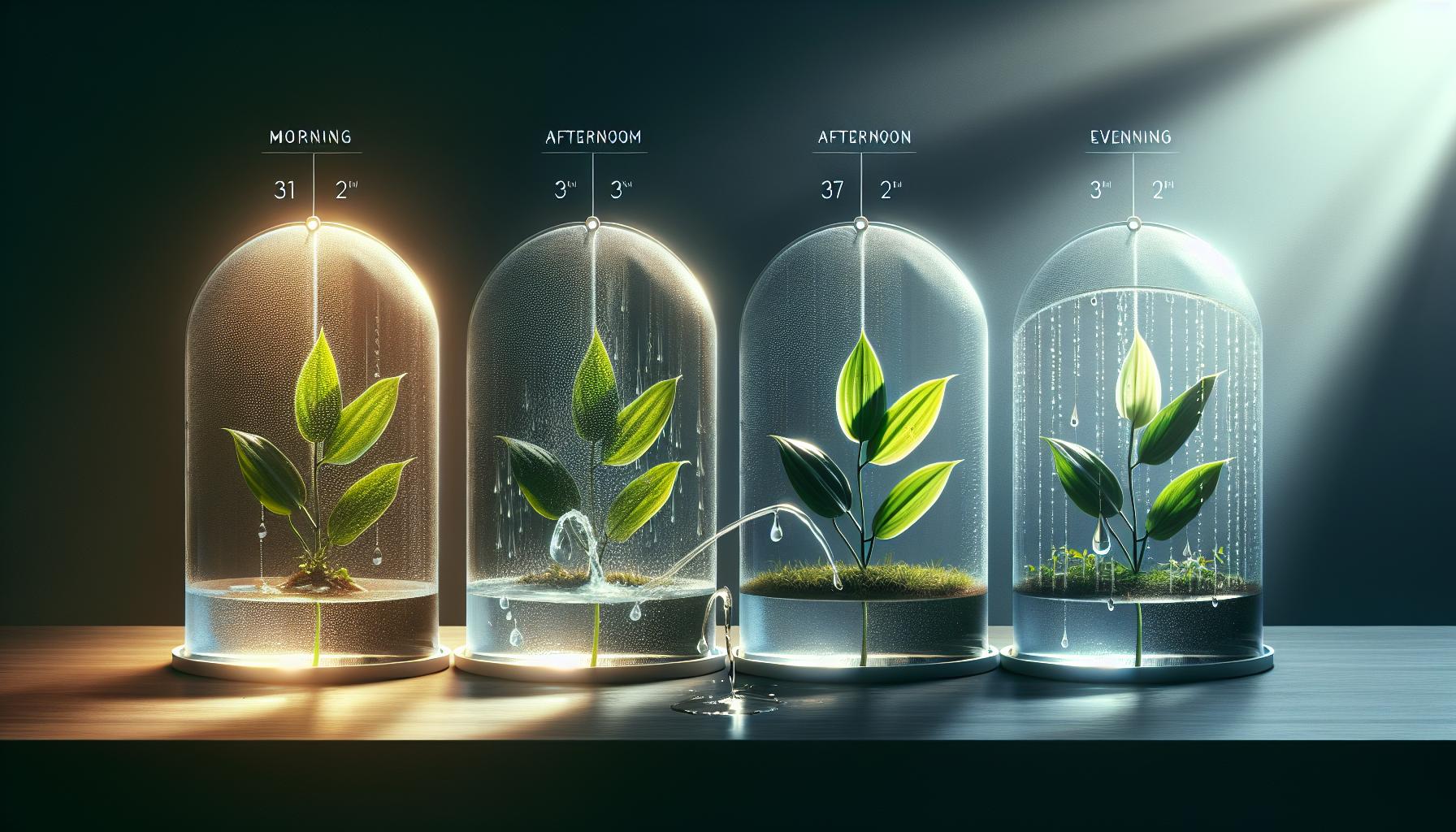
Seasonal Considerations for Lawn Watering Timing
Changing weather patterns and seasonal variations significantly influence how and when you should water your lawn. Understanding these shifts can enhance your lawn care routine, ensuring your grass remains lush and healthy throughout the year. For instance, during the heat of summer, lawns typically require more frequent watering due to higher evaporation rates caused by soaring temperatures. Conversely, in the cooler months, such as early spring and late fall, grass growth slows and its water needs decrease substantially. During these periods, reducing watering sessions or even skipping them entirely may be beneficial, especially if the rain provides adequate moisture.
Understanding the specific needs of your grass type is equally crucial. For example, cool-season grasses, like Kentucky bluegrass, thrive in the moisture-rich conditions of spring and early fall. Watering should align with their active growth periods, ideally early in the morning. On the other hand, warm-season grasses, such as Bermuda or Zoysia, come alive during the hotter months. These varieties typically thrive on a watering schedule that slightly accommodates the peak summer heat, ensuring that moisture reaches their deeper root systems.
When planning your watering schedule for different seasons, consider these practical tips:
- Summer: Water early in the morning, ideally between 5 AM and 10 AM, to minimize evaporation and allow grass to absorb moisture effectively.
- Fall: Gradually reduce watering as temperatures drop and rainfall becomes more frequent; monitor the lawn for signs of stress.
- Winter: In cold climates, generally avoid watering altogether since grass goes dormant; in milder climates, occasional watering may be necessary during dry spells.
- Spring: As temperatures rise, increase watering frequency to support new growth while avoiding overwatering, which can lead to disease.
Additionally, environmental factors such as humidity and wind can influence watering needs. In dry, windy conditions, keep an eye on your lawn’s moisture levels, as these factors can increase the rate of evaporation. Therefore, adjusting your watering times and amounts according to seasonality and environmental conditions can help maintain a robust and beautiful lawn. This proactive approach to seasonal care not only conserves water but also optimizes your lawn’s health and vibrancy throughout the year.
Common Myths About Lawn Watering You Should Ignore
One prevalent misconception in lawn care is that watering your grass at any time of day is equally effective. In reality, the timing of watering can significantly impact its effectiveness. Watering during the hottest parts of the day (usually between 10 AM and 4 PM) can lead to excessive evaporation, wasting both time and resources. Instead, watering early in the morning, between 5 AM and 10 AM, allows for absorption before temperatures rise. This ensures that your lawn receives the moisture it needs without overexposing it to the sun’s scorching heat.
Another common myth is that grass only needs watering when it looks dry. Grass may not show obvious signs of distress until it is significantly dehydrated. Regular monitoring and adhering to a consistent watering schedule can prevent damage. Signs that indicate your lawn is thirsty include a dull color, a preference for springing back when stepped on, or a flaky texture. Observing these indicators may result in a reactive approach to watering, rather than a proactive one, which can be inefficient.
Additionally, many homeowners believe that deep watering is unnecessary and that short, frequent watering sessions are sufficient. In contrast, infrequent but thorough watering encourages deep root growth, making your lawn more resilient to drought and heat stress. Aim for one to two deep watering sessions per week, providing about one to one and a half inches of water each time. This promotes a more robust, healthier lawn.
Lastly, some might think that time spent watering does not impact utility costs. This belief neglects the importance of efficient watering practices, such as using smart irrigation systems or drip irrigation. These technologies not only conserve water but also optimize watering schedules tailored to your region’s climate and landscape needs. Investing in such methods can reduce costs and significantly enhance lawn health, making it a win-win for both the environment and your wallet.
In summary, dismissing long-held myths about lawn watering can lead to a more efficient, environmentally friendly, and vibrant lawn. By understanding the best practices and embracing proven techniques, gardeners can ensure their efforts yield beautiful, green results all season long.
Signs That Indicate Your Lawn Needs Watering
Recognizing when your lawn is in need of water is crucial for maintaining its health and vitality. Surprisingly, many homeowners overlook the subtle signs that indicate their grass is thirsty. For instance, while grass may appear lush and green, it can actually be experiencing stress. If your lawn has a dull hue or a slightly grayish tint, this can be the first signal that it needs moisture. Healthy grass should have a vibrant, bright green color, and a shift in shade is often a cue to check your watering habits.
Another telling indication is how the grass responds to foot traffic. If your lawn does not spring back up promptly after being walked on, it may be lacking the hydration it needs. This flattening phenomenon occurs because dry grass blades lose their turgidity, making them less resilient. Additionally, if the grass feels hard or crunchy underfoot instead of soft and springy, it’s a sign that watering should be prioritized.
Additionally, experts recommend conducting a simple “screwdriver test.” Take a screwdriver and try to push it into the soil. If it penetrates easily, your soil is adequately hydrated. Conversely, if it struggles or resists, it’s a clear indication that the lawn is in need of water. It’s important to check moisture levels, especially during prolonged dry spells.
Lastly, be mindful of your lawn’s overall appearance on hot days. If you notice any areas that look parched or developing brown patches, this is a strong signal that those sections are not receiving enough water. Addressing these signs proactively not only enhances your lawn’s visual appeal but also contributes to its long-term health, preventing further damage that could result from neglecting appropriate watering practices. Keeping an eye out for these indicators can enable you to maintain a lush, thriving lawn with minimal effort.
Best Practices for Watering Techniques
Watering your lawn effectively isn’t just about timing; it’s also about employing the right techniques to maximize moisture absorption and minimize waste. Utilizing smart watering practices can transform your lawn from good to exceptional, helping to conserve water while ensuring healthy, vibrant grass.
One of the best practices is to water deeply but infrequently. This encourages grassroots to dig deeper into the soil in search of moisture, leading to a stronger, more drought-resistant lawn. Aim for about 1 to 1.5 inches of water per week, which can be adjusted depending on rainfall and seasonal changes. To measure how much water your sprinkler system delivers, set a few empty cans around your yard and time how long it takes to fill them to the desired level.
Another noteworthy technique is to incorporate a soaker hose or drip irrigation system, which delivers water directly to the soil rather than watering the foliage. This method not only reduces water evaporation but also minimizes the risk of fungal diseases that can result from wet grass. Installing these systems can be a bit of an investment in terms of time and money upfront but can pay off in healthier grass and reduced water bills.
Timing is Everything
Understanding when to water is crucial. Optimal watering times, especially in hotter months, are early morning or late evening. Watering during the day can lead to significant evaporation, often wasting as much as 30% of your water. If morning or evening watering isn’t feasible, consider investing in smart timers that adjust based on the weather, allowing your irrigation system to work more efficiently and effectively.
Moreover, it’s essential to avoid overwatering. Signs of overwatering include a soggy lawn or standing water, which can lead to root rot and other diseases. Always observe your lawn after watering; if the soil feels consistently moist, you may be watering too often.
Incorporating these techniques can lead to a thriving lawn with minimal effort. By understanding the science of water absorption and employing the right methods, you’ll not only enhance the beauty of your yard but also contribute to water conservation efforts.
The Environmental Impact of Lawn Watering
Watering your lawn is not only a matter of aesthetics; it carries significant environmental implications. Excessive water usage can strain local water resources, especially during peak season when demand is high. In many regions, lawns are responsible for a substantial part of residential water consumption, sometimes accounting for over 50% of household water use during summer months. Understanding the environmental impact of your watering practices is essential for promoting sustainability while maintaining a vibrant lawn.
One of the most effective ways to mitigate environmental harm is to adjust your watering schedule to times when evaporation rates are lowest. Watering early in the morning or later in the evening can significantly reduce water loss, making each drop more beneficial for your grass. In contrast, watering during peak sun hours can lead to up to 30% of your water evaporating before it even reaches the roots. This wasted water is not only detrimental to your lawn’s health but also contributes to higher water bills and unnecessary resource depletion.
To further enhance water efficiency, consider adopting techniques such as mulching and using native or drought-resistant grass varieties. Mulching helps retain soil moisture and reduces evaporation, while selecting plants that are adapted to your regional climate minimizes the need for excess watering. Additionally, employing smart irrigation technology, like weather-based controllers or soil moisture sensors, can automate your watering schedule to align with actual lawn needs, ensuring that both the grass thrives and resources are conserved.
In summary, responsible lawn watering is a crucial aspect of environmental stewardship. By being mindful of when and how you water, you can maintain a lush lawn while minimizing your ecological footprint. Adopting efficient practices not only results in beautiful greenery but also demonstrates a commitment to protecting our planet’s precious water resources.
Using Smart Technology to Optimize Lawn Watering
Integrating smart technology into your lawn care routine not only enhances efficiency but also promotes sustainable water usage, making it a wise investment for conscious homeowners. Imagine a system that automatically adjusts your watering schedule based on real-time weather conditions, soil moisture levels, and grass type-this is now a reality with modern smart irrigation solutions. Automated systems, including smart controllers and moisture sensors, ensure your lawn receives the precise amount of water it needs, when it needs it, thereby minimizing waste.
One of the standout features of smart irrigation systems is their ability to interface with local weather data. For instance, if rain is forecasted, a smart controller can delay scheduled watering, conserving precious water resources. Similarly, during particularly hot days, these systems can increase watering times to compensate for increased evaporation. Homeowners can set these systems to operate in the early morning or late evening, aligning with optimal watering times to further reduce water loss due to evaporation.
Moreover, many smart irrigation solutions offer app connectivity, allowing you to monitor and adjust your lawn care routine remotely. Whether at work or on vacation, you can ensure that your lawn is adequately watered without being wasteful. Users can easily customize schedules, receive alerts about the system status, and even track water usage over time, which can be particularly useful for budgeting and assessing the health of the lawn.
Investing in smart technology isn’t just about convenience; it reflects a commitment to environmental stewardship. By adopting these advanced tools, you’re actively participating in reducing your home’s water consumption. In areas facing drought conditions or strict watering regulations, smart irrigation can be an invaluable asset, ensuring that your lawn remains healthy while adhering to local conservation efforts. As the technology continues to evolve, homeowners will find even more innovative solutions to care for their lawns while minimizing their ecological footprint.
Maintaining a Healthy Lawn During Drought Conditions
In times of drought, maintaining a vibrant lawn can feel like an insurmountable challenge, but with some strategic planning and smart practices, it’s entirely achievable. One essential tactic is to adjust your watering schedule to take advantage of the best times of day. Early morning is particularly effective as it allows grass to absorb moisture before the sun heats up, reducing evaporation and ensuring the roots receive the water they need before the day heats up.
To optimize your lawn’s health during dry spells, consider implementing deep and infrequent watering. This method encourages roots to grow deeper into the soil, making them more resilient. Aim to water your lawn about once a week, ensuring that your irrigation delivers about 1 to 1.5 inches of water. A simple way to measure this is by placing a few empty containers around your lawn to gauge the amount of water collected during your watering session.
Additionally, utilize mulch in your landscape or plant beds, which can significantly reduce moisture evaporation from the soil. Organic mulches help retain soil moisture by acting as a barrier against the sun. Moreover, allow your grass to grow slightly taller-keeping it about 3 to 4 inches-can provide shade to the soil and help prevent evaporation.
Another practical consideration is the type of grass you have. Some varieties, such as fescue or zoysia, are more drought-resistant than others. If water conservation is a critical concern, you might want to consider transitioning to these drought-tolerant options. Moreover, implementing smart irrigation systems not only automates your watering schedule but can also adjust based on rainfall and soil moisture levels, ensuring that you provide just the right amount of water necessary for your lawn’s survival during dry periods.
By employing these methods, you can foster a healthier lawn while conserving water, making it a win-win situation-for your lawn and the environment.
Regional Differences: What Works Best in Your Area
Understanding the nuances of your local climate can drastically influence how and when you should water your lawn. For instance, areas with high temperatures and low humidity, such as the Southwest United States, often require early morning watering to minimize evaporation. This approach allows the grass to absorb moisture before the scorching sun heats the ground. Conversely, regions with cooler, more humid climates, like the Pacific Northwest, may benefit from watering later in the day or even evenings, as the cooler ambient temperatures can reduce evaporation and help the grass stay hydrated longer.
In coastal areas, where sea breezes and humidity play a significant role, the best times for watering can change dramatically with the season. During dry summer months, watering might need to be adjusted to accommodate afternoon sea breezes that often increase evaporation rates. On the other hand, rainfall patterns are also a crucial consideration. In regions with distinct wet and dry seasons, it may be beneficial to use a rain gauge to monitor precipitation and adjust watering schedules accordingly, ensuring that you don’t overwater during the rainy spells.
Additionally, the type of soil prevalent in your area can dictate watering practices. Clay soils, which retain moisture longer than sandy soils, may require less frequent watering, while sandy soils may need more regular watering sessions to keep grass healthy. Moreover, if you are in an area prone to drought or water restrictions, implementing xeriscaping principles-such as using drought-tolerant grasses or incorporating drip irrigation systems-can ensure you maintain a healthy lawn without excess water use.
- Southwest U.S.: Early morning watering to minimize evaporation.
- Pacific Northwest: Evening watering to take advantage of cooler temperatures.
- Coastal Regions: Adjust based on sea breezes and rainfall patterns.
- Soil Type: Consider moisture retention capabilities when determining watering frequency.
Understanding these regional differences empowers homeowners to make informed decisions about lawn care, ultimately fostering a more resilient and environmentally-friendly landscape. By adjusting your watering schedule based on local conditions, you’ll promote a thriving lawn while conserving precious water resources.
Tips for Adjusting Your Watering Schedule
To ensure your lawn remains lush and healthy, the timing of watering is critical. A well-adjusted watering schedule not only helps your grass thrive but can also save you both time and money. One key principle to consider is the early bird advantage: watering in the early morning, preferably between 6 AM and 10 AM, allows moisture to soak into the soil before the heat of the day causes evaporation. This practice gives your lawn the best chance to absorb water efficiently, promoting deeper root growth and reducing plant stress.
Pay attention to the local climate and seasonal changes. As temperatures fluctuate throughout the year, you’ll want to modify your schedule accordingly. During the hotter months, consider increasing the frequency of watering sessions, while in cooler seasons, a less frequent approach may suffice. Utilize a rain gauge to track rainfall, which can help you fine-tune your watering schedule; if nature provides, you won’t need to water as often.
Experimentation is your ally. If you notice certain areas of your lawn are browning while others are thriving, adjust your watering times and durations to target those specific patches. For instance, shaded areas may not need as much water as sunny spots. Maintain a consistent assessment of your lawn’s health and adapt your techniques based on its response.
Advancements in technology can also play a significant role. Smart irrigation systems that adjust based on weather forecasts and soil moisture levels can help automate your watering schedule, ensuring efficiency and reducing water waste. Embrace these innovations, but also don’t overlook the importance of traditional observation-getting to know your lawn’s specific needs will help tailor your approach even further, leading to a vibrant and sustainable landscape.
Q&A
Q: What is the best time of day to water your lawn for optimal growth?
A: The best time to water your lawn is early in the morning, ideally between 6 AM and 10 AM. This timing allows the grass to absorb moisture before the heat of the day causes evaporation, promoting healthier growth and deep root development. For more tips, refer to the section on “Best Practices for Watering Techniques”.
Q: Why is it important to water your lawn in the morning instead of the evening?
A: Watering in the morning reduces the likelihood of disease and fungal growth, as the grass dries off during the day. Evening watering can leave grass wet overnight, increasing disease risk. Learn more about timing effects in “How Morning, Afternoon, and Evening Affect Water Absorption”.
Q: How often should I water my lawn during hot weather?
A: During hot weather, lawns typically require watering 1-2 times per week, depending on rainfall and soil type. Ensure each session delivers about an inch of water, promoting deep root growth. Check our article on “Tips for Adjusting Your Watering Schedule” for further advice.
Q: What are the signs that I need to change my lawn watering schedule?
A: Signs to update your watering include yellowing or browning grass, footprints that remain visible after walking, and soil that feels dry several inches down. For detailed troubleshooting, see “Signs That Indicate Your Lawn Needs Watering”.
Q: Can I use a timer for lawn watering, and how does it help?
A: Yes, using a timer helps water your lawn consistently at optimal times, reducing the chance of overwatering and ensuring deep soaking. Smart technology can optimize your schedule based on weather conditions, as discussed in “Using Smart Technology to Optimize Lawn Watering”.
Q: What time of day is best for watering a new lawn?
A: For new lawns, water early in the morning, but also consider midday if temperatures rise above 85°F to keep the soil moist. Frequent, shallow watering is crucial during establishment. For insights on maintaining a healthy lawn, refer to “Maintaining a Healthy Lawn During Drought Conditions”.
Q: How can seasonal changes affect the timing of lawn watering?
A: Seasonal changes can impact watering needs; during cool seasons, early afternoon may be acceptable, while in peak summer, morning is best to minimize evaporation. Review “Seasonal Considerations for Lawn Watering Timing” for a comprehensive guide.
Q: What mistakes should I avoid when watering my lawn?
A: Common mistakes include watering at the wrong time (like midday), overwatering, or not adjusting based on rainfall. Avoiding these issues can enhance lawn health. For myths to ignore, check our section on “Common Myths About Lawn Watering You Should Ignore”.
Wrapping Up
Now that you know the best time of day to water your lawn, take action to ensure your grass stays healthy and vibrant. Remember, early morning is ideal to minimize evaporation and fungal growth, saving you both water and time. If you’re looking for more ways to enhance your lawn care routine, check out our guides on effective fertilization strategies and mowing techniques that promote robust growth.
Don’t forget to subscribe to our newsletter for expert tips delivered right to your inbox! Have questions or success stories about your lawn care journey? Join the conversation in the comments below. Staying informed is crucial, so explore our related articles to keep turning your lawn into the envy of the neighborhood. Your lush, green lawn is just a few smart choices away!