
Fiddle Leaf Figs are renowned for their striking appearance, but they can be tricky to care for, especially when it comes to yellowing leaves. You might wonder if these leaves signal a problem or if they should be pruned away. Understanding the reasons behind this change is crucial for maintaining the health and beauty of your plant. Yellow leaves can indicate issues ranging from improper watering to environmental stress, and addressing these concerns is key to keeping your Fiddle Leaf Fig thriving. In this article, we will explore whether you should remove yellow leaves and what actions you can take to ensure your beloved plant stays vibrant and lush. Whether you’re a seasoned enthusiast or a new plant parent, this guide will help you navigate the complexities of Fiddle Leaf Fig care and enhance your indoor garden.
Causes of Yellow Leaves on Fiddle Leaf Figs
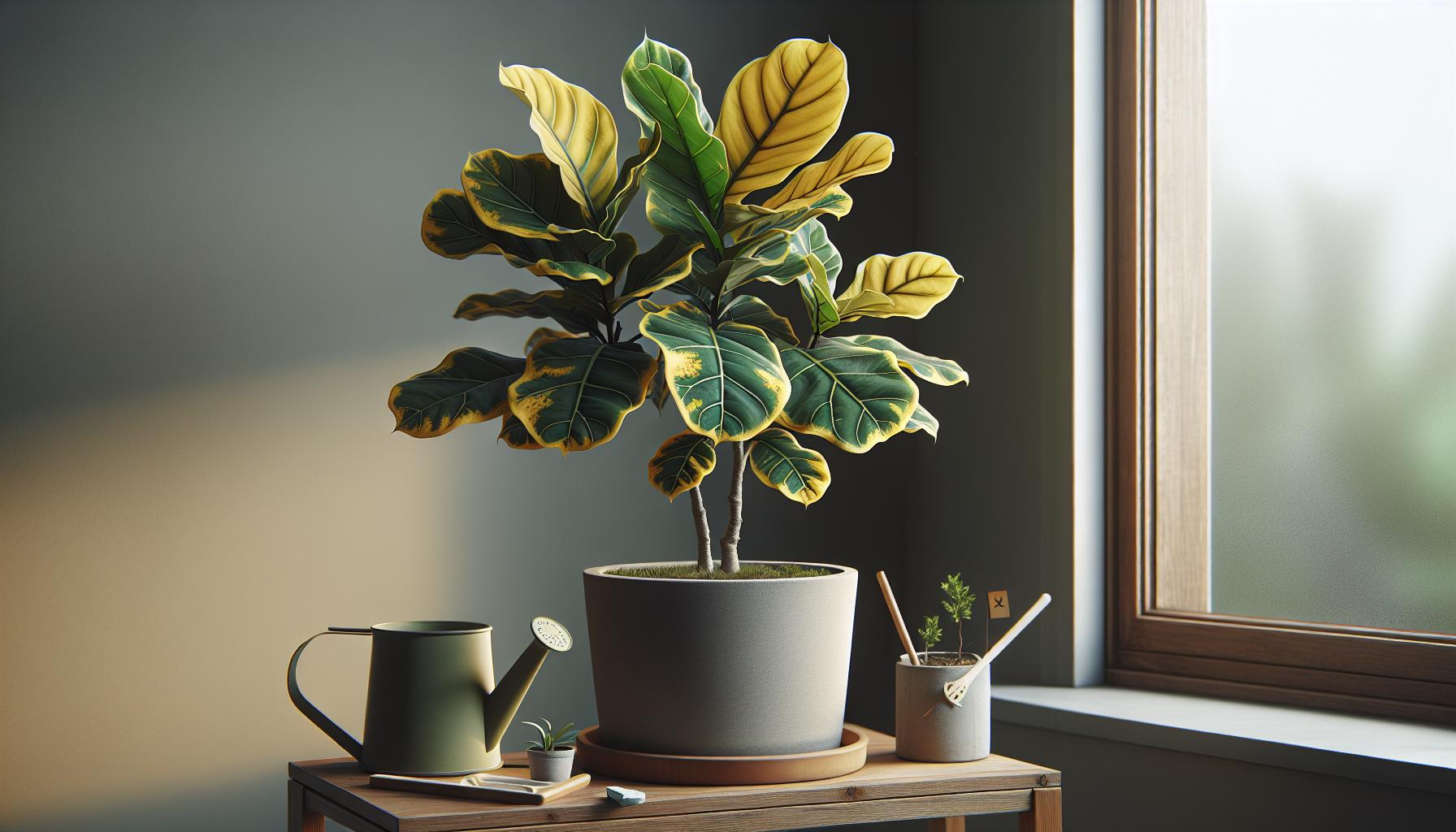
In the world of houseplants, few are as beloved as the fiddle leaf fig, with its large, glossy leaves adding a distinctive charm to any space. However, encountering yellow leaves can be alarming for even the most experienced plant aficionados. Yellowing can signify various underlying issues, ranging from environmental stressors to care missteps. Understanding the root causes is crucial in diagnosing the problem and regaining your plant’s lush appearance.
A common reason for yellow leaves is improper watering. Both overwatering and underwatering can lead to leaf discoloration. When the soil retains too much moisture, it can suffocate the roots, leading to root rot and, eventually, yellowing leaves. Conversely, if the soil is too dry for extended periods, the plant may not absorb enough nutrients, causing it to lose its vibrant green hue. It’s essential to monitor the top inch of the soil and water when it feels dry to the touch, ensuring optimal moisture levels.
Another significant factor to consider is light exposure. Fiddle leaf figs thrive in bright, indirect sunlight. If the plant is positioned in a low-light area, it may not receive the energy it needs for healthy growth, resulting in yellow leaves. Conversely, placing it in direct sunlight can lead to leaf scorch, manifesting as crispy, yellow edges. Aim to position your fiddle leaf fig near a window with filtered light to strike the right balance.
Nutrient deficiencies can also trigger yellowing. Fiddle leaf figs require a balanced diet rich in nitrogen, potassium, and magnesium. If your plant exhibits yellow leaves with green veins-a condition known as chlorosis-it might be time to introduce a quality fertilizer to replenish necessary nutrients. Typically, fertilizing during the growing season can keep your plant nourished and robust.
Lastly, fluctuations in temperature and humidity can stress a fiddle leaf fig, causing leaves to yellow and drop. These plants prefer a stable environment with temperatures between 60°F and 75°F (15°C to 24°C) and humidity levels of around 30% to 65%. Avoid placing your fiddle leaf fig near heating vents or drafty windows to mitigate environmental stress. By identifying and addressing these causes, you can help restore your fiddle leaf fig to full health, ensuring it continues to thrive as a vibrant centerpiece in your home.
Should You Remove Yellow Leaves? Pros and Cons
While it may be tempting to remove yellow leaves from your fiddle leaf fig at the first sign of distress, the decision requires careful consideration. Yellow leaves can often serve as important indicators of your plant’s health and overall care conditions. Removing them too early may not only fail to address the underlying issues but could also hinder your plant’s ability to recover.
On one hand, there are benefits to removing yellow leaves. Doing so can improve the overall appearance of your plant, making it look healthier and more vibrant. This can be particularly important if your fiddle leaf fig is a focal point in your home decor. Furthermore, removing severely damaged or diseased leaves can prevent potential pests and diseases from spreading to healthy foliage, thereby safeguarding the plant’s overall well-being.
Conversely, there are reasons to hesitate before embarking on leaf removal. Each leaf plays a role in the plant’s photosynthesis process. By taking away yellow leaves, you might be stripping your plant of some of its ability to generate energy and nutrients. Additionally, yellowing can sometimes be a natural part of a plant’s life cycle. Fiddle leaf figs may shed older leaves to redirect energy toward new growth, particularly if they are receiving proper care. Understanding the conditions that led to the yellowing-such as overwatering, nutrient deficiencies, or insufficient light-can be more beneficial than simply cutting off the leaves.
In summary, while it can be visually appealing and potentially beneficial to trim yellow leaves, it’s essential to first assess the health of the overall plant and the reasons behind the discoloration. Taking a balanced approach-removing truly unhealthy leaves while addressing the underlying issues-can promote a healthier, more resilient fiddle leaf fig in the long run.
How to Safely Remove Yellow Leaves from Your Plant
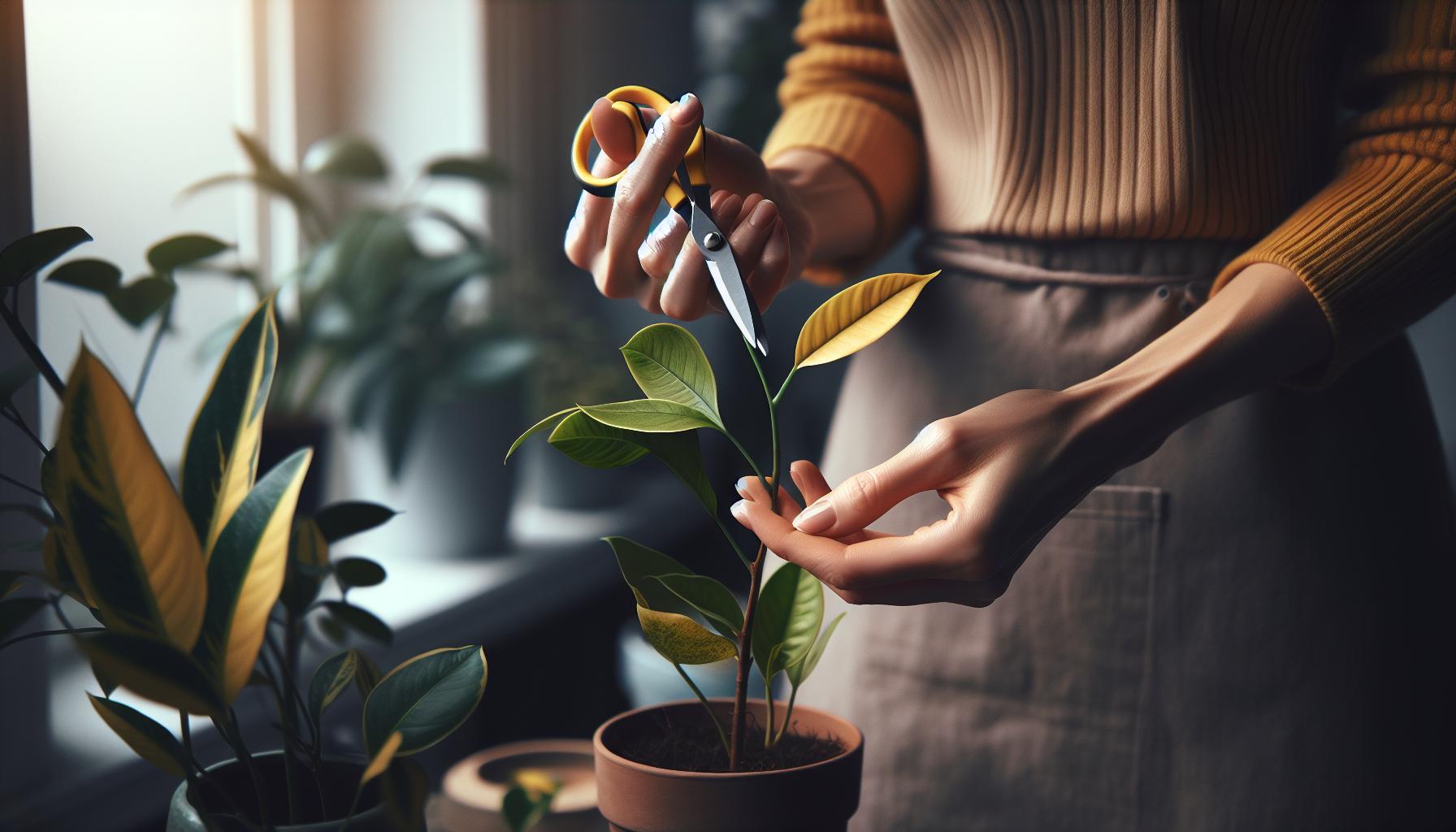
When assessing a fiddle leaf fig, encountering yellow leaves can be both concerning and puzzling. Understanding how to safely remove these leaves is crucial to maintaining your plant’s health without causing further distress. The goal is not just to enhance the appearance of your fiddle leaf fig, but also to support the plant’s overall vigor as it navigates through caring challenges.
To begin, equip yourself with a pair of clean, sharp gardening shears or scissors. This will ensure a clean cut, minimizing stress to your plant and reducing the risk of infection. It’s wise to cut leaves at their base, where they attach to the trunk or stem. Aim for an angle cut, which can help facilitate quicker healing of the wound. When preparing to cut, examine each yellow leaf carefully. If a leaf is very yellow but still somewhat firm, it may be worth keeping until you determine the underlying cause of yellowing. On the other hand, if the leaf is brown or mushy, it’s best to proceed with removal to prevent any potential spread of pathogens.
As you prune your fiddle leaf fig, make sure to clean and sanitize your cutting tools both before and after use. This prevents the possibility of transferring any diseases from one part of the plant or from another plant. You might also want to wear gloves to protect your hands from the sap, which can be irritating. After removing the yellow leaves, give your plant some time and space to recover. Observe for any changes, both positive and negative, in the remaining leaves or overall plant behavior.
Finally, once you’ve removed excess yellow foliage, consider documenting the process and noting any changes in your plant’s care routine. This can help you identify patterns that may contribute to leaf yellowing in the future. Sometimes, keeping track of factors like watering frequency, sunlight exposure, and temperature can assist you in honing in on the right conditions for thriving fiddle leaf figs. With careful attention and a gentle touch, you can ensure your plant remains healthy and continues to bring beauty to your space.
Identifying Underlying Issues Behind Leaf Discoloration
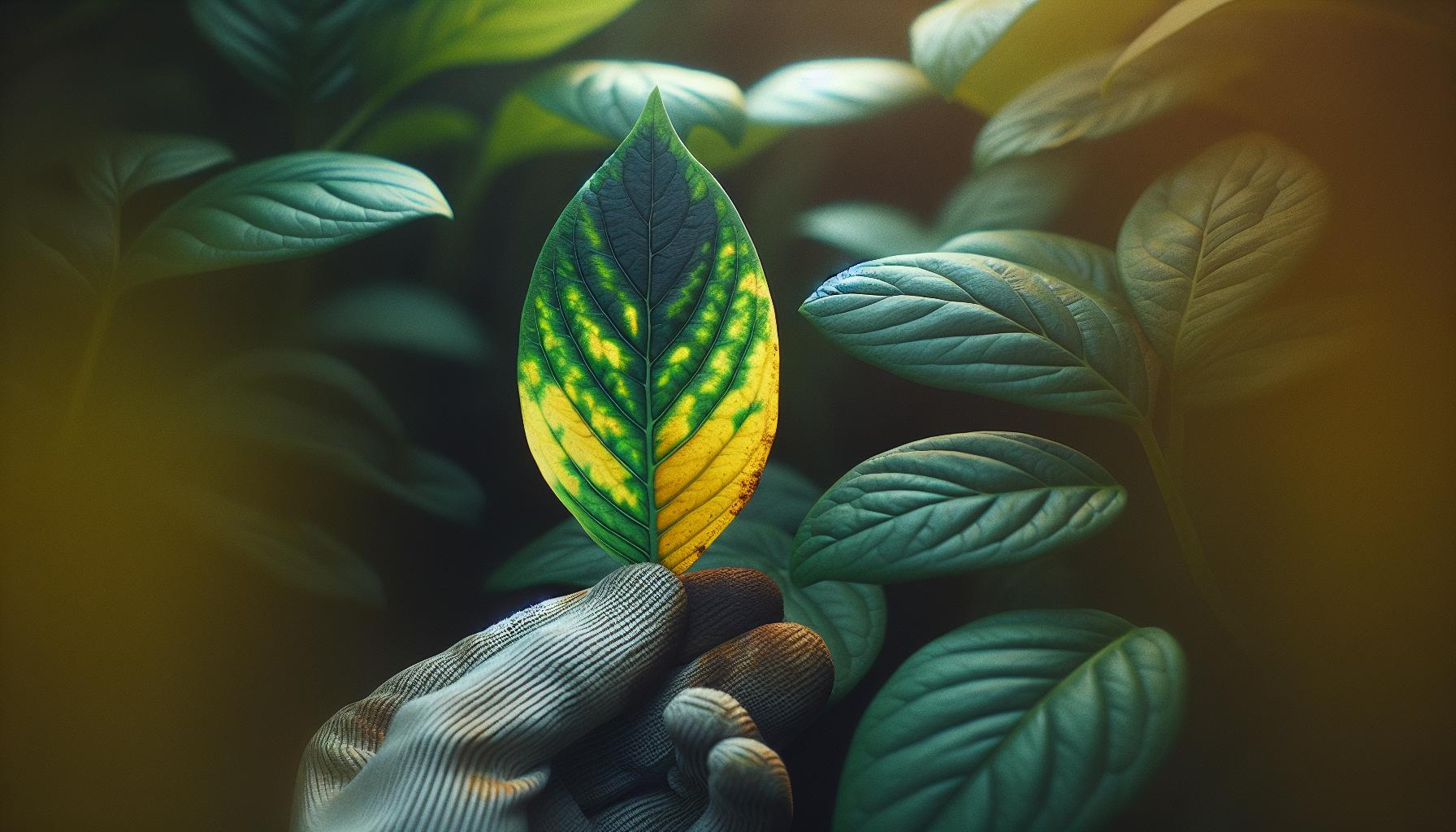
Determining the cause of yellow leaves on a fiddle leaf fig is crucial for maintaining the plant’s health and vigor. Several underlying issues can lead to this discoloration, and understanding them can help you make informed decisions about whether to remove affected leaves or adjust your care strategy. One of the most common culprits is overwatering, which can suffocate roots and lead to a decline in overall plant well-being. In contrast, underwatering can also result in yellowing leaves as the plant struggles to absorb essential nutrients and moisture.
Another significant factor is lighting conditions. Fiddle leaf figs thrive in bright, indirect light; insufficient light can prompt the plant to draw energy from older leaves, leading to yellowness. Conversely, direct sunlight can cause leaf burn, initially presenting as yellow spots before deteriorating further. It’s also important to consider potential nutrient deficiencies. A lack of key nutrients, particularly nitrogen, can inhibit a plant’s growth and manifest as yellowing leaves, suggesting that your fiddle leaf fig might benefit from a balanced fertilizer.
Pests can also play a detrimental role in leaf health. Common offenders such as spider mites and mealybugs feed on plant sap, weakening the plant and leading to yellow or browning foliage. Regular monitoring for signs of infestations can help catch these issues early and make treatment more effective. To effectively manage these problems, it’s vital to create a specific care plan that addresses watering routines, light exposure, and nutrition, tailored to the unique environment your fiddle leaf fig is in.
In summary, identifying the underlying issues behind leaf discoloration requires careful observation and a willingness to adapt your care regime. Regularly assessing both the plant’s condition and its environmental factors will empower you to take the necessary steps to revive your fiddle leaf fig to its full potential. Being proactive in understanding these dynamics can significantly enhance the longevity and health of your beloved plant.
Best Practices for Fiddle Leaf Fig Care

To ensure your fiddle leaf fig thrives and minimizes the chances of yellowing leaves, implementing best practices in care is essential. These beloved plants can be somewhat finicky, but their distinctive, large leaves and air-purifying qualities make them a worthwhile hobby for any plant enthusiast. One vital aspect of care is consistent watering. Fiddle leaf figs prefer their soil to dry out slightly between waterings. A good rule of thumb is to water when the top inch of the soil feels dry. Overwatering is a common pitfall, leading to root rot and yellowing leaves; hence, it’s crucial to use a pot with proper drainage.
Light Requirements
Another fundamental care element is light exposure. Fiddle leaf figs thrive in bright, indirect light, making placement in a well-lit room critical. While they can tolerate some direct sunlight, too much of it can scorch their leaves, which can also contribute to discoloration. If your plant’s leaves are turning yellow, consider adjusting its location. A window that filters light is usually ideal, ensuring your plant remains healthy and robust.
Nutrient Supply
A balanced fertilization routine will also benefit your fiddle leaf fig significantly. During the growing season (spring and summer), feed with a high-nitrogen fertilizer once a month to support healthy growth. Nutrient deficiencies, particularly nitrogen, can lead to yellowing leaves, so keep track of your fertilization schedule to ensure your plant has access to necessary nutrients.
Regularly inspect for pests such as spider mites and mealybugs, which can weaken the plant and contribute to yellowing leaves. Catching these infestations early allows for more effective treatment, such as using insecticidal soap. By aligning your care practices-watering, lighting, feeding, and pest management-you can create a supportive environment that helps your fiddle leaf fig flourish, while reducing the occurrence of yellow leaves and maintaining its stunning visual appeal.
When to Seek Professional Help for Your Plant
When your fiddle leaf fig begins to show yellow leaves, it can be alarming; however, not all situations can be resolved with routine care. If you’ve adjusted light, watering, and fertilizer, but the plant continues to deteriorate, it may be time to seek professional assistance. Take note that persistent yellowing, especially new growth, can indicate deeper issues that may require expert diagnosis and treatment.
Recognizing when to consult a specialist can save your plant. If you notice other distress signals beyond yellowing-such as wilting, stunted growth, or extensive leaf drop-it’s essential to act quickly. Professionals may provide insights into the potential root causes, be it nutrient deficiencies, diseases like root rot, or pest infestations that might not be easily identifiable to the untrained eye.
Consider seeking help if you’ve attempted various remedies without success. This could involve looking for a local horticulturist, plant care specialist, or a trusted garden center that offers diagnostic services. They can perform a thorough assessment, possibly including soil tests, pest examinations, and plant health evaluations, allowing you to address the problem effectively.
In addition to professional help, many online forums and communities are dedicated to plant care where enthusiasts share experiences and solutions. Engaging with these communities can provide additional support and practical advice while you await a professional consultation. Protecting your fiddle leaf fig from irreversible damage often means knowing when to reach out for expertise, ensuring your plant has the best chance of recovery.
Mitigating Future Leaf Yellowing: Tips and Tricks
To prevent future yellowing of leaves in your fiddle leaf fig, it’s essential to establish a thoughtful care routine that addresses the plant’s specific needs. One crucial factor is maintaining an appropriate watering schedule. Fiddle leaf figs prefer to be watered when the top inch of soil feels dry; overwatering can lead to root rot, while underwatering will stress the plant, both resulting in yellowing leaves. Using well-draining potting mix also helps ensure that excess water doesn’t accumulate.
Providing adequate light is another critical component. Fiddle leaf figs thrive in bright, indirect sunlight. If your plant is not receiving enough light, you may notice yellow leaves, particularly at the bottom. Consider placing your fiddle leaf fig near a window where it can bask in filtered sunlight for several hours a day. If natural light is scarce, you may want to supplement it with a grow light, ensuring your plant gets the energy it needs to flourish.
Regularly assessing for pest infestations can also mitigate leaf yellowing. Check the undersides of leaves and around the stem for signs of common pests like spider mites or mealybugs, which can cause stress to your plant. If you detect any pests, treating them promptly with insecticidal soap or neem oil can protect your fiddle leaf fig’s health.
Lastly, a proper fertilization routine can make a significant difference. Use a balanced, high-nitrogen fertilizer monthly during the growing season to promote lush, green growth. If your plant has experienced yellowing due to nutrient deficiencies, this step can help replenish necessary elements and encourage healthy foliage. With these proactive measures, you can reduce the likelihood of yellowing leaves and keep your fiddle leaf fig thriving for years to come.
Signs of Overwatering vs. Underwatering on Fiddle Leaf Figs
Striking the right balance in watering is crucial for the health of your fiddle leaf fig, and misjudging this can lead to evident distress in the form of yellowing leaves. Both overwatering and underwatering can cause similar symptoms, but they stem from different causes and require distinct approaches to remedy. Understanding the signs of each can save your plant from further decline.
When a fiddle leaf fig is overwatered, the roots can become waterlogged, leading to root rot. This often manifests through the following signs:
- Soft, mushy leaves: These leaves may appear droopy and feel squishy.
- Yellowing: Newer leaves are more likely to yellow first, and this yellowing can sometimes spread to older leaves as well.
- Dark spots: You may notice dark, brown spots or patches on the leaves, which can be a sign of fungal issues.
In contrast, signs of underwatering typically involve the plant being unable to take up sufficient moisture, leading to stress. Look for indications such as:
- Crispy leaf edges: The tips and edges of the leaves may turn brown and become crispy.
- Falling leaves: If the leaves are shedding prematurely, this is often a cry for help from a thirsty plant.
- Soil pulling away: The soil may start to pull away from the edges of the pot as it dries out completely, indicating that it hasn’t been watered adequately.
To maintain your fiddle leaf fig’s health, it’s essential not only to examine the condition of the leaves but also to consider the soil moisture. A good practice is to check the top inch of soil; if it feels dry, it’s time to water, whereas moist soil signals that the plant is fine for now. Additionally, using a pot with drainage holes can help prevent overwatering by allowing excess water to escape, while also ensuring that you understand your plant’s needs based on its environmental conditions. By observing these signs and understanding their meanings, you can correct your watering habits, help your fiddle leaf fig thrive, and make more informed decisions about whether to remove yellowing leaves or address their root cause.
The Role of Light in Fiddle Leaf Fig Health
Light plays a fundamental role in the health and vitality of fiddle leaf figs, influencing their growth, color, and overall well-being. These plants are known for their large, glossy leaves, which are not just for show; they are essential for photosynthesis, the process through which plants create energy. An optimal light exposure helps maintain vibrant green leaves and can be a critical factor in preventing yellowing, which often signals stress or underlying issues.
Fiddle leaf figs thrive best in bright, indirect sunlight. This ideal lighting condition mimics their natural habitat, where they grow under the canopy of larger trees receiving filtered light. Direct sunlight can scorch their leaves, leading to brown spots and further compromising their health. Therefore, placing your fiddle leaf fig in a location where it receives abundant light without the harshness of direct sun-such as near a window covered with sheer curtains-can keep the foliage perky and lush. Insufficient light, on the other hand, can stunt growth and cause leaves to yellow, reflecting the plant’s struggle to photosynthesize effectively.
To ensure your plant is getting the right amount of light, consider rotating it periodically so that all sides are exposed. This encourages even growth and prevents the common issue of legginess, where a plant stretches towards the light, resulting in sparse foliage on one side. Additionally, if you notice your fiddle leaf fig’s leaves beginning to curl or yellow, it might be time to reassess its light situation. You may need to move it closer to a light source or supplement its natural light with a grow light, especially during the shorter days of winter.
Maintaining the right light conditions not only enhances the beauty of your fiddle leaf fig but can also minimize the occurrence of yellow leaves. By being attentive to its lighting needs, you set the stage for a thriving, resilient plant that enriches your space while showcasing its stunning foliage.
Understanding Nutrient Deficiencies in Fiddle Leaf Figs
Nutrient deficiencies can significantly impact the health of fiddle leaf figs, revealing themselves through visible signs like yellowing leaves. Understanding the specific nutrients your plant needs and how deficiencies manifest can help you prevent and address these issues effectively. Fiddle leaf figs are predominantly affected by three essential nutrients: nitrogen, magnesium, and iron. A lack of nitrogen may cause older leaves to turn yellow and drop, while magnesium deficiency often results in the yellowing of younger leaves, typically around the edges. Iron deficiency features yellowing in the new growth with the veins remaining green, giving the leaves a distinctive look.
To combat these deficiencies, regular fertilization during the growing season is vital. A balanced, high-nitrogen fertilizer can rejuvenate your fiddle leaf fig, promoting lush, green foliage. Consider opting for a fertilizer that also includes trace elements to ensure your plant receives all the necessary nutrients. Application should take place every four to six weeks in spring and summer when the plant is actively growing. However, it’s essential to be cautious; over-fertilizing can lead to nutrient burn, resulting in even more yellowing.
Key Signs of Nutrient Deficiencies:
- Nitrogen Deficiency: Older leaves yellow and progress to browning.
- Magnesium Deficiency: Yellowing along the edges of younger leaves.
- Iron Deficiency: Leaves yellowing while veins remain green.
Regularly checking the soil’s pH is also crucial, as pH levels that are too high or too low can lock out nutrients, exacerbating deficiency problems. Ideally, fiddle leaf figs prefer a soil pH of around 6 to 6.5. If your soil is more alkaline, consider amending it with sulfur to lower the pH or using a nutrient-rich potting mix designed for tropical plants.
Incorporating compost or organic matter into your potting medium can also improve the nutrient profile, enhancing your plant’s overall health and resilience. By closely monitoring these factors and responding promptly to any signs of nutrient deficiency, you can help ensure your fiddle leaf fig remains vibrant and thriving.
Fiddle Leaf Fig: Life Cycle and Leaf Changes
Understanding the life cycle of a fiddle leaf fig and its leaf changes can help you make informed decisions about plant care, especially when it comes to yellowing leaves. As these plants mature, they undergo several natural processes that affect the appearance and health of their foliage. During their typical growth cycle, fiddle leaf figs can be quite dramatic, producing large, glossy leaves that contribute to their striking aesthetic. However, just like any living organism, fiddle leaf figs experience periodic changes, including leaf drop and yellowing, which can signify various underlying issues.
Leaf yellowing often occurs when the plant is stressed, whether from factors like overwatering, insufficient light, or nutrient deficiencies. For instance, as the fiddle leaf fig ages, older leaves may naturally start to yellow and drop off; this is part of the plant’s life cycle and can be expected as the plant allocates energy to new growth. Understanding this cycle is crucial, as it may alleviate concerns about the health of your plant. Just because a few leaves are yellowing does not always mean you need to panic; it could be a sign that the plant is prioritizing its resources effectively.
However, it’s important to observe how many leaves are affected and the overall health of the plant. If many leaves turn yellow and drop, it may be time to investigate further. Assessing watering habits, ensuring proper light exposure, and checking for nutrient deficiencies can reveal more about your plant’s condition. For example, under low light conditions, older leaves may yellow prematurely as the plant struggles to photosynthesize effectively.
To summarize, while yellowing leaves can be a natural part of a fiddle leaf fig’s life cycle, consistent observation is key to determining when intervention is necessary. Remember, monitoring the health of your plant and understanding the context of its environment will guide you in making better decisions for its continued growth and vibrancy.
Common Pests Affecting Fiddle Leaf Figs: Prevention and Treatment
Pests can become a significant concern for fiddle leaf figs, as they can lead to stress and even yellowing leaves if not addressed promptly. Regularly inspecting your plant is essential to catch infestations early, allowing for effective interventions. The most common pests that affect fiddle leaf figs include spider mites, mealybugs, and scale insects. Each of these pests manifests differently but can harm your plant’s overall health and vitality.
Identifying Common Pests
Spider mites are tiny pests that thrive in dry conditions, causing stippling on leaves and eventually leading to yellowing and leaf drop. Mealybugs are white, cottony masses found usually at leaf joints or stems, sapping vitality and leaving behind a sticky residue. Scale insects appear as small brown or black bumps on stems and leaves, which can weaken the plant significantly as they feed on its sap.
Prevention Strategies
To keep these pests at bay, consider the following preventive measures:
- Regular Inspections: Make it a habit to check for signs of pests during your routine care sessions.
- Humidity Control: Spider mites, in particular, dislike humid environments, so maintaining humidity levels can deter them.
- Cleaning Leaves: Wiping leaves with a damp cloth can remove dust and help prevent infestations.
- Proper Watering: Avoid stress from over-watering or under-watering, as stressed plants are more susceptible to pests.
Treatments for Infested Plants
If you do discover pests, swift action is necessary. You might consider using insecticidal soap or neem oil, which are effective treatments for many types of infestations. Spray the affected areas thoroughly, targeting both the tops and undersides of leaves. It’s crucial to follow up the treatment every week until you no longer see any signs of pests. Additionally, you may also want to prune any heavily infested leaves, as this can help improve airflow and reduce the chance of spreading pests to other parts of the plant.
Implementing these strategies not only aids in pest prevention but also contributes significantly to the general well-being of your fiddle leaf fig, reducing the chances of yellowing leaves and promoting a healthier, more vibrant plant.
Q&A
Q: Should I remove yellow leaves from my fiddle leaf fig?
A: Yes, you should remove yellow leaves from your fiddle leaf fig as they can drain energy from the plant. Removing them helps promote healthier growth. Make sure to check for underlying issues like overwatering or nutrient deficiencies that may have caused the yellowing.
Q: What causes yellow leaves on fiddle leaf figs?
A: Yellow leaves on fiddle leaf figs can be caused by several factors, including overwatering, poor drainage, insufficient light, or nutrient deficiencies. It’s essential to identify the exact cause to adjust your care routine accordingly.
Q: When is the best time to remove yellow leaves from a fiddle leaf fig?
A: The best time to remove yellow leaves is during the growing season, typically spring and summer. Removing them then allows the plant to redirect its energy towards new growth and recovery.
Q: How do I prevent yellow leaves from appearing on my fiddle leaf fig?
A: To prevent yellow leaves, ensure your fiddle leaf fig is receiving appropriate light and water conditions. Regularly check the soil moisture, provide quality nutrients, and maintain well-draining soil to support healthy foliage.
Q: Can I leave yellow leaves on my fiddle leaf fig?
A: It’s not advisable to leave yellow leaves on your fiddle leaf fig since they can harbor pests and diseases. Removing them encourages a healthier environment for your plant and allows it to focus on thriving leaves.
Q: How do I know if my fiddle leaf fig needs water?
A: Check the top 1/4 inch of soil; if it’s dry, it’s time to water. Fiddle leaf figs are sensitive to overwatering, which can cause yellow leaves. Observing watering patterns is crucial to preventing leaf discoloration.
Q: How should I safely remove yellow leaves from my fiddle leaf fig?
A: Use clean, sharp scissors to cut yellow leaves near their base, avoiding damage to healthy stems. This method minimizes stress on the plant and helps prevent infections from entering through the cut.
Q: What are the signs of overwatering in fiddle leaf figs?
A: Signs of overwatering include yellowing leaves, wilting, and a mushy texture at the stem base. If noticed, allow the soil to dry out and adjust your watering schedule to prevent further damage.
Insights and Conclusions
As you consider whether to remove yellow leaves from your fiddle leaf fig, remember that healthy leaves are essential for the plant’s vitality. Removing these leaves can promote new growth and help keep your plant thriving. Don’t hesitate to take action; your fiddle leaf fig will thank you! If you’re looking for more tips on reviving your plant, check out our articles on “How to Revive a Dead Fiddle Leaf Fig” for expert advice or explore our guide on “Notching for Fiddle Leaf Figs” to encourage new branches.
Join our community of plant lovers by subscribing to our newsletter for more insights and tips tailored to your indoor garden. Have questions or experiences to share? We’d love to hear from you in the comments below! Remember, a little prompt care can transform your plant care routine and lead to a flourishing fiddle leaf fig. Keep exploring our site to learn more about maintaining your beloved plants and ensuring they remain a vibrant part of your home.