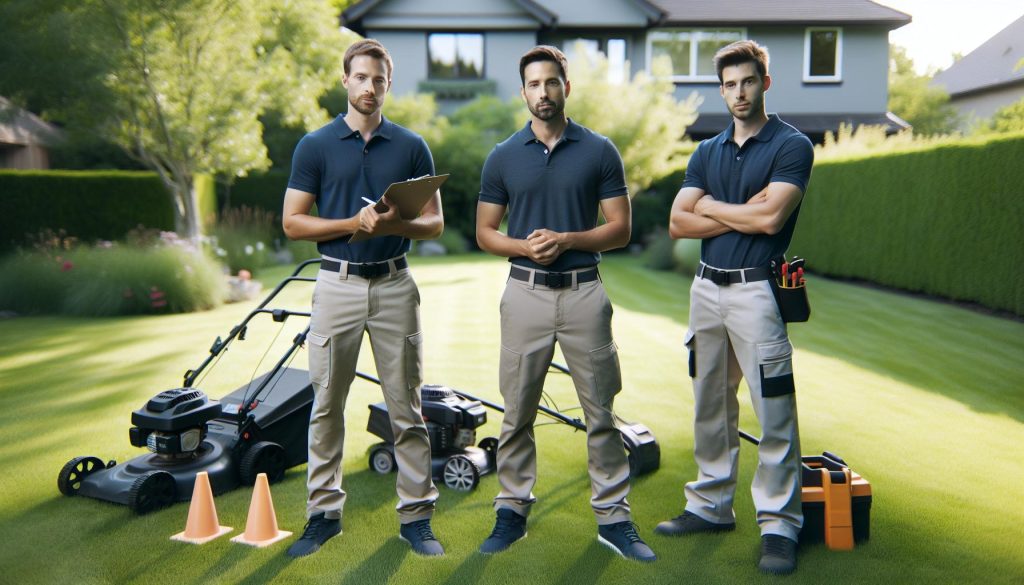
Starting a lawn care business can be an exciting venture, but with opportunity comes risk. Did you know that nearly 40% of small businesses face liability claims? Without proper insurance, a single incident could threaten your livelihood and the trust you’ve built with your clients. In this guide, we’ll delve into the crucial reasons why investing in insurance isn’t just a good idea-it’s essential for protecting your investments and safeguarding your business’s future. Whether you’re mowing lawns, applying treatments, or handling equipment, understanding the types of coverage available can help you make informed decisions. Join us as we explore the ins and outs of lawn care business insurance, providing you with the knowledge needed to operate confidently and securely.
Understanding the Importance of Insurance for Lawn Care Businesses
Insurance is often overlooked in the lawn care industry, yet its importance cannot be overstated. For lawn care businesses, one misstep or unforeseen incident can result in significant financial repercussions. Factors like property damage, personal injury, or equipment loss can quickly escalate into costly liabilities. For example, if a lawn care professional accidentally damages a customer’s property while mowing, the resulting repair costs can far exceed initial estimates. Thus, securing appropriate insurance is not just a precaution; it is a vital component for long-term sustainability and peace of mind.
Additionally, insurance serves as a protective shield against potential legal claims. Customers or third parties might pursue legal action in the event of accidents or damages caused during service. Without coverage, business owners may find themselves personally liable, risking their assets and financial security. Comprehensive insurance can also enhance a business’s credibility, instilling confidence in clients who value professionalism and responsibility in service providers. By showcasing adequate insurance coverage, businesses can differentiate themselves in a competitive market, responding proactively to clients’ concerns about safety and reliability.
Risk Mitigation
Investing in insurance is essentially a strategy for risk management. It allows lawn care businesses to focus on service delivery rather than worrying about what might go wrong. By evaluating and understanding various risks specific to lawn care operations-such as equipment theft, injuries sustained by employees, or environmental liabilities-business owners can opt for policies that best mitigate these dangers. This proactive approach not only safeguards the company’s finances but also ensures compliance with any legal mandates dependent on insurance coverage.
Furthermore, insurance can often include additional services like risk assessment consultations and access to industry-specific resources. By partnering with an insurance provider that understands the unique challenges of the lawn care industry, businesses can gain insights into operational improvements-such as implementing safety protocols or maintaining equipment correctly-to reduce claims and lower premiums over time. Thus, the right insurance policy is not merely an expense but an investment in the business’s overall success and longevity.
Types of Insurance Coverage for Lawn Care Services
To effectively navigate the challenges of the lawn care industry, understanding the various types of insurance coverage available is crucial for business owners. Each type of insurance addresses specific risks that lawn care services may encounter in their day-to-day operations. Without proper coverage, a single incident can jeopardize the business’s stability and financial health.
One of the most important types of coverage is General Liability Insurance. This policy protects against claims of bodily injury or property damage that might occur during service. For instance, if a client trips over equipment left on their property and sustains an injury, general liability can cover medical expenses and legal fees. Additionally, Commercial Auto Insurance is essential for lawn care businesses that use vehicles for transportation to job sites. This coverage protects against accidents involving company vehicles, ensuring that repairs and liability claims are managed.
Specialized Coverage Options
In addition to standard policies, there are specialized insurance options that cater specifically to the lawn care industry. Equipment Insurance provides coverage for tools and machinery, protecting businesses from losses due to theft or damage. For example, if high-value mowing equipment is stolen from a job site, this insurance can mitigate the financial blow. Furthermore, Workers’ Compensation Insurance is vital for businesses with employees, as it covers medical costs and lost wages for workers injured on the job, fostering a safer work environment.
Lawn care companies may also consider Umbrella Insurance for added liability protection, extending coverage beyond standard policy limits. This is particularly beneficial for larger operations that face increased risk exposure due to larger contracts or projects. By investing in the right mix of insurance products, lawn care businesses can shield themselves from unforeseen challenges, ensuring long-term success and client trust.
How to Choose the Right Insurance Policy
Choosing the right insurance policy for a lawn care business can feel overwhelming, but understanding a few key principles can significantly simplify the process. With the industry’s unique risks-from potential client injuries on-site to equipment damages-it’s crucial to align coverage options with both business needs and legal obligations. As a starting point, you should assess the scale of your operations, the services you offer, and the specific risks you encounter in your day-to-day work.
One effective approach is to compile a list of coverage types that are essential for your business. Begin by exploring the basics such as General Liability Insurance, Commercial Auto Insurance, and Workers’ Compensation Insurance. Each serves a specific purpose: General Liability protects against claims for bodily injury and property damage; Commercial Auto is vital for vehicles used in operations; and Workers’ Comp ensures you’re covered when employees face work-related injuries.
Next, consider your unique circumstances. For instance, if your business relies heavily on expensive equipment, Equipment Insurance becomes critical. Analyze your business operations to identify scenarios that could lead to financial loss. Also, explore options like Umbrella Insurance for an extra layer of protection. This is particularly beneficial as your contracts grow larger or more complex.
Finally, it’s wise to consult with an insurance broker who specializes in the lawn care industry. They can provide tailored advice, source competitive pricing, and help you understand policy fine print. Request quotes from multiple providers and evaluate not only the premium costs but also the coverage limits and deductibles. This diligence can ensure your lawn care business remains secure against unforeseen challenges, allowing you to focus on serving your clients effectively.
Legal Requirements for Lawn Care Business Insurance
Navigating the legal landscape of running a lawn care business necessitates a solid understanding of the insurance requirements that protect both your business and your clients. While there are numerous types of insurance available, certain coverages may be legally mandated depending on your location and the nature of your operations. This makes it crucial for lawn care professionals to familiarize themselves with specific regulations governing their industry.
Many states require lawn care businesses to carry Workers’ Compensation Insurance if they have employees. This coverage protects your workers in case they incur injuries or illnesses while on the job, ensuring they receive medical care without causing financial strain on your business. Additionally, General Liability Insurance is often recommended and may be required, which provides protection against claims that can arise from accidents or damages during service. This can include incidents such as property damage caused by mowers or injuries to third parties while on private property.
Moreover, it’s important to check local ordinances or state-specific regulations regarding the insurance requirements for commercial vehicles. If you utilize vehicles for your lawn care operations, Commercial Auto Insurance might be necessary to legally operate your vehicles while safeguarding against accidents that may occur during work-related tasks.
Understanding these legal obligations not only helps in compliance with state and local laws but also builds trust with your clients, demonstrating a commitment to professionalism and safety. As regulations can vary significantly across regions, consulting with an insurance professional who specializes in lawn care businesses can provide tailored insights that ensure you meet all necessary legal requirements. This proactive approach is essential for operating a sustainable and responsible lawn care service.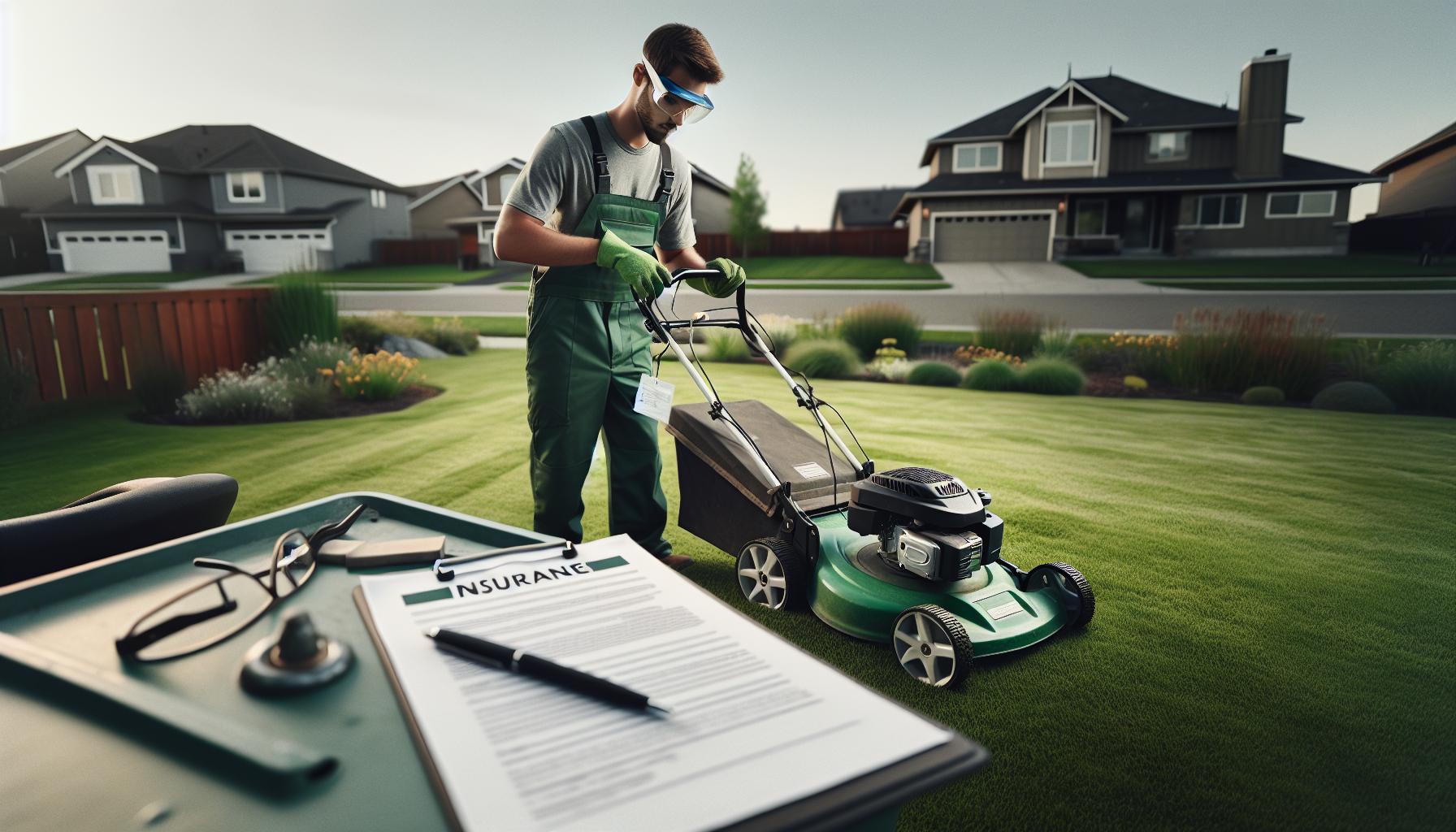
Common Risks and Liabilities in Lawn Care Operations
In the dynamic world of lawn care operations, the potential for risks and liabilities is ever-present. From the unpredictable nature of the weather to the various tools and machinery used, lawn care businesses must constantly navigate a landscape fraught with challenges. Understanding these risks is key to not only safeguarding your business but also ensuring customer satisfaction and peace of mind.
One of the most common risks faced by lawn care professionals involves property damage. This can occur in several ways-such as accidentally damaging a client’s flowerbed or driveway while mowing or using chemicals that harm the surrounding landscaping. Such incidents can lead to costly repairs and may result in disputes with clients, emphasizing the importance of having strong general liability insurance to cover any damages.
Another significant risk is related to employee safety. Lawn care work often involves heavy lifting, operating machinery, and exposure to the elements, which increases the likelihood of workplace injuries. Without proper safety measures and adequate Workers’ Compensation Insurance, a single incident could result in expensive claims that jeopardize your business’s financial stability. Implementing safety training and protocols can help mitigate these risks, but insurance remains a critical component of any comprehensive risk management strategy.
Additionally, lawn care operations typically rely on vehicles for transportation of equipment and personnel. This brings with it the potential for auto accidents, which can have serious financial implications without the appropriate Commercial Auto Insurance in place. Coverage for your vehicles not only protects against damages resulting from accidents but also ensures that you comply with legal requirements, reducing stress and liability in the long run.
To navigate these common risks effectively, lawn care professionals should systematically evaluate their operations and consider factors that could lead to unforeseen liabilities. Regular training, the use of protective equipment, and robust insurance policies together create a strong safety net, empowering businesses to thrive in an industry marked by uncertainty. By being proactive and informed, lawn care providers can focus on delivering quality service while minimizing the risks that can disrupt their operations.
Cost Factors: What to Expect for Insurance Premiums
When it comes to understanding the cost of insurance premiums for a lawn care business, numerous factors come into play that can significantly impact pricing. Each operation is unique, and as such, insurance providers tailor premiums based on various considerations that reflect the specific risks associated with lawn care operations. It’s essential to grasp these factors not just to budget effectively but also to ensure you have adequate coverage.
One of the primary determinants of insurance premiums is the scale and scope of your business. For instance, a small lawn care service with limited equipment and clients may pay considerably less than a larger operation equipped with advanced machinery and a broader clientele. Moreover, the type of services you provide-such as mowing, landscaping, or pesticide application-also affects rates, as higher-risk services typically attract higher insurance costs.
Key Cost Factors Influencing Premiums
- Business Size: Larger companies with more employees and equipment may face higher premiums due to increased exposure to liability and risk.
- Location: Premiums may vary based on regional risk assessments; areas prone to severe weather or high liability claims may incur higher rates.
- Claims History: A business with a history of past claims may see increased premiums, as insurers view it as a higher risk.
- Coverage Amount and Types: Opting for comprehensive coverage, including general liability, workers’ compensation, and commercial auto insurance, will raise overall costs compared to more basic policies.
- Employee Training and Safety Protocols: Demonstrating robust safety practices can lead to discounts, as insurers may regard these businesses as lower risk.
Another aspect to consider is how the insurance market trends can influence rates. A surge in claims across the lawn care industry can lead to overall increases in premiums as insurers adjust to offset potential losses. Keeping abreast of these trends can help businesses prepare for potential future costs.
Investing time to obtain multiple quotes can greatly assist in securing the best rates. Each insurance provider may evaluate risks differently, leading to varied premiums for similar coverage. Additionally, seeking advice from an insurance broker who specializes in coverage for lawn care operators can provide insights into necessary coverage and help navigate the complexities of policy options, ultimately ensuring financial protection tailored to your specific business needs.
How Insurance Protects You from Customer Claims
In the dynamic world of lawn care, the potential for customer claims is a reality every business owner must prepare for. Whether it’s due to property damage, injury on-site, or dissatisfaction with services, having insurance becomes crucial. Not only does it safeguard your financial stability, but it also enhances your professional reputation in the eyes of clients.
With a comprehensive insurance policy, your lawn care business can effectively shield itself from various customer-related claims. For instance, general liability insurance can cover costs associated with bodily injury claims should a client trip over equipment left on their property. Similarly, if you accidentally damage a decorative item while mowing, your insurance can handle the repair or replacement costs, ensuring that you are not financially crippled by unforeseen incidents.
Furthermore, professional indemnity insurance plays a vital role when a client asserts that your advice or work led to damages. If a landscaping project goes awry due to miscalculated dimensions or material choice, this coverage can protect against claims that arise from dissatisfied customers. It provides the peace of mind that allows you to focus on delivering quality services, knowing that you have the backing to handle disputes should they arise.
In addition to covering damages and claims, having a robust insurance policy can enhance your competitive edge. Many clients now seek proof of insurance before hiring service providers, viewing it as a hallmark of professionalism and reliability. By showcasing your coverage, you not only foster trust but also increase your attractiveness to potential customers who prioritize security.
In summary, insurance acts as a crucial buffer against the financial repercussions of customer claims, allowing your lawn care business to thrive even amidst challenges. With the right coverage, you gain not just protection, but also the confidence to grow your business, knowing you’re safeguarded against the unexpected.
Claims Process: What Lawn Care Businesses Need to Know
The moment a claim is filed, it can feel like a daunting experience for any lawn care business owner. Understanding how to navigate this process is critical for mitigating stress and ensuring a smooth resolution. When a customer reports an issue, the first step is to document everything meticulously. This includes gathering written accounts, taking photographs of the incident or damage, and collecting witness statements if applicable. Such detailed records not only bolster your defense but also facilitate the claims process with your insurance provider.
Once documentation is complete, the next crucial step involves notifying your insurance company. Be prepared to provide them with comprehensive details pertaining to the claim, including the circumstances surrounding the incident, all documented evidence, and any communication with the customer. Insurance companies typically have a claims department that will guide you through the next steps, so stay responsive and cooperative to expedite the evaluation process. Your insurer may also assign an adjuster to assess the situation further, which often includes inspecting the site and reviewing the collected documentation.
Moreover, it’s essential to maintain open lines of communication with the affected customer throughout the claims process. Keeping them informed about the steps you are taking and the role your insurance is playing can help alleviate their concerns, fostering a sense of trust and professionalism. Even if the claim leads to a payout, demonstrating transparency and a willingness to resolve the issue amicably can help preserve the relationship and potentially safeguard your reputation.
Finally, after the claim is settled, take time to evaluate the incident to identify opportunities for improvement. Whether it involves revisiting your operational protocols, enhancing safety training, or improving how you communicate with clients, reflecting on the situation will better equip you to manage future challenges effectively. By understanding and engaging with the claims process proactively, your lawn care business can navigate these hurdles confidently and emerge stronger.
Tips for Lowering Your Lawn Care Insurance Costs
Lowering insurance costs for a lawn care business might seem challenging, but with a strategic approach, significant savings can be realized without sacrificing essential coverage. Many business owners are unaware that their operational choices and management practices directly influence their insurance premiums. For instance, investing in proper training and safety protocols can drastically reduce the likelihood of accidents, which, in turn, can result in lower claims and premiums over time.
Consider bundling your insurance policies. Many insurers offer discounts if you purchase multiple types of coverage from them. For example, if you require commercial auto, liability, and equipment insurance, bundling these may provide you a better rate than purchasing them separately. Additionally, maintaining a solid credit score can also potentially lower your insurance rates, as many insurers consider creditworthiness when determining premiums.
Another effective approach involves actively engaging in risk management. Regular maintenance of your equipment can not only extend its lifespan but also can prevent accidents that might lead to costly claims. Furthermore, managing your client relationships with transparency can help diffuse potential disputes before they escalate, leading to fewer claims overall.
Finally, don’t hesitate to shop around and negotiate your insurance rates. Getting quotes from multiple providers allows you to compare coverage and prices, ensuring you are not paying more than necessary. Engaging with an insurance broker who understands the nuances of the lawn care industry can also help align your coverage with your specific risks while maximizing potential discounts. By implementing these strategies, lawn care business owners can not only protect their operations but do so in a cost-effective manner that enhances profitability.
Frequently Overlooked Insurance Coverage Options
Many lawn care business owners may only consider the standard insurance options, overlooking specialized coverage that could provide essential protection. While general liability and commercial auto insurance are critical, there are several specific types of coverage that can safeguard your business against unforeseen risks. Exploring these often overlooked options can make a significant difference in your overall risk management strategy.
Equipment Breakdown Insurance
One of the most impactful forms of coverage that often goes unconsidered is equipment breakdown insurance. This policy covers the cost of repairing or replacing your tools and machinery if they fail due to mechanical breakdown, power surges, or even accidents. Given that lawn care businesses rely heavily on operational equipment-like mowers, trimmers, and blowers-having this insurance can prevent sudden financial strain that may arise from unexpected repairs.
Workers’ Compensation Insurance
For those who employ staff, workers’ compensation insurance is not just a legal requirement in many states; it is also crucial for protecting your business from potential claims. This coverage ensures that employees injured on the job are provided medical benefits and wage replacement without the need for litigation. Additionally, it protects your business from claims of negligence, fostering a safer work environment that can also enhance employee morale and productivity.
Pollution Liability Insurance
Another important but often ignored type of coverage is pollution liability insurance. Lawn care operations frequently use chemical fertilizers and pesticides that can lead to environmental damage. This insurance protects against claims arising from pollution incidents, such as runoff that contaminates nearby water sources. With the increasing emphasis on environmental responsibility, having this coverage not only safeguards your business but also demonstrates your commitment to sustainable practices.
Business Interruption Insurance
Finally, business interruption insurance is vital for any lawn care provider. Natural disasters, such as hurricanes or flooding, can halt operations and lead to significant loss of income. This type of insurance provides financial support during periods when your business is unable to operate, helping to cover expenses such as rent, utilities, and payroll. Such coverage ensures continuity and stability, allowing you to focus on rebuilding your business without the overwhelming stress of financial strain.
By diversifying your insurance portfolio to include these often overlooked options, you can enhance your lawn care business’s resilience against a variety of risks. Prioritizing comprehensive insurance coverage not only mitigates financial exposure but also instills confidence in your clients, demonstrating your commitment to professional, responsible service.
Real-Life Scenarios: Insurance in Action for Lawn Care
Running a lawn care business can be rewarding, but it also comes with its share of risks. Imagine a scenario where a lawn care technician accidentally damages a client’s property while mowing the lawn. Without proper insurance, the business could face significant out-of-pocket expenses that might threaten its viability. In contrast, having liability insurance could cover the costs of repairs, allowing the business to maintain its operations without financial strain.
Real-World Examples
Consider the case of a lawn care service that was sued after a worker accidentally injured a neighbor while trimming hedges. The neighbor required medical assistance, leading to a lawsuit against the business. Fortunately, the lawn care company had a robust liability insurance policy that not only covered the medical expenses but also provided legal defense costs. This coverage was crucial in protecting the company’s reputation and finances during a stressful time.
Another instance involves a business owner who invested in equipment breakdown insurance. One summer, their primary mower broke down unexpectedly during peak season. The costs to repair it were substantial, and without this specialized coverage, the owner would have been forced to delay service commitments or pay out of pocket for repairs. Instead, the insurance not only covered the repair costs but also allowed the owner to rent an interim mower, ensuring that customer service remained uninterrupted.
Key Takeaways
The importance of insurance in lawn care businesses can’t be overstated. Each policy provides a safety net against various unpredictable events, allowing business owners to:
- Avoid financial devastation from accidents or equipment failures.
- Ensure compliance with state regulations and protect employee well-being.
- Enhance customer trust and satisfaction through professional practices.
In the competitive landscape of lawn care services, investing in the right insurance is not just a precaution; it is a strategic move that secures the business’s future, instills confidence in clients, and supports overall growth.
Future Trends: Insurance Considerations for Lawn Care Growth
In an ever-evolving landscape, lawn care businesses are increasingly recognizing the critical role of insurance in their growth strategies. As consumer expectations rise and the regulatory environment becomes more stringent, insurance is not merely a safety net but a strategic asset that enhances credibility and fosters trust with clients. For instance, as eco-friendly practices gain traction, businesses that adopt sustainable methods may find themselves needing specialized insurance that covers organic products or environmentally friendly equipment. This proactive approach can differentiate a business from its competitors, appealing to a market increasingly concerned about environmental impact.
Moreover, with technology making waves in lawn care operations-think drones for monitoring lawns or automated mowing equipment-business owners will need to consider how these innovations affect their insurance needs. For example, if a business utilizes drones, they must explore policies that cover potential liabilities associated with aerial operations, including property damage or injuries caused by drone mishaps. This evolution in service offerings requires an ongoing dialogue with insurance providers to ensure coverage keeps pace with technological advancements.
As the lawn care industry continues to adapt to changing consumer preferences, such as the demand for subscription-based services, understanding the nuances of insurance becomes paramount. Lawn care companies venturing into new business models may require tailored coverage options that address the specifics of recurring services or bundled packages. This means evaluating insurance claims processes, as well as policy exclusions and limitations, to ensure they align with the distinct nature of these offerings.
Ultimately, the future of lawn care businesses lies in their ability to harness insurance not just for protection but as a foundational element of their operational strategy. By staying informed about emerging trends, such as integrated equipment coverage or policies tailored for service diversification, landscape professionals can position themselves for sustainable growth while fortifying their defenses against unforeseen challenges. Investing time in understanding and adapting insurance strategies will not only safeguard their assets but also enhance their overall business resilience.
Q&A
Q: Why does a lawn care business need insurance?
A: A lawn care business needs insurance to protect against potential liabilities such as property damage or bodily injury claims. Insurance also ensures compliance with legal requirements and builds customer trust, making it essential for long-term success in this competitive industry.
Q: What types of insurance are essential for a lawn care business?
A: Essential types of insurance for a lawn care business include general liability insurance, commercial auto insurance, and workers’ compensation insurance. These cover potential claims, accidents while using vehicles, and employee injuries, respectively, securing your operations comprehensively.
Q: When should a lawn care business consider upgrading its insurance policy?
A: A lawn care business should consider upgrading its insurance policy when expanding its services, hiring more employees, or acquiring new equipment. These changes can increase risk exposure, necessitating higher coverage limits or additional policy options to ensure adequate protection.
Q: How can a lawn care business lower its insurance costs?
A: To lower insurance costs, a lawn care business can bundle policies, maintain a clean claims history, implement safety training for employees, and increase deductibles. Regularly reviewing insurance options can also identify potential savings or better coverage for your needs.
Q: What legal requirements exist for lawn care business insurance?
A: Legal requirements for lawn care business insurance vary by location but typically include having general liability insurance and workers’ compensation if you employ staff. Always check local regulations to ensure compliance and avoid penalties.
Q: How does insurance protect lawn care businesses from customer claims?
A: Insurance protects lawn care businesses from customer claims by covering legal fees, settlements, and damages associated with claims for property damage or personal injuries. This financial safety net allows businesses to operate confidently without debilitating financial risks.
Q: What common risks should lawn care businesses insure against?
A: Common risks that lawn care businesses should insure against include accidents involving equipment, property damage to clients’ homes, and injuries to employees or customers. Understanding these risks is crucial for selecting appropriate coverage types and amounts.
Q: How do I choose the right insurance provider for my lawn care business?
A: To choose the right insurance provider for your lawn care business, consider factors like coverage options, customer service reputation, industry experience, and cost. Gather multiple quotes and examine policy details thoroughly to find a provider that meets your specific needs effectively.
Future Outlook
In summary, protecting your lawn care business with the right insurance is not just a precaution-it’s a necessity. By safeguarding against potential liabilities, you can focus on growing and thriving without fear. If you have any lingering questions about the types of coverage available or how to choose the right policy, we invite you to explore our in-depth guide on selecting essential business insurance tailored for lawn care services. Don’t wait-ensure your business is protected today!
For further insights, check out our article on effective Lawn Care Marketing Strategies and discover how to attract more clients, or visit our resource page for expert tips on optimizing your lawn maintenance techniques. If you found this information useful, consider subscribing to our newsletter for the latest industry updates and expert advice delivered directly to your inbox. Let’s keep the conversation going-share your thoughts in the comments below or connect with us on social media!