
Starting a lawn care business can be an enticing venture, often seen as a pathway to entrepreneurship and financial independence. However, statistics reveal a sobering truth: many such businesses struggle to survive beyond their first few years. Understanding the reasons behind these failures is crucial for aspiring business owners who want to avoid common pitfalls. Are you worried about your own business potential or considering entering the industry? This article delves into the survival statistics of lawn care businesses, shedding light on what factors contribute to success and which mistakes can lead to closures. By exploring these insights, you can better position your business to thrive in a competitive market. Keep reading to uncover valuable information that could make the difference between success and failure in your lawn care journey.
Understanding Lawn Care Business Failure Rates
Understanding the alarming rates of failure in the lawn care business is essential for aspiring entrepreneurs and current operators alike. Statistics indicate that about 20% of small businesses fail within their first year, and this trend is echoed within the lawn care industry. The competitive landscape, combined with varying customer expectations and seasonal fluctuations, often leads to challenges that many business owners are not adequately prepared to face.
One of the primary reasons for these failures is the lack of business management skills among operators who are often primarily focused on the technical aspects of lawn care. Incomplete market research can result in missed opportunities and overestimating demand in saturated areas. Additionally, improper pricing strategies can lead to insufficient cash flow, making it difficult to cover operational costs. A strong understanding of financial management, including the ability to forecast expenses and revenue accurately, is crucial for long-term success.
Moreover, external factors such as economic downturns, changing consumer preferences, and environmental regulations can significantly impact the viability of a lawn care business. Entrepreneurs must constantly adapt to these changes to maintain a competitive edge. Engaging with customers through feedback mechanisms can also provide insights that help businesses pivot effectively rather than facing a decline.
Ultimately, knowledge about failure rates and the underlying causes is just as important as having the technical skills necessary for lawn care. By recognizing these challenges and equipping themselves with robust business strategies, lawn care operators can enhance their chances of thriving in a highly competitive market.
Key Factors Leading to Lawn Care Business Failures
Many aspire to thrive in the lawn care industry, yet a substantial number of these businesses face premature failures. A significant contributing factor is the assumption that technical skills alone-such as mowing, fertilizing, and pest control-are sufficient for success. However, without solid business acumen, many operators find themselves struggling to keep their operations afloat. Understanding the merits of effective business management, including marketing, customer relationship management, and operational efficiency, is crucial for sustainability.
Lack of Financial Management
One of the most common pitfalls in the lawn care business is inadequate financial management. Many entrepreneurs enter the field without a clear understanding of their operating costs or how to set prices that ensure profitability. Overhead expenses, from equipment maintenance to marketing, quickly accumulate and can lead to financial strain. Without proper budgeting and forecasting, businesses may find themselves in the red, unable to meet payroll or reinvest in their operations. A robust financial plan is indispensable, encompassing strategies for tracking income and expenses, managing cash flow, and forecasting future needs.
Market Saturation and Competition
Another critical factor is the level of competition within a given market. Lawn care services are often saturated in suburban areas, leading to price wars that devalue services and push profit margins down. Failing to differentiate one’s services or identify a unique selling proposition (USP) can result in being overshadowed by competitors who may offer similar services at lower prices. To stand out, lawn care businesses should consider specializing in niche services-such as sustainable landscaping or organic treatments-that appeal to specific customer segments.
Adapting to Consumer Preferences
Consumer preferences can also shift rapidly, influenced by trends such as eco-friendliness or technological advancements. Businesses that resist change or fail to recognize emerging trends risk alienating their customer base. For instance, many homeowners are now seeking “smart” lawn care solutions that incorporate technology for better efficiency and sustainability. Staying informed about industry trends and demonstrating adaptability can significantly enhance customer loyalty and attract new clients.
Through awareness of these critical factors-financial management, competition, and consumer preferences-lawn care business owners can better position themselves for long-term success. By integrating sound business practices into their operations, they can mitigate risks and create a viable strategy that encourages growth and sustainability.
Comparative Analysis: Lawn Care vs. Other Industries
The lawn care industry faces unique challenges that can lead to high failure rates compared to other sectors. A startling statistic shows that approximately 30% of small businesses, including lawn care services, fail within the first two years-a rate that mirrors many service-related industries. However, the intricacies of lawn care, such as seasonality and the need for specialized knowledge, set it apart from sectors like retail or tech, where consumer demand may be more stable year-round.
In lawn care, customer acquisition often hinges on local reputation and word of mouth, making it essential for businesses to excel in customer service and community engagement. In contrast, industries like retail can leverage broader marketing strategies and online presence to attract a more extensive customer base. Without the ability to scale quickly, lawn care businesses must focus on creating lasting relationships to ensure repeat business. This is further complicated by fluctuating demand based on weather patterns, which can dramatically affect revenue levels from season to season.
Another comparison lies in operational costs. Lawn care businesses often grapple with substantial equipment and maintenance expenses that can strain limited budgets. For example, unlike a digital startup, which may primarily require a computer and internet access, a lawn care service must invest in mowers, trimmers, and vehicles. These expenses can lead to critical financial mismanagement if not carefully planned for, further exacerbating failure rates in the lawn care sector.
Ultimately, the comparative analysis reveals that while the lawn care industry has the potential for profitability, it operates under distinct pressures that require tailored strategies and robust operational tactics. A deep understanding of these unique characteristics can empower lawn care entrepreneurs to mitigate risks and enhance their chances of success in an already competitive landscape.
Survival Rates of New Lawn Care Startups
The lawn care industry has proven to be a challenging landscape for new startups, with many struggling to find their footing in the early years. Studies indicate that about 30% of new lawn care businesses fail within their first two years, a statistic that aligns with the broader trends observed across various service-related industries. This high failure rate can be attributed to several intersecting factors that shape the startup environment in lawn care, including seasonality, market competition, and operational challenges.
To increase the , entrepreneurs must adopt a strategic approach that emphasizes planning and adaptability. Understanding the seasonal nature of demand is crucial; for instance, grass growth and maintenance needs fluctuate significantly throughout the year. Entrepreneurs should look at weather patterns and local climate conditions to forecast busy periods and optimize their service offerings accordingly. Additionally, establishing a reliable customer base through local marketing strategies and community outreach can help build a reputation, which is vital for long-term success.
Moreover, financial foresight plays a critical role in a startup’s longevity. In the lawn care business, initial investments in equipment can be substantial, and mismanagement of these costs can quickly lead to financial strain. Creating a clear business plan that outlines startup costs, pricing strategies, and projected revenue will provide valuable guidance. Notably, accessing small business loans or local grants could also give budding entrepreneurs the necessary capital to sustain initial operations until they build a steady clientele.
Ultimately, the survival of new lawn care startups hinges on a combination of market understanding, excellent service provision, and financial management. By actively engaging in their local communities, effectively managing costs, and continuously adapting their services based on customer feedback and demand, new entrants can significantly enhance their chances of thriving in this competitive industry.
Common Misconceptions About Lawn Care Business Success
Many aspiring entrepreneurs are drawn to the lawn care industry by the allure of working outdoors and the potential for a steady income. However, misconceptions about the ease of achieving success can lead to rude awakenings. One common belief is that owning a lawn care business requires little more than purchasing a lawnmower and a few tools. In reality, successful operation involves a deeper understanding of business dynamics, customer service, and industry trends. Without adequate knowledge and preparation, the dream can quickly turn into a nightmare.
Another prevalent misconception is that a lawn care business can easily capitalize on year-round demand. While it may seem like most homeowners need lawn care services throughout the year, the reality is that many regions experience significant seasonal fluctuations. For instance, winter months can see a drastic drop in demand for lawn mowing, pivoting the focus to snow removal or dormant-season preparations like fertilization. Understanding the seasonal nature of services and diversifying offerings can mitigate this challenge, enabling business owners to maintain cash flow even during off-peak times.
Moreover, people often underestimate the importance of effective marketing and customer relationship management. It’s not enough to simply provide quality services; building a loyal client base is crucial for long-term success. Many newcomers to the field assume that word-of-mouth is sufficient, but establishing a strong online presence, engaging in community outreach, and employing targeted marketing strategies are all critical components in attracting and retaining customers.
In summary, while the lawn care industry offers promising opportunities, it is essential for entrepreneurs to discard these misconceptions and approach the business with a well-rounded understanding and strategic mindset. By recognizing the complexities involved and preparing accordingly, new business owners can navigate the pitfalls that lead to failure and cultivate lasting success in this competitive field.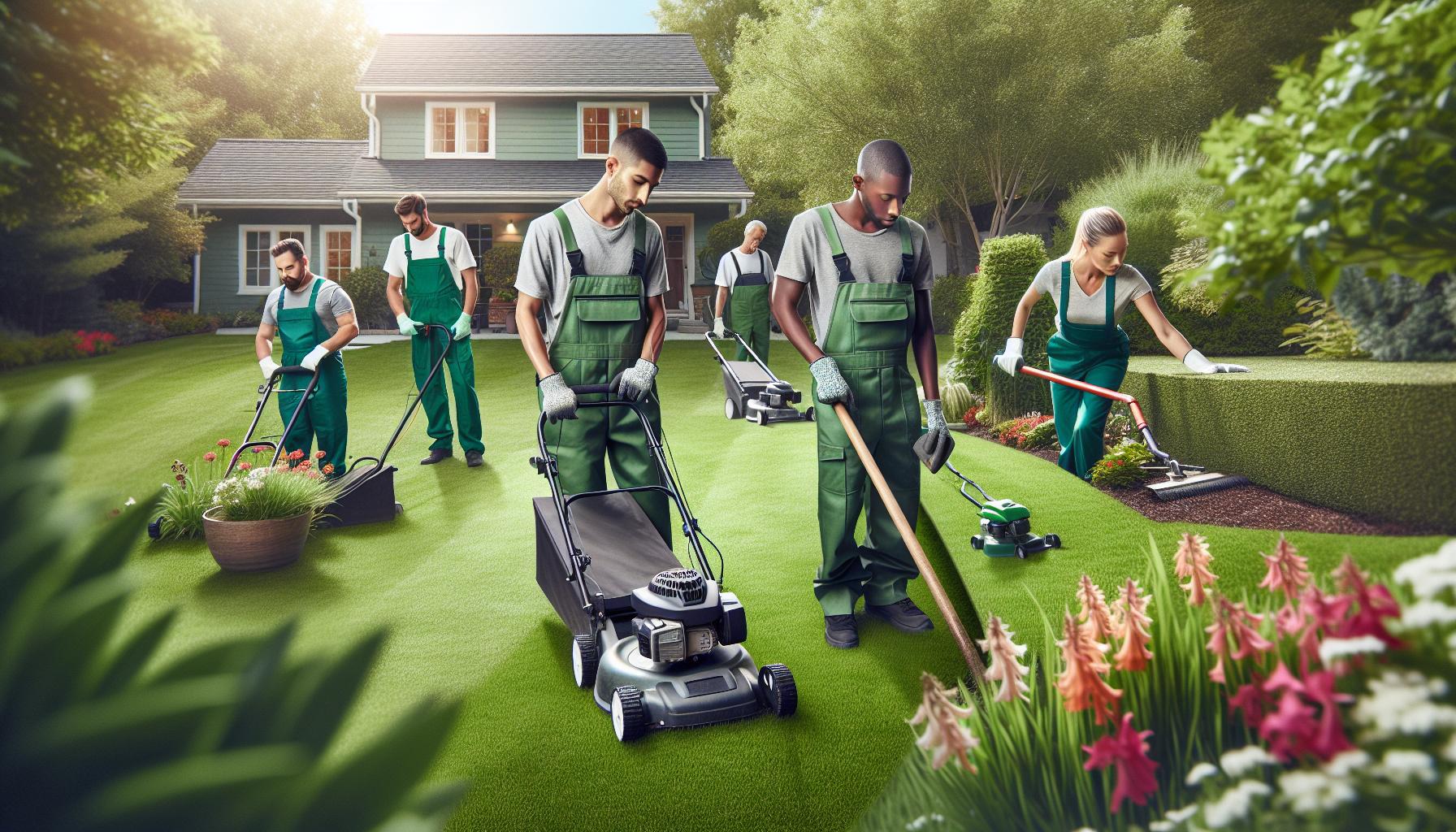
Effective Strategies for Lawn Care Business Longevity
In the competitive arena of lawn care, establishing a business that not only survives but thrives requires a blend of strategic planning, customer engagement, and adaptability. One compelling fact is that according to various industry reports, approximately 70% of small businesses, including lawn care services, fail within the first five years. To rise above this statistic, owners must implement effective strategies that foster sustainability and growth.
One pivotal approach is diversifying services. Beyond standard lawn mowing, integrating additional offerings such as landscaping, pest control, and seasonal clean-up can attract a wider customer base. For instance, offering snow removal during the winter months keeps revenue flowing when traditional lawn care services are dormant. This diversification lowers the risk associated with seasonal fluctuations and cultivates a more stable income.
Building strong customer relationships is another cornerstone of longevity. Engaging with clients through regular follow-ups, personalized service offerings, and customer satisfaction surveys helps maintain loyalty. Consider implementing a rewards program for repeat customers to incentivize their return and promote word-of-mouth marketing. Regularly showing appreciation, such as sending holiday greetings or offering discounts for referrals, can significantly enhance customer retention.
Furthermore, leveraging technology can streamline operations and improve customer service. Utilizing lawn care management software aids in scheduling, billing, and customer communication, making the business run more efficiently. With tools that allow GPS tracking and route optimization, businesses can save time and reduce fuel costs, which directly impacts profitability.
Lastly, investing in marketing that resonates with the local community establishes visibility and credibility. Local SEO practices, social media engagements, and community events not only promote services but also position your business as a trusted resource within the area. By combining these strategies-service diversification, solid customer relationships, technological integration, and effective marketing-lawn care businesses can greatly improve their chances of longevity in a challenging market.
Financial Considerations for Sustainable Lawn Care Growth
Maintaining a healthy cash flow is a critical component for the sustainability of a lawn care business. In an industry plagued by high failure rates-approximately 70% of small businesses falter within the first five years-understanding financial management can make a significant difference between success and bankruptcy. Investing in careful budgeting and forecasting enables business owners to make informed decisions regarding expenses, seasonal fluctuations, and market trends.
Utilizing financial tools can greatly enhance your capacity to maintain and grow your business. Implementing accounting software can streamline bookkeeping, provide insights into income and expenditure trends, and help with timely invoicing, ensuring that payments are collected efficiently. Moreover, monthly financial reviews can help identify any potential cash flow issues before they escalate, allowing for proactive measures such as adjusting pricing strategies or exploring new revenue streams through diversified services.
Cost Management Strategies
To achieve financial sustainability, it’s essential to have a handle on both fixed and variable costs. Regularly review operational expenses, such as equipment maintenance and labor costs, to identify areas for potential savings. Here are some strategies to consider:
- Negotiate with Suppliers: Establish strong relationships with suppliers and negotiate better rates for materials or equipment.
- Seasonal Hiring: Consider hiring seasonal workers during peak times instead of full-time staff year-round, reducing payroll expenses during off-peak periods.
- Equipment Maintenance: Invest in regular maintenance to avoid costly repairs that can disrupt service and lead to loss of income.
Revenue Diversification
Another critical financial strategy involves diversifying income streams. Beyond traditional lawn care services, consider offering complementary services such as landscaping design, irrigation system installation, or pest control. By expanding your service offerings, you can reduce dependence on any one source of income, especially during seasonal downturns. For instance, providing snow removal services in the winter can ensure consistent cash flow year-round, ultimately contributing to your business’s financial resilience.
In conclusion, by implementing smart financial practices focused on budgeting, cost management, and diversification, lawn care business owners can build a sustainable foundation that withstands economic fluctuations while thriving in a competitive market. With a clear understanding of financial considerations, businesses can not only survive the crucial early years but also pave the way for long-term success.
Identifying Your Target Market for Success
Understanding the target market is crucial for any lawn care business aiming to thrive in a competitive landscape. A compelling insight is that the top 25% of lawn care businesses generate over 60% of their revenue from loyal customers. This highlights the importance of not just acquiring new clients but also nurturing relationships with existing ones. Identifying your ideal customer involves evaluating demographics such as age, income level, and geographic location, which can influence their lawn care needs and budget.
Demographics and Psychographics
Engaging with your target market starts with understanding both demographics and psychographics. Demographics provide a clear picture of who your customers are-age, location, and income, while psychographics delve deeper into their lifestyle choices, values, and interests. For example, homeowners in suburban areas might prioritize regular maintenance services for aesthetic appeal, while younger renters might seek affordable, one-time maintenance services for special occasions.
To further refine your target market, consider conducting surveys or interviews. Questions can range from their frequency of lawn care usage to the types of services they value most. This invaluable feedback not only helps in tailoring your marketing strategies but also in creating service packages that resonate with your audience’s specific needs.
Creating Customer Personas
Utilizing the data gathered, create customer personas that encapsulate the diverse segments of your market. For instance, one persona might be “Eco-conscious Emily,” a 30-something homeowner who values sustainable practices and prefers organic lawn care products. Another could be “Busy Brian,” a professional with little time for upkeep who would benefit from a comprehensive lawn maintenance package. By understanding these personas, you can tailor your messaging and offers, making your marketing efforts more effective.
Conducting targeted marketing campaigns to address these personas directly can enhance customer engagement. Utilize platforms where your target audience is active, such as social media for younger customers or community newspapers for older demographics. Consistently emphasize the unique benefits your services can provide, such as time savings or enhanced curb appeal.
A focused approach to identifying and understanding your target market can significantly reduce the risk of failure for your lawn care business. By ensuring your services align with the desires and needs of your customers, you not only attract new clients but also build lasting relationships that contribute to long-term success.
The Importance of Quality Service in Lawn Care
Quality service is the cornerstone of any thriving lawn care business. In an industry where customer loyalty can significantly impact revenue-given that the top quartile of lawn care companies derives over 60% of their income from repeat clients-delivering exceptional service is not merely an option; it’s a necessity. When clients receive a consistently high level of service, they are more likely to recommend the business to others and to remain loyal over time, thus providing a steady stream of income that is essential for long-term stability.
Maintaining high service quality involves several key practices:
- Consistency: Deliver reliable results during every visit. Clients expect their lawns to look great year-round. Regular training for your staff on techniques and customer interaction ensures a standardized service across all jobs.
- Responsive Communication: Promptly addressing client inquiries and concerns fosters trust and satisfaction. Whether through phone, email, or social media, being readily available helps solidify your presence as a professional service provider.
- Customization: Tailoring services to meet individual client needs can set your business apart. Understand distinct preferences, such as eco-friendly products or specific maintenance schedules, to provide solutions that resonate with clients’ values.
- Quality Products and Equipment: Utilizing the best tools and products not only ensures better results but also instills confidence in clients regarding the care of their lawns. Regular maintenance and updates to equipment can prevent downtime and service interruption.
Furthermore, delivering quality service is not limited to the actual physical tasks of mowing or fertilizing. Customer interactions play a significant role in how clients perceive your business. For instance, a follow-up after a job to ensure satisfaction can enhance relationships and help gather feedback for future improvements. Additionally, professional conduct-such as arriving on time, maintaining a clean work environment, and communicating effectively-can all contribute to a positive reputation.
In a competitive landscape, where many lawn care businesses fall short due to lack of differentiation or poor service quality, focusing on these aspects can significantly decrease the likelihood of failure. Adopting a customer-centric approach by continually reassessing the quality of service not only enhances client retention but also attracts new customers, creating a robust foundation for longevity and growth in the lawn care industry.
Marketing Approaches to Elevate Your Lawn Care Business
In the competitive landscape of lawn care, effective marketing can be the deciding factor between a thriving business and one that struggles to stay afloat. With many lawn care businesses failing within the first few years, it’s vital to comprehend how strategic marketing approaches can not only elevate visibility but also foster client loyalty and long-term success.
One of the most impactful marketing strategies involves harnessing the power of digital platforms. A well-optimized website acts as your business’s online storefront, offering potential customers essential information about services, pricing, and testimonials. Incorporating search engine optimization (SEO) techniques can help your website rank higher in search results, attracting more traffic. Utilizing local SEO, such as claiming your Google My Business listing, ensures that your services appear prominently when local customers are searching for lawn care solutions. This regional focus is especially critical, as many clients seek convenience and local expertise.
Another effective approach is leveraging social media platforms to create engaging content that resonates with your audience. Sharing before-and-after photos of your work, tips on lawn maintenance, or seasonal promotions can capture attention and generate shares among community members. Utilizing targeted ads on platforms like Facebook or Instagram can also reach specific demographics, allowing businesses to connect with potential clients more meaningfully. Interactive content, such as polls or Q&A sessions about lawn care practices, can enhance your engagement and establish your brand as a knowledge leader in the industry.
Referral and loyalty programs can serve as powerful marketing tools that capitalize on the existing customer base. Encouraging satisfied customers to refer friends and family not only rewards them but also expands your client network organically. Offering discounts or free services after a certain number of referrals incentivizes this behavior and strengthens customer relationships. Similarly, a loyalty program that provides perks for repeat business can increase client retention, which is often crucial in an industry where recurring revenue can significantly impact stability and growth.
Implementing these strategies, while continuously assessing their effectiveness, can significantly boost your lawn care business’s visibility and client base, thus mitigating the risks of failure in an industry known for its challenges. By aligning marketing efforts with customer needs and behaviors, you can cultivate a loyal clientele that supports your business’s longevity.
Real-Life Case Studies of Lawn Care Success and Failure
In the competitive world of lawn care, understanding the paths taken by successful and failing businesses can provide valuable insights for aspiring entrepreneurs. For instance, a notable success story is Green Thumb Landscaping, which started as a small operation and quickly flourished into one of the region’s leading lawn care services. The company thrived due to its commitment to exceptional customer service, innovative marketing techniques such as a vibrant social media presence, and a focus on organic and sustainable lawn care products. This attention to quality and customer engagement enabled Green Thumb to build a loyal clientele, demonstrating that foundations in strong service and community relations can drive long-term growth.
Conversely, the case of Lawn Services Inc. serves as a cautionary tale. Launched with high hopes and considerable initial investment, this company struggled due to a lack of market research and understanding customer needs. Offering a standardized service package without customization or competitive pricing led to customer churn and negative reviews. In just three years, Lawn Services Inc. was unable to sustain its operations and ultimately closed its doors. This failure highlights the importance of adapting services to meet diverse customer preferences and the necessity of conducting thorough market analysis before launching services.
It’s also essential to consider the trend toward eco-conscious care, which has influenced many businesses’ survival rates. Companies that have integrated environmentally friendly practices have often seen stronger market performance. For example, EcoLawn Care took advantage of increasing consumer interest in sustainable practices by promoting its organic treatment options and green initiatives. The result was a notable increase in clientele and community support, suggesting that businesses that align with customer values can significantly enhance their chances of success.
This examination of real-life examples underscores crucial lessons for future lawn care entrepreneurs. Understanding market dynamics, focusing on quality service, and adapting to consumer trends are critical elements that can differentiate a thriving business from one that struggles to survive. By learning from both the successes and failures of others, new entrants to the lawn care industry can better navigate the challenges ahead.
Future Trends Impacting Lawn Care Business Viability
As consumer preferences evolve and environmental awareness becomes increasingly significant, the lawn care industry faces a dynamic shift that will impact business viability in the years to come. One potent trend is the growing demand for sustainable lawn care practices. As more homeowners become conscious of their ecological footprint, they seek services that use organic fertilizers, minimize chemical usage, and promote biodiversity. Businesses that adopt eco-friendly approaches not only capture this expanding market but also position themselves as responsible stewards of the environment, which can enhance their brand reputation and customer loyalty.
Technology Integration
Another crucial factor influencing the long-term viability of lawn care businesses is the integration of technology. Companies that leverage mobile apps for scheduling, customer communication, and service management can streamline operations significantly. Moreover, incorporating precision agriculture technologies, such as drones for aerial surveillance of lawns and IoT devices for monitoring soil health, allows businesses to offer tailored services that meet specific customer needs. This not only improves service efficiency but can also yield better results, leading to higher customer satisfaction and retention.
Urbanization and Space Adaptation
The trend toward urbanization also presents opportunities and challenges for lawn care providers. As cities grow and green spaces become more confined, lawn care businesses may need to adapt their services to cater to smaller properties or vertical gardens. Initiatives like rooftop gardening and balcony landscaping are gaining traction, and companies that can provide specialized expertise in these areas are likely to thrive. Equipping teams with knowledge about native plants and low-maintenance landscaping options can set a business apart in densely populated areas.
Changing Demographics
Furthermore, shifting demographics, particularly among millennials and Gen Z, are transforming the customer base for lawn care businesses. Younger homeowners are often more environmentally conscious and proactive in seeking out services that align with their values. They are drawn to companies that showcase transparency in their operations and social responsibility. Thus, maintaining an active online presence and engaging with customers through social media can be pivotal in attracting and retaining this demographic. With a keen understanding of these trends, lawn care businesses can carve out a sustainable niche and ensure their long-term success in an ever-evolving market landscape.
FAQ
Q: What is the average failure rate for lawn care businesses?
A: The average failure rate for lawn care businesses is around 30% within the first two years. Understanding these statistics can guide new entrepreneurs in setting realistic expectations and planning strategically for long-term success, as discussed in the “Understanding Lawn Care Business Failure Rates” section of our article.
Q: Why do many lawn care businesses fail?
A: Many lawn care businesses fail due to lack of planning, insufficient marketing, and failing to provide quality service. Entrepreneurs must focus on understanding their market and improving customer satisfaction to avoid common pitfalls, as highlighted in the “Key Factors Leading to Lawn Care Business Failures” section.
Q: How can I increase the chances of my lawn care business succeeding?
A: To increase your lawn care business’s chances of success, focus on quality service, effective marketing strategies, and understanding your target market. Implementing these strategies can significantly enhance your business stability, as outlined in the “Effective Strategies for Lawn Care Business Longevity” section.
Q: Are lawn care businesses more likely to fail than other service industries?
A: Yes, lawn care businesses tend to have a higher failure rate compared to some other service industries. This can be attributed to seasonal demand and strong competition. Comparative analysis can offer insights, which you can explore in the relevant section of our article.
Q: What role does customer service play in the success of a lawn care business?
A: Customer service plays a crucial role in a lawn care business’s success. Satisfied customers are more likely to provide repeat business and referrals, directly impacting profitability. The importance of quality service is thoroughly discussed in the article, emphasizing how it can determine business longevity.
Q: What financial considerations should new lawn care businesses take into account?
A: New lawn care businesses should consider startup costs, cash flow management, and pricing strategies. Understanding these financial aspects can help prevent common pitfalls during the critical early stages, as elaborated on in the “Financial Considerations for Sustainable Lawn Care Growth” section of our article.
Q: How frequently do lawn care businesses pivot their services to survive?
A: Lawn care businesses often pivot their services to adapt to market trends and seasonal demands. Regularly updating your service offerings based on customer feedback and industry trends can enhance your business resilience, as noted in sections discussing effective strategies and future trends.
Q: What common misconceptions exist about lawn care business success?
A: A common misconception is that having a green thumb guarantees business success. In reality, the business aspect, including marketing and customer relations, is equally important. This topic is explored in-depth in the “Common Misconceptions About Lawn Care Business Success” section.
Wrapping Up
Understanding the challenges faced by lawn care businesses is vital for anyone looking to thrive in this competitive industry. By recognizing the key reasons for failure and implementing strategic practices, you can significantly improve your chances of sustainable success. Don’t let uncertainty hold you back-take action today! For further insights, explore our related articles on effective lawn maintenance strategies and marketing tips for service businesses.
If you found this information valuable, consider signing up for our newsletter for ongoing tips and resources that can help elevate your lawn care business. Join our community of industry professionals, share your thoughts in the comments, and discover more about building resilience in your business. Equip yourself with the knowledge to succeed and turn your lawn care dreams into reality!