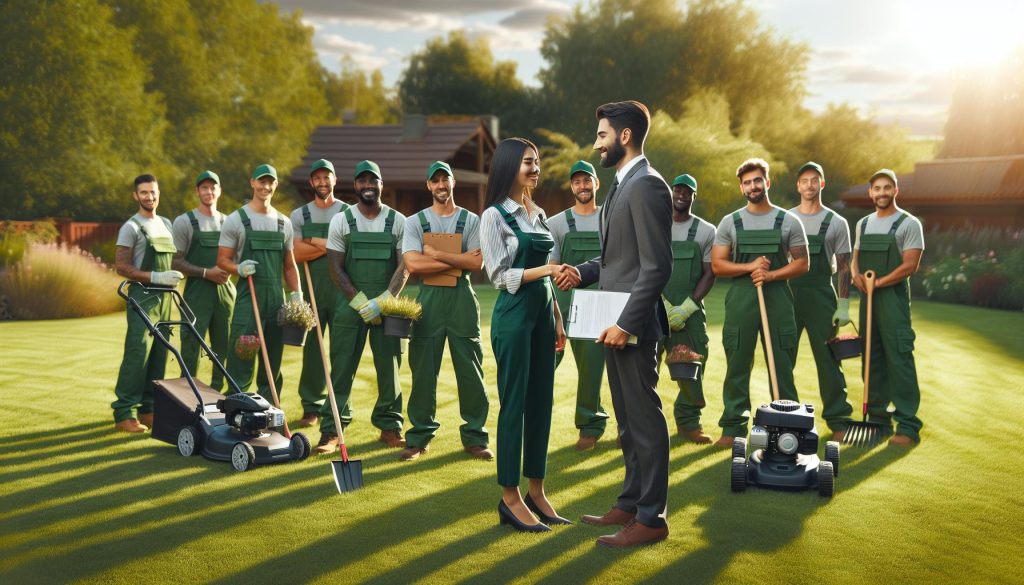
Hiring lawn care employees can be a daunting task, yet it’s crucial for the success and growth of your landscaping business. With the right team, you can enhance service quality and foster customer loyalty, but the challenge lies in effectively screening candidates and retaining those who truly excel. Did you know that employee turnover in this sector can be as high as 50%? This not only impacts your bottom line but also disrupts service consistency. By understanding how to identify skilled and dedicated workers, you can build a reliable team that shares your vision and commitment to excellent service. In this article, we’ll explore proven strategies for screening candidates and retaining top talent, ensuring your business remains competitive and your clients are satisfied. Let’s dive into the essential steps that will empower you to create a thriving lawn care workforce.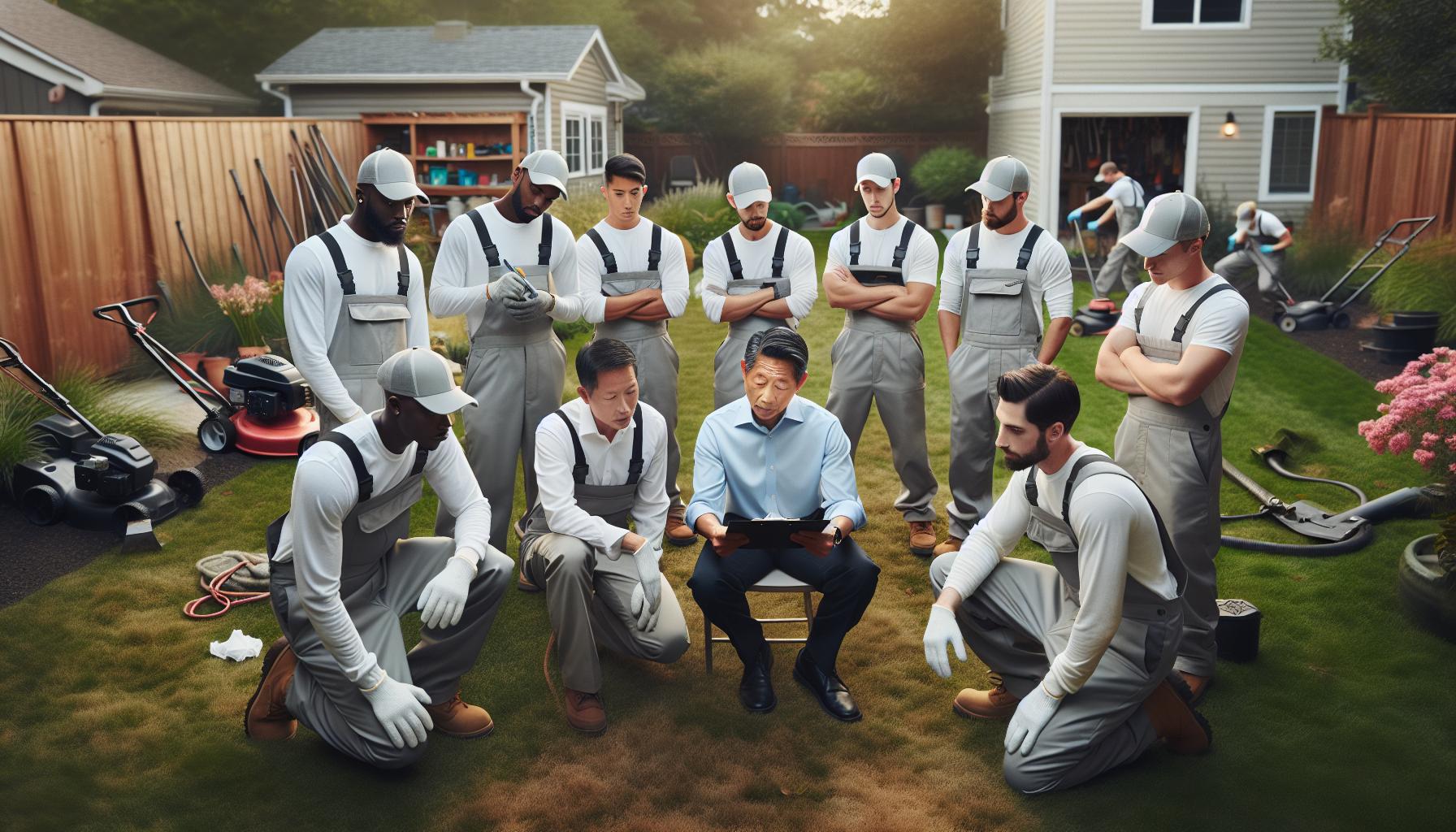
Effective Job Descriptions for Lawn Care Roles
Crafting goes beyond listing duties; it’s about attracting the right talent to maintain the beauty and integrity of your landscaping. A well-structured job description not only clarifies expectations but also communicates your company’s values and culture, making it easier for potential candidates to envision themselves as part of your team.
Start by outlining the key responsibilities associated with the position. This might include tasks such as mowing, planting, fertilizing, pest control, and maintenance of lawn care equipment. By being specific, you help candidates gauge whether they have the necessary skills or interest in the work. Consider adding a few examples of projects they might participate in, which can offer a glimpse into the daily and seasonal tasks they can expect to encounter.
Next, highlight the desired qualifications and attributes that will help candidates succeed in your lawn care roles. Think about including:
- Experience with specific tools or machinery relevant to lawn care.
- Knowledge of landscape design and horticulture.
- Strong physical stamina and ability to work outdoors in varying weather conditions.
- Good communication skills, especially for roles that require client interaction.
- Teamwork and reliability, as lawn care often involves collaborative efforts.
Additionally, it’s crucial to integrate your company’s culture and values within the job description. For instance, if sustainability is a core part of your business philosophy, mention it to attract like-minded candidates who are passionate about environmentally friendly practices. Offering snippets of your work environment-such as a commitment to employee development or community involvement-can also make the position more appealing.
Finally, ensure that your job description is clear about the application process, including any qualifications required for consideration. By creating a compelling and informative job description, you can significantly enhance your chances of attracting qualified candidates eager to grow in the lawn care industry.
Essential Qualities to Look for in Candidates
Finding the right candidates for lawn care roles is crucial in creating a reliable and effective team. The ideal employee not only possesses the necessary technical skills but also aligns with the values and culture of your company. A captivating first step is to recognize that candidates who are genuinely passionate about outdoor work will likely stay longer and contribute more positively to your business. By focusing on essential qualities, you can significantly enhance your hiring process.
An important quality to look for is experience with landscaping tools and equipment. Familiarity with machinery such as mowers, trimmers, and blowers can greatly reduce training time and increase efficiency. Candidates should also have knowledge of horticulture and plant care, as this expertise enhances their ability to handle various landscaping tasks effectively. Physical stamina is another critical attribute; lawn care is physically demanding and requires the ability to work long hours under varying weather conditions.
Furthermore, assessing a candidate’s soft skills can be just as important as evaluating their technical abilities. Strong communication skills are essential, especially for those in client-facing roles. A candidate who can articulate ideas clearly fosters better relationships with clients and contributes to a positive company image. Additionally, teamwork and reliability are crucial in lawn care, where roles often overlap, and crew members must coordinate seamlessly. Look for candidates who demonstrate a willingness to collaborate and support their peers.
Lastly, consider cultural fit when evaluating candidates. Individuals who share your company’s values, such as a commitment to sustainability or community involvement, are likely to be more invested in their work. Incorporating these qualities into your screening process will help you attract candidates who not only excel in their roles but also contribute to the long-term success and stability of your lawn care business.
Streamlining Your Screening Process for Efficiency
Streamlining the screening process is essential for any lawn care business looking to hire efficiently and effectively. An organized approach not only saves time but also ensures that you’re identifying candidates who align well with the job requirements and company culture. Begin by outlining clear criteria for the roles you are hiring for, which can include both technical skills and personal attributes. These criteria should reflect the needs of your business and the specific responsibilities of the position, setting a foundation for a more targeted search.
To eliminate unnecessary steps, consider using an automated application system that filters candidates based on key qualifications. For instance, using software to sift through resumes to highlight those with previous landscaping experience or relevant certifications can greatly reduce your workload. Additionally, develop a standardized set of screening questions that align with the essential qualities you’ve identified. This could include both technical questions about landscaping techniques and soft skill evaluations to assess communication and teamwork capabilities.
Utilizing video interviews as an initial screening method can also enhance efficiency. This allows you to interview multiple candidates in a shorter time frame, while accommodating different schedules. You can create a uniform interview format to ensure that all candidates are assessed on the same criteria, making it easier to compare their responses. Be sure to record these interviews if possible, enabling you to revisit any critical considerations before making your final decision.
After narrowing down your candidates, conducting skills assessments can provide insight into their practical capabilities, such as operating lawn care machinery. Pairing this with brief in-person meetings can help you gauge their enthusiasm and fit with the team. Ultimately, following a streamlined and structured approach enables not just a quicker hiring process but also enhances the likelihood of selecting candidates who will thrive in your lawn care environment.
Interview Techniques That Attract the Best Talent
Crafting an engaging interview process can significantly influence your ability to attract top talent in the lawn care industry. With the increasing competition for skilled workers, innovative and thoughtful interview techniques can set your company apart and help you find the right fit for your team.
Begin by fostering a conversational atmosphere during interviews. Candidates are more likely to share genuine insights about their experiences and perspectives when they feel relaxed. Encourage them to discuss specific situations where they demonstrated problem-solving skills or teamwork, particularly in outdoor or physically demanding environments. This approach not only makes the candidate feel valued but also yields rich examples of their capabilities that can be evaluated within the context of your company’s needs.
Utilizing scenario-based questions is another effective way to gauge a candidate’s readiness for the challenges they might face in lawn care roles. For instance, you might ask, “How would you handle a situation where a client is unhappy with the lawn’s condition after a service?” This allows candidates to demonstrate their critical thinking and customer service skills, highlighting their ability to think on their feet and manage client relationships-essential components of a successful lawn care business.
Additionally, consider incorporating practical assessments into the interview process. Showcasing their skills in person can provide immediate insight into how candidates perform under real work conditions. For example, if hiring for a mowing position, allow the candidate to demonstrate their technique and efficiency with the equipment. This not only assesses their skill level but also gives candidates a taste of the work they will be doing, helping them visualize their role within your team.
Lastly, involve current team members in the interview process. This not only helps in selecting individuals who are a cultural fit but also aids in creating a collaborative atmosphere. Candidates often appreciate meeting potential teammates and hearing firsthand about the company’s culture and expectations. This tactic can reinforce a positive image of your company, making it an attractive place for top talent to envision themselves working. By adopting these interview techniques, you’ll be well-positioned to attract and select the best candidates for your lawn care business.
Key Background Checks for Lawn Care Employees
Ensuring the safety and reliability of your lawn care employees begins with thorough background checks, a crucial step in the hiring process. In an industry where workers often operate machinery, handle chemicals, and interact with clients in residential settings, understanding an applicant’s history can mitigate risks and protect your business. Implementing specific background checks not only safeguards your clients but also fosters a trustworthy work environment.
Begin by verifying the applicant’s identity and employment history. This verification might seem routine, but it is essential. Ensuring that candidates have the experience and skills they claim can significantly impact your company’s service quality. Additionally, conducting reference checks provides insights from previous employers about an applicant’s work ethic, reliability, and interpersonal skills. It offers a glimpse into how they perform in real-world scenarios, particularly in customer-facing roles.
Next, consider conducting a criminal background check. While not all offenses are relevant to lawn care roles, serious convictions, particularly those related to violence or theft, should raise red flags. This is especially crucial if employees will be driving company vehicles or entering clients’ homes. Furthermore, driving record checks can reveal patterns that indicate whether an applicant is safe on the road, which is vital for employees who transport equipment or travel to various job sites.
It might also be beneficial to look into drug screening as part of the hiring process. The physical demands of lawn care work, combined with the need to operate heavy machinery safely, make it imperative to ensure that your staff is fit for duty. By adhering to these background check practices, you not only fortify your team against potential issues but also demonstrate a commitment to professionalism and safety that can elevate your company’s reputation in the community.
Strategies for Offering Competitive Compensation
Offering competitive compensation is essential in attracting and retaining quality employees in the lawn care industry. Many potential hires are not just looking for a paycheck; they seek a package that reflects their skills, effort, and the physical demands of the job. In a sector that often faces staffing shortages, creating a compensation strategy that stands out can make all the difference.
A well-rounded compensation plan should include more than just hourly wage or salary. Consider implementing performance bonuses that reward employees for exceeding service expectations or for maintaining high customer satisfaction ratings. This approach not only incentivizes hard work but also strengthens their connection to your company’s goals. Additionally, you may want to explore benefits such as health insurance, retirement plans, and paid time off. These perks are critical in today’s job market and can significantly enhance your appeal to top talent.
Furthermore, unifying your compensation approach with flexibility and advancement opportunities can attract a more diverse range of candidates. Offering scheduling flexibility, particularly during peak seasons, can make a significant impact on employee satisfaction. Additionally, providing clear pathways for promotions or professional development gives employees a reason to stay and grow within your organization instead of seeking opportunities elsewhere.
Here’s a simple table outlining some key components of a competitive compensation package for your lawn care business:
| Compensation Component | Description |
|---|---|
| Base Pay | Competitive hourly wage or salary based on industry standards. |
| Performance Bonuses | Incentives for meeting or exceeding job performance metrics. |
| Health Benefits | Medical insurance options for employees and their families. |
| Retirement Plans | 401(k) options with employer matching to encourage savings. |
| Paid Time Off | Vacation and sick days to promote work-life balance. |
| Professional Development | Training opportunities and sponsorship for certifications. |
| Flexible Scheduling | Adaptable work hours to accommodate personal needs. |
By developing a comprehensive and attractive compensation strategy, lawn care companies can distinguish themselves in a competitive market and foster loyalty among their workforce. Such efforts not only yield greater employee satisfaction but also enhance service quality and client retention, ultimately contributing to the business’s long-term success.
Onboarding Best Practices for New Hires
Starting a new job can be both exhilarating and nerve-wracking for employees, especially in a physically demanding field like lawn care. A meaningful onboarding experience sets the tone for an employee’s journey, fostering engagement and retention from day one. By ensuring that new hires feel welcomed and equipped with the right tools and knowledge, companies can significantly increase job satisfaction and performance.
To create an effective onboarding process, it’s crucial to provide new employees with a comprehensive orientation. This should include an introduction to the company’s history, culture, and values to help them understand the mission they are joining. Additionally, clearly outlining job expectations and responsibilities can alleviate confusion and pave the way for accountability. Consider employing a buddy system, pairing new hires with seasoned employees who can guide them in their early days, answer questions, and provide insights about the role and company culture.
Structured Training Programs
Offering structured training sessions is essential for new hires to gain the necessary skills and knowledge required for their position. Focus on practical, hands-on training that covers equipment operation, safety protocols, and customer service best practices. For example, providing opportunities for on-the-job training where new employees can shadow experienced team members helps them build confidence and competence in a supportive environment.
Furthermore, developing a structured checklist for onboarding can ensure that all necessary steps are followed. This checklist might include:
- Completion of required paperwork and policy reviews
- Safety training and equipment handling orientation
- A tour of the workplace and introductions to key team members
- Setting performance goals and benchmarks
- Scheduling regular check-ins to assess progress and address concerns
Creating a Supportive Environment
Creating a welcoming and supportive environment is integral to successful onboarding. This can be achieved through regular feedback sessions where new hires can share their experiences and suggestions. Encouraging open communication can help them feel valued and part of the team. Celebrating early wins, regardless of how small, can also go a long way in boosting morale and reinforcing engagement.
Additionally, it’s important to remember that onboarding isn’t a one-and-done process. Ongoing support and development opportunities should be provided to ensure new hires continue to feel connected and motivated. By investing time and resources in an effective onboarding program, lawn care companies can cultivate a committed workforce that is not only skilled but also passionate about their roles.
Creating a Positive Work Environment in Lawn Care
Creating a work environment that is both positive and motivating is crucial in the lawn care industry, where employees often face physically demanding tasks and varying outdoor conditions. A conducive atmosphere not only enhances worker happiness but also boosts productivity and retention rates. One key factor to consider is open communication, which fosters trust and transparency. When employees feel comfortable voicing their ideas and concerns, it encourages a sense of belonging and ownership within the company.
Recognizing and celebrating achievements-big or small-can have a profound impact on morale. For instance, implementing a regular recognition program where employees are acknowledged for their hard work can create a culture of appreciation. This can include employee of the month awards, shout-outs during team meetings, or simple thank-you notes highlighting specific contributions. Such initiatives help reinforce that each team member’s input is valued, motivating them to perform at their best.
Flexible Work Arrangements
Flexibility is another essential element in promoting a positive work environment. Offering adjustable work hours or the possibility of a four-day workweek can significantly enhance job satisfaction. In the lawn care sector, where work often depends on weather conditions, having the ability to adapt schedules can lead to better planning and less stress. This not only improves work-life balance but also shows employees that their well-being is a priority for the company.
Team Building and Camaraderie
Investing in team-building activities can foster strong relationships among employees, which is particularly vital in a team-oriented field like lawn care. Organizing outings, whether a simple barbecue or a more extensive team-building retreat, encourages colleagues to bond and collaborate more effectively. When employees get to know each other outside of work tasks, it enhances teamwork and creates a supportive network that can help them navigate challenges more resiliently.
In summary, a positive work environment in lawn care hinges on open communication, recognition, flexibility, and camaraderie. By prioritizing these aspects, employers can create a workplace that not only attracts top talent but also retains individuals who are engaged and committed to their roles. Investing in such a culture pays dividends through improved employee morale and overall company performance.
Retention Strategies to Keep Your Employees Happy
In an industry where employee turnover can be high, particularly in physically demanding roles like lawn care, implementing effective retention strategies is paramount for creating a sustainable workforce. Keeping employees happy goes beyond mere salary increases; it involves fostering an environment that values their contributions, understands their needs, and provides opportunities for growth. Studies show that companies with high employee retention rates often experience increased productivity and lower recruitment costs, making the investment in employee satisfaction all the more compelling.
One approach to enhancing retention is by establishing clear career pathways within the organization. By providing employees with a roadmap for advancement, they can see their future within the company, which significantly boosts morale and commitment. Regularly scheduled one-on-one meetings can ensure that employees feel heard and understood about their aspirations and concerns. Additionally, offering professional development opportunities, such as workshops or certifications relevant to lawn care, can equip employees with new skills while showing your investment in their personal growth.
Furthermore, creating a culture of appreciation is vital. Recognition programs that reward employees for their hard work or innovative suggestions create a sense of belonging and motivate them to perform at their best. This could range from simple thank-you notes to annual awards for outstanding employees. Organizing team recognition events can foster camaraderie and strengthen team dynamics, making the workplace feel more like a community.
Another key aspect is ensuring flexible work arrangements, which can greatly enhance the work-life balance of employees. Given the unpredictability of weather in lawn care, allowing for some flexibility in scheduling can alleviate stress and improve job satisfaction. Whether it’s offering remote work options for administrative tasks or flexible hours that accommodate personal commitments, this flexibility can lead to higher employee retention rates.
In summary, enhancing employee satisfaction through clear career advancement paths, robust recognition programs, and flexible working conditions can significantly contribute to retaining a dedicated workforce in the lawn care industry. By prioritizing these strategies, employers not only foster a happy work environment but also build a loyal team committed to the company’s success.
Employee Training Programs for Skill Development
Successful lawn care businesses recognize that a well-trained workforce is one of the most valuable assets they can cultivate. Investing in comprehensive training programs not only enhances employees’ skill sets but also boosts morale and fosters loyalty. Research shows that employees who feel competent and confident in their roles are more likely to remain with a company, making training an essential component of employee retention strategies.
Creating training programs that cover necessary technical skills is crucial for new hires, especially in a field as varied as lawn care. This could include hands-on training in equipment operation, landscape design basics, pest management strategies, and safety protocols. Implementing a mix of classroom learning and on-site training ensures that employees are not just informed, but also capable of executing their tasks effectively. For instance, pairing a new employee with an experienced mentor can facilitate knowledge transfer and provide a supportive learning environment.
Additionally, offering continued education opportunities through workshops, online courses, or industry certifications can reinforce an ongoing culture of learning. Topics such as sustainable landscaping practices, customer service techniques, and advanced turf management can be beneficial, allowing employees to broaden their expertise and adapt to industry advancements. Not only does this enhance their skills, but it also signals to employees that the company is committed to their professional growth.
To further encourage engagement, consider creating a structured feedback mechanism where employees can express their training needs or suggest topics they find relevant. Regularly assessing the effectiveness of training programs through practical evaluations can help ensure that the skills taught align with both employee development goals and the company’s operational needs. By fostering a culture of skill development, lawn care employers can cultivate a motivated and knowledgeable workforce capable of delivering high-quality service.
Evaluating Performance and Providing Feedback
In any lawn care business, evaluating performance and providing constructive feedback are critical components that drive growth, improve services, and enhance employee satisfaction. A recent survey indicated that organizations with effective feedback loops have a significantly higher employee retention rate. By fostering an environment where employees feel their contributions are valued and recognized, lawn care businesses can cultivate a motivated workforce that consistently delivers top-notch services.
One practical approach to evaluating performance is to set clear, measurable goals at the outset. Use the SMART criteria-Specific, Measurable, Achievable, Relevant, and Time-bound-to define what success looks like for each role. For instance, a lawn care technician might have a performance goal tied to customer satisfaction scores or the successful completion of a specific number of service calls within a given timeframe. Mid-season performance reviews can help gauge progress and address potential issues early.
Feedback should not be limited to formal reviews; ongoing discussions can reinforce positive behavior and correct course when necessary. Implementing a 360-degree feedback system, where employees receive input from peers, supervisors, and even clients, can enhance self-awareness and promote a culture of accountability. Regular feedback meetings should focus not only on areas for improvement but also on celebrating achievements, ensuring that employees feel appreciated and engaged in their roles.
Finally, invest in training managers to deliver effective feedback. Constructive criticism should be framed positively and aimed at personal and professional growth, rather than merely pointing out flaws. Offering training sessions on communication skills and constructive feedback methodologies can empower managers to cultivate a thriving work environment that prioritizes development and retention. By committing to these strategies, lawn care businesses can ensure their teams are equipped to meet challenges head-on and contribute to a positive organizational culture.
Building a Strong Company Culture in Lawn Care
Fostering a positive company culture in the lawn care industry is not just a lofty goal; it’s a vital component of attracting and retaining talented employees. In an industry often characterized by high turnover rates, a strong culture can differentiate your business, making it a place where employees feel valued and motivated. It’s essential to recognize that the workforce in lawn care isn’t just about laborers cutting grass; it includes individuals delivering customer satisfaction and ensuring operational excellence. Hence, building an inclusive and supportive atmosphere can yield significant returns on investment.
To create a compelling culture, it is crucial to instill a sense of purpose and connection among employees. Start by clearly communicating your company’s mission and values during the onboarding process. Empower employees by involving them in decision-making processes relevant to their roles. Allowing team members to contribute ideas for improving services or streamlining operations not only fosters ownership but also demonstrates that their opinions are valued. Regular team meetings can serve as a platform for open communication and idea sharing, thereby creating a collaborative environment where everyone feels part of a larger goal.
Additionally, recognizing and celebrating achievements is a powerful motivator. Implementing a recognition program that highlights individual and team successes can boost morale and reinforce positive behaviors. Consider monthly awards for outstanding service or a “team of the month” recognition, which encourages collaboration and fosters a competitive yet friendly environment. Social gatherings, such as team outings or barbecues, can also strengthen relationships and promote camaraderie among staff. These informal settings allow employees to connect beyond their work roles, enhancing team dynamics and establishing friendships.
Finally, investing in your employees’ growth through training and professional development is paramount. Lawn care is an evolving field with new techniques and technologies constantly emerging. By providing opportunities for skill enhancement and career advancement, such as certifications or workshops, you not only equip your team but also show a commitment to their future. This investment can significantly improve employee loyalty, leading to improved service delivery and customer satisfaction.
By actively engaging in these practices, lawn care businesses can create a thriving culture that not only attracts skilled employees but also enhances retention. As a result, this environment not only improves the quality of service provided but also cultivates a workforce that is passionate about their roles and dedicated to contributing to the success of the company.
FAQ
Q: What are effective screening techniques for lawn care employee candidates?
A: Effective screening techniques include reviewing resumes for relevant experience, conducting skills assessments, and using structured interview questions. These methods help identify candidates who possess essential lawn care skills and fit your company culture. For further details, refer to the section on “Streamlining Your Screening Process for Efficiency.”
Q: How can I ensure I hire reliable lawn care employees?
A: To hire reliable lawn care employees, prioritize thorough background checks, verify references, and assess work history. Implement a probationary period to evaluate their performance. For more comprehensive hiring strategies, check out the section on “Key Background Checks for Lawn Care Employees.”
Q: What should I include in job postings for lawn care positions?
A: Job postings should include clear job titles, detailed responsibilities, required qualifications, and benefits offered. Highlight the company culture to attract candidates who align with your values. For more on crafting effective job descriptions, see the section titled “Effective Job Descriptions for Lawn Care Roles.”
Q: Why is employee retention important in the lawn care industry?
A: Employee retention is crucial in the lawn care industry to maintain consistent service quality, reduce recruitment costs, and foster a strong team dynamic. High turnover can disrupt operations and negatively affect customer satisfaction. Explore effective retention strategies in the section on “Retention Strategies to Keep Your Employees Happy.”
Q: When should I conduct performance evaluations for lawn care employees?
A: Performance evaluations for lawn care employees should be conducted semi-annually or annually. Regular feedback helps identify skill gaps and encourage professional growth. For best practices on evaluations, refer to “Evaluating Performance and Providing Feedback.”
Q: How can I create a positive work environment for lawn care employees?
A: To create a positive work environment, promote open communication, recognize achievements, and provide opportunities for team bonding. A supportive culture boosts employee morale and retention. Further insights can be found in the section on “Creating a Positive Work Environment in Lawn Care.”
Q: What training programs are effective for lawn care employee development?
A: Effective training programs for lawn care employees should include hands-on skill development, safety training, and customer service workshops. A well-structured program enhances employee confidence and service quality. Explore more in “Employee Training Programs for Skill Development.”
Q: How can I make my lawn care company more attractive to potential employees?
A: Make your lawn care company more attractive by offering competitive wages, flexible scheduling, and career advancement opportunities. Highlight these benefits in your job postings to draw in top talent. For additional strategies, see “Strategies for Offering Competitive Compensation.”
To Conclude
As you move forward with your journey in hiring lawn care employees, remember that effective screening and retention strategies are crucial not only for building a reliable team but also for ensuring the longevity of your business. By implementing the practices discussed, you’ll not only enhance your productivity but also create a positive work environment that attracts top talent. If you’re interested in further enhancing your lawn care services, consider exploring our guides on successful lawn maintenance tips or effective pest control strategies, which can provide additional value to your operation.
Don’t wait to transform your hiring process-start applying these strategies today and see the difference. We’d love to hear your thoughts, so feel free to leave a comment or share your own hiring experiences. For more insights and resources, subscribe to our newsletter to stay updated on the latest lawn care trends and best practices. Together, let’s cultivate excellence in lawn care!