Starting a lawn service can be a rewarding venture, allowing you to transform outdoor spaces while enjoying the independence of running your own business. However, one of the biggest questions you might face is: what equipment do you truly need to get started? The right tools not only enhance your efficiency and quality of work but also contribute significantly to your professional image. Imagine the frustration of arriving at a job site unprepared, or conversely, the satisfaction of transforming a client’s overgrown yard into a pristine landscape. By understanding the essential equipment required, you can develop a solid foundation for your lawn care business, ensuring that you meet client expectations and grow your reputation. Let’s explore the must-have tools that will set you up for success and satisfaction in this competitive industry.
Essential Tools for Your Lawn Service Startup
Starting a lawn service can be an exciting venture, but equipping yourself with the right tools is essential to ensure efficiency and quality. With the vast array of equipment available, it’s crucial to prioritize what you truly need as you embark on this journey. A well-curated toolkit not only enhances your workflow but also elevates the professionalism of your services, helping you to stand out in a competitive market.
Key Equipment Essentials
To successfully launch your lawn care business, consider the following must-have tools:
- Lawn Mower: This is the cornerstone of your equipment. Choose a commercial-grade mower that can handle various terrains and grass types. Look for models that offer versatility, efficiency, and ease of use.
- Trimmer and Edger: These tools are vital for achieving clean and sharp edges around flower beds, sidewalks, and driveways. A quality trimmer will provide the finishing touch that sets your work apart.
- Blower: Keeping lawns and driveways clean requires a powerful blower. Invest in a model that can easily clear grass clippings, leaves, and debris.
- Safety Gear: Personal protective equipment (PPE) is non-negotiable. Equip yourself with gloves, eye protection, and sturdy footwear to ensure safety on the job.
A well-rounded selection of tools not only helps in completing jobs efficiently but also enables you to appeal to a broader client base. For instance, adding specialized tools like hedge trimmers or aerators can open doors to additional services, allowing you to cater to clients looking for comprehensive lawn care.
Maintaining and organizing these tools is as critical as selection. Investing in a reliable transportation solution, such as a trailer or a van, will ensure that you can easily transport your equipment to various job sites. Additionally, regular maintenance of your tools will extend their lifespan and ensure peak performance, ultimately allowing you to provide better service and maintain a professional image in the eyes of your clients. By starting with the right essential tools and maintaining them diligently, you will set a strong foundation for a successful lawn service startup.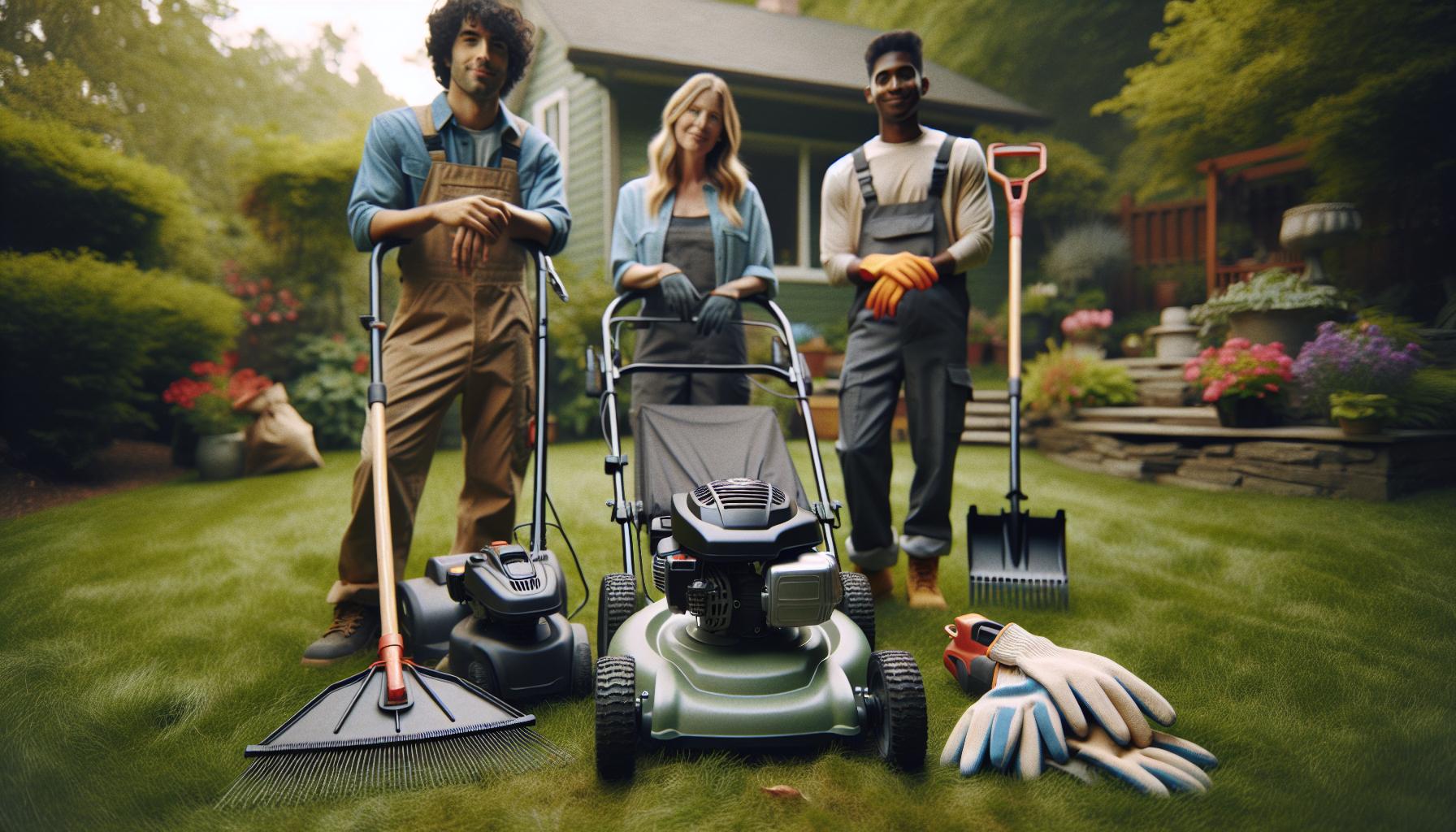
Lawn Equipment vs. Landscaping Equipment: What’s the Difference?
Understanding the distinctions between lawn equipment and landscaping equipment is crucial for anyone starting a lawn service. While both types of tools are essential in maintaining and enhancing outdoor spaces, they serve different purposes and functionalities. Lawn equipment primarily focuses on tasks related to grass care, whereas landscaping equipment encompasses a broader range of tools designed for various terrain modifications and aesthetic enhancements.
Lawn equipment includes devices specifically tailored for the maintenance of grass and lawn surfaces. Key tools in this category feature the lawn mower, which is essential for keeping grass at the desired height, and the string trimmer, perfect for trimming edges and hard-to-reach areas that the mower can’t access. Additionally, leaf blowers play a significant role in cleaning up debris, ensuring that lawns remain neat and tidy. These tools are primarily designed for efficiency and effectiveness in grass-related tasks, making them indispensable for any lawn care service.
In contrast, landscaping equipment tends to include tools that are used for more extensive yard work and design projects. This encompasses tools such as shovels, rakes, and pruners, which are vital for planting, soil preparation, and maintenance of garden beds. Additionally, landscaping projects often involve heavier machinery like tillers and aerators, which are utilized to prepare soil or improve air circulation in grassy areas. Understanding this distinction helps service providers determine their inventory and equipment needs according to the specific services they plan to offer, whether they involve straightforward lawn maintenance or more complex landscaping tasks.
By aligning your equipment choice with the services you wish to provide, you can optimize your workflow and ensure that your offerings meet client demands. For instance, if your business focuses solely on lawn care, investing in high-quality lawn equipment can maximize efficiency. However, a more diverse service offering may require a blend of both lawn and landscaping equipment to meet a wider range of client needs, ultimately promoting business growth and client satisfaction.
Investing in Quality: Understanding Equipment Costs
When launching a lawn service, understanding the costs associated with high-quality equipment is essential for long-term success. Investing in durable tools not only affects your initial startup costs but also impacts your operational efficiency and customer satisfaction. While it may be tempting to opt for the cheapest options available, remember that quality often dictates performance, reliability, and lifespan, which can save you money in repairs and replacements down the line.
As a starting point, consider creating a budget that allocates funds for essential equipment, maintenance, and unexpected repairs. Here are some key types of equipment to budget for, along with considerations regarding their investment costs:
- Lawn Mowers: Depending on the scale of your business, you may need a push mower or a commercial-grade riding mower. Prices for residential mowers can start around $200, while professional models can range from $2,000 to over $10,000.
- String Trimmers: These are typically more affordable, starting around $100 but can exceed $500 for robust models designed for commercial use.
- Leaf Blowers: Expect to pay anywhere from $150 for handheld units to over $500 for backpack blowers, which provide more power and efficiency.
- Edgers and Aerators: These tools, essential for creating clean borders and maintaining soil health, can range from $100 to $1,500 based on type and size.
Understanding Long-Term Costs
In addition to initial costs, calculate ongoing expenses such as fuel, oil, maintenance, and repair costs. Some high-quality tools may have higher upfront prices but can prove cost-effective over time due to reduced maintenance needs and longer operational life. Consider investing in warranties or maintenance plans, as these can alleviate financial burdens associated with unexpected failures or repairs.
Finally, think about the potential for financing or leasing equipment, which can help spread out costs over time and reduce the financial pressure when starting. Many suppliers offer financing options to help new businesses get the tools they need without breaking the bank. By carefully calculating both the initial and long-term costs associated with your equipment, you can make informed decisions that will contribute to the sustainability and growth of your lawn care business.
The Must-Have Lawn Mowers for Professionals
The right lawn mowers can make all the difference in running a successful lawn service. Whether you’re tackling residential yards or large commercial properties, selecting the appropriate mower ensures efficiency, quality of cut, and customer satisfaction. Professionals typically rely on three main types of lawn mowers: push mowers, riding mowers, and zero-turn mowers. Each type serves a distinct purpose and can cater to various service needs.
- Push Mowers: Ideal for smaller residential lawns, push mowers are compact and easy to maneuver. They range from basic models starting around $200 to more advanced options exceeding $800. While they require more physical effort, they are generally less expensive and easier to maintain.
- Riding Mowers: For larger properties, riding mowers are essential, offering speed and comfort for the operator. Prices begin at approximately $2,000 and can soar to $10,000 or more for high-end models with advanced features. These machines are particularly beneficial for maintaining expansive lawns efficiently.
- Zero-Turn Mowers: Known for their maneuverability and speed, zero-turn mowers allow for tight turns and precise cutting around landscaping. These are often the preferred choice for professional landscapers and can range from $2,500 to upwards of $15,000, depending on size and capabilities.
When choosing lawn mowers, consider factors such as the types of properties you’ll maintain, the terrain, and your budget. Investing in high-quality, durable mowers may initially be costly, but the efficiency boost and reduced repair frequency ultimately justify the price. Look for features like adjustable cutting heights, ease of maintenance, and comfort controls to enhance operator experience.
In summary, the right selection of lawn mowers tailored to your service’s needs will not only increase productivity but also enhance the overall quality of your work, leading to satisfied clients and the potential for business growth.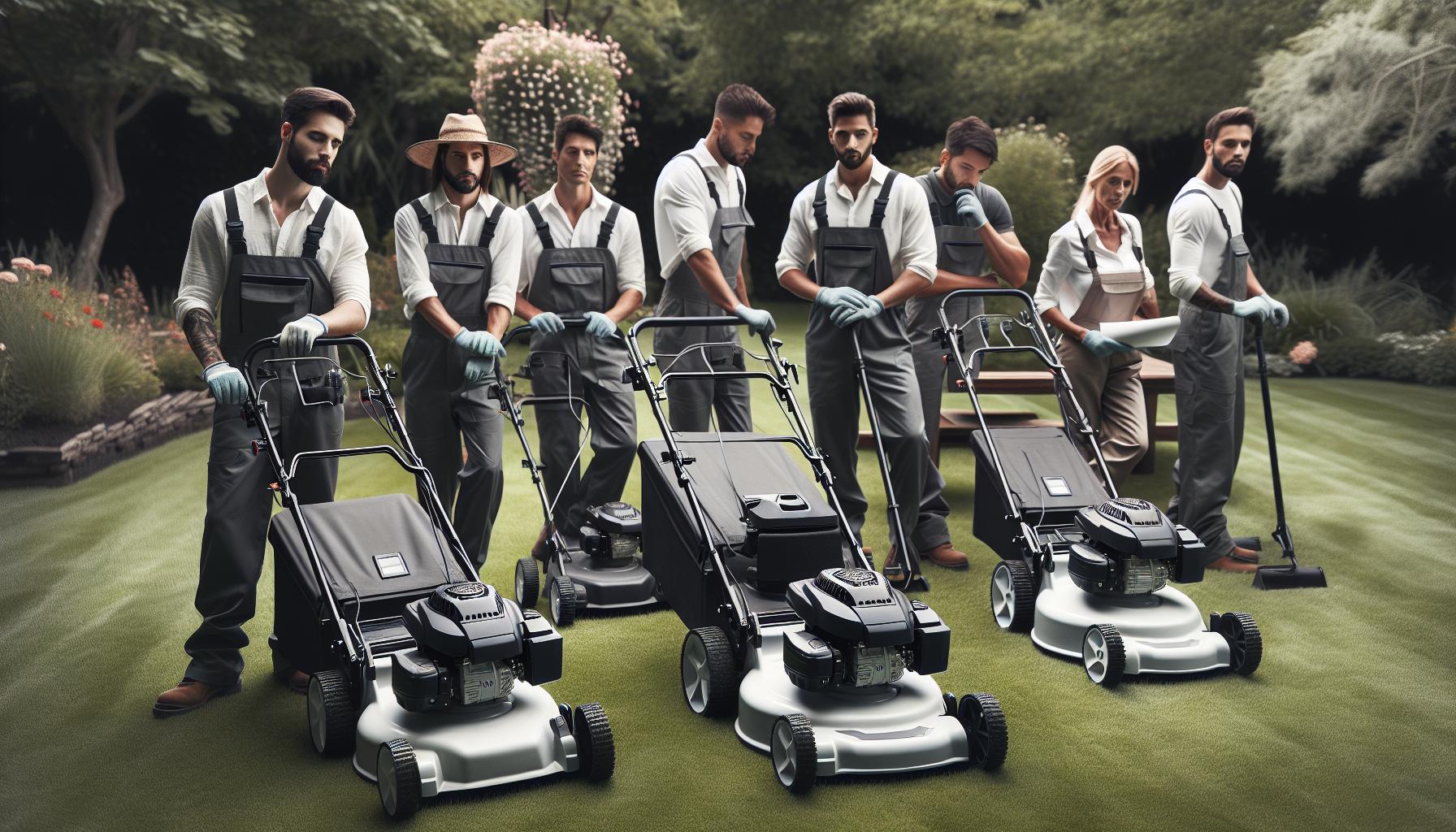
Trimmers and Edgers: Achieving a Polished Finish
Achieving a crisp, well-groomed look for lawns goes beyond just mowing; it involves proficiently using trimmers and edgers to create clean lines and finishes that set your services apart. When customers see a lawn with precisely trimmed edges, it signifies attention to detail and professionalism, which can help elevate your reputation in the competitive lawn care market.
Trimmers, including string trimmers and weed eaters, are essential for reaching areas where mowers can’t go, such as around trees, fences, and flower beds. A good trimmer allows for flexibility and precision. Gas-powered trimmers tend to provide more power and longer run times, making them suitable for larger properties, while battery-powered models offer convenience and lower noise levels, ideal for noise-sensitive areas and residential lawns. Choosing the right trimmer can streamline your workflow and ensure that no corner of the lawn is left unattended.
Edgers, on the other hand, provide that defining edge to walkways and flower beds that enhances curb appeal. A quality edger is crucial for creating clean lines that distinguish different areas of the landscape. When selecting an edger, consider options like manual push edgers for quick jobs on small yards or gas or electric-powered edgers for larger, more demanding tasks that require more power and efficiency. The investment in a reliable edger can dramatically impact the overall aesthetic quality of your work and client satisfaction.
Incorporating these tools into your lawn care strategy not only enhances the appearance of the lawns you maintain but also demonstrates your commitment to high standards. Regular maintenance of your trimming and edging equipment is equally important, as well-kept tools perform better and last longer. Make sure to keep your blades sharp and lines replaced as needed, ensuring an optimal finish with every job. By putting in the extra effort with trimmers and edgers, you set yourself up for success in building a reputable and thriving lawn service.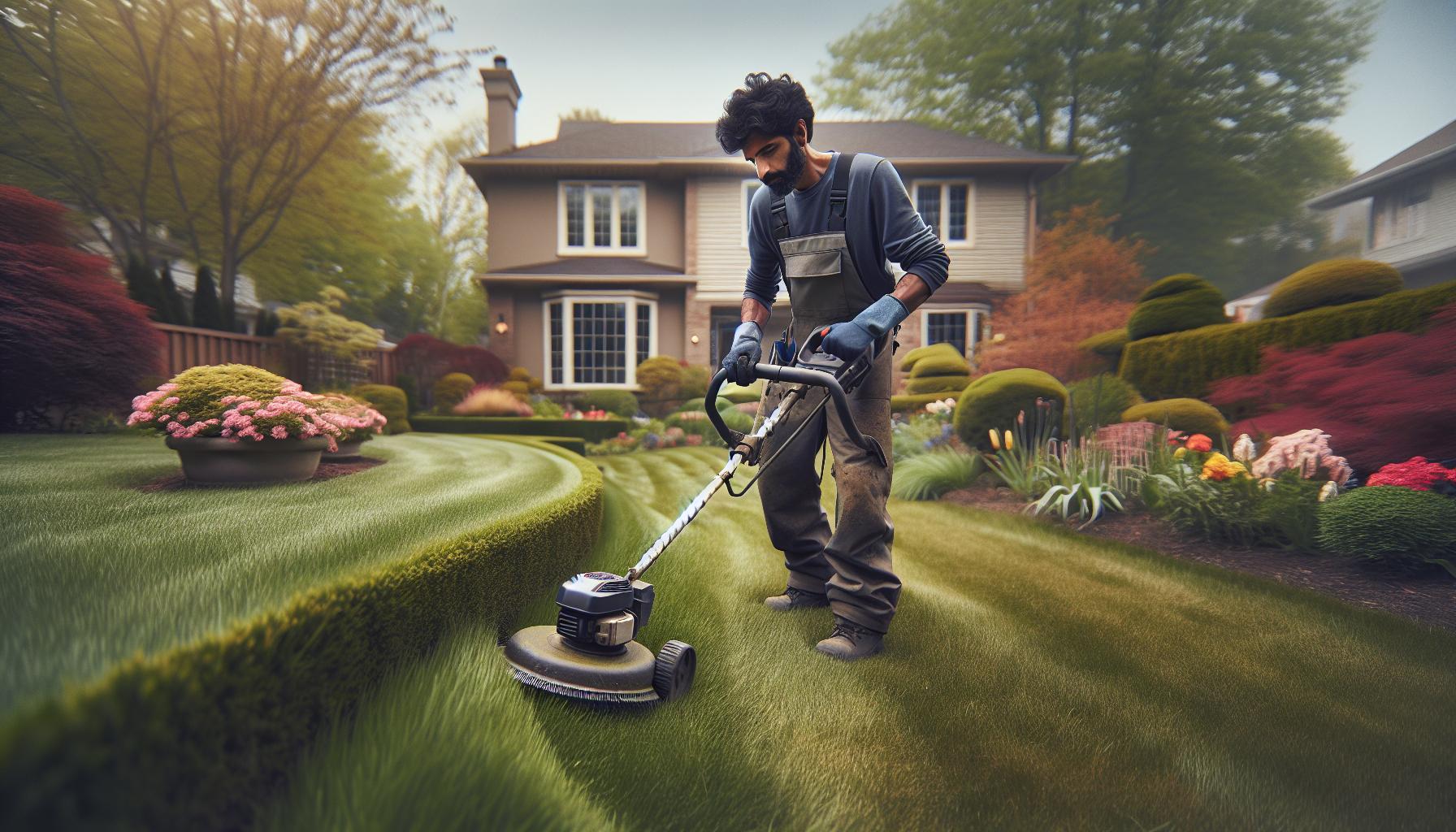
Safety Gear You Can’t Ignore in Lawn Care
Operating a lawn service involves more than just handling equipment – it’s essential to prioritize safety. Each time you step onto a client’s property or your own yard with powerful machines, you enter a world filled with potential hazards. Statistics from various safety organizations highlight that thousands of lawn care professionals experience injuries annually due to inadequate safety precautions. Investing in the proper safety gear reduces these risks and demonstrates your professionalism to clients.
To begin with, consider the importance of eye protection. Whether mowing, trimming, or edging, debris can easily fly into your eyes, leading to serious injuries. A sturdy pair of safety glasses or goggles tailored for lawn care can safeguard your vision while you work. Beyond eyewear, hearing protection is crucial, especially if you’re using gas-powered equipment. Over time, the noise generated by machinery can lead to permanent hearing damage, making earplugs or earmuffs a necessary part of your gear.
Additionally, protective footwear cannot be overlooked. Heavy-duty, non-slip boots offer protection against sharp objects and provide stability on uneven ground. Many accidents occur when workers lose their footing or suffer from injuries caused by equipment mishaps. Lastly, wearing work gloves is vital, especially when handling sharp blades or performing maintenance on the equipment. Gloves made from durable materials not only protect against cuts but also improve grip, allowing for safer handling of tools.
Incorporating these safety measures into your lawn care routine not only prevents injuries but also upholds a professional image that clients will respect. Implementing a culture of safety ultimately enhances your reputation and builds trustworthiness in a competitive industry. By equipping yourself with the necessary safety gear, you ensure not only your wellbeing but also the long-term success of your lawn service.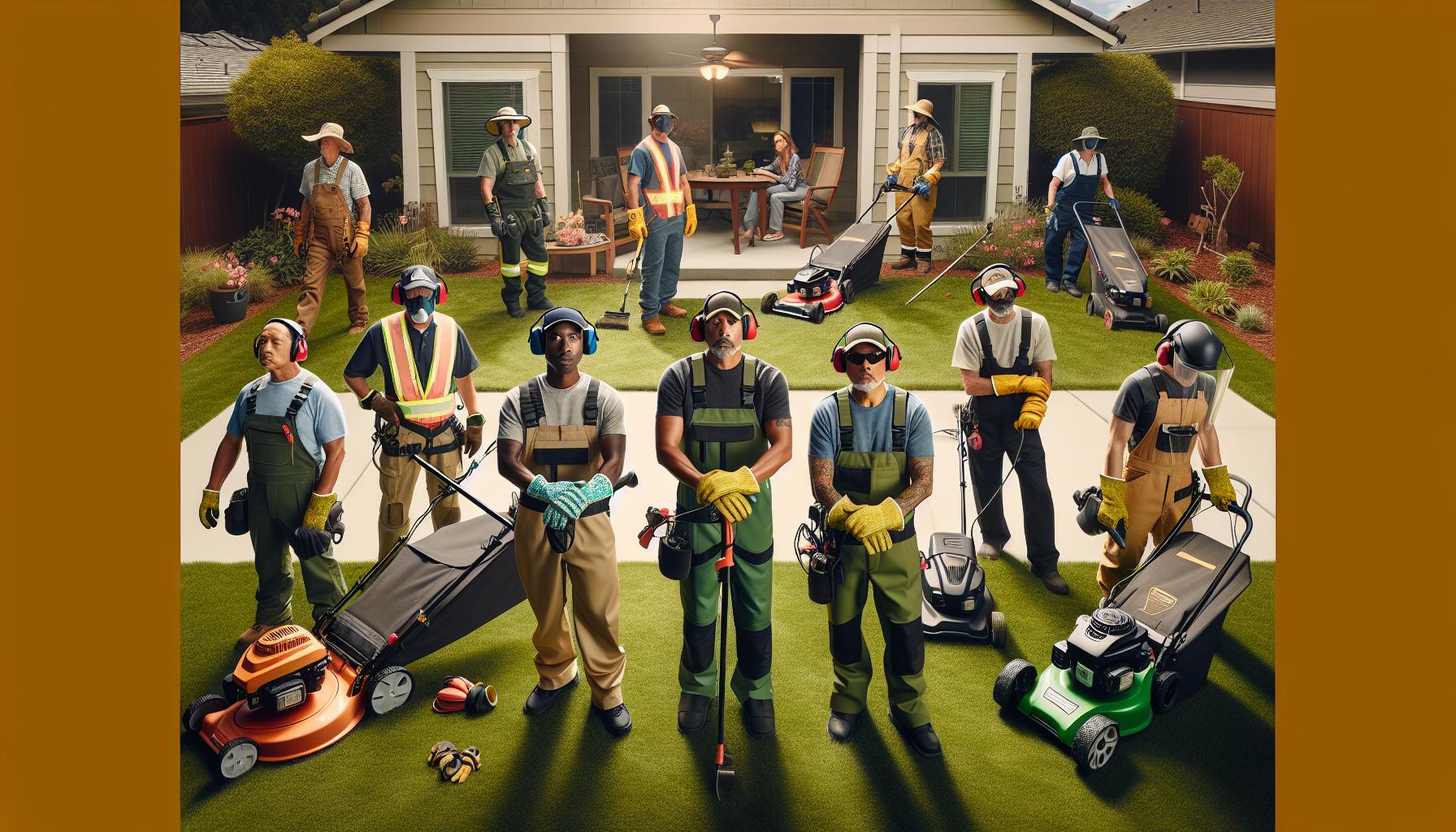
Utilizing Commercial vs. Residential Equipment Strategies
When it comes to starting a lawn service, choosing the right equipment can significantly impact productivity and service quality. The choice between commercial and residential equipment isn’t merely about price; it’s about performance, durability, and how each type caters to different client needs. Understanding the nuances of both can help you strategically invest in the right tools for your business.
Residential equipment is typically designed for homeowners who maintain small to medium-sized lawns. These tools are usually more affordable, lighter, and easier to use for the average person. However, when you transition to a professional lawn service, relying solely on residential tools may not be sufficient. They often lack the power and durability required for extensive or frequent use. For example, while a small residential mower might work well for an occasional lawn, consistent use on varied terrains can lead to quicker wear and tear, increasing replacement costs over time.
In contrast, commercial equipment is built to withstand the rigors of daily professional use. Commercial lawn mowers, edgers, and trimmers are engineered for higher performance, often featuring more robust engines and better cutting technologies that provide efficiency and a polished finish. They can handle larger properties and more demanding conditions, reducing the time spent per job. Investing in commercial-grade tools might be higher upfront, but consider them as a long-term investment that will pay off through improved efficiency and quality of service.
It’s also crucial to evaluate your target market when deciding on equipment strategies. If you primarily serve residential clients in suburban areas, a balanced mix of both residential and commercial tools might be necessary initially. However, as your business grows and you take on larger contracts or commercial properties, transitioning to fully commercial-grade equipment will likely be the next step. This evolution not only enhances your service offerings but also positions your business as a professional and reliable choice in the competitive lawn care landscape.
In conclusion, aligning your equipment choices with your business goals is essential for gathering long-term success. Understanding the limitations of residential equipment and the efficiency of commercial options can lead you to make smarter investment decisions that enhance your service capabilities and reputation in the industry.
Transport Solutions: Trailers and Vehicles for Lawn Care
When embarking on a lawn service venture, the effectiveness of your operation often hinges on your ability to transport essential equipment efficiently. Having the right vehicle or trailer enhances not only your accessibility to job sites but also the organization and safety of your tools. The choice between different transport solutions can significantly impact your business logistics, productivity, and ultimately, profitability.
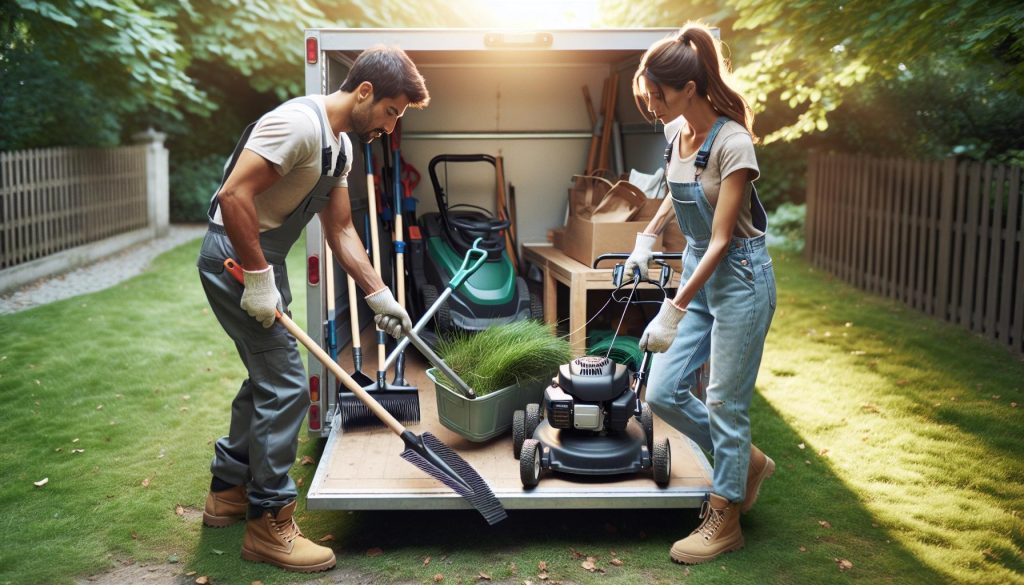
One popular option for small lawn care businesses is the use of a trailer. Trailers provide ample space to carry various tools and machinery, allowing you to transport multiple job-ready setups in one trip. Depending on the scale of your operation, you might opt for a standard flatbed or a more specialized landscape trailer equipped with storage racks and compartments for equipment like mowers, trimmers, and blowers. For instance, a flatbed might be sufficient for transporting fewer items, but if your clientele demands versatility, investing in a tailored landscaping trailer can streamline your workflow by allowing quick access to all tools without material loss or damage.
The vehicle you select for your business plays an equally crucial role. Many entrepreneurs successfully utilize vans or pickup trucks, capitalizing on their ability to provide covered or open transportation options. A minivan can be an affordable choice that offers decent cargo capacity for equipment like weed whips and blowers, as noted in various lawn care forums where entrepreneurs share their experiences in managing logistics on a budget [[1]]. For larger setups or when hauling heavy-duty commercial gear, a pickup truck or larger vehicle is advisable, as it can handle increased weight and bulk without compromising safety or vehicle longevity.
Some businesses, especially those just starting, consider innovative transportation strategies like using bike trailers for local service areas. These eco-friendly options not only reduce operational costs but also enable you to navigate neighborhoods swiftly, promoting a green image to potential clients. Plus, it allows for creative marketing opportunities as you move through your community.
In conclusion, your transport solutions need considerations for both the type of equipment you carry and the nature of your services. Wise investments in trailers or vehicles that cater to your business size and clientele will enhance your operational efficiency significantly. By ensuring safe, reliable transport of your tools and equipment, you bolster your professional image and improve your service delivery, essential components as you lay the foundation for your lawn care business.
Maintenance Gear: Keeping Your Equipment in Top Shape
Maintaining your equipment is crucial for a successful lawn service, as the longevity and performance of your tools directly impact the quality of your work and overall productivity. Regular maintenance not only prevents costly repairs but also ensures that your equipment operates efficiently, providing clean cuts and professional results for your clients. To keep your gear in peak condition, it’s essential to develop a systematic maintenance routine tailored to your specific equipment.
Key Maintenance Practices
Implementing a few key practices can keep your tools operating smoothly. Here are some essential tasks to incorporate into your maintenance schedule:
- Regular Lubrication: Ensure that moving parts such as wheels, axles, and gears are properly lubricated to prevent wear and tear.
- Blade Sharpening: For tools like lawn mowers and trimmers, sharp blades are fundamental for achieving clean cuts. Regular sharpening, at least once per season, promotes healthier grass and reduces strain on the engine.
- Fuel System Maintenance: Use fresh fuel and consider adding a fuel stabilizer if storing equipment for extended periods. Regularly check fuel lines and filters for clogs or leaks.
- Battery Care: For electric equipment, keep batteries charged and stored in a cool, dry place. Check connections and clean terminals to prevent corrosion.
It’s also beneficial to keep a maintenance log for each piece of equipment. This log should include details such as last service dates, repairs made, and parts replaced. This practice not only helps track maintenance schedules but also assists in predicting when parts may need to be replaced, ultimately saving time and money.
Investing in Maintenance Gear
Along with routine maintenance tasks, investing in the right maintenance gear can make these processes much easier. Consider the following items as essential additions to your maintenance toolkit:
- Sharpening Tools: A sharpening kit tailored for blades can help you maintain edge longevity efficiently.
- Wrenches and Sockets: Having a high-quality set of tools for assembly and disassembly will allow you to undertake minor repairs and adjustments with ease.
- Oil and Fuel: Keep a stock of the proper oil types and fuels recommended for your specific equipment, as these are vital for optimal operation.
- Cleaning Supplies: Invest in brushes, wipes, and cleaners designed for outdoor equipment to prevent buildup and corrosion.
By prioritizing maintenance and investing in quality maintenance gear, you ensure that your equipment remains in top shape, allowing you to focus on providing exceptional service to your clients while extending the life expectancy of your tools.
Supporting Tools and Accessories for Lawn Services
To run a successful lawn service, it’s essential to equip yourself not only with primary equipment like mowers and trimmers but also with a variety of supporting tools and accessories that enhance efficiency and professionalism. These additional tools can make all the difference in the quality of service you deliver and your operational effectiveness. They bridge gaps in capabilities, ensuring that every task, from general maintenance to specific landscaping projects, can be tackled smoothly.
One crucial category of supporting tools includes handheld implements such as rakes, shovels, and hoes, which are invaluable for tasks like debris clearance and planting. A sturdy rake can help you maintain a clean worksite, while a quality shovel is essential for tasks that involve soil movement or planting new flora. Additionally, having several sizes of spades and trowels can make a significant difference in performance, especially when tackling diverse landscaping projects. Consider investing in a compact tool organizer as well; keeping your handheld tools in one readily accessible location can save precious time and promote better organization.
Additionally, accessories such as tool belts or pouches can greatly enhance productivity. These keep essential items like shears, gloves, and measuring tapes at hand while enabling quick job transitions. Personal safety gear is similarly vital – not only to comply with regulations but also to protect yourself against job site hazards. Hard hats, protective eyewear, gloves, and noise-canceling headphones ensure you stay safe while working in various conditions.
Lastly, don’t overlook the benefit of transportation accessories. A quality equipment trailer or a utility cart can streamline the transport of heavy equipment and supplies to and from your job sites, making your operation more efficient. Integrating these supporting tools into your workflow not only increases your capabilities but also instills confidence in your clientele, solidifying your reputation as a reliable lawn service provider.
Eco-Friendly Equipment: Sustainable Practices in Lawn Care
Investing in eco-friendly equipment for your lawn care business not only helps reduce your environmental footprint but can also attract a growing customer base that prioritizes sustainability. With increasing awareness of climate change and its effects, there’s a rising demand for services that are mindful of their ecological impact. This shift presents a valuable opportunity for new lawn service providers to differentiate themselves by incorporating sustainable practices from the outset.
One major category of eco-friendly equipment includes electric and battery-powered lawn mowers. Unlike traditional gas mowers, which emit harmful pollutants, electric mowers provide a quieter and cleaner option that significantly reduces air and noise pollution. Companies like Tractor Supply Co. offer a range of eco-friendly lawn mowers that cater to both residential and professional needs, combining performance with sustainability [[1]]. Electric tools not only contribute to a cleaner environment but often come with lower maintenance costs, offering a practical advantage for startup lawn services looking to keep operational expenses in check.
In addition to mowers, consider integrating electric trimmers and blowers into your toolkit. These tools reduce noise pollution and energy consumption while ensuring that your services maintain high standards of efficiency. Utilizing products from companies that specialize in eco-friendly lawn care, like Clean Air Lawn Care, can enhance your service offerings by applying organic fertilizers and pet-safe weed control, further supporting sustainable landscaping practices [[2]].
Moreover, embracing sustainable practices doesn’t just pertain to equipment. It also involves adopting environmentally friendly techniques in your daily operations. For example, implementing mulching practices can reduce the need for chemical fertilizers, while composting kitchen scraps can enrich soil health and promote local biodiversity. These approaches not only benefit the environment but can also improve the quality of lawns, making your services even more appealing to eco-conscious clients.
By equipping your lawn service with eco-friendly tools and sustainable practices, you are not just investing in equipment; you are also investing in a marketing strategy that resonates with today’s environmentally aware consumers. This thoughtful approach can position your business as a leader in the green movement within the lawn care industry, paving the way for long-term success and customer loyalty.
Expanding Your Lawn Service: Additional Equipment to Consider
When establishing a comprehensive lawn service, expanding your equipment arsenal beyond the basics can greatly enhance your service offerings and efficiency. Investing in additional tools not only allows you to tackle a broader range of jobs but also positions your business as a one-stop solution for potential clients. These extra tools can significantly improve the quality of your work and increase your business’s appeal, especially to customers seeking specialized services.
To begin with, consider incorporating various attachments and accessories that enhance the functionality of your existing equipment. For instance, lawn care professionals often benefit from attachments like dethatchers or aerators that can be connected to lawn mowers. These tools help in maintaining a healthy lawn by removing thatch buildup and allowing adequate air and water penetration into the soil. Similarly, investing in quality blowers and trimmers can dramatically speed up your workflow, especially after mowing when clean-up is crucial for an immaculate finish.
Specialized Equipment for Diverse Services
As your business grows, diversifying the equipment you offer can open up new revenue streams. For example, adding fertilizer spreaders and weed control tools equips you to provide more comprehensive lawn care solutions. A stump grinder or small chippers can also be beneficial if you plan to venture into landscaping or tree maintenance, enabling you to handle a wider array of jobs without needing to subcontract.
Moreover, consider investing in professional-grade safety gear as part of your expansion strategy. This includes eye protection, noise-canceling headphones, and high-visibility clothing, which are essential for ensuring the safety of you and your employees on the job site. Not only does this protect your team, but it also demonstrates professionalism to your clients, potentially increasing trust in your services.
Park Your Equipment Convenience
In addition to the tools themselves, expanding your transportation capabilities is equally essential. Investing in a reliable trailer can ease the burden of transporting multiple pieces of equipment to different job sites. Consider trailers with storage options that can securely house both large equipment and smaller tools, ensuring everything is accessible and organized. This can significantly improve your efficiency, allowing you to focus more on servicing clients rather than managing logistics.
Ultimately, expanding your lawn service with the right additional equipment and gear is crucial for maintaining competitive advantages in the market. Not only will this equip you to handle larger or more diverse projects, but it also improves your operational efficiency and enhances customer satisfaction, paving the way for a thriving lawn care business.
Faq
Q: What are the essential tools I need to start a lawn service?
A: To start a lawn service, you’ll need basic tools like a reliable mower, string trimmer, leaf blower, and safety gear. Additionally, consider including hand tools such as a rake and hand trowel for maintenance tasks. These essentials will help you manage a variety of lawn care jobs effectively.
Q: How much should I budget for starting lawn care equipment?
A: Budgeting for lawn care equipment typically requires around $1,000 to $5,000 depending on the quality of the tools. A mower is usually the largest expense, with additional costs for trimmers and safety gear. Investing in quality pays off in the long run for durability and efficiency.
Q: Should I buy new or used lawn equipment for my business?
A: Both options have pros and cons. New equipment ensures reliability and efficiency, while used equipment can save money. Consider buying used from reputable dealers and check for warranties or service history to avoid unexpected repairs.
Q: What type of mower is best for starting a lawn service?
A: For a lawn service, commercial-grade mowers are recommended for their durability and performance. Evaluate options like zero-turn mowers for larger areas or push mowers for small, residential lawns to tailor your services to your clientele’s needs.
Q: Why is safety gear important in lawn care?
A: Safety gear is critical in lawn care to protect against injuries from equipment and debris. Essential items include gloves, eye protection, ear protection, and sturdy footwear. Prioritizing safety not only ensures your well-being but also builds trust with clients.
Q: How do I maintain my lawn care equipment?
A: Regular maintenance includes cleaning equipment after each use, checking oil levels, and sharpening blades. Developing a consistent maintenance schedule will prolong the life of your tools and ensure they run efficiently, reducing downtime on the job.
Q: What additional equipment might I need as my lawn service grows?
A: As your lawn service expands, consider investing in a trailer, additional mowers, sprayers for fertilization, and more advanced tools like aerators or power rakes. This allows you to offer a broader range of services and handle larger jobs effectively.
Q: How can I choose the right transport solution for my lawn care business?
A: Selecting the right transport solution depends on your equipment size, but a trailer is often most efficient for multiple mower transport. Ensure your vehicle is capable of towing, and consider options like enclosed trailers for added equipment protection during transport.
For further insights into starting and expanding your lawn service, explore sections on “Investing in Quality” and “Expanding Your Lawn Service” in your main article.
To Conclude
Now that you understand the essential equipment needed to kickstart your lawn service, it’s time to take action! Equip yourself with the right tools-like a reliable mower, trimmers, and safety gear-to set a solid foundation for your business. Remember, starting strong today leads to a thriving lawn care service tomorrow.
For more insights, be sure to check out our guides on effective lawn care strategies and optimizing your local SEO for greater visibility in your service area. You might also find valuable information on pricing your services competitively. Don’t hesitate to reach out for personalized consultations or sign up for our newsletter to stay updated on industry best practices!
Embrace the journey of establishing your lawn service, share your thoughts below, and let’s cultivate success together! Your dream business awaits-take the next step now!