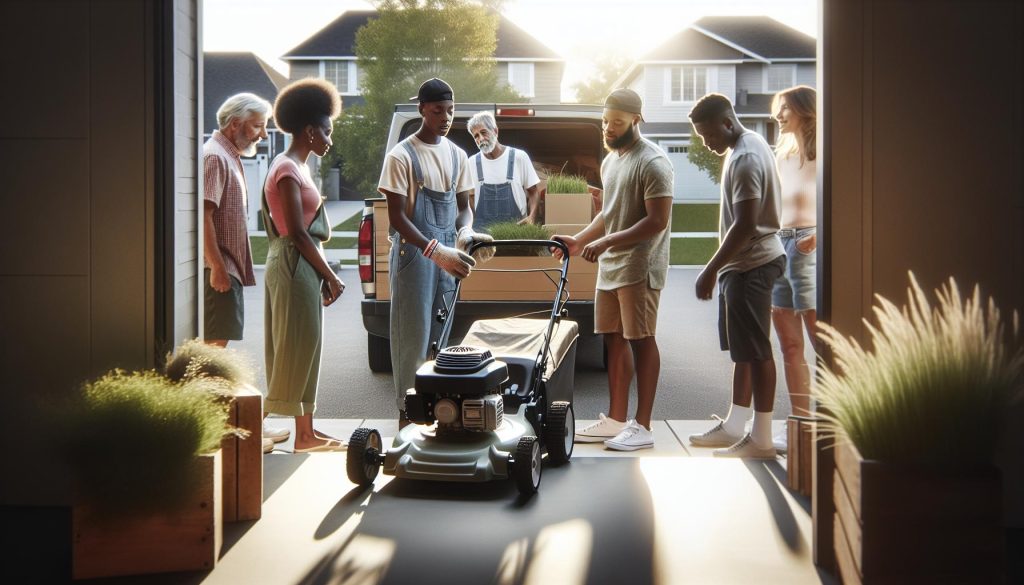
Did you know that millions of lawn mowers end up in landfills every year, contributing significantly to environmental waste? Disposing of your old or broken lawn mower doesn’t just impact your wallet; it also affects our planet. Fortunately, there are responsible and cost-free methods to recycle or donate your mower, ensuring it serves a new purpose instead of adding to landfill clutter. By learning how to dispose of your lawn mower responsibly, you can feel good about your choices while helping others in your community. This guide will not only provide practical steps but also highlight the benefits of sustainable disposal practices. Keep reading to discover how easy it is to make a positive impact!
Best Practices for Lawn Mower Disposal
Disposing of an old lawn mower can seem daunting, but following best practices not only helps you declutter but also promotes sustainability. A significant number of lawn mowers end up in landfills, where their metallic and plastic components can take years to decompose, releasing harmful substances into the environment. By adopting responsible disposal methods, you can minimize this impact while potentially benefiting your community or household.
To begin with, always check with your local waste management authority to understand the regulations and available resources in your area. Many municipalities offer specific days for bulk waste collection or have designated drop-off locations for lawn equipment. It’s crucial to adhere to these guidelines to avoid fines and ensure proper handling of potentially hazardous materials like oil and batteries. For instance, some regions may allow residents to leave their mowers out for scheduled pickups, which can happen seasonally or during specific cleanup initiatives.
Moreover, consider the opportunity for recycling. Many components of a lawn mower can be recycled rather than discarded. Metal parts, such as the chassis and engine, can often be taken to scrap metal yards, while plastics can find new life through specialized recycling programs. For those looking to get creative, transforming old mowers into garden art or planters can add a unique touch to your outdoor space while reducing waste. Overall, making an informed decision about lawn mower disposal not only supports environmental responsibility but also encourages community involvement and creativity.
Understanding Local Recycling Regulations
Understanding how to properly dispose of a lawn mower involves navigating local recycling regulations, which can significantly vary from one community to another. Surprisingly, many homeowners remain unaware of the specific guidelines set forth by their local authorities, which can lead to improper disposal practices that harm the environment. By taking the time to research these regulations, you can ensure that your lawn mower is disposed of responsibly and in alignment with local waste management strategies.
Many municipalities have established designated drop-off points or collection days specifically for various types of yard equipment, including lawn mowers. These programs are designed to facilitate the recycling and safe disposal of hazardous materials commonly found in lawn equipment, such as oil or batteries. To find out the specifics for your area, visit your local waste management website or contact their office directly. Often, they provide a calendar of collection events and guidelines for what materials can be dropped off and what needs special handling.
In addition to collection points, many communities offer resources to help residents dispose of their lawn mowers in an eco-friendly manner. For instance, some regions may have partnerships with local recycling centers that accept lawn mowers for parts reclamation. You could also discover initiatives that encourage residents to return their mowers to retail locations when upgrading to a new model, as some stores run take-back programs or collaborate with charities that refurbish old equipment for community gardening projects.
Understanding these local regulations not only helps you make informed choices but also contributes to broader environmental efforts by ensuring that harmful components are properly managed. By being proactive in your disposal method and utilizing available resources, you can play a part in reducing waste and promoting sustainability within your community.
Creative Ways to Repurpose Old Lawn Mowers
Transforming an old lawn mower into something new can save you money, reduce waste, and spark creativity. Instead of letting your trusty mechanical companion head to a landfill, consider innovative ways to repurpose it. Many parts of a lawn mower can find new life in your garden, home, or as artistic expressions.
Garden and Yard Decor
One of the most popular repurposing ideas is to use the mower’s body as unique outdoor decor. After removing the engine and other internal parts, the hollow frame can serve as an unexpected planter. Fill it with soil and colorful flowers or herbs for a whimsical garden feature. Alternatively, the mower’s wheels can be used to create a rustic garden cart, perfect for transporting soil or plants around your yard.
Creative Storage Solutions
For those looking for functional storage options, the inside of an old mower can be adapted into a tool storage unit. With a bit of effort, you can use the mower’s compartment to hold gardening tools or outdoor supplies. Paint it in bright colors to make it an attractive addition to your garden shed or garage.
Artistic Expressions
If you’re artistically inclined, consider turning your mower into art. A painted mower can become an artistic garden feature, showcasing your personality while also serving as a conversation starter. You might even use it as a canvas for a mural, incorporating elements of nature like leaves and flowers to further blend it into your garden environment.
Functional Alternatives
If you’d prefer a more functional approach, consider dismantling the mower for parts. Wheels can be repurposed for DIY projects, while the blade could be utilized in crafting unique metal sculptures. Additionally, many components, such as bolts, belts, and cables, can serve as useful materials for various DIY projects around the home or garden.
Repurposing your old lawn mower not only extends its utility but also contributes to environmental sustainability. By thinking creatively, you can find unique ways to breathe new life into your equipment while minimizing waste.
Free Yard Waste Collection Programs Near You
There are numerous free yard waste collection programs that can seemingly vanish your old lawn mower without a trace, making disposal not only easy but environmentally friendly. Various cities and municipalities offer these services, allowing residents to curb unwanted lawn equipment along with their regular yard waste. This service not only helps keep your neighborhood litter-free but also promotes recycling and responsible disposal of materials that can harm the environment if mishandled.
Start by checking local government websites or calling your city’s waste management department to discover specific yard waste collection schedules and guidelines. Some municipalities schedule seasonal bulk collection days, while others may have ongoing programs where residents can drop off their yard waste, including old lawn mowers. Be sure to note any requirements, such as how to prepare the mower for collection or whether it needs to be disassembled prior to disposal.
Many communities also participate in special events focused on sustainability, where yard waste, including lawn mowers, is collected at no cost. These events often fall in line with spring cleaning initiatives or fall cleanup drives. As an example, programs in certain areas have designated days where residents can bring their old equipment for proper recycling, which is often facilitated by partnerships with local environmental organizations.
If you’re part of a homeowners association (HOA), it’s worth checking whether they have their own initiatives or partnerships in place for yard waste collection. Many HOAs group together for bulk pickups, which can lead to organized and efficient disposal options. Being informed about these local resources not only aids in responsible disposal but also strengthens community efforts to reduce waste and promote sustainability.
Finding Local Donation Opportunities for Lawn Equipment
Many people may not realize that donating old lawn equipment like mowers can serve a dual purpose: it not only helps others in need but also prevents waste and promotes sustainability. By donating your lawn mower, you can make a significant difference in your community, particularly for families or organizations that may lack the necessary funds to purchase new equipment.
To find local donation opportunities, start by reaching out to community centers, local schools, or nonprofit organizations that focus on community services. These groups often have gardening programs or need lawn maintenance equipment for their facilities but may lack the budget to acquire it. Additionally, local churches or food banks may also appreciate the donation, as they sometimes maintain community gardens or assist families with their landscaping needs.
Another avenue for donation is through online platforms and social media groups dedicated to neighborhood exchanges, such as Freecycle or Facebook Marketplace. Posting in these groups can quickly connect you with someone in your area who could benefit from your mower. Additionally, consider contacting local gardening clubs or environmental organizations, as they might have community projects where a lawn mower could be put to significant use.
When preparing to donate your lawn mower, ensure it is in working condition and clean. This not only enhances the likelihood of a successful donation but also shows respect for the recipient. If possible, include any accessories or parts that come with the mower. Ultimately, donating your lawn equipment not only helps extend its lifecycle but also fosters a sense of community, ensuring that your once-loved mower continues to serve a purpose.
How to Safely Dismantle a Lawn Mower
Dismantling a lawn mower can seem daunting, but it’s a responsible way to prepare the equipment for proper disposal, recycling, or even repurposing. By breaking it down into manageable components, you not only make the process safer but also contribute to environmental sustainability efforts. Each element of the mower can be sorted into recyclable materials, hazardous waste, or reusable parts, giving your old machine a second life or ensuring its components are handled correctly.
Before getting started, gather the necessary tools: a wrench or socket set, screwdrivers (both Phillips and flathead), pliers, and safety gloves. Make sure to also have a container ready for any small parts that you might detach. Here’s a general approach to safely dismantling your lawn mower:
Step-by-Step Guide to Dismantling
- Safety First: Disconnect the spark plug wire to prevent accidental starts. Ensure the engine is cool before handling any parts.
- Drain Fluids: Carefully drain any gasoline and oil from the mower. This is crucial as these fluids can be hazardous. Store them in appropriate containers for recycling or disposal.
- Remove the Deck: Unscrew the bolts securing the mower deck. This is usually where the blade is located, so take care when handling it due to its sharp edges.
- Detach the Blade: Use a wrench to remove the blade’s bolt. Always wear gloves and avoid direct contact with the blade’s edges.
- Disconnect Components: Remove parts such as the handle, wheels, and any other detachable components by unscrewing or unclipping them.
- Sort Materials: As you dismantle, sort the components into categories: metal parts (which can typically be recycled), plastic parts, and any hazardous items like oil filters.
By following these steps, you ensure that the mower is dismantled safely and efficiently. Once you have sorted the components, you can then decide where and how to dispose of or recycle them. Local recycling centers often accept various metals and plastics, while hazardous materials should be taken to specific waste disposal services. This proactive approach not only promotes environmental consciousness but also prepares you to responsibly dispose of your lawn mower, turning a daunting task into a rewarding one.
Eco-Friendly Options for Lawn Mower Components
When it comes to disposing of lawn mower components, making eco-friendly choices can significantly reduce your environmental impact. Each part of your lawn mower can offer unique opportunities for reuse and recycling, ensuring that fewer materials end up in landfills. By thoughtfully considering how to handle these components, you not only contribute to a cleaner planet but also potentially create new useful items or materials from what would otherwise be discarded.
One of the most sustainable methods to repurpose the metal components of your mower is through recycling. Most local scrap yards and recycling facilities accept lawn mower metals, such as aluminum and steel. By taking the time to separate these materials, you can ensure they are melted down and transformed into new products. Additionally, plastic parts and components can often be recycled as well, but it’s advisable to check with your local recycling program for specific guidelines regarding plastic types.
For those feeling crafty, there are numerous creative ways to repurpose old lawn mower parts. For example, the mower deck can be transformed into a unique garden planter or a decorative feature in your yard. Wheels can be repurposed into functional furniture, such as a rolling cart or a swivel stool for outdoor use. Even the engine can serve as a conversation-starting piece in a garden art installation, depending on your taste and creativity.
Disposing of Hazardous Materials
It’s crucial to handle hazardous components, like the oil filter or any remaining gasoline, with care. Many communities have specific facilities for safely disposing of hazardous waste materials. Check with your local waste management services to locate the closest drop-off points or collection events. This way, you ensure that these materials are dealt with responsibly, minimizing their potential harm to the environment.
By approaching the disposal of lawn mower components with creativity and sustainability in mind, you not only reduce waste but also potentially enrich your home and garden with unique, eco-friendly creations.
Avoiding Common Lawn Mower Disposal Mistakes
Disposing of a lawn mower can seem straightforward, yet many people make common mistakes that not only hinder responsible disposal but could also harm the environment. One crucial error is overlooking the proper handling of hazardous materials. Lawn mowers often contain oils, fuels, and batteries that are classified as hazardous waste, necessitating careful disposal to prevent soil and water contamination. Always ensure that any remaining gasoline is siphoned out, and that oil filters and batteries are disposed of in accordance with local regulations.
Another frequent blunder is neglecting to research local disposal guidelines. Many communities have regulations or specific drop-off locations for lawn mower disposal, which can include scrap yards, recycling centers, or designated hazardous material collection sites. Failing to follow these guidelines can result in fines or improper disposal, which can negatively impact the ecosystem. Take the time to contact your local waste management authority to understand the best practices available in your area.
When considering reuse options, some homeowners may be tempted to simply abandon their old mower in a vacant lot or give it away without checking for any outstanding issues. This can lead to legal repercussions, as many regions have strict littering laws. Additionally, without proper evaluations, you may unknowingly pass on a dangerous or non-functional appliance. Instead, assess whether your equipment can be repaired or refurbished-if not, look into recycling programs or other safe disposal methods.
Finally, a common oversight is underestimating the value of the mower components. Many parts can be recycled or sold separately, such as metal blades or the engine. By breaking down the mower and researching what materials are recyclable or reusable, you can contribute positively to the recycling loop while potentially earning a bit of cash. Consider this approach as not just a responsible disposal method but also a way to benefit financially while helping the environment.
Exploring Trade-in or Buyback Programs
The shift toward more sustainable gardening practices includes valuable opportunities like trade-in or buyback programs for lawn mowers. Engaging with these programs not only aids in responsible disposal but also provides financial incentives or discounts on new equipment. Many manufacturers and retailers recognize the importance of recycling and are establishing initiatives to encourage customers to return their old mowers.
In most cases, these programs offer consumers a credit toward the purchase of a new appliance or equipment. The process usually involves bringing your old mower to a participating retailer or an authorized dealer. Upon inspection, you may be given a trade-in value based on the mower’s condition, which can significantly reduce the cost of a new model. For instance, several major stores often run seasonal promotions where customers can receive a greater discount during spring and early summer, aligning with peak lawn maintenance periods.
Benefits of Trade-In Programs
Participating in trade-in or buyback programs comes with a range of benefits:
- Convenient Disposal: You can dispose of your old mower easily without worrying about how to recycle it or where to take it.
- Financial Savings: Trade-in credits can reduce the overall cost of new lawn equipment, making eco-friendly choices more affordable.
- Promotes Sustainability: These programs contribute directly to environmental efforts by ensuring that older equipment is recycled correctly and reduced waste.
- Potential for Upgrades: This is a prime opportunity to not only replace an old lawn mower but also to upgrade to newer models with improved efficiency and lower emissions.
Before participating in such a program, it’s advisable to do a little research. Look up local retailers offering trade-in deals or check manufacturer websites for information on buyback policies. Ensure that you understand the terms of the program, including the condition requirements for the mower you wish to trade in, as well as the overall value it may provide. Not only does this option facilitate responsible disposal, but it also empowers consumers to make greener choices while potentially saving money in the process.
Navigating Hazardous Material Disposal for Lawn Mowers
Disposing of a lawn mower presents unique challenges, particularly due to the hazardous materials contained within. Many mowers use gasoline or oil, which can be harmful to the environment if not handled properly. Understanding how to navigate these disposal issues is crucial to ensure that your old lawn mower is discarded safely and responsibly. For instance, did you know that improperly disposed oil can contaminate local waterways? This pollution can have devastating effects on both human health and local ecosystems, reinforcing the necessity of proper disposal methods.
To start, it’s essential to drain any fuel left in the mower’s tank. This can often be done by running the engine until it runs out of gasoline, or by siphoning out the fuel. Always follow local regulations for disposing of fuel, as many areas have hazardous waste collection sites where you can take old fuel and oil for environmentally-friendly disposal. Some municipalities even offer designated drop-off events for hazardous materials, which can be ideal opportunities for proper disposal.
Properly Handling Oil and Other Fluids
When it comes to the oil, use containers designed for hazardous waste to collect and transport the used oil to an appropriate disposal site. Many auto repair shops or service stations also accept used oil, sometimes even offering a small rebate for delivering it. Furthermore, the blades of the mower can pose a risk if not handled correctly. If you choose to remove them, be cautious: ensure that they are completely safe and secured to prevent cuts or injuries.
Lastly, don’t overlook the plastic and metal parts of your lawn mower. Many of these components can be recycled, but it is essential to separate them correctly. Check with your local recycling center to determine what materials they accept. Following these steps not only aligns with responsible environmental practices but also assists in making the most out of every component of your old lawn mower, contributing to a more sustainable cycle of materials.
Community Initiatives for Responsible Disposal
Community engagement plays a critical role in the responsible disposal of lawn mowers. Many local initiatives strive to educate residents and provide avenues for safe disposal, ensuring that hazardous materials do not end up in landfills or waterways. Participating in these community initiatives not only helps protect the environment but also fosters a sense of community responsibility and awareness.
Many communities hold *hazardous waste collection events* throughout the year, allowing residents to drop off items like old lawn mowers, batteries, and paint safely. These events are usually promoted through local government websites, social media, and community boards. Prior to attending, it’s wise to check what items are accepted and whether there are any specific guidelines regarding the preparation of the lawn mower, such as draining fluids or removing blades. By participating in these events, residents can ensure their old mowers are disposed of in an eco-friendly manner.
In addition to special events, some local governments partner with recycling centers for continuous lawn equipment recycling programs. These partnerships often facilitate ongoing drop-off options, where residents can take their old equipment any time. Such programs might include incentives, like discounts on future purchases of landscaping products for those who recycle. Residents should stay informed about these options by subscribing to community newsletters or checking local government websites to get the latest information on available services.
Another excellent opportunity is community tool-share or exchange programs. Some neighborhoods organize events where residents can donate their old tools, including lawn mowers, to be repaired and reused by others, especially those in need or organizations that help maintain community gardens. These initiatives not only reduce waste but also contribute to a more sustainable practice within the community, encouraging the reuse of valuable resources. By supporting these community-driven efforts, you can enjoy a clutter-free yard while also giving back to your community in a meaningful way.
Tips for Transporting Your Lawn Mower for Disposal
Transporting a lawn mower for disposal can be quite challenging, especially given their weight and size, but with the right approach, it can be a smooth process. Consider first the method of transportation. If you’re using a pickup truck, ensure the mower is secured using straps to prevent it from sliding or falling during transport. If you’re using a trailer, make sure it has a ramp that can accommodate the mower without causing damage to its body or components.
Before you load the mower, it’s essential to prepare it for transport. Start by draining any fuel or oil from the mower to minimize the risk of leaks or spills during the journey. This step is not just about adhering to safety guidelines; it also helps in avoiding potential fines from local environmental enforcement agencies if hazardous materials escape during transit. Additionally, remove any sharp attachments, such as blades, and pack them separately to prevent accidental cuts.
Here are some tips for safe transport:
- Check Weight Limits: Ensure that the vehicle you are using can safely handle the weight of the lawn mower.
- Use a Tarp: To protect the mower from the elements during transport, consider using a tarp to cover it if you’re moving it in open air.
- Drive Slowly: When on the road, keep your speed low to minimize the chances of the mower shifting or falling off the vehicle.
- Follow Local Guidelines: Some areas may have specific regulations regarding the transport of yard waste or hazardous materials, so be sure to check if any apply to your situation.
Lastly, it’s wise to communicate with the disposal site ahead of time. Confirm their requirements for dropped-off items, including whether they expect certain preparations or arrangements. This proactive communication can save you time and ensure that the disposal process is seamless. With thorough preparation and attention to safety, transporting your lawn mower can be a responsible and straightforward task.
Q&A
Q: What should I do with a broken lawn mower?
A: If your lawn mower is broken, consider exploring local repair shops to see if it can be fixed. If repairs aren’t feasible, check for local recycling centers or community programs that accept broken equipment to recycle its parts responsibly. Refer to your article’s section on local recycling regulations for guidance.
Q: Are there any free services to pick up old lawn mowers?
A: Many municipalities offer free bulky waste pick-up services, which often include lawn mowers. Check your local waste management website for details. Additionally, local charities or community groups may provide pick-up services for donations. Explore community initiatives in your article for more options.
Q: Can I recycle my lawn mower?
A: Yes, many parts of a lawn mower can be recycled, such as metal components and plastic pieces. Check with your local recycling center to see if they accept lawn mowers or contact scrap metal dealers. Refer to the section on eco-friendly options in your article for specific recycling tips.
Q: How do I safely transport my lawn mower for disposal?
A: To safely transport your lawn mower, ensure it is securely fastened in your vehicle to prevent movement during transit. Drain all fluids to avoid spills, and if using a trailer, use ramps for loading. For more transportation tips, check the relevant section in your article.
Q: Where can I donate an old lawn mower?
A: Consider donating your old lawn mower to local schools, community gardens, or non-profit organizations that might benefit from it. Websites like Freecycle and local Facebook groups can also help connect you with individuals in need. Find more on donation opportunities in your article.
Q: What components of a lawn mower can be hazardous?
A: Common hazardous components include the gasoline, oil, and batteries. Proper disposal methods vary by location, so check with your local hazardous waste disposal facility. Your article’s section on hazardous material disposal will provide comprehensive guidelines.
Q: What are creative ways to repurpose an old lawn mower?
A: Old lawn mowers can be creatively repurposed as unique planters, furniture, or garden decor. Depending on your mower’s condition, consider using it as an artistic piece in your yard or garden. For more ideas, consult the creative repurposing section in your article.
Q: What are the environmental impacts of improper lawn mower disposal?
A: Improper disposal of lawn mowers can lead to soil and water contamination from leaking fluids and hazardous materials. Additionally, metal and plastic parts may contribute to landfill waste. To understand the effects and find eco-friendly disposal solutions, refer to your article on avoiding common disposal mistakes.
In Summary
Thank you for exploring the responsible disposal of your lawn mower! By choosing eco-friendly options, you’re making a positive impact on the environment and saving costs at the same time. If you have lingering questions about local recycling centers or how to prepare your mower for disposal, be sure to check our related articles on proper waste management techniques and community recycling programs.
Ready to take action? Don’t wait any longer-find a nearby recycling facility to get started today! Exploring additional resources like our guide on tackling lawn care responsibly can further enhance your knowledge. Join our newsletter for more tips and updates, and feel free to share your experiences in the comments below. Your journey towards sustainability is just beginning, and every step counts!