Every year, millions of tons of lawn waste-like grass clippings, leaves, and branches-end up in landfills, contributing to environmental issues. But what if you could transform this waste into valuable resources instead? Discovering smart, sustainable disposal and recycling methods not only helps reduce landfill impact but also enhances your garden’s health and appearance. In this article, we’ll explore eight innovative strategies to effectively manage your lawn waste, offering practical solutions that align with your goals for a greener space and a cleaner planet. Get ready to elevate your lawn care routine and make a positive environmental impact with these easy-to-implement ideas!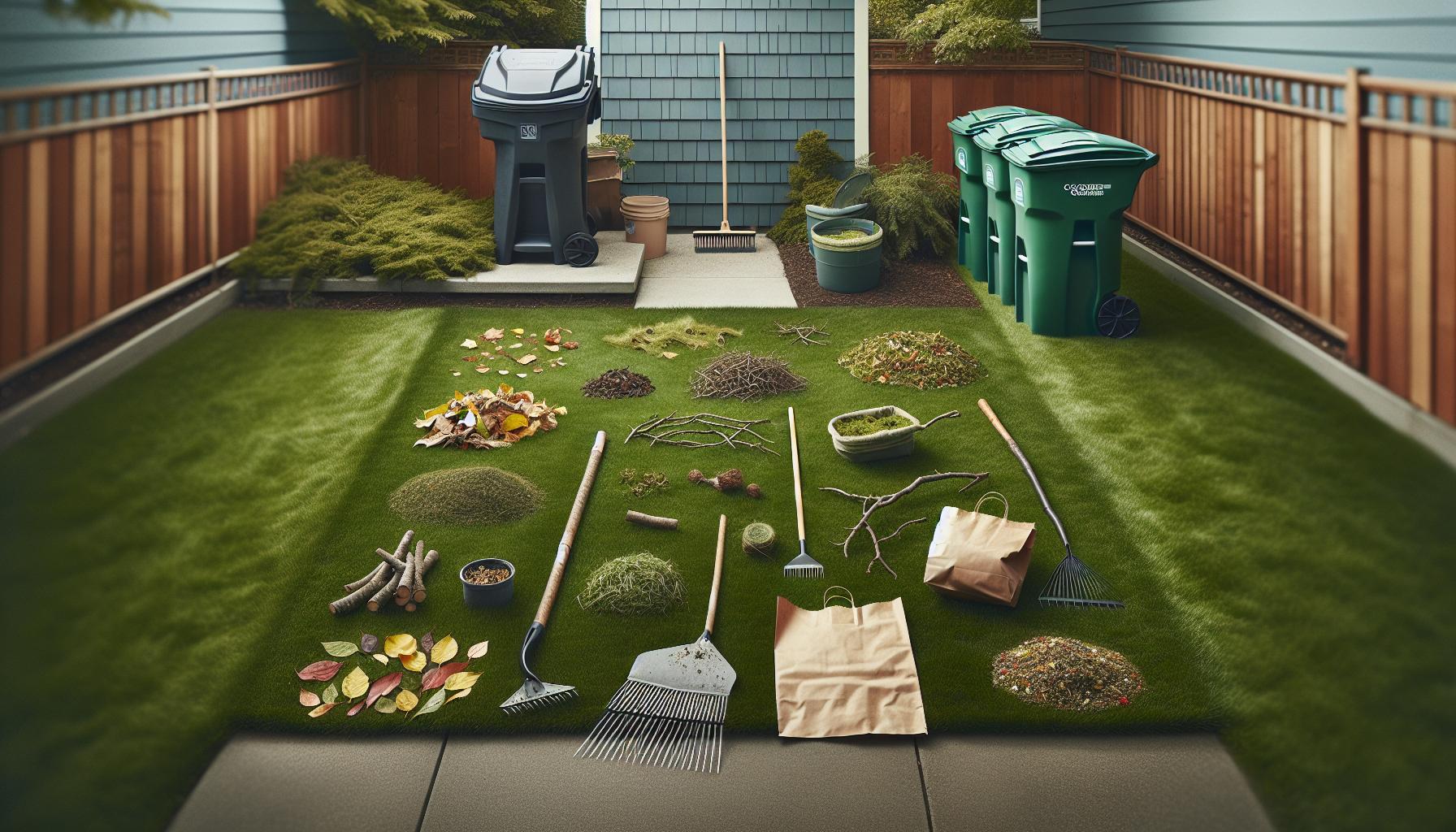
Understanding Lawn Waste: Types and Sources
Lawn waste is an inevitable byproduct of maintaining a healthy, vibrant yard, and understanding its types and sources is essential for effective management and disposal. Typically, lawn waste can be categorized into several types, each generated from specific activities related to lawn care. The most common sources include grass clippings from mowing, leaves fallen during seasonal changes, trimmings from hedges and shrubs, and remnants from garden plants when they die back or are pruned.
It’s fascinating to note that grass clippings alone can account for a significant portion of yard waste-up to 20% of the total organic waste generated by a household. This poses both a challenge and an opportunity. Instead of viewing grass clippings as waste, many homeowners can learn to appreciate them as a valuable resource. Leaving them on the lawn after mowing, known as “grasscycling,” can return vital nutrients to the soil, reducing the need for chemical fertilizers.
Common Types of Lawn Waste
- Grass Clippings: Light, green, and nutrient-rich, these clippings can either be left on the lawn, composted, or used as mulch.
- Leaves: A mixture of green and brown leaves can form a thick layer during fall, which can either be raked away or processed through composting.
- Branches and Twigs: During storm seasons or regular maintenance, these can accumulate and require special disposal methods, such as chipping.
- Weeds: These often go hand-in-hand with mowing and can be composted or disposed of through yard waste services.
- Dead Plants: Perennials should be cleaned up in the fall, but the dead material can be composted or added to a garden bed.
Understanding these types of lawn waste is the first step towards more sustainable practices, putting homeowners in a position to minimize their environmental footprint while enhancing their garden’s health. Each type of lawn waste presents distinct opportunities for repurposing and recycling, making it possible to create a productive ecological cycle right within your backyard.
The Environmental Impact of Lawn Waste
It’s surprising to learn that lawn waste contributes significantly to the overall waste generated in urban areas, with estimates suggesting that approximately 20% of municipal solid waste consists of organic materials from yards. This waste, which includes grass clippings, leaves, branches, and other plant remnants, poses a dual challenge for homeowners and local authorities alike-how to manage it sustainably while minimizing its environmental impact. Improper disposal methods, such as burning or sending it to landfills, can release greenhouse gases and leach harmful chemicals into the soil and waterways.
is multifaceted. When lawn debris is not recycled or composted, it often ends up in landfills, where it decomposes anaerobically, producing methane, a potent greenhouse gas that is over 25 times more harmful than carbon dioxide over a 100-year period. Conversely, by adopting eco-friendly practices such as composting or utilizing yard waste services, homeowners can significantly reduce their carbon footprint. For instance, composting lawn waste not only diverts it from landfills but also creates a nutrient-rich amendment for gardens, reducing the need for chemical fertilizers and promoting healthier, thriving plants.
Additionally, reusing lawn waste in a variety of innovative ways can further mitigate environmental impact. Activities such as grasscycling-leaving grass clippings on the lawn to decompose naturally-enhance soil health by returning nitrogen and other nutrients directly to the ground. Similarly, using shredded leaves as mulch protects soil moisture and suppresses weeds, thus minimizing the need for additional water and chemical interventions. These practices not only enrich the garden but also contribute to a sustainable cycle of nutrients, ultimately fostering a healthier ecosystem.
Implementing responsible management strategies for lawn waste is crucial for both homeowners and communities. By understanding the environmental consequences and embracing innovative recycling options, such as community composting programs or yard waste collections, individuals can help limit the negative effects of lawn maintenance on the environment. Such efforts cultivate not just greener lawns, but also a more sustainable future for our planet.
Creative Uses for Lawn Waste in Your Garden
Many homeowners are surprised to learn that the lawn clippings and garden debris they tend to discard can be transformed into valuable resources for their gardens. By embracing creativity in the use of lawn waste, not only can you reduce the burden on your trash bins, but you can also enrich your garden’s ecosystem, promoting healthier plants and a more sustainable environment.
One of the most effective applications of lawn waste is through mulching. Shredded leaves, grass clippings, and small branches can serve as a protective layer over the soil, helping to retain moisture, suppress weeds, and maintain a consistent soil temperature. This practice decreases the need for additional watering and chemical herbicides. Simply spread a layer of shredded materials around your plants, ensuring it is not too thick to prevent suffocation of the roots.
In addition to mulching, lawn waste can be used as a natural fertilizer. Grass clippings and leaves decompose rapidly, releasing nutrients back into the soil. Instead of bagging your clippings, consider leaving them on your lawn as you mow; this method, known as grasscycling, returns nitrogen directly to the soil, promoting healthier grass growth without the need for synthetic fertilizers. Alternatively, you can collect the clippings and create a simple compost pile, mixing them with other kitchen scraps and garden waste. Over time, this compost will break down into a rich soil amendment perfect for enhancing garden beds.
Another innovative idea is to use lawn waste for DIY garden projects. For example, create a rustic trellis using branches from trimmed shrubs, or make natural plant markers from larger sticks or stones found in your yard, painting the names of your plants for easy identification. These projects not only recycle yard waste but also add personal charm to your garden space.
Finally, consider hosting a neighborhood resource exchange or joining local community initiatives that focus on repurposing yard waste. Many communities offer composting workshops or provide equipment for residents to use collectively. By engaging with your community, you can further reduce waste and share creative solutions for utilizing lawn waste efficiently.
These methods not only promote a healthier garden but also strengthen your connection to sustainable gardening practices, making your outdoor space a thriving testament to recycling and creativity. Embrace the potential of your lawn waste and watch your garden flourish in the process.
Composting: A Smart Solution for Lawn Waste
Composting is a powerful way to transform your lawn waste into a rich, nutrient-dense soil amendment that can greatly enhance your garden. Did you know that approximately a third of the organic material we throw away can be composted? By recycling your lawn clippings, leaves, and garden debris, you contribute to reducing landfill waste while creating a fantastic resource for your plants.
To start composting, you’ll need to establish a compost pile or bin. Choose a well-draining area in your backyard, ideally where it can receive some sunlight. You can use a commercial compost bin or simply create a pile. Aim for a mix of carbon-rich “browns” (leaves, straw, and cardboard) and nitrogen-rich “greens” (grass clippings, vegetable scraps, and coffee grounds). This balance is crucial; roughly three parts browns to one part greens will help decompose the material effectively.
When adding lawn waste, consider the following tips to optimize your composting process:
- Shred or chop up large pieces: Smaller pieces break down faster, so it’s helpful to shred leaves and chop up branches before adding them to the pile.
- Maintain moisture: Your compost should be damp but not soggy. If it feels dry, add some water.
- Turn your pile: Every few weeks, aerate your compost by turning it with a pitchfork. This introduces oxygen, which accelerates the breakdown process.
Within a few months, depending on environmental conditions, you’ll be able to harvest dark, crumbly compost that smells earthy and fresh. This compost can be used to enrich garden beds, improve soil structure, or top-dress your lawn for healthier growth. Beyond its environmental benefits, composting provides a rewarding experience, allowing you to grow healthier plants while being proactive about your waste management. Whether you’re an urban gardener or managing a sprawling backyard, composting is an excellent way to enhance your gardening efforts sustainably.
Innovative Recycling Options for Yard Debris
Recycling yard debris is not just an eco-friendly act; it transforms what would typically be waste into valuable resources that can enhance your garden and community. By thinking creatively about how to reuse grass clippings, leaves, and branches, homeowners can nutrient-rich materials that support soil health while cutting down on waste headed to landfills. Below are a few innovative strategies for recycling yard debris effectively.
One of the simplest options involves using grass clippings as a natural mulch. Leaving clippings on the lawn after mowing allows them to decompose and return nutrients to the soil, reducing the need for chemical fertilizers. Alternatively, consider using clippings in garden beds. They can suppress weeds, retain moisture, and promote healthy soil when allowed to break down in situ.
Leaves, often seen as a nuisance in the fall, can also be cleverly repurposed. Instead of bagging them and sending them off with the trash, shred leaves to create leaf mold, a fantastic soil conditioner. Simply pile them up in a corner of your yard or in a compost bin, and let them sit for several months. The resulting leaf mold improves soil structure and moisture retention, providing your plants with an excellent growing medium.
Branches and larger debris can be employed in various DIY projects. Whether it’s building a brush pile as a wildlife habitat, using branches for garden edging, or creating rustic trellises for climbing plants, the possibilities are endless. You can also chip larger branches into wood chips, which can then be used as a durable mulch that not only beautifies your garden but also moderates soil temperature and moisture levels.
Finally, consider partnering with local organizations or community programs that focus on yard waste recycling. Many municipalities have composting and recycling initiatives that accept yard debris, ensuring it is properly processed and reused. Joining forces with neighbors for bulk drop-off days or community mulching events can also amplify your recycling efforts while fostering community spirit and cooperation.
These innovative recycling methods not only diminish the ecological impact of yard waste but also contribute to the sustainability of your garden. By viewing yard debris as a resource rather than waste, homeowners can enhance their gardens, support local ecosystems, and practice responsible waste management.
DIY Projects Using Lawn Waste
Waste from your lawn doesn’t have to end up in a landfill; it can transform your garden into a vibrant and sustainable space. Many homeowners often overlook the potential of items like grass clippings, branches, and leaves, but with a bit of creativity and direction, these materials can become valuable resources for various DIY projects that enhance your outdoor environment.
One intriguing option is creating natural mulch from grass clippings and shredded leaves. Not only does this help retain soil moisture and suppress weeds, but it also enriches the soil as it decomposes. Simply gather your clippings post-mowing and layer them around your flower beds or vegetable gardens. An added bonus is that this technique cuts down on the time spent on yard maintenance while promoting healthier plants.
Another creative endeavor involves repurposing branches and larger debris into garden structures. For instance, you can build a rustic trellis using sturdy branches, perfect for supporting climbing plants like peas or beans. Alternatively, consider crafting a brush pile as a habitat for beneficial wildlife in your garden. By arranging branches in a designated area, you provide shelter for birds, insects, and small mammals, fostering biodiversity in your outdoor space.
For those looking to incorporate originality, try making decorative pieces from your lawn waste. Use dried twigs to create unique wreaths for your home or for seasonal decorations. A simple project could include painting and assembling twigs into a simple window frame, offering a touch of nature indoors. You can even construct planters from hollowed-out logs, which not only reduce waste but add a rustic charm to your garden décor.
Lastly, engage with local community initiatives that promote recycling yard waste. Participate in workshops or events where you can learn from experts about innovative projects using yard debris. These opportunities not only provide inspiration but also strengthen community ties as you share ideas and resources.
In summary, lawn waste can be transformed from mere leftovers into dynamic assets for your garden. By approaching these materials with creativity, you can create functional and beautiful projects that benefit the environment while enhancing your outdoor living space.
Community Resources for Lawn Waste Disposal
Finding the right avenue for disposing of lawn waste can make all the difference in maintaining a sustainable yard while supporting the local ecosystem. Many communities have introduced valuable resources aimed at helping residents effectively manage yard debris, making it easier to recycle and repurpose materials. Engaging with these resources not only contributes to a cleaner environment but can also inspire creative solutions for your garden.
One of the most effective ways to dispose of lawn waste is by utilizing local yard waste collection programs. Many municipalities offer curbside pickup for organic debris, which may include grass clippings, leaves, and small branches. This service often takes place during scheduled weeks in the spring and fall or can be arranged through a call to your local waste management office. Be sure to check the specific guidelines, as they often detail what types of materials are accepted and the proper techniques for preparing your waste.
Community Composting Initiatives
In addition to curbside collection, numerous communities have established composting sites where residents can drop off their organic yard waste. These centers often turn collected debris into nutrient-rich compost, which is then made available for public use. By participating, you not only support sustainable practices but can also obtain high-quality compost for your garden. Consider attending local workshops or educational events at these sites to learn more about the composting process or gather tips for composting at home.
Educational Workshops and Events
Local garden clubs or extension services frequently host workshops focused on sustainable gardening practices, including proper lawn waste management. These workshops provide hands-on experiences, allowing participants to learn innovative techniques for recycling yard debris. Look for community events that promote yard waste repurposing through creative projects, such as building raised garden beds or crafting birdhouses from fallen branches.
In summary, tapping into not only simplifies your yard maintenance but also fosters environmental stewardship. By taking advantage of curbside collection, composting initiatives, and educational opportunities, you can ensure that your lawn waste is treated responsibly-benefiting both your garden and the community at large.
Choosing the Right Disposal Method for Your Needs
Choosing the correct method for disposing of lawn waste can have a significant impact on both your garden’s health and the environment. With a growing awareness of sustainability, many homeowners are now exploring innovative ways to handle their yard debris beyond traditional disposal methods. Understanding your options can help you make an informed decision that suits your needs while also benefiting the ecosystem.
When selecting a disposal method, first consider the types of lawn waste you generate. Common materials include grass clippings, leaves, twigs, and small branches. Each type may require a distinct approach for disposal or recycling. For instance, grass clippings can be left on the lawn as natural fertilizer, while leaves can be composted or used for mulch. Here are some effective methods to consider:
- Curbside Collection: Many local municipalities provide curbside pickup for organic waste. This is a convenient option for larger quantities of waste. Check your community’s guidelines for specific schedules and accepted materials.
- Composting: Creating a compost pile or bin at home can be an excellent way to recycle your lawn waste. By composting, you enrich your soil and reduce the amount of waste sent to landfills.
- Community Drop-off Sites: Some neighborhoods have designated drop-off sites for yard debris, where materials can be composted or processed into mulch.
- DIY Mulching: Utilize a mulching mower to chop grass and leaves finely. This can be spread directly on your garden beds as a mulch layer, retaining moisture and suppressing weeds.
To determine the best option, assess your yard size, the volume of waste you produce, and your willingness to engage in active recycling practices like composting. Also, consider your local resources: if curbside collection is available, it might be the simplest choice; if you prefer a hands-on approach, composting could be fulfilling. Regardless of the method, being proactive about lawn waste disposal can lead to healthier gardens and a greener environment.
Lawn Waste Regulations and Best Practices
Lawn waste disposal might seem straightforward, but it involves a complex interplay of regulations and best practices that can significantly affect your garden and community. Many municipalities have established specific guidelines to minimize the environmental impact of yard debris while promoting sustainable practices. For instance, it is essential to abide by local ordinances regarding which types of yard waste are accepted for curbside collection, as improperly sorted materials can lead to penalties or delays in service.
Best practices for managing lawn waste include understanding the seasonal regulations that may dictate disposal methods during peak times. For example, some areas may enforce restrictions on burning leaves or require that certain types of waste, like large tree branches, be taken to designated dumps or recycling centers. Familiarizing yourself with your area’s regulations can ensure that you are compliant and help you avoid unintentional infractions.
When participating in community programs for yard waste disposal, consider adopting eco-friendly practices to enhance your contribution. Engaging with local workshops that focus on composting or other sustainable yard care techniques can be beneficial. This not only enriches your gardening knowledge but also fosters a sense of community responsibility. Additionally, utilizing resources such as local extension offices can provide valuable information and support for implementing effective waste management strategies.
In summary, being well-informed about local lawn waste regulations and adhering to best practices can lead to healthier gardens and contribute positively to environmental conservation efforts. By respecting municipal guidelines and taking proactive steps in yard waste management, homeowners not only enhance their own living spaces but also help promote a cleaner and more sustainable community.
Alternatives to Traditional Lawn Care for Waste Reduction
Traditional lawn care often involves practices that can generate significant waste, contributing to the broader environmental challenge. However, homeowners can adopt innovative alternatives that not only reduce waste but also promote sustainability and enhance their gardening efforts. For instance, instead of conventional lawn mowing, consider embracing natural lawn management techniques. This approach involves allowing clover and other beneficial plants to thrive within your lawn, which helps reduce the need for frequent mowing and minimizes grass clippings.
In addition to altering lawn composition, implementing integrated pest management (IPM) strategies can significantly cut down on waste generated from chemical treatments. By using biological control methods, such as attracting beneficial insects or planting companion plants, you can maintain a healthy garden without the excess chemical runoff that can pollute local waterways.
Another practical alternative lies in adopting xeriscaping, which requires significantly less maintenance and watering. By planting drought-resistant native plants, homeowners can minimize the need for regular clipping and maintain an eco-friendly landscape that requires less water and attention. These hardy plants can also serve as a habitat for local wildlife, fostering biodiversity in your garden.
Utilizing grasscycling can also make a marked difference. This practice involves leaving grass clippings on the lawn after mowing, which naturally decomposes and returns nutrients to the soil, reducing the need for synthetic fertilizers and cutting down on yard waste. If your mower isn’t equipped for grasscycling, consider upgrading to one that mulches clippings efficiently.
Incorporating these alternative practices not only helps in reducing the amount of waste produced but also contributes to a healthier ecosystem and a more sustainable approach to lawn care. Each strategic shift leads to a beautiful, vibrant lawn that complements the environment rather than detracts from it, showing that homeowners can be both responsible stewards of their land and visual artists in their gardening.
The Benefits of Lawn Waste Management for Homeowners
Managing lawn waste effectively offers homeowners a multitude of benefits that extend beyond aesthetics and immediate practicality. An engaging fact to consider is that yard waste contributes a significant portion of municipal waste; by thoughtfully managing this, you can have a positive environmental impact while enhancing your own property. For instance, implementing sustainable practices not only results in less landfill waste but can also improve your lawn’s health and contribute to a more vibrant garden ecosystem.
One of the most significant advantages of a structured lawn waste management approach is cost savings. Utilizing grass clippings and leaves as natural mulch or compost can reduce the need for commercial fertilizers and soil amendments. This promotes nutrient recycling within your garden and helps maintain healthy soil structure without incurring additional expenses. Additionally, by reducing the frequency of yard waste removal services, you can save on disposal fees and the associated costs of municipal waste collection.
Moreover, embracing efficient lawn waste management practices fosters community engagement. Homeowners who participate in composting or community recycling programs create a network of environmentally conscious individuals dedicated to sustainability. These connections can lead to the sharing of resources, plants, and techniques, enriching the gardening experience and cultivating a sense of belonging among neighbors.
Lastly, effective lawn waste management can increase property value. A well-maintained landscape that incorporates sustainable practices signals to potential buyers that the home has been cared for and can lower ongoing maintenance costs. Prospective homeowners are increasingly drawn to properties that reflect eco-friendly practices, which can give your home an edge in a competitive market. By managing lawn waste wisely, you not only invest in your property but also contribute to a healthier planet for generations to come.
Frequently Asked Questions
Q: What are effective methods for disposing of lawn waste?
A: Effective methods for disposing of lawn waste include composting, municipal yard waste collection, using a chipper for wood and branches, and mulching grass clippings. Each method reduces landfill waste and can benefit your garden. For more detailed insights, explore the section on innovative recycling options in the article.
Q: Can lawn waste be used as mulch?
A: Yes, lawn waste can be used as mulch. Shredded leaves, grass clippings, and small branches help retain moisture and suppress weeds. Apply a layer around plants and trees to improve soil health and reduce the need for chemical fertilizers, as explained in the creative uses for lawn waste section.
Q: How can I recycle grass clippings?
A: Grass clippings can be recycled by leaving them on the lawn as natural fertilizer or by adding them to a compost pile. This recycles nutrients back into the soil, reducing the need for additional fertilizers and improving soil structure, as mentioned in the composting section of the article.
Q: What to do with clippings and leaves in the fall?
A: In the fall, collect leaves and clippings for composting, or use them as mulch in your garden. Alternatively, rake them up for municipal disposal if your area offers yard waste collection services. These practices help manage waste sustainably while benefiting your landscape.
Q: Is it illegal to burn lawn waste?
A: Burning lawn waste is often regulated or prohibited in many areas due to air quality concerns. Check local ordinances before burning lawn debris to ensure compliance with regulations. The article includes a section dedicated to lawn waste regulations for further guidance.
Q: How does lawn waste management benefit the environment?
A: Proper lawn waste management minimizes landfill contributions, reduces methane emissions, and enriches soil through composting. Utilizing lawn waste contributes to healthier ecosystems and promotes sustainability, a point discussed in the environmental impact section of the article.
Q: What items should not be composted from lawn waste?
A: Avoid composting diseased plants, weeds with seeds, and any synthetic materials. These can contaminate your compost and harm your garden. For a comprehensive list of what to compost or not, refer to the composting section in the article.
Q: What are the best practices for managing lawn waste effectively?
A: Best practices for managing lawn waste include regular maintenance to minimize debris, using compost bins, and following local disposal regulations. Engage your community resources for yard waste disposal to enhance overall lawn care and environmental health. For more tips, see the best practices section in the article.
The Conclusion
As you tackle your lawn waste, remember that smart disposal and recycling not only benefit the environment but also enhance your landscaping efforts. By employing these eight ideas, you’re not just cleaning up; you’re making a positive impact on your ecosystem. Ready to get started? Don’t let your grass clippings and leaves go to waste-transform them into valuable resources for your garden!
For more insights on maintaining a vibrant lawn, check out our guides on effective lawn care techniques and tips for choosing the best grass for your climate. Subscribe to our newsletter for the latest updates on sustainable gardening practices and exclusive content on optimizing your outdoor space. Share your thoughts and experiences in the comments below, and feel free to explore our website further for useful tools and resources! Your green journey begins today, so take action now and create a thriving environment that benefits both you and nature!