If you’ve ever noticed your lawn mower guzzling gas faster than usual, you’re not alone. Many homeowners face the frustration of inefficient fuel consumption, which can lead to increased mowing costs and environmental concerns. Understanding what causes a lawn mower to waste gas is essential for maintaining both your budget and your machine’s performance. Common issues can stem from carburetor problems, dirty air filters, or even incorrect fuel types. By identifying and addressing these issues, you can enhance your mower’s efficiency, reduce your environmental impact, and ensure a well-manicured lawn without overspending at the pump. Dive into the following sections to uncover practical solutions and tips for optimizing your mower’s fuel efficiency, helping you keep your lawn care routine financially manageable and eco-friendly.
Common Causes of Lawn Mower Gas Waste
Using a lawn mower to maintain a pristine yard shouldn’t also mean draining your wallet with excessive fuel consumption. Understanding the common reasons behind gas waste can not only save you money but also enhance your mower’s performance. A few key factors often lead to poor fuel efficiency, including improper maintenance, engine issues, and operational habits.
One primary culprit is a clogged air filter. A dirty air filter restricts airflow to the engine, causing it to work harder and use more gas to compensate. Regularly checking and replacing the air filter can significantly improve fuel efficiency. Additionally, using the wrong type of fuel or stale gasoline can lead to combustion issues. Always ensure you are using the fuel type specified by your mower’s manufacturer and avoid letting fuel sit in the tank for prolonged periods.
Another common issue is the carburetor’s condition. If the carburetor is dirty or malfunctioning, it can result in an improper fuel-to-air mixture, leading to excessive fuel consumption. Regular cleaning or servicing can prevent this problem. Furthermore, all lawn mowers have a recommended maintenance schedule; neglecting these can lead to inefficiencies. Tasks like changing the oil, replacing spark plugs, and ensuring the blades are sharp can all contribute to a more effective and economical operation.
Lastly, your mowing habits can affect gas usage. Mowing when the grass is wet or when the mower is overloaded with thick grass can force the engine to draw more fuel. To optimize fuel consumption, aim to mow during the driest part of the day and regularly trim your lawn to keep the grass manageable. By addressing these common causes, you empower your mower to perform at its best while keeping fuel costs in check.
Identifying Symptoms of Gas Waste Issues

Recognizing the signs of gas waste in your lawn mower is crucial for maintaining its efficiency and minimizing fuel costs. Watching for certain symptoms can help prevent excessive gas consumption and extend the lifespan of your equipment. One key indicator of a potential problem is a noticeable change in the mower’s performance. If your mower starts to sputter, stall, or lacks its usual power, it might be struggling with a fuel delivery issue, possibly linked to a clogged air filter or a malfunctioning carburetor.
Another symptom to watch for is reduced runtime on a full tank of gas. If you find yourself refueling more frequently, it’s a clear signal of inefficient fuel usage. This could stem from a variety of factors, including poor engine tuning or issues in the fuel system that lead to excessive consumption. Pay attention to both how often you fuel up and any changes in how the mower operates during use.
Additionally, observe the exhaust emissions during operation. A lawn mower that emits excessive smoke or a strong fuel smell may be burning fuel inefficiently, indicating problems such as too rich a fuel mixture or dirty filters. A properly functioning mower should emit minimal smoke; any noticeable changes should prompt immediate investigation into the mower’s condition.
Regular maintenance can often alleviate these symptoms before they lead to more serious issues. Keeping an eye on these indicators can save you time and money, ensuring your lawn mower operates smoothly while providing excellent fuel efficiency. If you notice any of these signs, it may be time to inspect your mower’s components, clean or replace filters, and assess the overall health of the engine to keep gas waste at bay.
How Engine Type Affects Fuel Efficiency
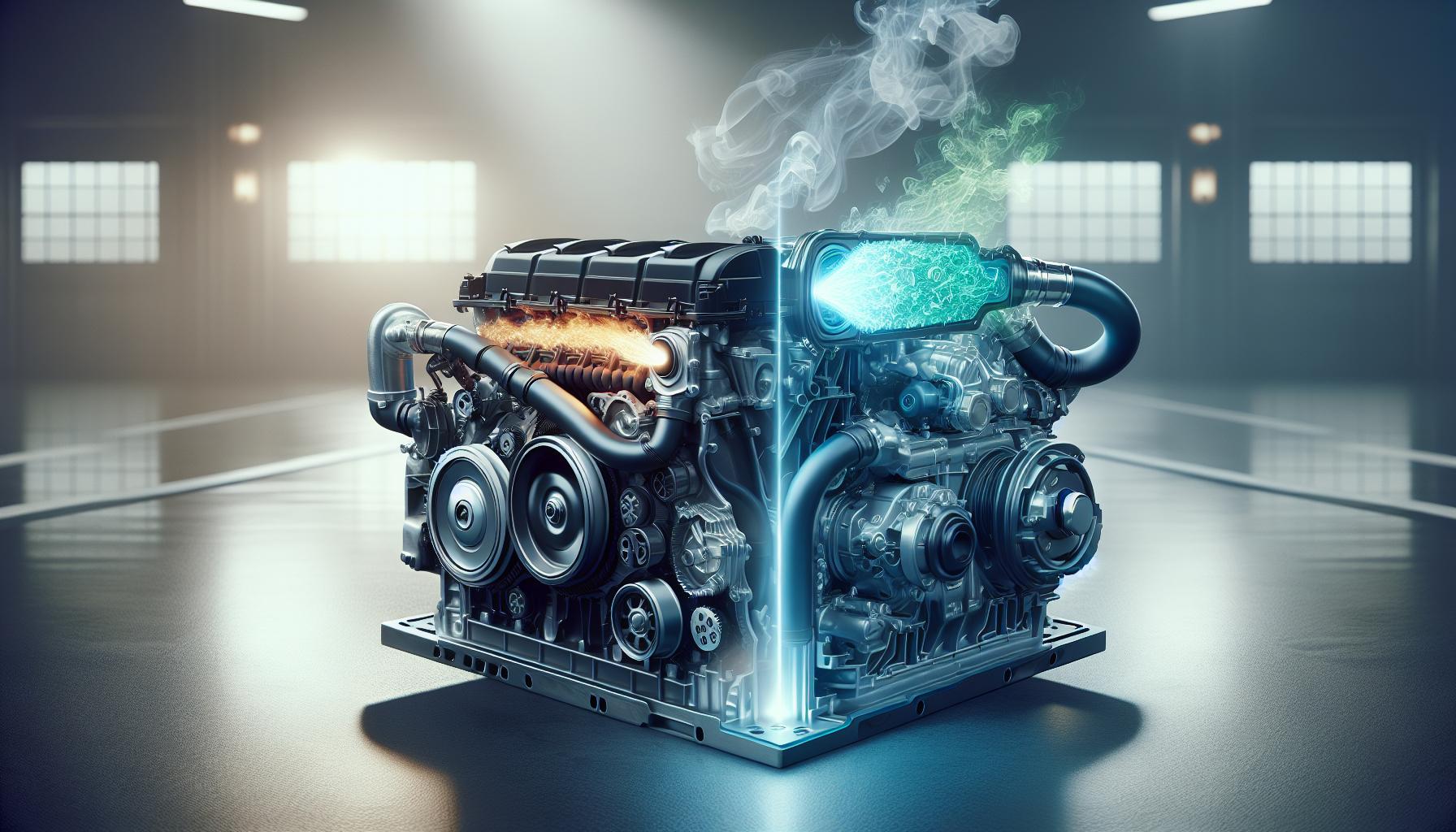
The type of engine in your lawn mower significantly influences its fuel efficiency, affecting how much gas is consumed during operation. Most residential mowers are equipped with either two-stroke or four-stroke engines, and understanding the differences can help you make informed choices about efficiency and performance. Typically, four-stroke engines are more fuel-efficient than their two-stroke counterparts, as they utilize a separate lubrication system and generally provide greater power without requiring more fuel.
In a two-stroke engine, the process of fuel and oil mixing can create a less efficient combustion process, resulting in more fuel being consumed for the same amount of work. Furthermore, two-stroke engines often emit greater emissions and produce more smoke, which not only indicates wasted fuel but also contributes to environmental issues. This inefficiency makes them less desirable for lawn care if you are looking to minimize gas consumption.
Conversely, four-stroke engines combine intake, compression, power, and exhaust strokes in a way that optimizes fuel usage. They operate on a cycle that allows for more complete combustion, meaning that less fuel is wasted. This enhanced efficiency extends not only the time between refuels but also the overall lifespan of the mower. For those considering purchasing a new mower, investing in a high-quality four-stroke model can result in significant savings in fuel costs over time.
Moreover, engine displacement-often measured in cc (cubic centimeters)-also plays a role in fuel consumption. Larger engines tend to consume more fuel, but they can also be more efficient in their operation if they are designed well. Balancing engine size with the required power for your lawn care needs can prevent unnecessary gas waste. To maximize efficiency, opt for an engine that meets your needs without being excessively powerful for the job at hand.
In summary, the type and size of your lawn mower’s engine are critical factors in fuel efficiency. Understanding these aspects allows you to select a mower that aligns with your efficiency goals, ultimately saving you money and reducing environmental impact.
Maintaining Your Lawn Mower for Optimal Performance
Regular maintenance of your lawn mower is crucial, not just for its longevity but also for maximizing fuel efficiency. A well-maintained mower can significantly reduce gas waste, ensuring that each drop of fuel is put to good use. For instance, research shows that a mower with a clean air filter can save as much as 10% on fuel consumption. This highlights the real impact of proper upkeep.
Start with a basic yet essential task: sharpening the mower blades. Dull blades not only tear the grass unevenly, leading to a less healthy lawn, but they also require more power from the engine, which in turn consumes more fuel. By keeping blades sharp, you improve the mower’s cutting efficiency and reduce the strain on the engine, leading to better fuel economy.
Next, regularly check the oil level and quality. Old or contaminated oil can cause the engine to work harder, burning more fuel in the process. Change the oil according to the manufacturer’s recommendations and ensure you’re using the right type for your specific mower. Additionally, inspect and replace the air filter as needed. A clogged air filter restricts airflow, which can cause the engine to run inefficiently and waste gas.
Moreover, it’s important to maintain a clean fuel system. Regularly inspect the fuel lines and fittings for leaks or cracks, and replace any faulty components. Stale or contaminated fuel can also lead to inefficiencies; therefore, using fresh fuel and properly storing the mower during off-seasons can make a significant difference in performance.
By implementing these straightforward maintenance tasks, not only will you ensure that your lawn mower operates optimally, but you’ll also experience a noticeable reduction in gas consumption. Being proactive about care can not only save you money but also contribute to a healthier environment.
Checking Fuel System Components for Leaks
A surprising amount of fuel can be wasted due to leaks in the fuel system of your lawn mower. Even a tiny crack in a fuel line or a defective connection can lead to substantial gas loss over time. Identifying these leaks early helps not only in conserving fuel but also in maintaining the overall health and efficiency of your mower. An effective starting point is to conduct a visual inspection of the fuel lines and other components for any signs of wear or damage.
To begin your inspection, look for visible cracks or wet spots along the fuel lines. Fuel spills or stains around the fuel tank, lines, and connections can indicate a leak. If you suspect a leak but can’t see one, a simple way to test for leaks is to run the mower in a safe area and observe closely for any drops of fuel. Alternatively, you can apply a thin layer of soapy water to the suspected areas; if bubbles form, you’ve found a leak. If you identify any leaking components, it’s essential to replace them promptly to prevent further gas waste and potential safety hazards.
Fuel System Components to Check
When assessing your lawn mower’s fuel system, ensure you check the following components:
- Fuel Lines: Inspect every inch for cracks, abrasion, and connections that may have loosened over time.
- Fuel Tank: Look for any dents or damage that may cause leaking at the seams.
- Fuel Filter: Though a dirty filter won’t cause leaks, a clogged one can disrupt fuel flow, leading to inefficiencies.
- Connections: Pay attention to the fittings and any hose clamps that may have become loose.
Keep in mind that a poorly maintained fuel system not only wastes fuel but can also affect the performance of your mower, leading to harder starts and inefficient operation. Regularly inspecting these components as part of your mower maintenance routine will help to ensure optimal performance and reduce gas waste.
The Role of Air Filters in Fuel Consumption
Maintaining an efficient lawn mower isn’t solely about the fuel it uses; the intake of clean air plays a critical role in its operation and fuel consumption. A clean air filter ensures your engine receives the right amount of air, which is essential for optimal fuel combustion. When the air filter is clogged with dirt, grass, and debris, it restricts airflow into the engine, forcing it to work harder to draw in enough air. This imbalance can lead not only to decreased engine performance but also to increased fuel consumption, resulting in more gas being wasted.
Regularly checking and replacing your lawn mower’s air filter can lead to significant improvements in fuel efficiency. A dirty air filter affects the air-fuel mixture, causing the engine to run rich, which means there’s more fuel than necessary being used for combustion. This condition can lead to black smoke from the exhaust, poor acceleration, and higher emissions. For most mowers, it’s recommended to inspect the air filter every 25 hours of use, although this interval may vary based on the mower’s brand and operating environment.
Additionally, opting for high-quality air filters can further enhance your mower’s efficiency. For example, foam or pleated filters often outperform standard paper filters due to better filtration and airflow properties. While changing an air filter is a simple maintenance task, its impact on fuel consumption cannot be overstated. Replacing a blocked or dirty air filter with a clean one can result in smoother engine operation and a noticeable drop in fuel expenses over time, proving that a little upkeep goes a long way toward keeping your mower-and your lawn-healthy.
To put it succinctly, the role of clean air filters in fuel consumption is pivotal. By ensuring your lawn mower draws in clean air, you can help optimize the combustion process, reduce fuel waste, and promote a longer lifespan for your engine-all while achieving that lush, green lawn you desire.
Understanding Spark Plug Performance and Efficiency
The spark plug is a small yet pivotal component in your lawn mower’s engine that can significantly influence fuel efficiency. This unassuming device is responsible for igniting the air-fuel mixture, and any performance issues can lead to excessive gas consumption. A well-functioning spark plug ensures that combustion is efficient and complete, so if it’s worn or fouled, your mower may compensate by burning more fuel, which results in waste. By paying attention to this critical part, you can help realize fuel savings and maintain the health of your mower.
One of the first signs of a faulty spark plug is difficulty starting the engine. If you find that your mower stutters or struggles to start, it could be a clear indication that the spark plug isn’t delivering the necessary spark to ignite the fuel mixture. Moreover, a spark plug that is coated with carbon deposits or has damaged electrodes can not only hinder performance but can also lead to incomplete combustion, where fuel is burned inefficiently, resulting in more gasoline being wasted. Regular inspections can help reveal these issues before they cause significant problems.
In terms of maintenance, checking and replacing spark plugs fosters peak performance. For most mowers, it’s advisable to inspect the spark plug at the beginning and mid-point of the mowing season, with replacement typically every 25 to 50 hours of operation, depending on the usage and the manufacturer’s recommendations. When replacing spark plugs, ensure you select the right type for your specific mower model; using the manufacturer-approved plug guarantees optimal performance. Additionally, consider using spark plugs designed to enhance fuel efficiency, as these can improve combustion and reduce gas wastage.
Finally, ensuring that the gap on the spark plug is correctly set is crucial for optimal engine function. If the gap is too wide or too narrow, it can lead to inconsistent ignition, resulting in misfires and wasted fuel. A simple tool can be used to measure and adjust this gap, and maintaining it within specifications can make a noticeable difference in how efficiently your mower consumes fuel. By giving attention to the condition and performance of your spark plugs, you can effectively reduce gas waste and help your lawn mower operate smoothly and efficiently.
Essential Maintenance Tips to Reduce Gas Waste
Maintaining optimal efficiency in your lawn mower not only saves you money on fuel but also helps preserve the environment by reducing unnecessary gas emissions. Regular upkeep and timely fixes can significantly mitigate gas waste. Below are some essential strategies that can help you keep your lawn mower running cleanly and efficiently.
One of the simplest yet most effective ways to ensure your mower doesn’t waste gas is by regularly checking and changing the oil. Old or dirty oil can cause excessive friction in the engine, leading to inefficient fuel consumption. Aim to change the oil every 50 hours of operation or at least once every mowing season. Always use the type of oil recommended by your manufacturer, as this can greatly influence how the engine runs and ultimately impacts fuel economy.
Another crucial aspect of maintenance is ensuring the air filter remains clean. A clogged air filter restricts airflow, forcing the engine to work harder, which can lead to increased fuel usage. Check your mower’s air filter regularly, cleaning or replacing it as necessary to maintain optimal airflow. A clean air filter not only helps with fuel efficiency but also enhances engine performance overall.
Regular Inspections of Fuel System Components
Taking a proactive approach to inspect the fuel system can uncover potential leaks or blockages that could waste gas. Start by checking fuel lines for cracks or detachment, as even small leaks can lead to significant fuel loss over time. Ensure that the fuel cap is sealed tightly; a loose cap can allow fuel vapors to escape.
Additionally, keeping the mower’s carburetor in good condition is essential. Over time, debris can build up in the carburetor, leading to poor fuel atomization and inefficient combustion. If you notice rough running or difficulty starting the mower, it may be a sign that the carburetor needs cleaning or adjustment.
Finally, using the appropriate quality and type of gasoline can enhance performance and reduce waste. Always refer to your mower’s manual to select the right fuel octane and avoid using gasoline that contains more than 10% ethanol, as this can attract moisture and cause engine issues over time.
By closely following these maintenance tips, you’ll not only reduce gas waste but will also ensure your lawn mower remains efficient and durable for many seasons to come.
Diagnosing and Fixing Carburetor Problems
Carburetor issues are often at the forefront of lawn mower gas waste concerns, as they directly influence how fuel is mixed with air and delivered to the engine. When your carburetor is not functioning properly, it can lead to excessive fuel consumption, rough engine performance, and difficulty starting the mower. Over time, the buildup of debris, varnish from old fuel, and gasket wear can all contribute to these problems, impacting the efficiency of your lawn mower. Recognizing the symptoms early on can save you both gas and money.
To begin diagnosing carburetor problems, watch for several common signs. If your lawn mower is hard to start, stalls frequently, or produces black smoke from the exhaust, it’s likely that the carburetor is not delivering the correct air-to-fuel ratio. You might also experience increased fuel usage or an unusual smell of gasoline. If you suspect carburetor issues, the first step is to inspect it visually. Look for any signs of fuel leaks, which can be spotted as wet spots around the joints or disconnected fuel lines.
Here are steps to effectively address carburetor problems:
- Disassemble and Clean: Start by disconnecting the fuel supply and removing the carburetor from the engine. Clean all internal parts using carburetor cleaner and a soft brush to remove dirt and sludge.
- Check the Float: Inspect the float for proper movement and any punctures. A stuck or leaking float can prevent the proper fuel level in the carburetor.
- Examine the Jets: Make sure the jets are unobstructed. Clean them carefully as blockages can severely impact fuel flow.
- Replace Gaskets: Over time, gaskets can degrade and cause air leaks. Replacing these ensures a proper seal and eliminates unnecessary air mixed with fuel.
After cleaning and reassembling, test the mower’s performance. If issues persist, it may indicate deeper problems that require professional evaluation, such as a clogged fuel line or a malfunctioning governor system. Investing in a quality replacement carburetor can also yield significant improvements in fuel efficiency and overall mower functionality, especially for older models that have seen considerable wear.
Remember that regular maintenance is key to preventing carburetor problems. Utilizing fuel stabilizers helps keep the fuel fresh and reduces varnishing, while periodic checks and cleanings can ensure your mower runs efficiently, minimizing gas waste and keeping your lawn looking immaculate.
When to Seek Professional Help for Repairs
While many lawn mower issues can be tackled with a bit of DIY troubleshooting and maintenance, certain symptoms indicate that you may need to call in the professionals. Knowing when to seek expert assistance can save you time and prevent further damage to your mower. If you are experiencing persistent problems-such as extreme gas waste despite following basic maintenance-it’s a clear sign that deeper underlying issues exist.
If you’ve tried addressing issues like difficult starts, excessive fuel consumption, or the presence of black smoke and none of your repairs have yielded results, it’s time to consult with a professional. Often, specialized tools and expertise are required to thoroughly diagnose problems such as a malfunctioning governor system, complex electrical failures, or significant fuel line issues that are not easily identifiable. Mowers that show signs of engine knocking or irregular vibrations could suggest internal wear or damage, where a technician’s assessment is crucial for proper repair.
Additionally, regular maintenance tasks like blade sharpening and oil changes can sometimes lead to unintentional mishaps if you’re not fully equipped or familiar with the process. If you find maintenance tasks overly intimidating or time-consuming, relying on a professional service can prove beneficial. They not only ensure that the job is done correctly but can also provide preventive care that keeps your mower running smoothly for longer.
In conclusion, establishing a relationship with a trusted lawn mower repair technician can prove invaluable. These experts can help assess the performance of your lawn mower more accurately and efficiently, ensuring you’re not pouring money into fast fixes while overlooking significant issues. Regular check-ups mean you might catch potential problems before they escalate-leading to both better fuel efficiency and a healthier lawn experience.
Upgrading Lawn Mower Parts for Better Efficiency
In the quest for a well-manicured lawn, the efficiency of your lawn mower plays a pivotal role-not just in performance but also in fuel consumption. Upgrading certain components of your mower can significantly enhance its gas efficiency, ultimately saving you money and reducing your environmental footprint. For instance, investing in high-quality air filters or carburetors can ensure that your engine receives the right mixture of air and fuel, leading to smoother operation and lower gas waste.
Key Parts to Consider for Upgrades
When looking to improve your mower’s fuel efficiency, consider focusing on the following components:
- Air Filters: A clean, high-flow air filter allows for optimal airflow into the engine. Replacing a clogged or inefficient filter can lead to better combustion and less gas consumption.
- Carburetors: Upgrading to a performance carburetor can help achieve a more precise fuel-air mixture, essential for efficiency. Consider tuning the carburetor for your specific mowing conditions.
- Spark Plugs: High-performance spark plugs can ignite fuel more effectively, improving combustion efficiency. Opt for plugs with a longer lifespan and better heat resistance.
- Blades: Sharper, well-balanced blades can reduce drag and resistance. This not only makes mowing easier but also lowers the engine load and gas usage.
- Exhaust Systems: Upgrading to a more efficient exhaust system can enhance the outflow of exhaust gases, helping the engine to run more freely and use fuel more efficiently.
Real-World Impact of Upgrades
Upgrading your lawn mower parts can yield tangible benefits. For example, homeowners who have switched to high-performance air filters and spark plugs report a reduction in fuel consumption by up to 20%. Additionally, improved performance can lead to less time spent mowing, as your machine operates more effectively, making each pass count towards achieving that perfect lawn.
These modifications not only make mowing less of a chore but also extend the lifespan of your mower. A well-maintained and upgraded mower can outperform older models, ensuring that you get the most from your investment. By recognizing the connection between component efficiency and overall gas consumption, you can make informed choices that contribute to both a lush lawn and a greener planet.
Tips for Choosing the Right Fuel for Your Lawn Mower
Selecting the right fuel for your lawn mower is crucial for optimal performance and fuel efficiency. Using high-quality fuel that is appropriate for your mower can significantly reduce unnecessary gas waste. Keep in mind that many lawn mowers, particularly those powered by small engines, perform best with a specific octane rating and ethanol content.
One of the primary considerations when choosing fuel is the octane level. Most lawn mowers are designed to run on regular unleaded gasoline with an octane rating of 87. However, some premium models may benefit from higher-octane fuel, particularly if they feature performance enhancements. Always refer to the owner’s manual for recommendations on the fuel type that best suits your lawn mower.
In addition to octane levels, consider the ethanol content in the gasoline. While ethanol can help reduce engine emissions, too much can lead to gum and varnish buildup, which negatively affects the carburetor and spark plugs. Ideally, you should choose fuel with no more than 10% ethanol (E10) to ensure reliable engine performance. Some manufacturers offer ethanol-free gasoline, which may be a better choice for those who want to maximize engine longevity and minimize potential fuel waste.
Another key factor is the fuel’s age and storage conditions. Fuel can degrade over time, leading to problems like hard starting and reduced efficiency. To keep your lawn mower running smoothly, use fresh fuel and consider adding a fuel stabilizer if you plan on storing fuel for an extended period. This helps prevent oxidation and its associated issues, allowing for better combustion and reduced gas waste.
By carefully selecting the right fuel, you can improve your lawn mower’s performance, enhance its efficiency, and ultimately reduce gas consumption. In practice, this means more time enjoying your lawn and less time worrying about fuel costs and waste.
Q&A
Q: What are the signs my lawn mower is wasting gas?
A: Signs your lawn mower is wasting gas include frequent refueling, increased exhaust smoke, sputtering during operation, and poor cutting performance. Regularly check your mower for these symptoms, as they may indicate underlying issues, like carburetor problems or air filter blockages.
Q: Why is my lawn mower using more gas than usual?
A: A lawn mower may use more gas than usual due to several factors, including a clogged air filter, faulty spark plugs, or a malfunctioning carburetor. Inspect these components to diagnose issues and consider conducting maintenance as per the related article sections for optimal performance.
Q: How does mower maintenance impact fuel consumption?
A: Proper mower maintenance significantly impacts fuel consumption. Regular tasks, including cleaning or replacing the air filter, sharpening blades, and checking spark plugs, help promote efficient fuel usage. Refer to the “Maintaining Your Lawn Mower for Optimal Performance” section for detailed tips.
Q: Can the type of fuel affect my lawn mower’s efficiency?
A: Yes, the type of fuel can affect your lawn mower’s efficiency. Using lower-quality fuel can lead to suboptimal engine performance and increased gas waste. Always choose the right fuel as outlined in the “Tips for Choosing the Right Fuel for Your Lawn Mower” section.
Q: How often should I replace the air filter in my lawn mower?
A: You should replace the air filter in your lawn mower at least once a season or more often if you mow frequently in dusty conditions. A clean air filter ensures optimal airflow, improving fuel efficiency and preventing gas wastage, as discussed in the “The Role of Air Filters in Fuel Consumption” section.
Q: What are common carburetor issues that cause gas waste?
A: Common carburetor issues that cause gas waste include clogged jets and incorrect adjustments. These issues can lead to improper fuel-air mixtures, resulting in excessive fuel consumption. For troubleshooting advice, check the “Diagnosing and Fixing Carburetor Problems” section of the article.
Q: How do I know if my spark plugs are causing fuel waste?
A: If your spark plugs are worn or dirty, they can cause fuel wastage by inefficient combustion. Signs include difficulty starting the mower and reduced power during operation. Replace spark plugs regularly to maintain fuel efficiency, as noted in the “Understanding Spark Plug Performance and Efficiency” section.
Q: When is it necessary to seek professional help for gas waste issues?
A: It’s necessary to seek professional help for gas waste issues when you’ve attempted basic maintenance, such as changing air filters or spark plugs, without improvement. Persistent problems like engine misfires or carburetor failures often require expert diagnostics, as discussed in the “When to Seek Professional Help for Repairs” section.
In Retrospect
Now that you understand what causes a lawn mower to waste gas and how to fix those pesky issues, it’s time to take action! Addressing these common problems can lead to significant fuel savings and optimal mower performance. Don’t let minor issues turn into major headaches-check your air filter, spark plugs, and carburetor settings today! For more on maintaining your mower and keeping your lawn healthy, explore our guides on lawn care basics and advanced techniques in our lawn care section.
If you found this information helpful, consider subscribing to our newsletter for the latest tips and tricks in lawn maintenance. Join the conversation below-share your experiences or ask questions, and check out related articles on effective lawn fertilization and seasonal care! Getting your lawn in top shape is just a click away, so delve deeper into our resources and make your lawn the envy of the neighborhood!