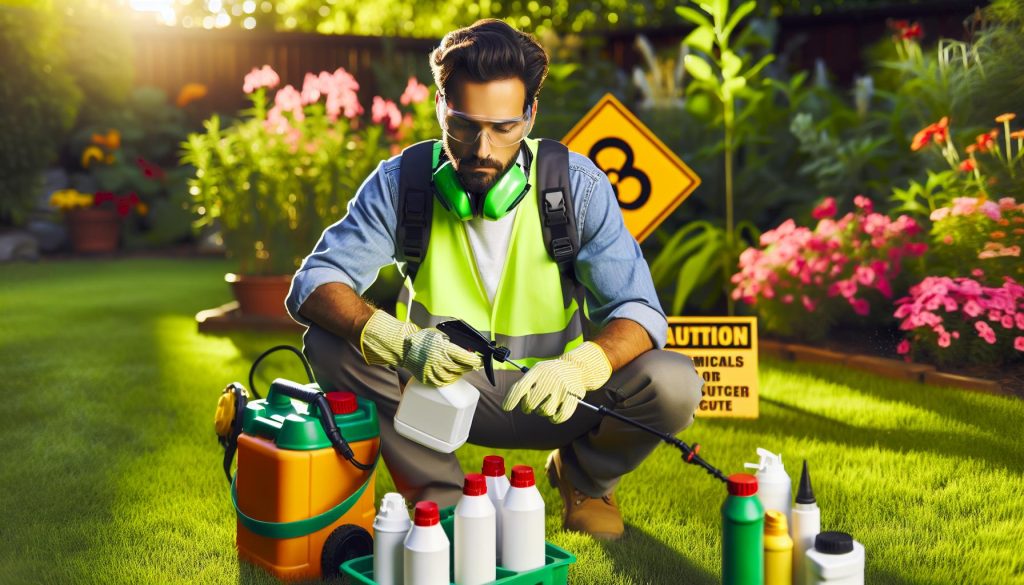
When it comes to maintaining a vibrant, healthy lawn, many homeowners turn to professional lawn care services. However, a key concern often arises: what chemicals do these services use, and are they safe for your family and pets? Understanding the different chemicals involved in lawn maintenance is crucial-not only for the well-being of your loved ones but also for the environment. With increasing awareness about chemical exposure and its potential risks, it’s essential to equip yourself with knowledge on the products being used in your yard. In this safety guide, we’ll explore the types of chemicals commonly employed by lawn care professionals, their purposes, and what you should consider before green lighting their use. Continue reading to ensure your lawn care choices align with your safety and environmental values.
Understanding Lawn Care Chemicals and Their Uses
Understanding the chemicals commonly used in lawn care is essential for homeowners who value both the aesthetic appeal of their landscapes and the safety of their families and the environment. Lawn care chemicals include a variety of compounds that play crucial roles in maintaining lush, healthy grass and vibrant plant life. Understanding these chemicals helps in making informed decisions about their application and their potential impacts.
The primary categories of lawn care chemicals can be classified into fertilizers, herbicides, insecticides, and fungicides. Fertilizers supply essential nutrients such as nitrogen, phosphorus, and potassium, promoting plant growth and health. Herbicides target weeds, preventing them from competing with desired grass and plants for nutrients and water. Insecticides are designed to control pest populations that can damage lawn and garden plants, while fungicides help protect against diseases caused by fungi, ensuring the longevity and beauty of the lawn.
When using any lawn care chemicals, it is crucial to understand not only their purpose but also their application methods. Following the manufacturer’s guidelines for dilution and timing can maximize the effectiveness of these products while minimizing unwanted side effects, such as harm to beneficial insects or runoff into water sources. Establishing a proper schedule for application can often lead to better results and reduce the need for frequent treatments.
By becoming familiar with lawn care chemicals and their uses, homeowners can make educated choices that enhance the health of their lawns while being conscious of potential safety and environmental issues. This understanding sets the foundation for responsible lawn care practices that prioritize both beauty and sustainability.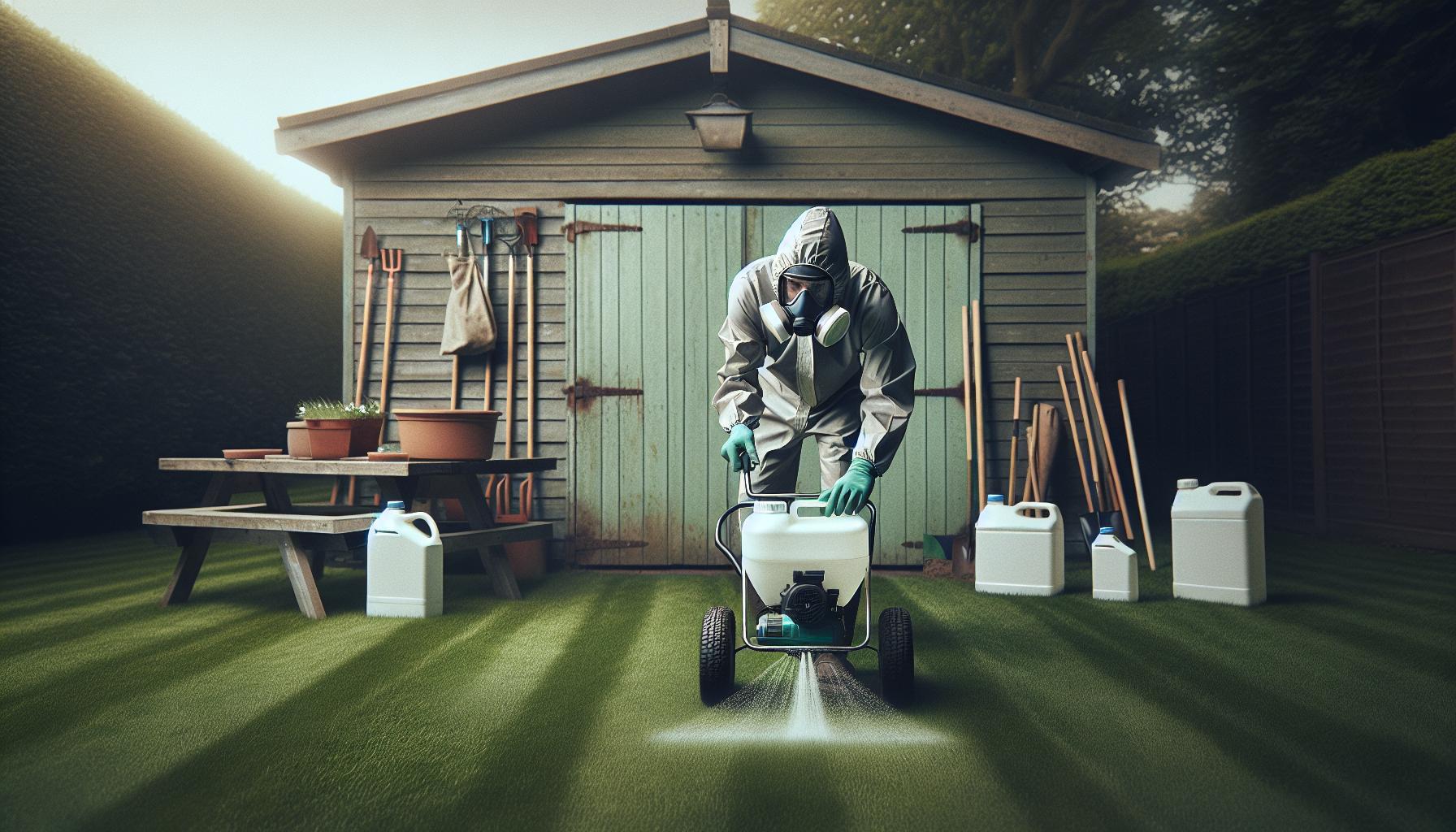
Common Types of Chemicals Used by Lawn Services
In the quest for a lush and healthy lawn, understanding the types of chemicals used by lawn services can empower homeowners to make informed decisions. Many professionals employ a variety of chemical products to nurture grass, control pests, and manage weeds, which are critical components of maintaining a vibrant landscape. By being aware of these chemicals, you can ensure that appropriate measures are taken for safety and effectiveness.
Types of Lawn Care Chemicals
The main categories of chemicals used in lawn care can be broken down into several key types:
- Fertilizers: These are nutrient-rich compounds used to promote plant growth. Lawn fertilizers typically contain essential nutrients such as nitrogen, phosphorus, and potassium, which contribute to the overall health and vitality of grass. Understanding the specific needs of your lawn can guide the selection of the right fertilizer type and application method.
- Herbicides: Designed to control unwanted weeds, herbicides are essential for preventing competition between healthy grass and invasive plants. They can be classified as pre-emergent (applied before weeds sprout) or post-emergent (applied after weeds have appeared), allowing for targeted control based on the weed lifecycle.
- Insecticides: These chemicals are used to manage and control insect populations that can threaten the health of your lawn. Insecticides can vary in their mode of action, with some targeting specific pests while others may broadly affect a range of insects. Choosing the right insecticide depends on the pest problem at hand.
- Fungicides: Often used to protect against lawn diseases caused by fungi, fungicides help prevent issues like patch disease and dollar spots. Regular application can be particularly important in humid climates where fungal diseases thrive.
The effective use of these chemicals also depends on understanding their appropriate application methods and timing. This can significantly influence their performance and mitigate unintended consequences, such as damage to beneficial insects or runoff affecting nearby water bodies. For example, applying herbicides during the early morning or late evening can minimize evaporation and increase effectiveness.
As homeowners explore lawn care services, recognizing these common chemicals not only aids in communication with service providers but also supports safe and environmentally responsible lawn care practices. Making informed choices will help create a beautiful landscape while safeguarding health and ecosystems.
Evaluating the Safety of Lawn Chemical Products
is a critical aspect of responsible lawn care. Homeowners are often confronted with a plethora of options when it comes to lawn maintenance, but understanding the safety and effectiveness of these chemicals can significantly influence their choices. Many lawn care products are formulated to be effective while also adhering to safety regulations, yet it’s essential to remain vigilant about potential risks.
To evaluate the safety of lawn chemicals, it’s important to consider several factors, including ingredient transparency and the presence of any potentially harmful substances. Always look for products that provide clear information about their ingredients on the label, including any safety data sheets (SDS) that outline handling and health risks. Some chemicals, such as certain types of pesticides and herbicides, may have restrictions based on their toxicity levels. Checking for certifications can also offer assurance; for example, products approved by independent organizations often meet stricter safety standards.
On the practical side, timing and method of application play a crucial role in safety. Applying chemicals during favorable weather conditions-avoiding windy days or before heavy rains-can help minimize drift and runoff, reducing the risk of exposing nearby plants, pets, and waterways to harmful substances. Moreover, following label instructions regarding wearables, such as gloves and masks, ensures that handlers are protected during application.
Monitoring local regulations and guidelines can aid homeowners in making informed decisions. Many municipalities provide resources and advice on safe lawn care practices, and they may even implement restrictions on the use of certain chemicals. Engaging with local extension services or cooperative programs can also enhance your knowledge of safer alternatives and best practices for lawn maintenance. Ultimately, prioritizing safety not only helps maintain the aesthetic appeal of your lawn but also contributes to protecting human health and the environment.
Impacts of Lawn Chemicals on Human Health
The use of lawn care chemicals, while effective in maintaining a lush and vibrant yard, raises pertinent questions about their safety and potential impacts on human health. Many common lawn care products contain active ingredients that can pose risks if misapplied or improperly handled. Research indicates a correlation between certain herbicides and pesticides and health issues such as respiratory problems, skin irritations, and, in some studies, a higher incidence of cancer among those frequently exposed, such as lawn care professionals and homeowners who regularly apply these products.
Among the most common lawn chemicals are herbicides, designed to eliminate unwanted plants, and pesticides, which target insects. Ingredients such as glyphosate, a widely used herbicide, have been in the spotlight for potential links to non-Hodgkin lymphoma. As a result, it’s crucial for consumers to carefully assess the products they choose, prioritizing those that are marked with safety certifications or are derived from natural sources. Understanding the active ingredients and their specific health risks empowers homeowners to make informed decisions about lawn care.
Reducing Risk of Exposure
To protect your health, consider implementing the following strategies when using lawn chemicals:
- Read Labels Thoroughly: Always review the safety data sheets associated with lawn products to understand their risks.
- Wear Protective Gear: When applying chemicals, use gloves, masks, and long-sleeved clothing to minimize skin contact and inhalation.
- Limit Exposure: Keep children and pets away during application and until the area has dried.
- Opt for Targeted Applications: Apply chemicals selectively, rather than broad-spectrum applications, to reduce overall chemical use and potential health impacts.
Long-Term Health Monitoring
Regular monitoring of health conditions should be part of a proactive approach for individuals who frequently use lawn chemicals. Those engaged in lawn care should note any unusual health symptoms and consult medical professionals for regular check-ups, particularly if they experience respiratory issues or skin reactions. Additionally, staying informed about emerging research and guidelines relating to lawn chemicals can help mitigate risks and promote safer practices, ultimately contributing to better health outcomes and a more sustainable yard care routine.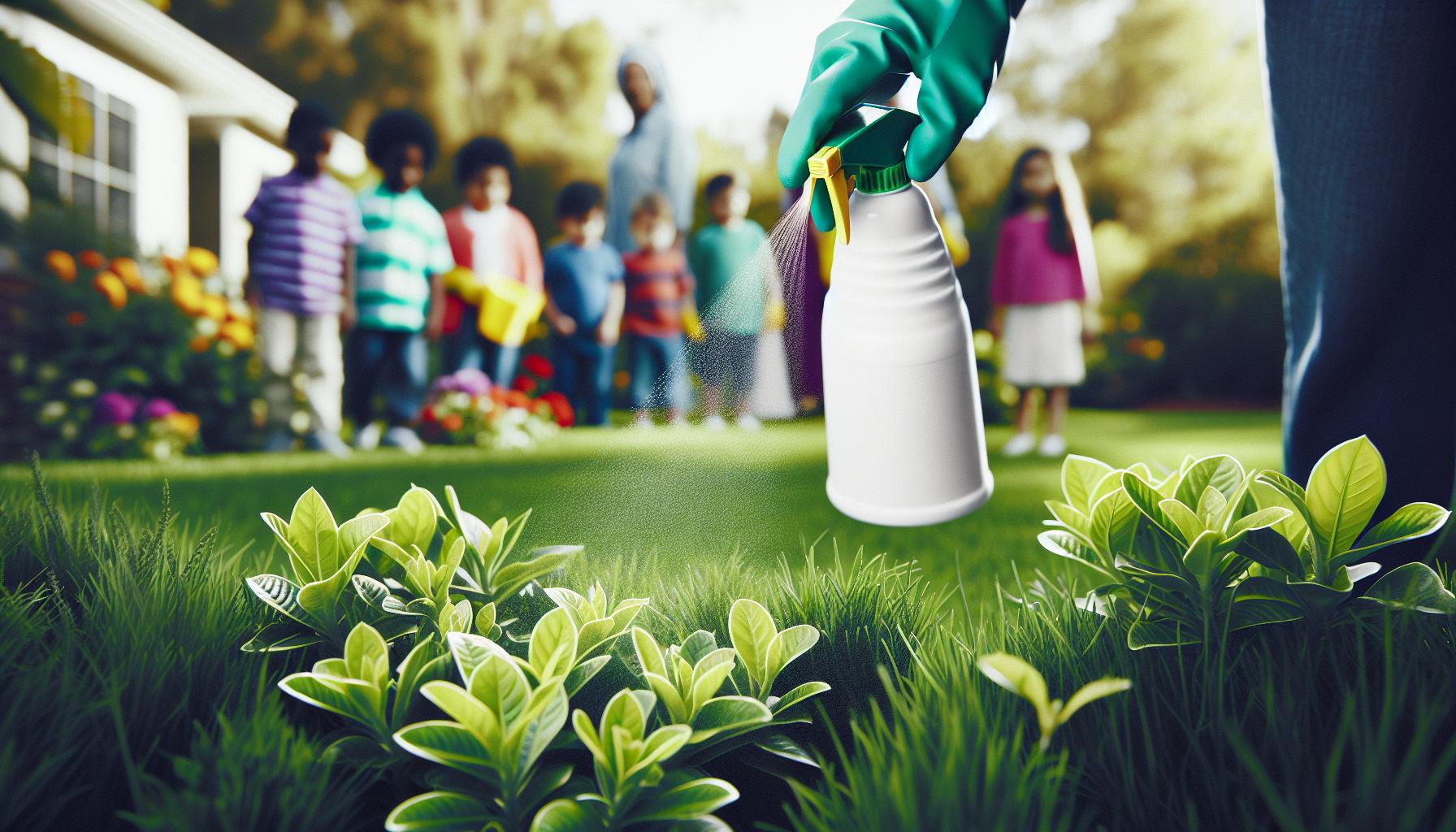
Environmental Effects of Lawn Care Chemicals
The application of lawn care chemicals can significantly impact the surrounding environment, often in ways that homeowners may not fully realize. These substances, designed to enhance the appearance and health of lawns, can have unintended consequences when they enter the broader ecosystem. For instance, runoff from treated lawns can carry fertilizers, herbicides, and pesticides into nearby waterways, leading to nutrient pollution, algal blooms, and harm to aquatic life. As these chemicals accumulate, they disrupt local ecosystems, affecting everything from soil health to the wildlife that depends on those habitats.
One major environmental concern is the leaching of chemicals into groundwater supplies. Herbicides such as glyphosate and certain fertilizers can infiltrate the soil and reach underground water sources, posing potential risks to drinking water quality. In areas where groundwater is the primary source of drinking water, this contamination can have dire consequences for public health and the environment. Homeowners and lawn care professionals can mitigate these risks by practicing more responsible lawn care, which may include adhering to application guidelines, timing applications to avoid heavy rainfall, and utilizing barrier systems that prevent runoff.
Moreover, the persistent use of certain chemicals can lead to problems such as herbicide resistance in weeds, forcing lawn care providers to use even more potent chemicals and leading to a cycle of increased chemical dependency. This resistance not only makes managing lawns more challenging but can also lead to decreased biodiversity as native plants are outcompeted by robust, resistant weed species.
To alleviate these environmental effects, adopting integrated pest management (IPM) and organic gardening practices can be beneficial. These methods focus on prevention and ecosystem balance, often employing natural predators, and emphasizing soil health over chemical reliance. Ultimately, adopting sustainable practices not only protects the environment but can also lead to healthier, more resilient lawns in the long run.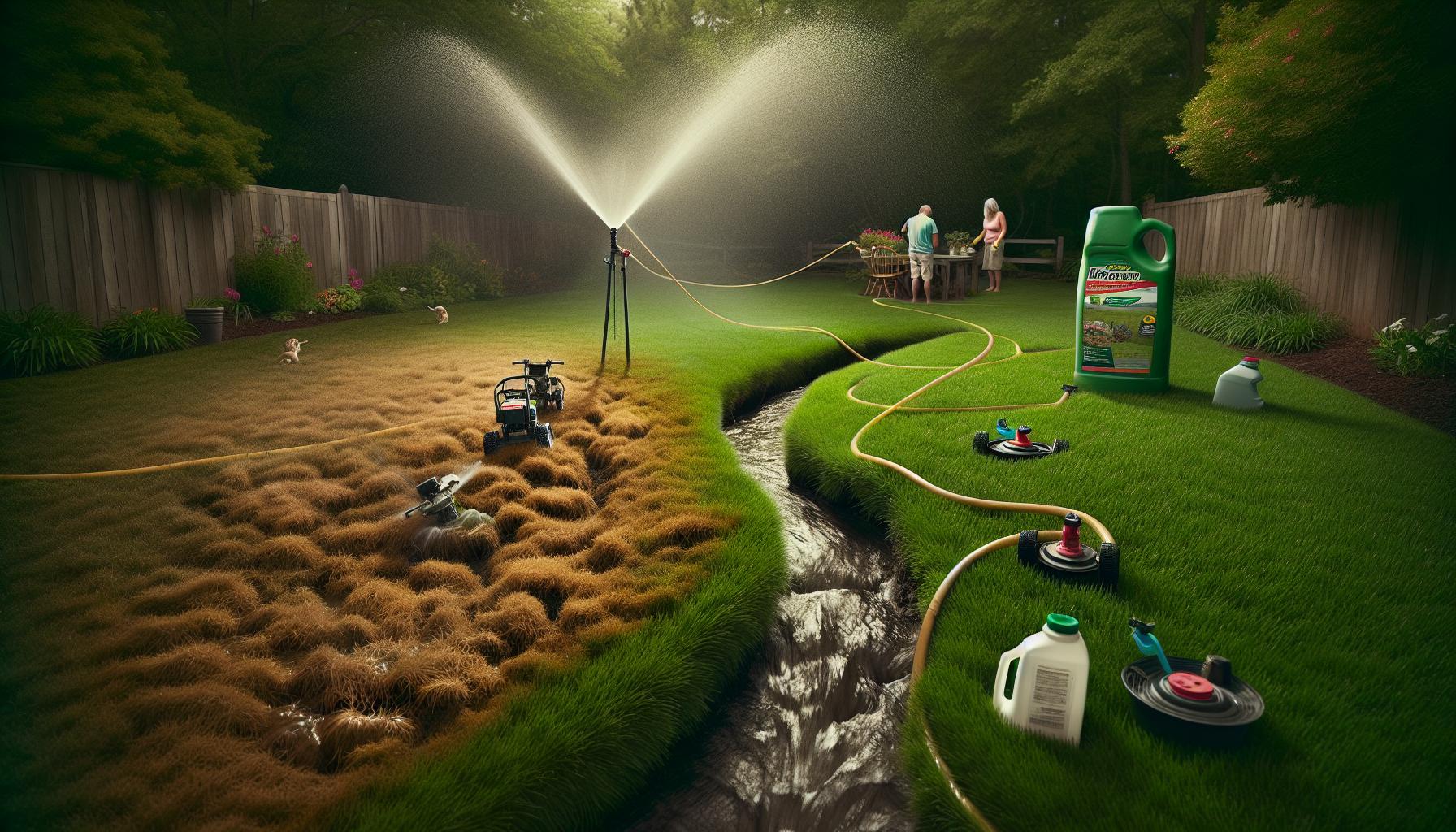
Regulations Surrounding Lawn Service Chemicals
The world of lawn care is not just about achieving a lush green yard; it’s also governed by a complex web of regulations designed to ensure safety for both the public and the environment. These regulations are essential given the potential risks associated with the application of chemicals on lawns, which can affect soil, water systems, and even human health. State and federal agencies, such as the Environmental Protection Agency (EPA) in the United States, oversee the regulation of pesticides and fertilizers, laying down guidelines that lawn care professionals must follow.
There are specific licensing requirements for lawn care companies that apply chemicals to ensure that they are trained in the safe handling and application of these substances. For example, applicators must often complete training courses that cover topics such as understanding the labels of chemical products, mastering safe application techniques, and learning about environmental protections. In many regions, companies are required to register the products they use and maintain records of their applications, which adds a layer of accountability and traceability.
Key Regulations in Lawn Care
- FIFRA (Federal Insecticide, Fungicide, and Rodenticide Act): Governs the sale and use of pesticides, requiring them to be registered and labeled appropriately.
- OSHA (Occupational Safety and Health Administration): Sets standards to protect workers exposed to hazardous chemicals in lawn care, ensuring that they have access to safety training and personal protective equipment.
- State Regulations: Each state has its own set of rules that may impose additional requirements for pesticide application, including licensing of applicators and specific application practices to mitigate risks such as runoff.
Moreover, public awareness campaigns and community regulations are becoming increasingly important. Many local governments have started to implement ordinances that limit or prohibit specific harmful chemicals, encouraging the use of organic alternatives. This reflects a growing trend towards sustainable practices in lawn care, highlighting the shift in consumer preferences towards non-toxic solutions.
In summary, understanding the is crucial for homeowners and lawn care professionals alike. By adhering to these regulations, lawn care companies not only ensure compliance but also contribute to the safety and health of the communities they serve, reinforcing responsible stewardship of the environment. Engaging with these regulations can also empower consumers to make informed choices about the services they select, promoting safer lawn care practices in the long run.
Best Practices for Lawn Chemical Application
Successful lawn care utilizes chemical applications that promote healthy growth while minimizing risks. Ensuring the effectiveness and safety of these applications involves adhering to best practices that consider timing, technique, and environmental conditions. Proper planning not only enhances the efficacy of treatments but also safeguards human health and the environment.
One of the primary best practices is to understand weather conditions before applying chemicals. Rain or strong winds can lead to runoff or drift, causing chemicals to affect unintended areas. For instance, applying fertilizers just before a heavy rainstorm can result in runoff into water bodies, leading to potential contamination. It’s advisable to select dry days with minimal wind for applications, allowing chemicals to settle and work effectively.
Additionally, accurate measurement and application are crucial. Using the right amount of product as specified on the label ensures that you’re not overapplying, which can harm your lawn and the surrounding ecosystem. Invest in quality equipment, such as calibrated sprayers or spreaders, to assist in achieving uniform application. Following manufacturer guidelines regarding dilution and application rates minimizes both health risks and environmental impact.
Communication and Notification
Effective communication with residents or customers before applications fosters trust and safety. Informing them about planned treatments, including the type of chemicals being used and the reasoning behind their application, empowers them to make informed decisions regarding pets and children’s exposure. Providing a clear buffer zone, or an area around the treated space where no activities should occur, enhances safety. Advising residents to stay off the lawn for a set period post-application can further mitigate exposure risks.
Implementing an updated record-keeping system serves as another crucial best practice. Thoroughly documenting the types of chemicals used, the amounts applied, and the dates of application create a traceable history that can assist in emergency situations or health concerns. This practice not only complies with regulatory requirements but also helps in planning future treatments more effectively based on past results.
In summary, understanding the intricacies of lawn chemical application through careful planning, effective communication, and comprehensive record-keeping can lead to healthier lawns while ensuring the safety of individuals and the environment. Following these best practices strengthens the overall goal of responsible lawn care, contributing to an aesthetically pleasing yet safe outdoor living space.
Alternatives to Chemical Lawn Care Solutions
Exploring natural alternatives to traditional chemical lawn care solutions can lead to a healthier landscape while reducing risks to human health and the environment. One effective method is organic lawn care, which employs natural materials to promote soil health and plant vigor. This approach not only supports the ecosystem but also enhances the resilience of your lawn against pests and diseases.
Farmers and gardeners have long relied on compost as a powerful tool for soil enrichment. By creating a compost blend from kitchen scraps, yard waste, and other organic materials, you can provide your lawn with a rich source of nutrients. Applying compost delivers beneficial microorganisms to the soil, fostering a thriving environment for grass roots. In addition, using a mulch layer helps retain moisture and suppress weeds without the need for chemical herbicides.
- Natural Fertilizers: Options like bone meal, fish emulsion, and seaweed extracts offer essential nutrients without synthetic chemicals.
- Biological Pest Control: Introducing beneficial insects such as ladybugs and lacewings can naturally manage pests without pesticides.
- Manual Weeding: Regular hand-pulling of weeds can be more effective in the long run and prevents the need for herbicide applications.
- Cultural Practices: Practices like crop rotation, proper watering, and selecting drought-resistant grass varieties can reduce the need for chemical inputs.
Community engagement can also play a vital role in promoting chemical-free lawn care. Local workshops hosted by gardening clubs, universities, or extension services often cover topics like organic gardening techniques and pest management strategies. Collaborating with neighbors to establish a chemical-free zone can influence broader community practices.
Ultimately, while chemical treatments may offer immediate results, embracing organic and sustainable lawn care practices yields long-term benefits for both your lawn and the environment, cultivating a safe, vibrant outdoor space for families and wildlife alike.
Signs of Chemical Exposure in Pets and Children
Recognizing the is crucial for ensuring their well-being, especially after recent lawn treatments. Both groups are more vulnerable due to their smaller size and developing bodies, making early identification of exposure symptoms essential for effective intervention. Many common lawn care chemicals can cause a range of health issues, and staying alert to changes in behavior or physical condition can make a significant difference.
Watch for symptoms such as excessive drooling, vomiting, or diarrhea in pets, which could indicate ingestion of harmful substances. In children, look for unusual coughing, skin irritation, or respiratory distress after spending time outdoors. Behavioral changes, including lethargy or unusual irritability, should also raise concerns for both pets and kids. If your dog starts scratching excessively or develops bald patches, these could be signs of a chemical reaction, often linked to herbicides and pesticides.
Common Symptoms of Chemical Exposure
- Gastrointestinal Issues: Vomiting, diarrhea, or loss of appetite are common reactions.
- Respiratory Problems: Coughing, wheezing, or difficulty breathing can be alarming signs.
- Neurological Symptoms: Tremors, seizures, or disorientation may indicate serious exposure levels.
- Skin Irritations: Redness, itching, or rashes following contact with treated areas can be a telltale sign.
If you suspect chemical exposure, it is vital to act quickly. Remove the affected pet or child from the contaminated area and wash any exposed skin with soap and water. For pets, contact your veterinarian, especially if they show severe symptoms, while parents should consult a pediatrician for children’s health concerns. In addition, it’s wise to keep lawn care products stored securely and away from play areas, and always adhere to safety instructions and re-entry guidelines provided by lawn care professionals. This proactive approach helps ensure a safe and enjoyable outdoor environment for everyone.
Tips for Choosing a Safe Lawn Service Company
Choosing a lawn service company that prioritizes safety can feel daunting, especially with the increasing awareness of the effects of lawn care chemicals. A little diligence in your selection process can help safeguard your family and pets from potential harm. Begin by researching companies and their practices. Look for businesses that openly share their chemical use policies and product information. Reputable companies typically provide details about the fertilizers and pesticides they apply, including whether these are organic or synthetic. Online reviews and customer testimonials can offer insights into other clients’ experiences regarding product safety and effectiveness.
When interviewing potential lawn care providers, don’t hesitate to ask questions about their safety protocols. Inquire about their training programs for staff on handling and applying chemicals safely. A well-structured safety program indicates a company’s commitment to responsible practices. Additionally, ask whether they offer Integrated Pest Management (IPM) options. IPM strategies utilize environmentally sensitive practices to reduce the reliance on chemical treatments, focusing instead on prevention and natural alternatives as the first line of defense against pests.
Moreover, it’s crucial to verify if the company is licensed and insured. Licensing often reflects compliance with local and state regulations regarding chemical application, while insurance protects you from liability in case of accidents. Don’t overlook the importance of asking for references or case studies that highlight the company’s past work and its impact on both lawns and the surrounding environment.
Finally, consider companies that provide clear re-entry guidelines after treatments are applied. Understanding how long you and your loved ones should remain away from treated areas is essential in minimizing exposure risks. By choosing a lawn service company that values transparency and safety, you not only protect your health but also contribute to a more sustainable approach to lawn care.
How to Reduce Chemical Use in Lawn Care
One of the most pressing concerns for homeowners and lawn care professionals alike is the impact of chemicals on health and the environment. Reducing the reliance on chemical treatments not only contributes to a healthier landscape but also promotes a safer home environment. Here are several effective strategies to minimize chemical use in lawn care.
First, consider implementing sustainable landscaping practices. Techniques such as mulching, which returns organic matter to the soil, and composting can significantly improve soil health and reduce the need for synthetic fertilizers. Additionally, choosing the right plants for your local climate and soil conditions can enhance your lawn’s resilience, naturally lowering the prevalence of pests and diseases.
Another powerful approach is to focus on Integrated Pest Management (IPM) strategies. IPM involves monitoring pest populations and using environmentally friendly methods to control them. This can include introducing beneficial insects, using traps, and applying organic pesticides only when absolutely necessary. By addressing the root causes of pest issues and promoting biodiversity, homeowners can maintain a healthy lawn with fewer chemical interventions.
Further, adopting proper lawn care techniques can drastically reduce the need for chemicals. Regular practices such as proper mowing (avoiding scalping), aeration, and over-seeding help to foster a robust lawn that can outcompete weeds. Additionally, maintaining a healthy level of soil moisture and nutrients can reduce stress on grass, making it more resistant to pests and diseases.
Lastly, educating yourself and seeking out organic lawn care products can also play a crucial role in reducing chemical use. Many products on the market offer effective solutions without the harsh chemicals found in conventional options. When selecting lawn care service providers, prioritize those who utilize organic practices or can tailor their services to meet your sustainability goals.
By incorporating these strategies, you can effectively reduce chemical usage in your lawn care routine, creating a healthier environment for both your family and local ecosystems.
Resources for Safe Lawn Care Practices
Creating a safe and healthy lawn care environment starts with having the right resources and knowledge at your fingertips. Homeowners and lawn care professionals alike can benefit from empowering themselves with information on safe practices. Utilizing resources can pave the way for informed decision-making and sustainable lawn management that prioritizes safety for both humans and the environment.
Online Resources for Safe Lawn Care
There are numerous online platforms and organizations dedicated to promoting safe and eco-friendly lawn care practices. Websites like the Environmental Protection Agency (EPA) provide guidelines on the safe use of pesticides, as well as information on alternatives that minimize chemical usage. Additionally, organizations such as the National Turfgrass Federation offer resources on selecting safe grass types and sustainable lawn care methods. Engaging with these sites can provide valuable insights into integrating safety into your lawn care routine.
Books and Publications
Books focused on organic gardening and sustainable landscaping practices can also serve as excellent resources. Titles like “The Organic Gardener’s Handbook of Natural Pest and Disease Control” provide comprehensive information on managing lawn health while avoiding harmful chemicals. Local agricultural extension offices often publish guides tailored to the specific climate and soil conditions in your area, which can prove invaluable in understanding what practices will be most effective for your lawns.
Community Programs and Workshops
Participating in community programs can enhance your knowledge and skills regarding safe lawn care. Many local governments and environmental organizations run workshops and seminars focusing on sustainable practices. These gatherings often allow participants to connect with experts, ask questions, and even share experiences with fellow lawn enthusiasts. Check community boards or local extension services to find upcoming events near you.
In sum, leveraging a combination of online resources, educational publications, and community programs will equip you with the necessary tools to practice safe lawn care. By doing so, you are not only protecting your family and pets but also contributing to a healthier ecosystem.
FAQ
Q: What types of chemicals are commonly used in lawn care services?
A: Lawn care services typically use herbicides, insecticides, fungicides, and fertilizers. These chemicals help control weeds, pests, and diseases while promoting healthy grass growth. Understanding these products and their intended uses can guide homeowners in making informed decisions for lawn care. For a detailed overview of common chemicals, refer to the “Common Types of Chemicals Used by Lawn Services” section.
Q: How can I evaluate the safety of lawn care chemicals?
A: To evaluate the safety of lawn care chemicals, check for EPA registration, read labels for hazard warnings, and consider user reviews. Look for certifications or third-party endorsements that indicate a product’s safety. Understanding product safety is crucial, which is discussed in the “Evaluating the Safety of Lawn Chemical Products” section of our guide.
Q: Are there natural alternatives to chemical lawn care solutions?
A: Yes, there are several natural alternatives, such as organic fertilizers, neem oil for pest control, and compost for soil health. These solutions can reduce reliance on synthetic chemicals while effectively maintaining a healthy lawn. Explore the “Alternatives to Chemical Lawn Care Solutions” section for more options.
Q: What are the risks of chemical exposure to pets and children?
A: Chemical exposure can lead to various health risks in pets and children, including respiratory issues and skin irritations. Always keep treated areas off-limits until safe re-entry times have passed. Visit the “Signs of Chemical Exposure in Pets and Children” section to learn more about identifying potential symptoms.
Q: How can I minimize chemical use in my lawn care routine?
A: To minimize chemical use, implement practices like mulching, using native plants, and applying organic fertilizers. Encouraging natural predators helps reduce pest populations. The “How to Reduce Chemical Use in Lawn Care” section offers additional tips for a sustainable lawn care regimen.
Q: What should I look for when choosing a safe lawn service company?
A: When selecting a safe lawn service, check their qualifications, read customer reviews, and ask about the safety standards they follow for chemical use. Ensure they provide clear information about the products they use and their environmental impact. For more insights, see the “Tips for Choosing a Safe Lawn Service Company” section.
Q: How can lawn care chemicals impact the environment?
A: Lawn care chemicals can contaminate soil, air, and water if not used responsibly, leading to adverse effects on local wildlife and ecosystems. It’s essential to follow application guidelines and consider organic options to protect the environment. For an in-depth discussion, refer to the “Environmental Effects of Lawn Care Chemicals” section.
Q: What regulations govern the use of lawn care chemicals?
A: The use of lawn care chemicals is governed by federal and state regulations, which may include registration, safety testing, and usage guidelines mandated by the EPA. Familiarizing yourself with these regulations helps ensure safe and responsible lawn care practices. Consult the “Regulations Surrounding Lawn Service Chemicals” section for more details.
In Summary
Understanding the chemicals used by lawn services is crucial for ensuring safety for your family, pets, and the environment. As you navigate your lawn care options, prioritize providers who are transparent about their products. Consider exploring our guide on “Natural Lawn Care Alternatives” for eco-friendly options that maintain your yard’s beauty while minimizing chemical exposure. Don’t forget to check our “Lawn Care Tips and Tricks” page to maximize your lawn’s health sustainably.
Now that you’re better informed, take the next step toward a lush, safe lawn. Sign up for our newsletter to receive expert tips directly in your inbox, and connect with us in the comments below if you have questions or personal experiences to share. Your lawn’s vibrancy can start today-make an informed choice that you can feel good about!