Maintaining a large property can be a daunting task, especially when it comes to keeping your lawn in pristine condition. A good riding lawn mower is not just a luxury; it’s an essential tool that can transform hours of tedious mowing into a quicker, more enjoyable experience. By investing in the right model, you can save time, reduce physical strain, and enhance the beauty of your landscape. Whether you’re grappling with uneven terrain or simply aiming for a perfectly manicured lawn, understanding what makes a riding lawn mower suitable for extensive properties is essential. In this guide, we’ll explore the key features and benefits to consider when selecting a riding lawn mower, helping you make an informed decision that meets your specific needs. Discover how the right choice can elevate your yard care routine and keep your property looking its best.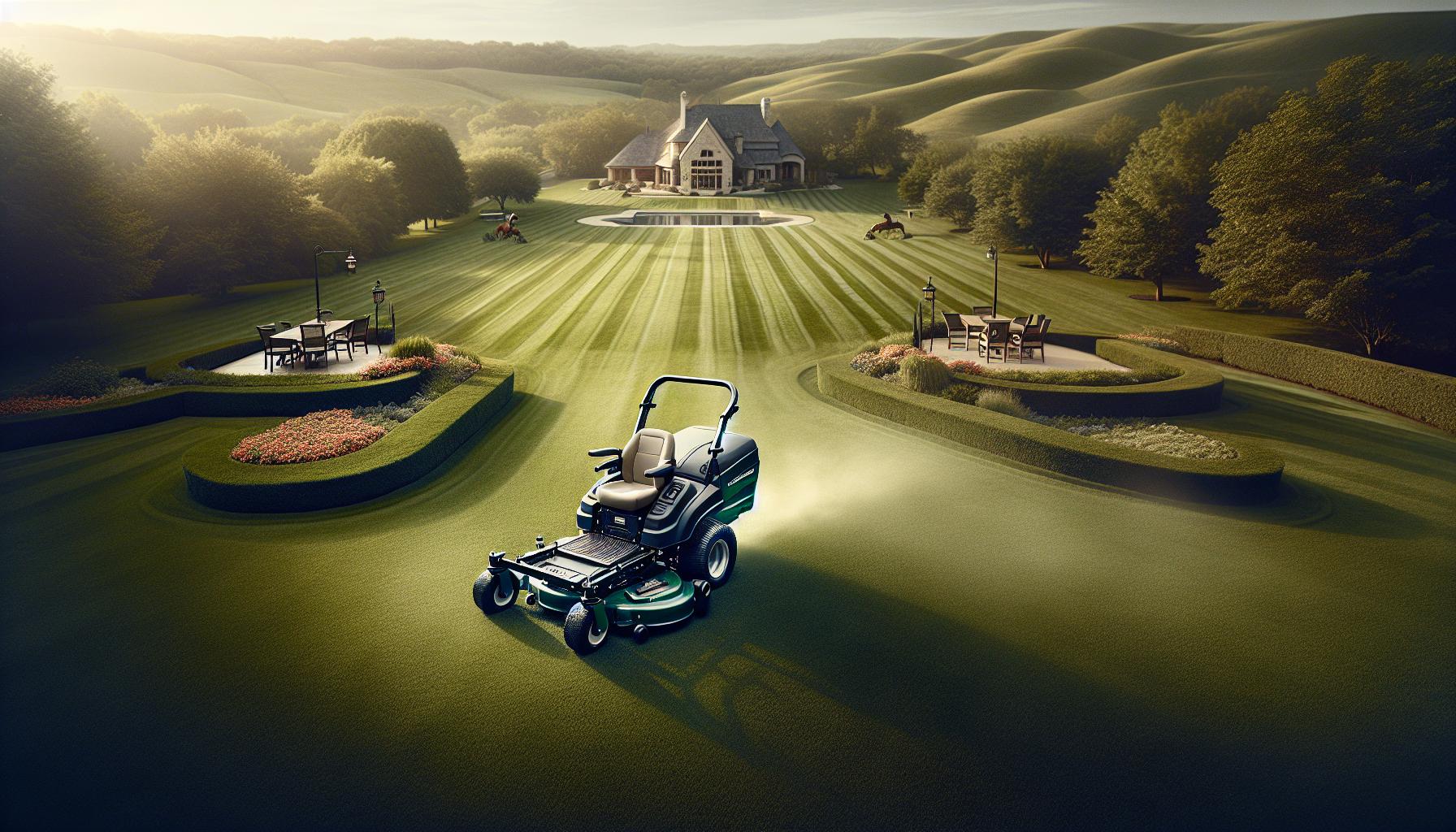
Choosing the Right Riding Lawn Mower for Large Areas
When it comes to maintaining large properties, the right riding lawn mower can make all the difference between a daunting task and a pleasant chore. Imagine effortlessly gliding across expansive lawns, cutting your mowing time significantly and achieving a professional-looking finish. The choice of riding lawn mower is influenced by several factors, including the size of your property, the terrain, and your specific mowing needs. With various models available, understanding what makes a mower suitable for larger areas will help you make an informed decision.
One of the primary considerations is the cutting width of the mower. For larger properties, a mower with a wider cutting deck-generally between 42 to 60 inches-will cover more ground in fewer passes. This feature is essential not just for efficiency but also for reducing wear on the grass from repeated mowing. Additionally, a mower with a tight turning radius can facilitate maneuverability around trees and flower beds, ensuring that you can maintain all areas of your yard without the hassle of manual trimming afterward.
Another key aspect to consider is the horsepower and engine performance. Larger lots often require more power, especially if the terrain includes slopes or uneven ground. A mower with a higher horsepower rating will handle thick grass and hilly areas more effectively, reducing the risk of bogging down. It’s also wise to look for models with durable features, such as heavy-duty frames and reinforced cutting decks, which can withstand the rigors of regular use.
While many homeowners often default to gas mowers for their power, electric riding mowers are emerging as a viable alternative. These models are quieter, produce no emissions, and can be less expensive to maintain over time. Consider the size of your property when evaluating battery life and cutting time, ensuring that the mower can complete the job on a single charge. Ultimately, selecting the right riding lawn mower involves balancing power, efficiency, and environmental considerations to best meet the demands of your large property.
Top Features to Look for in Lawn Mowers
When selecting a riding lawn mower, understanding the essential features can transform your mowing experience from tedious to enjoyable. A high-quality mower should not only be efficient but also cater to the specific needs of large properties. Here are some key considerations to keep in mind that will help you make an informed choice.
One of the most impactful features is the cutting deck size, which typically ranges from 42 to 60 inches for larger lawns. A wider deck means fewer passes across your property, thereby reducing mowing time and wear on the grass. Additionally, adjustable cutting heights allow you to set the mower for optimal grass length, ensuring a healthy lawn. Another important aspect is the drive system; a mower with hydrostatic transmission offers smooth acceleration and easy maneuverability, which is particularly beneficial when navigating challenging terrains.
The engine power is equally crucial, especially for uneven or hilly landscapes. Look for mowers with at least 15-25 horsepower to ensure they can handle thick grass and avoid stalling. Similarly, fuel efficiency is a key factor; a mower with a larger fuel tank or electric options will save you time and effort by reducing the need for frequent refueling or recharging.
Comfort features such as ergonomic seating, adjustable steering wheels, and vibration dampening can significantly enhance your mowing experience. After hours of yard work, a comfortable ride makes a noticeable difference. Moreover, consider the maintenance features like easy-access oil filters and deck wash systems, which simplify upkeep and extend the life of your mower.
Lastly, integrating advanced technology can also offer benefits. Some riding mowers now come equipped with GPS or Bluetooth connectivity, allowing for more precise mowing patterns and scheduling features. With these considerations in mind, you’re better equipped to select a riding lawn mower that will meet your needs and keep your large property looking pristine.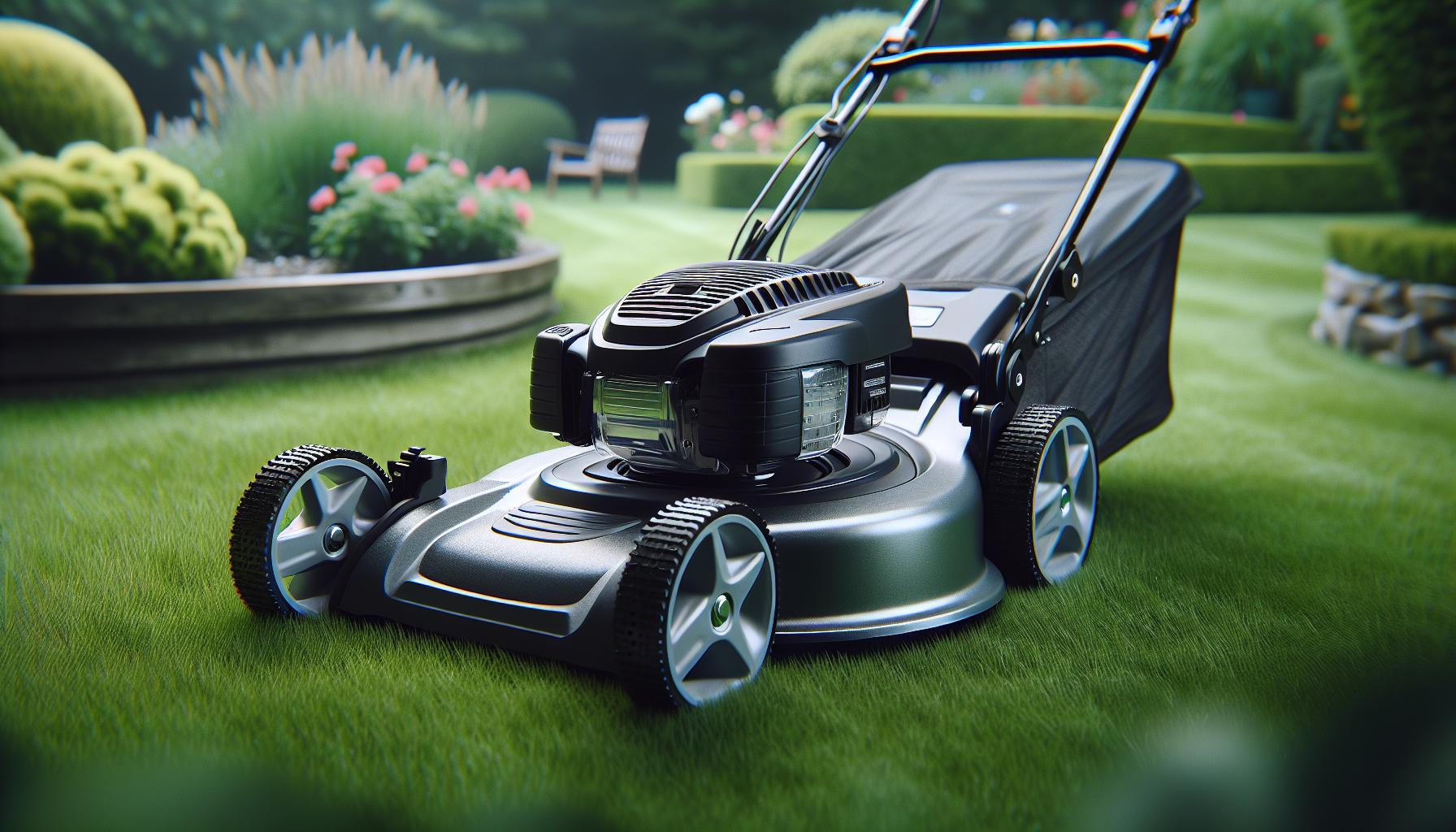
Breaking Down the Best Lawn Mower Types
When it comes to maintaining large properties, selecting the right type of riding lawn mower is crucial for efficiency and effectiveness. Each mower type is designed to cater to different needs and terrains, offering various features that can significantly impact your mowing experience. Understanding these categories can help you pinpoint what aligns best with your landscape and personal preferences.
Types of Riding Lawn Mowers
- Tractors: Riding tractors are robust and versatile, making them suitable for vast, flat areas. They generally come with larger cutting decks, ranging from 42 to 54 inches, and can handle various attachments, such as baggers and plows. This flexibility is great for homeowners looking to tackle different yard tasks beyond just mowing.
- Zero-Turn Mowers: Known for their maneuverability and speed, zero-turn mowers allow for sharp turns and agile navigation around obstacles, which is a significant advantage for properties with intricate landscaping or tight spots. These mowers typically feature a dual-lever steering system that enhances control, making them highly effective on larger lots with diverse layouts.
- Garden Tractors: For those with larger gardens or properties that require heavy-duty tasks, garden tractors fit the bill. These mowers can manage a wider range of chores, such as hauling and tilling, while still providing powerful mowing capabilities. They usually come with a more substantial engine and additional features like hydrostatic transmission for easier operation.
- Rear-Engine Riding Mowers: A compact option for those with smaller large yards, rear-engine mowers boast easy handling and a tighter turning radius. Although they may not cover as much ground as their larger counterparts, they can still effectively manage smaller lawns and are often more affordable.
- Electric Riding Mowers: With growing concerns over environmental impact, electric riding mowers have emerged as a popular choice. They provide a quieter and more eco-friendly alternative without sacrificing power. Although they may have a higher upfront cost, the savings on fuel and maintenance can make them a smart long-term investment.
Understanding these prominent mower types can help you determine the best fit for your lawn care needs. Consider factors like your property size, terrain, and budget when making a choice. Also, think about how much versatility you need in a mower; certain models may be better suited for varied lawn tasks, while others specialize in sheer mowing efficiency.
Comparing Gas vs. Electric Riding Mowers
When considering a riding lawn mower, one of the most crucial choices is the power source: gas or electric. Each type has its loyal fans and inherent advantages that can significantly influence your mowing experience, especially on extensive properties. Gas mowers are traditionally valued for their power and longevity, offering impressive runtime and the capability to tackle large expanses without the need for frequent recharging. They typically come equipped with engines that can handle tougher terrains and thicker grass, making them ideal for extensive, varied landscapes.
On the other hand, electric riding mowers have surged in popularity due to increasing environmental awareness and technological advancements. These mowers operate much quieter than their gas counterparts, providing a pleasant mowing experience without disturbing the peace of your neighborhood. They are generally easier to maintain, with fewer moving parts and no need for oil changes, which translates to potentially lower long-term costs. The drawback, however, lies in battery capacity and charging time; while newer models boast extended runtimes, they may still limit usability based on the size of your property and the availability of charging stations.
Ultimately, the decision between gas and electric riding mowers hinges on several key factors, such as your property’s size, lawn maintenance frequency, and personal environmental considerations. If you have a large yard that requires heavy-duty mowing and uses significant attachments, a gas riding mower might be your best bet. Conversely, if you’re seeking a quieter, more eco-friendly option with lower maintenance requirements, electric mowers are an excellent choice that can deliver efficiency for large properties, particularly with advancements in battery technology.
In summary, weigh the pros and cons of both options carefully to determine which aligns best with your mowing needs and lifestyle, ensuring that your choice enhances both the efficiency and enjoyment of maintaining your outdoor space.
Cost Considerations: What to Expect
Investing in a riding lawn mower for large properties is a significant decision, often accompanied by substantial costs. Prices for riding mowers can range from a few thousand dollars to over $10,000, depending on features, brand, and power source. Understanding the budget and potential ongoing costs will help ensure you get the best value for your investment.
When considering the sticker price, it’s essential to factor in the overall quality and durability of the mower. A well-built mower may come with a higher initial cost but can lead to savings in repairs and maintenance over time. Additionally, think about the features that align with your needs. Here are some costs to expect:
- Initial Purchase Price: Entry-level riding mowers typically start around $1,500, while high-end models can exceed $5,000.
- Maintenance Costs: Budget for annual maintenance, including blade sharpening, oil changes, and battery replacement for electric mowers. These might amount to $200-$500 per year.
- Fuel or Charging Costs: Gas models require ongoing fuel expenses, while electric models will increase your electric bill. Consider how often you’ll mow to estimate this expense.
- Insurance: Depending on your area, insurance for lawn equipment might be advisable, adding another layer to your budget considerations.
Also, take into account the potential resale value of your mower. High-quality brands tend to retain their value better than lesser-known models. It’s not uncommon to see premium brands maintain around 50% of their original price after a few years of use.
Lastly, seek out financing options or seasonal sales to help mitigate the upfront costs. Some retailers offer interest-free financing plans or discounts during certain times of the year. Taking advantage of these offers can make a high-quality mower more affordable while still meeting your lawn care needs efficiently. Understanding these various cost factors will enable you to choose a riding lawn mower that not only fits your budget but also serves your property effectively over the long haul.
Maintaining Your Riding Lawn Mower
To ensure your riding lawn mower performs optimally and lasts through many seasons of mowing, regular maintenance is crucial. A well-maintained mower not only enhances your mowing efficiency but also prevents costly repairs down the line. Surprisingly, simple upkeep tasks can make a significant difference in both the performance and longevity of your machine.
Start by adhering to a consistent maintenance schedule. This should include routine checks after every mowing session, such as cleaning the mower deck to prevent grass buildup that can lead to corrosion. Regularly inspect the air filter and replace it as needed to ensure the engine runs smoothly. Oil changes are essential, typically every 50 hours of operation or once a season, depending on the model. Additionally, sharpen the blades regularly-dull blades not only tear the grass but can also stress the mower’s engine and lead to uneven cutting.
Belt and Tire Care
Pay attention to the belts and tires as well. Cracked or loose belts can impede performance, so checking their condition should be part of your routine maintenance. Keep tires properly inflated to improve traction and ensure an even cut across your lawn. A weekly glance at tire pressure can save you from inconsistency in cutting and help prolong tire life.
Winter Storage
If you live in an area with winter, proper storage is vital for preserving your mower’s components. Before storing your mower, thoroughly clean it to remove any grass or debris, change the oil, and add fuel stabilizer to prevent carburetor issues. Store the mower in a dry, sheltered space to protect it from the elements, minimizing rust and wear.
By investing time into these maintenance tips, you not only extend the life of your riding lawn mower but also ensure your large property stays well-groomed and visually appealing. Remember, a small amount of diligence in maintenance can yield significant rewards in performance and lifespan.
Expert Reviews of Popular Models
When it comes to selecting a riding lawn mower for large properties, expert reviews can provide invaluable insights that help you find the right machine tailored to your specific needs. One standout model frequently highlighted by reviewers is the Troy-Bilt Super-Bronco 42, known for its durable construction and powerful engine, making it ideal for tackling large lawns efficiently. This mower features a 42-inch cutting deck that enables quick mowing and is equipped with a hydrostatic transmission, allowing for smooth operation and easy maneuverability across varied terrain. Experts appreciate its user-friendly design, which includes an adjustable seat for added comfort during long mowing sessions.
Another popular recommendation is the Husqvarna YTH24V48, celebrated for its robust performance and superior cutting capabilities. Reviews often note the mower’s125-cc V-Twin engine that provides consistent power and impressive torque, allowing it to handle thicker grass without bogging down. Additionally, the YTH24V48 boasts a 48-inch cutting deck along with a variety of attachment options, making it versatile for different tasks such as bagging, mulching, or side-discharging clippings. Expert opinions emphasize its ergonomic design, which ensures that even novice users can operate it with ease.
For those leaning towards electric solutions, the Ego Power+ Z6 Zero Turn Mower has garnered significant praise. With a top speed of 8 mph and the ability to mow up to two acres on a single charge, this mower redefines efficiency for larger properties. Experts highlight its low noise levels and zero emissions, making it a perfect choice for environmentally conscious homeowners. Its innovative design features include adjustable cutting heights and a user-friendly digital display, enhancing both convenience and control.
Last but not least, the John Deere X350 has a long-standing reputation for reliability and performance. This mower is equipped with a powerful engine, a wide 48-inch cutting deck, and a tight turning radius that allows for precise mowing around obstacles. Reviews often point out its exceptional durability, backed by John Deere’s extensive service network, which ensures that parts and maintenance support are readily available.
By considering , homeowners can feel confident in their choice of a riding lawn mower that not only meets the demands of larger properties but also ensures a cleaner, more efficient, and enjoyable mowing experience.
User Experiences: What Buyers Say
Many users rave about their experiences with riding lawn mowers, particularly emphasizing how these machines have transformed the way they manage their large properties. One common sentiment among buyers is the time-saving aspect of owning a riding mower. For instance, homeowners with sprawling lawns report that mowing can sometimes be completed in half the time compared to using a push mower. The comfort of riding as opposed to walking is also frequently highlighted, with users noting the ease of operation and how it reduces fatigue on longer mowing sessions.
Another critical area where users share insights is maintenance and reliability. Many owners of models like the John Deere X350 have commented on its exceptional durability and ease of maintenance. They appreciate the brand’s extensive service network, which ensures that genuine parts and knowledgeable support are readily available. This peace of mind allows them to focus more on enjoying their lawn rather than worrying about potential issues. The availability of attachments for various tasks-such as mulching and bagging-has also received positive mentions, with users citing versatility as a significant advantage for managing their property’s upkeep.
In terms of performance, the Husqvarna YTH24V48 has garnered numerous positive reviews for its robust engine and cutting capabilities. Users often describe how it handles thick grass and uneven terrain with ease, drastically reducing the stress of maintaining a well-manicured lawn. The 48-inch cutting deck is a favorite feature, allowing them to cover more ground efficiently, which is particularly beneficial during those busy growing seasons.
For those considering electric options, the Ego Power+ Z6 Zero Turn Mower stands out in user feedback for its impressive battery life and low noise levels. Owners frequently express satisfaction with the zero emissions feature, making it an environmentally friendly choice that doesn’t compromise on performance. They appreciate the ability to mow up to two acres on a single charge while enjoying a quieter mowing experience, which is especially advantageous in residential neighborhoods.
Overall, real-world experiences emphasize the balance of efficiency, reliability, and user comfort when selecting a riding lawn mower for large properties, guiding potential buyers toward informed decisions that best fit their needs.
Understanding Deck Sizes and Their Importance
The size of a lawn mower’s cutting deck significantly influences its performance and efficiency, particularly for large properties. A wider deck can drastically reduce the time it takes to complete mowing tasks, making it an essential feature to consider when selecting a riding lawn mower. For example, a mower with a 54-inch cutting deck can mow a large lawn more quickly than one with a 42-inch deck, allowing homeowners to cover ground more efficiently, especially in open areas.
When choosing the right deck size, it’s crucial to consider the layout and terrain of your property. Larger decks are best suited for flat, expansive lawns, but they might struggle in tighter spaces or areas with obstacles like trees or flowerbeds. Homeowners with a lot of landscaping may find that a smaller deck provides better maneuverability and control, enabling them to navigate around various features without damaging their surroundings. Therefore, it’s essential to balance deck size with your lawn’s specific needs.
Benefits of Larger Deck Sizes
- Increased Efficiency: A bigger deck means fewer passes required to mow the entire lawn, saving both time and fuel.
- Even Cut: Wider decks often provide a more even cut, especially on larger, flat surfaces.
- Versatility: Many larger models accommodate various attachments for other yard work, further enhancing their utility.
Conversely, if your lawn has more pronounced features such as slopes, narrow pathways, or flowerbeds, opting for a mower with a smaller deck can enhance precision. Some models offer adjustable deck heights, which can be beneficial for managing grass height in different areas, which is often a requirement for maintaining a healthy lawn throughout the growing season.
Ultimately, understanding the significance of deck sizes allows homeowners to make informed decisions, ensuring they select a riding lawn mower that not only accommodates their property’s dimensions but also suits their mowing style and efficiency needs. This consideration can transform the mowing experience, turning what was once a chore into a more manageable task.
Safety Features You Shouldn’t Overlook
When it comes to riding lawn mowers, safety should never be an afterthought. Investing in a model equipped with advanced safety features not only protects the operator but also minimizes the risks associated with mowing large properties. Commonly overlooked safety elements can significantly enhance your mowing experience while ensuring that you are working within a secure environment.
One vital safety feature to consider is the automatic blade brake. This function stops the blades within seconds of the operator releasing the steering wheel or engaging the safety switch. It helps prevent accidental injuries from moving blades if you need to dismount the mower or if you lose control. Additionally, look for mowers equipped with rollover protection systems (ROPS). These frames are designed to protect operators in the event of a rollover, particularly on uneven terrain or hills, a common challenge when mowing larger areas.
Another important aspect is visibility enhancements, such as bright headlights. These features become essential if you plan on mowing at dawn or dusk, allowing you to see and be seen. Furthermore, consider a mower with seat belts and operator presence controls. These safety systems ensure that the mower will not operate unless the operator is seated securely, significantly reducing the risk of accidents.
Finally, the inclusion of safety guards and shields around the cutting deck provides an additional layer of protection, helping to prevent debris from being thrown out and causing harm to the operator or bystanders. By carefully evaluating these safety features, you can choose a riding lawn mower that not only meets your mowing needs but also prioritizes your safety and peace of mind while you work.
Eco-Friendly Options for Sustainable Mowing
When considering sustainable options for maintaining large properties, eco-friendly riding lawn mowers are rapidly becoming a favored choice among conscientious homeowners. These mowers not only reduce environmental impact but also offer innovative features that make them efficient and easy to use. Among the most popular models today are battery-powered electric mowers, which produce zero emissions during operation, making them an excellent alternative to traditional gas-powered machines. They operate quietly, reducing noise pollution, and often come equipped with smart technology that optimizes battery life and mowing patterns, enhancing their eco-friendliness.
Benefits of Electric Riding Lawn Mowers
Electric riding mowers provide several advantages over their gas counterparts:
- Reduced Emissions: By eliminating gas emissions, electric mowers contribute to improved air quality, which is especially beneficial in urban areas.
- Lower Operating Costs: While the initial investment may be higher, electric mowers generally have reduced fuel and maintenance costs over time.
- Less Noise: These mowers operate significantly quieter than gas models, allowing for mowing during early mornings or late evenings without disturbing neighbors.
It’s essential to select models that boast energy-efficient designs and longer battery life to ensure they meet your property’s needs effectively. Many brands now offer zero-turn electric models, providing the same maneuverability and cutting ability as traditional mowers while maintaining sustainability.
Alternatives for Eco-Friendly Mowing
Beyond electric options, there are other sustainable practices to consider in your mowing routine. For instance, *mulching mowers* are designed to finely chop grass clippings and redistribute them back onto the lawn. This not only provides natural fertilization but also reduces yard waste. Moreover, considering the use of native plants in landscaping can minimize the need for regular mowing, allowing you to maintain a naturally beautiful and sustainable property.
For those interested in maintaining a chemical-free lawn, adopting *organic lawn care practices* can complement the use of eco-friendly mowers. Utilizing natural fertilizers and pest deterrents helps decrease the reliance on synthetic chemicals, which can harm soil health and local ecosystems.
In summary, transitioning to eco-friendly riding lawn mowers and practices offers a sustainable solution for maintaining large properties, enabling you to care for your lawn while being mindful of the environment. By exploring battery-powered models and environmentally responsible mowing techniques, homeowners can significantly enhance both the health of their lawns and the planet.
How to Measure Your Property for Mower Selection
Determining the appropriate riding lawn mower for your property begins with accurately measuring the area you’ll be mowing. This initial step is crucial since it directly influences not only the type of mower you choose but also its deck size, cutting efficiency, and maneuverability. For large properties, especially, understanding your lawn’s dimensions can save time and effort in maintenance while ensuring you get the best performance from your equipment.
Start by outlining the boundaries of your lawn. Utilize a tape measure or a measuring wheel to calculate the length and width of the area. If your property has a rectangular or square layout, this process is straightforward: multiply the length by the width to get the total square footage. However, if you have a more irregular shape, consider breaking the area into smaller sections (such as rectangles or triangles), measuring each section individually, and then summing the totals. This method allows for a clear understanding of exactly how much lawn needs to be maintained.
Assessing Terrain and Features
Aside from just measuring the area, evaluate the terrain and landscape features. Look for slopes, hills, and any obstacles like trees, flower beds, or pathways that might complicate mowing. If your yard has steep inclines, a riding mower with a powerful engine and a smaller turning radius can navigate better. Additionally, consider the grass type and how quickly it grows, as this may influence the frequency of mowing and the mower’s cutting capacity.
Once you have a clear understanding of both the size and landscape of your lawn, you can narrow down your choices to a riding mower that best fits your specific needs. Be it a zero-turn radius mower for tight spaces or a tractor-style mower for expansive lawns, knowing your property’s dimensions and characteristics is the key to making an informed decision that enhances your mowing efficiency and maintains the beauty of your landscape.
Frequently asked questions
Q: What features should I consider when buying a riding lawn mower for large properties?
A: When buying a riding lawn mower for large properties, consider features like engine power, cutting deck size, fuel type, turning radius, and comfort features such as adjustable seats and ergonomic controls. These features enhance efficiency and comfort while mowing larger areas. For more on essential features, see our section on features.
Q: Are gas or electric riding lawn mowers better for large properties?
A: Gas riding lawn mowers generally offer more power and longer runtime for larger properties, making them suitable for extensive mowing tasks. Electric mowers, however, provide quieter and low-maintenance options but may be limited by battery life. Read our comparison of gas vs. electric for detailed insights.
Q: How do I determine the right deck size for my riding lawn mower?
A: The right deck size for your riding lawn mower depends on the property size and terrain type. Larger decks (42-54 inches) cover more ground quickly, ideal for flat terrain. Smaller decks (30-42 inches) are better for navigating tight spaces and uneven surfaces. Review our section on understanding deck sizes for more guidance.
Q: What is the average cost of a riding lawn mower for large properties?
A: The average cost of riding lawn mowers suitable for large properties ranges from $1,500 to $4,000, depending on features, brand, and cutting capacity. High-end models may exceed this range but offer enhanced durability and performance. Check our cost considerations section for more details.
Q: How do I maintain my riding lawn mower?
A: Regular maintenance for your riding lawn mower includes checking oil levels, cleaning or replacing air filters, sharpening blades, and inspecting tires. Following a routine maintenance schedule helps prolong the mower’s lifespan and ensures optimal performance. Visit our maintenance section for a detailed maintenance checklist.
Q: What are the safety features to look for in a riding lawn mower?
A: Key safety features in riding lawn mowers include automatic blade shut-off, roll-over protection systems (ROPS), and non-slip footrests. These features minimize the risk of accidents and enhance user safety while operating the mower. Explore our safety features section for a comprehensive overview.
Q: How can I choose the best riding lawn mower brand for large properties?
A: To choose the best riding lawn mower brand, consider factors like brand reputation, customer reviews, warranty options, and after-sales service. Researching user experiences can help you make an informed decision. For expert reviews, refer to our section on popular models.
Q: Are there eco-friendly options for riding lawn mowers?
A: Yes, eco-friendly options include electric riding mowers and those designed to reduce emissions. Battery-powered models significantly lower environmental impact and noise levels while maintaining efficient mowing capability. For more on sustainable choices, check our eco-friendly options section.
Concluding Remarks
As you embark on the journey to find the perfect riding lawn mower for large properties, remember that investing in the right machinery can save you time and effort while ensuring a beautifully maintained landscape. Explore our detailed guides on choosing the best mower for your property size and maintaining your lawn equipment to maximize your investment. Don’t let overwhelming options hold you back-act now to enhance your mowing experience and enjoy your outdoor spaces more fully.
If you have any questions or want to share your own experiences, we invite you to join the conversation in the comments below. For more expert tips and insights, consider signing up for our newsletter to stay updated on the latest in lawn care solutions. Your path to a lush and manageable property is just a click away!