Maintaining a beautiful lawn can be a rewarding endeavor, but it also comes with responsibilities, especially when it comes to managing lawn waste. Understanding what constitutes lawn waste that must be bagged not only keeps your yard tidy but also helps adhere to local regulations and environmental practices. From fallen leaves to grass clippings, knowing what to collect can significantly impact both your garden’s health and your community’s aesthetics. As you tackle your lawn care tasks, being informed about the rules surrounding lawn waste disposal will ensure you’re doing your part while promoting a vibrant outdoor space. Dive deeper to discover the guidelines that will help you keep your lawn clean and environmentally friendly.
What is Lawn Waste and Why Bag It?
Managing lawn waste effectively is crucial not only for maintaining a tidy yard but also for the environment. Lawn waste refers to any organic debris generated from the upkeep of your lawn and garden, including grass clippings, leaves, and branches. This waste can be composted, mulched, or disposed of, but understanding the importance of proper disposal-especially bagging-is key in preventing issues like pollution, pests, and neighborhood disputes.
Bagging lawn waste is essential for several reasons. First, it helps prevent the spread of diseases and pests that can result from decaying organic matter left on your property. Lawn waste can harbor pathogens and insects that threaten both your lawn and neighboring plants. Furthermore, many municipalities have regulations that require residents to bag yard waste to facilitate efficient and hygienic waste management. Complying with these rules not only keeps your yard looking neat but also contributes to community cleanliness and safety.
When bagging lawn waste, it’s beneficial to bundle materials properly. Use biodegradable bags where possible, as they are environmentally friendly and may aid in composting if disposed of in a designated compost area. By collecting and bagging your lawn waste properly, you support sustainable practices while maintaining the aesthetic appeal of your outdoor space.
In conclusion, understanding what constitutes lawn waste and the significance of bagging it is essential for effective yard management. Not only does it mitigate health and risk factors associated with organic debris, but it also aligns with local regulations and environmentally responsible practices.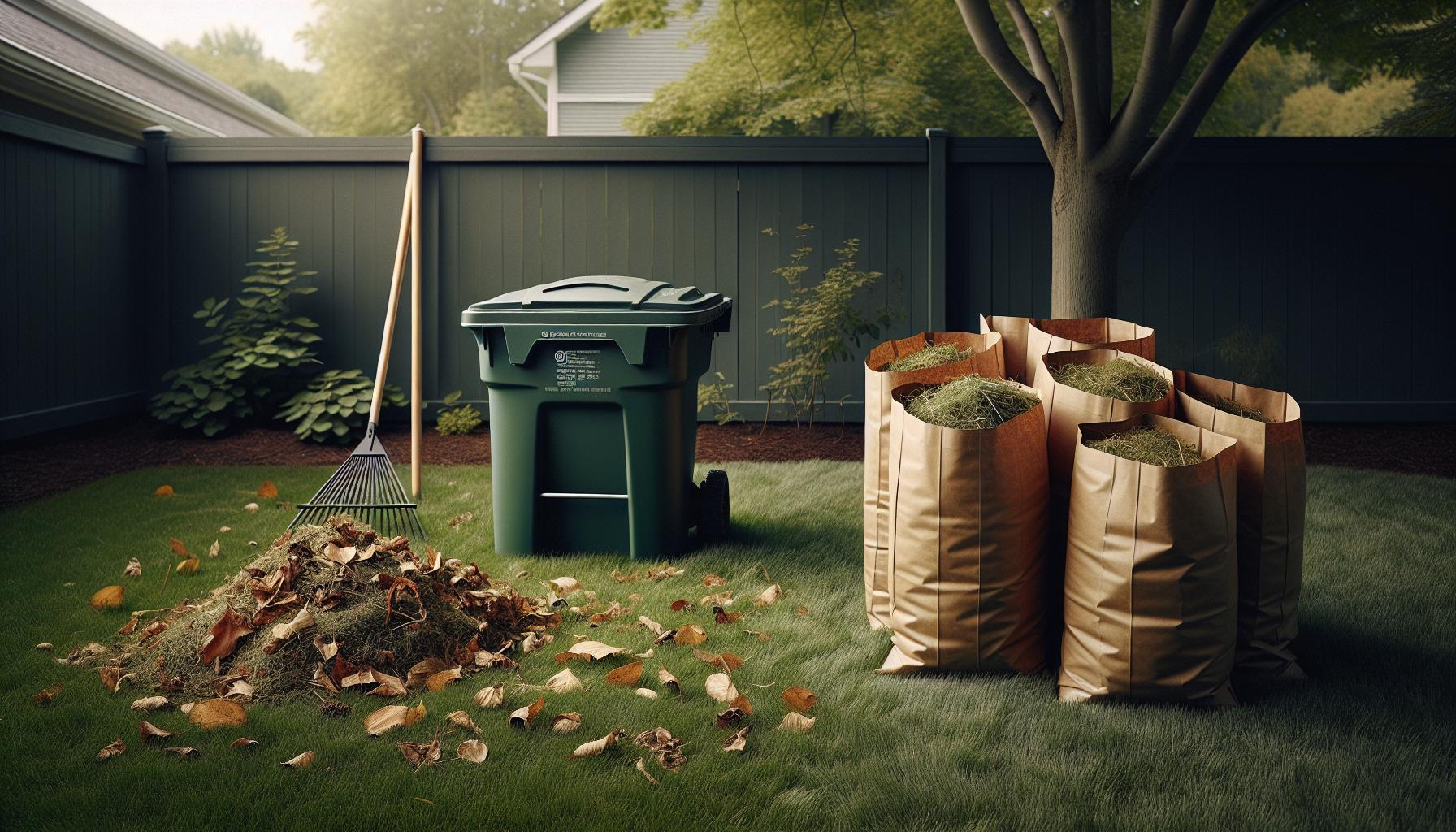
Understanding Lawn Waste Regulations
Many homeowners are not aware that proper disposal of lawn waste is often governed by local regulations. These rules are designed to promote sanitation, environmental sustainability, and community aesthetics. In many regions, municipalities have established clear guidelines on what constitutes lawn waste and the methods by which it must be disposed of, ensuring that everyone contributes to a clean and safe environment.
Generally, lawn waste includes organic materials generated from landscaping and gardening activities, such as grass clippings, leaves, branches, and weeds. Many local regulations mandate that these items be bagged before collection to prevent them from blowing around, causing litter, or attracting pests. For instance, the rules may specify that only biodegradable bags are allowed, as these can break down more effectively in composting facilities. Understanding these regulations is important for compliance and to avoid potential fines or penalties.
Furthermore, knowing the specific times and days for lawn waste collection can help streamline the disposal process. Many towns schedule regular pick-ups, and failing to adhere to these schedules could result in overflow or confusion within the community. Additionally, residents should be aware of seasonal restrictions on certain types of yard waste-some areas may have different requirements during peak growing seasons versus dormant seasons.
In summary, an understanding of local lawn waste regulations not only helps maintain a neat and healthy yard but fosters a culture of responsibility within the community. By adhering to these guidelines, homeowners can contribute to a more sustainable environment while ensuring that their landscaping practices are in line with local laws.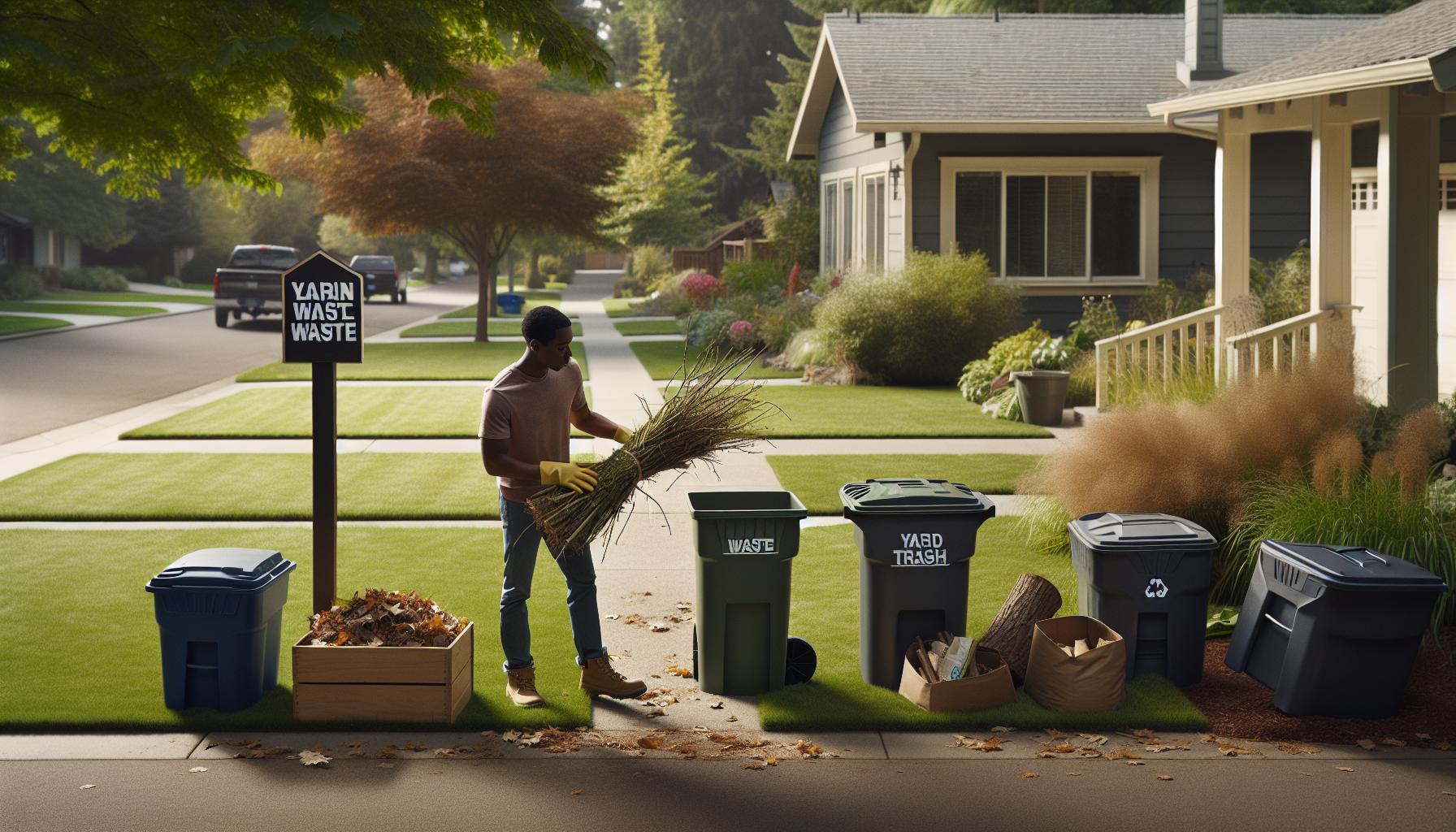
Common Lawn Waste Types You Must Bag
When tending to your lawn, many homeowners might not realize that certain types of lawn waste need to be bagged to meet local guidelines and contribute to community cleanliness. Bagging lawn waste not only maintains the aesthetic of your yard but also prevents environmental issues such as pest attraction and littering. Understanding what constitutes lawn waste that should be bagged can help you stay compliant with local regulations.
The most common types of lawn waste that typically require bagging include:
- Grass Clippings: After mowing, the clippings can accumulate quickly and provide a breeding ground for pests if left scattered. Many municipalities require that you bag these clippings to avoid waste blowing into streets and neighboring properties.
- Leaves: During the fall, leaves can create a beautiful but messy landscape. Bagging fallen leaves is essential to keep sidewalks and streets clear, especially during rain, when they can clog drainage systems.
- Weeds: To prevent them from spreading back into your garden or lawn, weeds should be bagged immediately after removal. This ensures they do not reseed and contribute to further weed infestations.
- Branches and Twigs: After storms or routine pruning, bagging smaller branches and twigs helps to maintain a tidy appearance and complies with local collection standards.
In addition to these examples, it is important to check specific local regulations as some areas have particular requirements about bagging and collection days. For instance, some municipalities might only allow biodegradable bags, which break down more effectively in composting systems compared to plastic ones. Proper bagging and disposal not only adhere to local laws but also demonstrate environmental stewardship, promoting a cleaner community for everyone.
Best Practices for Collecting Lawn Waste
Taking care of your lawn requires not only regular maintenance but also responsible management of lawn waste. Efficiently collecting lawn waste is essential for maintaining a neat and healthy outdoor environment. One effective method is to plan your collection process strategically; setting aside specific days for mowing, weeding, and leaf removal can streamline your efforts. Use existing gardening tools effectively-an efficient rake can speed up leaf collection, while a grass catcher attachment for your mower can help gather clippings directly.
When collecting lawn waste, remember to sort and separate materials to facilitate disposal. Keep a designated bin or bags ready for different types of waste. For instance, create separate bags for grass clippings, leaves, and branches. This not only simplifies the disposal process but also aligns with many local disposal regulations that specify how different types of waste should be handled. Consider investing in biodegradable bags, which are often healthier for the environment and may be required in your area, as they decompose more effectively in composting systems.
Timing your collections can also enhance your efficiency. Early mornings or late afternoons are often the best times to collect waste, as the temperatures are cooler and the ground may still be moist, making leaves and clippings easier to gather. After heavy rains, be aware that collected waste can become heavier and more challenging to manage, so plan your collection days around weather patterns to maximize efficiency.
Lastly, don’t underestimate the benefits of involving family members or neighbors in lawn waste collection. Teamwork can transform what can seem like a chore into a community activity, fostering engagement and making the process more enjoyable. By sharing tools or organizing local cleanup days, you not only ease your own workload but also enhance community spirit and cooperation in maintaining a clean environment.
How to Properly Bag Lawn Waste: Tips & Techniques
Efficiently bagging lawn waste not only contributes to a tidier environment but also helps you comply with local disposal regulations, which may mandate certain types of waste to be bagged for curbside collection. Understanding the right techniques can streamline the process, making it less of a chore and more of a productive activity. By preparing effectively and using the right tools, you can ensure that your lawn waste is properly collected and disposed of, optimizing your efforts while minimizing environmental impact.
One effective strategy is to ensure that you’re using the appropriate bags for the materials you are collecting. Biodegradable bags are ideal as they decompose more effectively and are often a requirement in environmentally-conscious communities. When filling the bags, start by pressing the collected waste down to maximize space. This method not only helps fit more material into a single bag but also prevents them from becoming top-heavy and spilling over. Additionally, consider employing a lawn cart or bin for larger volumes of waste, which can then be transferred into bags for easier curbside pickup.
Timing is crucial when bagging lawn waste-shoot for cool, dry conditions. This makes collection easier, particularly for items like leaves that may be damp after rainfall, making them heavier and more cumbersome to bag. For grass clippings, aim to collect them shortly after mowing, preventing them from drying out and becoming difficult to manage. Utilize tools such as rakes and shovels to gather materials efficiently; tools designed specifically for collection can reduce strain and improve your overall speed in the process.
Lastly, don’t overlook the power of organization during your cleanup efforts. Sorting waste as you go can save time and trouble later. Designate different bags for grass clippings, leaves, and other organic materials, ensuring that you adhere to local guidelines on waste separation. By maintaining a systematic approach, you will not only simplify your lawn care routine but also elevate your practices toward environmentally sustainable disposal.
Environmental Impact of Proper Lawn Waste Disposal
Proper disposal of lawn waste is not just a matter of cleanliness; it plays a significant role in environmental sustainability. When disposed of improperly, lawn waste can contribute to issues such as greenhouse gas emissions and water pollution. For instance, when organic materials like grass clippings and leaves decompose in landfills, they produce methane, a potent greenhouse gas over 25 times more effective at trapping heat than carbon dioxide. By bagging and disposing of lawn waste correctly, homeowners can significantly mitigate these environmental impacts while also enhancing local ecological health.
Additionally, following local regulations regarding lawn waste ensures that organic materials are diverted from landfills to appropriate facilities, where they can be composted or mulched. This process not only reduces landfill waste but also contributes to creating nutrient-rich compost that can be used to enrich garden soil. The responsible disposal of lawn waste fosters a more sustainable community, promoting cleaner air and water while supporting the local ecosystem. Community composting programs and curbside collection efforts are examples of initiatives that encourage residents to participate in environmentally friendly practices, highlighting the importance of collective action in managing lawn waste.
Incorporating sustainable lawn care practices extends beyond disposal to the types of waste being generated. By reducing the amount of waste produced through techniques such as grasscycling-leaving grass clippings on the lawn after mowing-homeowners can enrich their soil naturally while decreasing the frequency and quantity of lawn waste that must be bagged. This practice not only improves the health of your garden but also reduces the need for chemical fertilizers, leading to cleaner runoff during rainstorms.
In summary, understanding the environmental impact of lawn waste disposal is crucial for creating healthier neighborhoods and ecosystems. Through responsible practices, such as proper bagging techniques and the implementation of composting, individuals can play an active role in reducing their environmental footprint, demonstrating that even small actions in lawn care can yield significant positive outcomes for the planet.
Local Rules and Guidelines for Lawn Waste
Many local jurisdictions have established specific rules regarding the disposal of lawn waste, and understanding these regulations is essential for maintaining compliance and supporting community sustainability efforts. Often overlooked, these guidelines are designed to manage waste effectively, reduce environmental impact, and promote recycling or composting practices. For instance, some municipalities have designated specific days for curbside pickup of lawn waste, requiring that residents only place their bags or bins outside on those designated days to ensure efficient collection.
Key Elements of Local Lawn Waste Regulations
When disposing of lawn waste, here are several key elements that you should familiarize yourself with:
- Bag Requirements: Many areas stipulate that grass clippings, leaves, and other organic waste must be placed in biodegradable bags or designated yard waste containers. Plastic bags are often prohibited due to their environmental impact.
- Types of Acceptable Waste: Local guidelines typically list which types of lawn waste can be collected. Generally, this includes grass clippings, leaves, branches, and small twigs, while larger branches or foreign materials like plastic and glass are usually excluded.
- Collection Schedule: Understanding the waste collection frequency in your area allows for proper planning. Most communities have seasonal variations in collection schedules, especially during peak leaf-dropping seasons in the fall.
- Drop-off Facilities: Some regions offer drop-off sites where residents can bring their lawn waste if curbside collection is not available or is inconvenient.
By adhering to local rules, not only do residents help maintain a clean community, but they also contribute to more effective waste management practices. It is advisable to check with local waste management authorities, city websites, or community bulletins for the most current information and specifications related to lawn waste disposal. Engaging with your community’s waste management guidelines showcases a commitment to environmental stewardship and enhances local ecological health.
Alternatives to Bagging Lawn Waste
Disposing of lawn waste often invokes thoughts of bagging and curbside collections, but there are several creative alternatives that not only lighten your waste load but also benefit your garden. Consider this: instead of bagging grass clippings and leaves, you can turn them into valuable resources for your yard. By exploring these alternatives, you promote environmental sustainability and enhance your landscape’s health.
One popular option is mulching. Using a mulching mower can finely chop grass clippings and leaves, allowing them to decompose on the lawn, returning vital nutrients to the soil. This practice helps retain moisture, suppress weeds, and improve soil structure, making it a beneficial choice, especially during drier months when water conservation is crucial.
Composting is another effective alternative, where you can collect lawn waste along with kitchen scraps and other organic materials. By creating a compost pile, you transform these materials into nutrient-rich compost over time. This not only reduces the amount of waste sent to landfills but also provides a valuable soil amendment for your garden. If you don’t have space for a traditional compost bin, consider using a worm composter (or vermiculture), which works wonders with lawn waste and yields rich compost quickly.
Lastly, let’s not forget chipping branches and larger yard debris. If you have small branches and twigs, renting or purchasing a wood chipper can convert these items into chips that are perfect for paths or mulching around plants and trees. This method reduces the volume of waste and adds a decorative touch to your landscape.
In summary, the journey of lawn waste does not have to end in a plastic bag at the curb. By considering mulching, composting, and chipping, you can turn potential waste into valuable resources that not only support your lawn’s health but also contribute to a more sustainable community.
Seasonal Considerations for Lawn Waste Management
Seasonal changes have a significant impact on lawn management practices, especially when it comes to waste collection and disposal. Understanding the timing and volume of lawn waste generated throughout the year can help homeowners effectively manage their lawns while adhering to local regulations regarding waste disposal. For instance, spring marks a time of rapid growth, with grass, weeds, and other plants reawakening after winter. This surge in growth often leads to an increased volume of lawn waste that requires attention.
In the summer months, regular mowing can produce substantial amounts of grass clippings. Instead of bagging these clippings, consider alternatives like mulching, which recycles nutrients back into the soil and reduces waste. However, it’s crucial to check local regulations, as some communities may require clippings to be bagged to maintain neighborhood aesthetics or to comply with yard waste collection guidelines.
As autumn approaches, the landscape changes dramatically, with leaves falling from trees creating another significant lawn waste type. This season often necessitates diligent raking and bagging to keep yards tidy and prevent smothering your grass underneath a thick layer of leaves. Remember, many municipalities have specific collection times for leaf disposal, so knowing your local schedule is essential for efficient lawn waste management.
Finally, winter months typically see a slowdown in lawn waste production, but taking time to plan ahead can ensure a healthier lawn come spring. Regular maintenance, such as cleaning and storing lawn equipment, and composting, can mitigate waste buildup and support your lawn’s health when growth resumes. By aligning your lawn care practices with seasonal patterns and local guidelines, you can effectively manage lawn waste throughout the year while enhancing your landscape’s vitality.
Benefits of Composting vs. Bagging Lawn Waste
The choice between composting lawn waste and bagging it can significantly impact not only your approach to waste management but also the health of your garden and the environment. Composting is a sustainable practice that transforms organic waste into valuable nutrient-rich soil amendment, while bagging often ends up as mere refuse that may occupy landfill space for years. By opting to compost, you are participating in a natural recycling process that benefits both your garden and the planet.
One substantial advantage of composting is its ability to enrich your soil. Organic materials, such as grass clippings, leaves, and small branches, break down over time to create compost, which improves soil structure, moisture retention, and nutrient availability. Additionally, composting reduces the need for chemical fertilizers, saving you money and reducing chemical runoff into waterways. For instance, integrating compost into your lawn care routine can enhance the microbial activity in your soil, leading to healthier grass and stronger root systems.
On the other hand, while bagging lawn waste may be necessary in certain situations-such as following specific municipal regulations or when addressing heavy infestations of pests-its environmental impact cannot be overlooked. Bagged yard waste often ends up in landfills, where it decomposes anaerobically, leading to the production of methane, a potent greenhouse gas. In contrast, when you compost at home, you control the process, ensuring that waste decomposes in an aerobic environment, significantly reducing its carbon footprint.
Ultimately, the decision to compost or bag lawn waste requires consideration of both local guidelines and individual circumstances. Many municipalities provide yard waste collection services that favor composting, encouraging residents to utilize their services effectively. Make sure to check your local rules regarding yard waste disposal to ensure compliance while also maximizing the ecological benefits of your choice. By composting at home or contributing to community composting programs, you not only enrich your garden but also contribute to a more sustainable environment.
Frequently Overlooked Lawn Waste Items
When managing lawn waste, many homeowners diligently collect fallen leaves, grass clippings, and pruned branches, but they often overlook some less obvious items. Failing to recognize these frequently neglected materials can lead to environmental waste and unintended consequences for lawn health. By expanding your understanding of what counts as lawn waste, you can make a more informed decision regarding what to bag and dispose of properly.
Among the most commonly overlooked materials are plant debris such as weeds, spent flowers, and plant trimmings from shrubs or perennials. These organic wastes can harbor pests and diseases that may spread to your healthy plants if simply discarded into the compost. Items like pine needles and acorns also contribute to lawn waste but may not be considered without broader awareness of their potential impacts on lawn health. Bagging these items ensures they do not contribute to unwanted wild growth or insect problems in your landscape.
Another category often missed is soil or dirt that might cling to clippings or other organic debris. While a small amount of soil may be harmless, large quantities can disrupt composting processes and introduce unwanted pathogens. Additionally, debris from flower pots or container plants, including soil, stones, and dead roots, should be collected and bagged to prevent them from becoming potential breeding grounds for pests or diseases.
Finally, consider the impact of citrus peels or other food remnants that some gardeners might be tempted to include in compost. While they are organic, their acidic nature can alter the balance of your compost heap and should generally be bagged instead. Understanding these frequently overlooked items not only helps maintain a healthier lawn but also supports broader ecological initiatives related to waste management. By conscientiously bagging these materials, you contribute to a cleaner environment and ensure that your lawn thrives.
Resources for Lawn Waste Management and Disposal
While managing lawn waste might seem like a mundane task, it significantly contributes to a healthier landscape and a cleaner environment. Understanding where to find resources for lawn waste management can make this process smoother and more effective. Many municipalities offer specific programs for organic waste disposal and have guidelines to help homeowners manage their lawn waste responsibly.
Local Government Resources
Start by checking with your local city or county waste management department. Many areas provide information on yard waste collection schedules, drop-off locations, and guidelines for acceptable materials. Most municipalities have designated days for curbside pickup of bagged lawn waste, ensuring that your materials are disposed of properly and don’t end up in landfills.
Composting Facilities
If you’re considering alternatives to traditional disposal methods, look into local composting facilities. These facilities often accept yard waste-such as leaves, grass clippings, and branches-and turn it into compost that benefits the community. Contact them to understand what types of waste they accept and find out if they offer educational resources on proper composting techniques.
Online Platforms and Communities
There are numerous informative websites and communities dedicated to gardening and waste management. Online platforms like the HGTV Lawn Care section provide expert advice on lawn maintenance and waste management tips. Joining local gardening forums or social media groups can also connect you with other homeowners who share their experiences and strategies for managing lawn waste.
Educational Workshops
Many local gardening clubs or extension services offer free workshops on managing lawn waste. These sessions often include practical demonstrations and tips for composting, mulching, and generating less waste overall. Engaging in these educational opportunities not only enhances your knowledge but also fosters a sense of community around a shared interest in sustainable practices.
By utilizing these resources and staying informed, homeowners can effectively manage lawn waste, contributing to both their lawn’s health and the surrounding ecosystem.
Q&A
Q: What types of lawn waste must be bagged?
A: Lawn waste that must be bagged typically includes grass clippings, leaves, pruned branches, and plant trimmings. These materials can attract pests and create hazards if left unmanaged, making it essential to dispose of them properly. Refer to the section on Common Lawn Waste Types You Must Bag for more details.
Q: Are there any lawn waste items that can be composted instead of bagged?
A: Yes, many items such as yard clippings, leaves, and vegetables can be composted. Composting is an eco-friendly alternative that enriches soil while reducing waste. Check out the Benefits of Composting vs. Bagging Lawn Waste section for more information on this approach.
Q: When is the best time to bag lawn waste?
A: The best time to bag lawn waste is during peak growing seasons, typically spring and fall. During these times, grass and leaf growth is at its highest, so regular collection is essential to maintain a healthy lawn. For seasonal strategies, refer to the Seasonal Considerations for Lawn Waste Management section.
Q: What are the environmental impacts of not bagging lawn waste?
A: Not bagging lawn waste can lead to increased pest populations and may contribute to local pollution through the release of methane in landfills. Proper disposal helps maintain environmental health. Learn more in the Environmental Impact of Proper Lawn Waste Disposal section.
Q: How can I ensure I am following local lawn waste guidelines?
A: To follow local regulations, contact your waste management authority or visit their website. Regulations can vary by location, including which materials must be bagged and scheduled collection days. Review the Local Rules and Guidelines for Lawn Waste section for further guidance.
Q: What should I do with lawn waste during the off-season?
A: During the off-season, you should store any lawn waste in a dry place to prevent decay. If possible, consider composting or using biodegradable bags for disposal in preparation for the next season. Check the Best Practices for Collecting Lawn Waste for further tips.
Q: What are the benefits of bagging lawn waste instead of leaving it?
A: Bagging lawn waste prevents the spread of pests, reduces the risk of mold and mildew, and keeps your lawn looking tidy. It also ensures compliance with local waste regulations. Explore the Best Practices for Collecting Lawn Waste section for more insights.
Q: How can I properly bag lawn waste to avoid leaks and spills?
A: To properly bag lawn waste, use sturdy, biodegradable bags designed for yard waste. Ensure the bags are tightly sealed after filling to prevent leaks. Refer to the How to Properly Bag Lawn Waste: Tips & Techniques section for more helpful methods.
Key Takeaways
Understanding what lawn waste must be bagged is essential for maintaining a clean and healthy yard. By following these guidelines, you not only comply with local regulations but also contribute to the overall sustainability of your environment. If you have more questions about proper lawn care techniques, check out our comprehensive guide on the best lawn care practices or explore tips for effective lawn maintenance.
Don’t wait-take action today by ensuring your lawn waste is managed correctly! For further resources, consider signing up for our newsletter to receive regular updates and expert advice on lawn care and gardening. Feel free to share your thoughts or ask questions in the comments below; we love hearing from our readers! Let’s keep the conversation going about transforming your yard into the envy of the neighborhood.