
Maintaining a vibrant, healthy lawn can significantly enhance your home’s curb appeal and value. However, many homeowners struggle with understanding what comprehensive lawn care entails and how it can alleviate the stress of lawn maintenance. From mowing and aerating to fertilization and pest control, a full suite of services not only preserves the beauty of your outdoor space but also promotes robust growth and sustainability. In this article, we’ll explore the essential components of lawn care services, ensuring you make informed decisions for your lawn’s optimal health. Let’s dive into the numerous benefits and services that can transform your yard into a lush, inviting oasis.
What Lawn Care Services Do You Need?
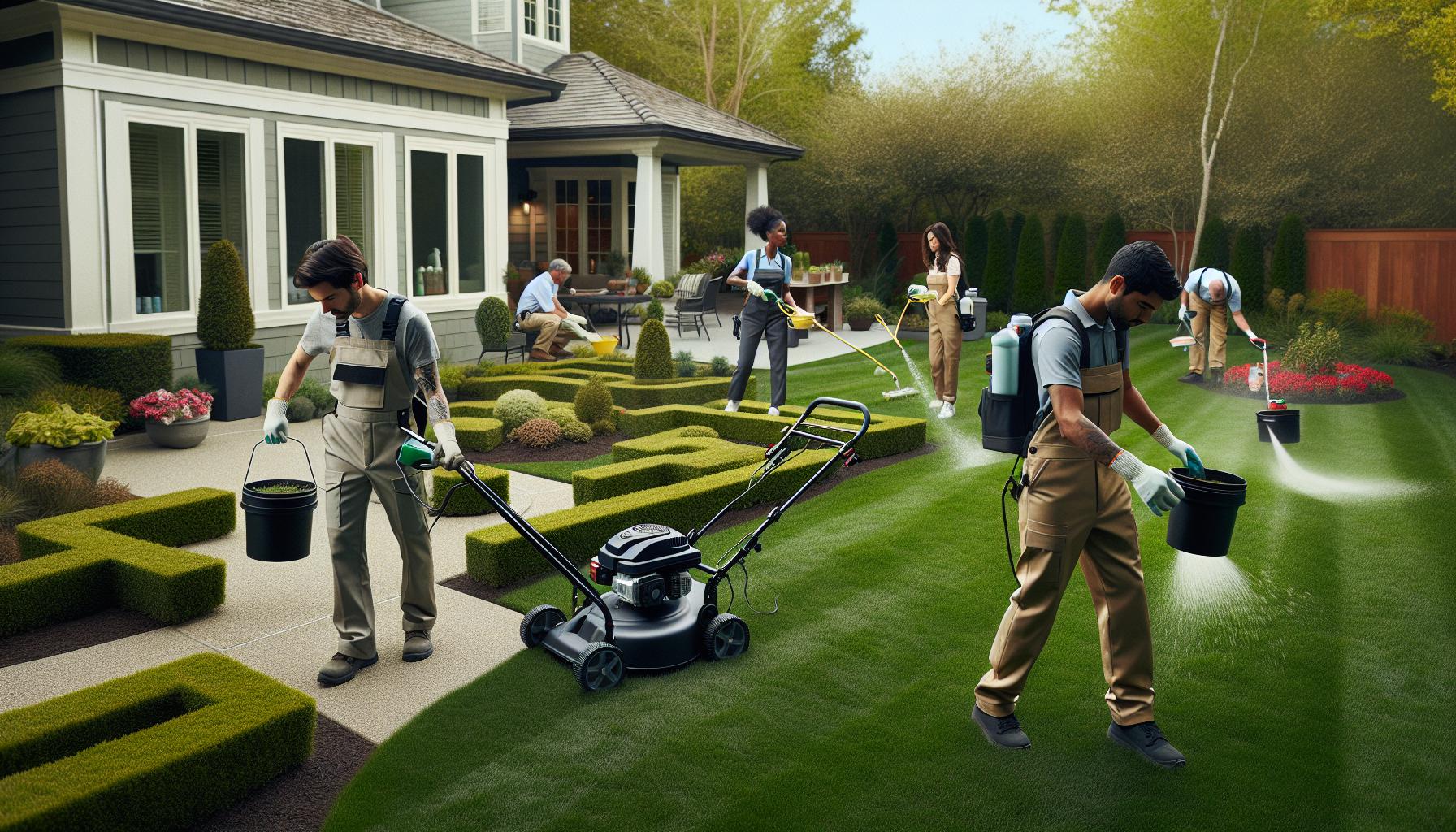
To achieve the lush, green lawn of your dreams, understanding what lawn care services you need is essential. Lawn care is not just about mowing; it’s a comprehensive approach that includes various treatments and maintenance tasks tailored to your lawn’s unique needs. Each season brings different challenges and requirements, making it crucial to know what services are essential for your lawn’s health.
Among the core services to consider, lawn mowing is fundamental for maintaining an aesthetically pleasing appearance and promoting healthy growth. Regular mowing, typically every 1-2 weeks during the growing season, helps keep grass at an optimal height, which encourages growth and prevents weed infestation. Additionally, fertilization is crucial, as it provides essential nutrients that help your lawn thrive. A professional service can develop a custom fertilization schedule based on your grass type and soil conditions.
Weed control is another necessary service, as lawns can quickly become overrun with unwanted plants. Lawn care professionals often utilize pre-emergent and post-emergent herbicides to tackle weeds at different stages of their lifecycle, ensuring your grass stays healthy and vibrant. Insect and pest management services are also vital, as they help protect your lawn from harmful pests which can damage grass and soil health.
Lastly, consider specialized treatments such as aeration, which alleviates soil compaction, allowing air, water, and nutrients to penetrate deep into the root zone. This can significantly enhance the health and appearance of your lawn. Seasonal adjustment in your care regimen, such as fall overseeding or spring cleanup, ensures that your lawn receives the attention it needs during critical growth stages.
By understanding the specific services your lawn requires, you can ensure it remains beautiful and healthy throughout the year, allowing you to enjoy the outdoor space around your home to the fullest.
Essential Lawn Care Services Explained
To ensure your lawn remains vibrant and healthy, it’s vital to explore a variety of essential lawn care services. Not all lawns require the same level of attention, but there are several core services that can significantly enhance the quality and appearance of your outdoor space. By understanding these services, homeowners can make informed decisions that promote a thriving lawn year-round.
One of the most fundamental services is lawn mowing, which not only helps maintain a clean and neat appearance but also plays a crucial role in the health of the grass. Regular mowing is essential during the growing season, typically every 1-2 weeks, to prevent weeds from taking over and to encourage the grass to grow thicker and stronger. Another key service is fertilization, which involves applying specific nutrients to the lawn to support its growth. A tailored fertilization program, based on your lawn’s grass type and soil conditions, ensures that your lawn receives the nutrients it needs when it needs them most.
Weed control is equally important, as invasive weeds can outcompete healthy grass for resources. Professional lawn care providers use a combination of pre-emergent and post-emergent herbicides to manage weeds effectively, addressing them at different life stages. Additionally, pest management services are critical for protecting your lawn from harmful insects that can cause damage. Inspecting and addressing pest issues proactively helps maintain the integrity and appearance of your lawn.
Moreover, specialized treatments such as aeration should not be overlooked. Aeration is a process that removes small plugs of soil from the lawn, allowing air, water, and nutrients to penetrate the soil more effectively. This service is particularly beneficial for lawns with heavy foot traffic or clay soil, enhancing root development and overall lawn health. By integrating these services into your lawn maintenance plan, you can ensure a lush, green lawn that enhances the beauty of your home and provides a welcoming outdoor environment.
Seasonal Lawn Care: What to Expect

To ensure your lawn remains in peak condition throughout the year, it’s crucial to understand how seasonal changes impact lawn care needs. Each season brings unique challenges and opportunities for nurturing your green space. By adapting your lawn care strategies according to the time of year, you can promote resilience and vitality in your grass.
In the spring, as temperatures rise and snow melts, the lawn begins to thrive again. This season is prime for fertilization to kickstart growth, along with weed control measures to tackle the early appearance of dandelions and other undesirable plants. It’s the perfect time for aeration, which helps relieve soil compaction and allows nutrients and water to penetrate deeper into the ground. Moreover, consider scheduling a thorough lawn mowing to maintain an even height as the grass starts to flourish.
When summer rolls in, the focus shifts to irrigation and pest management. As the heat intensifies, keeping your lawn adequately watered becomes essential. This is also the time to watch for pests that can harm your lawn, such as grubs and chinch bugs. Regular mowing continues, but it’s important to adjust your mowing height to promote deeper root growth and help the grass withstand the heat. Implementing a drought-tolerant fertilization strategy can also be beneficial during this hotter period.
As autumn approaches, it’s time to prepare your lawn for the upcoming winter. This season is marked by overseeding to fill in any bare patches and to strengthen the lawn for the colder months. Applying a final round of fertilizer rich in potassium can help enhance root development and provide sustenance over the winter. Additionally, you might consider a lawn care cleanup, which includes leaf removal and trimming back perennials, ensuring your lawn is free from debris that could smother new growth in the spring.
Finally, winter brings a period of dormancy for many grass types, though there are still aspects to manage. Avoid walking on frozen grass, as this can damage the blades. Consider a winter fertilizer treatment, which can help maintain soil health for when the growing season resumes. Additionally, protecting the lawn from heavy snow buildup can prevent mold and disease from taking hold.
By understanding these seasonal transitions and tailoring your lawn care accordingly, you can cultivate a lush and resilient yard that thrives year-round.
Specialized Treatments for Your Lawn
When it comes to optimizing your lawn’s health and appearance, specialized treatments are essential for addressing specific issues and enhancing growth. Whether your lawn is struggling with pests, disease, or nutrient deficiencies, implementing targeted solutions can make all the difference in achieving a lush, vibrant yard. Specialized treatments designed for specific problems allow homeowners to address their unique lawn challenges effectively.
One common treatment is soil testing, which provides insights into soil health, including pH levels and nutrient composition. Understanding your soil’s condition is crucial for determining the right fertilizers and amendments to apply, promoting healthy growth and preventing future issues. Based on the results, you might incorporate treatments such as core aeration, which alleviates soil compaction, enhancing air and water penetration to the root zone, and improving overall turf vitality.
Another critical aspect of specialized treatments involves pest and weed management. Many homeowners face challenges with invasive weeds or destructive pests that can quickly degrade a lawn’s quality. Utilizing integrated pest management (IPM) strategies can help control infestations while minimizing the use of chemicals. This might include the application of organic pesticides, insecticidal soaps, or natural predators to keep pest populations in check. Additionally, pre-emergent herbicides can prevent weeds from germinating, ensuring that your grass has the best chance to flourish without competition.
Fertilization and Nutrient Treatment
Nutrient imbalances can lead to poor lawn health, making specialized fertilization treatments vital. Custom-blended fertilizers, tailored to your lawn’s specific nutrient needs, can provide essential macro and micronutrients to support vigorous growth. For instance, a nitrogen-rich fertilizer in the spring can promote lush green growth, while a potassium-heavy blend in the fall helps strengthen roots ahead of winter. Moreover, bio-stimulants such as humic acid or seaweed extracts can enhance soil health and plant vigor by improving nutrient uptake and resilience to stress.
Targeting Specific Lawn Issues
Many lawns face issues such as disease or thatch buildup that may not be resolved through standard maintenance alone. Applications of targeted fungicides can combat fungal diseases like brown patches or dollar spot effectively. Similarly, dethatching treatments can remove excess thatch that restricts moisture and nutrient absorption, allowing your lawn to thrive. Engaging a professional service can ensure that these treatments are precisely timed and correctly applied, maximizing their effectiveness.
Investing in is a proactive approach that pays dividends in health and aesthetics. By addressing specific challenges with tailored solutions, you can foster a thriving lawn that stands out as a beautiful and harmonious backdrop to your outdoor space.
Choosing the Right Lawn Care Package
When selecting a lawn care package, it’s essential to consider a holistic approach that meets the unique needs of your lawn while also fitting into your lifestyle and budget. Different packages will offer varying levels of service, from basic mowing to comprehensive care that includes soil treatment, pest management, and seasonal adjustments. By understanding what is generally offered in lawn care packages, you can choose one that optimally enhances your lawn’s health and appearance.
Understanding Your Lawn’s Needs
Before making a decision, assess the specific requirements of your lawn. Factors such as grass type, sun exposure, soil quality, and local climate conditions will influence what services are necessary. For instance, if you live in an area prone to drought, you might prioritize a package that includes efficient watering solutions or drought-resistant seeding. Conversely, if your lawn struggles with pests or diseases, look for packages that offer specialized treatments like pest control or disease management.
Key Components of Lawn Care Packages
Most lawn care packages will typically include some combination of the following services:
- Mowing and Trimming: Regular mowing keeps your lawn looking neat and encourages healthy growth.
- Fertilization: Tailored nutrient applications based on soil tests can significantly impact your lawn’s vitality.
- Pest and Weed Control: Integrated Pest Management (IPM) can address invasive species without harming your grass.
- Seasonal Clean-Up: Preparing your lawn for heavy use seasons, such as spring and summer, with clean-up services.
- Soil Aeration: Aerating the soil helps improve water penetration and nutrient absorption.
Evaluating Service Providers
When comparing package options from different service providers, don’t hesitate to ask detailed questions. Inquire about the qualifications of their technicians, the types of products they use, and how their services can be customized to your lawn. Understanding their approach to eco-friendly practices and pest management can also help you select a provider that aligns with your values. Review online testimonials and case studies to see how previous clients have benefited from their care packages.
By taking the time to evaluate your lawn’s specific needs against potential care packages, you can choose a service that not only enhances your outdoor space but also provides peace of mind knowing that your lawn’s health is being professionally managed.
Eco-Friendly Lawn Care Options
Leveraging not only beautifies your yard but also supports environmental health. With growing concerns about pesticide runoff and chemical fertilizers impacting local ecosystems, many homeowners are seeking sustainable alternatives. Implementing practices that focus on natural and organic solutions can drastically improve the health of your lawn while promoting biodiversity.
One popular eco-friendly approach is the use of organic fertilizers, which are derived from natural sources like compost and manure. These alternatives nourish the soil without the harsh chemicals found in synthetic fertilizers. Additionally, utilizing native plants in your landscaping can reduce water usage and create habitats for local wildlife, benefiting both your lawn and the environment. Regular soil testing also ensures you’re applying the right nutrients at the right times, minimizing waste and maximizing lawn health.
Natural Pest Management
When it comes to pest control, consider integrated pest management (IPM) techniques that prioritize natural predators to manage pests, reducing chemical applications. Techniques like introducing beneficial insects such as ladybugs and lacewings can effectively control aphid populations without harming your lawn. Moreover, companion planting-growing specific plants together-can naturally deter pests while promoting healthier growth.
Water Conservation Practices
Water conservation is another key component of eco-friendly lawn care. Implementing a rainwater collection system or using a drip irrigation method can significantly reduce water waste. Additionally, planting drought-resistant grass varieties requires less maintenance and is more resilient in dry conditions. Consider mulching around plants and grass to retain moisture and reduce evaporation, creating a sustainable cycle that benefits both your lawn and the surrounding environment.
By adopting these , you contribute to a healthier environment while maintaining a vibrant and thriving outdoor space. Embracing sustainable practices is not only beneficial for your lawn but also a responsible choice for our planet.
Common Lawn Care Misconceptions
Many homeowners hold misconceptions about lawn care that can lead to ineffective practices and even harm their lawns. One common belief is that all grass types require the same care. In reality, different grass species thrive in specific conditions and seasons. For instance, cool-season grasses like Kentucky bluegrass flourish in the northern regions, while warm-season grasses like Bermuda thrive in southern areas. Therefore, understanding the specific needs of your lawn is crucial for effective maintenance.
Another widespread myth is that mowing grass short encourages faster growth. On the contrary, cutting grass too short can stress the plant and lead to shallow roots, which makes it more susceptible to drought and weed invasion. Keeping your lawn at the appropriate height, typically between 2.5 to 3.5 inches, helps ensure it remains healthy and robust. This height allows grass to photosynthesize efficiently while promoting deeper root systems, enhancing its overall resilience.
The use of chemical fertilizers is often viewed as a necessary evil for achieving a lush lawn. However, many homeowners aren’t aware that over-fertilization can lead to nutrient runoff, harming local ecosystems. Organic alternatives, such as compost and natural mulches, can promote healthy growth without the adverse environmental effects. Additionally, it’s a common misconception that only professional services can achieve a pristine lawn. While professionals bring expertise, many homeowners can successfully maintain their landscapes with proper knowledge and tools, leaning on resources like detailed guides and community workshops.
Ultimately, debunking these misconceptions can lead to a more sustainable approach to lawn care, one that promotes health for both your lawn and the surrounding environment. By arming yourself with accurate information, you can make informed decisions that enhance your lawn’s beauty and vitality.
Understanding Lawn Care Costs
Understanding the financial aspect of lawn care can be essential for homeowners looking to maintain their outdoor spaces effectively. With varying factors influencing the costs, from the size of the lawn to the specific treatments required, it’s important to know what to expect. For instance, basic maintenance tasks such as mowing, watering, and fertilizing can range from a few dollars per visit for DIY approaches to significantly higher fees when hiring professionals, depending on the frequency and service package.
Factors Influencing Lawn Care Costs
Several key factors affect the overall expenses related to lawn care services:
- Lawn Size: Larger lawns require more time and resources, which naturally increases costs.
- Service Type: Basic services like mowing are generally less expensive than specialized treatments, such as aeration or pest control.
- Frequency of Service: Weekly versus bi-weekly services will alter the overall pricing structure. Regular care can sometimes come with discounts.
- Location: Geographic area plays a role; urban locations with higher living costs may see increased service fees.
Typical Cost Breakdown
To give homeowners a clearer picture of potential expenses, here’s a typical cost breakdown for common lawn care services:
| Service | Cost Range |
|---|---|
| Mowing (per visit) | $30 – $80 |
| Fertilizing (per treatment) | $50 – $150 |
| Aeration (per treatment) | $75 – $200 |
| Pest Control (per treatment) | $75 – $200 |
Recognizing the nuances in lawn care costs can empower homeowners to make informed decisions, ensuring that they choose services that fit both their needs and budget. Balancing DIY efforts and hiring professionals can also offer a personalized strategy that enhances lawn health without overspending. Always remember to seek multiple quotes and consider seasonal specials, as many lawn care companies offer packages that provide savings when multiple services are bundled together.
The Benefits of Professional Lawn Care
Investing in professional lawn care can dramatically enhance the health and appearance of your outdoor space, saving you time and ensuring that your lawn receives expert attention. One of the key benefits of hiring professionals is their knowledge and equipment. Trained specialists understand the intricacies of lawn care-seeing signs of disease, nutrient deficiencies, or weed infestations that you might overlook. They utilize specialized tools and high-quality products designed for optimal results, from advanced mowers that achieve a perfect cut to fertilizers that nourish your lawn effectively.
Professional lawn care services also provide personalized treatment plans tailored to the specific needs of your lawn. Factors such as grass type, climate, and soil conditions greatly influence the approach required to maintain a healthy lawn. A professional service can assess these elements and devise a comprehensive plan that may include mowing, aeration, seeding, and pest management, ensuring that every aspect is addressed. This level of detail not only improves the visual appeal of your lawn but also fosters long-term health and resilience.
Furthermore, expert lawn care can enhance your property value. A well-maintained lawn not only boosts curb appeal but also attracts potential buyers if you plan to sell your home in the future. According to various real estate studies, well-landscaped homes often sell faster and at higher prices than comparable properties with neglected lawns. Thus, regular professional maintenance can be seen as an investment that pays off in both appearance and potential market value.
Lastly, let’s not forget the convenience factor: hiring a professional means you can spend your weekends on activities you enjoy rather than laboring over lawn care. This time savings allows you to enjoy your outdoor space rather than be burdened by the upkeep, making professional services not just beneficial but also a reasonable luxury for busy homeowners.
DIY Lawn Care vs. Professional Services
Taking care of a lawn can often feel like a full-time job, with tasks ranging from mowing to fertilization and pest control. Many homeowners are faced with the question of whether to handle these responsibilities themselves or to enlist the help of professional lawn care services. Each approach has its merits and drawbacks, making the choice sometimes difficult depending on your specific needs, budget, and knowledge of lawn care practices.
One of the primary advantages of opting for DIY lawn care is cost savings. With the right tools and materials, homeowners can manage their lawns without the recurring expenses of professional services. This route allows for tailored care based on personal knowledge and preferences, enabling you to experiment with different techniques and products to see what works best for your lawn. However, it requires a significant investment in time and effort-regular mowings, seasonal treatments, and ongoing maintenance can quickly become overwhelming, especially during busy periods.
In contrast, professional lawn care services bring expertise and efficiency. Trained professionals not only have access to advanced tools but also possess a deep understanding of local soil conditions and plant health. They can identify issues like nutrient deficiencies or pest infestations that may not be evident to the average homeowner. For instance, a professional lawn service might suggest a customized treatment plan that incorporates soil aeration or targeted weed control, which can improve the lawn’s overall health and aesthetic appeal. This high level of expertise often results in a healthier lawn that requires less repair work in the long run, potentially offsetting the initial costs of professional care.
To make an informed decision between DIY and professional services, consider your current availability, your budget, and your goals for your lawn. If you enjoy gardening and can dedicate the necessary time, DIY might be a rewarding path. Conversely, if you prefer to maximize your leisure time and ensure optimal care, hiring professionals can be a wise investment that enhances your property’s value and curb appeal.
Ultimately, the best choice depends on your individual circumstances, knowledge, and the specific demands of your lawn. Whether you opt for DIY efforts or hire professionals, understanding the full spectrum of lawn care services available will empower you to keep your outdoor space healthy and vibrant.
Preparing Your Lawn for Different Seasons
The changing seasons bring different challenges and opportunities for lawn care, and knowing how to prepare your lawn can significantly enhance its health and appearance. As temperatures fluctuate and weather conditions shift, tailoring your lawn care routine to the season is crucial. In spring, homeowners should focus on revitalizing the lawn after winter. This includes tasks like raking away debris, aerating the soil to facilitate better root growth, and applying a balanced fertilizer to kickstart the growing season. Additionally, overseeding with grass that thrives in your local climate can help fill in patches and promote a lush, green lawn.
Summer presents its own set of challenges, particularly with heat and potential drought. During this time, deep watering is essential to ensure roots are well established. It’s advisable to water early in the morning to minimize evaporation and reduce disease risk. Regular mowing, but not too low, helps your grass stay healthy, as cutting too short can stress the lawn. If weeds are prevalent, targeted treatments can keep them in check while minimizing harm to your grass.
As autumn approaches, it’s time to prepare your lawn for dormancy. This involves a final round of fertilization, specifically a slow-release nitrogen fertilizer, to help the lawn store energy for the winter. Raking leaves is also vital to prevent smothering your grass and growing a healthy turf. Aeration can be beneficial during this season, as it helps to relieve soil compaction and allows nutrients to penetrate the ground more effectively.
In winter, while your lawn may appear lifeless, ensuring proper care can set it up for success in the following spring. Avoid walking on frozen grass to prevent damage and consider a winter fertilizer to fortify the roots. Additionally, some homeowners may utilize a winter cover crop, which can enrich the soil once spring arrives. This proactive seasonal preparation supports a healthier lawn that can thrive through varying conditions, ensuring it stays vibrant all year round.
Maintaining Your Lawn: Tips and Tricks
To achieve a lush, healthy lawn that becomes the envy of the neighborhood, maintaining it requires regular attention and knowledgeable practices. Understanding essential maintenance tasks can help keep your grass vibrant and thriving throughout the year. Incorporating a few simple strategies and tips into your lawn care routine will not only enhance the aesthetics of your yard but also support the overall health of your lawn.
Regular mowing is fundamental. It’s recommended to mow when the grass is dry, ensuring a clean cut and reducing the spread of disease. Maintaining the optimal height for your type of grass is crucial; for most lawns, a cutting height of around 2.5 to 4 inches is ideal. This encourages deeper root growth and helps the grass retain moisture. Additionally, keep your mower blades sharp. Dull blades tear the grass rather than cut it, leading to stress and potential disease.
Another critical aspect of lawn maintenance is watering. Deep, infrequent watering encourages healthy roots to establish themselves. Aim for about 1 inch of water per week, whether from rainfall or irrigation. Watering in the early morning reduces evaporation and fungal disease, allowing the grass to soak up moisture efficiently before the sun heats the ground.
Fertilization plays a significant role in promoting a green and healthy lawn. Typically, grass should be fertilized in the spring and fall to nourish it during its active growth periods. Use a slow-release fertilizer to provide nutrients gradually, ensuring consistent feeding without overwhelming the plant. Conducting a soil test can also guide you in choosing the right fertilizer based on your soil’s nutrient levels.
Lastly, weed control is essential for maintaining a pristine lawn. Regularly check for invasive weeds and treat them promptly using targeted herbicides or organic options, like vinegar or salt solutions for smaller patches. Preventive measures, such as keeping the lawn healthy and dense, can also help outcompete weeds before they establish themselves.
By integrating these practices into your lawn care routine, you’ll enhance the resilience and appearance of your lawn, allowing it to flourish through changing seasons and varying weather conditions. Remember that healthy lawns require consistent care, so setting up a regular maintenance schedule will ensure your yard remains as beautiful as possible year-round.
Q&A
Q: What services are typically included in lawn care packages?
A: Lawn care packages generally include mowing, fertilization, weed control, aeration, overseeding, and pest management. Some services might also cover soil testing and seasonal cleanup, enhancing the overall health and appearance of your lawn. For specifics, check the “Choosing the Right Lawn Care Package” section.
Q: How often should lawn care services be performed?
A: Lawn care services should typically occur every 2-4 weeks, depending on the season and your lawn’s needs. Mowing is often weekly in growth seasons, while fertilization may be quarterly. Regular maintenance helps promote a healthy lawn. Explore more in “Seasonal Lawn Care: What to Expect.”
Q: Can lawn care services help with pest control?
A: Yes, many lawn care services include integrated pest management, which targets harmful insects while promoting a healthy ecosystem. This can involve both preventative treatments and active pest control measures. Learn more in the “Specialized Treatments for Your Lawn” section.
Q: What is the difference between DIY lawn care and professional services?
A: DIY lawn care empowers homeowners to manage their lawns creatively but may lack the expertise and tailored approaches professionals provide. Professional services offer customized treatments and expert advice, which can lead to more effective care. Compare details in “DIY Lawn Care vs. Professional Services.”
Q: Are eco-friendly options available in lawn care services?
A: Yes, many lawn care companies now offer eco-friendly options, including organic fertilizers, natural pest control, and water conservation techniques. Choosing these options can contribute to a healthier environment and enhance your lawn’s beauty. Check out “Eco-Friendly Lawn Care Options” for more information.
Q: What factors influence the cost of lawn care services?
A: Several factors can impact lawn care costs, including the size of your lawn, the types of services required, and the frequency of maintenance. Seasonal variations and specific treatments also play a role. To understand potential expenses, visit the “Understanding Lawn Care Costs” section.
Q: When is the best time to start lawn care services?
A: The ideal time to start lawn care services is during the growing season, typically spring or fall, depending on your climate and grass type. Early treatment helps prepare your lawn for peak growth periods. For more seasonal tips, refer to “Preparing Your Lawn for Different Seasons.”
Q: How can I maintain my lawn between professional services?
A: You can maintain your lawn by regularly mowing, watering deeply once or twice a week, and checking for weeds or pests. Mulching leaves and maintaining appropriate soil moisture also support health between professional visits. Look deeper into “Maintaining Your Lawn: Tips and Tricks” for more strategies.
Final Thoughts
As you explore the comprehensive services included in lawn care, remember that maintaining a healthy, vibrant yard is an investment in your home’s appeal and value. Don’t hesitate to take the next step in securing professional assistance for your lawn needs-your dream landscape is just a click away! Whether you’re interested in routine maintenance, fertilization, or seasonal clean-ups, we have the tools and resources to support your journey.
For more insights, check out our guides on seasonal lawn care tips and DIY lawn maintenance to enhance your knowledge and satisfaction. Have any questions or want to share your lawn care experiences? We’d love to hear from you in the comments below! Act now and consider scheduling a consultation or signing up for our newsletter to receive exclusive tips and updates. Your lawn’s transformation starts today!