Are you tired of dealing with a lackluster lawn that refuses to thrive, despite your best efforts? Lawn aeration service might just be the solution you need. Aeration involves perforating the soil with holes to allow air, water, and nutrients to penetrate deep into the grassroots, promoting healthier growth and a more vibrant lawn. By relieving soil compaction and facilitating better drainage, lawn aeration can help you achieve that lush, green yard you’ve always wanted. As you read on, you’ll discover the myriad benefits of this essential lawn care practice and why it’s a game-changer for maintaining the beauty of your outdoor space. Don’t let an unhealthy lawn hold you back-explore how aeration can transform your grass into the envy of the neighborhood.
Understanding Lawn Aeration: Basics and Importance
Lawn aeration is a crucial yet often overlooked aspect of maintaining a healthy urban green space. Did you know that compacted soil can severely restrict root growth, making it difficult for your grass to absorb essential nutrients and water? Aeration involves perforating the soil with holes to allow air, water, and nutrients to penetrate the grassroots more effectively. This process not only enhances the quality of your lawn but is also essential for promoting sustainability in lawn care practices.
Understanding the basics of lawn aeration starts with recognizing its importance in cultivating an environment where your grass can thrive. Over time, factors such as foot traffic, heavy mowing equipment, and seasonal changes can lead to soil compaction. Compact soil means that roots struggle to breathe and grow, which can result in a lackluster lawn. Aeration can dramatically improve the situation by creating small openings in the soil. These holes help relieve compaction and encourage beneficial microbial activity and water absorption.
Types of Lawn Aeration Techniques Explained
Various techniques can be employed for aeration, including:
- Core Aeration: Extracts plugs of soil to create space for air and nutrients.
- Spike Aeration: Uses solid spikes to poke holes into the lawn.
- Slicing Aeration: Cuts into the soil while pulling up some thatch.
- Liquid Aeration: Involves the application of a liquid solution to help loosen compacted soil.
Choosing the best method depends on your soil type, lawn condition, and specific needs. For instance, core aeration is often recommended for its effectiveness in relieving severe compaction, while spike aeration might suffice for light compacted areas. Understanding these techniques will empower homeowners to make informed decisions about their lawn care strategies.
Regardless of the type you choose, the timing plays a vital role in the efficacy of aeration. It’s essential to consider the season, grass type, and weather conditions to maximize the benefits. Regularly aerating your lawn-ideally once or twice a year-can transform a struggling yard into a lush, vibrant oasis.
Types of Lawn Aeration Techniques Explained
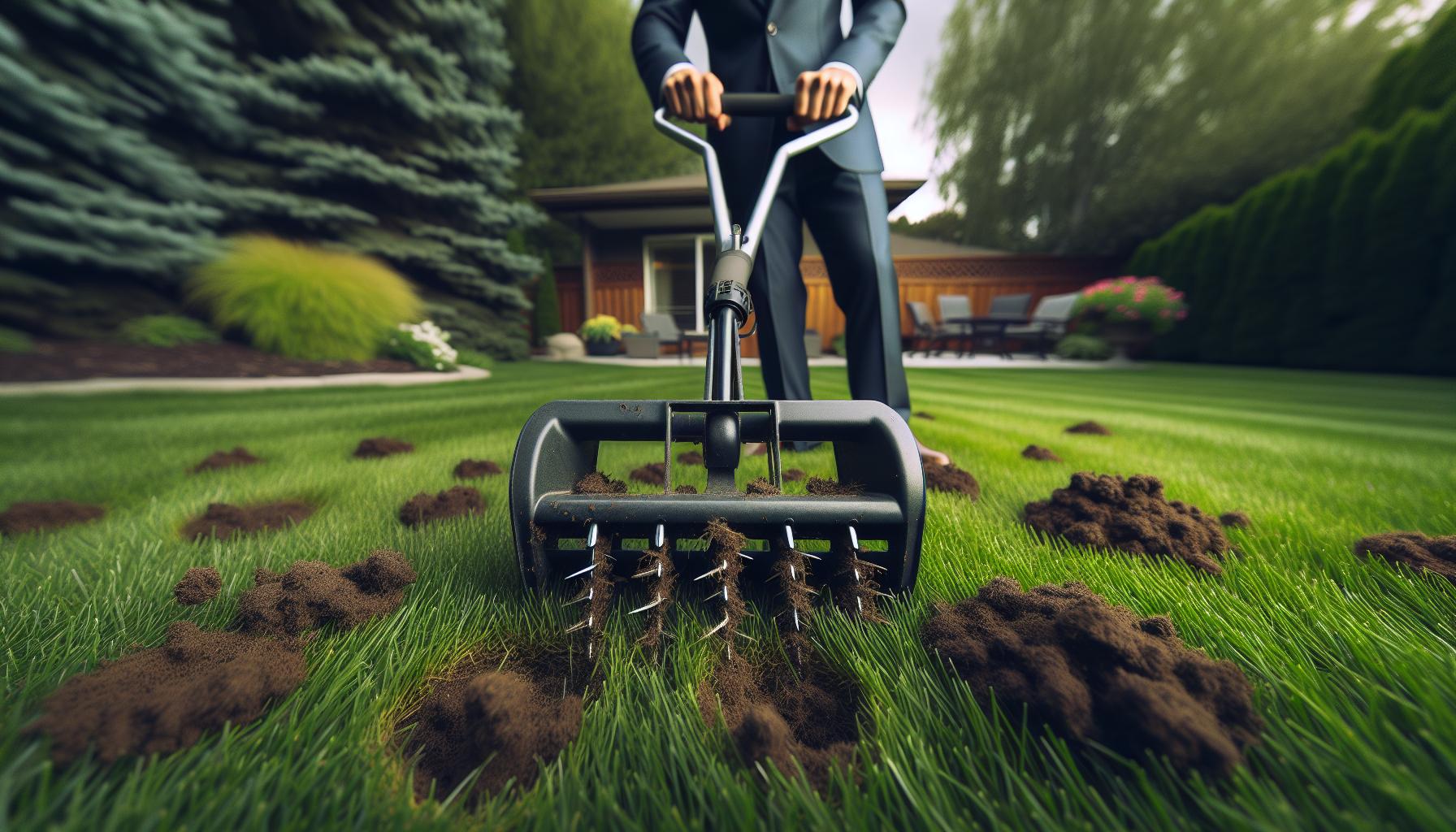
Lawn aeration is not just a maintenance task; it’s an essential service for any healthy lawn, particularly in areas with compacted soil. Understanding the various methods of aeration can help homeowners choose the best approach for their specific lawn conditions. Each aeration technique serves a distinct purpose and can yield different results based on the state of your lawn.
One popular method is core aeration, which involves removing small plugs of soil from the lawn. This technique not only alleviates compaction but also allows air, water, and nutrients to penetrate deeply into the soil, encouraging root growth and healthier plants. Core aeration is particularly effective for lawns that have been heavily trafficked or have a thick layer of thatch.
Spike aeration, on the other hand, uses solid spikes to create holes in the lawn. While this method is less invasive than core aeration and can be sufficient for light compaction, it generally does not remove any soil. Consequently, it can leave the soil more compacted around the spikes, which makes it less effective in the long term for promoting healthy grass growth.
Another innovative approach is slicing aeration, which cuts into the soil and simultaneously pulls up some of the thatch layer. This method aids in breaking up compacted soil while also contributing to the decomposition of thatch, benefiting the overall soil structure.
Lastly, liquid aeration offers a non-mechanical solution by applying a liquid solution designed to break down soil compaction. This approach can be particularly beneficial for those who prefer a less invasive method or have sensitive surface areas that might be disturbed by traditional aeration tools.
In selecting the best aeration method, consider factors like soil type, lawn condition, and your specific goals. For example, core aeration is frequently the recommended choice for lawns with severe compaction, while spike aeration may be adequate for lawns needing lighter treatment. Recognizing these distinct aeration techniques empowers homeowners to take actionable steps, paving the way for a more vibrant and healthy lawn.
Key Benefits of Aerating Your Lawn

Aerating your lawn is often overlooked, yet it’s one of the most effective practices for promoting a lush, vibrant yard. The primary advantage of aeration lies in its ability to alleviate soil compaction, which can suffocate grassroots and hinder moisture absorption. By aerating, you create vital channels for air, water, and nutrients to penetrate deeper into the soil, fostering robust root growth. This process translates into a healthier lawn that can better withstand environmental stressors, such as drought or heavy foot traffic.
Moreover, aeration is particularly beneficial in promoting seed germination and overall lawn thickness. When used in conjunction with overseeding, aeration allows new seeds to make contact with the soil, significantly enhancing germination rates. This dual approach not only fills in bare patches but also encourages a denser, more resilient turf that can crowd out weeds. Homeowners who aerate regularly often notice a marked improvement in their lawn’s visual appeal – richer color, thicker blades, and increased resilience against pests and diseases.
In addition to enhancing the lawn’s aesthetic and health benefits, aeration also plays a crucial role in improving soil structure over time. By breaking down thatch and promoting microbial activity within the soil, aeration leads to a more fertile growing environment. This biological activity nurtures beneficial organisms that further support grass health. Consequently, lawns that undergo regular aeration require less fertilizer, making this practice not only effective but also environmentally friendly and economical.
Aeration can dramatically reduce the need for chemical treatments, as a well-aerated lawn is less prone to pests and diseases. Homeowners can enjoy a more sustainable lawn care routine, emphasizing natural health rather than dependency on synthetic products. With each aeration session, you’re not just caring for your lawn – you’re investing in its long-term vitality and resilience. Whether you’re tackling a neglected plot or simply maintaining a healthy lawn, the benefits of aeration can usher in a new era of green growth and enduring beauty.
How Often Should You Aerate Your Lawn?
Regular aeration can transform even the most neglected lawns into a lush paradise, but many homeowners are uncertain about the appropriate frequency for this essential practice. To maintain optimal lawn health, it is generally recommended to aerate your lawn at least once a year. However, factors such as grass type, soil conditions, and the level of foot traffic play a crucial role in determining the actual frequency best suited for your yard.
For cool-season grasses, early spring or fall is an ideal time for aeration. Both seasons offer favorable conditions for recovery and growth, with cool weather and sufficient moisture encouraging robust root development. If your lawn experiences heavy foot traffic, such as from children playing or pets running around, more frequent aeration-perhaps twice a year-may be necessary to alleviate soil compaction. Similarly, if you notice persistent issues with drainage or pooling water, it’s a clear signal that your lawn could benefit from an additional aeration session.
On the other hand, warm-season grasses thrive in the summer. Thus, aeration during the late spring or early summer aligns with their growth patterns. If your lawn has a heavy thatch layer (over 0.5 inches), aerating could be beneficial as a preventive measure to maintain a healthy balance of soil and organic material. Observing the density of your grass can also guide your decision; thinning or sparse areas indicate a need for intervention.
In summary, while annual aeration is a foundational practice for lawn care, being attuned to the specific needs of your grass type, soil condition, and traffic levels allows you to personalize your approach. With regular assessments and timely aeration, you can ensure your lawn remains healthy, vibrant, and capable of thriving in its environment.
Signs Your Lawn Needs Aeration
Recognizing when your lawn needs aeration can be the difference between a lush, vibrant yard and a patchy, struggling landscape. Several clear signs indicate that your turf may be suffering from compaction or poor nutrient uptake, both of which can be resolved through aeration. Keeping an eye out for these signs can help you maintain your lawn’s health and appearance.
One of the most telling indicators is soil compaction, which often manifests in areas with heavy foot traffic or when the soil feels hard underfoot. If you find it challenging to push a garden spade into the ground or if your lawn has bare patches that refuse to grow, these are strong signs that aeration is needed to improve the flow of air, water, and nutrients into the roots. Additionally, if you notice water pooling on the surface rather than soaking in, this signals that the soil may be too compacted, inhibiting proper drainage.
Thatch buildup is another critical factor. A thatch layer thicker than half an inch can suffocate grass roots and prevent moisture from penetrating the soil. If you’re seeing an accumulation of dead grass and debris on the surface, it’s likely time for aeration to break through that excess layer and encourage healthy growth. Furthermore, take note of the overall health of your grass; if you’re experiencing widespread thinning, discoloration, or patchiness, it could indicate that your lawn is not getting the nutrients it needs due to poor soil aeration.
To maintain optimal lawn health, start monitoring these signs regularly, especially during growing seasons. Implementing aeration when these issues are observed can lead to a more robust and resilient lawn that withstands environmental stressors while flourishing beautifully.
DIY vs. Professional Lawn Aeration Services
When it comes to lawn aeration, homeowners face a critical decision: should they tackle the task themselves, or hire a professional service? Both options have their merits, but understanding the differences can greatly impact the health and appearance of your lawn. DIY aeration can be appealing for its cost-effectiveness and personal satisfaction, allowing you to take control of your lawn care routine. However, professional services bring expertise and specialized equipment that can lead to results beyond what a homeowner might achieve.
Choosing the DIY route often requires renting or purchasing an aerator, which can range from a simple handheld device to a more complex machine. Key factors to consider include: the size of your lawn, the depth of aeration needed, and your physical ability to operate the equipment. If your yard is small, a manual aerator could suffice, but for larger areas or severely compacted soil, a gas-powered or electric machine might be necessary. Furthermore, timing your aeration for peak growing seasons is crucial for effectiveness, which requires research and planning on your part.
On the other hand, hiring a professional lawn aeration service offers distinct advantages. Professionals not only have access to high-quality equipment but also possess the knowledge to assess your lawn’s specific needs. They can identify problems like soil quality and thatch levels more effectively, ensuring that aeration is done at the right time and in the right manner. Additionally, these services often include follow-up maintenance and recommendations that can further enhance the health of your lawn. While the upfront cost may be higher, the long-term benefits of a professionally aerated lawn-such as improved growth and resilience-can make it a worthwhile investment.
Ultimately, the choice between DIY and professional lawn aeration services will depend on factors like budget, personal expertise, and the specific needs of your lawn. If you’re eager to learn and stay involved in the upkeep of your outdoor space, DIY could be a satisfying challenge. However, if you prefer a hassle-free experience with guaranteed results, bringing in the professionals might be the best pathway to achieving a lush, green lawn.
Choosing the Right Aeration Service Provider
Selecting an appropriate lawn aeration service provider can significantly influence the health and appearance of your lawn. It’s not just about finding someone with a machine; the right service expert understands the intricacies of your specific lawn conditions and can tailor their approach accordingly. When looking for a provider, start by considering their experience and reputation in the industry. Customer reviews and testimonials can provide insight into their reliability and quality of service. Speaking directly with previous clients or reading online reviews can help you understand how well the service delivered on its promises.
Additionally, it’s crucial to inquire about the equipment they use. A reputable aeration service provider should utilize high-quality, well-maintained machinery designed for various soil conditions. This ensures effective aeration depth and spacing, which are vital for achieving optimal results. In your conversations, ask about their methods and practices, making sure they’re familiar with the latest aeration techniques that align with best practices in lawn care. A professional who stays updated with recent advancements demonstrates a commitment to enhancing their service.
Moreover, consider the extent of services offered beyond aeration. Many top-tier providers will include a comprehensive lawn assessment and tailored follow-up care, which can help address issues like soil quality, thatch buildup, and the need for overseeding. Look for services that offer packages or consultations that combine multiple lawn care aspects, as this suggests a holistic approach to maintaining a healthy lawn.
Lastly, transparency in pricing is essential. Request detailed estimates that break down costs associated with aeration services, including any additional treatments. Understanding these factors helps you assess the value you’re getting, making it easier to make an informed decision based on your budget and lawn care needs. Remember, the investment you make in professional aeration can lead to longer-lasting beauty and health for your lawn, yielding lush greens and robust growth during peak seasons.
Cost Factors: What to Expect for Lawn Aeration
Understanding the costs associated with lawn aeration can significantly impact your lawn care budget and overall strategy. Aeration services typically vary based on several factors, including the size of your lawn, the aeration method employed, and regional pricing trends. Homeowners should expect to spend anywhere between $50 and $300 for professional aeration services, depending on these elements.
One major cost determinant is the size of your lawn. Lawn size is often measured in square feet, and many services charge on a per-thousand-square-feet basis. For instance, if you have a 5,000 square foot yard, and your provider charges $100 per 1,000 square feet, you could be looking at approximately $500 for the entire aeration process.
Additionally, the method of aeration you choose can influence costs significantly. There are several techniques, including core aeration, spike aeration, and liquid aeration, each with distinct pricing. Core aeration tends to be more expensive due to the machinery required for the process and the thoroughness of its results. On the other hand, spike aeration might be less expensive but can be less effective, making it crucial to balance cost with effectiveness.
Other factors to consider include the timing of the service (peak season can drive up prices), the condition of your soil (more challenging terrains might necessitate additional tools or labor), and whether you opt for a comprehensive package that includes additional services such as overseeding or fertilization. Always ask providers for detailed estimates that outline these costs and services, allowing you to gauge value and make informed decisions in line with your lawn care goals.
Seasonal Considerations for Lawn Aeration
Aerating your lawn is not just a seasonal chore; it’s a strategic step that enhances lawn health and resilience throughout the year. Timing your aeration can significantly affect the results you achieve, as different seasons present unique conditions that can either help or hinder the process. Many lawn care experts suggest that the best times to aerate your lawn are during the growing seasons: early spring and early fall. These periods provide optimal conditions for grass recovery and growth.
Choosing the right season for aeration largely depends on your grass type. For cool-season grasses, early fall is often considered the ideal time because the rising temperatures encourage vigor while strong rainfall ensures that the aeration holes quickly fill with nutrients and water, promoting healthy root development. In contrast, warm-season grasses benefit from aeration in late spring to early summer, aligning with their active growing phase. This seasonal timing allows the grass to thrive post-aeration when it can effectively utilize the improved soil conditions.
Additionally, weather plays a crucial role in determining the best time for lawn aeration. Conducting aeration when the soil is slightly moist-not overly wet or bone dry-will yield the best results. Soil that is too dry can be compacted, making it harder to penetrate, while muddy conditions can lead to further compaction rather than relief. Therefore, watching the weather and understanding your local climate conditions can provide you with the perfect window for aeration.
In summary, effectively timing your lawn aeration not only enhances its effectiveness but also contributes to sustainable lawn care practices. By aligning aeration with your lawn’s growth cycle and local weather patterns, you ensure a vibrant, healthy lawn that can weather seasonal changes more resiliently. Implementing these seasonal considerations will offer a strategic edge to your lawn care routine, establishing a foundation for a lush, thriving yard.
Sustainable Practices in Lawn Care Through Aeration
Implementing sustainable practices in lawn care not only promotes a healthier environment but also enhances the longevity and vitality of your lawn. Aeration is a key technique in this sustainable approach, helping to reduce chemical dependency and improve soil health. By introducing air, water, and nutrients deeper into the soil, aeration fosters a robust ecosystem where beneficial microbes and organic matter can thrive, creating a natural balance that mimics a healthy, wild landscape.
Moreover, aeration supports sustainable practices by enhancing the soil’s ability to absorb rainwater, which reduces runoff and lowers the risk of erosion. Improved drainage leads to less water being wasted, allowing for more efficient irrigation. This not only conserves precious water resources but also minimizes the need for frequent watering, which can sometimes overwhelm local water supplies during drought conditions. For gardeners, this means a reduction in both time and material resources-an ideal combination for promoting an eco-friendly lawn care routine.
Real-World Considerations
Using organic fertilizers and natural soil amendments in conjunction with aeration can yield profound benefits. When the soil is aerated, it acts like a sponge, able to soak up these sustainable inputs better than compacted soils. This means your lawn can thrive with fewer synthetic chemicals, supporting both its health and that of the surrounding ecosystem. For instance, a lawn that integrates compost during aeration can significantly improve its organic content and nutrient availability, leading to a healthier lawn that requires fewer chemical interventions.
In practice, adopting sustainable aeration methods also entails timing and technique. Aerating during the lawn’s growth cycles maximizes the potential for recovery and rejuvenation. For example, opting for core aeration over spike aeration creates holes that allow for better penetration of resources without merely pushing soil further down. Investing in sustainable practices through aeration stands as a step toward responsible stewardship of our green spaces, ensuring that our lawns contribute positively to the environment for years to come.
Maximizing Lawn Health Post-Aeration
A well-aerated lawn holds the key to vibrant health and resilience, yet the real work begins after aeration is complete. To truly maximize your lawn’s potential, nurturing its recovery and growth is essential. One of the first steps after aeration is to ensure that you’re providing the right nutrients. This is an ideal time to apply organic fertilizers or compost, which can be absorbed more effectively by the newly aerated soil. The holes created during aeration allow these nutrients to penetrate deeper, facilitating a more robust root system and encouraging thicker, healthier grass.
Additionally, maintaining optimal watering practices post-aeration is crucial. Since aeration improves the soil’s ability to absorb water, consider increasing the frequency of light watering sessions rather than heavy, infrequent watering. This approach allows the grass to recover without the risk of oversaturation, which can lead to further compaction. Aim for the top inch of soil to remain consistently moist during the initial recovery period, as this promotes seed germination if overseeding.
Follow-Up Care
Monitoring the lawn’s health over the following weeks is equally important. Look for signs of recovery such as new growth and a lush green color. Be attentive to any areas that might not seem to respond well; they may need additional care or nutrients. Incorporating practices such as light topdressing with organic matter can also support soil health and improve the lawn’s overall appearance.
Finally, consider the timing of your follow-up treatments. Applying weed control methods after aeration can be beneficial, as the improved conditions can help the lawn outcompete weeds. However, it’s essential to wait a few weeks after overseeding to avoid damaging new grass shoots. Strategically planning these practices around the aeration timeline will lead to a vigorous, healthy lawn that thrives well into the seasons ahead. Adopting these post-aeration care techniques not only enhances the immediate beauty but also sets the groundwork for long-term lawn vitality.
Faq
Q: What exactly does lawn aeration service involve?
A: Lawn aeration service involves creating small holes in the soil to allow air, water, and nutrients to penetrate deeply. This process helps alleviate soil compaction, promotes root growth, and enhances overall lawn health. Understanding the basics of lawn aeration is essential for maintaining a vibrant yard.
Q: When is the best time to schedule lawn aeration?
A: The best time to schedule lawn aeration typically depends on your grass type. For cool-season grasses, early spring and fall are ideal. For warm-season grasses, late spring and early summer works best. Seasonal considerations are crucial for effective aeration, ensuring optimal grass recovery and growth.
Q: How do I know if my lawn needs aeration?
A: Signs your lawn needs aeration include poor drainage, bare patches, compacted soil, and increased weed growth. Additionally, if your grass struggles to grow despite regular watering, it may be due to compacted soil. Timely aeration can help address these issues and improve lawn vitality.
Q: Can lawn aeration help with thatch buildup?
A: Yes, lawn aeration can significantly reduce thatch buildup. By puncturing the soil, it facilitates decomposition of thatch and enhances air circulation, promoting healthier grass growth. This is particularly relevant in lawns with excess organic material.
Q: What are the differences between DIY and professional lawn aeration services?
A: DIY lawn aeration requires renting or purchasing equipment and physical effort. In contrast, professional services offer expertise and efficiency, ensuring optimal aeration depth and coverage. Weighing the pros and cons can help you decide which option suits your lawn care needs best.
Q: How does lawn aeration impact weed growth?
A: Lawn aeration can reduce weed growth by enhancing the overall health of your lawn. Healthier grass can outcompete weeds for nutrients and resources. Additionally, aeration improves root development, making it more difficult for weeds to establish themselves.
Q: What should I do to prepare my lawn for aeration?
A: To prepare your lawn for aeration, mow it to a shorter height, remove any debris, and ensure the soil is moist (but not soggy). This preparation helps the aerator penetrate the soil more effectively, maximizing the benefits of the service.
Q: How can I maximize the benefits of lawn aeration after service?
A: To maximize the benefits post-aeration, ensure adequate watering, avoid mowing for a few weeks, and apply nutrients if needed. Following these steps helps your lawn recover quickly and thrive. Sustainable practices, as discussed in our article, can further enhance lawn health.
Closing Remarks
In summary, lawn aeration is a game-changer for maintaining a lush and healthy lawn. By relieving soil compaction and improving nutrient absorption, you can enjoy a vibrant yard that enhances your curb appeal and outdoor experience. If you’re ready to give your lawn the care it deserves, don’t hesitate to schedule an aeration service today-your grass will thank you!
For more insights, check out our guides on essential lawn care techniques and the best fertilizers for your lawn. Want to stay ahead in your lawn maintenance? Subscribe to our newsletter for expert tips delivered straight to your inbox! Feel free to share your thoughts or questions below; we love hearing from our community and are here to help you achieve the lawn of your dreams!