
Mowing the lawn is a necessary task for maintaining a neat and healthy yard, but did you know that the times when you can and can’t mow are often dictated by local laws? Understanding these legal hours is crucial to avoid fines and respect your neighbors’ peace. In this article, we’ll uncover the mowing regulations across various states and provide you with essential insights to ensure that your lawn care routine aligns with local ordinances. Whether you’re an avid gardener or a weekend warrior, knowing the right time to use your mower can keep your lawn looking great and promote harmonious living in your community. Read on to discover the legal mowing hours and why they matter to your lawn care habits.
Understanding Lawn Mowing Laws by State
Understanding lawn care regulations is crucial for maintaining harmony in residential communities. While the joy of a freshly mown lawn is universal, the timing of mowing can occasionally cause friction among neighbors. Different states have varying regulations regarding when it is permissible to mow lawns, often in response to concerns about noise pollution and disturbances during early morning or late evening hours.
Compliance with these lawn mowing laws not only helps you avoid potential conflicts but also fosters a community spirit. For example, many regions have established quiet hours typically extending from 9 PM to 7 AM, during which noisy lawn maintenance activities are prohibited. Before initiating lawn care activities, homeowners should familiarize themselves with their local ordinances, as fines can be levied for violations in some municipalities.
Given the diverse legal landscape across the United States, respecting your neighbors’ peace can be an effective way to enhance property values and maintain positive relationships. In states like California and New York, municipalities may enforce stricter rules compared to more rural areas. Therefore, understanding localized laws is essential. It’s beneficial to consult local governmental websites or community boards to ascertain specific hours that would be appropriate for mowing. Engaging in a friendly dialogue with neighbors about their preferences can also go a long way in preemptively addressing potential conflicts related to lawn mowing schedules.
Why Timing Matters: The Effects of Lawn Mowing

Mowing your lawn not only enhances its appearance but also plays a vital role in its health. However, timing is crucial when it comes to this essential yard care task. Not only can mowing at inappropriate times lead to fines due to local noise ordinances, but it can also impact the grass’s growth and your neighbors’ satisfaction. Think of mowing as a delicate balance between environmental needs and community awareness.
Spraying your lawn with the mower blade too early in the morning or late in the evening can interfere with the local ecosystem. During these hours, dew collects on the grass, and mowing can lead to clumps that promote disease or hinder proper drying. Furthermore, excessive noise during these hours can disturb your neighbors, particularly those with young children or early risers. By respecting common mowing hours-often defined by local laws-you contribute positively to your neighborhood and preserve the tranquility that many residents value.
Moreover, understanding community preferences for lawn maintenance timing fosters goodwill among neighbors. For example, if you live in a densely populated area, you might find that most of your neighbors prefer to keep noise to a minimum during certain hours. Open communication about your mowing schedule can help to build strong relationships within the community. To create a harmonious environment, consider setting a designated time for mowing that aligns with local regulations while being considerate of your neighbors. Taking these factors into account can turn a simple lawn care activity into an opportunity for community engagement and respect.
State-by-State Legal Hours for Mowing
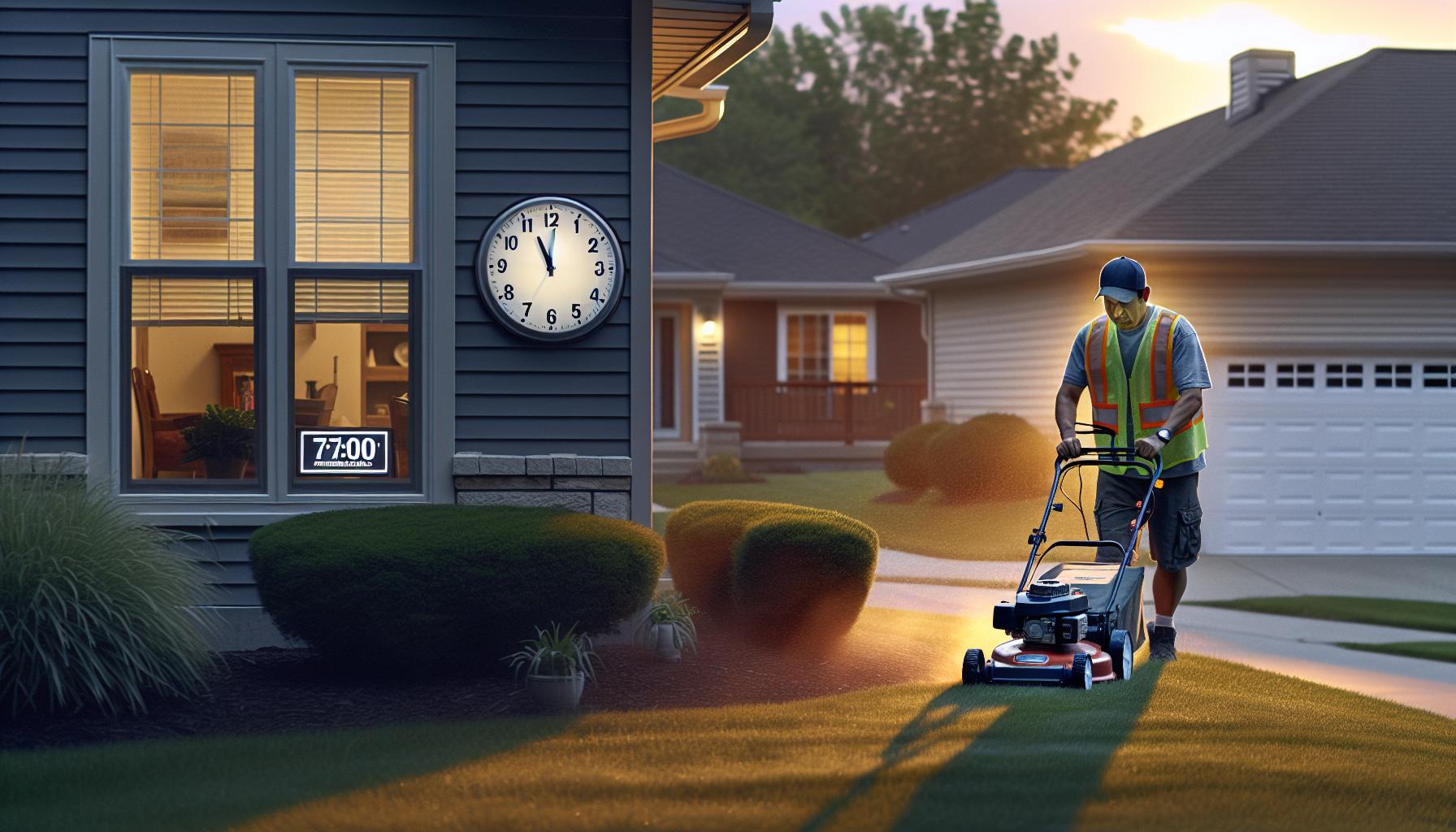
Mowing your lawn at the appropriate times isn’t just a matter of convenience; it’s often dictated by local laws. Many states have established specific guidelines surrounding lawn mowing hours to address concerns about noise pollution and to maintain harmony in residential areas. While regulations can vary significantly from one state to another, understanding these rules can help you avoid unnecessary fines and foster goodwill with your neighbors.
In general, most states set permissible mowing hours to avoid early morning disturbances and late-night noise, often allowing mowing only during daytime hours. For instance, many areas permit lawn mowing from 7 AM to 8 PM on weekdays and often 9 AM to 8 PM on weekends. However, some municipalities have stricter rules. It’s essential to check local ordinances because certain states, like California, may have additional regulations that impact when you can start mowing, typically mandating quiet hours that can extend well into the morning.
Examples of State Regulations
- Florida: Generally allows mowing from 7 AM to 9 PM, but specific communities may have stricter rules.
- New York: Mowing is typically permitted from 8 AM to 9 PM, but some cities may enforce quieter hours.
- Texas: Many areas allow mowing between 7 AM and 10 PM, although noise complaints can lead to fines.
- California: Local regulations may restrict hours further, particularly in residential areas.
Additionally, it’s prudent to be mindful of local events and holidays. Some communities have designated quiet periods for holidays or during specific community events that could also restrict lawn maintenance activities. Failure to adhere to these legal hours can result in complaints from neighbors or even fines, which can sour relationships with those living nearby.
To stay informed, always check city or county websites for the most current regulations, and consider joining local community groups or forums where such information is discussed. Respecting these guidelines not only keeps you on the right side of the law but also promotes a peaceful living environment for you and your neighbors.
Common Neighbors’ Complaints about Lawn Mowing
Mowing the lawn is often a necessary chore that not only keeps your property looking neat but also plays an essential role in its upkeep. However, the sound of lawnmowers can raise concerns among neighbors, leading to various complaints. Understanding these common grievances can help you to maintain a harmonious relationship with those living nearby while keeping your yard pristine.
One of the most frequent complaints relates to the timing of lawn mowing. Neighbors may express frustration if lawn maintenance activities occur during early mornings or late evenings, particularly on weekends. Such actions can disrupt the peace, especially for families with young children or shift workers needing quiet hours to rest. Additionally, loud and repetitive noises from mowers can be intrusive, leading to feelings of annoyance and even stress for those nearby.
Another common issue stems from the use of noisy equipment. While some mowers are designed to be quieter, others can produce significant sound levels that resonate throughout the neighborhood. This is particularly problematic in closely packed residential areas where sound has little room to dissipate. Complaints can range from a simple irritation to requests for adherence to specific noise ordinances, which often dictate when loud outdoor work, including lawn care, should be performed.
In some cases, dissatisfaction arises from overgrown lawns prior to mowing. If a neighbor’s grass has grown excessively tall, the noise generated from mowing not only becomes an inconvenience but also may signal negligence in caring for their property. This can lead to tension among residents, especially if one property detracts from the overall aesthetic appeal of the neighborhood.
To minimize potential complaints, it is advisable to communicate with your neighbors about your lawn care schedule. Consider their routines and try to mow during hours that align with local regulations and community expectations. Maintaining your lawn with quieter tools or opting for electric mowers can also alleviate noise concerns, fostering a more friendly environment as you care for your home.
How to Check Local Lawn Care Ordinances
Understanding local lawn care ordinances is crucial for any homeowner looking to maintain their yard while respecting neighbors’ peace. Laws regarding lawn maintenance can vary widely not only by state but sometimes even by city or neighborhood. To ensure compliance and avoid potential conflicts, knowing how to find and interpret these regulations is essential.
Start by visiting your local government’s website, where ordinances are often published. Many municipalities maintain an online database that includes codes related to noise regulations, which will outline specific hours during which lawn mowing is permitted. Additionally, check for any specific community guidelines that might be set by homeowner associations (HOAs); these can dictate even stricter rules regarding noise and lawn care times.
Another practical step is to contact your local zoning office or code enforcement department directly. They can provide clear answers about legal mowing hours and any particular restrictions that apply to your neighborhood. You can also inquire about noise ordinances, which may have set limits on decibel levels for lawn maintenance equipment. Municipal offices often offer resources and pamphlets explaining local laws in layman’s terms, making the information more accessible.
For those who prefer a more community-oriented approach, consider attending town hall meetings or homeowners association gatherings. These forums provide a platform to discuss and clarify neighborhood rules and foster relationships with local officials and neighbors. Engaging with your community not only helps you stay informed but can also lead to discussions about potential changes in ordinances, paving the way for a more harmonious living environment.
By taking these steps to check local lawn care ordinances, you can mow your lawn at appropriate times that respect your neighbors’ comfort and maintain the aesthetic of your community. Understanding the rules ensures that your yard remains a source of pride without causing unnecessary friction in your neighborhood.
Exceptions: Holidays and Special Circumstances
Certain times call for flexibility when it comes to adhering to lawn mowing regulations. Holidays and special circumstances can often provide leeway for homeowners to care for their lawns outside of typical legal hours. Understanding these nuances is essential in maintaining a balance between yard upkeep and neighborly respect.
During holidays, many local ordinances may relax the usual restrictions for noisy activities, including lawn mowing. For example, it’s not uncommon for some municipalities to allow yard work to commence earlier in the morning or to continue later in the evening on holidays like Memorial Day or Labor Day, when many residents are home and may appreciate the upkeep. However, it’s important to verify specific local regulations as they can differ widely. Always err on the side of caution and, if uncertain, reach out to local authorities to clarify what is permissible.
Special circumstances like severe weather can also create openings for mowing outside designated hours. If a recent storm has left your lawn looking like a jungle, you might find yourself in a situation where cutting the grass is essential to prevent pest infestations or to maintain the health of your yard. In such cases, it might be wise to notify neighbors in advance, explaining your situation and the need for timely action. Most neighbors will appreciate your consideration and understanding of their peace.
When planning to mow during these exceptions, remember to use your judgment. Extra care should be taken to minimize noise and disturbance, such as opting for quieter mowing equipment or scheduling your task during times when you believe others to be less likely disturbed. Respecting the simple principle of neighborly consideration can go a long way in maintaining good relationships in your community, even when special circumstances necessitate slight deviations from the norm.
Tips for Mowing Without Disturbing Neighbors
Mowing the lawn is not just a chore; it’s a labor of love that helps keep your yard in peak condition. However, it can also be a noisy affair that may disturb those living nearby. To ensure you maintain harmony with your neighbors while keeping your grass neatly trimmed, it’s essential to consider a few practical strategies.
One effective approach is to schedule your mowing during times when most neighbors are either away or engaged in activities that may not be disrupted by the noise. Early evenings, when people are often indoors, or late mornings after rush hour can be prime windows. Additionally, before starting, take a moment to observe your neighborhood dynamics. For example, if you notice particular times when neighbors are outside or gardening, aim to avoid those hours.
Choosing the right equipment can also significantly reduce noise levels. Consider investing in a quieter mower, such as an electric or battery-powered model. These options not only minimize sound but often produce fewer emissions, making them an environmentally friendly choice as well. Another practical tip is to mow in a clockwise direction around the yard, which can help to direct sound away from the neighbors’ homes and create a more pleasant mowing experience for everyone involved.
Finally, respectful communication can go a long way. If you anticipate that your lawn care task might be particularly loud, let your neighbors know in advance. A friendly heads-up can build goodwill and understanding. Additionally, if you’re planning a large mow after recent storms, a quick chat can reassure them that you are considerate of everyone’s peace while still being proactive about maintaining your property. By applying these strategies, you can keep your lawn looking great while also preserving the harmony in your neighborhood.
Best Practices for Managing Lawn Noise
Maintaining a tranquil neighborhood ambiance while performing routine lawn care is crucial for harmonious community living. Noisy lawn maintenance can quickly become a source of contention among neighbors, often leading to misunderstandings that could easily be avoided. Adopting effective strategies to keep lawn noise in check not only respects your neighbors’ peace but can also enhance your relationship within the community.
To minimize disturbances, consider schedule adjustments that align with your neighbors’ activities. A good practice is to mow during late mornings after most people have left for work, or early evenings when families are indoors. Refrain from mowing during common relaxation times, such as weekends or early mornings when many are still resting. Additionally, observing your neighborhood’s unique rhythm can provide insight into the optimal times for lawn care; for example, if you notice frequent gatherings or children playing outside late afternoons, plan your mowing accordingly.
The type of equipment you choose can also significantly impact noise levels. Electric or battery-powered mowers tend to be quieter than traditional gas models and are often more environmentally friendly, producing fewer emissions. When mowing, consider the direction of your passes. Mowing in a manner that directs noise away from neighbors’ homes-such as moving clockwise around your yard-can further reduce perceived disturbance.
Lastly, fostering open communication can alleviate potential grievances. If you anticipate a particularly loud mowing session, a simple heads-up to your neighbors can go a long way. Not only does it show consideration, but it sets a tone of cooperation, encouraging understanding should disruptions occur. With these strategies, you can keep your lawn manicured while ensuring your neighborhood remains a peaceful place for everyone.
Impact of Lawn Mowing on Property Values
Maintaining a well-kept lawn can significantly enhance property values, making it a vital consideration for homeowners. An attractive landscape contributes to curb appeal, which is often the first impression potential buyers have when viewing a home. Homes with lush, green lawns are typically more desirable, not only for individual buyers but also within the broader real estate market. This emphasis on aesthetics translates to higher sale prices, with some studies indicating that well-maintained lawns can add as much as 10% to a home’s value.
Timing plays a critical role in lawn care practices, including mowing. Engaging in lawn maintenance, especially mowing, during acceptable hours can prevent disputes with neighbors and foster a sense of community. Knowing your local regulations is essential, as adhering to them can help you maintain a peaceful relationship with your neighbors, who might otherwise view frequent or loud mowing as disruptive. Such disputes can negatively impact property values, as an unkempt lawn due to mowing issues may suggest neglect, even if this is not the case.
To maximize the positive impact of your lawn on property values, consider a balanced mowing schedule that respects local laws while ensuring your grass remains healthy and attractive. Proper mowing techniques, such as cutting the grass to the right height and ensuring consistent maintenance, will not only improve the appearance of your lawn but also promote healthy growth. This, in turn, can lead to a thriving yard that enhances your home’s overall visual appeal and value.
Furthermore, individuals exploring alternatives to traditional mowing methods can find innovative solutions that benefit both their lawns and community relations. Using quiet or electric mowers can minimize noise pollution, showing consideration for neighbors while still achieving a pristine lawn. By adopting these practices, homeowners can successfully maintain their yards in a manner that respects local regulations and enhances property values.
Alternatives for Noisy Lawn Maintenance
Engaging in lawn maintenance can often feel like a balancing act between achieving a pristine lawn and maintaining good neighborly relations. Many homeowners grapple with the dilemma of mowing their lawns without creating undue noise, especially in densely populated neighborhoods. Fortunately, several alternative methods exist to keep your yard looking its best while minimizing disturbances.
One of the most effective ways to reduce noise during mowing is to consider electric lawn mowers. These machines are generally quieter than their gas-powered counterparts and can help you adhere to local regulations regarding noise levels. Moreover, many electric mowers are corded or battery-operated, making them more environmentally friendly and providing the added benefit of being easier to start and maintain.
Innovative Lawn Care Techniques
In addition to electric mowers, homeowners might explore alternative mowing techniques to minimize sound. For instance, using a reel mower-a manual, push-style mower-can be a great option for smaller yards. Not only do these mowers operate quietly, but they also provide an excellent workout! Furthermore, they’re low-maintenance and do not require fuel or electricity, making them a sustainable choice.
Another option to consider is the use of robotic lawn mowers. These autonomous devices can be programmed to cut grass at designated times, often during hours that are permissible by local ordinances. By scheduling mowing during the early morning or late evening, homeowners can enjoy a beautiful lawn without adding to noise complaints. With advanced technology, many robotic mowers are designed to maneuver around obstacles and return to their charging stations when finished, making them a viable hands-off solution.
Community Engagement and Noise Reduction
Finally, engaging with your community can provide innovative solutions as well. Start conversations with neighbors about lawn care preferences, and consider forming a collective agreement on acceptable mowing times. In doing so, you help foster community spirit while ensuring that everyone remains informed about noise levels. Sharing tips on quieter mowing practices can also empower others to follow suit, further reducing the overall noise in your neighborhood.
By adopting these quieter lawn maintenance alternatives, you not only respect local laws regarding noise but also prioritize your relationship with your community. The result is a well-kept lawn and a harmonious neighborhood environment, where beauty and peace coexist effortlessly.
Local Resources for Lawn Mowing Regulations
Navigating lawn mowing regulations can save you time and stress, ensuring you maintain a beautiful yard while keeping the peace with your neighbors. Every state has its own set of rules regarding when you can legally mow your lawn, and these regulations can often be found through various local resources. Local government websites, such as city or county pages, typically provide comprehensive details about ordinances that pertain to noise levels and lawn care activities. Checking these sites can help you discover not only the permissible mowing hours but also any specific restrictions that may apply during holidays or community events.
In addition to online resources, community centers and local libraries can be excellent starting points for understanding local lawn care regulations. These facilities often host resource guides or can connect you with local representatives who can answer specific questions. Furthermore, engaging with neighborhood associations can yield insights into informal community guidelines that may complement official regulations. Many communities have shared documents outlining best practices for noise reduction and other lawn maintenance tips tailored to the neighborhood’s culture.
Local lawn care services can also serve as valuable resources. Many lawn care professionals stay informed about local ordinances and may have already navigated the complexities of mowing laws in your area. They can provide insights not only on the legalities of when to mow but also on quieter mowing methods that might be acceptable in your community. Additional tools, like community apps or forums, can facilitate discussions among neighbors, allowing you to share knowledge and experiences about lawn care, including mowing times.
Ultimately, understanding the legal hours for lawn mowing in your area is essential not just for compliance, but for fostering a harmonious neighborhood environment. By leveraging local resources and engaging with your community, you can cultivate both your lawn and your relationships with those living around you, ensuring everyone enjoys a peaceful and pleasant atmosphere.
Engaging with Your Community on Lawn Care
Connecting with your neighbors and actively participating in community discussions about lawn care can significantly enhance both your gardening experience and your relationship with those around you. When you engage in conversations about lawn maintenance, not only do you gather valuable insights on best practices, but you also foster a sense of collaboration and understanding regarding local mowing regulations. This is particularly useful given that mowing practices can vary widely across neighborhoods, influenced by personal preferences and local laws.
One effective way to engage is by hosting a neighborhood gathering or a lawn care workshop. This informal setting allows everyone to share their experiences and tips, while also addressing any common concerns, such as noise regulations. Consider creating a platform-like a neighborhood group on social media or a community board at a local library-where residents can post questions, share mowing schedules, and coordinate lawn care efforts. This kind of communication helps set expectations and establish a communal respect for the quiet hours set by local laws.
Additionally, when you meet neighbors, make it a point to discuss your mowing times and ascertain theirs. By aligning your schedules, you’re less likely to disturb each other, which can mitigate conflicts. A simple conversation can lead to collective agreements on acceptable mowing hours or even shared lawn care resources, such as equipment or maintenance tips. You might find that planning community service days for larger lawn care tasks not only beautifies the neighborhood but also strengthens bonds between residents.
Lastly, engaging with local garden clubs or homeowners’ associations can provide a wealth of knowledge. These groups often have established guidelines about lawn care and noise ordinances, which can help you stay compliant while maintaining your property. Participating in these organizations could also connect you with community experts who can offer advice on quieter mowing techniques or recommend alternatives for lawn maintenance that might not produce as much noise, ensuring that everyone keeps a serene living environment.
Q&A
Q: What are the common lawn mowing hours in residential areas?
A: Typical lawn mowing hours in residential areas usually fall between 8 AM and 8 PM. However, it’s crucial to verify local regulations, as hours may vary by state or municipality. Always consider neighbors’ schedules and local ordinances to maintain good relations.
Q: Can I mow my lawn on weekends?
A: Yes, you can mow your lawn on weekends, but check local noise ordinances first. Some areas have restrictions on lawn maintenance equipment use during early mornings or late evenings, even on weekends. Refer to your state regulations for more information.
Q: What happens if I mow my lawn outside legal hours?
A: Mowing your lawn outside of legal hours can lead to complaints from neighbors and potential fines from local authorities. It’s important to adhere to specified mowing times in your area to avoid disturbances and legal issues.
Q: Are there specific lawn mowing hours for commercial properties?
A: Yes, commercial properties may have different regulations regarding lawn mowing hours compared to residential ones. Typically, they may be allowed to mow during earlier or extended hours, but it’s essential to check local laws to confirm any restrictions.
Q: How do weather conditions affect the best time to mow?
A: Weather can significantly impact the best time to mow your lawn. Mowing during dry conditions is ideal, as wet grass can clump and lead to uneven cutting. Additionally, avoid mowing during extreme heat to protect both your lawn and your health.
Q: Can I mow my lawn during holidays?
A: Mowing during holidays may be restricted in some areas due to noise ordinances. Always check local regulations regarding holiday restrictions to avoid complaints from your neighbors and ensure your mowing aligns with community guidelines.
Q: What are the best practices for mowing early in the morning?
A: If you plan to mow early in the morning, consider using quieter equipment and keeping noise to a minimum. Aim to start close to the allowed legal hours, usually around 8 AM, to minimize disturbances and respect your neighbors’ peace.
Q: How can I find out my local lawn care ordinances?
A: You can find your local lawn care ordinances by visiting your city or county website, where regulations are typically published. Additionally, contacting your local zoning office or homeowner’s association can provide valuable information on specific rules regarding lawn maintenance.
Concluding Remarks
Now that you’re equipped with the legal mowing hours for your state, it’s time to put that knowledge to work for a vibrant lawn. Remember, adhering to these guidelines not only helps you stay within the law but also fosters good relations with your neighbors. For more comprehensive tips on optimizing your lawn care routine, check out our guides on lawn maintenance techniques and the best lawn care products available.
Ready to tackle your lawn? Don’t miss out on the tools and resources that can elevate your lawn care game! Subscribe to our newsletter for exclusive insights and updates, or explore more articles to ensure your grass stays lush and green. Join the conversation in the comments below-share your lawn care experiences or ask any lingering questions! Your dream lawn is just a click away-let’s make it happen!