
When it comes to maintaining your Toro lawn mower, understanding the right type of oil to use is crucial for optimizing performance and longevity. Many homeowners overlook this aspect, yet using the correct oil can significantly impact your mower’s efficiency, especially during those hot summer days. Toro specifically recommends SAE 30 4-cycle lawn mower oil, known for its ability to reduce molecular shearing and enhance engine life compared to multi-grade oils. As you strive for a lush, perfect lawn, knowing how to keep your mower in top shape is vital for achieving your gardening goals. Curious to learn more about the oil types available and how to choose the best one for your Toro mower? Read on to discover essential tips and insights that will help you make informed decisions for your lawn care routine.
Understanding the Importance of Oil in Lawn Mowers
Oil is the lifeblood of any lawn mower, playing a crucial role in maintaining engine performance and longevity. Using the correct oil helps to reduce friction, control temperatures, and keep your engine clean by suspending contaminants. In a Toro lawn mower, the right type of oil ensures that your machine runs efficiently, ultimately allowing you to achieve a well-manicured lawn without unnecessary hassle. Proper lubrication not only prevents excessive wear but also leads to smoother operation and improved fuel efficiency.
When it comes to choosing oil for your Toro lawn mower, the manufacturer’s recommendations should be followed closely. Most Toro models call for either SAE 30 or 10W-30 4-cycle engine oils. These oils are specifically formulated for the unique demands of air-cooled engines typical in lawn mowers, providing adequate protection under various operating conditions. For instance, SAE 30 oil is ideal for warm weather, while 10W-30 offers better performance across a range of temperatures due to its multi-viscosity properties.
Regular maintenance, including timely oil changes, contributes to extending the lifespan of your mower. Oil can degrade over time, losing its effectiveness in lubricating the engine components. Therefore, it is essential to check your oil levels and condition regularly, especially before and after the mowing season. Adopting a proactive approach to oil management can help prevent costly repairs and ensure that your Toro lawn mower remains in peak condition.
Types of Oil Recommended for Toro Lawn Mowers
Choosing the right oil for your Toro lawn mower is crucial for ensuring optimal performance and longevity of the engine. The specific demands of air-cooled engines in lawn mowers necessitate using oils that can handle high temperatures and provide superior lubrication. The most commonly recommended oils are SAE 30 and 10W-30 4-cycle engine oils. Each of these oils is designed with the specific operational profiles of Toro lawn mowers in mind.
For warmer weather, SAE 30 oil stands out as an excellent choice because it maintains its viscosity effectively in the heat, promoting better lubrication at higher temperatures. Its single viscosity rating means it’s less prone to degradation under hot conditions, making it ideal for peak mowing seasons. On the other hand, 10W-30 oil caters to a broader range of temperatures, making it versatile for both hot and slightly cooler days. This multi-viscosity oil provides adequate protection during the initial start-up phase when the engine is cold, reducing wear on components during the crucial warm-up period.
When selecting the oil, it’s also beneficial to consider the specific model of your Toro lawn mower. Each model may have unique engine specifications and requirements, so always refer to the owner’s manual for guidance on the best oil type. Using oils that are specially formulated for 4-cycle engines, like those produced by Toro, ensures the oil meets high-performance standards. This commitment to quality is reflected in products such as Toro SAE 30 4-Cycle Lawn Mower Engine Oil, which has undergone extensive testing to guarantee reliability in garden maintenance chores[1].
Choosing the right oil not only contributes to efficient engine operation but also protects against wear and tear, ultimately extending the life of your lawn mower. Adopting the manufacturer’s recommendations ensures your mower operates at peak performance, tackling the toughest mowing jobs with ease while maintaining engine health over the long run.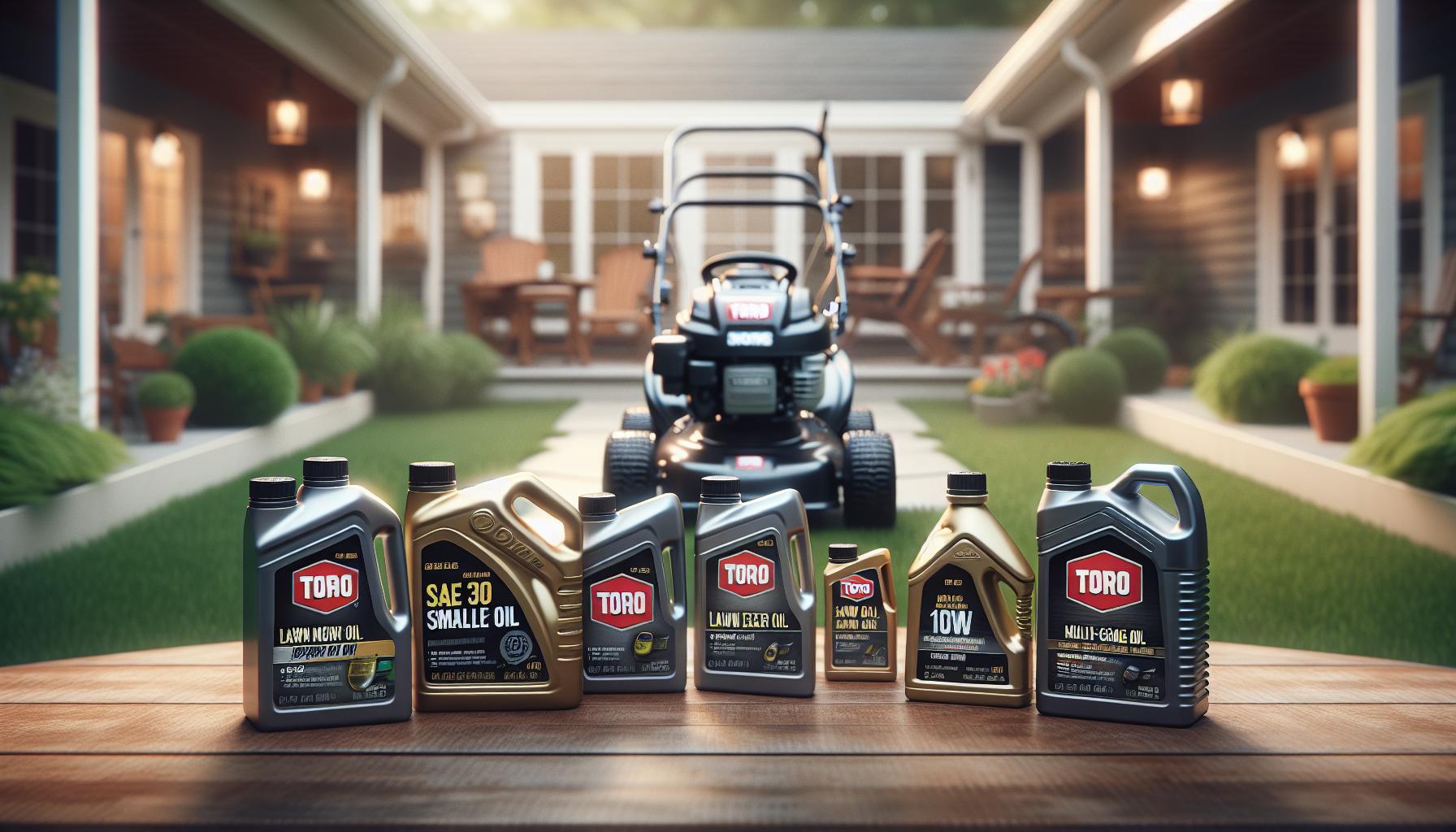
Viscosity Ratings: What You Need to Know
Understanding viscosity ratings is essential for selecting the right oil for your Toro lawn mower since they determine how oil performs at varying temperatures. Viscosity refers to a fluid’s resistance to flow, affecting how well it lubricates engine parts under different conditions. This property is particularly critical in lawn mowers, where the engine operates in fluctuating temperatures, from the cool of early mornings to the heat of midday.
When considering oils for Toro lawn mowers, you’ll commonly encounter ratings like SAE 30 and 10W-30. The first number in these ratings indicates the oil’s viscosity at cold temperatures, while the second number (in multi-grade oils) denotes its viscosity at high temperatures. For example, 10W-30 remains fluid in colder conditions-important during initial starts-while ensuring sufficient protection when operating at higher temperatures. In contrast, SAE 30 behaves consistently in warm weather, making it an excellent option for hotter months, as it provides solid lubrication without thinning out too much.
It’s crucial to choose oil that aligns with the seasonal conditions and the specific operating temperatures of your lawn mower. Here’s a quick breakdown of the advantages of these two common oil types:
- SAE 30: Best for warm weather, retains excellent stability and lubrication; ideal for maintaining engine efficiency during the peak mowing season.
- 10W-30: Offers versatility, performs well in both cold starts and high temperatures, providing a broader operational range; suitable for varied climates.
By understanding these ratings, you can ensure that your Toro lawn mower runs smoothly and efficiently. Regularly checking the oil’s viscosity and using the appropriate type not only prolongs the machine’s life but also enhances its performance, allowing for more effective grass cutting and maintenance tasks. Always refer to your mower’s owner’s manual for specific recommendations tailored to your model, ensuring you select the best possible option for your needs.
Choosing Between Synthetic and Conventional Oils
When it comes to maintaining your Toro lawn mower, one of the key decisions you’ll face is whether to use synthetic or conventional oil. Each type of oil offers its own set of benefits, and understanding these can help you make the best choice for your mower’s needs, ultimately enhancing its performance and longevity.
Conventional oil, often referred to as mineral oil, is derived from crude oil and has been the standard for years. It provides adequate lubrication and protection for most lawn mower engines under typical conditions. Conventional oil is usually more affordable than synthetic, making it a popular choice for casual users and those who perform regular maintenance on their mowers. It performs well in warmer temperatures, especially when using a single viscosity oil like SAE 30, but it may break down more quickly under extreme heat and pressure. Because of this, conventional oil may require more frequent changes, particularly during peak mowing season.
On the other hand, synthetic oil is engineered to provide enhanced performance and protection. It contains additives designed to reduce friction, improve engine cleanliness, and resist breakdown under heat and high-stress conditions. This makes synthetic oil particularly advantageous for mowers that operate in varying temperatures or are used frequently. Although it tends to be higher in price, the longer intervals between oil changes and the superior protection it offers can make it a more economical choice in the long run, especially for those who rely on their mowers for extensive yard work. Additionally, synthetic oils, like 10W-30, maintain their viscosity over a broader temperature range, providing better start-up protection during cold mornings as well as effective lubrication during hot days.
In making your choice, consider your mowing habits, the climate in your area, and your budget. For those mowing occasionally in moderate climates, conventional oil may suffice. However, if you’re using your Toro lawn mower frequently or in extreme conditions, synthetic oil is likely to yield better results and prolong the life of your engine. Always consult your mower’s owner manual to find the oil type and viscosity that’s best suited for your specific model, which is essential for optimal performance.
How to Change the Oil in Your Toro Lawn Mower
Changing the oil in your Toro lawn mower is an essential maintenance task that not only extends the life of your machine but also ensures it operates at peak efficiency. This process is simpler than you might think and can even be accomplished in your own garage. Regular oil changes are crucial because oil degrades over time and loses its ability to lubricate effectively, which can lead to engine wear and failure if neglected.
To begin, gather all necessary supplies: a suitable oil (such as Toro SAE 30 or 10W-30), an oil pan, a funnel, gloves, and a wrench. Make sure your mower is on a flat surface and that the engine is cool. Disconnect the spark plug to prevent accidental starting. Next, locate the oil drain plug underneath the mower. Place the oil pan beneath it, then remove the drain plug and allow the old oil to completely drain out. It’s often a good idea to tilt the mower slightly to ensure all oil is expelled.
After the old oil has drained, replace the drain plug and tighten it securely. Now, using your funnel, pour the new oil into the fill opening-consult your owner’s manual for the recommended oil capacity. Typically, this will be around 15 to 20 ounces for most lawn mowers. Once filled, check the oil level with the dipstick (if available) or visually to ensure it’s within the proper range. Reconnect the spark plug, and your Toro lawn mower is ready to roll again.
In essence, changing your oil regularly-usually after every 20-50 hours of operation or once per season-ensures that your mower runs smoothly and efficiently, ultimately saving you time and money on repairs down the line. By staying proactive with this upkeep, you’re not just caring for your equipment but also enhancing its performance.
Common Oil Mistakes to Avoid
Mistakes in oil maintenance can lead to poor performance and significant repairs for your Toro lawn mower, yet many users unknowingly make errors that compromise their machine’s functioning. One common pitfall is using the wrong type of oil. Toro typically recommends oils like SAE 30 or 10W-30 for their mowers, depending on the operating conditions. Opting for incorrect viscosity can result in inadequate lubrication, especially in varied weather conditions. It’s crucial to always check your owner’s manual to ensure you’re using the right oil for your specific model.
Another frequent mistake involves neglecting regular oil changes. Users might assume that oil only needs to be changed if it appears dirty, but oil degradation occurs even without visible debris. Mechanical wear and thermal breakdown can diminish oil performance over time. It’s advisable to change the oil every 20-50 hours of operation or at least once per season to keep your mower functioning optimally. Additionally, skipping this maintenance can void warranties, so staying proactive is not just good for your mower; it’s also smart financially.
Improper storage of oil can also be detrimental. If you store oil in areas exposed to extreme temperatures or direct sunlight, it can degrade quickly. Always keep oil in a cool, dry place, away from harmful conditions to maintain its integrity. Furthermore, using oil past its expiration date can result in poor performance. Always check the expiration before use to ensure the oil still meets performance standards.
Finally, a common oversight is not checking oil levels regularly. Users might fill the oil reservoir and assume it will remain at the proper level. However, oil can burn off during operation, leading to low levels that may damage the engine. Regular dipsick checks or visual inspections can help prevent this issue. Overall, adopting best practices in oil maintenance not only enhances your Toro lawn mower’s performance but also significantly extends its lifespan.
Environmental Impact of Lawn Mower Oils
The impact of lawn mower oils on the environment is an area that often goes unnoticed, yet it has significant implications for both local ecosystems and broader ecological systems. Many conventional oils, including traditional petroleum-based lawn mower oils, can release harmful pollutants into the air and soil during use and disposal. These pollutants may include volatile organic compounds (VOCs) that contribute to air pollution and may be harmful to human health. Furthermore, improper disposal of used oil can lead to soil contamination, affecting plant life and local wildlife.
To mitigate these environmental effects, users of Toro lawn mowers-and other gas-powered lawn equipment-should consider opting for environmentally-friendly oil alternatives. Synthetic oils, for instance, often have lower emissions and less environmental toxicity compared to conventional oils. Although they may come with a higher upfront cost, their longer lifespan and superior lubrication can lead to fewer oil changes, thereby reducing overall waste.
Responsible Oil Management Practices
Adopting responsible practices can significantly reduce the :
- Choose Eco-Friendly Oils: Look for oils labeled as environmentally safe or biodegradable.
- Proper Disposal: Always take used oil to a recycling center or a facility that disposes of it properly, rather than pouring it down the drain or onto the ground.
- Regular Maintenance: Keeping your mower well-maintained can enhance efficiency, reducing emissions and oil usage.
By prioritizing these considerations, users can help safeguard the environment while maintaining the efficiency and performance of their lawn mowers. It’s a small yet impactful step towards sustainable landscaping practices, impacting not only the immediate area but also the global community’s efforts in eco-friendliness.
Tips for Proper Oil Storage and Maintenance
Storing and maintaining lawn mower oil properly is essential for ensuring the longevity and efficiency of your Toro mower. Did you know that improper storage can significantly degrade the quality of oil, leading to decreased performance and potential engine damage? To keep your oil in top shape, it’s crucial to follow a few best practices to protect both the oil and your mower.
First, always store your oil in a cool, dry place away from direct sunlight. Exposure to heat and light can cause oil to break down faster, reducing its effectiveness. Use airtight containers designed for oil storage to minimize air contact, which can lead to oxidation and contamination. If you have leftover oil after an oil change, clearly label the container with the type and date of purchase, and keep it sealed. This practice helps you avoid mixing different oil types and ensures you use the oldest oil first.
Furthermore, regularly inspect the oil in your Toro mower. Before each mowing session, check the oil level and quality through the dipstick. If the oil appears dark and dirty or has a burnt odor, it’s time for a change. Regular maintenance doesn’t just improve mower performance; it also prevents future costly repairs. Always follow the manufacturer’s recommendations for oil changes, which typically suggest changing the oil after every 25 hours of operation or at least once per season.
Lastly, safety should always be a priority when handling mower oil. Wear gloves and goggles during changes to protect yourself from exposure to potentially harmful substances found in used oil. Furthermore, make it a habit to properly dispose of old oil by taking it to a recycling center. This not only keeps your work area safe but also protects the environment from harmful pollutants. By incorporating these storage and maintenance tips, you can ensure that your Toro lawn mower runs efficiently and smoothly throughout its lifespan.
When to Replace Oil in Your Toro Lawn Mower
The longevity and performance of your Toro lawn mower largely hinge on the quality and condition of its engine oil. Knowing when to replace this crucial component can drastically affect the health of your mower. As a general rule of thumb, it’s advisable to change the oil after every 25 hours of operation or at least once per mowing season. However, certain factors can necessitate more frequent changes.
Regularly monitoring the oil level and its condition is essential. A quick check using the dipstick allows you to assess both the oil level and its clarity. Oil that appears dark and gritty or emits a burnt smell indicates that it has degraded and may no longer offer optimal protection for your engine. Additionally, if you notice any unusual engine noises while mowing, it may be a sign that the oil has lost its lubricating properties and needs to be replaced urgently.
Environmental conditions can also play a significant role in how often you should change the oil. For instance, if you use your mower in particularly dusty or hot conditions, the oil is likely to become contaminated more quickly, necessitating more frequent changes. Consider creating a routine check on your mower before each use, focusing on both oil levels and quality, to keep your equipment in top shape.
Proper oil maintenance not only enhances performance but also extends the mower’s life. Establishing a habit of timely oil changes can help prevent engine wear and costly repairs, ensuring that your Toro lawn mower is ready to tackle the toughest jobs with efficiency.
Signs That Your Lawn Mower Needs New Oil
The performance of your Toro lawn mower can dramatically decline if oil is allowed to deteriorate. Observing specific signs can save you from unexpected breakdowns or expensive repair bills. One of the most apparent indicators that your mower needs new oil is a noticeable change in the oil’s appearance. Fresh oil is often a translucent golden brown, while oil that has become dark and gritty suggests it has absorbed dirt, debris, and other contaminants. If you inspect the dipstick and see an opaque, thick substance instead of a smooth, shiny liquid, it’s time to replace it.
In addition to changes in color and consistency, pay attention to any unusual noises coming from the mower’s engine. If you notice knocking, grinding, or a general lack of smooth operation, this could indicate that the oil has lost its lubricating properties and is no longer protecting the engine effectively. Regularly running the mower with poor-quality or old oil can lead to increased wear and tear on the engine components, ultimately shortening its lifespan.
Another critical sign is the presence of a burnt smell emanating from the engine. Overheated oil can not only affect the performance of your mower but can also lead to significant engine damage if not addressed. A burnt odor is a clear indication that the oil needs to be changed right away. Furthermore, if you find that the oil level consistently drops below the safe operating range, this may suggest either a leak or excessive consumption, both of which necessitate an immediate oil replacement and further investigation.
To ensure your Toro lawn mower remains in peak operating condition, develop a routine for checking the oil levels and inspecting its condition frequently. Establishing a practical maintenance habit will not only keep your mower running efficiently but will also enhance its longevity, allowing you to tackle your lawn care tasks with confidence.
User Experiences: Oil Choices and Performance
User experiences with oil choices for Toro lawn mowers often highlight the significant impact that the right oil can have on performance and longevity. Many users share anecdotal evidence of improved engine performance after switching to Toro’s recommended SAE 30 oil, especially during warm weather conditions. This oil is specifically formulated to minimize molecular shearing, effectively reducing wear in hot-air-cooled engines compared to multi-grades like 10W-30, which some users have reported as not providing the same level of protection during demanding mowing sessions.
A prominent example comes from those who have opted for synthetic blends. Users have noted that while initial costs might be higher, synthetic oils maintain viscosity better under extreme temperatures, allowing for a smoother operation and less frequent oil changes. One user recounted how utilizing a synthetic blend in their Toro mower resulted in noticeably quieter engine performance and more efficient fuel consumption, particularly during long mowing periods.
However, not everyone has had a favorable experience. Some individuals shared frustrations with using conventional oils, citing experiences of increased engine noise and maintenance issues after several months of use. This feedback underscores the collective understanding among users about the importance of choosing high-quality lubricants like Toro’s own 8 oz. Top-it-Off SAE 30 4-Cycle Premium Lawn Mower Engine Oil, as securing the right formula can prevent the performance dips and potential damage that come with cheaper alternatives.
Ultimately, the consensus among Toro lawn mower owners is clear: investing in proper oil not only enhances operational performance but can also lead to significant savings in repair costs and maintenance. Making informed choices based on user experiences can guide new buyers or those looking to optimize their grass-cutting tasks for the best results.
FAQs About Toro Lawn Mower Oil Usage
One of the most frequently asked questions among Toro lawn mower owners is about the specific type of oil their machines require for optimal performance. The right lubricant can drastically affect the engine’s lifespan and functionality, making it essential to understand your options. Toro recommends using premium quality oils, specifically SAE 30 for warmer conditions and 10W-30 for cooler temperatures, depending on the model and operating environment of your mower. This oil is specially formulated to protect against wear and ensures smooth operation, thus yielding better mowing results.
Another common query revolves around the differences between synthetic and conventional oils. While conventional oils are often more affordable, users have reported that synthetic oils, though pricier, provide superior viscosity at high temperatures, reducing the frequency of oil changes. For instance, many Toro mower enthusiasts favor synthetic blends during the peak mowing season, as these oils can maintain performance even under strenuous conditions. They help the engine to run quieter and more efficiently over longer periods, making them a popular choice for those who prioritize durability and efficiency.
When it comes to oil changing practices, many users seek clarity on how often they should perform this maintenance task. Generally, it’s advisable to change the oil after every 50 hours of operation, but always consult your specific Toro mower’s manual for the manufacturer’s recommendations. Additionally, monitoring your mower’s oil level regularly is essential. If the oil appears dark and dirty or has a gritty texture, it’s time for a change.
Lastly, many homeowners express concern about oil disposal after changing it. Proper disposal is crucial to minimize environmental impact. Used oil should never be poured down drains or in nature. Instead, take it to a local recycling center or a place that accepts used oil, ensuring that your maintenance efforts are both effective and environmentally responsible. By understanding these aspects of oil use in Toro lawn mowers, owners can ensure better performance and a longer lifespan for their equipment.
Frequently Asked Questions
Q: What type of oil is best for Toro lawn mowers?
A: The best oil for Toro lawn mowers is SAE 30 4-cycle engine oil, specifically formulated for warm weather conditions. This type of oil minimizes molecular shearing, ensuring improved performance and longer engine life. Refer to the “Types of Oil Recommended for Toro Lawn Mowers” section for detailed insights.
Q: Can I use synthetic oil in my Toro lawn mower?
A: Yes, you can use synthetic oil in your Toro lawn mower. Synthetic oils offer better temperature stability and can improve engine performance. Always check the manufacturer’s recommendations to ensure compatibility, and consider using synthetic options during extreme temperatures.
Q: How often should I change the oil in my Toro lawn mower?
A: It is recommended to change the oil in your Toro lawn mower every 50 hours of use or at least once per season. Regular oil changes help maintain engine performance and longevity. For detailed maintenance tips, see the “When to Replace Oil in Your Toro Lawn Mower” section.
Q: Is there a difference between SAE 30 and 10W-30 for Toro lawn mowers?
A: Yes, SAE 30 is a single-grade oil primarily recommended for warm weather, while 10W-30 is a multi-grade oil that performs well in varied temperatures. Using SAE 30 helps avoid molecular shearing in hot conditions, as noted in the “Viscosity Ratings: What You Need to Know” section.
Q: What are the signs that my Toro lawn mower needs a new oil?
A: Signs that your Toro lawn mower needs new oil include decreased engine performance, excessive smoke during operation, and the presence of sludge in the oil. Check the oil regularly to detect these issues early. For more information, refer to the “Signs That Your Lawn Mower Needs New Oil” section.
Q: How do I properly store oil for my Toro lawn mower?
A: Properly store oil for your Toro lawn mower in a cool, dry place away from direct sunlight. Ensure the container is tightly sealed to prevent contamination. For further guidance on maintenance tips, explore the “Tips for Proper Oil Storage and Maintenance” section.
Q: What happens if I use the wrong oil in my Toro lawn mower?
A: Using the wrong oil can lead to engine damage, reduced performance, and increased wear. It may void warranties as well. Always refer to the manufacturer’s recommendations for oil types to ensure optimal performance. Check the “Common Oil Mistakes to Avoid” section for more details.
Q: How do I check the oil level in my Toro lawn mower?
A: To check the oil level, first ensure the mower is on a level surface. Remove the dipstick, clean it, and reinsert it without screwing it in. Remove it again to check the oil level. Refer to the “How to Change the Oil in Your Toro Lawn Mower” section for a detailed guide.
To Wrap It Up
Now that you know exactly what type of oil your Toro lawn mower needs, it’s time to put that knowledge into action! Using the right oil not only enhances performance but also extends the life of your mower. Don’t wait until spring to prepare; stock up on high-quality oil today to ensure your equipment runs smoothly.
If you have more questions, explore our guides on choosing the best oil for your mower or learn about routine maintenance practices to keep your lawn care tools in top shape. And remember, sharing this information helps others, so feel free to comment below or share your experiences. Stay tuned for more insights on keeping your lawn healthy and vibrant!