
Mowing your lawn isn’t just about aesthetics; it plays a crucial role in maintaining a healthy, thriving yard. Did you know that the timing of your mowing can significantly impact grass growth and overall vitality? Mowing at the right time allows your lawn to recover and prevents stress from intense heat or wet conditions. For homeowners striving for a lush and vibrant lawn, understanding the best time to mow is key to achieving that lush green look you desire. In this article, we’ll explore the optimal mowing times throughout the day, revealing how you can enhance the health of your lawn while enjoying the benefits of a well-maintained outdoor space. Dive in to discover the secrets that will have your grass thriving!
Best Time to Mow for Grass Growth
Mowing your lawn at the right time can significantly impact its health and growth. Grass tends to grow most actively during the warmer months, particularly in spring and early summer, making this the prime period for mowing. Ideally, the best time to mow is when the grass is dry; wet grass can result in uneven cuts and promote lawn disease through clumping and matting. Morning and late afternoon are often considered the optimal times for mowing, as the temperatures are typically cooler, and the grass is often more resilient following the dew.
Maintaining a consistent mowing schedule aligned with your grass type and local climate is crucial. For cool-season grasses, the growth spurts will occur in spring and fall, while warm-season grasses thrive in summer. This variation means you should adjust your mowing frequency accordingly-generally, mowing once a week is a good starting point during peak growth times. Additionally, never remove more than one-third of the grass blade in a single mowing to avoid stress and encourage healthy regrowth.
Ultimately, understanding the specific needs of your lawn and the right timing for mowing can lead to a lush, vibrant yard that is the envy of your neighborhood. Engage in regular observation of your grass’s growth patterns and adjust your mowing schedule as needed to ensure it stays healthy and strong throughout the seasons.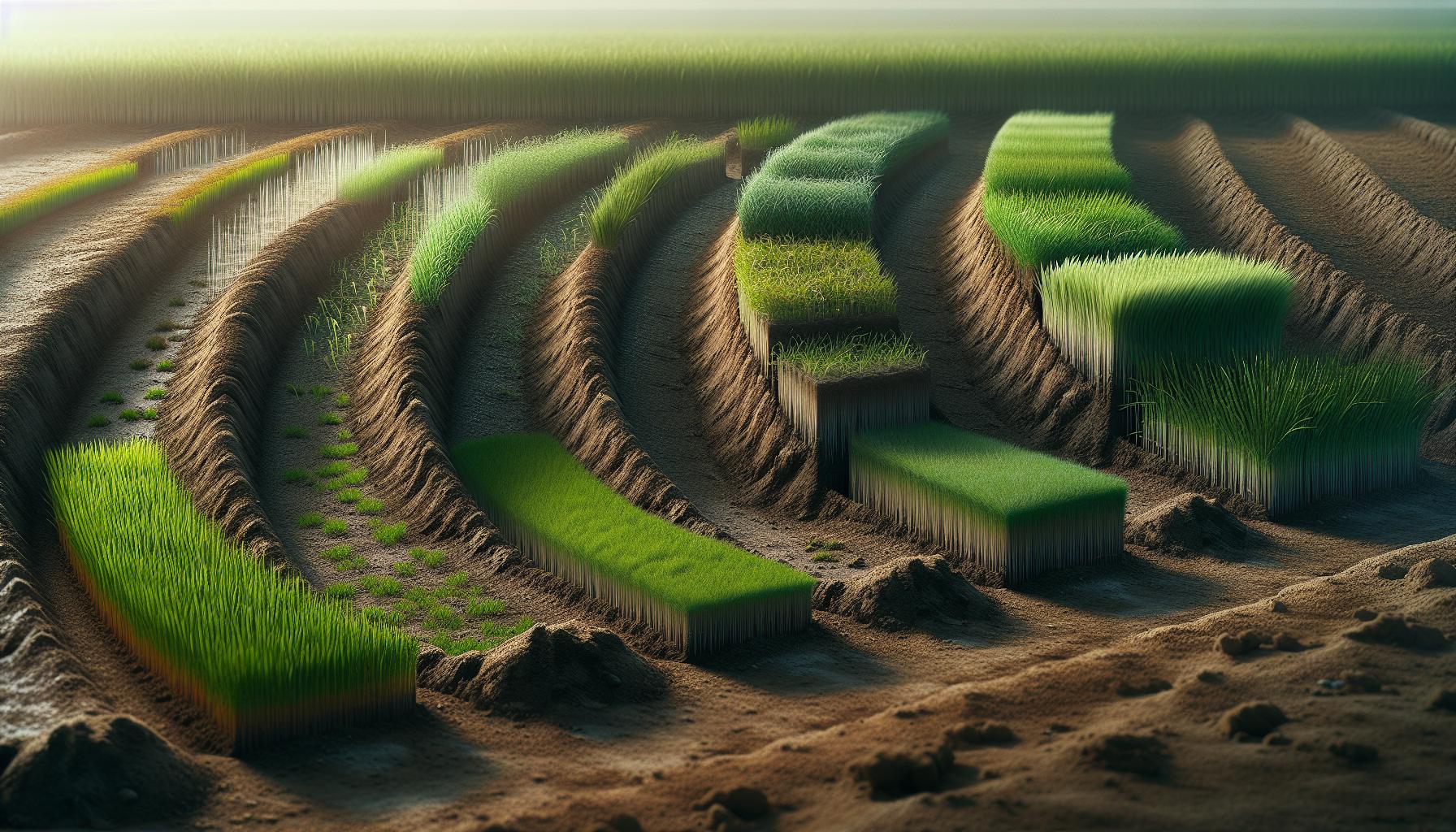
Understanding Grass Growth Cycles
Grass does not grow at a uniform rate throughout the year; understanding its growth cycles is essential for optimal lawn care and mowing practices. During the spring and early summer, warm temperatures and increased sunlight trigger a robust growth phase for most grass types. At this time, lawns can often experience rapid growth, making it crucial to adhere to a regular mowing schedule. In contrast, as temperatures dip in late fall and winter, growth slows significantly, and the grass enters a dormancy phase, requiring less frequent mowing and maintenance.
Cool-season grasses typically thrive during the cooler months of spring and fall. They exhibit their most vigorous growth when temperatures range between 60°F and 75°F (15°C to 24°C). When summer hits, these grasses tend to enter a dormant state, necessitating careful monitoring to avoid overgrowth or stress during extreme heat. Conversely, warm-season grasses flourish in the heat of summer, peaking in growth as temperatures soar. Understanding these seasonal patterns allows lawn care enthusiasts to time their mowing efforts effectively, ensuring they do not cut grass during its vital growth stages.
Another key aspect to consider is the variability in growth rates determined by grass species. For instance, fescue varieties typically show growth spikes in the spring, while Bermuda grass may surge in the summer months. To achieve optimal results, lawn care practices should be customized based on these growth characteristics, including the frequency of mowing sessions. An effective strategy is to mow often enough to maintain a healthy height without removing more than one-third of the grass blade at each session, preventing undue stress and promoting healthy turf.
Incorporating these insights into your lawn care routine can foster a lush landscape. It encourages not only beautiful aesthetics but also the overall health of your grass. Observing and responding to the growth cycles of your specific grass type creates an environment for a thriving lawn that stands out year-round.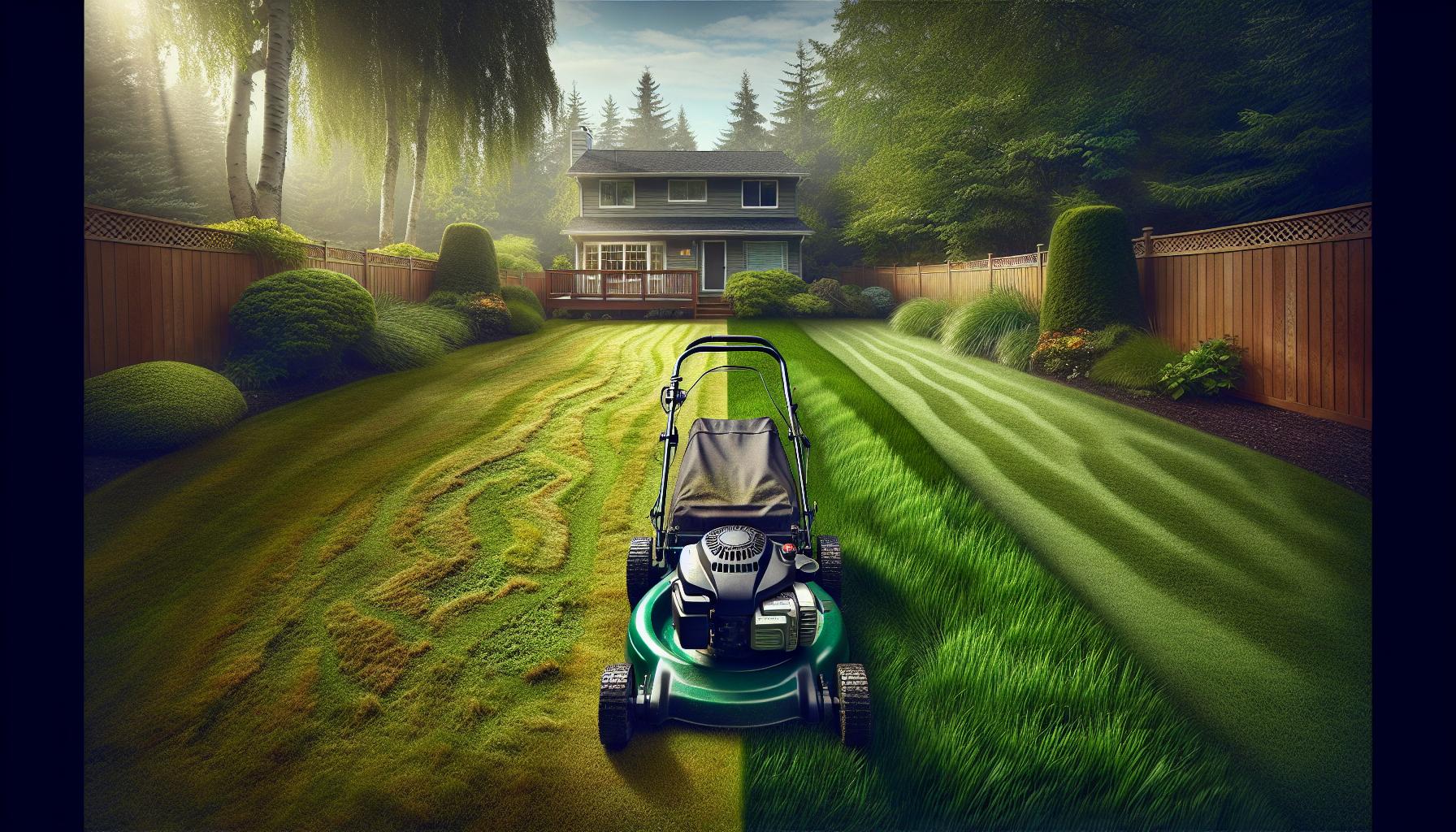
Factors Influencing Mowing Frequency
Understanding when to mow your lawn can significantly impact its health and appearance. Numerous factors come into play when determining the optimal mowing frequency, primarily influenced by the growth rate of the grass itself. Grass growth cycles vary widely, dictated by seasonal changes, environmental conditions, and management practices. During periods of vigorous growth, such as spring and early summer, the grass may need mowing every 5 to 7 days. In contrast, during dry or dormant periods, such as late fall and winter, this frequency may drop to every two weeks or even less.
Grass Growth Rate
The growth rate of grass is the most significant factor affecting mowing frequency. Grass undergoes different growth phases influenced by temperature, sunlight, and moisture levels. For instance, cool-season grasses thrive in mild temperatures, typically between 60°F and 75°F (15°C to 24°C), and display their greatest growth during the spring and fall. In contrast, warm-season grasses prefer the heat of summer, growing rapidly when temperatures rise. Monitoring these cycles is crucial. For effective mowing, it is generally recommended not to remove more than one-third of the grass height at a single mowing. This approach minimizes stress on the plants and encourages healthy regrowth.
Weather Conditions
Weather plays a pivotal role in determining when to mow. After heavy rainfall or prolonged dry spells, grass may grow unevenly. Under such conditions, it’s important to adjust your mowing schedule. Frequent rainfall can lead to rapid growth, requiring more frequent mowing, while drought can slow down growth significantly. Additionally, mowing during stressful weather-such as extreme heat or humidity-can damage grass health. It’s wise to assess the lawn’s condition post-weather changes before deciding on a mowing schedule.
Grass Type and Health
Different grass types require unique care. For instance, Bermuda grass tends to thrive and grow more vigorously in heat, while fescue may require less frequent mowing during hot summer months as it goes dormant. Identifying your lawn’s specific grass type can help tailor your mowing practices to its growth patterns and health requirements. Regularly examining the overall health of your lawn-looking for signs of disease, pests, or nutrient deficiency-can also guide adjustments in your mowing frequency.
By carefully considering these factors, you can enhance your lawn care routine, ensuring your grass remains healthy and vibrant throughout the year. Implementing a flexible mowing schedule based on growth rates, weather, and grass types creates a professional-looking lawn that is a joy to maintain.
Morning vs. Evening: Ideal Mowing Times
Mowing your lawn at the right time can significantly influence how well your grass grows and thrives. While many homeowners may not consider the timing of their mowing, doing so can reduce stress on the plants and promote healthier turf. The decision to mow in the morning or evening can depend on several factors, including grass health, temperature, and available sunlight.
Mowing in the morning, specifically between 6 AM and 10 AM, can be beneficial for a few reasons. During these hours, the grass is usually dry from the morning dew, allowing for a cleaner and more effective cut. Additionally, cooler temperatures in the morning reduce the risk of heat stress on both the grass and the mower. It also provides enough time for grass blades to recover before the sun reaches its peak intensity later in the day. Furthermore, mowing in the morning allows clippings to dry off before afternoon heat reduces their moisture content, which can help maintain a healthier lawn.
On the other hand, evening mowing, generally between 5 PM and 8 PM, also has its merits. Grass temperatures tend to drop after sunset, minimizing heat stress and allowing for a more comfortable mowing experience. Mowing in the evening can also allow grass to recover overnight, avoiding the stress that can occur during peak sun exposure. One consideration, however, is that if you mow too late in the evening, the grass will still be damp from evening dew, which can lead to clumping and uneven cutting.
In summary, both morning and evening mowing sessions can yield positive results depending on your local climate and personal schedule. The key is to avoid mowing during the hottest parts of the day, around noon to early afternoon, when grass is most vulnerable to damage. By being mindful of timing, you can cultivate a lush, green lawn that thrives throughout the growing season.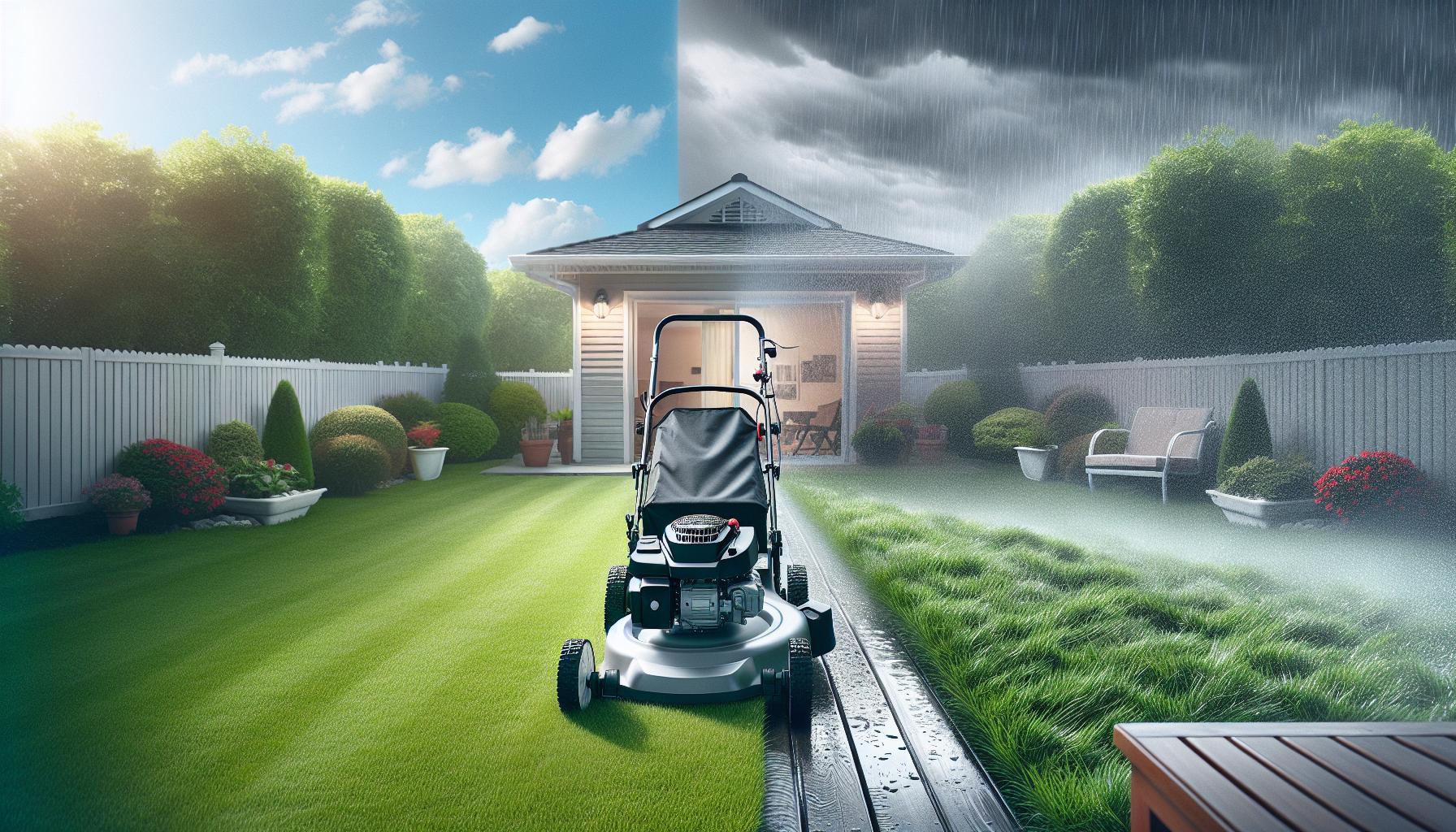
How Weather Affects Mowing Decisions
Understanding the intricate relationship between weather conditions and lawn care can elevate your mowing strategy, resulting in a healthier, more vibrant lawn. The ideal time to mow is not only dictated by your schedule but also by the prevailing weather conditions. For instance, humidity levels can significantly impact grass health; mowing during periods of high humidity can lead to excessive moisture, resulting in clumping and an uneven cut. It’s advisable to wait until the grass is dry to ensure it is cut cleanly, helping to prevent diseases that thrive in damp conditions.
Temperature plays a crucial role as well. It’s best to mow during cooler parts of the day, such as the early morning or late afternoon, to reduce heat stress on both the grass and the mower. Mowing when the temperature is too high can cause the grass to wilt and not recover properly. On particularly hot days, delaying your mowing schedule can protect your grass and improve its resilience against stress.
Another factor to consider is rainfall. After a heavy rain, grass tends to be too wet for effective mowing. This not only affects the cutting quality but can also lead to soil compaction. Additionally, soil that is saturated can be easily disturbed when mowed, causing clumping and uneven patches. Ideally, wait for the ground to dry adequately before mowing, which generally takes a day or two depending on the amount of rainfall.
Furthermore, windy conditions can make mowing challenging and messy. Wind can blow grass clippings away, leading to uneven distribution and potential lawn health issues. If you notice strong winds, it may be better to postpone mowing to avoid these complications.
By strategically aligning your mowing schedule with the weather, you can enhance the health of your grass while promoting optimal growth. Regularly monitor local weather patterns to make informed decisions about when to mow, ensuring you are prepared to adapt your plan based on changing conditions.
Cutting Height Tips for Optimal Growth
Mowing your lawn isn’t just about making it look neat and tidy; the height at which you cut your grass plays a crucial role in its overall health and growth. Did you know that cutting your grass too short can stress it out and make it more susceptible to pests and diseases? Understanding how to set your mower at the right cutting height is vital for promoting a lush and robust lawn.
Maintaining an appropriate cutting height allows your grass to thrive. For most grass types, a height of around 2.5 to 3.5 inches is ideal. Taller grass fosters deeper root systems, which help the plant retain moisture and absorb nutrients more effectively. Furthermore, longer blades create more surface area for photosynthesis, allowing your lawn to harness sunlight better. As a rule of thumb, never cut more than one-third of the grass height in a single mowing session. This prevents shock and encourages healthier regrowth.
Adjusting Height for Seasonal Changes
Grass height should also be adjusted according to the seasons. In warmer months, keeping your grass slightly longer can offer shade to the soil, protecting it from heat and reducing evaporation. Conversely, during cooler months, you might want to lower the cutting height slightly to promote airflow and prevent diseases caused by excess moisture accumulation. Seasonal adjustments can make a significant difference in how well your lawn holds up under varying climate conditions.
Choosing the Right Mower Settings
When selecting the cutting height, it’s essential to consult your mower’s manual or adjust the mower blades accordingly. Each brand may have different settings corresponding to grass heights. If you’re unsure, performing a test cut on a small patch of lawn can help you find the right height that works for your specific grass type and personal preference. Remember, a well-maintained mower with sharp blades is crucial; dull blades can create ragged cuts, which may invite pests and diseases into your lawn.
Maintaining the right cutting height not only enhances your lawn’s appearance but also fosters a thriving ecosystem, preparing it to withstand the challenges posed by weather changes and pests. By prioritizing proper mowing techniques, you’ll enjoy a healthier and more resilient lawn year-round.
Seasonal Mowing Strategies Explained
Changing seasons require adapting your lawn care techniques, especially mowing strategies, to promote optimal grass growth. As temperatures fluctuate and precipitation patterns shift, responding effectively can make all the difference in the health and appearance of your lawn. Understanding the unique needs of your grass throughout the year helps ensure it thrives, and implementing seasonal mowing strategies is key to achieving that.
During the spring months, grass typically experiences its most vigorous growth. This is an excellent time to increase mowing frequency, as more regular cuts encourage dense turf and reduce weeds. Aim to mow at a higher cutting height during spring to allow for proper leaf expansion and sunlight absorption. This promotes root strength and prepares your lawn for the warmer summer ahead. The general recommendation is to mow every 5-7 days, ensuring no more than one-third of the grass blade is trimmed at each session.
As summer arrives, many lawns face stress from heat and drought. To combat this, consider adjusting your mowing schedule and height. Mowing in the early morning or late evening can minimize moisture loss and allow for cooler conditions. Maintaining a slightly higher cutting height-around 3 to 4 inches-will provide shade to the soil, helping to conserve moisture and protect roots from extreme temperatures. Reducing the frequency of mowing to once every week to ten days may also alleviate stress on your lawn during this hot period.
In the fall, as temperatures begin to cool, grass growth slows down. This is a great time to perform a final round of mowing before winter sets in. Adjust the cutting height back down to about 2.5 to 3 inches to promote airflow and prevent the buildup of dead grass, which can lead to diseases. Regular mowing through October also helps maintain an aesthetic appeal as you prepare your lawn for winter dormancy.
Lastly, winter maintenance is more about preparation than active mowing. Regularly clearing debris such as leaves and branches can prevent mold and disease from developing on your lawn. Even though mowing is typically minimized in winter, you can also monitor for any unusual growth or pest activity as you prepare for the upcoming spring season.
Employing appropriate seasonal mowing strategies not only supports the health of your lawn but also enhances its resilience against weeds, pests, and environmental stresses. By tailoring your approach to the changing seasons, you ensure that your grass remains lush and vibrant all year long.
The Role of Turf Type in Mowing Timing
Understanding the type of turf you have is crucial for determining the best mowing timing and frequency. Different grass species have unique growth patterns, water needs, and tolerances to cutting, which all influence how and when you should mow. For instance, cool-season grasses such as Kentucky bluegrass and fescue thrive in the spring and fall, whereas warm-season grasses like Bermuda and Zoysia peak in summer. This fundamental understanding of turf types helps you align your mowing practices with their natural growth cycles for optimal health and appearance.
Cool-season grasses typically grow vigorously during the cooler months, meaning they require more frequent mowing as they enter their peak growth period in spring. During this time, aim to mow every 5 to 7 days, keeping the cutting height between 2.5 to 4 inches to promote robust growth and discourage weeds. In contrast, during the hot summer months, cool-season grasses may slow growth due to heat stress, allowing you to reduce mowing frequency while maintaining a higher cut to shade the soil and conserve moisture.
On the other hand, warm-season grasses tend to thrive during the heat of summer, requiring more frequent mowing as they establish during their growth phase. This may mean mowing every 7 to 10 days during peak summer to keep them healthy and thick. Lower cutting heights can work well for these grasses, but care should be taken to avoid scalping, which can stress the lawn. Keeping the mower blades sharp and adhering to the one-third rule-never cutting more than one-third of the grass blade at a time-will help maintain optimal grass health across all turf types.
Ultimately, recognizing your lawn’s specific turf type enables you to tailor your mowing timing and techniques effectively. By adjusting your mowing schedule not only based on the season but also on the particular growth patterns of your grass type, you can enhance the resilience and aesthetic appeal of your lawn. Understanding these principles ensures that your turf remains lush and vibrant throughout the year, making the most of what nature provides.
Common Mistakes in Lawn Mowing Practices
Mowing your lawn might seem like a straightforward task, but many homeowners unknowingly make mistakes that can hinder their lawn’s health and aesthetics. One of the most common errors is mowing when the grass is wet. This can lead to uneven cuts and clumping, which not only looks unsightly but can also encourage disease in your lawn. Waiting for the grass to dry out ensures a clean, even cut and reduces the risk of spreading pathogens.
Another prevalent mistake is cutting grass too short, often referred to as “scalping.” While it might seem logical to cut the grass low to reduce the frequency of mowing, this can stress your lawn, making it more susceptible to weeds and drought. The ideal height for most grasses lies between 2.5 to 4 inches, depending on the type. By following the one-third rule-never removing more than one-third of the grass blade height at once-you promote healthier growth and deeper root systems that can withstand heat and drought.
Additionally, some homeowners neglect to regularly sharpen their mower blades. Dull blades can tear the grass rather than cut it cleanly, leading to a ragged appearance and increased vulnerability to diseases. Keeping your blades sharp not only enhances the look of your lawn but also facilitates quicker healing and resilience against pests.
Lastly, failing to adjust mowing frequency in response to changing weather conditions is a common oversight. During peak growing seasons, grass may need mowing every 5 to 7 days, while in cooler months or during dry spells, this frequency can often be reduced. By staying attuned to your lawn’s growth patterns and the weather, you can ensure that your mowing practices support optimal grass health and overall appearance.
Signs Your Lawn Needs Mowing
Recognizing when your lawn needs mowing is essential for promoting healthy grass growth and maintaining an aesthetically pleasing landscape. A well-trimmed lawn not only enhances the curb appeal of your home but also encourages robust grass health. One clear indicator is the height of the grass; if it exceeds the ideal height for your specific turf type-generally between 2.5 to 4 inches-it’s time to grab the mower. Allowing grass to grow too tall can lead to problems such as pest infestations and the establishment of weeds, as taller blades provide shade for weed seeds to germinate.
Another sign that your lawn requires a mow is the development of uneven patches or noticeable bare spots. When grass becomes too long, it often grows unevenly, leading to patchy areas where sunlight may not reach the soil effectively. Regular mowing helps maintain uniformity and ensures that light penetrates all parts of your lawn, promoting healthy growth all around. Additionally, if your neighbors are routinely mowing their lawns and yours is beginning to look unkempt in comparison, it’s usually a hint that it’s time to mow.
In addition to visual cues, the health of your lawn can indicate its mowing needs. If you notice that the blades have begun to flop over or exhibit a yellowish tint, it’s often an indication that the grass is stressed and needs trimming. Cutting the grass can help rejuvenate it by encouraging new growth. Furthermore, pay attention to the frequency of rainfall and how lush and vigorous the grass appears. After periods of abundant rain, grass typically grows faster, requiring more frequent mowing to keep it at an optimal height.
Lastly, monitor the overall appearance of your lawn. If you’re seeing long trailing blades or grass that feels more like thick tufts instead of a smooth carpet, it’s likely time to mow. Keeping an eye on these signs not only helps your lawn look its best but also supports the health and vitality of your grass, allowing it to thrive year-round. A proactive approach to lawn mowing enhances the visual appeal of your property while nurturing the grass for optimal growth.
Benefits of Regular Lawn Maintenance
Maintaining a lush and vibrant lawn is not merely about aesthetics; it plays a crucial role in the health of your outdoor environment. Regular lawn maintenance yields a multitude of benefits that extend beyond just having a neatly trimmed yard. One of the most compelling advantages is the enhancement of grass growth. By adhering to a consistent mowing schedule, you stimulate the grass to grow thicker and sturdier, as the regular cutting encourages lateral growth and a denser turf. This, in turn, helps your lawn resist pests and diseases, creating a strong, healthy foundation.
Moreover, routine care helps in managing thatch build-up-a layer of organic material, including grass clippings, roots, and soil. When neglected, thatch can become too thick, leading to poor moisture penetration and root health. Regular mowing, combined with the practice of leaving some clippings on the lawn, can promote a healthy ecosystem. These clippings decompose quickly, returning nutrients back to the soil, which fortifies your grass and encourages a greener, more robust lawn.
Another significant advantage of regular lawn maintenance is the control it offers over weeds. By consistently mowing and keeping the grass at an optimal height between 2.5 to 4 inches, you shade the soil, making it more difficult for weed seeds to germinate and thrive. This proactive approach not only saves you from the hassle of dealing with invasive plants later on but also reduces the need for chemical herbicides, contributing to a safer environment for families and pets.
Finally, maintaining your lawn can positively impact your property’s overall value. A well-kept lawn enhances curb appeal significantly, often making a sizable difference in how potential buyers perceive your home. Whether you are planning to sell or simply enjoying your outdoor space, investing the time and effort into regular lawn care pays dividends in both visual appeal and grass vitality.
Tools for Perfect Lawn Care and Mowing
A well-equipped lawn care toolkit can significantly impact the health and appearance of your grass, ensuring it thrives throughout the growing season. Whether you’re a seasoned gardener or a novice homeowner, understanding the essential tools for lawn maintenance can help you achieve that lush, green landscape dream. Below are critical items to consider for perfect lawn care and mowing.
Essential Tools for Lawn Care
- Lawn Mower: The cornerstone of any mowing operation, a quality lawn mower should match the size of your lawn and the type of grass you have. Push mowers are excellent for smaller areas, while riding mowers can save time on larger properties. Ensure the blades are sharp before each mow for clean cuts that promote healthy growth.
- String Trimmer/Edger: To give your lawn a polished look, a string trimmer or edger is indispensable. It allows you to maintain clean edges along pathways, flower beds, and fences, ensuring no grass grows where it shouldn’t.
- Rake: While mowing can handle foliage regularly, a rake is essential for gathering fallen leaves or grass clippings. Removing these organic materials helps improve lawn health by preventing thatch build-up and promoting better air circulation.
- Grass Shears: For those hard-to-reach areas or for precise cutting around shrubs and landscaping, grass shears are perfect. These scissors help you manage overgrowth in a more controlled manner, ensuring a neat appearance.
Maintenance Tools
- Spreader: A broadcast or drop spreader aids in evenly distributing seeds, fertilizers, and other lawn treatments. An even application ensures that your grass receives the nutrients it needs to thrive, which is especially critical during peak growing seasons.
- Soil Tester: Healthy grass begins below ground. A soil tester evaluates pH levels and nutrient content, giving insight into what amendments your soil may need. This can ultimately enhance grass growth and resilience.
- Sprinkler System or Hose: Regular watering is crucial for lawn health, particularly during dry spells. Depending on your lawn size, a fixed sprinkler system or a good-quality hose with adjustable nozzles can make watering efficient and straightforward.
By equipping yourself with these tools, you’re not only setting the stage for successful lawn maintenance but also optimizing the growth conditions for your grass. Regular, thoughtful care leads to a robust and vibrant lawn that enhances the appeal and value of your home.
Frequently asked questions
Q: What is the best time of day to mow the lawn for optimal growth?
A: The best time to mow the lawn is late afternoon or early evening when temperatures have cooled, and the grass can recover overnight. This timing minimizes stress on the grass, leading to healthier growth. For detailed mowing strategies, check the “Morning vs. Evening: Ideal Mowing Times” section of our article.
Q: How often should I mow my lawn for optimal growth?
A: The frequency of mowing depends on the grass type and growth rate but generally, mowing every 1-2 weeks during the growing season is ideal. Regular mowing encourages denser grass growth. For more tips on mowing frequency, refer to “Factors Influencing Mowing Frequency.”
Q: Does mowing grass too short affect its growth?
A: Yes, mowing grass too short can stress the plants, leading to slower growth and weed invasion. It’s crucial to follow the recommended cutting height for your specific grass type. For height recommendations, explore the “Cutting Height Tips for Optimal Growth” section.
Q: Should I change my mowing schedule based on the season?
A: Yes, adapting your mowing schedule to the season is important. In spring and fall, more frequent mowing may be necessary, while in winter, less mowing is typically required. For a detailed seasonal approach, see “Seasonal Mowing Strategies Explained.”
Q: How does weather impact the best time to mow?
A: Weather plays a critical role in mowing schedules. Mow when grass is dry to prevent clumping and ensure a clean cut. Rainy periods may push mowing times to drier days. Learn more in the section “How Weather Affects Mowing Decisions.”
Q: Can mowing in the heat of the day harm my lawn?
A: Yes, mowing in the heat of the day can stress grass, leading to browning and slow recovery. It’s best to avoid this timing during summer months. For hints on ideal temperatures, check “Morning vs. Evening: Ideal Mowing Times.”
Q: What are signs that my lawn needs mowing?
A: Your lawn needs mowing when it grows about one-third higher than the recommended cutting height. Look for uneven growth and a dull appearance. More information is available in “Signs Your Lawn Needs Mowing.”
Q: Does the type of turf influence when to mow?
A: Yes, different turf types have distinct growth patterns, necessitating varied mowing schedules. Cool-season grasses typically thrive in spring and fall, while warm-season grasses peak in summer. For turf-related insights, see “The Role of Turf Type in Mowing Timing.”
These FAQs are designed to enhance user engagement while optimizing for search visibility, directly addressing common concerns related to lawn mowing for optimal growth.
In Conclusion
Now that you know the best time to mow your lawn for optimal growth, it’s essential to take action and implement these insights. Regular mowing not only keeps your lawn looking pristine but also promotes healthier grass. If you have any lingering questions or specific concerns about your lawn care routine, explore our resources on lawn maintenance tips and seasonal care guides.
Don’t forget to subscribe to our newsletter for expert advice delivered directly to your inbox, and check out our detailed articles on lawn care strategies and common lawn care mistakes to avoid. Share your thoughts in the comments below-what tips have worked for you? Together, let’s cultivate a beautiful outdoor space!