
Establishing a new lawn is an investment in your home’s beauty and value, but knowing when to mow it for the first time can feel daunting. Mowing too soon can damage tender shoots, while waiting too long can lead to an unruly yard. Finding that perfect balance is crucial not only for promoting healthy grass growth but also for ensuring your hard work pays off. In this article, we’ll explore the best timing and techniques for mowing freshly seeded grass, equipping you with the knowledge to nurture your lawn without compromising its health. Your dream lawn is just a few well-timed mows away!
Understanding the Growth Stages of Fresh Grass
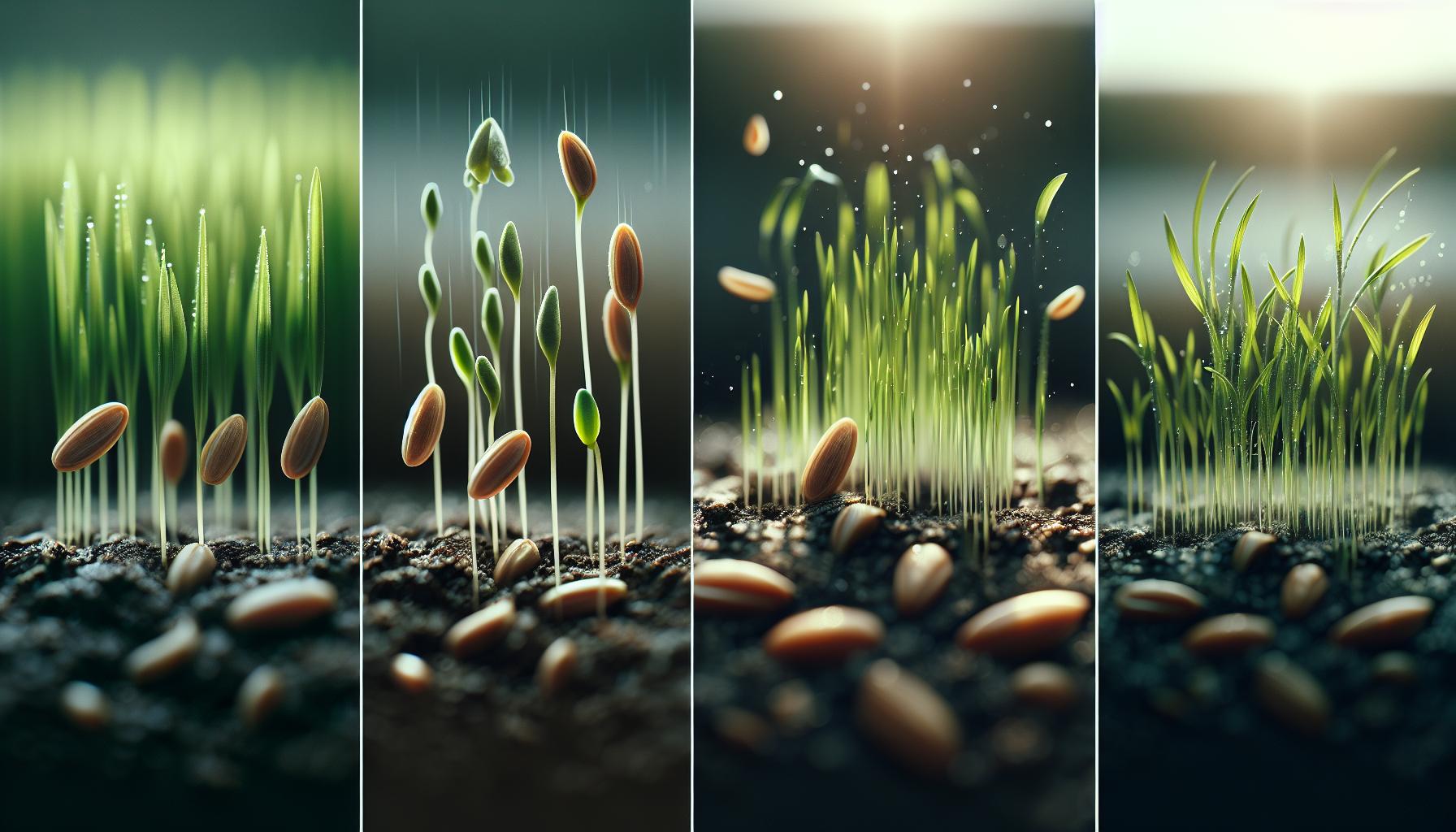
is essential for maintaining a healthy lawn and determining the right time to mow. New grass goes through several distinct phases as it establishes itself, beginning with germination and progressing through seedling development to a mature lawn. Recognizing these stages can help you avoid premature mowing, which might harm tender seedlings.
In the initial stage, germination, seeds require ample moisture and warm temperatures to sprout. This phase typically lasts about 7 to 14 days, depending on the grass type. During germination, the focus is on developing a robust root system, which is crucial for future growth. Once the seeds sprout, grass enters the seedling stage, where the blades emerge. This stage usually spans a few weeks; grass height increases significantly, and the seedlings start to develop leaves. It’s essential during this period to avoid stressing the grass with mowing, as the young plants are still fragile and need time to strengthen.
As the grass moves into the tiller phase, it begins to spread laterally, creating a denser turf. This growth means the lawn can handle light traffic, but mowing should still be delayed until the blades reach a height of around 3-4 inches. At this point, the grass is more resilient and can withstand a cut. Finally, when the lawn reaches the maturity stage, it becomes more robust and requires regular maintenance, including mowing. Familiarizing yourself with these growth stages ensures that you give your grass the best chance at a thriving, lush appearance, ultimately enhancing your lawn’s health.
Understanding these stages not only aids in determining the appropriate mowing timeline but also helps inform other care practices, such as watering and fertilization, thereby fostering a verdant, vibrant lawn.
Signs Your New Lawn is Ready for Mowing

Knowing when your new lawn is ready to be mowed is crucial for establishing a healthy and lush yard. A well-timed first mow can set the stage for robust grass growth, while mowing too early can jeopardize the seedlings’ development. The transition from an uncut meadow to a neatly manicured lawn is not just about aesthetics; it’s about ensuring that your grass can withstand the challenges of mowing without sustaining damage.
One of the first indicators that your new lawn is ready for mowing is the grass height. Most grass types thrive when cut at a height of about 3 to 4 inches. Allowing the blades to reach this height ensures that the grass has developed a sufficient root system, giving it the stability it needs to recover quickly after mowing. Furthermore, if you notice that the grass blades are starting to lean or bend due to their length, this is another sign that it’s time to take out the mower.
Another important consideration is the health and density of the grass. If the lawn appears thick and lush, it has likely reached the tiller phase, where the grass begins to spread laterally. You can assess the density by walking across the area-if the grass bounces back without significant flattening, it is strong enough for a mow. Additionally, check for any weak patches or bare spots. If the grass is still sparse or uneven, it would be best to hold off on mowing until it regenerates.
Pay attention to other environmental cues as well. Mowing should ideally occur when the grass is dry to minimize damage. Aim for early morning or late afternoon, avoiding the hottest parts of the day. Regular mowing at the appropriate height encourages healthy grass growth, as it stimulates lateral spread and helps manage weeds. By observing these signs and maintaining a mindful approach to mowing, you’ll pave the way for a vibrant and resilient lawn that can thrive for seasons to come.
Ideal Timing: When to Mow Your Lawn
When nurturing a new lawn, timing your first mow is as crucial as the seed selection and soil preparation. A well-timed mow not only promotes growth but also enhances the resilience of your grass. Ideal mowing times hinge on several indicators, with height and health of the grass being paramount. For most grass types, a height of 3 to 4 inches offers the best balance between aesthetic appeal and the grass’s ability to recover quickly post-mowing.
Mowing should typically be scheduled in dry conditions to minimize stress and prevent clumping. The early morning or late afternoon are ideal, allowing time for moisture to evaporate without exposing the grass to the heat of midday. Why is this important? Cutting during the peak heat can lead to blade burnout, limiting growth potential and health. Mowing when conditions are favorable fosters a healthier lawn by reducing the risk of disease and damage.
To further assure a successful first mow, check for signs of growth and density. If your lawn exhibits a rich, thick texture where stepping produces a slight bounce-back, it’s ready for trimming. However, if any areas seem sparse or uneven, awaiting full recovery will yield better long-term results. Once you’ve determined that the grass has reached an optimal height and health, you’re prepared to promote vigorous growth with your mower!
Finally, it’s beneficial to consider the season and local climate. In warmer regions, grass can establish quicker, leading to earlier mow dates, while cooler climates may necessitate a wait as the grass develops. Continual observation and responsiveness to your lawn’s specific needs will ensure a flourishing and vibrant outdoor space for seasons to come.
Best Practices for Mowing New Grass
Mowing new grass is an art that requires a balanced approach to ensure healthy growth without damage. Start by familiarizing yourself with your grass type, as different varieties have unique requirements. For instance, cool-season grasses like fescue and Kentucky bluegrass thrive in cooler climates and benefit from mowing heights around 2.5 to 3.5 inches, while warm-season grasses such as bermudagrass flourish when cut to about 1 to 2 inches. Adapting your mowing strategy based on the specific needs of your grass can foster a robust lawn that flourishes through the seasons.
Timing your mow is critical. Aim to cut your grass when it is dry, typically in the early morning or late afternoon, to avoid stress caused by heat and moisture. This not only promotes quicker recovery but also helps in preventing clumping, which can smother fresh grass. Additionally, keep an eye on the condition of your mower’s blades. Sharp blades ensure a clean cut, which is vital for reducing the chances of disease and encouraging new growth. Dull blades, on the other hand, can tear the grass, leaving it vulnerable to pests and pathogens.
A good rule of thumb when mowing new grass is to follow the one-third rule: never remove more than one-third of the grass height in a single mowing session. This practice allows the grass to retain enough leaf area for photosynthesis, ensuring it continues to grow healthy and lush. For instance, if your grass has reached a height of 4 inches, your mower should be set to cut it down to no lower than 2.5 inches. This careful management will help you build a dense and resilient lawn.
Lastly, after mowing, don’t forget about post-mow care. Leaving the clippings can provide organic matter and nutrients back to the soil, promoting a healthier lawn ecosystem. Additionally, consider applying a light fertilizer to encourage growth if your lawn appears weak after the first few cuts. It’s essential to carefully monitor your lawn’s health and growth patterns post-mow to adjust your mowing schedule and techniques as necessary, ensuring your efforts yield a lush and beautiful outdoor space.
Tools and Techniques for Safe Mowing
Properly mowing your new lawn involves not only the right timing but also the right tools and techniques to ensure that your grass remains healthy and vibrant. Using the appropriate equipment can make a significant difference in the overall outcome of your mowing efforts. Start by investing in a reliable lawn mower that suits the size of your lawn; both reel mowers and rotary mowers can work well for new grass, as long as they are operated correctly. For small lawns, a push reel mower can offer precision and is environmentally friendly, while rotary mowers are better suited for larger areas and can handle thicker grass.
Choosing the right mower blade is equally essential. Keeping the blades sharp ensures clean cuts that promote healing and growth, reducing the risk of grass diseases. Blunt blades can cause tearing rather than cutting, making the grass more vulnerable to pests and diseases. Regular maintenance checks should include inspecting the blades for any damage or dullness before each mowing session, which can help maintain the health of your new lawn.
When it comes to mowing techniques, pay attention to your mowing pattern. Varying your direction each time you mow can prevent soil compaction and encourage upright growth of the grass. For young grass, it’s crucial to avoid dense, weed-prone areas; if those exist, you can use a string trimmer to manage them more delicately. Additionally, consider setting your mower to the highest setting during initial mowings, gradually lowering it as the grass establishes and strengthens.
Lastly, consider implementing mulching techniques. Leaving grass clippings on the lawn can act as a natural fertilizer, returning nutrients to the soil and helping your grass retain moisture. This is particularly beneficial for young lawns, as it supports robust growth. Always monitor the weather and avoid mowing when grass is wet to keep clumps from forming, ensuring an even cut. By employing these tools and techniques, you can safely maintain your new lawn without risking any damage.
Common Mistakes to Avoid When Mowing
Taking care of a new lawn is crucial for establishing a healthy and vibrant green space, yet many homeowners unknowingly sabotage their efforts when it comes to mowing. One of the most common mistakes is mowing too early. New grass seedlings need time to develop strong roots and a robust structure. Cutting them before they reach the recommended height typically promotes stress and can lead to patchy growth. It’s essential to wait until the grass has grown to the appropriate height, usually around 3 to 4 inches, before reaching for the mower.
Another pitfall to avoid is mowing with dull mower blades. Blunt blades tear the grass rather than cutting it cleanly, which can cause significant damage to young plants. This damage not only makes the grass more susceptible to pests and diseases but also impairs its overall health. Regularly sharpening mower blades is a simple yet effective way to ensure clean cuts and promote healing.
Mowing too short is another mistake that can severely impact a new lawn. Known as “scalping,” this practice strips away too much of the grass leaf, which is essential for photosynthesis. A good rule of thumb is to follow the one-third rule: never cut more than one-third of the grass blade’s height at any one time. This approach allows your grass to maintain enough leaf area for healthy growth while encouraging stronger root systems.
Finally, many people forget to adjust their mower’s height settings as the grass matures. Initially, setting your mower to a higher cutting height protects the young grass from damage. As the lawn establishes and strengthens, gradually lowering the mower height can help maintain an even and lush appearance. Paying attention to these common mishaps will help you nurture a thriving lawn that can withstand the challenges of the growing season. By understanding the appropriate practices and avoiding these mistakes, you’ll set a solid foundation for years of enjoyment in your green space.
Post-Mowing Care for Freshly Cut Grass
Taking care of grass after mowing is just as crucial as waiting for the right time to cut it. Freshly cut grass can be stressed by the process, especially when it is still establishing its roots, so providing the right post-mowing care can promote recovery and long-term health. One of the first steps you should take is to ensure your grass receives adequate water. Mowing can reduce the blade surface that aids in photosynthesis, leaving the grass needing hydration to recuperate. Watering deeply right after mowing, ideally late in the afternoon or early evening, helps the grass recover without risking evaporation loss from midday sun.
Furthermore, it’s beneficial to assess the condition of your mower and blades post-mow. Using sharp blades not only makes for a cleaner cut but also reduces the chances of disease by minimizing damage to the grass blades. If you notice any areas that seem to be struggling or showing signs of stress or browning, consider aerating those sections. Aeration can help alleviate soil compaction, allowing for better water penetration and root growth.
Another important aspect of post-mowing care is regular monitoring for pests and diseases. Newly mowed grass can sometimes become more susceptible to infestations. Keep an eye out for visual signs of distress. If you spot any issues, it may be worth consulting with a local gardening expert or applying appropriate treatments to tackle these problems early.
Lastly, consider implementing a light fertilization routine after your first mow. Using a balanced, slow-release fertilizer can provide the necessary nutrients that the grass might be lacking after the stress of mowing. Always follow the recommended rates to prevent over-fertilization, which can burn the grass and negate the benefits of your careful mowing practices. In conclusion, with these thoughtful care steps, you can help your new lawn flourish, making it an attractive and healthy outdoor space for years to come.
How Frequent Should Lawn Mowing Be?
The frequency of mowing your new lawn is crucial for its development and overall health. Generally, it’s important to allow the grass to grow to a certain height before cutting it, which promotes a strong root system and resilience. Newly established grass should typically be mowed when it reaches about one-third taller than the recommended height for its type. For instance, if you have Kentucky bluegrass that usually thrives at around 2.5 to 3 inches, you should wait until it reaches about 4 inches before mowing.
Mowing too frequently or cutting too short can stress young grass, leading to weak growth or even die-off. Instead of sticking to a strict schedule based on days, observe your grass’s growth. During the growing season-particularly in spring and early summer-you might find yourself mowing once a week. As temperatures rise in mid-summer, you may want to slow down to every 10-14 days to avoid stressing the lawn and to allow it to recuperate.
Considerations for Mowing Frequency:
- Grass Type: Different types of grass have specific growth rates and ideal heights.
- Weather Conditions: Growth spurts can occur after rain, so adjust your schedule accordingly.
- Seasonal Changes: As temperatures fluctuate, growth rates will naturally vary, necessitating a flexible mowing schedule.
In summary, while establishing your new lawn is a delicate period, careful monitoring and flexibility in your mowing schedule will lead to a lush and robust landscape. Pay attention to grass height, seasonal changes, and weather conditions to determine the best mowing frequency, ensuring your new lawn thrives without unnecessary stress.
Impact of Weather Conditions on Mowing Timing
Weather plays a pivotal role in determining the best times to mow new grass, impacting both growth and overall lawn health. Understanding how various weather conditions affect grass growth can help you make informed mowing decisions that promote a flourishing lawn. For instance, after heavy rainfall, grass can experience a significant growth spurt. During these times, it’s often beneficial to delay mowing until the grass has dried out to avoid damaging the young blades and compacting soggy soil, which can lead to root problems.
Moreover, temperature fluctuations throughout the seasons also influence mowing timing. In early spring, cool temperatures can hinder grass growth, leading to slower recovery after mowing. Conversely, as temperatures rise in late spring and summer, growth can accelerate, necessitating more frequent mows. Staying vigilant during warmer months allows you to react quickly to rapid growth, ensuring the lawn remains healthy by adhering to appropriate heights for mowing.
Additionally, the time of day can affect mowing success. Mowing during the hottest part of the day can stress grass as it’s already dealing with heat, making it more susceptible to damage. Early morning or late afternoon are preferable times, allowing your new lawn to cope better with the stress of cutting.
Lastly, be aware of potential weather patterns, like droughts or excessive humidity, which can also influence growth rates and the optimal mowing schedule. Regularly monitoring weather conditions will not only help you decide when to mow but can also guide you in making necessary adjustments to your lawn care regime for a vibrant and resilient lawn.
Restoring and Repairing Damaged Grass
Establishing a new lawn is an exciting venture, but inevitably, challenges arise that can lead to patches of damaged grass. Understanding how to restore and repair these areas is crucial for cultivating a lush and healthy lawn. Whether caused by improper mowing, pest infestations, or environmental stressors, addressing these issues promptly will ensure your lawn continues to thrive.
To begin restoring damaged grass, first assess the extent of the damage. Look for signs such as yellowing blades, sparse patches, or browning where the grass should be green and vibrant. If the roots are still alive but the grass appears unhealthy, consider performing a light dethatching to remove debris and improve air circulation. Following this, there are a few actionable strategies you can implement to help your lawn recover:
- Reseeding: For bare patches, overseeding with the appropriate grass type can stimulate recovery. Ensure that you choose a seed blend suitable for your region and the sun or shade conditions of your lawn.
- Soil Aeration: If your lawn has compacted soil, aerating it can enhance water and nutrient penetration. This step is especially beneficial after heavy traffic or following the late spring and summer months when growth can become sluggish.
- Fertilization: A balanced fertilizer can provide the nutrients necessary for grass blades to thicken and become more resilient. Consider using a slow-release fertilizer to maintain nutrient levels over time.
- Watering: Keep the newly seeded or damaged areas adequately watered, ensuring the soil remains consistently moist until the grass establishes itself. Early mornings are typically the best time to water, as this reduces evaporation.
Maintenance thereafter is equally vital. Monitor the mowed height of your grass; maintaining it at an ideal height prevents stress. For young grass, aim for heights of 3-4 inches. Avoid cutting too low, which can expose roots to sunlight and heat, ultimately stunting growth. If you notice new growth after restoration efforts, hold off on mowing until the grass has reached at least a third of its desired height to allow proper root development.
Lastly, be patient and consistent. Grass restoration can take time, but with diligent care and attention to mowing practices, your damaged areas can transform into thriving patches of greener grass, contributing to a healthy and vibrant lawn overall.
Transitional Tips for a Healthy Lawn
Establishing a new lawn comes with the rewarding prospect of vibrant greenery, but the transition into a lush, healthy lawn requires mindful care and attention. Ensuring the longevity and resilience of your grass starts with understanding how to make this transition smooth and effective. One of the critical aspects to remember is that timing plays a significant role; when to mow your fresh grass can significantly impact its health and establishment.
To facilitate a healthy transition, allow your grass to grow tall enough before the first cut. As a rule of thumb, most grass types should reach about 3-4 inches tall before mowing. This height allows the grass to develop a robust root system, crucial for overall vitality. During this initial growing phase, focus on keeping the soil consistently moist but not waterlogged. Regular, light watering encourages deep rooting while minimizing stress on the young plants.
Strong lawn care also involves being mindful of mower settings. When you do finally mow, set your mower deck to a higher level, ideally around 3 inches. Cutting too low can expose grass roots to sunlight and heat, resulting in stress and potential damage. In addition, ensure that your mower blades are sharp; dull blades shred grass rather than providing a clean cut, which can create entry points for diseases.
Lastly, be adaptable and observant during the transitional phase. Pay attention to weather conditions-hot and dry spells may require less frequent mowing and more robust watering practices. After mowing, avoid heavy traffic on your lawn for a few days to allow recovery. With patience and attention to detail, the transition to a healthy, mature lawn becomes not just a possibility but a reality. Emphasizing these transitional tips can set the stage for a vibrant and sustainable lawn that thrives for years to come.
Frequently Asked Questions
Q: When is the best time of day to mow new grass?
A: The best time to mow new grass is mid-morning or late afternoon when the grass is dry and temperatures are cooler. This minimizes stress on the plants and reduces the risk of damaging tender blades. For more details, see “Ideal Timing: When to Mow Your Lawn.”
Q: How long should new grass grow before the first mow?
A: New grass should grow at least 3-4 inches tall before the first mow. Mowing too early can expose the roots and stunt growth. Follow “Signs Your New Lawn is Ready for Mowing” for indicators of readiness.
Q: What height should I set my mower for new grass?
A: Set your mower to a height of 2.5 to 3 inches for new grass. This promotes healthy growth while protecting the grass from stress and damage. Consult the “Best Practices for Mowing New Grass” section for more important tips.
Q: Should I bag clippings when mowing new grass?
A: It’s advisable to mulch rather than bag clippings when mowing new grass. Returning clippings to the lawn provides essential nutrients and aids in moisture retention. For more mowing techniques, refer to “Tools and Techniques for Safe Mowing.”
Q: Can I mow newly laid sod?
A: Yes, you can mow newly laid sod once it has rooted well, typically after 2-3 weeks. Ensure the grass is at least 3 inches tall before mowing. For further guidance, check “Understanding the Growth Stages of Fresh Grass.”
Q: What should I do if I accidentally mow new grass too short?
A: If new grass is mowed too short, immediately reduce foot traffic and provide extra moisture. This helps the grass recover and encourages deeper root growth. Refer to “Restoring and Repairing Damaged Grass” for further recovery strategies.
Q: How can I tell if my mower blades are dull?
A: You can tell your mower blades are dull if the grass appears ragged after mowing, rather than cleanly cut. Dull blades can cause stress to new grass, making regular checks important. Consult “Common Mistakes to Avoid When Mowing” for more maintenance tips.
Q: Will mowing new grass help it grow thicker?
A: Yes, mowing new grass encourages it to grow thicker by promoting lateral growth. However, it’s essential to follow best mowing practices to avoid damage. Explore “Post-Mowing Care for Freshly Cut Grass” for further nurturing tips.
In Summary
Now that you know when to mow your new lawn without damaging your fresh grass, it’s time to take action! Remember, waiting until your grass is established will not only promote healthy growth but also save you from potential setbacks. If you’re eager to keep your lawn thriving, check out our articles on maintaining lawn health and the best mowing practices for lush greenery.
Don’t miss out on our exclusive resources designed to help you create your dream yard-sign up for our newsletter for weekly tips! Have questions or experiences to share? We’d love to hear from you in the comments below. Your lawn transformation awaits, so explore more valuable insights that will ensure you’re always one step ahead in your lawn care journey!