
As the leaves turn and temperatures drop, many homeowners wonder when to stop mowing the lawn before winter sets in. Timing is crucial not just for maintaining a beautiful yard but also for protecting the health of your grass. Mowing too late in the season can expose your lawn to unnecessary stress, while stopping too early might leave it vulnerable to pests and diseases. In this guide, we’ll explore the best practices and timing to ensure your lawn is well-prepared for the colder months ahead. Discover how to assess your lawn’s needs and get tips to help you achieve a lush, healthy carpet of grass come springtime. Don’t miss out on these essential strategies that can make all the difference!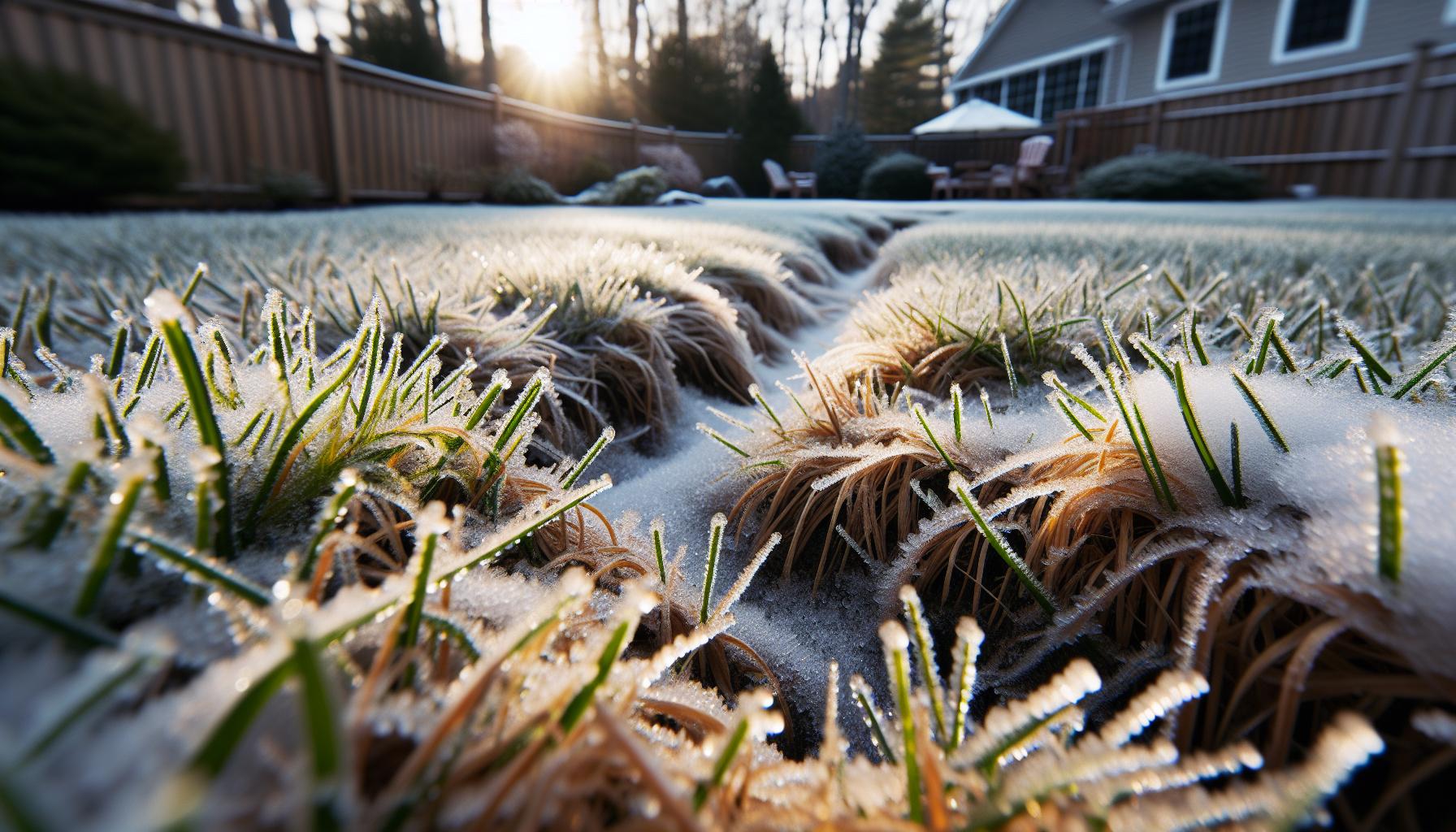
Understanding the Impact of Winter on Your Lawn
As winter approaches, the profound impact of cold temperatures on your lawn becomes increasingly apparent. The grass that thrived during the warmer months starts to enter a dormancy phase, a survival mechanism that protects it from harsh weather conditions. Understanding this shift is crucial for maintaining a healthy lawn, as the actions taken before winter can significantly influence how well it recovers in spring.
During the colder months, grass growth slows, and its metabolic processes decrease. As a result, the blades of grass can become vulnerable to diseases and pests, especially if they are too long or if mowing is continued into late fall when growth has significantly slowed. It’s important to recognize the signs that indicate it’s time to cease mowing for the season. These signs often include a noticeable reduction in grass growth, temperatures consistently dropping, and the occurrence of frost.
Moreover, preparing for winter means implementing a few strategic practices. Ensuring your lawn is at the optimal height before the first frost can prevent matting under snow cover and reduce the likelihood of snow mold. Leaving grass blades slightly longer, typically around 2.5 to 3 inches, can also be beneficial as it allows for better insulation and moisture retention, enhancing the lawn’s resilience.
Ultimately, comprehending winter’s impact on your lawn is about preparation and timing. By anticipating the seasonal changes and adapting your lawn care routine, you can help ensure that your lawn emerges vibrant and healthy when spring arrives. This proactive approach not only protects your grass but also lays the groundwork for robust growth in the following year.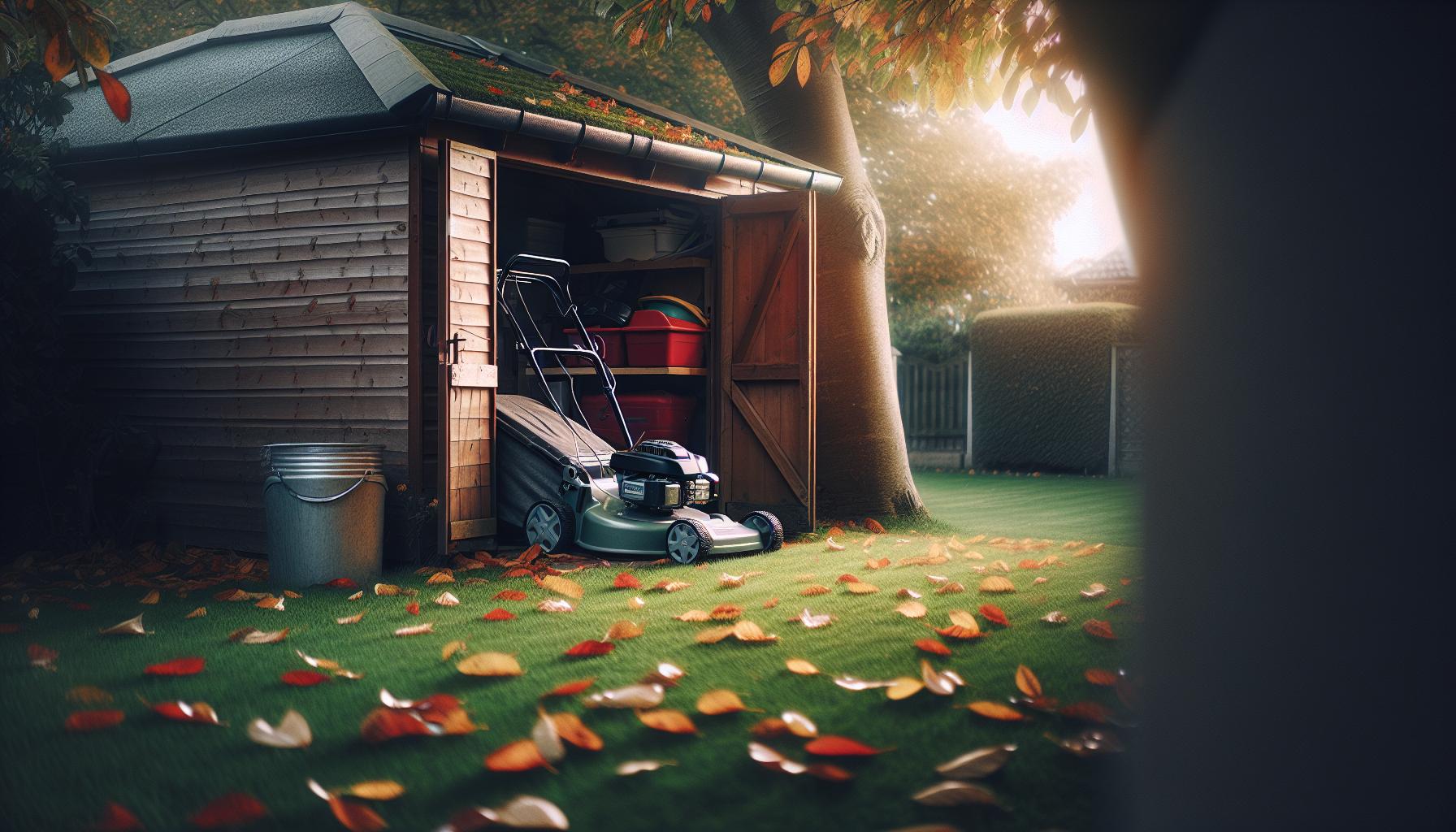
Signs It’s Time to Stop Mowing This Season
As autumn transitions into winter, the shrinking daylight and dropping temperatures signal a crucial period for lawn care enthusiasts. Knowing when to stop mowing isn’t merely a matter of routine; it’s about protecting your grass and ensuring that it can withstand colder temperatures. Understanding the clear indicators of the changing season helps you fine-tune your lawn maintenance routine.
One of the foremost signs that it is time to put away the mower for the season is a noticeable downturn in grass growth. As temperatures consistently drop, you may see fewer new blades sprouting, and eventually, growth will almost halt. Pay attention to the weather forecasts and the first frost warnings-these can guide your decision to cease mowing. If the grass is consistently not growing at a rate that necessitates cutting, it’s a clear cue that it’s time to stop.
Frost can also serve as a significant indicator. Once you spot the first frost in your area, it’s generally a good sign that the grass has reached the end of its growing season. Continued mowing in frosty conditions can damage the grass blades, making them more susceptible to disease, especially if the ground is wet or frozen. Additionally, the lower temperatures can lead to a hard surface, making mowing harder on both the mower and the lawn itself.
Moreover, the ideal height for your grass is important to consider. If you’re still mowing and your grass blades are longer than the recommended height-typically around 2.5 to 3 inches-this can lead to matting and promote snow mold under winter snow cover. By tuning into these signs-the slowing growth, the frost warnings, and maintaining optimal blade height-you can prepare your lawn for a healthy dormancy, ensuring its readiness to thrive once spring arrives.
Optimal Lawn Height Before Winter Arrives
As the temperatures begin to dip and daylight hours shorten, maintaining your lawn’s health becomes increasingly crucial. Achieving the optimal lawn height before winter not only sets the stage for a resilient winter dormancy but also safeguards against common wintertime challenges like disease and snow mold. Grass that’s cut too short is at a disadvantage; it may not store enough energy to survive the cold, while overly long grass can mat down and become susceptible to moisture-related problems.
Most experts recommend keeping your lawn at a height between 2.5 to 3 inches as winter approaches. This length strikes an important balance: it is short enough to avoid matting yet long enough to protect the grass crown-the part of the grass plant that grows new shoots in spring. Allowing the grass to remain at this height helps it to retain moisture and nutrients, which are vital during the winter months. A short lawn, on the other hand, can expose the roots to cold and harsh weather conditions, making them vulnerable to winter kill.
In addition, adjusting your mowing practices as the season changes can significantly benefit your lawn’s health. For instance, as growth slows and frost becomes a frequent visitor, it’s wise to gradually increase mower height settings when you do mow. This simple adjustment can help you maintain the ideal height while minimizing stress on the turf. Remember, regular mowing also helps remove fallen leaves, which can smother the grass and fuel disease if left unchecked.
By being mindful about achieving and maintaining the appropriate grass height as winter approaches, you can enhance your lawn’s ability to survive the cold months ahead. This preparation not only supports a healthier lawn during winter dormancy but also paves the way for a vibrant, lush return come spring.
The Best Timeframe for Final Mowing
With the arrival of autumn, many homeowners find themselves facing an important decision: when should they perform that final mow before winter’s chill sets in? Understanding the right timeframe for this task can significantly influence the health and resilience of your lawn during the colder months. Mowing too late into the season can expose your grass to frost damage, while stopping too early might leave it vulnerable to pests and diseases.
Generally, the optimal time for the final mowing is when daytime temperatures regularly fall below 50°F (10°C) and the grass growth has noticeably slowed down. This timeframe usually varies by region but typically occurs between late October and early November in many areas. Observing your lawn’s growth patterns is key-when you notice that the grass is no longer growing, it’s a sign that it might be the right time for that last mow.
Before taking your mower out for the final pass, ensure you adjust your mower’s height settings. A final cut at around 2.5 to 3 inches is recommended, which helps prevent matting and allows the grass to store energy for winter survival. Mowing at this height promotes airflow and minimizes the risk of snow mold, an issue that can arise when grass is too long and promotes damp conditions under snow cover.
In preparation for winter dormancy, this final mow serves multiple purposes: it helps clean up fallen leaves, allowing the lawn to breathe, and it sets the stage for a healthier resurgence come spring. By timing this last cut effectively, you not only contribute to your lawn’s immediate well-being but also ensure that it remains vibrant and lush as the seasons change.
How to Prepare Your Lawn for Winter Dormancy
As winter approaches, preparing your lawn for dormancy is crucial to ensure it emerges healthy and vibrant come spring. One of the key aspects to consider is your lawn’s overall health leading up to these colder months. A well-prepared lawn can withstand frigid temperatures and limited sunlight, remaining resilient against common winter challenges.
Start by removing any debris such as leaves, branches, or lawn clippings, as these can suffocate your grass and promote mold growth. It’s advisable to aerate the soil, allowing for better air, nutrient, and water penetration. Aeration enhances root development, helping your grass take in more essential resources as it prepares for dormancy. Following aeration, consider applying a specific winter fertilizer designed to give your lawn a nutrient boost. This fertilizer should be high in potassium, which helps strengthen root systems and overall plant health before the ground freezes.
Maintaining the right height during your final mow is also critical. The recommended cutting height is around 2.5 to 3 inches. This height minimizes the risk of snow mold and helps the grass retain moisture, which is essential when it’s exposed to colder temperatures. Grass that is cut too short can suffer from the harsh conditions, while leaving it too long can invite pests and diseases.
Finally, it is wise to monitor weather forecasts closely. A sudden freeze can catch homeowners off guard; if expected, watering your lawn just before freezing temperatures can help protect it by providing moisture that the grass can use during dormancy. Preparing your lawn effectively will not only enhance its ability to survive the winter months but also promote a swift recovery as the weather warms up, ensuring that your outdoor space remains lush and inviting.
Benefits of Leaving Grass a Little Longer
Leaving your grass a little longer during the final mow before winter holds significant benefits for the health of your lawn. One of the primary advantages is that taller grass blades provide natural insulation to the root system. This insulation helps protect roots from the harsh winter cold, allowing them to retain moisture and nutrients that are essential for their survival through dormancy. Additionally, longer grass blades can help to reduce soil compaction and create a more favorable environment for microbial activity in the soil.
In a season when frost and snow can put extra stress on your lawn, taller grass can act as a buffer against potential damage such as snow mold. Grass kept at a height of around 2.5 to 3 inches is less susceptible to diseases that thrive in damp, cooler conditions. The added height allows for better air circulation around the blades, reducing moisture retention and the risk of fungal growth. A healthy lawn that emerges from winter in robust condition will be better positioned to take advantage of spring’s growth spurt, leading to a lush, green expanse come warmer weather.
Moreover, longer grass can also discourage certain pests. A well-maintained lawn with taller grass can provide a less appealing habitat for insects that prefer shorter, exposed turf. By reducing the likelihood of pest infestations, you will decrease the chances of damage that could weaken your lawn as it enters the dormancy period.
- Insulation: Taller grass protects roots from freezing temperatures.
- Moisture Retention: Helps retain essential nutrients during dormancy.
- Reduced Disease Risk: Minimizes snow mold and other winter diseases.
- Pest Deterrence: Creates an uninviting environment for pests.
In conclusion, leaving your grass a bit longer as you prepare for winter is a strategic choice that promotes the ultimate health of your lawn. Implementing this practice can contribute to a thriving lawn in the spring, making your efforts throughout the winter months worth every moment.
Essential Lawn Care Beyond Mowing
As the seasons change and winter approaches, ensuring your lawn is well-prepared goes far beyond just mowing. There are critical steps you can take to promote a healthy landscape that can withstand cold temperatures and emerge vibrant in the spring. Addressing these additional care aspects can significantly enhance the resilience of your grass, foundations, and soil health.
One of the most impactful undertakings is to aerate your lawn before the ground freezes. Aeration helps alleviate soil compaction, allowing air, water, and nutrients to penetrate deeper into the soil, thus supporting root health. This process encourages strong root development that can better withstand the stress of winter. You can choose between manual or machine aeration, depending on the size of your lawn and your comfort level.
Another essential task is to apply a slow-release winter fertilizer. By providing the nutrients needed during dormancy, you promote healthy root growth and prepare the lawn for an explosive recovery come spring. Choose a fertilizer specifically formulated for fall application to ensure that your grass receives the right nutrients for winter survival. A general rule of thumb is to apply this in early to mid-fall, several weeks before the first frost.
In addition, cleaning up your lawn is crucial-it’s not just about aesthetics. Raking up leaves and removing debris prevents the formation of mold or fungi, which can harm your grass during the wet winter months. Snow can exacerbate issues by trapping moisture against the ground, encouraging disease development. Regularly clearing debris ensures your lawn breathes adequately and maintains good health through winter.
Lastly, consider overseeding bare patches to foster a denser lawn that can better tolerate the cold. Seed treatments applied in early fall allow new grass to establish itself before the snow arrives, leading to a fuller lawn that resists diseases and pests. Remember, a proactive approach in the fall enables your lawn to emerge from winter strong and ready for vigorous growth, making your efforts truly worthwhile.
- Aeration: Reduces soil compaction and enhances nutrient absorption.
- Winter Fertilization: Supports root health during dormancy.
- Debris Cleanup: Prevents disease and promotes lawn health.
- Overseeding: Creates a denser turf for winter resilience.
Common Mistakes to Avoid Before Winter
As winter approaches, homeowners often focus on the visible aspects of lawn care, such as mowing, but neglect critical prevention steps that can significantly impact their lawn’s health. One of the most common errors is discontinuing lawn maintenance too early. Many people mistakenly believe that growth stops completely with cooler weather, leading them to stop mowing when, in fact, grass continues to grow as long as temperatures remain above a certain threshold. Waiting until the lawn becomes overgrown or develops thatch can lead to complications that impede healthy regrowth in the spring.
Another mistake is failing to adjust mower height before the final mow of the season. Cutting grass too short can expose the crown to harsh winter elements, making it more susceptible to damage from frost and snow. The ideal height for most grass types heading into winter is slightly higher than usual, around 2.5 to 3.5 inches. This height provides insulation and encourages deeper root growth, enabling your grass to withstand cold temperatures and stress better.
Additionally, neglecting to clean up leaves and debris from your lawn can lead to bigger issues. Layers of leaves can trap moisture and create a breeding ground for mold and other diseases. Raking leaves not only keeps the lawn looking neat but is essential for allowing air to circulate, preventing disease proliferation and ensuring your grass has the best chance for healthy dormancy.
Lastly, applying the wrong type of fertilizer or skipping the fertilization process altogether is a frequent pitfall. Many homeowners might assume that their lawn does not need nutrients during winter, but a carefully timed application of a slow-release winter fertilizer is crucial. This not only supports the root system during dormancy but also prepares the grass for robust growth as spring arrives. Taking the time to plan for winter can significantly impact your lawn’s resilience and overall health come spring.
- Discontinuing maintenance too early: Grass continues to grow in fall; stop mowing only when necessary.
- Incorrect mower height: High cuts protect grass crowns from winter damage.
- Leaving debris: Clean up to prevent mold and promote airflow.
- Skipping fertilizer: A winter fertilizer nourishes roots for spring growth.
Tools and Techniques for Winter Lawn Maintenance
Preparing your lawn for winter is essential to ensure it thrives when spring arrives. The right tools and techniques can make all the difference in your lawn’s health throughout the cold months. An essential step in winter lawn maintenance is ensuring that the mower blades are sharp; dull blades can tear grass and lead to disease. Cleaning your mower thoroughly before storing it will also prevent rust, ensuring it’s ready for use when the weather warms up.
Essential Tools
To effectively maintain your lawn as it goes dormant, consider investing in the following tools:
- Rakes: Essential for gathering fallen leaves and debris that can suffocate your lawn and promote fungal diseases.
- Aerators: These can help relieve soil compaction, allowing air, water, and nutrients to penetrate deep into the root system.
- Fertilizer Spreaders: For even distribution of winter fertilizers, ensuring that nutrients reach all parts of the lawn.
- Mulching Mower: This type can finely chop leftover leaves, allowing them to decompose and serve as a natural fertilizer.
Techniques for Effective Maintenance
Implementing proper techniques during winter prep can enhance your lawn’s durability:
- Final Mow: As temperatures drop, mow your lawn to a height of 2.5 to 3.5 inches during your final mowing session. This height provides insulation against frost and encourages deeper root growth.
- Aeration: This technique is particularly useful if your lawn feels compacted or experiences heavy traffic. Aerating helps alleviate soil compaction, facilitating better absorption of water and fertilizers.
- Fertilization: Use a slow-release winter fertilizer designed to feed your lawn while it rests. This supports root development and boosts resistance against cold stress.
- Debris Removal: Regularly clear away leaves, twigs, and other debris to prevent moisture accumulation, which can lead to mold or disease.
By utilizing the appropriate tools and techniques for winter maintenance, you can significantly enhance your lawn’s resilience to harsh winter conditions, setting it up for a robust recovery in the spring. Remember, a little preparation now can yield impressive results when the growing season returns.
Addressing Pests and Diseases Before Winter
As winter approaches, the decrease in temperature and daylight can create the perfect conditions for pests and diseases to take a toll on your lawn. Addressing potential threats before the frost sets in is crucial for ensuring a healthy, vibrant return in spring. Identifying and managing issues such as grubs, fungi, or other plant pathogens can significantly enhance your lawn’s resilience during dormancy.
To protect your lawn from pests, performing a thorough inspection is essential. Look for signs of damage, such as wilting grass or unusual patches, which could indicate a pest problem. Grubs, for instance, can be particularly troublesome as they feed on grassroots, leading to thinning and dead patches. If detected early, applying a targeted treatment or beneficial nematodes can help control these pests effectively.
Preventing Diseases
In addition to pests, various fungal diseases can thrive in the damp, cool conditions of late fall and early winter. Techniques such as regular leaf clearance will limit moisture accumulation on the lawn surface, reducing the risk of fungal outbreaks. Applying a preventive fungicide before winter sets in can also provide a protective layer for your grass, warding off diseases like snow mold. Monitoring your lawn’s watering practices is another key factor-overwatering can lead to root rot and other fungal problems, so ensure that the lawn is adequately but not excessively hydrated before winter dormancy begins.
Regular lawn maintenance practices, such as aeration and overseeding with resistant grass varieties, can further bolster your lawn’s defenses. Aerating not only improves soil health but also encourages drainage, preventing stagnant water that favors disease development. Overseeding with a mix that includes drought-resistant and disease-resistant varieties helps establish a stronger, more robust lawn that can withstand winter challenges better.
By taking proactive steps now, including pest identification, disease prevention, and appropriate maintenance methods, you can minimize the risk of harm to your lawn during the cold months. This diligence will significantly enhance your lawn’s chances of emerging vibrant and healthy in the spring, ready to grow and flourish once again.
Preparing Your Mower for Winter Storage
As winter approaches, many homeowners may overlook the importance of properly preparing their lawn mower for storage. A well-prepared mower not only ensures that it will be ready for optimal performance in the spring but also minimizes the risk of damage during the cold months. Taking the time to winterize your mower can help extend its lifespan and save you money on repairs.
Begin by giving your mower a thorough cleaning. Removing grass clippings and debris from the blades and under the deck will help prevent rust and corrosion. Utilize a wire brush or scraper to clear any built-up residue, and rinse off excess dirt and grime with a hose. Ensure the mower is entirely dry before proceeding to the next steps.
Next, consider the fuel situation. It’s advisable to either empty the fuel tank or add a fuel stabilizer to prevent stale fuel from damaging the engine. If you choose to empty it, run the mower until it runs out of gas. If using a stabilizer, follow the manufacturer’s instructions, then run the engine for a few minutes to ensure the treated fuel circulates through the system.
H3: Maintenance Checks
Perform essential maintenance checks before storing your mower:
- Change the oil: Old oil can contain impurities that harm the engine. Replace it with fresh oil to ensure smooth operation come spring.
- Inspect and sharpen the blades: Dull blades can cause tearing instead of cutting, leading to an unhealthy lawn. Sharpen the blades or replace them if severely damaged.
- Check the air filter: A clean air filter allows for efficient engine performance. Replace any dirty filters to avoid complications when you restart the mower.
Lastly, store your mower in a dry, sheltered location to protect it from moisture and freezing temperatures. If possible, keep it elevated by using a shelf or placing it on a tarp to avoid contact with the ground, which may be colder and more prone to moisture accumulation. This proactive approach to winter lawn mower care will not only safeguard your equipment but also prepare you for a smooth start to the mowing season when warm weather returns.
Gearing Up for Spring: Lawn Care Tips
As winter approaches, preparing your lawn for the season ahead is crucial for ensuring a lush, green revival in spring. The transition from fall to winter is not just about stopping your mowing routine; it also involves laying the groundwork for your grass to thrive once the snow melts. A properly cared-for lawn during the colder months will reduce weed issues and enhance overall resilience, making early spring tasks significantly easier.
To set your lawn up for success, it’s essential to focus on several key practices before the ground freezes. Start by ensuring your grass is at an optimal height-generally, about three inches is ideal-as this length helps protect the roots and retains moisture. Leaving your grass slightly longer allows it to better withstand cold temperatures while minimizing the potential for disease due to excessive frost exposure. It’s also wise to fertilize your lawn before the first hard frost, as this nourishes the roots, helping them store nutrients that will support early spring growth.
Another important aspect to consider is a final clean-up before winter. This includes clearing fallen leaves, debris, and any remaining weeds that might compete with your grass for nutrients and water come spring. A well-maintained lawn can also benefit from aeration, which improves soil health by enhancing root growth and nutrient absorption. This activity allows your grass to “breathe” better during dormancy, thereby resuming growth more vigorously when the warmer months return.
Incorporating these practices not only prepares your lawn for dormancy but also gives you a head start when spring rolls around. Once the thaw begins, you will reap the rewards of your winter preparations through robust growth and vibrant color, setting the stage for a beautiful landscape in the months to come.
Frequently Asked Questions
Q: When should I stop mowing my lawn for winter?
A: You should stop mowing your lawn when growth slows down, typically when temperatures consistently drop below 50°F (10°C). This is usually in late fall. Mow for the last time when the grass is about 2-3 inches tall to protect the roots during winter dormancy. See our section on “Signs It’s Time to Stop Mowing This Season” for more details.
Q: How short should I cut my grass before winter?
A: For winter preparation, cutting your grass to a height of about 2-3 inches is ideal. This length is long enough to protect the roots and prevent snow mold while allowing adequate sunlight for the remaining grass. Refer to “Optimal Lawn Height Before Winter Arrives” for additional guidance.
Q: What happens if I keep mowing my lawn too late in the season?
A: Continuing to mow late in the season can stress your grass, making it more susceptible to winter diseases and pests. It can also hinder the grass’s ability to store nutrients. Check out “Common Mistakes to Avoid Before Winter” to learn more.
Q: Can I mulch my leaves while mowing before winter?
A: Yes, mulching leaves while mowing is beneficial as it returns nutrients to the soil. However, ensure the leaf layer is not too thick so that sunlight can still reach the grass. Visit “Essential Lawn Care Beyond Mowing” for effective strategies.
Q: Do I need to change my mowing pattern in the fall?
A: Yes, adjusting your mowing pattern in the fall can help prevent soil compaction and promote healthier grass growth. Change your path each mowing to allow grass to grow evenly. For further insights, refer to “Tools and Techniques for Winter Lawn Maintenance.”
Q: When is the last safe mowing time before winter?
A: The last safe mowing time typically varies by region but is generally a few weeks before the first expected frost. In many areas, this is late October to early November. Check “The Best Timeframe for Final Mowing” for specifics based on your climate.
Q: Should I bag or mulch clippings during the final mow?
A: It’s recommended to mulch clippings during your final mow for winter. Mulching returns nutrients to the lawn, which can aid in its resilience over the cold months. For more information, refer to “Benefits of Leaving Grass a Little Longer.”
Q: What steps should I follow after my last mow before winter?
A: After your last mow, ensure to aerate the soil, apply fall fertilizer for deep root nourishment, and remove any debris. This prepares your lawn for healthy growth in spring. For comprehensive preparation, see “How to Prepare Your Lawn for Winter Dormancy.”
Engage in our articles for detailed guidance on maintaining a resilient lawn throughout winter!
Key Takeaways
As winter approaches, knowing when to stop mowing your lawn is crucial to maintaining its health. By implementing these valuable insights, you’ll not only protect your grass from potential harm but also set the stage for a lush, green recovery in spring. Don’t wait-take action today! Explore our detailed guides on lawn care preparation and winterizing tips to ensure you’re fully equipped for the colder months ahead.
If you have any questions or want to share your experiences, drop a comment below or connect with us on social media. For more expert advice on maintaining your lawn and landscaping, check out our resources on seasonal lawn care and landscaping strategies. Remember, a well-maintained lawn is only a few clicks away-subscribe to our newsletter for ongoing tips and exclusive content tailored for lawn enthusiasts.