
Keeping your lawn mower in top condition is essential for maintaining a beautiful lawn, especially during peak growing seasons. Did you know that a well-serviced mower can improve your grass health and save you money on costly repairs? Unfortunately, finding the right service location can be daunting, leading to confusion and frustration. This guide will explore the best repair locations to ensure your mower runs smoothly, allowing you to tackle that overgrown yard with confidence. Whether you’re a seasoned gardener or a weekend lawn warrior, knowing where to service your lawn mower is key to achieving your landscaping goals. Let’s dive into the options that will keep your grass green and lush!
Understanding Lawn Mower Service Types and Needs
Understanding the different types of lawn mower service is essential for any homeowner who wants to maintain a healthy and functional lawn. Lawn mowers, whether they are gas-powered or electric, can encounter a variety of issues throughout their lifespan. Understanding these service types not only helps in selecting the right repair facility but also ensures that your mower runs efficiently when you need it most.
There are several common types of services that lawn mowers typically require:
- Regular Maintenance: This includes oil changes, air filter replacements, and blade sharpening. Scheduling periodic maintenance can extend your mower’s life and keep it running smoothly.
- Seasonal Tune-Ups: Before the mowing season starts, a tune-up might be needed to prepare your mower. This usually involves checking fuel systems, changing spark plugs, and assessing the electrical components of electric mowers.
- Repairs: When problems arise, such as a mower not starting or stalling during use, repairs become necessary. This could involve fixing the carburetor, replacing belts, or addressing drive system failures.
- Custom Modifications: Some lawn mower owners may want to enhance their equipment beyond basic functionalities. This could include installing mulching kits or upgrading cutting decks for better performance.
Determining what services your mower needs is influenced by various factors, including its age, frequency of use, and environmental conditions. For instance, a mower used in sandy areas may need more frequent blade sharpening and engine checks than one used in less abrasive environments. Furthermore, understanding these service types allows you to ask informed questions when seeking out local repair shops or national chains, ensuring that you receive the necessary care tailored to your mower’s specific needs.
Ultimately, being proactive about understanding service types and needs will empower you as a lawn mower owner, enabling better decision-making and ensuring that your equipment stays in optimal condition throughout its life.
Top Locations for Lawn Mower Repairs Near You
Finding a reliable location for lawn mower repairs is crucial for maintaining the efficiency and longevity of your mower. Whether you need routine maintenance or major repairs, identifying the right service provider can save you time and money. Local options can often provide a personalized touch, while national chains may offer broader expertise and guaranteed service standards. Here’s a look at some of the best places to consider for your lawn mower servicing needs.
Local Repair Shops
Often, local repair shops like Tommy’s Small Engine & Repair offer extensive experience with various lawn mower models, including self-propelled, riding, and zero-turn mowers. These shops typically focus on personalized service, tailoring repairs and maintenance according to each mower’s unique requirements. Additionally, they often carry a range of parts and accessories for popular brands such as John Deere and Husqvarna, ensuring that you receive timely service and can get back to mowing quickly [[1]].
National Chains
On the other hand, national repair chains such as Sears Home Services provide a structured approach to maintenance and repairs. With trained technicians who can diagnose a wide range of issues, they often utilize standardized processes that can lead to quicker turnaround times. Their websites generally allow for easy scheduling of appointments, and they often have the necessary parts readily available for various brands, which can be a significant advantage when time is of the essence [[3]].
Online Reviews and Recommendations
It’s important to consider customer reviews when selecting a service provider. Websites like the Better Business Bureau offer insights into service quality and customer satisfaction, allowing you to compare different repair shops within your area. Evaluating ratings and reviews can guide you to the most reliable services available in your vicinity, helping you avoid poor experiences and ensuring that your mower receives the attention it needs [[2]].
In conclusion, whether you opt for a local shop or a national chain, ensure that you select a service center with a solid reputation and experience in handling the specific needs of your lawn mower model. With the right choice, you can keep your mower running smoothly and efficiently, making it easier to maintain your yard all year round.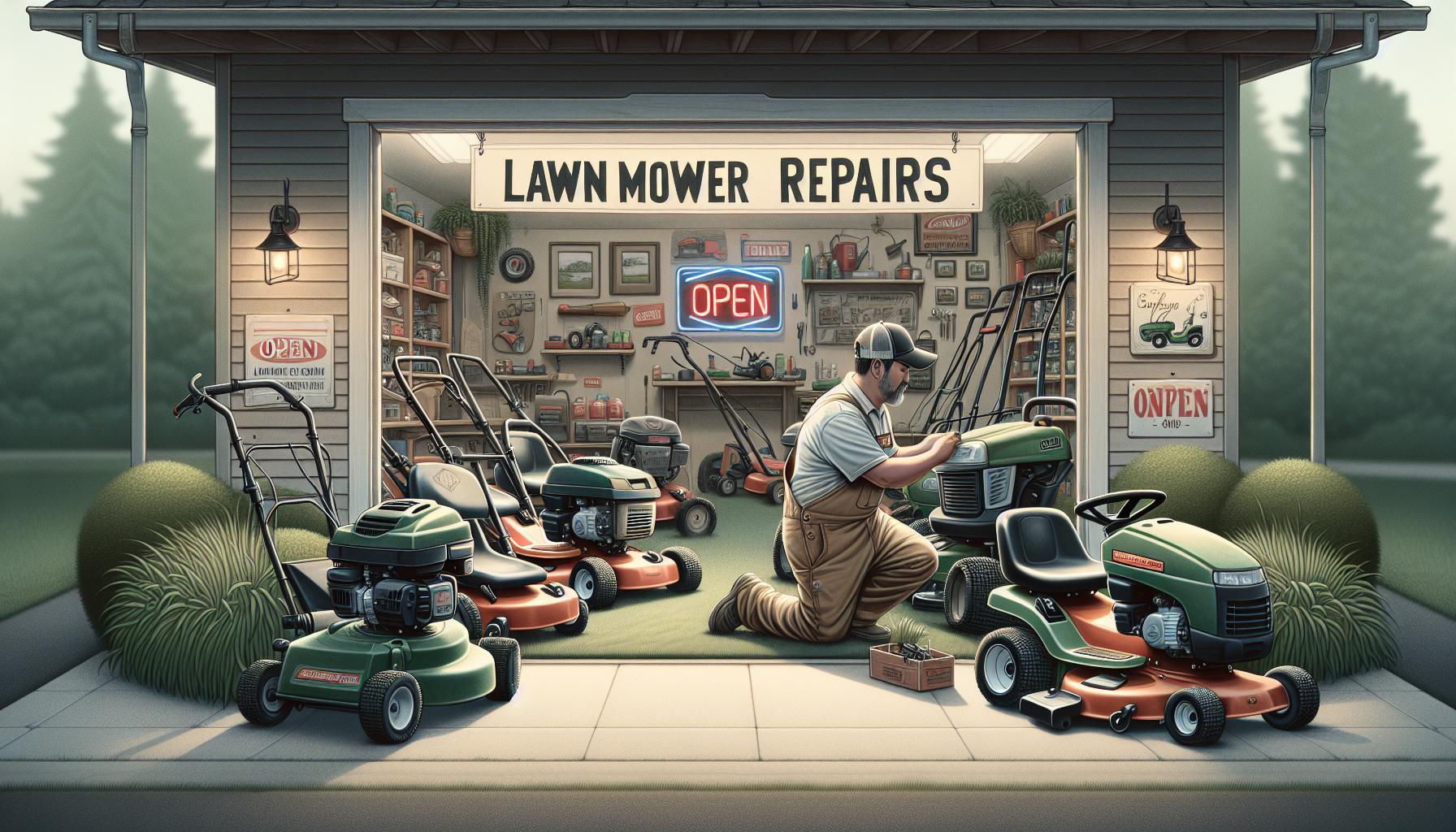
DIY Lawn Mower Maintenance Tips for Longevity
Keeping your lawn mower in optimal condition can significantly extend its lifespan and efficiency, allowing you to maintain a healthy, beautiful lawn. Regularly performing a few essential maintenance tasks not only enhances the mower’s performance but also saves you time and money in the long run by reducing the need for expensive repairs. Here are some practical DIY tips to ensure your lawn mower stays in top shape.
One of the most critical aspects of lawn mower maintenance is changing the oil regularly. Just like your car, lawn mowers require clean oil to function efficiently. It’s advisable to change the oil every 50 hours of operation or at the start of each mowing season. Make sure to use the manufacturer-recommended oil type for optimal results. Additionally, replacing the oil filter during oil changes can help trap debris and contaminants, providing an extra layer of protection for your engine.
Another vital maintenance task is sharpening the mower blades. Dull blades tear the grass instead of cutting it cleanly, which can lead to a ragged appearance and increased vulnerability to diseases. Check the blades periodically and sharpen them whenever you notice that the mower is struggling to achieve a clean cut or if the grass appears brown at the tips. A good rule of thumb is to sharpen blades after every 20-25 hours of use during the mowing season. When sharpening, ensure to balance the blades to prevent vibrations that can damage the mower.
It’s also essential to keep your mower clean. After each use, take time to remove grass clippings and debris from the deck and undercarriage. These buildups can trap moisture and lead to rust and corrosion, ultimately affecting the mower’s performance. Use a scraper or a wire brush to gently remove clippings, and consider washing the deck with a garden hose to maintain cleanliness.
Lastly, don’t forget to check the air filter and spark plug regularly. A clean air filter ensures that the engine receives adequate airflow, which is vital for efficient combustion. Replace the air filter every 25 hours of operation or as needed. Similarly, inspect the spark plug and replace it if you notice signs of wear or if the mower experiences ignition issues. A good spark plug can significantly improve starting performance and fuel efficiency.
By integrating these simple DIY maintenance tips into your lawn care routine, you’ll not only prolong the life of your lawn mower but also enhance its overall performance. Maintaining your mower properly can make all the difference in achieving that perfectly manicured lawn, allowing you to enjoy the fruits of your labor throughout the growing season.
How to Choose the Right Service Center
Choosing the right service center for your lawn mower can significantly impact its performance and longevity. With numerous options available, filtering through them to find a reputable provider can be daunting. A key element to consider is the shop’s experience and expertise with your specific type of mower. For example, some service centers specialize in particular brands or types of lawn mowers, while others are more general. Understanding the level of expertise offered can save you time and potentially costly repairs down the line.
It’s also essential to pay attention to customer reviews and ratings. Browsing platforms like Yelp can provide insights into the quality of service offered by local repair shops. Look for feedback on aspects such as turnaround time, affordability, and customer service. Engaging with past customers through online reviews can reveal valuable details such as whether the shop upsells services unnecessarily or if they stand behind their work with guarantees.
When visiting a service center, take note of the professionalism of the staff. A knowledgeable technician should be able to provide clear answers to your questions and explain the repairs needed in a manner you can understand. Trust your instincts; if the staff seems rushed or dismissive, consider looking elsewhere for your mower repair needs. Moreover, it’s beneficial to inquire about warranties on repairs and parts, as well as whether the shop offers any maintenance contracts or seasonal check-ups that can help keep your mower running smoothly.
Lastly, consider convenience factors such as location and hours of operation. A local repair shop may be more accessible, allowing you to drop off your mower without a long drive or a lengthy wait. Check if they offer pick-up and delivery services as well; this can be an invaluable service for those with busy schedules or larger vehicles that may not accommodate a mower easily. By weighing these factors, you can make an informed decision that keeps your lawn mower in peak condition without unnecessary hassle.
Cost Breakdown: Lawn Mower Repair Expenses
Understanding the costs associated with lawn mower repair is crucial for any homeowner looking to maintain their yard efficiently. Different factors can influence repair expenses, making it essential to be informed. Labor rates vary significantly depending on the region and the type of service requested. For instance, basic tune-ups might cost anywhere from $50 to $100, while more extensive repairs involving parts replacement could push expenses up to $500 or more.
Typical Repair Costs
When considering repair options, it’s beneficial to break down the common services and their associated costs:
- Basic Tune-Up: $50 – $100
- Blade Sharpening: $10 – $30
- Fuel System Cleaning: $75 – $150
- Battery Replacement: $30 – $150
- Engine Rebuild: $300 – $500 or more
- Wiring Issues: $75 – $200
Additionally, many service centers may charge a diagnostic fee, typically ranging from $25 to $50, to assess the mower’s condition. This fee is often applied to the final bill if the repair is conducted at the same service center.
Considerations for Costs
It’s also important to consider whether the repair shop offers a warranty on repairs. A shop that guarantees its work can save you money in the long run by covering any recurrences of the same issues. Moreover, you should evaluate the cost of replacement parts, as brand-specific parts can sometimes be pricier than universal options. Always ask for estimates prior to authorizing repairs, and consider comparing quotes from different service providers.
By keeping these expenses in mind, homeowners can better prepare for the financial aspects of lawn mower maintenance, ensuring a well-functioning mower without unexpected financial strain.
What to Expect During a Lawn Mower Service
When you bring your lawn mower in for service, understanding the process can help alleviate concerns and prepare you for what’s ahead. The service typically begins with an initial consultation, where the technician will discuss any specific issues you’ve been experiencing, such as uneven cutting or difficulties starting. This is a crucial opportunity for you to communicate your concerns clearly; the more details you provide, the better the technician can pinpoint the problem.
Following the consultation, the technician will perform a thorough inspection of your mower. This may include examining the engine, blades, spark plug, fuel system, and other critical components. Many service centers utilize a checklist to ensure no part is overlooked. The technician may also conduct a diagnostic test which can highlight underlying issues that might not be immediately visible. If they find serious problems like engine wear or severe fuel line blockages, they’ll typically provide you with a comprehensive report and a cost estimate for any required repairs before proceeding.
During the service, you can expect several common procedures: oil changes, blade sharpening or replacement, air filter cleaning, and spark plug replacements. Each of these tasks plays a vital role in keeping your lawn mower in optimal working condition. For instance, regular oil changes not only extend the life of your engine but also improve performance. Similarly, sharp blades ensure a clean cut, which promotes healthier grass growth by preventing tearing.
Once the service is complete, the technician should explain the work done, any additional repairs needed, and tips for maintaining your mower until the next service. Some service centers even offer follow-up services or yearly maintenance packages that can include periodic check-ups, ensuring your lawn mower remains reliable throughout the mowing season.
Common Lawn Mower Issues and How to Fix Them
One common issue that many lawn mower owners face is difficulty starting the machine. This problem could stem from several factors such as a drained battery, faulty spark plugs, or even a clogged fuel line. Checking the battery’s charge and condition is a good first step; if it’s over three years old, consider replacing it. Inspect the spark plugs for wear and replace them if they appear dirty or damaged. Lastly, ensure that fuel is reaching the engine. If the fuel line is clogged, it will need to be cleaned or replaced, which can often be done at a local repair shop.
Another prevalent problem is uneven cutting, which can leave your lawn looking less than manicured. This issue is often caused by dull blades or unlevel mower height settings. Regularly sharpening the blades can ensure a clean cut, which is vital for the health of your grass. If the cutting deck is uneven, simply adjust the height settings on the mower to achieve a uniform cut. If these fixes don’t resolve the issue, it may be worthwhile to take your mower to a specialized repair location, where professionals can evaluate potential engine or alignment issues.
Overheating is yet another concern that can not only disrupt mowing sessions but also damage the mower. This typically occurs when the engine is working too hard due to thick grass or overgrown conditions. To prevent overheating, ensure your mower’s air vents are clean and unobstructed, and the engine oil is at the correct level. If overheating persists, it’s prudent to consult with an expert who can diagnose deeper issues like a failing cooling system or excessive debris buildup in the engine.
Lastly, one must consider consistent maintenance practices to avoid many of these issues before they occur. Regular oil changes, cleaning or replacing air filters, and adhering to seasonal service schedules at trusted repair locations like those listed earlier can keep your mower running smoothly. Implementing these proactive steps not only extends the longevity of your equipment but also enhances performance, ensuring your lawn is always in excellent shape.
The Importance of Regular Lawn Mower Maintenance
Maintaining your lawn mower isn’t just about ensuring a pristine lawn; it’s also about safeguarding your investment. Regular lawn mower maintenance can significantly prolong the life of your equipment, ensuring that it runs efficiently when you need it most. For instance, a well-maintained mower can reduce the risk of engine failure, which can be costly to repair. By adhering to a consistent maintenance schedule, you can avoid many common issues and keep your mower operating at peak performance.
One of the primary benefits of regular maintenance is the enhancement of performance quality. A mower that receives regular attention-such as oil changes, blade sharpening, and air filter replacements-will not only work better but also provide a more even cut, which is essential for the health of your lawn. For example, dull blades can tear grass rather than cut it cleanly, leading to a higher risk of disease. Keeping blades sharp ensures that your mower cuts effortlessly through the grass, promoting a healthier lawn overall.
In addition to improving performance, regular maintenance helps prevent minor issues from escalating into significant problems. Something as simple as a dirty air filter can lead to engine strain and inefficiency. By checking and cleaning filters regularly, you can maintain optimal airflow and reduce fuel consumption. Moreover, compliance with seasonal maintenance schedules can catch potential problems early on, such as worn belts or corroded spark plugs, before they require immediate and costly repairs.
With various repair locations available, consider choosing a service center that specializes in lawn mower maintenance. Local shops often offer personalized service, and their expertise can be invaluable in providing tailored advice and recommendations based on your specific mower model. Don’t hesitate to ask for customer reviews or seek recommendations to ensure you’re opting for a reliable service provider. By investing in routine maintenance, you not only save on repair costs but also promote a lush and vibrant lawn that enhances the beauty of your property.
Customer Reviews: Finding the Best Repair Shops
Finding the right repair shop for your lawn mower can significantly affect the quality of service you receive and, ultimately, the performance of your equipment. Reviews from previous customers can serve as a powerful tool to help you navigate this decision. By examining these assessments, you can gain insights into the expertise, pricing, and customer service of various shops. A recent survey showed that over 85% of consumers trust online reviews as much as personal recommendations, highlighting the importance of checking feedback from others.
When evaluating repair shops based on customer reviews, consider these key areas:
- Quality of Service: Look for comments regarding the thoroughness and expertise of the technicians. Customers often mention their satisfaction with repair quality, timely service, and the clarity of explanations provided regarding repairs and maintenance.
- Pricing Transparency: Reviews can reveal whether a shop is upfront about costs or if there are hidden fees. Positive experiences often highlight reasonable pricing for quality service.
- Customer Support: Exceptional service can be indicated by how responsive a shop is to inquiries and complaints. Look for reviews that mention friendly staff and a willingness to help.
- Turnaround Time: Many reviews will discuss how long repairs take. Shops that are efficient and keep customers informed about timelines tend to receive favorable remarks.
It’s also beneficial to check multiple platforms for reviews. Websites like Google, Yelp, or specialized forums can offer a broader perspective. Pay attention to patterns-if several customers cite similar issues, it may be indicative of a systemic problem at that repair location. Alternatively, if a shop consistently receives high praise for a particular service, it might be worth prioritizing when making your choice.
In today’s digital age, utilizing customer reviews effectively can empower you to make informed decisions about where to service your lawn mower. Not only does it help you find a reliable repair shop that meets your needs, but it also enhances your overall experience, ensuring you benefit from quality service while extending the life of your mower.
Local vs. National Repair Chains: Pros and Cons
When it comes to servicing your lawn mower, the decision between a local repair shop and a national repair chain can significantly influence your experience and satisfaction. Understanding the benefits and drawbacks of each option is crucial for anyone looking to maintain their equipment effectively while also managing costs. Local shops often pride themselves on personalized service, having a strong understanding of their community’s needs and local lawn care conditions. They might offer quicker turnarounds, more attention to detail, and a level of customer service that makes you feel valued and understood. Personalized recommendations and tailored advice can also stem from their familiarity with specific brands and models common in your area.
On the other hand, national chains can provide advantages in terms of standardization and brand recognition. They often possess greater resources for parts availability, which can lead to faster repairs, especially for commonly used models. Their pricing structures are generally clear and competitive due to bulk purchasing power, which can sometimes translate to lower rates for standard services. However, the downside is that customer service may feel impersonal, as employees may rotate frequently or lack the nuanced knowledge of local equipment and preferences.
Choosing between these two types of repair services often boils down to your personal values and priorities. If you value community support and personalized attention, a local shop may resonate more with you. However, if you prioritize swift service and the assurance of vetted expertise typical of larger chains, then a national establishment may be the way to go. Ultimately, assessing your specific needs, the nature of the repairs needed, and available options will lead you to the right choice for your lawn mower service. Consider visiting both types of shops to gauge their customer service and expertise before making your decision.
Seasonal Lawn Mower Maintenance Checklist
Maintaining your lawn mower is crucial to ensure its longevity and optimal performance, especially as the seasons change. Each season brings unique challenges that may affect your equipment, making it essential to follow a seasonal checklist to keep your mower running smoothly. Regular upkeep can save you from costly repairs down the line and keep your lawn looking pristine.
To start your seasonal maintenance, focus on the following key areas:
Spring Maintenance Checklist
- Inspect the Blades: Sharpen or replace the blades to ensure a clean cut.
- Change the Oil: Fresh oil will keep the engine running efficiently.
- Clean the Air Filter: A clean filter ensures proper airflow, enhancing engine performance.
- Check Spark Plug: Replace worn or dirty spark plugs for easier starting.
- Inspect Tires: Ensure they are properly inflated and free from leaks.
Summer Maintenance Checklist
- Regular Cleaning: Remove grass clippings and debris from under the deck to prevent rust.
- Examine Belts and Cables: Look for wear and tear; replace if frayed to avoid breakdowns.
- Fuel Maintenance: Use fresh fuel to prevent gum and varnish buildup in the engine.
Fall Maintenance Checklist
- Winterize Your Mower: Drain fuel or add a fuel stabilizer to prevent deterioration.
- Inspect the Battery: Clean terminals and charge the battery if necessary.
- Store Properly: Keep your mower in a dry, sheltered place to protect it from the elements.
Winter Maintenance Checklist
- Check for Pests: Inspect the mower for signs of rodents or other pests that might cause damage.
- Perform General Checks: Ensure all parts are in good condition and ready for servicing in the spring.
By adhering to this seasonal checklist, you can effectively manage the upkeep of your lawn mower, enhancing its performance while minimizing the need for expensive repairs. Remember, early detection of issues often leads to simpler and more cost-effective solutions. If you’re unsure about any tasks, consulting a local repair shop can provide expert insights and assistance tailored to your mower’s specific needs.
Emergency Lawn Mower Repair: Quick Solutions
When your lawn mower suddenly stops working, it can feel like a crisis-especially during peak mowing season. Quick action is essential not only to restore functionality but also to prevent minor issues from escalating into major problems. Understanding a few emergency repair tips can help you navigate this stressful situation effectively.
First, always check the basics. If your mower won’t start, ensure it has fuel, and check whether the battery is charged if it’s an electric model. Look for obstructions in the blade area, as debris can stall the motor. A clogged air filter can also hinder performance; if it’s dirty, clean or replace it to allow for better airflow. Checking the spark plug for wear can also be a quick fix; a faulty plug is a common reason for engine trouble.
In cases where the mower runs but doesn’t cut well, inspect the blades. Dull, bent, or damaged blades can lead to poor performance. Sharpening them or replacing them if they are severely worn can make a significant difference. Additionally, if your mower is emitting smoke or strange noises, it’s time to stop using it and seek professional help. Continuing to run a mower in this condition can lead to more severe damage, resulting in costly repairs.
If these quick fixes do not work, or if you encounter complex issues, it may be best to consult a local repair center. For instance, companies like Tommy’s Small Engine & Repair specialize in various lawn mower services, tackling everything from routine maintenance to major repairs across different makes and models [3]. Mark’s Small Engine Repair is another reliable option, known for its expertise in small engine diagnostics and repair [2]. Consulting customer reviews and feedback can also be beneficial in identifying local repair shops that you can trust to get your mower back on the lawn effectively.
Staying calm and acting quickly can help you address lawn mower issues before they develop into more serious problems, ensuring your yard stays well-maintained throughout the mowing season.
Faq
Q: Where can I find reliable lawn mower repair services near me?
A: To find reliable lawn mower repair services, use online directories like Yelp or Google Maps to compare local shops. Look for customer reviews and ratings. Additionally, consider checking with local hardware stores or gardening centers for recommendations on trusted local repair shops.
Q: How do I choose the best repair location for my lawn mower?
A: To choose the best repair location, evaluate customer reviews, inquire about their expertise with your specific mower brand, and check if they offer warranties on repairs. A location that specializes in your mower’s brand or model often provides the best service. Visit the section “How to Choose the Right Service Center” in our article for detailed guidance.
Q: What should I expect during a lawn mower repair service?
A: During a lawn mower repair service, expect a thorough inspection, diagnostics, and an explanation of necessary repairs. Good service providers will provide a cost estimate upfront and inform you about the expected turnaround time. For more details, refer to our section “What to Expect During a Lawn Mower Service.”
Q: What are common issues that require lawn mower servicing?
A: Common issues that necessitate lawn mower servicing include blunt blades, starting difficulties, fuel system problems, and uneven cutting. Routine maintenance can prevent many of these problems, as outlined in our section “Common Lawn Mower Issues and How to Fix Them.”
Q: How often should I service my lawn mower?
A: It’s recommended to service your lawn mower at least once a year, ideally before the mowing season begins. However, if you use it heavily or notice problems, more frequent servicing may be needed. Check out our “Seasonal Lawn Mower Maintenance Checklist” for guidance on timing.
Q: Can I repair my lawn mower myself before seeking professional help?
A: Yes, many minor issues can be addressed with DIY methods, such as changing the oil, cleaning or replacing the air filter, and sharpening blades. For guidance on basic maintenance tasks, see our “DIY Lawn Mower Maintenance Tips for Longevity.”
Q: Are national repair chains better than local service shops?
A: National repair chains often have standardized procedures and warranties, which may provide peace of mind. However, local shops can offer personalized service and quicker turnaround times. For a more detailed comparison, refer to “Local vs. National Repair Chains: Pros and Cons” in our article.
Q: What factors affect the cost of lawn mower repairs?
A: The cost of lawn mower repairs can vary based on the type of service, the brand of the mower, and the specific parts needed. Complex repairs or those involving specialist labor tend to be more expensive. For a detailed breakdown, check our section on “Cost Breakdown: Lawn Mower Repair Expenses.”
In Summary
Ready to get your lawn mower serviced? Remember that choosing the right repair location can make all the difference in ensuring your equipment runs smoothly and efficiently. Whether you’re looking for expert advice, quality repairs, or simply want to maintain your mower’s performance, the insights shared in this guide provide a strong foundation to help you make the best choice. Don’t wait until your mower breaks down; take action now to ensure a healthy lawn!
For more tips on mower maintenance and care, check out our articles on “Lawn Mower Maintenance Tips” and “Choosing the Right Lawn Care Products.” If you have questions or need personalized guidance, don’t hesitate to reach out through our contact page or sign up for our newsletter for the latest updates and exclusive offers. Your lawn deserves the best-keep it thriving!