
Did you know that over 70% of American households have pets? As beloved members of the family, their safety is a top priority, especially when it comes to maintaining a healthy lawn. Choosing lawn care services that are pet-safe is essential not just for your furry friends’ well-being, but also for peace of mind. From natural fertilizers to non-toxic weed control, understanding which lawn care options are safe for pets can help create an environment where they can play and explore without worry. In this guide, we’ll delve into the various lawn care practices and products that prioritize safety for your pets while keeping your yard lush and vibrant. Continue reading to discover effective strategies that ensure both your pet’s safety and the beauty of your lawn.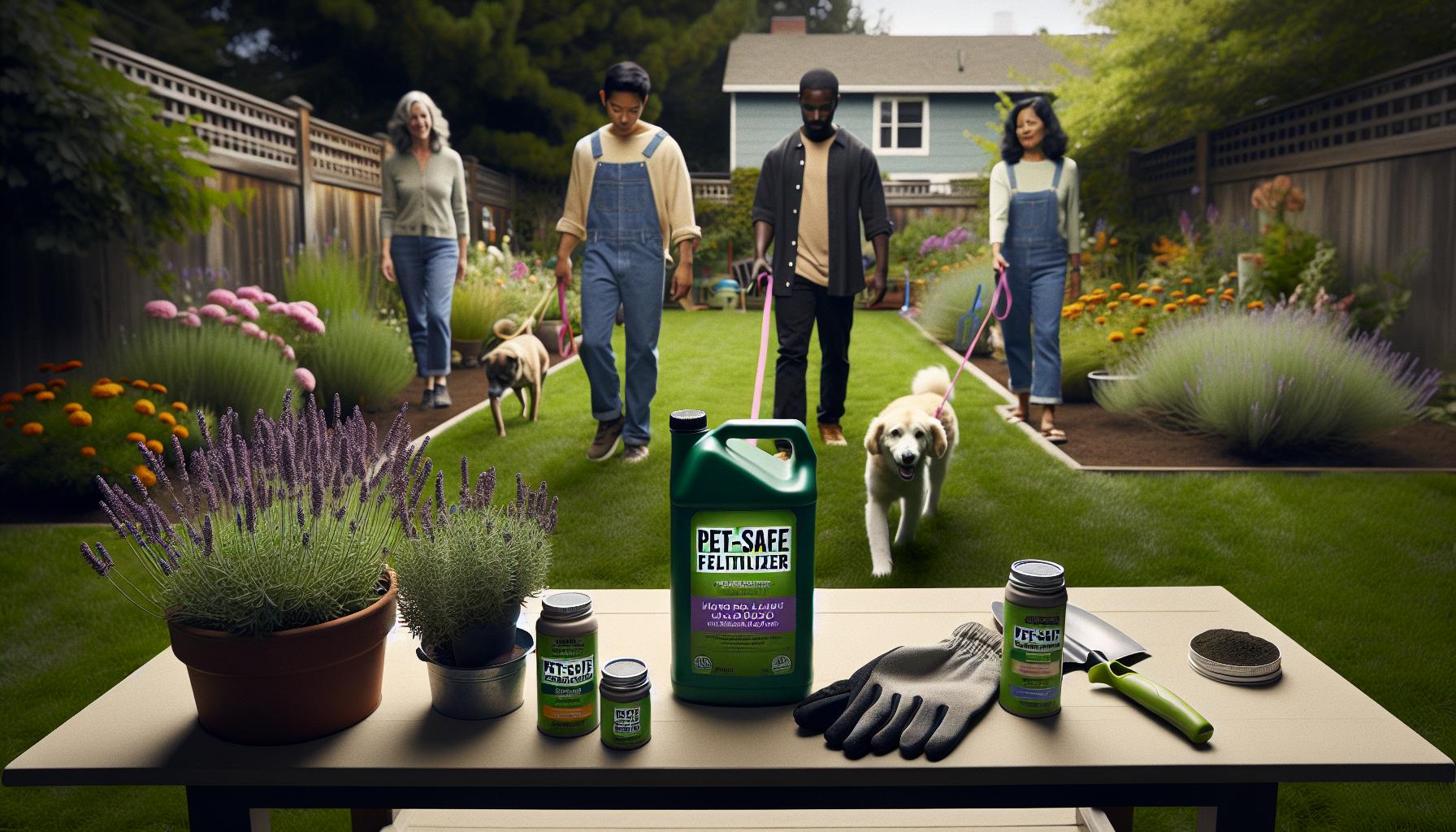
Understanding Pet-Safe Lawn Care Options
is essential for any pet owner who wants to maintain a healthy outdoor space while ensuring the safety and well-being of their furry friends. Many traditional lawn care methods involve chemical treatments that can pose serious health risks to pets, leading to issues ranging from mild irritations to severe toxicity. As pet owners increasingly seek safer alternatives, it is important to explore what truly constitutes pet-safe lawn care.
One effective way to understand pet-safe options is by identifying services and products that prioritize organic or natural ingredients. Lawn care services that focus on environmentally friendly practices often utilize plant-based fertilizers and pest control methods that are less harmful to both pets and wildlife. For example, using corn gluten meal as a natural herbicide not only helps to maintain a weed-free yard but is also safe for pets when applied correctly. Additionally, employing integrated pest management (IPM) strategies allows for the control of pests without resorting to toxic chemicals, thereby reducing any potential risk to your pets.
Pet-safe lawn care also encompasses proper timing and application of treatments. Choosing to apply lawn treatments during times when pets are less likely to be outside, such as early mornings or late evenings, can help minimize exposure. Furthermore, it is critical to communicate with your lawn care provider about their practices, ensuring they adhere to pet-safe protocols. Many reputable services will provide detailed information about their products and recommend safe waiting periods before allowing pets back onto treated areas.
Ultimately, understanding pet-safe lawn care involves not only the selection of products and methods but also the implementation of practices that prioritize the health of your pets. By considering these factors and remaining informed, pet owners can create a lush, green lawn that is safe for their beloved animals to enjoy.
Benefits of Pet-Safe Lawn Care Services
Pet owners often face the tough decision of how to keep their lawns lush and healthy while ensuring their furry friends remain safe from harmful chemicals commonly used in lawn care. Choosing pet-safe lawn care services offers a multitude of benefits that can ease these concerns and promote a healthier outdoor environment.
One significant advantage is the reduction of toxic exposure for pets. Traditional lawn care often employs synthetic fertilizers and pesticides that can cause serious health problems, including poisoning and allergic reactions. By opting for services that utilize organic or natural products, pet owners can mitigate these risks. Treatments like compost-based fertilizers and natural pest deterrents not only protect pets but also minimize negative impacts on the surrounding ecosystem.
Moreover, pet-safe lawn care can contribute to a more resilient and vibrant lawn. Organic practices often focus on building healthy soil, which enhances the overall quality of the grass and plants. Healthier lawns typically require less maintenance and can withstand pests and diseases more effectively. For instance, healthy root systems foster deeper growth and reduce soil compaction, promoting better water retention and resilience to drought. This means that maintaining a pet-safe lawn is not just a safety measure; it can also lead to long-term cost savings in terms of maintenance and water usage.
Lastly, engaging with pet-safe lawn care services fosters a sense of community and responsibility among other pet owners. When clients prioritize the health of their pets and the environment, it encourages conversations about sustainable practices within neighborhoods. Pet owners can share experiences, learn from each other, and collectively advocate for safer lawn care options in their communities. By choosing services that align with these values, pet owners contribute to a broader movement that emphasizes pet health and environmental stewardship.
In essence, the extend beyond individual pet safety; they encompass ecosystem health, lawn resilience, and community engagement, creating a holistic approach to caring for lawns and pets alike.
Common Lawn Care Chemicals Harmful to Pets
Many common lawn care products, while effective for maintaining a pristine green space, can pose significant health risks to pets. Understanding these potential hazards is crucial for any pet owner looking to create a safe outdoor environment. Chemicals found in typical fertilizers, herbicides, and pesticides can lead to a range of health issues, from mild gastrointestinal discomfort to severe, life-threatening conditions.
Fertilizers often contain chemicals like ammonium sulfate and urea, which can be toxic when ingested by pets. Ingesting fertilizer may lead to symptoms such as vomiting, diarrhea, and abdominal pain. Furthermore, pets, especially dogs, tend to be curious and may ingest these substances while exploring their yard. For example, a curious dog could easily consume granules that appear as treats, leading to an emergency situation.
Herbicides, used to control unwanted weeds, frequently contain ingredients such as glyphosate and 2,4-D, which can pose serious risks. Glyphosate, a widely used herbicide, has been associated with cancer in humans and can similarly affect pets, causing symptoms like lethargy, skin irritation, and potential damage to internal organs. 2,4-D can lead to excessive drooling, tremors, and even coma in cases of severe toxicity.
Additionally, pesticides, designed to eliminate insects, can be particularly dangerous for pets. Chemicals like pyrethroids, commonly used in flea and tick treatments, can induce symptoms ranging from muscle tremors to seizures in pets that come into contact with treated areas. Even gardening chemicals that seem harmless can carry risks. For example, products containing diatomaceous earth can cause respiratory distress if inhaled, affecting both pets and humans.
To ensure that your lawn care routine doesn’t compromise your pet’s health, consider the following tips:
- Always read labels and choose pet-safe products.
- Implement organic alternatives whenever possible.
- Keep pets indoors during and after lawn treatments until the area is safe.
- Educate other families in your neighborhood about pet-safe lawn care practices.
By being informed about the potential dangers of common lawn care chemicals, pet owners can make better choices for their pets’ safety and well-being. Remember, prevention is key; opting for pet-safe alternatives not only protects your furry friends but also contributes to a healthier ecosystem.
Organic Alternatives for Pet-Safe Lawn Treatments
Creating a pet-safe lawn doesn’t mean sacrificing the lush, green beauty of your yard. In fact, there are numerous organic alternatives that are not only effective for lawn care but also safeguard the health of your furry friends. Many traditional fertilizers and pesticides are laden with chemicals that can harm pets if ingested or inhaled, leading to a wide array of potential health problems. Opting for organic solutions helps create a safer environment for pets while still ensuring a vibrant lawn.
One of the most effective organic fertilizers is compost. Rich in nutrients, compost is made from decomposed organic matter and can help improve soil health, provide essential nutrients, and enhance moisture retention. You can easily create your own compost using kitchen scraps like fruit and vegetable peels, grass clippings, and fallen leaves. This not only reduces waste but also provides a natural boost to your lawn without the risk of toxic substances.
For weed control, consider using vinegar as an alternative herbicide. The acetic acid in vinegar can effectively kill weeds without leaving harmful residues. Simply spray it directly onto the leaves of unwanted plants, taking care to avoid desirable grass and flowers. Another option is to use corn gluten meal, which acts as a natural pre-emergent herbicide, preventing weed seeds from germinating while simultaneously providing a source of nitrogen to your lawn.
Pest management can also be handled organically. Introducing beneficial insects like ladybugs or using diatomaceous earth can effectively reduce pest populations without relying on toxic sprays. Diatomaceous earth, made from crushed algae, is safe for pets and works by dehydrating insects that come into contact with it-effectively keeping your lawn free from pests without endangering your beloved animals.
By integrating these organic alternatives into your lawn care routine, pet owners can nurture vibrant green spaces that are both healthy and safe for their four-legged companions. Not only do these practices promote a sustainable ecosystem, but they also ensure that playtime in the yard is free from worry and potential harm. Embracing organic lawn care means choosing wellbeing for both pets and the environment.
How to Choose Pet-Safe Lawn Care Providers
Choosing the right lawn care provider can be daunting, especially when ensuring the safety of your pets. Many lawn care services rely on chemical treatments that can pose serious risks to your furry family members. For the health and safety of your pets, it’s crucial to ask the right questions and discern which providers prioritize pet-safe practices. By doing so, you can enjoy a beautiful lawn without compromising your pets’ well-being.
Begin by researching local providers with a strong reputation for eco-friendly services. Look for businesses that advertise their commitment to pet-friendly practices. Websites and customer reviews are valuable resources; they often detail the types of products used and the care taken to maintain a safe environment for pets. Directly contacting candidates for information can also yield insights into their protocols and the safety measures they implement.
When interviewing potential lawn care providers, inquire about the specific products they use. Ask for a complete list of ingredients and ensure they are free from harmful chemicals such as fertilizers containing pesticides or herbicides that are known to be toxic to pets. Verify if they have organic or natural options available. A reliable provider should be transparent about their products and techniques, enabling you to make an informed decision.
Assess Certification and Training: Check whether the company’s staff has undergone training in safe lawn care practices. Provider certification can indicate a commitment to environmentally friendly methods and pet safety. Additionally, validating their experience with pet-safe products showcases their dedication to minimizing risks.
Lastly, consider a provider’s flexibility in scheduling treatments. They should accommodate your needs around your pets’ routines. A conscientious lawn care professional will recommend avoiding service when pets are most active outdoors and will use methods that allow for quick re-entry to the lawn post-treatment. This approach ensures that your pets remain safe while you achieve the lawn you desire without the worry of harmful exposures.
Choosing a lawn care provider that prioritizes pet safety is a proactive step toward creating a lush, vibrant outdoor space for you and your pets to enjoy freely. By prioritizing eco-friendly products and practices, you can ensure that your lawn remains a safe haven for all members of your family.
Tips for Maintaining a Pet-Safe Lawn
Ensuring a lush lawn while keeping it safe for your pets requires thoughtful care and proactive measures. Many pet owners are surprised to learn that traditional lawn care products can have dangerous effects on the health of their furry companions. By implementing a few straightforward strategies, you can cultivate a beautiful outdoor space that prioritizes your pets’ safety.
Start with basic lawn maintenance practices. Regular mowing not only promotes healthy grass growth but also prevents weeds from taking over, which can harbor harmful pests. Aim to keep your grass at a height of about three inches; this length helps shade out weed seeds and reduces the need for chemical herbicides. Additionally, frequent aeration allows water and nutrients to penetrate deep into the soil, fostering a robust lawn without relying on potentially harmful treatments.
Next, consider your fertilizer choices carefully. Conventional fertilizers can contain chemicals that are hazardous to pets. Opt for natural, organic fertilizers made from plant-based or animal-based materials. These alternatives nourish the soil without introducing toxins. When applying any kind of treatment, be sure to follow up with adequate watering to dilute the product and reduce its concentration on the surface, making it safer for your pets.
Another essential tip is to establish a designated area for your pets to play. Creating a specific zone not only keeps them away from freshly treated areas but also gives them a space to enjoy the outdoors safely. You might consider using fencing or landscape design to delineate these areas clearly. Moreover, educate your pets about staying off certain sections of the lawn right after a treatment; this can help instill good habits over time.
Lastly, maintain vigilance after lawn treatments. Observe your pets’ behavior closely when they are outside. If you notice any unusual actions, such as excessive licking, scratching, or reluctance to play, it may indicate an allergic reaction or sensitivity to recent treatments. Addressing these signs early can prevent serious health issues and ensure that your pets remain happy and healthy in their green space.
By integrating these practices into your lawn care routine, you can create a vibrant, beautiful lawn that is also a safe haven for your pets, allowing you all to enjoy the outdoors together worry-free.
Recognizing Signs of Lawn Care Toxicity in Pets
Recognizing the signs of lawn care toxicity in pets is crucial for maintaining their health and safety. Many pet owners may not realize that the chemicals used in traditional lawn care products can pose serious risks to their furry friends. Therefore, it’s essential to be vigilant and informed about the potential symptoms that could indicate exposure to harmful substances.
Pets may exhibit a range of symptoms when they have been affected by lawn care chemicals, and recognizing these early can make a significant difference in their well-being. Common signs of toxicity include:
- Gastrointestinal Issues: Symptoms such as vomiting, diarrhea, or loss of appetite can indicate that your pet has ingested or come into contact with toxic substances.
- Dermatological Reactions: Look for unusual scratching, redness, or swelling on your pet’s skin, which may suggest an allergic reaction to chemicals.
- Respiratory Distress: Coughing, difficulty breathing, or excessive drooling can all be indicators of chemical exposure.
- Changes in Behavior: If your pet seems lethargic, uninterested in play, or displays unusual aggression or nervousness, these changes may signal a problem.
It’s important to monitor your pets closely, especially following recent lawn treatments. For example, a dog that suddenly avoids their favorite spot in the yard or a cat that refuses to go outside can be your first clue that something is wrong. If you observe any of these signs, it’s vital to consult your veterinarian immediately. They can provide guidance on the appropriate steps to take and treatments needed to ensure your pet’s safety.
Being proactive means not only recognizing symptoms but also understanding the timing of these reactions. Some chemicals can cause delayed effects, showing symptoms days after exposure. Implementing a basic routine of inspecting your pet after lawn care treatments and maintaining open communication with your lawn care provider about the products they use will help mitigate risks. By staying aware and informed, you can create a safe and enjoyable environment for both your lawn and your beloved pets.
Seasonal Considerations for Pet-Safe Lawn Care
Caring for your lawn while ensuring the safety of your pets can be a delicate balancing act, particularly as seasons change. Each season presents unique challenges and considerations that can affect both the health of your grass and the well-being of your furry friends. Understanding these seasonal variations is crucial for maintaining a safe and thriving outdoor environment.
As spring arrives, the urge to revive your lawn is strong. However, it’s essential to be cautious about the fertilizers and pesticides you choose. Opt for organic options that provide nutrients without harmful chemicals. Be aware that as flowers bloom, some may be toxic to pets. Common garden additions like lilies or azaleas, for example, can pose risks. When planning for springtime landscaping or lawn treatments, ensure that any products used are explicitly labeled as pet-safe, and time applications for early morning or late evening to minimize exposure as your pets enjoy the outdoors.
Summer offers opportunities for outdoor play, but it also means higher temperatures that can affect the safety of lawn care products. Many herbicides and chemical fertilizers can become more concentrated in heat, potentially increasing their toxicity. If possible, schedule any treatments during cooler parts of the day and keep pets indoors until the lawn is fully dry and the chemicals have dissipated. Moreover, consider providing shaded areas for pets to escape the heat, as prolonged exposure to direct sunlight can lead to heat-related illnesses.
In the fall, many pet owners focus on lawn aeration and overseeding. While these activities are crucial for preparing your grass for winter, it’s an ideal time to assess the types of seed and soil amendments being used. Some varieties of grass seed can be harmful if ingested, so choose pet-friendly options. Additionally, with the leaves falling, ensure that piles of decomposing leaves don’t harbor mold, which can be detrimental to pet health. As the season transitions, think about winter preparations and consider winterizing treatments that not only protect your lawn but are also environmentally friendly and safe for your pets.
Winter typically leads to a pause in lawn care, but it’s not a time for complacency. If you live in an area that uses salt or chemical de-icers, be vigilant, as these can be harmful if ingested by pets or if they come into contact with their paws. Look for pet-safe alternatives that will keep your walkways safe without risking your pet’s health. Seasonal considerations are essential, as each stage of the year demands careful planning and execution to create a harmonious outdoor space that is enjoyable for both your lawn and your beloved pets.
Pet Behavior and Safety During Lawn Treatments
Understanding how lawn treatments impact pet behavior and safety is crucial for any pet owner. Pets are naturally curious, often exploring their surroundings with their senses, including taste. This behavior can put them at risk when lawn care chemicals are applied. For instance, dogs may roll in treated grass or chew on plants, leading to potential ingestion of harmful substances. To help protect your furry friends during these times, it’s vital to take proactive steps.
When scheduling lawn treatments, consider timing and the type of products used. Opt for pet-safe or organic treatments whenever possible. Always read labels to ensure products do not contain toxic chemicals. Schedule treatments during times when pets are least likely to be outdoors, such as early morning or late evening. After application, it’s recommended to keep pets indoors until the lawn is completely dry and safe for them to return. This wait time can vary depending on the product used, so consulting with your lawn care provider for specific guidance is helpful.
Creating a safe environment can significantly reduce risks. Establish designated areas in your yard where your pets can play freely without exposure to recently treated areas. Use barriers, like temporary fencing or markers, to keep pets away from newly treated zones. Additionally, reinforcing training commands such as “stay” or “leave it” can help manage their behavior when they are outside. Ensure your pets have access to shaded spots and fresh water during treatments, especially in warmer months, as chemicals can increase heat stress if they’re left outdoors for extended periods.
Finally, keeping an eye on your pets’ behavior is essential. Watch for signs of discomfort or unusual symptoms, such as drooling, vomiting, or lethargy, which may indicate exposure to harmful substances. Promptly consult a veterinarian if you suspect any negative effects from lawn treatments. Through careful planning and attention, you can maintain a beautiful lawn while ensuring your pet’s safety and well-being.
Frequently Asked Questions About Pet-Safe Lawn Care
As pet owners increasingly prioritize the safety and well-being of their furry friends, questions about pet-safe lawn care practices are more relevant than ever. In fact, many pet-related health issues can arise from exposure to harmful lawn chemicals. Educating yourself on pet-safe lawn care can help ensure that your backyard remains a safe haven for your pets.
One common question is, “Which lawn care products are considered safe for pets?” Generally, organic options such as natural fertilizers, plant-based herbicides, and environmentally friendly pesticides are the safest choices. Products labeled as non-toxic or made from natural ingredients can effectively tackle lawn care without posing risks to your pets. Always verify the safety claims on the labels, and when in doubt, consult with your lawn care provider about their specific product formulations.
Another frequently asked question pertains to timing: “How long should pets stay off the lawn after treatment?” This duration can vary depending on the specific product used. A good rule of thumb is to keep pets indoors for at least 24 hours after any lawn treatment. However, it is crucial to follow the manufacturer’s guidelines, which often indicate drying times. After application, ensure the lawn is fully dry before allowing pets to roam freely again.
Pet owners also wonder about signs of toxic exposure following lawn treatments. Symptoms can include excessive drooling, vomiting, lethargy, or unusual behaviors. If you notice any of these signs, it’s crucial to contact a veterinarian immediately. Keeping a watchful eye on your pets after treatments can help catch any adverse reactions early, allowing for prompt care.
By understanding these frequently asked questions, pet owners can make informed decisions that protect their beloved companions while maintaining a beautiful lawn. Investing the time to learn and apply pet-safe practices ensures a happy, healthy outdoor environment for both pets and their owners.
Real Stories: Pet Safety Success with Lawn Care
The growing trend in pet ownership has sparked a substantial shift in how homeowners approach lawn care, emphasizing the need for pet-safe practices. Many pet owners have successfully transformed their outdoor spaces into safe havens that not only look great but also protect their furry friends. For instance, the Johnson family transitioned to using organic fertilizers and plant-based pesticides after their dog, Max, experienced adverse reactions to traditional lawn care chemicals. Since implementing these changes, they have noticed not only an improvement in Max’s health but also an overall healthier lawn that flourishes with vibrant greenery without harmful effects.
Another inspiring story comes from the Ramirez household, where they took a proactive approach when selecting a lawn care provider. After conducting thorough research and interviews, they found a local service that specializes in pet-safe lawn treatments. By opting for a service that uses natural ingredients, the Ramirezes not only ensured the safety of their two cats but also contributed to the local ecosystem by reducing chemical runoff. Their experience highlights the importance of choosing lawn care providers who prioritize safety and sustainability. They now enjoy a lush, pet-friendly yard where their cats can play freely without the worry of toxic exposure.
These real-life examples serve as a reminder that pet-safe lawn care is not just a theoretical concept but a practical reality for many families. By making informed choices, pet owners can create environmentally friendly and safe outdoor spaces. Incorporating organic treatments, consulting knowledgeable professionals, and sharing experiences within the community can empower others to take similar steps, ultimately enhancing the well-being of pets and enriching the environment.
Resources for Pet Owners on Lawn Care Safety
As pet owners increasingly prioritize their furry companions’ safety, understanding lawn care resources is integral to a pet-friendly environment. Making informed decisions about lawn care can significantly affect both your pets’ health and the surrounding ecosystem. Fortunately, there are numerous resources available that guide pet owners toward safe lawn care practices and services.
One effective way to ensure your lawn is free of harmful chemicals is to consult with local horticultural extensions or veterinary clinics. These organizations often provide detailed information about pet-safe fertilizers and pesticides, allowing you to select treatments that are safe for both your pets and the environment. Additionally, many websites, like the ASPCA’s Poison Control page, offer comprehensive guides on toxic plants and substances, which is essential knowledge for any pet owner looking to maintain a safe outdoor space.
Moreover, connecting with communities through social media groups or pet-owner forums can be invaluable. Here, pet owners share their experiences and reviews of local lawn care services that use non-toxic methods. This grassroots approach not only helps identify trustworthy service providers but also fosters a community committed to pet safety. Applying recommended organic solutions, such as compost or mulch, can further enhance the safety and health of your lawn while minimizing risks to pets.
Another excellent resource is informational guides and checklists that can be found on gardening websites and pet safety blogs. These can help you develop a comprehensive lawn care plan that prioritizes both aesthetics and safety. For example, consider leveraging plant-based products that have been certified safe for pets and learning about DIY treatments that use household ingredients to discourage pests without harming your animals.
In summary, utilizing these resources will empower you to cultivate a beautiful lawn that is safe for your pets. By actively engaging with local experts, community networks, and reputable online sources, you can make thoughtful choices that protect your pets and the environment alike.
Frequently Asked Questions
Q: What lawn care services are considered pet-safe?
A: Pet-safe lawn care services include organic fertilization, natural pest control, and safe weed management methods. Professionals often use treatments derived from plant-based ingredients, minimizing harmful chemicals. Always ask providers about their methods and products to ensure pet safety.
Q: How can I ensure my lawn is safe for pets after treatment?
A: To ensure your lawn is safe for pets after treatment, wait at least 24-48 hours before allowing them outdoors. Check with your lawn care provider for specific guidelines regarding the safety period and any recommended actions before your pets return to the lawn.
Q: What should I do if my pet shows signs of lawn care toxicity?
A: If your pet shows signs of lawn care toxicity, such as vomiting or lethargy, immediately contact your veterinarian or an emergency animal clinic. Provide them with details about the lawn treatment used, including any chemicals involved, for optimal care.
Q: Are there any homemade lawn care solutions safe for pets?
A: Yes, homemade lawn care solutions like vinegar for weed control and diluted citrus oils for pest repellent can be pet-safe. However, always test on a small area first and avoid over-application. Ensure that any solution you use is safe for the specific type of grass and soil.
Q: When is the best time to apply pet-safe lawn treatments?
A: The best time to apply pet-safe lawn treatments is during early morning or late afternoon when temperatures are cooler. This minimizes stress on the grass and reduces the risk of chemical volatility, contributing to a safer environment for pets.
Q: What are common lawn care products that are harmful to pets?
A: Common lawn care products that are harmful to pets include synthetic fertilizers, certain herbicides, and insecticides containing pyrethroids or organophosphates. Always research products before use and opt for pet-safe alternatives whenever possible.
Q: How can I train my pet to stay off treated areas of the lawn?
A: To train your pet to stay off treated areas of the lawn, create a physical barrier using flags or fencing, and reinforce commands such as “stay” or “leave it.” You can also reward them for staying away from treated spots to encourage good behavior.
Q: Why should I choose a professional lawn care service for pet safety?
A: Choosing a professional lawn care service for pet safety ensures that trained experts use appropriate techniques and products that minimize risks. Professionals can also provide tailored advice based on your lawn type and local wildlife, enhancing both lawn health and pet safety.
In Retrospect
In the quest for a safe and beautiful lawn, it’s vital to choose pet-friendly services that protect your furry friends while enhancing your outdoor space. Remember, using non-toxic fertilizers and organic pest control solutions can not only ensure the safety of your pets but also contribute to a healthier ecosystem. Act now-implement these strategies today to create a lush, vibrant lawn that you and your pets can enjoy together!
For more tips on maintaining a pet-safe yard, check out our articles on lawn care techniques and seasonal maintenance. If you’re considering professional lawn care, don’t hesitate to explore our comprehensive guide to find top-rated services in your area. Join our newsletter for regular updates and exclusive tips tailored just for pet owners like you. Your commitment to a safe yard not only benefits your pets but also enriches your home environment-let’s keep your lawn thriving!