Is your lawn mower puffing out smoke instead of smoothly trimming your grass? You’re not alone. A smoking mower can be frustrating and alarming, signaling potential issues that could impact your landscaping efforts. Understanding the common causes of this problem is essential for maintaining your equipment and achieving that perfect lawn you envision.
In this article, we’ll explore seven frequent reasons why lawn mowers smoke, along with practical fixes to get your mower back in top shape. Whether you’re a seasoned gardener or a weekend warrior, knowing how to troubleshoot these issues can save you time, money, and hassle. Read on to uncover the key steps to ensure your lawn mower runs efficiently and effectively, so you can focus on enjoying the beauty of your outdoor space.
Common Signs Your Lawn Mower Is Smoking
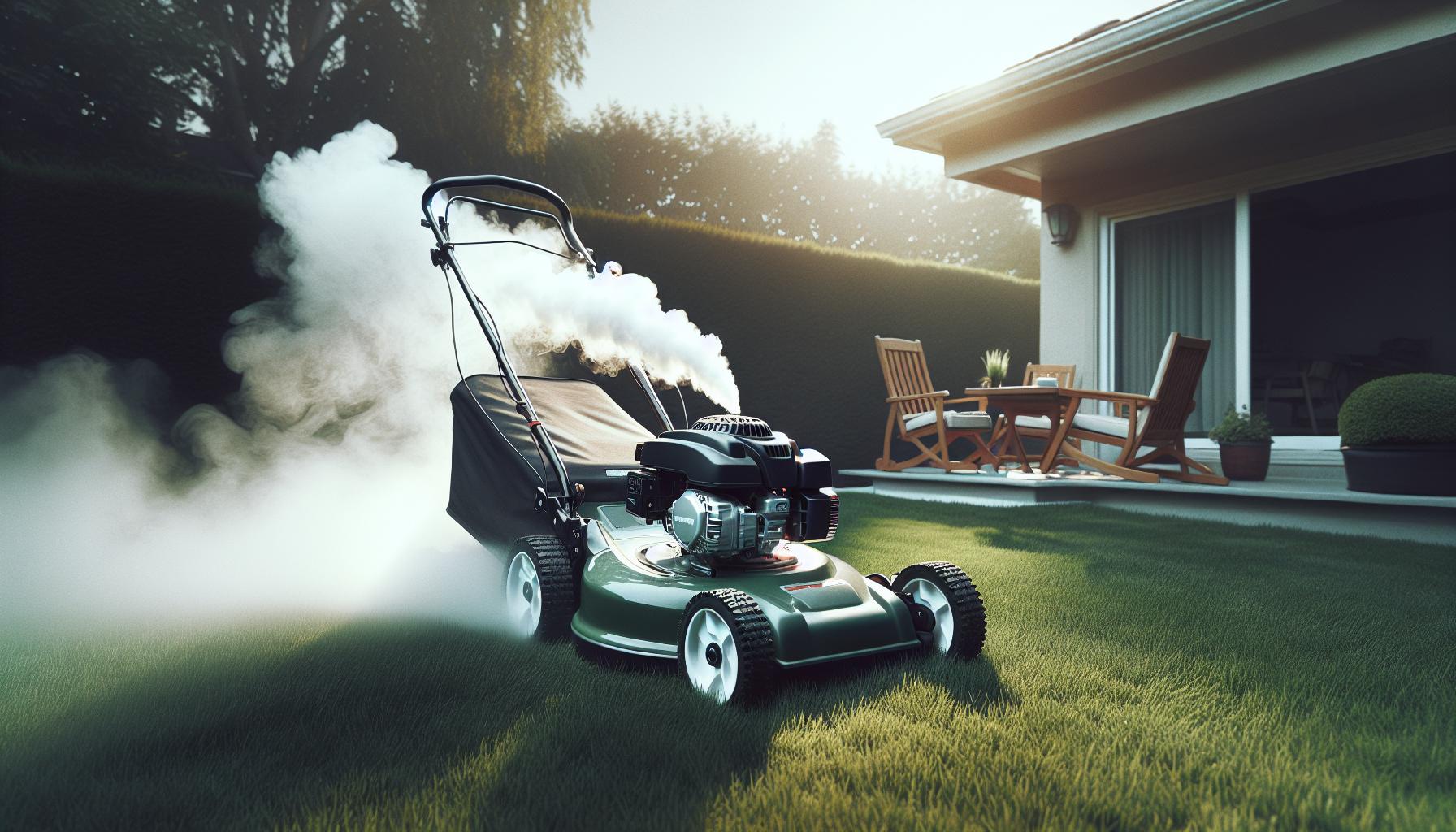
It’s alarming to see smoke billowing from your lawn mower, particularly when you’re in the middle of your yard work. Smoking is a clear indicator that something isn’t right, and recognizing the signs early can save you from more extensive damage or costly repairs. One of the most obvious signals is a distinct color of smoke. For instance, blue or gray smoke often suggests that oil is being burned alongside the fuel, pointing to potential overfilling or leakage issues. Conversely, black smoke can indicate an overly rich fuel mixture, which might stem from a dirty air filter or improper carburetor adjustments.
When your mower starts emitting smoke, it’s essential to examine the engine closely. Look for visible leaks or pooled oil around the engine block. An unusual smell can also accompany the smoke; a burning oil smell, for instance, indicates an oil leak or overfilling, while a gasoline smell suggests a rich fuel-to-air mixture. If you notice spluttering sounds from the mower, this can signify that the combustion process is not functioning correctly, potentially leading to smoking.
Another common sign is frequent stalling or difficulty starting the mower, which can relate to fuel issues. Your mower may be smoking as it struggles to ignite the excess fuel or oil in the combustion chamber. Addressing these issues promptly not only prevents further smoking but can also enhance the overall performance and longevity of your mower. Regular inspections and maintenance can play a vital role in catching these signs early, ensuring you enjoy a smoothly running machine across seasons.
How Engine Oil Quality Affects Performance

Engine oil quality plays a pivotal role in the performance of your lawn mower, impacting everything from engine efficiency to potential smoking issues. High-quality engine oil ensures that the internal components of your mower are properly lubricated, reducing friction and heat during operation. When the oil is old, degraded, or of poor quality, it loses its ability to form a protective barrier, which can lead to increased wear and tear on engine parts and result in the mower running hotter than normal. This excessive heat can be a catalyst for smoking, providing a clear signal that your mower needs immediate attention.
Another key aspect of engine oil quality is its viscosity, which refers to how well the oil flows at different temperatures. If the oil is too thick, it may not circulate effectively, leading to inadequate lubrication, while oil that is too thin may not provide sufficient protection. Both scenarios create conditions ripe for overheating, which can contribute to smoke as the oil begins to burn. For optimal performance, it’s important to choose the right oil for the specific make and model of your mower, as recommended by the manufacturer.
Regular oil changes are essential in maintaining oil quality. Using fresh, high-grade oil not only enhances engine efficiency but also minimizes the chances of developing smoking issues. Check your mower’s oil level frequently and change the oil based on the service intervals suggested in the owner’s manual. Additionally, using oils designed specifically for high-temperature and high-stress environments can make a significant difference in performance. By managing your engine oil quality, you can ensure a longer lifespan for your mower and avoid the frustration of smoke and related damage.
What Happens with Overfilled Oil in Mowers
Overfilling the oil in your lawn mower can lead to a variety of issues that not only affect its performance but can also result in potential damage to the engine. When the oil level exceeds the upper limit indicated on the dipstick, the excess oil can get into areas where it shouldn’t be, leading to complications. One of the most immediate effects is that the oil can foam due to the excessive aeration caused by the engine’s moving parts, which diminishes its lubricating properties.
This foaming oil can result in inadequate lubrication of critical components, increasing friction and heat. As the engine works harder, with less effective lubrication, it can cause overheating, which is a primary contributor to smoking. If this condition persists, it can severely damage the engine seals, leading to oil leaks. These leaks not only create a mess but also significantly reduce the oil level, which can further exacerbate overheating and smoking issues.
Another important factor to consider is the possibility of oil being forced into the combustion chamber due to overpressure. This can lead to blue smoke emanating from the exhaust, indicating that the oil is being burned along with the fuel. Regularly checking the oil level-especially after refueling or maintenance-is essential. If you find that you’ve overfilled the oil, it’s advisable to drain the excess carefully, ensuring that you bring the level back within the manufacturer’s specified limits.
Ultimately, keeping a close eye on the oil levels and knowing the signs of overfilling can save you from costly repairs and ensure your lawn mower runs smoothly and efficiently. Regular maintenance, including oil changes, will also help avoid these issues, allowing your mower to perform at its best without the risk of smoking or significant damage.
Understanding Overheating: Causes and Solutions

Overheating is a common issue that can transform a routine lawn mowing session into a frustrating experience, often resulting in smoke and potential engine damage. When your lawn mower begins to overheat, it’s typically a symptom of underlying problems that require immediate attention. The first step in addressing this concern is to identify the common causes of overheating, which often stem from a lack of proper maintenance or operational oversights.
One of the primary reasons for mower overheating is inadequate airflow, which is crucial for regulating engine temperature. Debris buildup around the engine, such as grass clippings and leaves, can impede airflow, trapping heat and leading to overheating. Regularly cleaning the mower deck and air intake areas can significantly improve airflow and prevent excessive heat buildup. Additionally, a clogged air filter can restrict airflow, further contributing to overheating. Ensure that the air filter is clean and replaced regularly to maintain optimal performance.
Another common culprit is the quality and condition of the engine oil. Old or contaminated oil can lose its effectiveness, leading to increased friction and heat. Regular oil changes, as per the manufacturer’s recommendations, can keep your mower running smoothly and help prevent overheating. Furthermore, check the oil level regularly to ensure it’s within the acceptable range; low oil levels can severely impact the engine’s ability to stay cool.
Here are some proactive measures to address and prevent overheating:
- Clean Mower Components: Regularly remove debris from the mower’s underside and around the engine.
- Check and Replace Air Filters: Ensure the air filter is clean and replace it if it’s clogged.
- Change Oil Regularly: Follow the recommended schedule for oil changes and use high-quality oil.
- Inspect Cooling Vents: Make sure cooling vents are clear and not obstructed.
- Monitor Operational Conditions: Avoid mowing in excessively hot weather and ensure proper mowing techniques to reduce strain on the engine.
By understanding the causes of overheating and implementing these straightforward solutions, you can keep your lawn mower running efficiently and minimize the chances of overheating-related issues that lead to smoking and prolonged damage. Regular maintenance coupled with an attentive approach to operation can ensure a long lifespan for your equipment, delivering optimal performance for your lawn care needs.
Fuel Issues: Why Bad Gas Can Cause Smoke
Fuel quality plays a crucial role in the performance of your lawn mower, and using bad gas can be a significant factor in why your mower is emitting smoke. When you fill your mower with low-quality or contaminated fuel, it can lead to incomplete combustion within the engine. This incomplete combustion not only reduces efficiency but also results in visible smoke escaping from the exhaust. Gasoline that has been sitting unused for an extended period can degrade, causing varnish and gum buildup that clogs fuel lines and injectors.
One of the telltale signs of bad gas is a rough engine operation or difficulties starting the mower. If your mower has been running smoothly and suddenly starts to smoke, it’s worth checking the fuel. When the engine doesn’t receive the right blend of fuel and air, it can lead to unburned fuel in the combustion chamber, which, when ignited, produces excessive smoke. It’s essential to always use fresh gasoline and, if possible, ethanol-free fuel to minimize the risk of fuel-related issues.
After purchasing gas, it’s recommended to use it within 30 days. If you suspect that your mower has been running on bad gas, you can take several corrective actions. Start by draining the old fuel and replacing it with fresh gasoline. Consider using a fuel stabilizer if you need to store gas for longer periods. This additive helps keep the fuel fresh and prevents it from breaking down too quickly. Additionally, it’s a good practice to check and clean the fuel filter regularly to ensure a steady flow of clean fuel to your engine.
- Use Fresh Fuel: Always refill with gasoline that has been purchased recently.
- Consider Ethanol-Free Gas: This type of fuel is less likely to cause issues in small engines.
- Clean Fuel System: Regularly inspect and clean your mower’s fuel filter and lines.
- Stabilize Fuel: Use fuel stabilizers for any gas stored for over 30 days.
By ensuring that your mower runs on high-quality, fresh gasoline, you can mitigate smoking issues and enhance the overall performance of your lawn care equipment.
Clogged Air Filters and Their Impact on Mower Smoke
When it comes to lawn mower maintenance, one of the key components that often gets overlooked is the air filter. A clogged air filter can not only affect the performance of your mower but may also lead to increased smoke emission during operation. The primary role of the air filter is to ensure that only clean air enters the engine for combustion. If the filter becomes blocked with dirt, grass, and debris, it restricts airflow, causing an imbalance in the air-fuel mixture, which can lead to incomplete combustion and noticeable smoke.
A well-functioning air filter helps maintain optimal engine performance by promoting the proper mix of fuel and air. Conversely, when the air filter is dirty or clogged, the engine compensates for the lack of air by burning more fuel, which leads to excessive smoke. The type of smoke you see can vary; for instance, a blueish smoke typically indicates oil entering the combustion chamber, possibly exacerbated by restricted airflow from a dirty filter. Regularly checking and cleaning or replacing the air filter can thus be crucial in preventing such issues, enhancing both performance and longevity of your mower.
To ensure your mower runs smoothly and minimizes smoke production, make a habit of inspecting the air filter at the beginning of each mowing season. Here are some quick tips on maintaining the air filter:
- Inspect Regularly: Check the air filter monthly during peak mowing seasons.
- Clean It: If it’s a foam or sponge filter, wash it with soap and water and allow it to dry completely before reinstalling.
- Replace When Needed: Paper filters should generally be replaced if they appear dirty, as cleaning will not restore their efficiency.
- Check for Damage: Make sure the filter is not torn or damaged, as this can allow dirt into the engine.
In summary, maintaining a clean air filter plays a pivotal role in ensuring your mower operates efficiently and without unnecessary smoke. This simple task can save you time and money by preventing more significant mechanical problems down the road. By proactively addressing the air filter, you contribute not only to the performance of your mower but also to a cleaner, smoother lawn care experience.
When Blades Are Sharp vs. Dull: Effects on Performance
A sharp mower blade is crucial for a pristine, healthy lawn, but it also plays an unexpected role in preventing smoke emissions from your mower. When blades are sharp, they slice through grass cleanly, minimizing stress on the engine. In contrast, dull blades shred rather than cut, leading to increased resistance during operation. This added strain can cause the engine to work harder, which in turn may result in an overabundance of fuel burning poorly-a common culprit behind excessive smoke.
The impact of blade sharpness on performance is significant. With sharp blades, the mower achieves an even cut, allowing for improved air circulation and healthier grass growth. This efficiency not only enhances the appearance of your lawn but also reduces the likelihood of the mower overheating. On the flip side, dull blades create more friction and can cause the engine to overheat, exacerbating smoke issues. If you observe the mower struggling to maintain speed or producing more smoke than usual, it might be time to check the blades.
Keeping your blades sharpened and well-maintained is an essential part of lawn care. Here are some tips for maintaining your mower blades:
- Regular Inspection: Check blades at least once a month during mowing season. Look for nicks and dullness.
- Sharpen When Necessary: Sharp blades should cut cleanly without tearing the grass. If they show signs of wear, consider sharpening or replacing them.
- Balance the Blades: Ensure that blades are balanced after sharpening to prevent excessive vibration and noise.
- Check the Tightness: Make sure the blades are securely fastened to avoid accidents during operation.
By prioritizing blade maintenance, you can help ensure that your lawn mower runs smoothly, minimizes smoke production, and ultimately contributes to a healthier lawn. Regular sharpening and care not only enhance performance but can also extend the life of your mower, saving you time and money in the long run.
Exhaust Problems: Diagnosing a Smoky Mower
When your lawn mower starts emitting smoke, it can be a cause for concern and an indicator of underlying exhaust issues. One common reason for a smoky mower is a malfunction in the exhaust system, which can disrupt the proper expulsion of gases and lead to smoke entering the engine. Understanding how to diagnose these exhaust problems can help you determine the necessary steps to rectify the situation and restore your mower to its peak performance.
First, examine the exhaust pipe for any visible blockages or soot buildup. A clogged exhaust can prevent the engine from venting properly, causing an increase in backpressure. This backpressure often forces oil to escape into the combustion chamber, leading to blue or gray smoke. If you find caked-on residue, clean it thoroughly. Additionally, check for any cracks or damage in the exhaust pipe itself; these can also contribute to improper airflow and exhaust escape, resulting in leaking oil and smoke.
Another critical factor to consider is the integrity of the muffler. A damaged or faulty muffler can impair the exhaust flow, similarly leading to smoke during operation. Inspect the muffler for signs of rust or holes, and ensure it’s securely attached to the mower. Replacing a worn muffler can significantly reduce smoke production and allow for better engine efficiency. In some cases, emissions from the engine can build up due to poor maintenance practices, such as inadequate oil changes or using the wrong type of oil, which may also manifest as smoke.
Lastly, if after addressing blockages and inspecting components, the smoke persists, it might indicate more complex mechanical issues such as valve problems or internal engine damage. In such cases, it’s advisable to consult a professional mechanic to conduct a thorough inspection and provide appropriate repairs. Routine maintenance, including regular checks of the exhaust system, can greatly minimize the risk of smoking issues and keep your lawn mower running smoothly for years to come.
Exploring Mechanical Issues: When to Call a Pro
When facing persistent smoke issues with your lawn mower, it’s essential not to ignore the warning signs that might indicate deeper mechanical problems. While some smoking may stem from simple maintenance oversights, such as using old fuel or forgetting to change the oil, other scenarios could suggest significant internal damage. Understanding when to seek professional help can save you time, money, and unnecessary frustration.
First, if you’ve conducted basic troubleshooting-checking the oil level, cleaning filters, and inspecting the exhaust-yet the smoking continues, this may point to more serious issues. For instance, excessive smoke can sometimes result from problems with the engine’s valves or piston rings. A compression test performed by a mechanic can reveal if these components are failing, allowing you to address the issue before it leads to a full engine breakdown. Additionally, if the mower begins to operate erratically, experiences a loss of power, or emits unusual noises in conjunction with the smoke, these are red flags that warrant immediate professional assessment.
Moreover, if the mower is releasing large amounts of blue or black smoke, it’s crucial to consult a technician promptly. Blue smoke often indicates oil is leaking into the combustion chamber due to worn seals or gaskets, while black smoke typically signals an overly rich fuel mixture. Such issues can severely impact your mower’s efficiency and lead to costly repairs if not handled quickly. Engaging a qualified mechanic can provide the expertise needed to accurately diagnose and rectify these problems, ensuring your mower returns to optimal condition.
In summary, while basic maintenance can often resolve minor smoking issues, the potential for severe mechanical failures should not be overlooked. Regular professional inspections-especially at the start or end of the mowing season-can help catch issues before they escalate. Don’t hesitate to seek expert assistance if your lawn mower shows signs of distress; timely intervention is key to preserving your equipment’s longevity and performance.
Tips for Regular Maintenance to Prevent Smoking
Maintaining your lawn mower is vital not just for its longevity, but also for ensuring it operates efficiently and doesn’t emit harmful smoke. A surprising number of smokers are avoidable and can be linked directly to simple maintenance neglect. By implementing a proactive maintenance routine, you can safeguard your equipment against common issues that lead to smoking, saving both time and unnecessary repairs.
Oil Maintenance
One of the most crucial aspects of mower maintenance is regularly checking and changing the oil. Using the recommended oil type and ensuring it’s at the proper level can prevent excessive smoke caused by oil breakdown or contamination. Aim to change the oil every 50 hours of use or at least once a season. Ensure that you clean the area around the oil fill cap before opening it to prevent debris from entering the engine.
Fuel Quality
The quality of fuel you use has a significant impact on engine performance. Always opt for fresh gasoline and avoid using fuel that has been sitting for more than 30 days, as it can lead to carbon buildup and smoke emissions. Consider using fuel stabilizers to prolong the shelf life of gasoline in your mower’s tank, especially during off-seasons.
Air Filter Care
Clogged air filters can restrict airflow, causing the engine to run poorly and produce smoke. Inspect and clean or replace the air filter regularly-ideally at the start of each mowing season. A clean air filter guarantees optimal air intake, which enhances combustion efficiency and helps prevent smoke.
Blade Maintenance
Sharp blades are essential for a clean cut, which promotes a healthy lawn and reduces strain on the mower’s engine. Check the mower blades for dullness and sharpen or replace them as needed. Dull blades can cause excessive vibration and strain, leading to overheating and smoke.
Incorporating these maintenance practices into your routine not only improves performance but also extends the life of your lawn mower. By being proactive, you can prevent smoking issues before they arise, ensuring a smoother and more efficient mowing experience.
Q&A
Q: What should I do if my lawn mower is smoking while cutting grass?
A: If your lawn mower is smoking while in use, stop the mower immediately to prevent damage. Check the oil level, as overfilled oil or low oil can cause overheating. Additionally, clear any grass clippings from the engine and inspect air filters. For further troubleshooting, see the “Understanding Overheating” section of the article.
Q: How can I tell if my lawn mower’s oil is too dirty?
A: Dirty oil often appears dark and sludgy, which can affect engine performance and lead to smoking. Regularly change the oil according to the manufacturer’s recommendations, and check it after every few uses during mowing season to avoid potential issues. For more insights, refer to the “How Engine Oil Quality Affects Performance” section.
Q: Can using old fuel in my lawn mower make it smoke?
A: Yes, using old or contaminated fuel can cause your lawn mower to smoke due to poor combustion. Always use fresh fuel and consider adding a fuel stabilizer if the mower will not be used for an extended period. For fuel tips, check the “Fuel Issues” section of the main article.
Q: What can cause a lawn mower to smoke after storage?
A: Smoking after storage can occur due to stale fuel, oil leaks, or trapped moisture in the engine. It’s advisable to run the mower for a short time before storage and to drain fuel if it will sit unused for longer than a month. Additional prevention tips are in the “Tips for Regular Maintenance” section.
Q: When should I consider professional help for my smoky lawn mower?
A: If basic troubleshooting does not resolve the smoking issue and you suspect mechanical problems, such as issues with the engine or exhaust, it’s time to consult a professional. Refer to the “Exploring Mechanical Issues” section for red flags that indicate when to seek help.
Q: Is it normal for a lawn mower to smoke a little when starting?
A: A small amount of smoke during startup can be normal, especially if it’s related to oil burning off. However, persistent smoke or a burning smell is not normal. Regular maintenance can help mitigate these issues-see the “Tips for Regular Maintenance to Prevent Smoking” for guidance.
Q: How often should I change the air filter to prevent smoking?
A: Most manufacturers recommend changing or cleaning the air filter every season or after about 25 hours of use. A clogged air filter impacts airflow, which can contribute to smoking. For more detailed maintenance schedules, check out the “Clogged Air Filters and Their Impact on Mower Smoke” section in the article.
Q: What does blue smoke indicate when my lawn mower is running?
A: Blue smoke typically signifies that oil is leaking into the combustion chamber. This could be due to worn piston rings or valve seals, indicating a more serious engine issue. This topic is further explored in the “Exhaust Problems” section, which can guide you in diagnosing the problem.
To Conclude
Now that you know the common causes behind a smoking lawn mower and how to fix them, it’s time to take action and ensure your mower is running efficiently. Don’t let minor issues turn into major headaches-address them promptly to keep your lawn in pristine condition. For more tips on maintaining your lawn and getting it looking its best, check out our guides on Essential Lawn Care Tips and Troubleshooting Common Lawn Tools.
If you found this article helpful, consider signing up for our newsletter to receive the latest tips, tricks, and tools for lawn care right in your inbox. We invite you to share your experiences in the comments below or visit our site for further inquiries. Engage with us as your lawn care journey continues-let’s keep your yard looking stunning and your mower running smoothly!