Did you know that the average homeowner spends hundreds of dollars each year maintaining their lawn? For many, a lawn mower feels like a necessary investment, yet it’s not always the most practical choice. As the cost of equipment and maintenance adds up, exploring smarter, more sustainable alternatives could save you time, money, and effort.
In this article, we’ll dive into various options that not only keep your yard looking lush but also align with eco-friendly practices. Whether you’re tired of the endless mowing or simply seeking to reduce your environmental footprint, understanding these alternatives will empower you to make informed decisions. So, let’s uncover how you can achieve a beautiful lawn without the stress and expense of traditional mowing methods!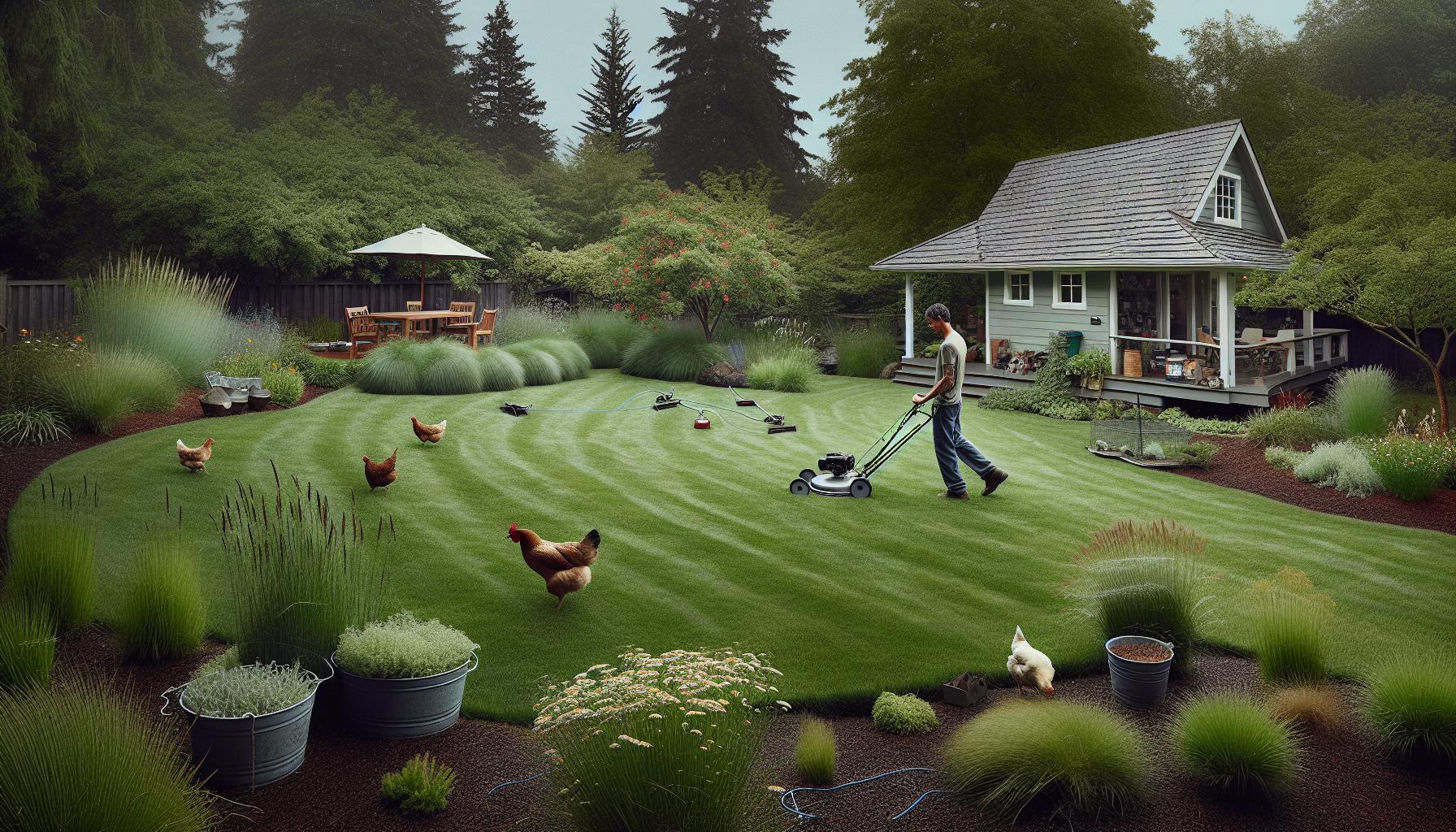
Alternatives to Lawn Mowers That Save Money
Imagine transforming your lawn care routine from a chore that drains your wallet into a sustainable practice that saves you money and time. Traditional lawn mowers can be costly, not just in terms of the purchase price but also considering maintenance, fuel, and storage. Thankfully, there are several money-saving alternatives that can lead to a lush, beautiful yard without the hefty price tag associated with conventional mowing.
One popular alternative is using manual reel mowers. These eco-friendly options are not only more affordable than powered mowers, but they also require no fuel, emit no emissions, and provide a satisfying workout while mowing. For small yards, a reel mower can be a perfect fit, offering low maintenance and the ability to mow in tight spaces effortlessly. If you have a slightly larger area, string trimmers can help you maintain the edges and keep your lawn looking neat without the need for a full-sized mower. They are usually lighter and easier to handle, especially for people not keen on using heavy machinery.
For those looking to minimize their lawn altogether, consider ground covers as an excellent choice. These low-growing plants can replace traditional grass, significantly reducing the need for mowing. Varieties like clover or creeping thyme not only add beauty but also require less water and upkeep. Additionally, implementing mulching techniques using leaves or grass clippings can further diminish the need for frequent mowing and help retain moisture in the soil.
Lastly, community initiatives such as grass cycling-where grass clippings are left on the lawn to decompose and feed the soil-can alleviate the need for a mower altogether while improving soil health. Adopting these strategies not only cultivates a greener lifestyle but also promotes a more economical and efficient way to manage your outdoor spaces.
Understanding the True Costs of Lawn Care
The typical homeowner might not realize just how many costs are associated with maintaining a lawn. Beyond the initial price of a lawn mower, expenses can quickly add up, encompassing fuel, maintenance, and the additional tools and chemicals often required to keep grass healthy. For many, these financial burdens can be overwhelming and may lead to reconsidering the value of traditional mowing practices.
Consider the initial investment: a decent gasoline-powered mower can range from $300 to over $1,000. This doesn’t factor in ongoing fuel costs, which can escalate over a mowing season, nor the potential repairs that might arise from wear and tear. Regular tune-ups, oil changes, and blade sharpening can add another $100 annually, depending on usage. Furthermore, one must contemplate the cost of storage space for the mower itself, including maintenance products and accessories such as trimmers and blowers.
Then there are the environmental costs to consider. Gas-powered mowers emit significant amounts of greenhouse gases, contributing to air pollution and environmental degradation. The impact of these emissions is often overlooked, but the cumulative effects on the ecosystem are profound. By opting for alternative lawn care solutions, homeowners not only save money but can also actively participate in more sustainable practices, enriching their local environment.
Switching to alternatives such as reel mowers, which require no fuel and minimal upkeep, can provide immediate monetary savings and promote a healthier lawn. Engaging in practices like grass cycling and planting drought-resistant ground covers can dramatically lessen the need for mowing altogether while enhancing soil health and biodiversity. Ultimately, understanding the extensive costs associated with lawn care can empower homeowners to make smarter, more economical choices that benefit both their wallets and the planet.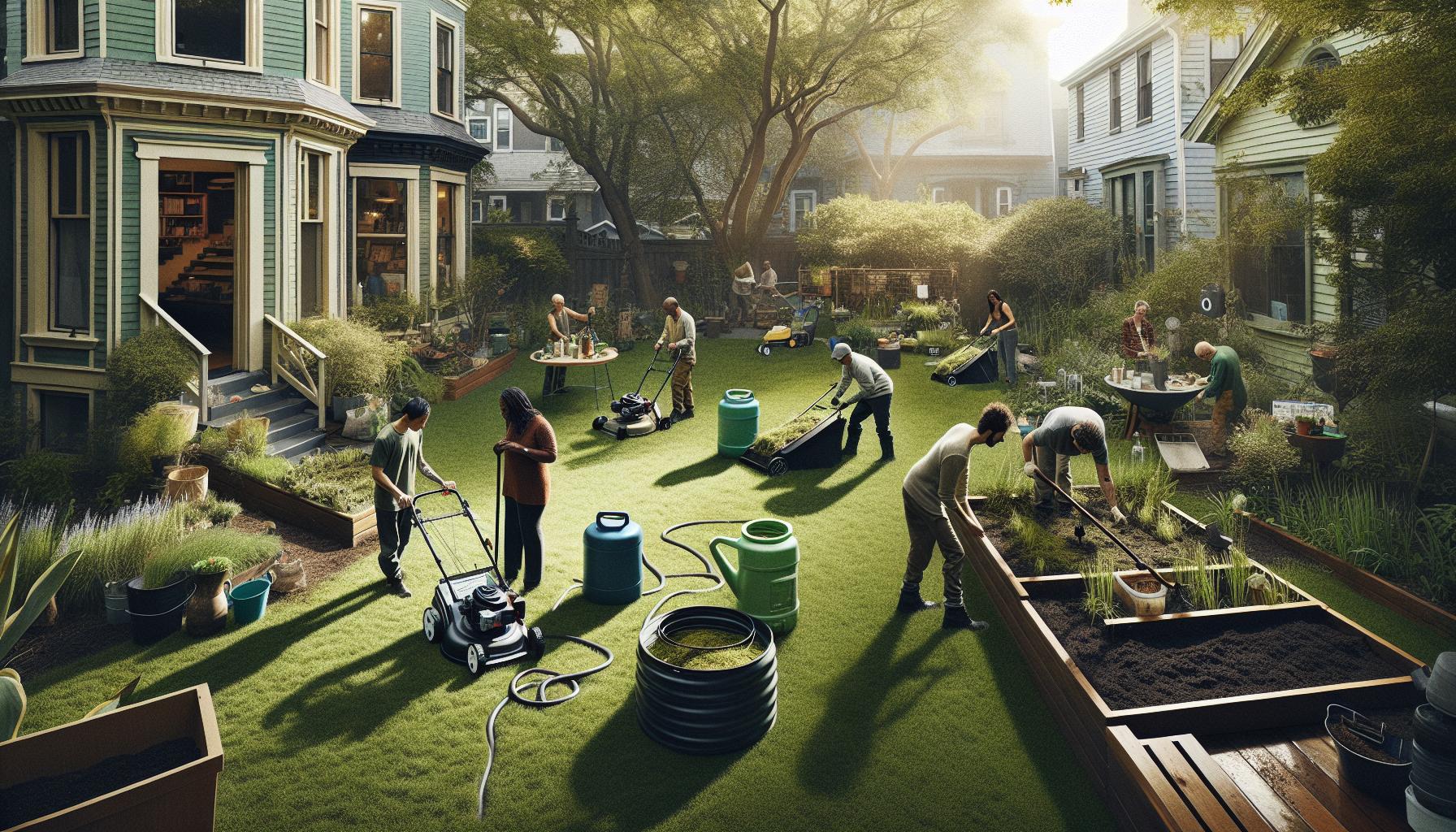
Eco-Friendly Lawn Maintenance Solutions
Maintaining a beautiful lawn doesn’t have to be an environmentally taxing or expensive endeavor. In fact, there are numerous eco-friendly solutions that not only reduce the need for traditional lawn maintenance but also contribute positively to the ecosystem. By adopting sustainable practices, homeowners can save money and create healthier outdoor spaces.
One effective way to maintain a lawn sustainably is through grasscycling, which involves leaving grass clippings on the lawn after mowing. This practice returns valuable nutrients back to the soil, reducing the need for chemical fertilizers. Moreover, incorporating native plants and drought-resistant landscaping can dramatically decrease the amount of water needed for upkeep. Native plants are better suited to local conditions, requiring less irrigation and maintenance while supporting local biodiversity.
Organic Fertilizers and Natural Pest Control
Instead of busying yourself with chemical fertilizers that can harm beneficial microbes in the soil, consider using organic options. These natural fertilizers, derived from plant or animal materials, enrich the soil without the risk of polluting waterways. Additionally, implementing natural pest control methods, such as introducing beneficial insects like ladybugs or maintaining plant diversity, helps keep your lawn healthy without harmful pesticides.
Innovative Watering Techniques
Water conservation is another critical aspect of eco-friendly lawn maintenance. Using drip irrigation systems or rain barrels can efficiently distribute water, ensuring that every drop counts. These methods reduce water waste and can often be implemented as DIY projects, thereby saving homeowners money on expensive water bills.
By integrating these eco-friendly solutions, homeowners not only foster a more sustainable lawn care regimen but also contribute to a health-conscious environment. These practices promote soil health, conserve resources, and help create a vibrant ecosystem right in your backyard, transforming lawn maintenance into a rewarding and environmentally friendly undertaking.
Innovative Lawn Care Tools for Every Budget
When it comes to maintaining a vibrant and well-kept lawn without the hefty price tag of traditional lawn mowers, innovation is key. Numerous tools are designed to help homeowners care for their lawns effectively while staying within budget. Embracing these alternatives not only saves money but also promotes a more environmentally friendly approach to lawn care.
One of the simplest and most cost-effective tools is the manual reel mower. These mowers are not only affordable but also give users exercise as they mow. A reel mower cuts grass efficiently and is quiet, making it an excellent option for early morning or late evening mowing without disturbing the neighbors. Additionally, it requires no fuel or electricity, further reducing maintenance costs and environmental impact. For those with smaller yards, this tool is particularly advantageous.
For homeowners looking to reduce grass height while also providing nutrients back into the soil, consider grass shears or hand-held trimmers. These tools can help maintain edges and trim areas that larger machines can’t reach, allowing for a tidy appearance without the need for a mower. Furthermore, grass clippings can be left on the lawn to decompose, returning nutrients to the soil, a practice known as grasscycling.
As technology continues to advance, innovative options like robotic lawn care tools are becoming accessible to a wider audience. While initially an investment, robotic mowers save time and effort, allowing you to focus on other gardening tasks. Many models come equipped with smart technology that can map your yard and navigate obstacles efficiently. For those who prioritize convenience, their long-term cost savings can balance out the initial expenditure.
Other eco-friendly tools include composite or electric yard tools, such as leaf blowers and hedge trimmers. These alternatives make yard work easier and are less harmful to the environment than gas-powered devices. Incorporating tools that utilize batteries or are manually operated can dramatically decrease your carbon footprint while ensuring your lawn remains well-maintained.
In summary, an array of innovative lawn care tools exists that cater to every budget, each offering unique benefits. By selecting the right tools for your lawn care routine, you can maintain a beautiful yard without the financial burden associated with traditional mowers. Embracing these alternatives not only contributes to a healthier lawn but also fosters a sustainable gardening practice that benefits both the environment and your wallet.
Transforming Your Yard: Low-Maintenance Options
In today’s fast-paced world, homeowners increasingly seek ways to reduce maintenance time and costs, particularly in lawn care. A well-designed yard can flourish with minimal effort, offering a lush appearance and ecological benefits without the expense of traditional lawn mowers. Transforming your yard into a low-maintenance oasis can be as straightforward as opting for the right plants, landscaping techniques, and materials.
One of the best strategies to minimize upkeep is to replace conventional grass lawns with ground covers. These hardy plants not only create a visually appealing landscape but also require less water and mowing. Options like creeping thyme, clover, or sedum can thrive in various climates and provide benefits such as soil stability and erosion control. Compared to traditional grasses, many ground covers are drought-resistant, meaning you’ll save on both watering and maintenance.
Strategic Planting Choices
Incorporating native plants into your landscaping can also contribute significantly to low-maintenance designs. Native plants are adapted to the local environment and typically require less watering, fertilizing, and pest control. By creating a habitat that attracts beneficial wildlife, such as pollinators, you can enhance the ecosystem while reducing the need for chemical interventions. A well-structured native plant garden can be not only beautiful but also self-sustaining.
Another effective way to minimize yard work is through the use of hardscaping. Integrating stone pathways, patios, and gravel beds can significantly decrease the area of grass that needs regular mowing. These features add aesthetic value and functionality while helping to manage rainwater runoff and reduce the need for irrigation. By carefully planning your landscape with both plants and hard surfaces, you can create an inviting outdoor space that requires minimal upkeep.
By implementing these low-maintenance options, homeowners can transform their yards into beautiful, versatile spaces. Whether through thoughtful plant selections, creative hardscaping, or utilizing ground covers, the journey to a lush garden doesn’t have to demand time and resources typical of traditional lawn care. Instead, a strategically designed yard can bring aesthetic joy and ecological benefits without an ongoing reliance on lawn mowers.
The Rise of Robotic Lawn Care Technology
As technology continues to reshape our daily lives, the realm of lawn care is not left behind. Today, robotic lawn mowers are emerging as a groundbreaking solution that not only saves time but also reduces the costs associated with traditional lawn maintenance. These automated devices, which can operate efficiently with minimal human intervention, represent a significant trend towards convenience, making them a smart alternative to conventional mowers.
Robotic lawn mowers function through sophisticated sensors and GPS technology, allowing them to navigate a predefined area while avoiding obstacles. Most models operate quietly and can be programmed to mow during specific times or conditions, ensuring your lawn remains perfectly manicured without disturbing your peace. Homeowners can save money in the long term, as these machines require less energy compared to gas-powered mowers and eliminate the need for expensive maintenance that traditional lawn mowers typically demand.
Benefits of Robotic Lawn Care Technology:
- Time Efficiency: With the ability to mow autonomously, robotic mowers free up valuable time for homeowners, allowing them to focus on other tasks or enjoy leisure activities.
- Consistent Results: These devices provide even cuts, leading to a healthier lawn over time. Frequent mowing helps promote thicker grass, reducing the likelihood of weeds.
- Environmentally Friendly: Because they operate on batteries and are quieter, robotic mowers contribute to lower carbon emissions compared to traditional gasoline models.
- Smart Features: Many come with programmable settings and connectivity features, allowing users to control their mower via smartphone apps.
While the initial investment for a robotic lawn mower may be higher than that of a traditional mower, the reduction in ongoing costs associated with fuel, maintenance, and time management can lead to significant savings. As these technologies advance and become more accessible, they are increasingly appealing to homeowners looking for efficient, cost-effective lawn care solutions. By embracing robotic lawn care technology, you can enjoy a beautiful lawn with minimal effort, transforming your outdoor space while keeping your budget in check.
Landscaping Techniques That Replace Mowing
Creating a beautiful landscape that minimizes or eliminates the need for mowing can be a transformative approach for homeowners looking to save time and cut costs. By adopting alternative landscaping techniques, you can achieve an attractive outdoor space while reducing the maintenance demands of traditional grass lawns. Here are several innovative solutions that can help you say goodbye to the lawn mower.
One effective strategy is the use of ground covers, which are low-growing plants that spread to form a dense mat. Ground covers not only prevent weeds from taking root but also require far less maintenance than conventional lawns. Options like creeping thyme, clover, or ajuga can add a pop of color while providing a soft surface that is comfortable to walk on, making them suitable for various terrains. They are particularly advantageous in sloped areas, where grass might struggle to survive.
Another popular approach is to install mulch beds filled with a mix of perennial plants and ornamental grasses. These beds reduce the amount of grassy area that needs regular mowing and can be designed in various shapes to enhance aesthetic appeal. Incorporating diverse species within these beds ensures year-round interest, as different plants bloom in various seasons. This technique not only conserves water but also attracts pollinators, enriching the local ecosystem.
Hardscaping is another powerful way to replace traditional lawn areas. Utilizing materials like stone pathways, patios, and decorative gravel can create functional outdoor spaces without the upkeep that grass requires. For instance, a natural stone path can guide visitors through your garden while seamlessly connecting different zones of your landscape. Adding features such as pergolas or seating areas can encourage outdoor enjoyment, making your yard a picturesque retreat.
Lastly, consider using xeriscaping techniques, especially if you live in a region prone to drought. This landscaping method focuses on using drought-resistant plants, native species, and strategic soil management to create a vibrant landscape without the need for excessive watering or mowing. By selecting plants that thrive in local conditions, such as succulents or native wildflowers, you enhance biodiversity and reduce water consumption.
By employing these strategies, you can create a beautiful, low-maintenance landscape that minimizes mowing requirements, saving both time and money. Whether through ground covers, mulch beds, hardscaping, or xeriscaping, these alternatives promote sustainability and enhance your outdoor environment with less effort.
Benefits of Native Plants in Lawn Reduction
Incorporating native plants into your landscape is a game-changer when it comes to reducing the need for traditional lawns and the accompanying maintenance costs. These plants are naturally adapted to the local environment, making them more resilient to pests, diseases, and climatic extremes. By choosing native species, homeowners can create beautiful outdoor spaces that require less water, fewer chemicals, and significantly less mowing, which translates to both time savings and reduced spending.
One of the most compelling advantages of native plants is their ability to thrive with minimal intervention. Unlike conventional lawn grasses that often require regular watering, fertilization, and herbicide applications, native plants are already suited to the local soil and climate conditions. This self-sufficiency not only saves you money but also promotes a healthier ecosystem. For example, plants like coneflowers and black-eyed Susans attract pollinators, enhancing biodiversity and contributing to the local ecosystem’s health.
Additionally, native plants reduce the necessity for extensive lawn areas. By integrating these species into your landscape design, you can replace swathes of grass with vibrant beds of wildflowers or low-growing ground covers. These alternatives can provide visual interest year-round, with different plants blooming across the seasons. To further optimize your landscape, consider grouping native plants according to their water needs. This way, you reduce water consumption, as plants with similar requirements can receive tailored care, minimizing waste.
Incorporating native flora into your yard not only contributes to a sustainable lifestyle but also supports the local wildlife. By creating habitats with these plants, you encourage birds, butterflies, and other beneficial creatures to make your yard their home. This can transform your outdoor space into a thriving ecosystem rather than a mere lawn to maintain. In doing so, you create an inviting environment that celebrates nature, all while saving time and money on lawn care activities.
Exploring Community Programs for Lawn Care
Community programs for lawn care offer an innovative approach to maintaining greenery while minimizing costs and environmental impacts. Many municipalities recognize the importance of sustainable practices and provide resources that can help homeowners transform their lawn care routines. These programs often include workshops, free resources, and incentives that can reduce the financial burden of maintaining a traditional lawn.
One of the most effective community initiatives is the promotion of collective gardening efforts, which can range from community gardens to neighborhood lawn exchanges. Residents can share tools, knowledge, and even labor, effectively lowering individual maintenance costs while fostering a sense of community. Additionally, many cities offer educational workshops that teach eco-friendly practices such as xeriscaping, which can significantly reduce the need for watering and lawn maintenance. These workshops often cover the selection of native plants, composting techniques, and organic pest control methods, all of which contribute to a healthier ecosystem and a more sustainable lawn care approach.
Local governments may also partner with environmental organizations to offer financial incentives for homeowners who choose to install drought-tolerant landscaping or turf replacements. Programs like these commonly provide rebates and resources for converting traditional lawns to native plant landscapes, further encouraging the shift away from water-intensive grass. By participating in such programs, homeowners not only save money but also contribute to broader environmental goals, such as reducing runoff and promoting biodiversity.
Moreover, engaging with community initiatives can lead to valuable networking opportunities. Homeowners can connect with local gardening clubs or cooperative extensions to share resources and advice on innovative lawn care techniques that align with sustainable practices. The collective knowledge pooled from these groups can inspire creative solutions that might not be considered when relying solely on individual efforts. Thus, exploring community programs not only aids in cutting costs but also enriches the experience of lawn care as part of a collective eco-conscious community effort.
Time-Saving Strategies for Busy Homeowners
Busy homeowners often feel the pressure to maintain their lawns while juggling numerous other responsibilities. Interestingly, the average American spends about 70 hours annually just on lawn care alone. However, there are numerous strategies that can streamline this process without sacrificing the beauty and appeal of your yard. By implementing smart alternatives to traditional lawn maintenance, you can reclaim your time and reduce stress.
One effective strategy involves embracing low-maintenance landscaping solutions. Consider replacing parts of your lawn with native plants, which require less water and care. Native plants are adapted to local conditions and often thrive with minimal intervention. Additionally, using ground covers and mulch instead of grass can create a visually appealing environment that requires minimal mowing and watering. Incorporating hardscapes, such as patios and stone pathways, can further reduce the areas needing mowing while enhancing your outdoor living space.
Utilizing smart technology in lawn care is another way to save time. Robotic lawn mowers have gained popularity, functioning autonomously to maintain grassy areas. These gadgets can be programmed to mow at specific times, allowing homeowners to enjoy a well-manicured lawn without lifting a finger. Similarly, smart irrigation systems can adapt watering schedules based on weather conditions, ensuring your plants receive the optimal amount of moisture without wasting water or requiring daily attention.
For those who prefer direct involvement without the arduous task of mowing, hiring a lawn care service can be a wise investment. Many services offer flexible plans tailored to your yard’s specific needs, allowing you to focus on enjoying your garden rather than maintaining it. Furthermore, some companies provide subscription models that manage everything from mowing to fertilization, ensuring your lawn stays healthy without demanding your time.
Ultimately, by rethinking your approach to lawn care and embracing alternatives that fit your lifestyle, you can save precious time and still enjoy a beautiful outdoor space. Whether through innovative landscaping, automation, or professional services, the days of labor-intensive lawn maintenance can be behind you, allowing for more moments of relaxation and enjoyment in your garden.
Comparing Lawn Maintenance Subscription Services
In today’s busy world, many homeowners are reevaluating how they manage their lawns. With lawn maintenance subscription services gaining traction, it’s crucial to explore how these can save time and money compared to traditional mowing methods. Opting for a subscription service allows you to enjoy a manicured yard, minus the hassles of mowing, weeding, or fertilizing yourself. Instead of investing in a costly lawn mower and equipment, you can subscribe to a service that tailors its offerings to your yard’s unique needs.
Choosing a subscription service typically involves selecting a package that aligns with your lawn care requirements. Here’s what to consider when evaluating different services:
- Service Variety: Many companies provide comprehensive solutions, including mowing, aeration, pest control, and fertilization. Assessing what each service offers can help determine if it meets all your lawn care needs.
- Flexibility: Look for services that allow you to customize your plan based on seasonal changes and specific lawn health requirements. Some businesses may offer pay-as-you-go plans, while others have flat-rate monthly subscriptions.
- Expertise: Companies with experienced professionals can provide informed recommendations about best practices and care tailored to your locality’s climate and soil type.
- Customer Reviews: Researching reviews and testimonials can give insight into service reliability and satisfaction rates from existing customers, ensuring you choose a reputable provider.
Many subscription services operate on a simple flat-rate monthly model, making budgeting easier. For instance, a basic plan might include bi-weekly mowing and seasonal fertilization at a reasonable price, while premium plans may offer additional services like pest management or landscaping upgrades. Below is an example of a potential pricing structure you might encounter:
| Service Level | Cost Per Month | Included Services |
|---|---|---|
| Basic | $99 | Mowing (bi-weekly), Grass Clipping Removal |
| Standard | $149 | Mowing (weekly), Fertilization (seasonal), Weeding |
| Premium | $199 | All Standard services + Aeration, Pest Control |
By weighing these factors, homeowners can find a subscription service that not only fits their budget but also simplifies lawn maintenance, ultimately allowing for more leisure time and less worry about regular upkeep. In a landscape where time is often of the essence, these alternatives present a smart and efficient way to enjoy a beautiful, well-maintained lawn without the traditional burdens.
Frequently Asked Questions
Q: What are the hidden costs of owning a lawn mower?
A: The hidden costs of owning a lawn mower include maintenance expenses, fuel costs, and potential repairs. Additionally, time spent mowing can lead to lost productivity, making alternatives more appealing for busy homeowners. Consider calculating the total costs before committing to a lawn mower.
Q: How can I maintain a beautiful yard without a lawn mower?
A: You can maintain a beautiful yard without a lawn mower by utilizing native plants, implementing ground cover solutions, and using mulching techniques. Additionally, consider landscaping options that require less mowing, like gravel or stone pathways, which you can explore in more detail in “Transforming Your Yard: Low-Maintenance Options.”
Q: Are robotic lawn mowers worth the investment?
A: Yes, robotic lawn mowers can be worth the investment if you want convenience and time savings. They automate the mowing process, ensuring a well-manicured lawn without the physical labor. However, compare their costs against traditional and alternative mowing methods discussed in the article.
Q: What are effective eco-friendly lawn alternatives?
A: Effective eco-friendly lawn alternatives include planting drought-resistant native grasses and flowers, utilizing xeriscaping techniques, and creating pollinator gardens. These options minimize water usage and maintenance costs, promoting a sustainable and vibrant yard, as covered in our “Eco-Friendly Lawn Maintenance Solutions” section.
Q: How can I save money on lawn care services?
A: To save money on lawn care services, consider using a subscription service that offers bundled services at a lower cost. Also, explore community programs that provide resources or tools for DIY lawn care. Look into “Comparing Lawn Maintenance Subscription Services” for additional insights.
Q: What is the easiest way to reduce lawn maintenance?
A: The easiest way to reduce lawn maintenance is to replace traditional grass with low-maintenance ground covers, such as clover or thyme. These alternatives require less mowing and watering while adding beauty to your yard, which is discussed in the “Landscaping Techniques That Replace Mowing” section.
Q: Why should I consider native plants for my lawn?
A: Native plants are beneficial because they require less water and maintenance, attract local wildlife, and enhance biodiversity. By incorporating them into your yard, you can significantly reduce the need for mowing, as detailed in “Benefits of Native Plants in Lawn Reduction.”
Q: What tools can replace my traditional lawn mower?
A: Innovative tools that can replace traditional lawn mowers include string trimmers, electric edgers, and even manual reel mowers for small yards. Exploring “Innovative Lawn Care Tools for Every Budget” can help you find cost-effective solutions tailored to your needs.
Concluding Remarks
As we’ve explored in “Why Waste Money on Lawn Mowers? Smart Alternatives Explained,” embracing cost-effective options not only saves you money but can also enhance your lawn care routine. Don’t let the myth of expensive mowers hold you back; consider innovative alternatives like no-mow lawns or alternative grass choices that can give you a lush landscape with less effort and expense.
Ready to discover more? Check out our guides on no-mow lawn ideas and easy lawn care tips to transform your outdoor space today. If you want personalized guidance, sign up for our newsletter for expert advice delivered straight to your inbox. Join the conversation and share your own lawn care experiences in the comments below-your insights could inspire others! Together, let’s cultivate a greener future without breaking the bank.