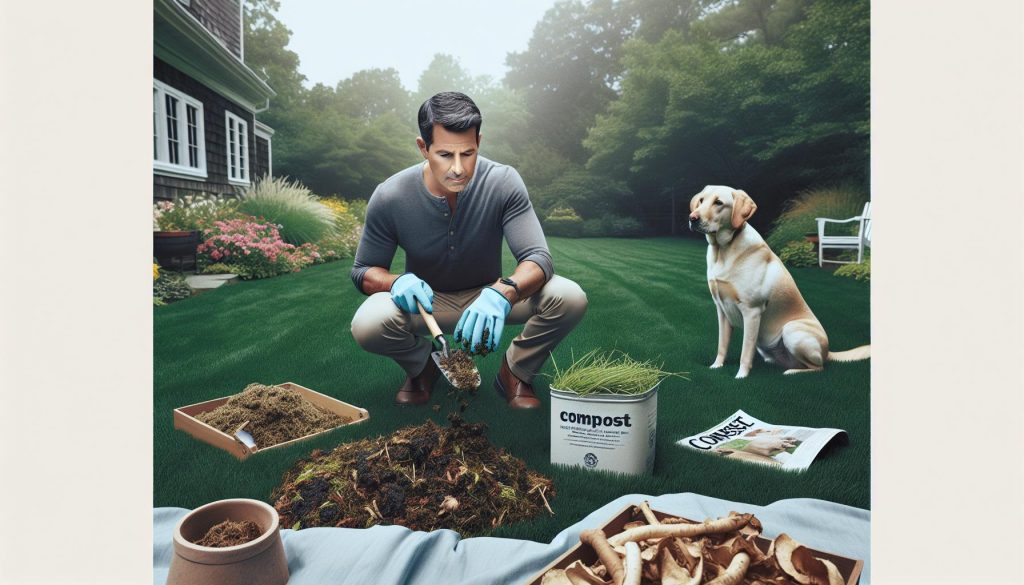
Did you know that in the U.S. alone, millions of tons of dog waste are produced every year? Many pet owners grapple with the question: can dog waste enrich our lawns through composting? Understanding the science behind this process is crucial, especially given the environmental impact of dog waste. Not only does composting potentially reduce landfill waste, but it can also create a nutrient-rich natural fertilizer for your garden. However, concerns about pathogens and contaminants often overshadow these benefits. In this article, we will explore whether dog waste is suitable for composting, how to do it safely, and the best practices for maintaining a healthy lawn while dealing with your dog’s waste. This journey into the science of dog waste composting promises to offer valuable insights, helping you make informed decisions to benefit both your yard and the environment.
Understanding the Science of Dog Waste Composting
Composting dog waste may initially seem daunting, but understanding the science behind it reveals a viable way to enrich your lawn while reducing environmental impact. Dog waste is organic material, and like other types of organic waste, it can be composted if managed correctly. The key lies in the composting process, which involves the breakdown of this waste through the action of microorganisms, heat, and time. When properly composted, dog waste transforms into a nutrient-rich soil amendment that can benefit your garden.
The bacteria and enzymes present in dog waste play a significant role in the composting process. They work to decompose the organic material, and as they metabolize, they produce heat, which is essential for killing pathogens and potential parasites that can be harmful to plants and animals. The temperature in the compost pile must reach a minimum level-generally around 140°F (60°C)-to effectively kill these pathogens, making the compost safe to use once matured. This process not only helps in transforming waste into a useful product but also aids in ensuring health safety, particularly in maintaining a clean environment for your pets and family.
It’s important to recognize that not all composting methods suit dog waste specifically. Traditional composting, which relies on a balanced mix of greens and browns, can be challenging due to the unique composition of dog waste. However, methods like Bokashi composting, which employs anaerobic fermentation, can effectively handle pet waste while limiting odors and other drawbacks. Ultimately, successful dog waste composting hinges on adhering to best practices, maintaining appropriate temperatures, and ensuring that the compost reaches a stable, mature state before application to your lawn or garden.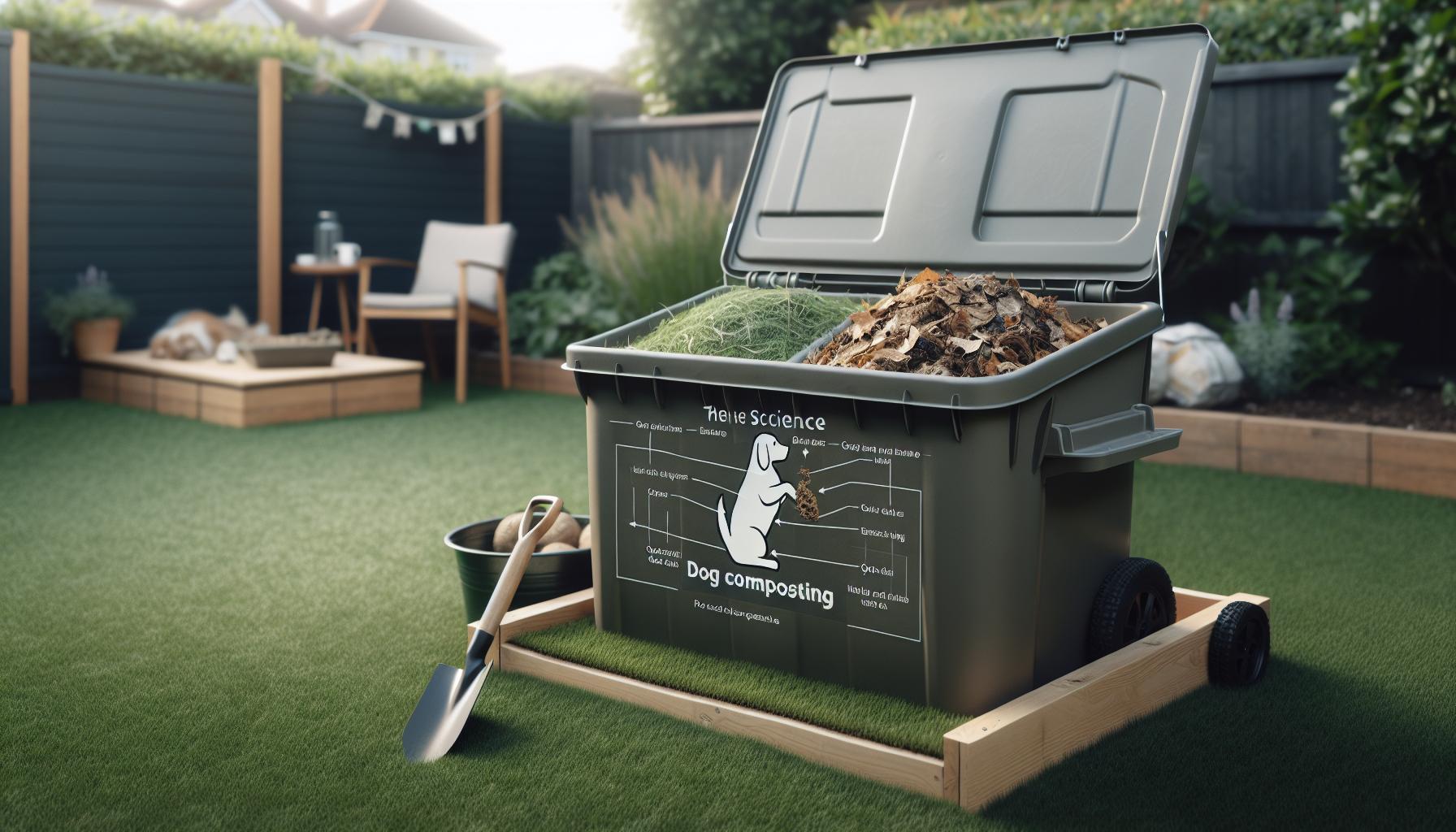
Benefits of Composting Dog Waste on Your Lawn
Composting dog waste not only addresses a common pet owner dilemma but also offers a surprising array of benefits for your lawn. By diverting dog waste from landfills, where it contributes to methane emissions, you’re engaging in eco-friendly practices that enhance your environmental stewardship. More importantly, when added to compost, dog waste breaks down into valuable nutrients, helping to enrich your soil and promote vibrant, healthy grass.
One of the significant benefits is the improvement of soil quality. Dog waste contains nitrogen and other nutrients essential for plant growth. When properly composted, it enriches the soil by providing a slow-release source of these nutrients, which helps in fostering stronger, more resilient grass. This organic matter not only enhances the fertility of the soil but also improves its structure, encouraging beneficial microorganisms that aid in plant health.
Moreover, composting dog waste can have a positive impact on your lawn’s overall ecosystem. Healthy soils can better retain moisture, reducing the need for irrigation-a crucial aspect for both environmental conservation and saving on water bills. This moisture retention aids in drought resilience, allowing your grass to thrive during drier periods. Additionally, as the compost supports a rich microbial community, it can improve the lawn’s resistance to pests and diseases, leading to a lush and vigorous green space.
In summary, utilizing dog waste compost on your lawn transforms a potential environmental issue into a resource, enriching your garden while promoting sustainability. With proper management and awareness of composting techniques, dog waste can indeed support your lawn’s health, resulting in a greener, more sustainable outdoor environment.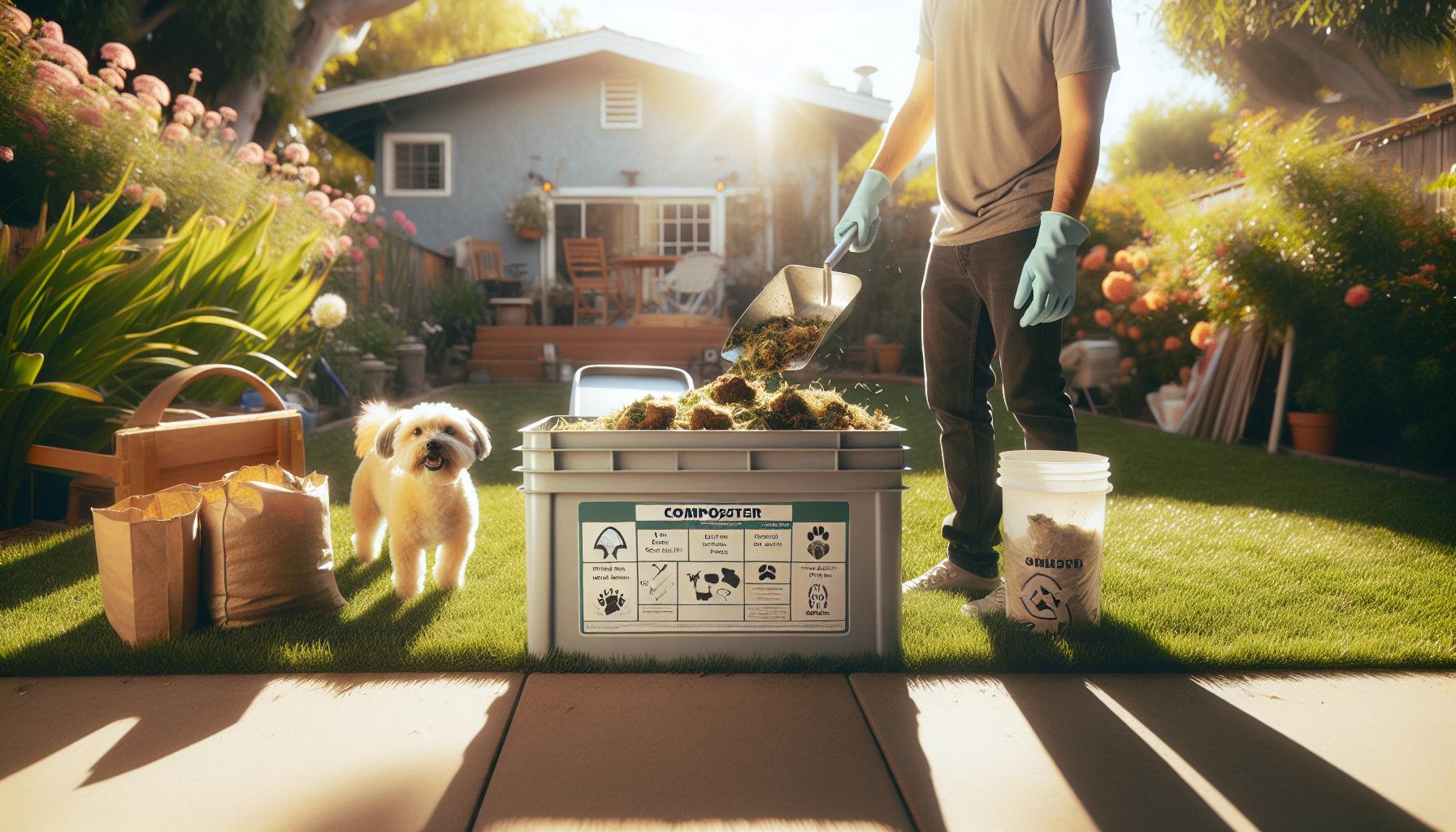
Potential Risks of Using Dog Waste Compost
Using dog waste compost can seem like an innovative way to enhance your lawn and garden, but it is crucial to understand the potential risks involved. One of the primary concerns is the presence of pathogens, such as bacteria and parasites, that can be found in dog feces. These microorganisms can pose health risks to humans and other animals. When composting dog waste, if the composting process doesn’t reach the necessary temperatures (typically around 140°F or 60°C) for long enough to kill these pathogens, you risk contaminating your soil. Therefore, ensuring that your compost pile reaches the right conditions is essential for safety.
Another risk to consider is the potential for nutrient imbalances. Dog waste is high in nitrogen, and while nitrogen is beneficial for grass and plants, excessive amounts can lead to nutrient burn, causing damage to your lawn. If the compost is not balanced with carbon-rich materials (like dried leaves or straw), the high nitrogen content can overwhelm the plants, leading to patchy growth or dead spots in your yard. It’s important to maintain a balanced compost mix to mitigate this risk.
In addition to health and nutrient concerns, there’s also the environmental factor to consider. If improperly composted dog waste is applied to the lawn, heavy rainfall can wash contaminants into local water sources, contributing to pollution and potentially harming wildlife. To minimize this risk, it’s essential to use dog waste compost that has been thoroughly processed and tested before application.
Lastly, stigma around using dog waste compost can deter some gardeners. Many people may be uncomfortable with the idea of using compost made from pet waste, which can lead to social hesitancy in sharing or using dog waste compost in community gardening efforts. Addressing these perceptions through education about the safety and benefits of properly processed dog waste compost can help foster acceptance and broaden its usage in sustainable gardening practices.
In summary, while composting dog waste can provide valuable nutrients and reduce landfill waste, it is vital to be aware of the potential risks and take appropriate precautions to ensure safety and effectiveness.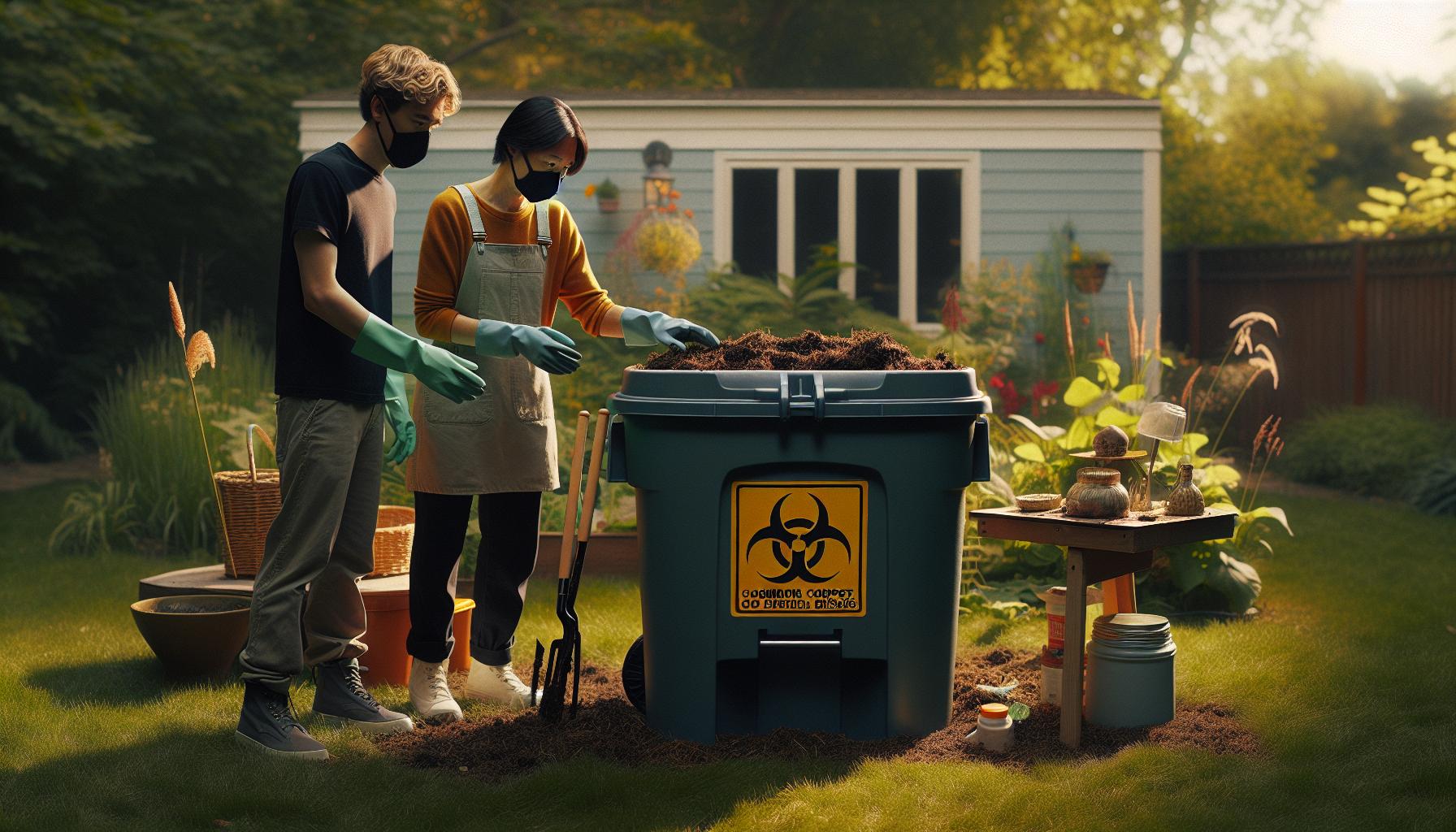
How to Safely Compost Dog Waste at Home
Composting dog waste at home can be an effective way to manage pet waste and enrich your garden with organic matter-if done correctly. To transform this often-stigmatized material into safe, usable compost, it’s crucial to follow a series of expert guidelines that prioritize hygiene and environmental health. Home composting can mitigate environmental impact and reduce landfill overload, all while providing an eco-friendly solution for pet owners.
First and foremost, ensure you have the right compost bin designed for dog waste. Opt for a bin that allows for good aeration and drainage, such as a dedicated pet waste composting system. This type of compost bin will help maintain the necessary conditions for effective composting. You should also select a location away from your vegetable garden to avoid cross-contamination. When adding dog waste to the compost, mix it with carbon-rich materials-such as sawdust, dry leaves, or shredded paper-to achieve a balanced carbon-to-nitrogen ratio. This balance is vital because dog feces are high in nitrogen and can lead to unpleasant odors and potential pathogens if left unchecked.
Monitoring Temperature and Time
To safely compost dog waste, it is essential to monitor the internal temperature of your compost pile. Ideally, the pile should reach a minimum temperature of 140°F (60°C) for at least three consecutive days. This process helps eliminate harmful pathogens that could pose health risks. Utilize a compost thermometer to regularly check temperatures, and turn the pile periodically to ensure even heat distribution.
### Recommendations for Successful Composting
- Collection Method: Use biodegradable dog waste bags to collect droppings, minimizing your plastic consumption.
- Composting Frequency: Aim to add dog waste in small amounts several times a week instead of in large quantities in one go.
- Moisture Management: Keep your compost pile moist but not soggy-turn it regularly to maintain airflow and moisture levels.
- Duration: Allow your compost pile to mature for at least six months before considering it safe for use.
By adhering to these principles, you can create a responsible composting routine that enhances your gardening efforts while addressing the challenges of dog waste disposal. Not only does this practice reduce landfill waste, but it also provides an opportunity to educate others about the benefits of responsible pet ownership and composting. Integrating dog waste compost into your gardening routine can contribute positively to soil health when done with care and mindfulness.
Best Practices for Dog Waste Composting
To transform dog waste from a nuisance into a nutrient-rich soil amendment, it’s vital to apply best practices tailored specifically for composting this type of organic matter. One of the foundational principles in successful dog waste composting is the careful balance of carbon and nitrogen. Since dog feces are high in nitrogen, pairing them with carbon-rich materials such as fallen leaves, straw, or sawdust is crucial. This not only helps to combat odors but also encourages efficient microbial activity, which is essential for breaking down organic matter.
Maintaining the right conditions in your compost bin is equally important. Choose a well-aerated bin that allows for appropriate drainage and airflow. Positioning your compost bin in a sunny area can help regulate temperature, promoting the breakdown of waste. Regular monitoring is necessary; aim for an internal compost temperature of at least 140°F (60°C) for three consecutive days to ensure that harmful pathogens are effectively eliminated. A compost thermometer can be a valuable tool here, allowing for easy adjustments by turning the pile to evenly distribute heat.
In terms of collection and disposal, utilizing biodegradable bags is a simple yet effective practice that reduces plastic waste. Try to add dog waste in small quantities multiple times a week rather than all at once-this makes it easier to manage the composting process and prevents overwhelming the system. Remember that balance is key; too much moisture can create a soggy mess while too little can hinder decomposition. Aim for a moist but not saturated environment by occasionally checking and adjusting the moisture levels as needed.
Finally, it’s crucial to allow your compost to mature adequately before use-typically, a duration of at least six months is recommended. This maturation phase is essential not only for reducing pathogens but also for ensuring that the compost is stable and ready to enrich your garden effectively. By integrating these best practices, you can turn what is often seen as a waste into a valuable resource that contributes positively to your lawn and garden while addressing the challenges posed by pet ownership.
Composting Methods: Traditional vs. Bokashi
Composting dog waste can be a game-changer for environmentally conscious pet owners, but the method you choose can greatly influence the process’s effectiveness and safety. Traditional composting and Bokashi composting are two prominent methods that cater to different needs and preferences. Understanding the key differences can help you select the right approach for managing your dog’s waste.
Traditional composting involves creating a compost pile or bin where organic materials, including dog waste, are layered with other carbon-rich materials like dry leaves, straw, and shredded paper. This method relies on aerobic decomposition, which requires oxygen and typically takes longer, often several months. To ensure a successful process, dog waste must be combined with enough carbon materials to maintain proper balance and prevent odor issues. Additionally, it’s crucial to reach the appropriate temperature-around 140°F (60°C)-to kill harmful pathogens. While this method can certainly convert dog waste into a nutrient-rich compost, it requires more maintenance and monitoring of conditions.
On the other hand, Bokashi composting offers a faster and more contained alternative that is excellent for those seeking convenience. In this anaerobic process, dog waste is layered in a specialized Bokashi bin along with Bokashi bran, which contains beneficial microorganisms. This method ferments the organic matter, including dog waste, instead of decomposing it, allowing it to break down more quickly-often in just a couple of weeks. After fermenting, the contents can be buried in the soil, where they continue to decompose, enriching the earth without the risk of pathogens that may be present in raw dog waste. Bokashi composting doesn’t generate the same kind of odors typical of traditional composting, making it a more pleasant option for many households.
The choice between traditional and Bokashi composting depends on various factors including available space, the volume of waste produced, and personal comfort with managing compost. Both methods can effectively transform dog waste into beneficial resources, but selecting the appropriate technique will enhance your composting experience and ensure a successful transition of waste into a valuable soil amendment. By weighing the pros and cons of each, you can adopt a dog waste composting method that aligns with your lifestyle, ultimately contributing to a healthier lawn and garden.
Using Dog Waste Compost in Your Garden
can be a fantastic way to not only reduce waste but also enrich your soil. When properly processed, composted dog waste can contribute vital nutrients to your garden, promoting healthy plant growth. It’s important to understand, however, how to safely integrate this compost into your gardening practices to maximize benefits and minimize any potential risks.
Before applying dog waste compost, ensure that it has fully matured. The composting process should kill harmful pathogens, making it safe for use. Ideally, you should wait until the compost has reached a dark, crumbly texture and has an earthy smell, which are indicators that it is ready for garden use. Here are several effective applications for your compost:
- Flower Beds: Use dog waste compost to enhance flower beds. Mixing it into the soil can boost nutrient content and improve moisture retention.
- Vegetable Gardens: While some gardeners may be hesitant to use dog waste compost around edibles, fully composted material can still be used to support non-rooted vegetables. Consider using it as a side dressing in rows or as a top layer of mulch following proper maturation.
- Mulching: A layer of dog waste compost can serve as mulch, inhibiting weed growth while sustaining soil moisture. However, apply it sparingly and mix it with other organic materials to ensure a balanced mulch layer.
Always remember to handle the compost with care. Wearing gloves and washing hands afterward is essential to prevent any contamination. Contribution to your garden from dog waste compost not only promotes sustainability but also encourages a cycle of recycling organic materials, helping to create a more productive and environmentally friendly garden space.
Signs of Finished Dog Waste Compost
The process of composting dog waste can seem daunting, but recognizing when your compost is fully matured and ready for use is crucial for success. One of the primary signs that your dog waste compost is finished is its appearance. The material should transition from recognizable waste to a dark, crumbly texture that resembles rich soil. A well-composted mixture will have no visible traces of dog waste, making it clear that the composting process has effectively broken everything down.
Another key indicator to look for is the smell. Fresh dog waste has a strong, unpleasant odor, but when composting is complete, the compost should emit an earthy, musky scent-much like a forest floor. This transformation is evidence that harmful pathogens and organic matter have been neutralized, making the compost safer for use in your garden.
Temperature and Moisture
The temperature of your compost pile is another vital sign. A fully composted mix should show a significant drop in temperature compared to when the composting process began, indicating that the active microbial breakdown has slowed. Additionally, you should check the moisture content; finished compost should be damp but not soggy. If it feels too wet, it may require further aeration or mixing with dry materials to achieve the desired consistency.
To ensure safety and quality, it’s also recommended to allow the compost to “cure” for a few weeks after it has reached the finished state. This resting period enriches the compost as microbial activity continues to stabilize the nutrients. By paying attention to these signs-appearance, smell, temperature, and moisture-you can confidently determine when your dog waste compost is ready to be used, transforming what was once waste into a valuable resource for your lawn or garden.
Comparing Dog Waste Composting to Other Waste Disposal Methods
When considering how to manage dog waste, many pet owners may wonder whether composting is a viable alternative to more traditional disposal methods. Unlike simply throwing waste in the trash or flushing it down the toilet, composting dog waste can transform a potential environmental hazard into a useful resource. For instance, while traditional disposal creates landfill waste and contributes to greenhouse gas emissions, composting can recycle nutrients back into the soil, enhancing the health of lawns and gardens.
One significant advantage of dog waste composting is its reduced environmental footprint. According to the Environmental Protection Agency, pet waste accounts for substantial nitrogen pollution when disposed of improperly, potentially contaminating water supplies and harming ecosystems. By composting, you can mitigate this risk. In contrast, while methods like incineration or using a specialized dog waste disposal system minimize immediate waste presence, they often involve higher energy consumption and resources, showcasing a less favorable environmental profile. Composting, on the other hand, harnesses natural processes to break down waste.
However, potential users should also weigh the risks associated with various methods. Traditional waste disposal, while straightforward, can lead to health hazards if not managed properly, as pet waste can harbor harmful pathogens. Composting, when done correctly, significantly reduces these risks through thermophilic breakdown of organic matter at high temperatures, making the end product generally safer for gardening. Nevertheless, improper composting can lead to lingering health threats, emphasizing the importance of adhering to best practices like maintaining the right temperature and ensuring complete degradation.
Ultimately, while each waste disposal method has its pros and cons, composting dog waste stands out as a sustainable choice that transforms waste into a beneficial product while supporting environmental health. For pet owners, understanding these differences can lead to informed decisions about managing pet waste responsibly, thereby contributing positively to their local ecosystem.
Expert Tips for Maintaining a Healthy Compost Bin
Maintaining a healthy compost bin, especially when composting dog waste, requires awareness and proactive management. Keeping your composting environment balanced is crucial for effective decomposition and to prevent unpleasant odors and health hazards. One of the most important factors is temperature; composting dog waste must reach thermophilic levels (between 130°F and 160°F) to ensure pathogen breakdown. To monitor your bin’s temperature, consider using a compost thermometer. If temperatures drop, it may indicate insufficient materials or a lack of aeration.
Another critical aspect is aeration. Regularly turning the compost helps maintain airflow, promotes faster decomposition, and prevents anaerobic conditions that can lead to foul smells. Aim to turn your compost every 1-2 weeks during active composting. Additionally, incorporating carbon-rich materials (browns), such as dried leaves, straw, or wood chips, with nitrogen-rich materials (greens), primarily your dog’s waste, will foster an ideal carbon-to-nitrogen ratio of about 30:1. This balance is essential for the microorganisms that break down the waste.
To further enhance your composting process, always add dog waste in moderation. A single large dog can produce a remarkable amount of waste, and overwhelming your bin with too much at once can hinder the composting process. Mix in dog waste with other organic materials (like kitchen scraps or lawn clippings) for better breakdown results. And remember, composting dog waste may not be suitable for conventional backyard compost systems; consider using a dedicated dog waste composting system to maintain a healthy compost environment.
Lastly, monitor the moisture level in your compost. It should be damp but not soggy. If it becomes too wet, add more browns to soak up excess moisture. Conversely, if it’s too dry, you can sprinkle some water or add moist materials. Following these expert tips will not only promote a healthy composting process but also ensure that the resulting compost is safe for use in your garden and lawn.
Common Myths About Dog Waste Composting
Myths surrounding dog waste composting can deter many pet owners from utilizing this sustainable practice. One of the most common misconceptions is that dog waste is too harmful to compost due to pathogens it may contain. While it’s essential to recognize that dog feces can harbor bacteria and parasites, proper composting techniques-such as achieving thermophilic temperatures-can effectively destroy these pathogens, making the resulting compost safe for non-edible plants, like ornamental gardens. The key lies in maintaining intense heat (between 130°F and 160°F) throughout the composting process to ensure thorough breakdown.
Another prevalent myth is the assumption that dog waste composting will inevitably lead to unpleasant odors. In reality, if your compost bin is set up and maintained correctly, any smell should be minimal. A balanced mixture of carbon-rich and nitrogen-rich materials, along with proper aeration and moisture control, plays a significant role in reducing odors. Many successful composters find that by incorporating brown materials such as dried leaves and straw with their dog’s waste, they can produce compost devoid of foul smells.
Furthermore, some pet owners believe that once the compost is ready, it can be directly used in vegetable gardens. However, this is a misconception that can lead to safety issues. The gold standard is to use dog waste compost on non-food plants, as the risk of pathogens still exists in a form that could potentially affect humans if the compost has not reached the highest safety standards. Educating oneself on safe composting practices will provide a clearer understanding of how to utilize compost properly, rather than spreading unfounded fears.
Ultimately, addressing these common myths around dog waste composting can empower dog owners to view it as a responsible and eco-friendly solution. By debunking misconceptions and equipping yourself with the right knowledge, you can confidently engage in composting that benefits both your lawn and the environment.
Dog Waste Compost: Environmental Impact and Concerns
The environmental impact of composting dog waste is often misunderstood, yet it holds immense potential for promoting sustainability and enhancing soil health. Every year, millions of tons of dog waste end up in landfills, contributing to greenhouse gas emissions and environmental pollution. By choosing to compost instead, pet owners can transform this waste into a valuable resource for their lawns and gardens, reducing their overall carbon footprint and encouraging healthy soil ecosystems.
One of the primary benefits of composting dog waste lies in its ability to recycle nutrients. As dog feces breaks down, it releases essential nutrients like nitrogen, phosphorus, and potassium, all of which are crucial for plant growth. This natural fertilizer can enrich the soil, promoting lush greenery without resorting to chemical fertilizers that may harm the environment. In fact, composting dog waste-when done properly-can help sequester carbon in the soil, mitigating climate change while supporting plant health.
However, it’s important to acknowledge the potential concerns associated with dog waste composting. Pathogens and parasites found in dog feces can pose risks if composting is not managed correctly. For this reason, education on the proper composting techniques is vital. Strategies such as maintaining high temperatures and ensuring aerobic conditions will help eliminate harmful pathogens, making the compost safe for use in non-food gardens. As a best practice, pet owners should always monitor their composting processes and be vigilant about potential signs of contamination.
In conclusion, while dog waste composting presents both opportunities and challenges, taking informed steps can lead to environmentally friendly outcomes. By implementing responsible composting practices, not only can pet owners contribute to soil health and waste reduction, but they can also foster a more sustainable relationship with their environment.
Q&A
Q: Can I compost dog waste on my lawn safely?
A: Yes, you can compost dog waste on your lawn safely if you follow the proper composting practices. It’s essential to use a dedicated compost bin and ensure that the compost reaches the right temperature to kill pathogens. Refer to the section on “How to Safely Compost Dog Waste at Home” for detailed steps.
Q: What is the best method for composting dog waste?
A: The best methods for composting dog waste include traditional composting and the Bokashi method. Traditional composting requires mixing waste with carbon-rich materials, while Bokashi allows for anaerobic fermentation. For a thorough comparison, check the “Composting Methods: Traditional vs. Bokashi” section in the article.
Q: How long does it take for dog waste to break down in compost?
A: Dog waste can take several months to fully break down in compost, depending on the method used and environmental conditions. It’s crucial to monitor the compost to ensure it reaches the necessary temperature for pathogen destruction. Refer to “Signs of Finished Dog Waste Compost” for more details.
Q: Are there any risks associated with composting dog waste?
A: Yes, there are potential risks, including the spread of parasites and pathogens if the dog waste is not composted correctly. Following safety guidelines is critical to mitigate these risks. Explore the “Potential Risks of Using Dog Waste Compost” section for in-depth information.
Q: Can I use dog waste compost in my vegetable garden?
A: It’s generally not recommended to use dog waste compost in vegetable gardens due to potential health risks. If you do choose to use it, ensure that the compost is well-aged and has reached high temperatures to kill harmful organisms. Check “Using Dog Waste Compost in Your Garden” for more insights.
Q: How do I know when dog waste compost is ready to use?
A: Dog waste compost is ready when it has a dark, crumbly texture and an earthy smell, indicating that it has fully decomposed. For guidance on recognizing these signs, refer to the “Signs of Finished Dog Waste Compost” section of the article.
Q: Can composting dog waste benefit my lawn?
A: Yes, composting dog waste can benefit your lawn by enriching the soil with nutrients, improving soil structure, and encouraging beneficial microbes. For more on how this works, see the “Benefits of Composting Dog Waste on Your Lawn” section.
Q: What should I avoid when composting dog waste?
A: Avoid composting dog waste with kitchen scraps, using it on edible plants, or composting it in regular garden compost bins. These practices can lead to contamination. Explore “Best Practices for Dog Waste Composting” for comprehensive dos and don’ts.
The Conclusion
In conclusion, composting dog waste can be a sustainable way to enrich your lawn, but it requires careful attention to methods and materials to ensure safety and effectiveness. If you’re eager to start your composting journey, don’t hesitate to explore our guides on dog waste management and eco-friendly gardening practices for deeper insights. Check out our resources on safe composting techniques and the benefits of using natural fertilizers to establish a healthy lawn.
Act now and share your thoughts or experiences in the comments below! Joining our newsletter will keep you updated on the latest in sustainable pet care and gardening tips. Remember, transforming your lawn into a lush, green space is possible, and every small step counts. Let’s keep the conversation going-explore more related articles to deepen your knowledge and make informed choices for your pet and the environment!